资源争夺

Search documents
镍日报-20260107
Jian Xin Qi Huo· 2026-01-07 01:42
Group 1: Report Information - Report Type: Nickel Daily Report [1] - Date: January 7, 2026 [2] - Research Team: Nonferrous Metals Research Team [3] - Researchers: Yu Feifei, Zhang Ping, Peng Jinglin [3] Group 2: Investment Rating - No investment rating information provided. Group 3: Core View - The macro - atmosphere is positive. Due to intensified global resource competition, nickel prices continued to rise on the 6th, surging 4.13% and approaching the phased high of 140,000 yuan/ton. Total positions increased slightly by 3,889 lots to 360,000 lots. Nickel price increases drove up prices of other products in the industry chain. The NPI quote increased by 6.5 to 936.5 yuan/nickel point on the 6th, and nickel salt prices increased by 500 to 28,700 yuan/ton. The rebound of LME nickel prices will also drive up the spot cost of nickel salts. The market is highly volatile, and participation should be cautious [7]. Group 4: Market Review and Operation Suggestions - Macro - atmosphere is positive. Global resource competition is intensifying, and nickel prices continued to rise on the 6th, up 4.13% and approaching 140,000 yuan/ton. Total positions increased slightly by 3,889 lots to 360,000 lots. The increase in nickel prices drove up prices of other products in the industry chain. The NPI quote increased by 6.5 to 936.5 yuan/nickel point on the 6th, and nickel salt prices increased by 500 to 28,700 yuan/ton. The rebound of LME nickel prices will drive up the spot cost of nickel salts. The market is highly volatile before the RKAB quota decision is finalized, and participation should be cautious [7]. Group 5: Industry News - The Indonesian Ministry of Energy and Mineral Resources (ESDM) stated that the 2026 RKAB will be used as a strategic tool to align mineral production with domestic industrial demand, setting the nickel production target at about 290 million tons to match smelter capacity. The adjustment of production quotas for nickel and coal aims to prevent global oversupply, stabilize falling prices, and protect national resource reserves. Although the APNI is worried that production may drop to 250 million tons, the government says the data is still being integrated [8][10]. - Due to the non - approval of the 2026 RKAB, PT Vale Indonesia has suspended its nickel mining operations. However, management expects the license to be approved soon, and the temporary suspension will not affect the long - term operational sustainability of the joint venture. The approval delay only temporarily affects the Pomalaa and Bahodopi nickel projects, while the Sorowako mine and the integrated RKEF project are still operating normally, so the impact on market supply and demand is relatively limited [10]. - The Indonesian Nickel Smelters Association estimates that the domestic nickel smelting industry's nickel ore demand in 2026 will be about 340 - 350 million tons [10].
特朗普闯祸,美联储紧急救市,将继续降息?美元创25年新低
Sou Hu Cai Jing· 2026-01-06 23:12
Group 1 - The core event involves the U.S. military's capture of Venezuelan President Maduro, which has significantly impacted global financial markets, causing volatility in U.S. stock futures, a surge in gold and silver prices, and a decline in the U.S. dollar index [1][3][5] - Trump's declaration of intent to "take over Venezuela's key energy assets" indicates a strategic move to leverage geopolitical actions for economic benefits, highlighting the intertwining of military and economic strategies [3][5] - The immediate market reaction saw energy and defense stocks benefiting, with Lockheed Martin and General Dynamics shares rising approximately 3%, while the Dow Jones index increased by 1.23%, reaching a historical high [5][10] Group 2 - The U.S. dollar index had already declined nearly 9.5% in 2025, marking its worst annual performance since 2017, reflecting a loss of market trust in the dollar [7][13] - The Federal Reserve's response to market instability includes a neutral stance on interest rate cuts, with an 18.3% probability of a 25 basis point cut in January, while 81.7% of the market expects rates to remain unchanged [8][10] - Despite the Fed's liquidity management operations, which have become a norm, there is a growing concern about the sustainability of the dollar's value amid rising national debt exceeding $38 trillion [10][13] Group 3 - The dollar's dominance is being challenged as countries increasingly pursue local currency settlements, particularly in the energy sector, undermining the dollar's long-standing monopoly in pricing commodities [15][19] - The International Monetary Fund reported that the dollar's share of global allocated foreign exchange reserves fell to 56.92% in Q3 2025, signaling a potential shift in the global monetary landscape [15][19] - The trend of central banks favoring gold as a reserve asset, with gold prices soaring nearly 68% in 2025, indicates a move towards tangible assets as a hedge against fiat currency risks [15][19] Group 4 - The structural issues facing the dollar are becoming apparent, as political influences on monetary policy raise concerns about the future of the dollar as a global reserve currency [19][20] - The evolving international monetary system is seeing the emergence of multiple anchor currencies, including gold, the yuan, and the euro, suggesting a decline in the dollar's singular dominance [19][20] - The future may not necessitate a single "world currency," but rather a variety of "regional currencies," each operating independently [20]


美国“摊牌”了?特朗普再提“夺岛”!
Guo Ji Jin Rong Bao· 2026-01-06 07:51
Core Viewpoint - The U.S. President Trump has expressed a strong interest in Greenland, emphasizing its importance for national security and appointing a special envoy for the island, which has led to significant diplomatic tensions with Denmark and other Nordic countries [1][3]. Geopolitical and Strategic Importance - Greenland, the world's largest island, is strategically located between the Arctic and Atlantic Oceans, making it a crucial point for trade routes as Arctic ice melts [3]. - The Arctic shipping routes have seen a 37% increase in vessel traffic from 2013 to 2023, highlighting the growing commercial value of these waterways [3]. - Experts view Greenland as a "highway" connecting the Arctic and North America, with its strategic significance expected to increase as climate change alters the region [3]. Resource Wealth - Greenland is rich in natural resources, including 1.5 million tons of rare earth elements, 17.5 billion barrels of untapped oil, and 4.15 trillion cubic meters of natural gas [3][4]. - The interest in Greenland is driven by both economic and military considerations, as these resources are critical for energy transition and technology manufacturing [4]. Historical Context of U.S. Interest - The U.S. has a long history of interest in Greenland, dating back to attempts to purchase the island in 1867 and 1946, both of which were rejected by Denmark [6]. - The U.S. has established military bases in Greenland, which are vital for Arctic defense, and has sought to redefine the island's geopolitical status [6][7]. International Reactions - European nations, including Denmark, Finland, and Norway, have publicly supported Denmark's sovereignty over Greenland, rejecting U.S. claims [8]. - The potential U.S. control over Greenland is seen as a threat to NATO and the post-World War II international order, with experts warning of severe geopolitical repercussions [10]. Implications for Global Order - If the U.S. were to exert control over Greenland, it could fundamentally disrupt the established international order and NATO's collective defense commitments [10]. - The situation poses risks of escalating tensions between the U.S. and Europe, potentially leading to a reconfiguration of global power dynamics and a new arms race [10].
委内瑞拉代总统接管职权 已表态要捍卫委石油资源
Zhong Guo Xin Wen Wang· 2026-01-04 02:46
据此前报道,当地时间3日凌晨,美国对委内瑞拉实施军事打击,三个多小时后又声称抓走委总统马杜 罗及其夫人。3日中午,美国总统特朗普在海湖庄园发表讲话,承认此次美国军事行动的目标就是"抓 捕"马杜罗,并称美国将"管理"委内瑞拉直至实施"安全过渡"。 来源:中国新闻网 编辑:付健青 广告等商务合作,请点击这里 委内瑞拉代总统接管职权 已表态要捍卫委石油资源 中新网1月4电 综合外媒报道,当地时间3日,委内瑞拉最高法院下令,由该国副总统德尔西·罗德里格斯 立即以代总统身份接管并行使全部总统职权。罗德里格斯在委内瑞拉国家电视台表示,美国的行为意在 推翻委内瑞拉政权,以攫取该国的石油和自然资源。 罗德里格斯强调,委内瑞拉已做好捍卫这些资源的准备。 中新经纬版权所有,未经书面授权,任何单位及个人不得转载、摘编或以其它方式使用。 关注中新经纬微信公众号(微信搜索"中新经纬"或"jwview"),看更多精彩财经资讯。 图片来源:彭博社报道截图 本文为转载内容,授权事宜请联系原著作权人 ...
美元“失宠”,铜成“硬通货”!金铜齐飞,全球经济大洗牌真相!
Sou Hu Cai Jing· 2025-12-29 15:28
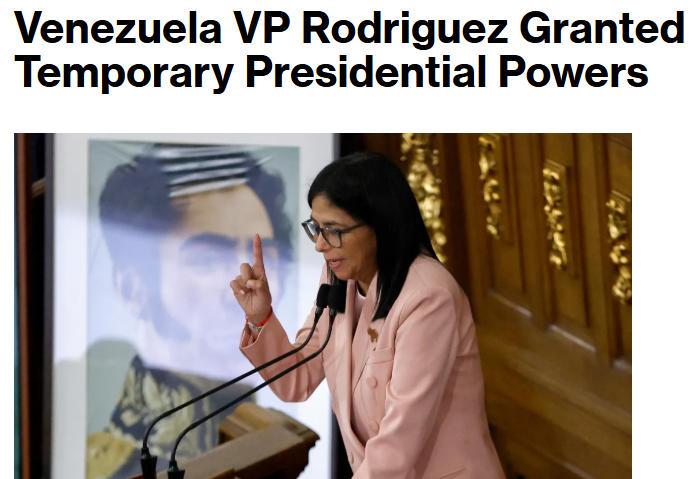
这篇主要来分析金铜齐涨背后的玄机,美元信用缩水遇上资源争夺升温,全球经济格局正悄悄改写。 2025年的全球市场,最让人意外的不是股市涨跌,而是黄金、铜这些"老物件"成了香饽饽。现货黄金一年涨了1870多美元,突破4500美元/盎司,伦铜也创 下每吨1.2万美元的新高,白银、铂金等更是翻倍上涨。 华尔街去年预测的黄金目标价,连现在的一半都不到,彻底被市场打脸。 变局的引信:美元信任的动摇 这波金铜狂潮背后,首先牵扯到的,就是美元的"江湖地位"和各国对它的信任危机。 一直以来,美元都是全球金融体系的基石,是国际贸易结算的主要货币,也是各国央行储备的首选。黄金的价格,也常常和美元走势呈现负相关,美元强, 黄金就弱。可现在,这个"铁律"似乎失灵了。美元指数不弱,黄金却依然高歌猛进,这是为什么? | 0 | | --- | | 名称 | 现价 | 涨跌幅▶ | | --- | --- | --- | | 伦敦金现 | 4509.530 | 0.57% | | SPTAUUSDOZ.IDC | | | | 伦敦银现 | 71.614 | 0.23% | | SPTAGUSDOZ IDC | | | | COMEX黄金 | ...
敏感时期,美军“死神”无人机现身
Huan Qiu Wang· 2025-12-28 10:11
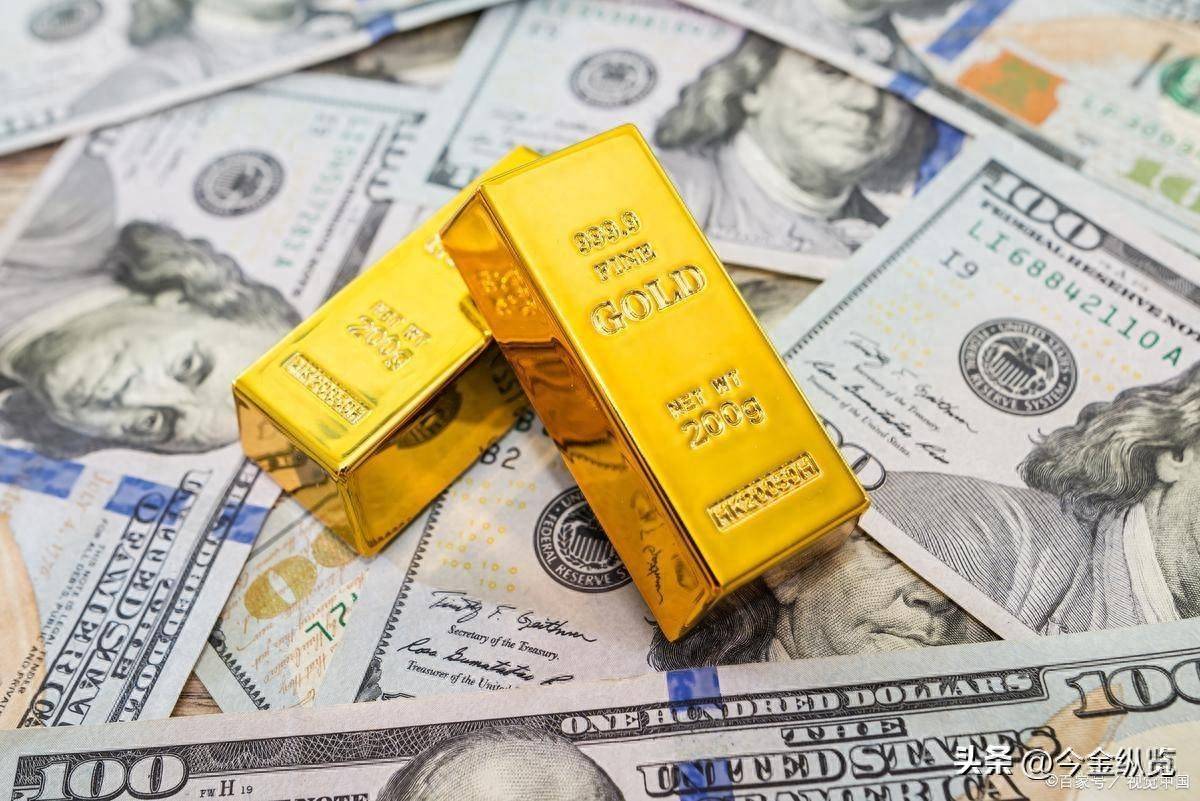
Group 1 - The core viewpoint of the article highlights the increasing military presence of the U.S. in the Caribbean region under the pretext of drug enforcement, with significant assets including aircraft carriers, fighter jets, transport planes, and drones being deployed near Venezuela [1] - The U.S. has conducted three interception operations against oil tankers related to Venezuela since December 10, claiming to seize the crude oil on board [1] - Venezuela has repeatedly stated that it will not yield to U.S. pressure, asserting that the U.S. actions are aimed at seizing its oil resources [1]
连跑4国抢资源!特朗普图穷匕见,美国真正的“命门”彻底敞开
Sou Hu Cai Jing· 2025-12-07 09:42
Core Viewpoint - The article discusses the increasing global presence of Trump and highlights the underlying resource competition in various regions, suggesting that the U.S. is strategically positioning itself to secure critical resources amidst geopolitical tensions [1][3][5]. Group 1: Resource Competition - Trump's recent activities in resource-rich regions such as Congo, Pakistan, Gaza, and Venezuela indicate a calculated effort to engage in resource acquisition [3][5]. - The competition for key minerals like rare earths, cobalt, and lithium is central to the U.S.-China rivalry, as both nations prepare for a long-term struggle for global dominance [8][10]. - The U.S. is attempting to leverage geopolitical instability to acquire resources at lower prices, thereby addressing its industrial shortcomings [11][23]. Group 2: Dollar Hegemony - The article emphasizes that the U.S. dollar's dominance is both a powerful tool and a source of self-harm for the U.S., as it has led to economic vulnerabilities [13][28]. - Historical context is provided, illustrating how the U.S. has used military and financial strategies to maintain dollar supremacy, particularly during crises like the Iraq War [15][16]. - The current situation reflects a paradox where the U.S. needs to rely on China for resources while simultaneously attempting to undermine its influence, creating a "self-destructive cycle" [23][28]. Group 3: Strategic Disparities - The U.S. is in a reactive "emergency mode," allocating significant funds to acquire minerals but failing to establish a sustainable resource strategy [25]. - In contrast, China is pursuing a long-term strategy to secure resources through stable market demands and deep industrial ties, making it more competitive in resource acquisition [27]. - The article concludes that the U.S. is trapped in a cycle of dependency on China for both resource acquisition and inflation control, undermining its efforts to reshape the global order [28].
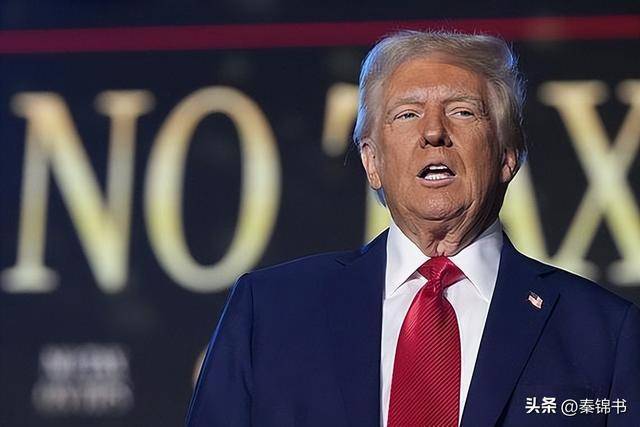
特朗普重返拉美,试图重新控制资源,中国要警惕了
Sou Hu Cai Jing· 2025-12-01 03:45
Group 1 - The core focus of the article is on the geopolitical struggle for resource control in South America, particularly in light of the recent political shifts towards the right in countries like Argentina and Bolivia, and the upcoming Chilean election [1][3][24] - The rise of right-wing leaders in South America, such as Argentina's Milei and Bolivia's right-wing factions, aligns with Trump's strategy to reshape resource control in the region, particularly targeting lithium and copper, which are crucial for global energy and manufacturing [3][5][11] - Chile's election is framed as a critical battleground for resource control, with the leading candidates representing starkly different approaches to resource management and foreign investment [7][9] Group 2 - The upcoming Chilean election features candidates with opposing views on resource management: leftist candidate Jara advocates for increased state control and regulation, while right-wing candidate Kast supports privatization and reduced foreign investment restrictions [9][15] - Chile holds nearly 40% of the world's lithium reserves, making it a key player in the global energy sector, and controlling these resources is a primary goal for Trump and U.S. interests [11][20] - Kast's rise in polls is attributed to his focus on public safety issues, which resonate with voters facing rising crime rates, and his policies may lead to increased foreign investment, particularly from U.S. capital [13][16] Group 3 - The potential election of Kast could lead to a favorable environment for U.S. companies in Chile, while simultaneously posing risks for Chinese enterprises already invested in the region, as Kast's pro-U.S. stance may prioritize American interests [18][22] - The article highlights the historical context of U.S. intervention in Latin America, suggesting that increased American influence could provoke domestic unrest and resistance among the Chilean populace [22][24] - The outcome of the Chilean election is not only a national political contest but also a significant part of the global resource competition, with implications for U.S.-China relations and the future of resource sovereignty in Latin America [24]
哥伦比亚总统:美欲夺取委内瑞拉石油资源
Yang Shi Xin Wen· 2025-11-27 01:20
(文章来源:央视新闻) 哥伦比亚总统佩特罗:委内瑞拉有着世界上最大的,或者说是最大之一的石油储量,主要是重油。他们 (美国)想要以极低的代价夺取石油,因为种种迹象都表明了这一点。特朗普并没有就毒品问题与(委 内瑞拉总统)马杜罗谈判,因为他不傻,你只需要看看数据就知道了,只有4%的哥伦比亚的毒品产 量,主要是可卡因经过委内瑞拉运输,这只是极少的一部分,绝大多数都是经过太平洋运输。所以这是 关于石油的谈判,我认为这就是特朗普的逻辑,他考虑的不是委内瑞拉的民主化,更不是什么毒品贩 运。 当地时间11月25日,哥伦比亚总统佩特罗在接受采访时表示,美国对委内瑞拉的施压行动既不是为了打 击毒品贩运,也不是为了所谓的民主,实际上是为了夺取委内瑞拉的石油资源。 ...
重磅!西方七国欲掀全球矿产市场牌桌,中国一句话点破真相,引国际社会广泛关注
Sou Hu Cai Jing· 2025-10-30 13:41
Group 1 - The core viewpoint emphasizes that the competition for critical minerals has evolved from traditional trade to a strategic battle over rules and regulations, with significant implications for national development rights [1][3]. - Critical minerals, such as lithium, cobalt, and rare earths, are essential for the digital age and are compared to "oil of the 21st century," highlighting their strategic value in the new energy era [3]. - China's comprehensive industrial chain in critical minerals, developed through years of technological accumulation and market expansion, contrasts with the G7's approach of forming exclusive alliances [3][6]. Group 2 - The G7's initiative to form a minerals alliance reflects a pragmatic attitude towards international rules, which may undermine market order and create a dual standard in global trade [5][6]. - China's advantage in the critical minerals sector is attributed to continuous innovation in extraction technology and environmental processes, rather than trade protectionism [6][8]. - The establishment of a global supply chain network by Chinese companies, from cobalt mines in the Democratic Republic of Congo to nickel mines in Indonesia, showcases a stark contrast to the G7's closed alliance model [8]. Group 3 - The potential negative impacts of the G7's minerals alliance include increased costs for global clean energy, disruption of existing supply chains, and risks of fragmentation in the international trade system [10]. - China's commitment to open cooperation in the face of geopolitical competition is underscored by its focus on maintaining legitimate rights while promoting collaborative efforts for mutual benefit [10][12]. - The future competition in the critical minerals sector will hinge on the ability to build inclusive and equitable global industrial chains, rather than forming exclusive clubs [12].