
Z世代

Search documents
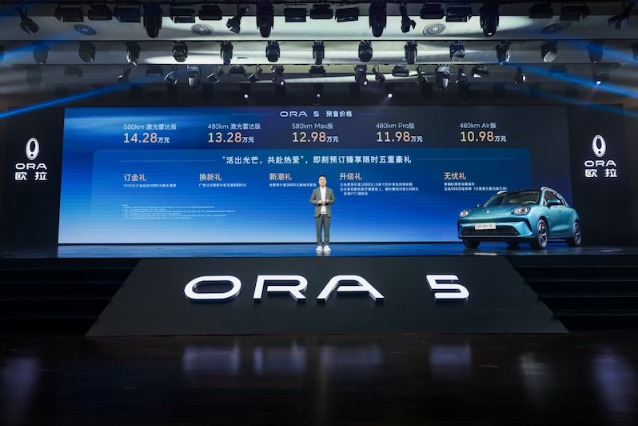
Z世代严选车 欧拉5携手侯明昊“共赴热爱”
Zhong Guo Jing Ying Bao· 2025-11-13 07:05
Core Insights - Great Wall Motors' Ora brand has launched the pre-sale of its new A-class pure electric SUV, Ora 5, starting at a competitive price of 109,800 yuan, targeting Generation Z consumers [2][3] - The Ora 5 features a unique design, advanced technology, and global quality, aiming to meet the expectations of young consumers for a "selected car" [3][5] Product Details - The Ora 5 is available in five models with a price range of 109,800 to 142,800 yuan, and offers multiple purchasing benefits for early buyers, including limited-time gifts [2] - The vehicle incorporates a "natural aesthetics" design and features the Coffee Pilot Ultra driver assistance system, which includes 27 perception hardware components and supports over 200 parking scenarios [3] Brand Strategy - The collaboration with celebrity Hou Minghao aims to resonate with Generation Z, reflecting the brand's commitment to connecting deeply with young consumers [4][5] - The partnership emphasizes a shift in the brand's role from "definer" to "witness" and "companion," enhancing emotional connections with users [5] Global Ambitions - The Ora brand has expanded into over 50 countries and regions, gaining the trust of nearly 600,000 users, marking a significant step in its global product strategy [5] - The launch of the Ora 5 is seen as a key milestone in the brand's transformation and ambition to represent "China's strongest voice" in the global automotive market [5]


迎驾贡酒:传承文化之魂与“Z世代”共赴未来
Xin Lang Cai Jing· 2025-10-30 09:08
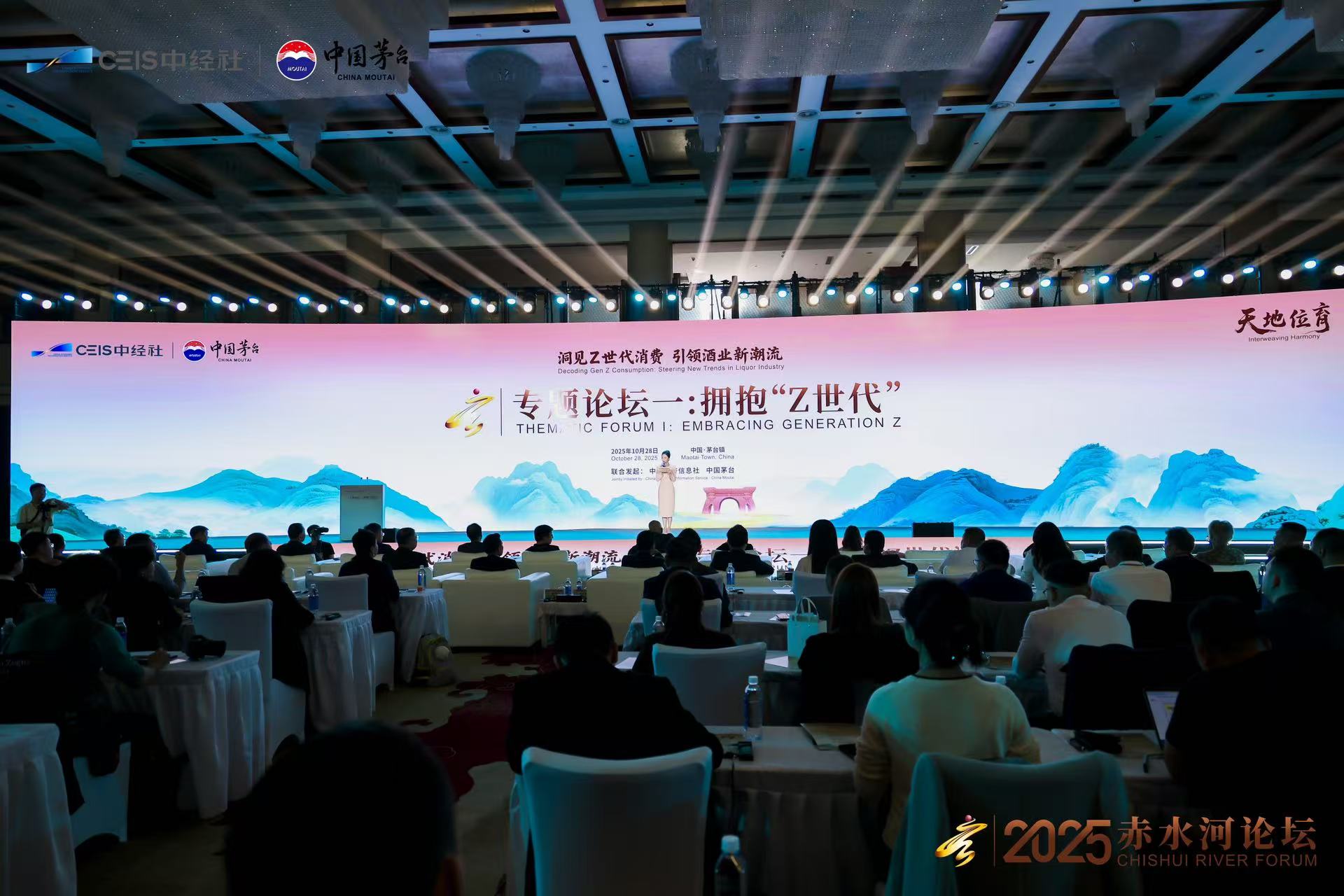
Core Viewpoint - The "Chishui River Forum" held in Maotai Town, Guizhou, focuses on the development of the Chinese liquor industry, emphasizing the importance of engaging with the "Z Generation" for the sustainable growth of Chinese liquor culture [1][5]. Group 1: Industry Insights - The "Z Generation," born between 1995 and 2009, is characterized by their broad perspectives, individualism, and experience-oriented consumption, which presents both opportunities and challenges for the liquor industry [3]. - Qin Hai highlighted that the "Z Generation" is not merely an observer but a key player in the evolution of the liquor industry, making it essential for the industry to embrace this demographic [5]. Group 2: Development Strategies - Qin Hai outlined three main directions for the development of Yingjia Tribute Liquor in resonance with the "Z Generation," focusing on ecological foundations, green values, and quality preservation [7]. - The company has leveraged ecological resources from Huoshan, Liu'an, Anhui, to build a sustainable and green brand image, which aligns with the values of the "Z Generation" [7].

Z世代青年何以创享红色文化(高峰之路)
Ren Min Ri Bao· 2025-10-27 22:38
Core Viewpoint - The article highlights how Generation Z is utilizing new technologies, particularly artificial intelligence, to innovate and share red culture, thereby deepening their understanding and recognition of it [2][3][4]. Group 1: Red Culture and Generation Z - Red culture embodies the ideals, values, and spirit of generations of Communists, serving as a rich source of spiritual strength for the internet-native Generation Z [3][4]. - Generation Z is increasingly engaged in the creation and dissemination of red culture through various new media platforms and expressive forms [4][7]. Group 2: Innovative Cultural Products - The creation and dissemination of red culture products should focus on stimulating the participation and agency of Generation Z, using emotional expressions that resonate with them for effective value transmission [4][5]. - High-density information is crucial for engaging Generation Z, who are surrounded by vast amounts of information daily and prefer cultural products that meet their needs for information density and research angles [5][6]. Group 3: Interactive and Participatory Approaches - Participatory expression is becoming integral to the dissemination of red culture, with young people favoring interactive contexts for learning and information acceptance [6][7]. - Some creators are designing red-themed games that allow players to experience historical choices and beliefs of revolutionary predecessors, fostering a collaborative atmosphere in the development process [6][7]. Group 4: Engaging Content Creation - Official accounts and organizations are adopting "Z-generation language" for content innovation, successfully attracting young audiences through relatable and engaging formats [6][7]. - The shift from one-way output to two-way co-creation in red culture signifies that Generation Z is not just passive recipients but active participants in shaping new expressions of red memory [7].

旅游消费关注X世代
Sou Hu Cai Jing· 2025-10-11 00:45
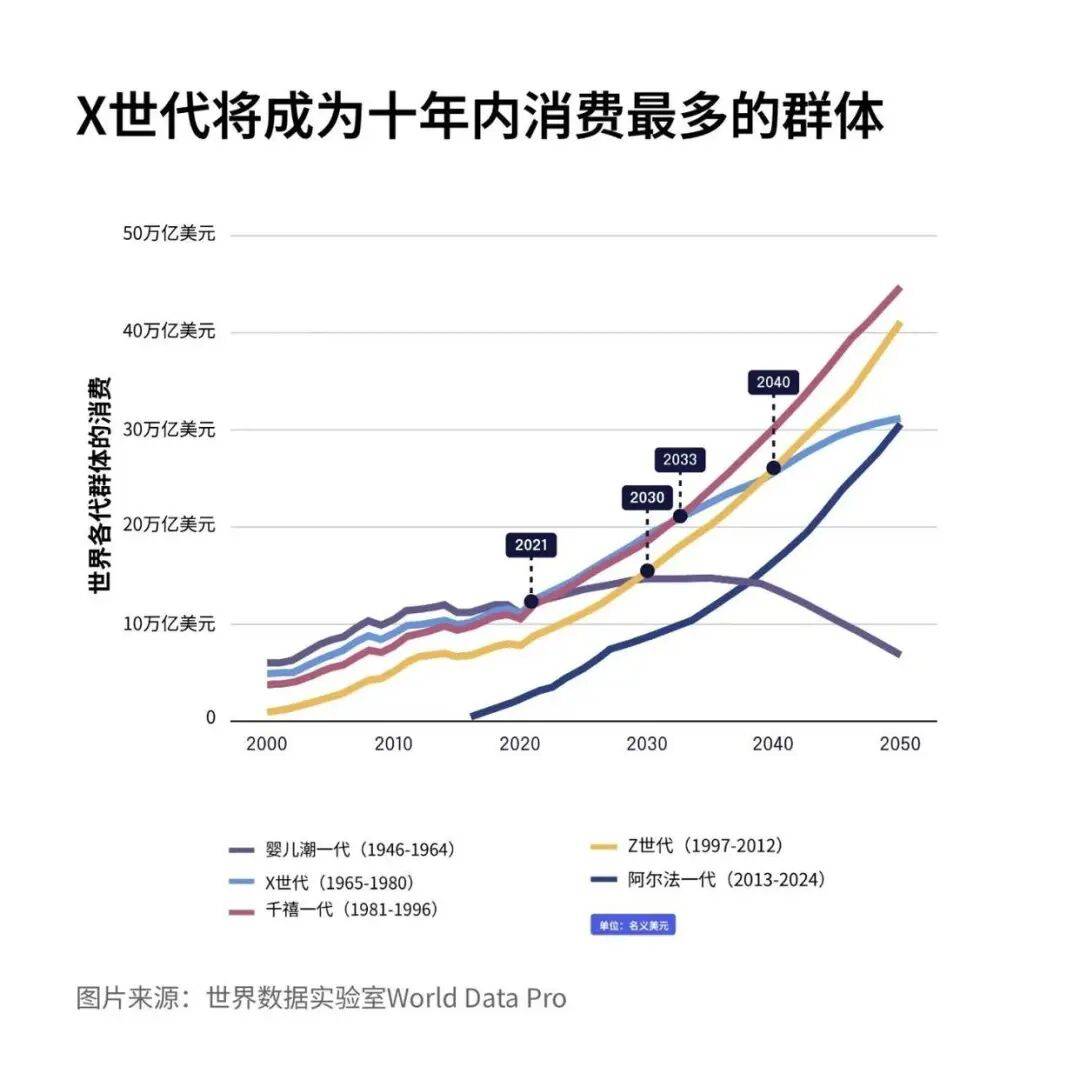
Core Insights - Generation X has become the highest consumer group globally, with a population of approximately 1.4 billion, accounting for 17% of the total population, and their influence on the consumer market is significant and growing [1][4] Group 1: Consumer Spending Trends - Generation X has been leading global consumer spending since 2021, a position expected to continue until 2033, particularly in high-income markets like Germany, Japan, the UK, and the US, where their dominance is projected to last until 2036 [1][6] - By 2025, Generation X is anticipated to drive global consumer spending of $15.2 trillion [1] Group 2: Demographic Characteristics - Generation X, born between 1965 and 1980, is often referred to as the "forgotten generation" and is characterized by their upbringing during a time of uncertainty [4] - They are currently at the peak of their consumption and income, being well-educated leaders in their careers, and play a central role in family and economic life, often referred to as the "sandwich generation" due to their responsibilities towards both children and aging parents [6] Group 3: Future Spending Focus - In the next decade, Generation X's spending will primarily focus on elder care, education, durable goods such as musical instruments and gaming consoles, and travel [6][9] - Although the spending power of Generation X is expected to decline as the responsibilities lessen and the millennial generation (ages 29 to 44) begins to surpass them in total consumer spending, Generation X will still maintain a high per capita spending level [9]
上有老下有小,“X世代”成为全球最高消费群体
Sou Hu Cai Jing· 2025-10-10 16:13
Group 1 - The core viewpoint is that Generation X has become the highest consumer group globally, with a population of approximately 1.4 billion, accounting for 17% of the total population, and their influence on the consumer market is significant and growing [1][3] - Generation X has been leading global consumer spending since 2021, a position expected to last until 2033, particularly in high-income markets like Germany, Japan, the UK, and the US, where their dominance is projected to continue until 2036 [1][3] - By 2025, Generation X is expected to drive global consumer spending of $15.2 trillion [1] Group 2 - Generation X, born between 1965 and 1980, is currently at the peak of their consumption and income, often referred to as the "sandwich generation" due to their responsibilities of caring for both children from the Millennial and Z generations and aging parents from the Baby Boomer generation [3] - Their spending priorities reflect their responsibilities, focusing on elder care, education, durable goods like instruments and gaming consoles, and travel over the next decade [3][6] - In the next ten years, Generation X will continue to lead spending in tourism, healthcare, and education, although their overall spending may decline as the younger Millennial generation begins to surpass them in total consumer expenditure [6]
东西问·北京文化论坛|吴丹娜:数字技术与“Z世代”助推俄中文化交流
Zhong Guo Xin Wen Wang· 2025-09-23 14:33
Core Insights - The article discusses the role of digital technology and Generation Z in enhancing cultural exchanges between China and Russia, highlighting the increasing interest in each other's cultures and the impact of modern technology on these interactions [1][3]. Group 1: Cultural Exchange Dynamics - Beijing has become a significant platform for cultural interaction between China and Russia, with various events and performances showcasing both cultures [3]. - Russian ballet is particularly popular in China, with tickets for performances selling out quickly, indicating a strong interest in Russian cultural elements [4]. - Conversely, Russians are increasingly interested in Chinese culture, as evidenced by the success of co-produced films and cultural festivals celebrating Chinese traditions [5]. Group 2: Impact of Digital Technology - The rapid advancement of technology has transformed cultural experiences, allowing individuals to engage with different cultures without traveling, thus breaking down geographical and economic barriers [7]. - Digital technology provides diverse and immersive experiences, particularly appealing to younger audiences, facilitating broader cultural exchanges between Chinese and Russian youth [7][9]. Group 3: Role of Generation Z - Generation Z plays an active role in cultural exchanges, acting as creators and connectors rather than passive observers, utilizing their familiarity with technology to engage in cultural dialogue [9]. - This generation's interactions are characterized by immediacy, visual engagement, and interactivity, reshaping traditional cultural narratives and promoting new forms of cultural expression [9]. Group 4: Future Cultural Cooperation - The upcoming 2025 Beijing Cultural Forum will focus on the integration of culture and technology, reflecting a global trend towards innovation in cultural dialogue and collaboration [11]. - There is a public expectation for deeper cultural understanding and friendship between China and Russia through enhanced cooperation in various cultural sectors, including performing arts and digital platforms [12].


迪士尼中国扩大零售团队 瞄准年轻人掘金16万亿元消费市场
Mei Ri Jing Ji Xin Wen· 2025-09-14 13:00
Core Insights - Disney is leveraging the "reverse aging" trend to maintain its relevance among younger consumers, with a focus on the upcoming generation that will drive future market growth [1] - The company aims to strengthen its retail presence in China, recognizing the importance of retail in the consumer goods market [2] - Disney's animation films are proving to be more economically impactful than live-action films, with merchandise being a significant revenue stream [3][4] Group 1: Market Focus - Disney's target demographic includes the Z generation (born 1995-2009) and the A generation (born after 2010), with the latter being recognized as the future consumer powerhouse [2] - The overall consumption scale of the Z generation is projected to reach 16 trillion RMB by 2035, highlighting their purchasing power [2] - A significant 88% of the A generation can influence family shopping decisions, indicating their potential impact on market trends [2] Group 2: Product Strategy - Disney is focusing on the upcoming release of "Zootopia 2," which is expected to perform well in the Chinese market, following the success of the original film [5] - The company has seen a threefold increase in licensing business related to "Zootopia" in the Greater China region since December 2024, with over 2,000 licensed products expected to be released by the end of 2025 [5] - Disney is also exploring local collaborations to better connect with Chinese audiences, as evidenced by its partnership with Shanghai Animation Film Studio for promotional content [5] Group 3: Revenue Streams - The merchandise sales from animated films are seen as an unlimited revenue source, contrasting with the fixed cycle of film releases [3][4] - Disney's strategy includes showcasing technology-driven products alongside traditional toys, reflecting the evolving preferences of younger consumers [2] - The success of animated films with strong retail value is becoming crucial for content companies to overcome box office growth challenges [4]

16万亿元消费潜力?迪士尼中国扩大零售团队 又看上了这一巨大群体
Mei Ri Jing Ji Xin Wen· 2025-09-12 14:52
Core Insights - Disney is leveraging a "reverse aging" trend to maintain its appeal among younger consumers, with plans to engage with the 8.2 billion global racing fans through collaborations like F1 in the coming year [2] Group 1: Market Position and Strategy - Disney's Consumer Products division is projected to achieve $62 billion in global retail sales by 2025, ranking first among global companies [3] - The company is focusing on Generation Z and Generation Alpha, who represent 43% of the global population and are expected to drive future market growth [3][5] - Disney's experience segment reported a revenue of $992 million in Q3 of FY2025, marking a 3% year-over-year increase [3] Group 2: Consumer Insights - The purchasing power of Generation Z is expected to reach 16 trillion RMB by 2035, with 88% of Generation Alpha influencing family shopping decisions [5] - Disney is adapting its product offerings to align with the characteristics of these generations, including the introduction of tech products alongside traditional toys [5] Group 3: Film and Merchandise Synergy - Animation films are proving to be more commercially viable than live-action films, with merchandise sales being a significant revenue stream [6] - Disney is strategically positioning its IPs, such as the upcoming live-action "Lilo & Stitch," to enhance its licensing business in China [6][9] - The anticipated release of "Zootopia 2" is expected to significantly impact Disney's licensing revenue, with over 2,000 related products planned for release in the Greater China region by the end of 2025 [9][11] Group 4: Localization Efforts - Disney is actively pursuing localization strategies in China, including collaborations with local animation studios to create culturally relevant promotional content [11]
2025 云栖大会「年轻力」征集:你的 AI 想法,就是我们找寻的未来
Founder Park· 2025-08-30 06:04
Core Viewpoint - The article emphasizes the unique relationship between Generation Z and AI, positioning them as the "natives" of the AI era who are not just users but co-creators with AI technology [4][21][27]. Group 1: AI and Generation Z - Generation Z (born between 1995 and 2009) is expected to drive the next wave of innovation in AI, viewing it as a fundamental service akin to mobile phones and WiFi [4][21]. - The article highlights the importance of understanding what Generation Z is concerned about and how they are engaging with AI [5][21]. Group 2: Cloud Conference Initiatives - Alibaba Cloud, in collaboration with Founder Park, is creating a dedicated platform for Generation Z at the upcoming Cloud Conference, showcasing their creativity and innovations in AI [6][8]. - The Cloud Conference, which has evolved since its inception in 2009, will feature a special exhibition titled "AI New Generation Q&A: A Growth Atlas of Young Creativity" [7][17]. Group 3: Call for Participation - A call for submissions has been launched for "Z Generation AI Innovation Works" and "Z Generation AI 100 Questions," inviting young innovators to share their AI-related projects and inquiries [10][19]. - The exhibition will present 50 outstanding cases from Generation Z innovators, allowing them to showcase their work to an audience of 60,000 attendees [12][10]. Group 4: Engagement and Interaction - The article encourages Generation Z to express their questions about AI, with the opportunity for selected inquiries to be addressed by experts at the conference [21][25]. - Participants can submit questions in the comments section, with incentives such as prizes and conference tickets for the most engaging contributions [24][25].

美股异动|哔哩哔哩盘前涨超2.2% 国泰海通指其年轻社群竞争力显著
Ge Long Hui· 2025-08-11 08:32
Core Viewpoint - Bilibili (BILI.US) shows strong growth potential driven by a thriving content and user ecosystem, particularly among the younger generation in China [1] User Engagement - As of February 2025, 70% of China's Generation Z (born between 1985-2009) are users of Bilibili, indicating significant market penetration [1] - The number of premium members exceeded 23.5 million as of Q1 2025, representing a year-on-year increase of 7.3% and accounting for 6.4% of Monthly Active Users (MAU) [1] - Over 80% of premium members are on annual subscription or auto-renewal plans, showcasing high user retention [1] Revenue Streams - Bilibili's gaming, value-added services, advertising, and IP derivatives are all experiencing accelerated commercialization [1] - The gaming segment demonstrates long-term viability, with revenue growth sustained through three main contributions, and new game launches expected to drive additional revenue in the second half of the year [1]

