摩尔定律

Search documents
芯片的未来:2.5D还是3D?
半导体行业观察· 2025-06-01 00:46
Core Viewpoint - The article discusses the evolution and significance of integrated circuit (IC) packaging in the semiconductor manufacturing process, highlighting the transition from 2D to 2.5D and 3D IC architectures as essential innovations to meet the increasing demands for performance and efficiency in modern electronic devices [2][11][29]. Summary by Sections IC Packaging Overview - IC packaging is a critical step in semiconductor manufacturing, providing protection and functionality to semiconductor chips [2][4]. - The packaging process involves placing fragile semiconductor chips into protective casings, similar to placing a cake in a sturdy box for transport [4][6]. Transition from 2D to 2.5D and 3D IC - The semiconductor industry is moving towards innovative packaging technologies like 2.5D and 3D IC to overcome limitations posed by traditional 2D packaging, especially as Moore's Law slows down [11][27]. - 2.5D IC involves placing chips side by side on an interposer, while 3D IC stacks chips vertically, enhancing integration density and performance [13][25]. Advantages and Challenges of 2.5D and 3D IC - 2.5D IC allows for moderate design complexity and easier thermal management, making it suitable for applications like GPUs and FPGAs [19][28]. - 3D IC offers very high integration density and reduced signal transmission distance, but faces challenges in cooling and design complexity [25][28]. - Both architectures aim to improve performance, reduce power consumption, and minimize space, essential for mobile and edge devices [27][29]. Market Outlook - The advanced chip packaging market is projected to grow from $3.5 billion in 2023 to over $10 billion by 2030, driven by demand in AI, 5G, high-performance computing (HPC), and automotive sectors [27][29].


一颗改变历史进展的芯片
半导体芯闻· 2025-05-26 10:48
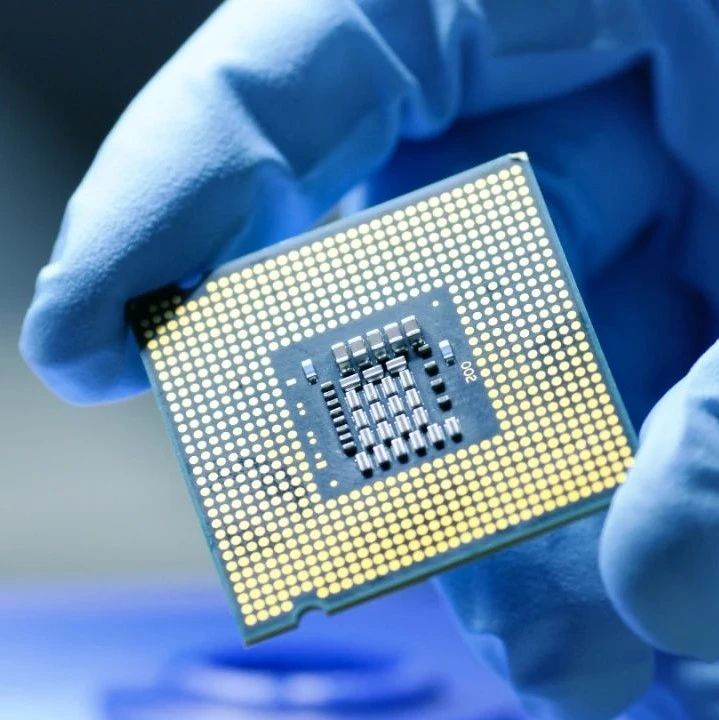
Core Insights - The introduction of the Bellmac-32 microprocessor marked a significant advancement in chip technology, combining 3.5-micron CMOS manufacturing with a novel 32-bit architecture, setting a foundation for modern computing devices [1][2][14] - Despite its innovative design, the Bellmac-32 did not achieve commercial success but laid the groundwork for the widespread adoption of CMOS technology in the semiconductor industry [13][14] Group 1: Historical Context - In the late 1970s, AT&T's Bell Labs aimed to leapfrog competitors like IBM and Intel by developing a revolutionary 32-bit microprocessor, the Bellmac-32, which could transmit 32 bits of data in a single clock cycle [5][9] - The Bellmac-32 was recognized with the IEEE Milestone Award, highlighting its historical significance in the evolution of semiconductor technology [2] Group 2: Technical Innovations - The Bellmac-32 utilized CMOS technology, which combined NMOS and PMOS designs to enhance speed while reducing power consumption, a significant improvement over existing technologies [7][14] - The architecture was designed to support Unix operating systems and C programming language, which were emerging technologies at the time, ensuring compatibility with future computing needs [9][10] Group 3: Development Challenges - The development team faced significant challenges, including low yield rates during manufacturing and the absence of advanced CAD tools for chip design verification [11][12] - The first version of the Bellmac-32 was released in 1980 but did not meet performance expectations, leading to further refinements that resulted in a second generation with clock speeds exceeding 6.2 MHz [12][13] Group 4: Market Impact - Although the Bellmac-32 did not become mainstream, it influenced the semiconductor market by demonstrating the effectiveness of CMOS technology, which eventually became the standard for modern microprocessors [13][14] - The shift from NMOS to CMOS technology reshaped the semiconductor landscape, paving the way for the digital revolution in devices like desktops and smartphones [14]

台积电首席科学家:长期遏制中国行不通
半导体芯闻· 2025-05-26 10:48
Core Viewpoint - The article discusses the insights of H.-S. Philip Wong, TSMC's Chief Scientist, on the future of semiconductor technology and the challenges posed by U.S. policies towards China’s semiconductor industry [1][2]. Group 1: Background of H.-S. Philip Wong - H.-S. Philip Wong was born in Hong Kong and earned his Ph.D. in Electrical Engineering from Lehigh University after graduating from the University of Hong Kong [2]. - Before joining Stanford University, he led advanced semiconductor research at IBM and is known for creating the world's first carbon nanotube computer in 2013 [2]. Group 2: TSMC's Research and Development Strategy - Wong emphasized the importance of having a forward-looking research team that can identify valuable technologies, even if they are not developed in-house [3]. - He formed a small team with members from universities, other companies, and TSMC, focusing on close interaction with the external research community [3]. Group 3: Challenges in Semiconductor Manufacturing - Wong pointed out that the importance of lithography technology is decreasing, suggesting that future advancements may not rely heavily on extreme resolution [4]. - He noted that the manufacturing process has become overly time-consuming, with the entire process taking up to seven months, and emphasized the need to reduce cycle times [5]. Group 4: U.S. Policies and China's Semiconductor Industry - Wong expressed skepticism about the long-term effectiveness of U.S. strategies to contain China's semiconductor industry, suggesting that these policies may inadvertently create a market for domestic Chinese equipment manufacturers [6][7]. - He observed that while the quality of Chinese research papers has improved significantly in the past 5 to 10 years, Chinese universities still struggle to establish new research directions [7].

国产5nm芯片怎来的?
是说芯语· 2025-05-25 23:48
Core Viewpoint - The article discusses the current state and future prospects of semiconductor manufacturing, particularly focusing on the challenges and methodologies involved in producing advanced nodes like 5nm and 3nm without EUV lithography. It emphasizes the importance of transistor density as a key metric for evaluating semiconductor technology advancements. Group 1: Semiconductor Manufacturing Techniques - DUV lithography combined with multiple exposure techniques can theoretically produce 5nm chips, and even 3nm under extreme conditions, although this approach is costly and not commonly adopted by mainstream foundries [5][23][48]. - The concept of "5nm" has evolved from a direct measurement of line width to a symbolic representation of a process node, with actual transistor gate lengths often exceeding the nominal node size [6][12][23]. Group 2: Transistor Density and Performance - Transistor density (MTr/mm²) is a more relevant metric than line width for comparing semiconductor technologies, as it reflects the number of transistors that can fit in a given area [13][21]. - The article provides a comparative analysis of transistor densities across various nodes, highlighting that the upcoming domestic 5nm technology may only achieve densities comparable to optimized 7nm processes [14][49]. Group 3: Industry Competition and Challenges - The competition among major players like TSMC, Intel, and Samsung is intense, with each company defining process nodes differently, leading to discrepancies in reported capabilities [21][22]. - The article points out that while Samsung claims to have achieved 5nm production, its actual transistor density and yield rates are significantly lower than those of TSMC, raising questions about the validity of such claims [15][21]. Group 4: Future Prospects and Technological Innovations - The semiconductor industry is expected to continue advancing, with predictions of achieving one trillion transistors on a single GPU chip within the next decade, driven by innovations beyond traditional lithography [19][48]. - The article stresses the need for domestic semiconductor manufacturers to focus on improving deposition and etching equipment, as these are critical for achieving high yields and performance in advanced nodes [48][50].
揭秘4亿美金光刻机的制造工厂
半导体行业观察· 2025-05-23 01:21
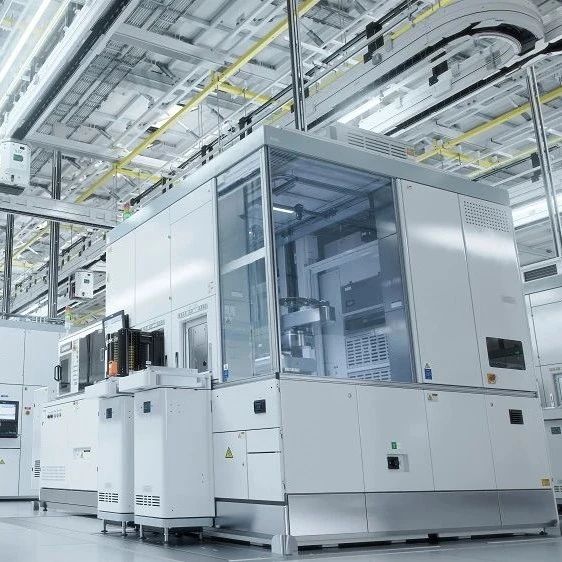
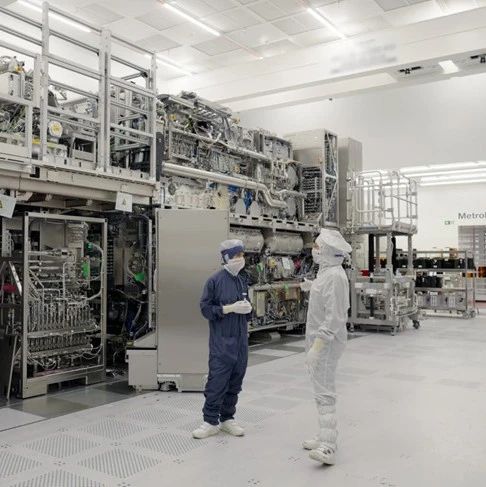
Core Viewpoint - ASML has developed the High Numerical Aperture (High NA) chip, a groundbreaking and expensive chip manufacturing machine that is set to revolutionize the semiconductor industry, with significant improvements in speed, performance, and cost efficiency [1][2][4]. Group 1: High NA Technology - The High NA chip is the latest generation of extreme ultraviolet (EUV) lithography machines, which are essential for producing advanced microchips [2]. - ASML is the sole manufacturer of EUV technology, which is critical for chip designs from major companies like Nvidia, Apple, and AMD [2]. - The first commercial installation of the High NA machine is at Intel, which plans to build a chip manufacturing facility in Oregon by 2024 [1][2]. Group 2: Market Dynamics - Only a few companies, including Taiwanese semiconductor manufacturers, Samsung, and Intel, can produce chips using High NA technology, and they are ramping up production to meet demand [2]. - ASML's EUV customers, including Micron, SK Hynix, and Rapidus, are expected to adopt High NA technology, indicating a strong market demand [2]. - ASML's older Deep Ultraviolet (DUV) lithography machines still account for 60% of its business, with significant sales to China, which represents 49% of ASML's Q2 2024 business [10][11]. Group 3: Technological Advancements - High NA technology allows for higher resolution projections of chip designs, leading to increased yield and reduced production costs [4][6]. - The machine's larger numerical aperture enables it to project smaller designs onto wafers in fewer steps, enhancing efficiency [6][7]. - ASML has reduced the power required for wafer exposure by over 60% since 2018, addressing energy consumption concerns in chip production [7]. Group 4: Future Outlook - ASML plans to ship at least five more High NA systems this year and aims to increase production capacity to 20 systems in the coming years [13]. - The company is also working on the next generation of machines, Hyper NA, with expected demand emerging between 2032 and 2035 [13]. - ASML is establishing a training center in Arizona to meet the growing demand for skilled personnel in EUV and DUV technologies [13].

一颗改变历史进展的芯片
半导体行业观察· 2025-05-23 01:21
Core Insights - The article discusses the historical significance of the Bellmac-32 microprocessor developed by AT&T's Bell Labs, which combined advanced CMOS technology with a 32-bit architecture, influencing modern computing [2][15]. Group 1: Historical Context - In the late 1970s, AT&T's Bell Labs aimed to surpass competitors like IBM and Intel by developing the Bellmac-32 microprocessor, despite the prevailing dominance of 8-bit processors [2][4]. - The Bellmac-32 was a response to the need for a chip that could handle both voice and computing functions, marking a significant shift in microprocessor design [4][10]. Group 2: Technological Innovations - The Bellmac-32 utilized CMOS technology, which was seen as a risky but promising alternative to NMOS and PMOS designs, offering both speed and energy efficiency [8][15]. - The engineering team at Bell Labs developed a complex instruction set to support Unix and C programming, which were emerging technologies at the time [10][11]. Group 3: Manufacturing Challenges - The initial production of the Bellmac-32 faced significant challenges, including low yield rates and the need for extensive manual verification of designs due to the lack of advanced CAD tools [12][13]. - Despite these challenges, the second generation of Bellmac chips achieved clock speeds exceeding 6.2 MHz, outperforming contemporary processors like the Intel 8088 [13]. Group 4: Market Impact and Legacy - Although the Bellmac-32 did not achieve widespread commercial success, it laid the groundwork for the adoption of CMOS technology in the semiconductor industry, reshaping the market landscape [15][16]. - The development of the Bellmac-32 is recognized as a milestone in technology history, demonstrating the potential of innovative chip architecture and manufacturing processes [15][16].
如何通俗的读懂算力?
3 6 Ke· 2025-05-22 02:50
Group 1 - The article discusses the different types of computing power: General-Purpose Computing Power (通算), Scientific Computing Power (科算), Intelligent Computing Power (智算), and AI Computing Power (AI计算), each serving distinct functions in data processing and analysis [4][5][6][7] - General-Purpose Computing Power is suitable for everyday tasks like office work and internet browsing, while Scientific Computing Power is specialized for complex scientific calculations [4][5] - Intelligent Computing Power is designed for training and running AI models, efficiently handling large datasets, and adapting strategies for various AI applications [6][7] Group 2 - The article highlights the increasing complexity of problems requiring higher precision and efficiency in computing, leading to a reevaluation of traditional methods like simply adding more processing cores [9][10] - It discusses the limitations of Moore's Law, which states that the number of transistors on a chip doubles approximately every two years, and how this trend is slowing down due to challenges like stability, heat dissipation, and rising costs [10][11][12] - Engineers are exploring innovative methods to enhance computing power, such as advancing manufacturing processes, utilizing 3D IC technology, and designing specialized chips for specific tasks [13][14] Group 3 - The development of computing power is described as a complex system involving various components, including hardware, software, and ecosystem support [15][20] - Hardware components like CPUs, GPUs, and AI chips are likened to the building blocks of a structure, while software serves as the connective tissue that enables functionality [16][19] - The article emphasizes the importance of a supportive ecosystem, including government policies and industry collaboration, to foster a robust computing environment [21] Group 4 - The global computing market is projected to reach $200 billion by 2029, with the AI computing market expected to grow to $90 billion at a 10% annual growth rate, significantly outpacing general computing [22][23] - In China, the computing market is also expected to grow, with general computing projected to reach $41.7 billion and AI computing to reach $23.8 billion by 2029 [23] - China's computing capacity is expected to reach 369.5 EFLOPS by 2025, reflecting a 26% year-on-year growth, indicating a strong national computing capability [24][25]
人工智能至今仍不是现代科学,人们却热衷用四种做法来粉饰它
Guan Cha Zhe Wang· 2025-05-21 00:09
Group 1 - The term "artificial intelligence" was formally introduced at a conference in 1956 at Dartmouth College, marking the beginning of efforts to replicate human intelligence through modern science and technology [1] - Alan Turing is recognized as the father of artificial intelligence due to his introduction of the "Turing Test" in 1950, which provides a method to determine if a machine can exhibit intelligent behavior equivalent to a human [1][3] - The Turing Test involves a human evaluator interacting with an isolated "intelligent agent" through a keyboard and display, where if the evaluator cannot distinguish between the machine and a human, the machine is considered intelligent [3][5] Group 2 - The Turing Test is characterized as a subjective evaluation method rather than an objective scientific test, as it relies on human judgment rather than consistent measurable criteria [6][9] - Despite claims of machines passing the Turing Test, such as Eugene Goostman in 2014, there is no consensus that these machines possess human-like thinking capabilities, highlighting the limitations of the Turing Test as a scientific standard [6][8] - Turing's original paper contains subjective reasoning and speculative assertions, which, while valuable for exploration, do not meet the rigorous standards of scientific argumentation [8][9] Group 3 - The field of artificial intelligence has been criticized for lacking a solid scientific foundation, often relying on conjecture and analogy rather than empirical evidence [10][19] - The emergence of terms like "scaling law" in AI research reflects a trend of using non-scientific concepts to justify claims about machine learning performance, which may not hold true under scrutiny [16][17] - Historical critiques, such as those from Hubert L. Dreyfus in 1965, emphasize the need for a deeper scientific understanding of AI rather than superficial advancements based on speculative ideas [18][19] Group 4 - The ongoing development of AI as a practical technology has achieved significant progress, yet it remains categorized as a modern craft rather than a fully-fledged scientific discipline [20][21] - Future advancements in AI should adhere to the rational norms of modern science and technology, avoiding the influence of non-scientific factors on its development [21]

雷军:小米自研SoC芯片采用3nm制程
Guan Cha Zhe Wang· 2025-05-19 04:16
Core Viewpoint - Xiaomi's upcoming self-developed SoC chip "Xuanjie O1" is set to be released, utilizing a second-generation 3nm process technology, surpassing market expectations and marking a significant milestone for China's semiconductor industry [1] Group 1: Chip Development and Investment - Xiaomi has invested over 135 billion RMB in the development of the Xuanjie chip as of April this year, with an expected investment of over 60 billion RMB this year [1] - The R&D team for the Xuanjie chip has grown to over 2,500 members, positioning Xiaomi among the top three in the domestic semiconductor design sector in terms of investment and team size [1] Group 2: Industry Context and Challenges - The semiconductor industry is experiencing a slowdown in Moore's Law, with international giants also reducing their pace in chip miniaturization, making this a critical moment for China's chip development [1][3] - The design and manufacturing of chips are equally important, and achieving breakthroughs in both areas is essential for China to catch up with global leaders [2][3][7] Group 3: Historical Context and Future Prospects - Xiaomi has been committed to semiconductor and operating system development since 2014, with over 100 billion RMB invested in R&D over the past five years [5] - The Xuanjie chip, with 19 billion transistors, represents a significant achievement in mobile SoC design, allowing Xiaomi to compete with global giants like Apple and Samsung [5] - The breakthrough in 3nm chip design is expected to have a positive impact on the domestic industry, attracting talent and enhancing product synergy [7]

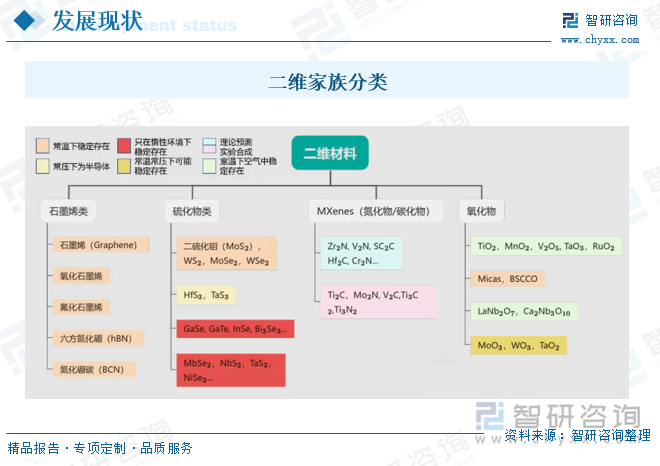
研判!2025年中国二维半导体材料行业发展背景、相关政策、市场规模及未来趋势分析:二维半导体材料产业应用逐步推进[图]
Chan Ye Xin Xi Wang· 2025-05-19 01:07
Core Viewpoint - The development of two-dimensional (2D) materials, particularly graphene, has gained significant attention due to their unique electrical properties and potential applications in various fields, including semiconductors, photonics, and quantum computing [1][2][9]. Industry Overview - Two-dimensional materials are defined as materials with atomic layer thickness in one dimension while maintaining larger dimensions in the other two. Graphene is the most well-known example, first isolated in 2004, showcasing exceptional electrical properties [1][2]. - The global market for 2D semiconductor materials is projected to reach $1.8 billion by 2024, with graphene accounting for 45% of this market due to its superior conductivity and mechanical strength [14]. Market Status - The semiconductor materials market is expected to generate $67.5 billion in revenue in 2024, with a year-on-year growth of 3.8%. This growth is driven by the recovery of the semiconductor industry and the increasing demand for advanced materials in high-performance computing and high-bandwidth memory [5][7]. - Taiwan, mainland China, and South Korea are the top three markets for semiconductor materials, collectively accounting for 65% of the global market share. Taiwan leads with a market size of $20.09 billion, while mainland China is projected to reach $13.458 billion in 2024, growing by 5.3% [7]. Development Background - The evolution of semiconductor materials has transitioned from first-generation silicon and germanium to second-generation compound semiconductors and third-generation wide-bandgap semiconductors. 2D semiconductor materials have emerged as a key area of research since the discovery of graphene, addressing the limitations of traditional materials [9][20]. - The Chinese government has included 2D semiconductor materials in its list of frontier materials, providing substantial policy support to encourage development and commercialization [11][13]. Technological Advancements - Significant breakthroughs in 2D semiconductor technology have been achieved, including the successful batch production of transition metal dichalcogenides (TMDs) and the development of a 32-bit RISC-V architecture microprocessor based on 2D materials [16][18]. - The industry is witnessing advancements in channel engineering, contact engineering, gate stacking, and integration technology, which are crucial for the large-scale fabrication of 2D semiconductor devices [18][19]. Future Trends - The unique physical properties and broad application potential of 2D semiconductor materials position them as a critical technology direction in the post-Moore era. With ongoing support from policies and market demand, the industry is expected to overcome key technological bottlenecks and drive a new wave of industrial revolution in fields such as optoelectronics and flexible electronics [20].