
智能辅助驾驶

Search documents
Momenta飞轮大模型加持,奔驰智能辅助驾驶全面走向本土化
Guan Cha Zhe Wang· 2025-09-25 03:51
Core Insights - Mercedes-Benz and Momenta announced a collaboration to develop an intelligent driving assistance system based on Momenta's large model, set to debut in the new all-electric CLA model launching this fall [1][3]. Group 1: Product Features - The new driving assistance system will provide intelligent driving capabilities in high-speed, urban, and parking scenarios, enabling from-space-to-space assistance [3]. - The system aims to achieve driving efficiency close to that of human drivers while prioritizing safety, including features like not running yellow lights and yielding to pedestrians at crosswalks [3]. Group 2: Collaboration Background - The partnership between Mercedes-Benz and Momenta began in 2017, marking Mercedes-Benz as one of the first foreign car manufacturers to invest in local autonomous driving startups in China [3]. - This collaboration represents a significant step in Mercedes-Benz's localization strategy in China, with the new electric products showcasing the results of this investment [3]. Group 3: Technology and Testing - The intelligent driving assistance system utilizes Momenta's end-to-end large model technology, developed specifically for Chinese traffic conditions and driving scenarios, using local data for training [3]. - The system's reliability is ensured through rigorous testing that combines real-world road tests and simulation tests, adhering to "Mercedes standards" throughout the development process [3][4].

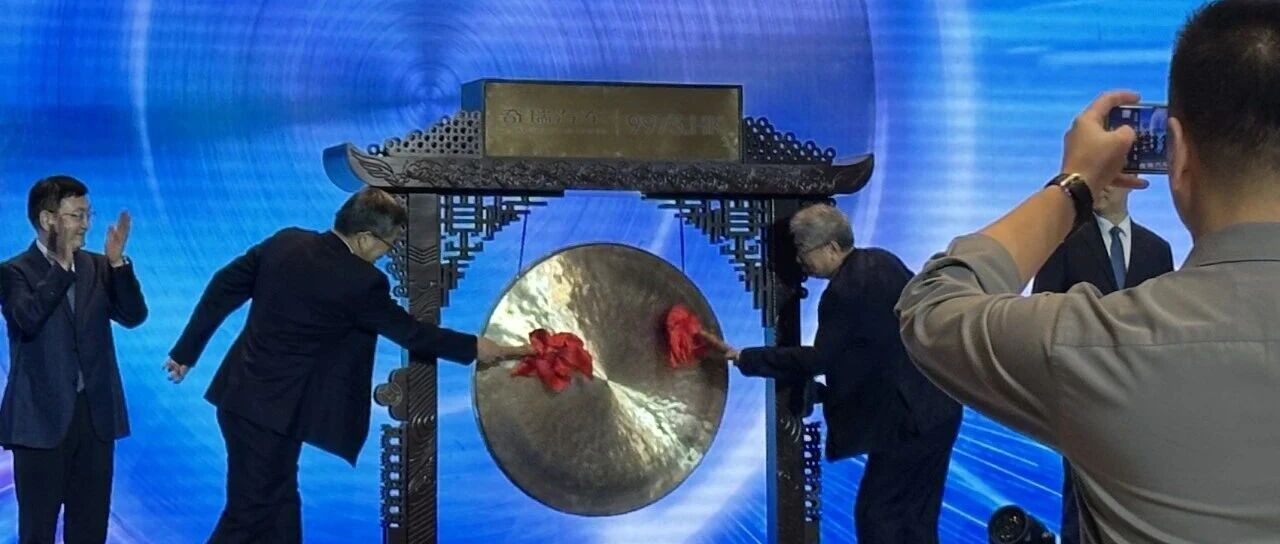
从小草房到港交所:奇瑞21年的资本破茧之路
汽车商业评论· 2025-09-25 03:26
Core Viewpoint - Chery Automobile has successfully navigated a tumultuous journey in the capital market, culminating in its listing on the Hong Kong Stock Exchange, marking a significant milestone for the company and the Chinese automotive industry [3][4][29]. Group 1: Historical Journey - Chery was founded in 1997 in Wuhu, Anhui, with a registered capital of 1.752 billion yuan, primarily backed by local government entities, which laid the foundation for its complex equity structure [9]. - The company faced significant challenges, including the need for production qualifications, which led to a strategic partnership with SAIC in 2001 to gain access to necessary production licenses [11]. - Chery attempted to go public in 2004 through a reverse merger but faced difficulties due to conflicting interests among stakeholders, resulting in a failed listing [12][28]. Group 2: Strategic Shifts and Challenges - The company adopted a multi-brand strategy in 2009, which ultimately led to resource dilution and financial strain, causing it to miss several IPO opportunities [13][15]. - In 2019, Chery initiated a significant mixed-ownership reform, bringing in strategic investors to improve its governance structure and financial health, which was crucial for its eventual IPO plans [20][21]. - The introduction of Luxshare Precision as a strategic investor in 2022 provided a solid foundation for Chery's listing ambitions, despite the challenges posed by previous investors [21][29]. Group 3: Recent Performance and Market Position - Chery's revenue is projected to grow from 92.6 billion yuan in 2022 to 269.9 billion yuan by 2024, with a compound annual growth rate of 70.7%, and net profit expected to rise from 5.8 billion yuan to 14.3 billion yuan during the same period [25][26]. - The company has achieved significant sales growth in both the new energy and traditional fuel vehicle segments, with a 265% increase in new energy vehicle sales in 2024 [26]. - Chery's strategic focus on technology and product development, including a major push into smart and electric vehicles, positions it favorably in the competitive automotive landscape [24][25]. Group 4: Future Outlook - Chery's successful IPO on the Hong Kong Stock Exchange is seen as a transformative step towards becoming a global public company, enhancing its operational freedom and market competitiveness [29]. - The company aims to leverage its technological advancements and market position to continue leading in the automotive sector, particularly in the context of the ongoing transition to electric and smart vehicles [29].
奔驰与Momenta强强联合,全新智能辅助驾驶系统赋能国产纯电CLA
Huan Qiu Wang Zi Xun· 2025-09-25 02:49
Core Viewpoint - Mercedes-Benz and Momenta are set to launch a jointly developed intelligent driving assistance system, initially featured in the new all-electric CLA model, with plans for expansion to more Mercedes-Benz vehicles in the future [1][3]. Group 1: Strategic Collaboration - Mercedes-Benz became the first international car manufacturer to invest in Momenta in 2017, marking a forward-looking approach in the intelligent driving assistance sector [3]. - The collaboration has involved close teamwork and significant investment in the development of the new intelligent driving assistance system [3]. Group 2: System Features and Development - The intelligent driving assistance system is designed to provide smart driving support in various scenarios, including highways, urban areas, and parking, enhancing convenience and comfort for users [3]. - The system is tailored to Chinese traffic conditions and driving scenarios, developed by a Sino-German team to meet Mercedes-Benz's standards while incorporating Momenta's advanced AI technology [3]. - Extensive testing has been conducted, including real-world road tests and simulation tests, ensuring the system's reliability in extreme weather and complex road conditions [3]. Group 3: Market Position and Future Outlook - The new all-electric CLA model aims to deliver a driving experience that is both safe and intelligent, with features that prioritize safety, such as not running yellow lights and yielding to pedestrians at crosswalks [5]. - The collaboration between Mercedes-Benz and Momenta is expected to significantly shorten the development to production cycle, showcasing the integration of "Mercedes standards" with "Chinese capabilities" [5].
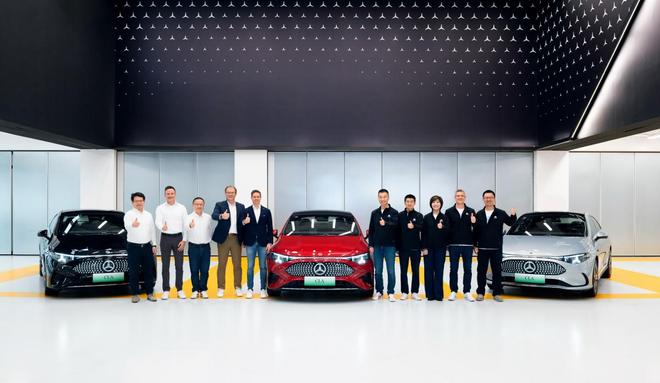
奔驰携手Momenta打造新一代智能辅助驾驶,首车CLA今秋上市
Zhong Guo Qi Che Bao Wang· 2025-09-25 02:20
Core Insights - Mercedes-Benz and Momenta have announced a collaboration to develop an intelligent driving assistance system based on Momenta's large model, which will debut in the new all-electric CLA model launching this autumn [1][3] - The system will provide advanced driving assistance capabilities, enabling intelligent driving from parking space to parking space in various scenarios including highways and urban areas [1][3] Group 1: Collaboration and Development - Mercedes-Benz became the first international car manufacturer to invest in Momenta in 2017, marking the beginning of a strategic partnership focused on intelligent driving systems [3] - The new system is tailored to Chinese traffic conditions and driving scenarios, developed through collaboration between Chinese and German teams to meet Mercedes-Benz's standards [3][5] - The collaboration aims to integrate Mercedes-Benz's engineering legacy with Momenta's cutting-edge AI technology, enhancing the driving experience for Chinese customers [3][5] Group 2: System Features and Testing - The intelligent driving system utilizes local Chinese data and incorporates experiences from seasoned drivers to better meet the needs of Chinese customers [5] - Extensive testing has been conducted, including real-world road tests in high-traffic urban areas and advanced simulation tests, ensuring the system's reliability and performance [5][6] - The system prioritizes safety, featuring measures such as not forcing through yellow lights and preemptive deceleration at intersections to prevent collisions [6]

车辆辅助驾驶可以“托管”方向盘? 智能辅助驾驶滥用调查
Xin Hua Wang· 2025-09-24 23:55
Core Viewpoint - The article highlights the misuse of intelligent assisted driving systems by drivers, leading to safety concerns and the need for enhanced monitoring technologies by automotive companies [1][2][3]. Group 1: Misuse of Intelligent Assisted Driving - A recent incident involved a driver falling asleep while using an intelligent assisted driving feature, prompting police intervention and raising alarms about the dangers of such behavior [1][3]. - Many drivers mistakenly equate "assisted driving" with "fully autonomous driving," which poses significant risks when they relax their vigilance [3][4]. - Reports indicate that some drivers are using devices to circumvent driver monitoring systems (DMS), allowing them to engage in unsafe behaviors like using their phones or sleeping while driving [2][6]. Group 2: Automotive Companies' Response - Automotive manufacturers are upgrading DMS to combat the improper use of assisted driving features, implementing multi-layered safety mechanisms [2][3]. - New DMS solutions incorporate visual recognition, multi-modal biometric recognition, and physical feedback to monitor driver engagement and intervene when necessary [3][4]. - Some companies have developed advanced systems that provide escalating alerts and interventions based on driver behavior, such as vibrating seats and automatic speed reduction [4][9]. Group 3: Grey Market Products - A variety of products designed to bypass DMS are available on the market, with some drivers openly admitting to using them despite understanding the associated risks [6][8]. - These products, often marketed as "smart driving aids," can deceive DMS into thinking the driver is engaged, leading to a false sense of security [6][8]. - The popularity of these grey market products is fueled by a sense of complacency among drivers, who believe that they can safely use assisted driving features without full attention [9].
三代车型的坚守与蜕变,李斌详解蔚来ES8的“生长哲学”
Zhong Guo Qing Nian Bao· 2025-09-24 15:11
Core Insights - NIO officially launched the new ES8, a flagship SUV, with a starting price of 406,800 yuan, which can drop to 298,800 yuan with the BaaS battery leasing plan, marking a price reduction of nearly 100,000 yuan compared to the second-generation model [2] - The price adjustment reflects a decade of technological accumulation, with improvements in self-developed chips, mass production, and technological iteration leading to better gross profit performance [2] - The new ES8 integrates advanced intelligent driving technologies, including the Cedar AQUILA system and the NWM intelligent driving system, enhancing safety and user experience [3] Pricing Strategy - The new ES8's pricing strategy aims to position the NIO brand more competitively in the market, moving away from the high costs associated with the second-generation model due to high battery prices and initial technology applications [2] - The self-developed NX9031 chip has reduced costs by 10,000 yuan while improving performance, showcasing a "technology cost reduction" model that allows for competitive pricing without sacrificing profit margins [2] Technological Advancements - The Cedar AQUILA system features 31 high-performance sensing hardware components, providing comprehensive all-weather perception capabilities with a maximum range exceeding 400,000 square meters [3] - The new ES8 is equipped with the NWM intelligent driving system, which is the first of its kind to be mass-produced using world model technology, enabling safer and easier driving experiences across various scenarios [3] Market Positioning - The evolution of the ES8 over three generations symbolizes the maturation of Chinese high-end manufacturing, transitioning from catching up to competing on equal footing [4] - NIO is building a clear product hierarchy with the new ES8 and the L90 model, covering a price range from 180,000 to 450,000 yuan, which is crucial for competing in the second half of the smart electric vehicle market [4] - The company emphasizes that the new ES8 is a significant asset in the competitive landscape, where scale effects and technological advantages will be key factors [4]

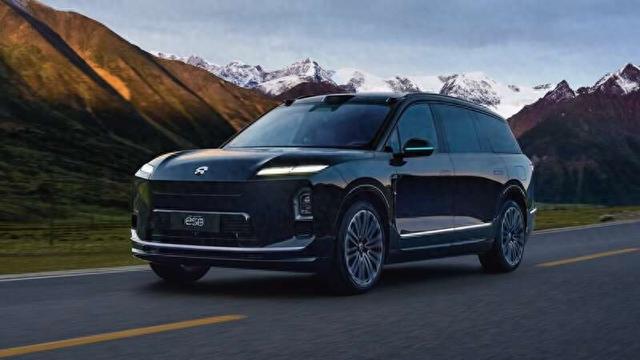
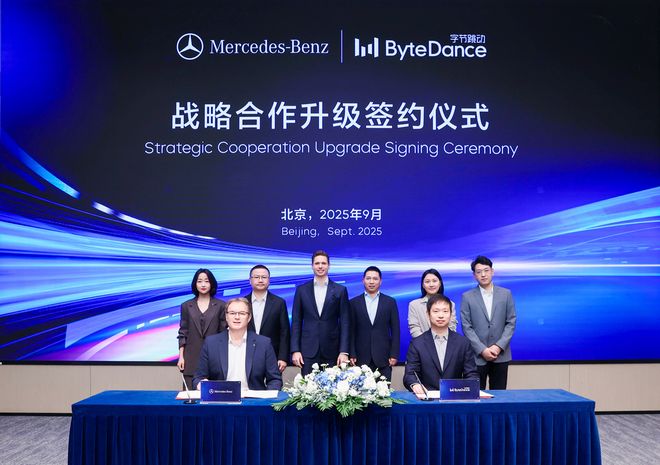
奔驰与字节跳动升级战略合作:以AI赋能跨业务数智化
Guan Cha Zhe Wang· 2025-09-24 03:24
Core Insights - Mercedes-Benz (China) Investment Co., Ltd. and ByteDance have signed an upgraded strategic cooperation memorandum to promote the integration of artificial intelligence (AI) technology across various business sectors [1][3] - The collaboration aims to enhance AI technology applications in areas such as intelligent assisted driving, smart cockpit, digital marketing, and customer operations [3][5] Group 1: Strategic Collaboration - The partnership is an upgrade following their initial collaboration with Volcano Engine in 2023, with the first Mercedes model featuring the Doubao large model set to launch this fall [3][5] - This collaboration marks ByteDance's significant step into the smart automotive sector [3] Group 2: Technological Integration - Mercedes-Benz established a research and development center in Shanghai in 2022, focusing on accelerating digital R&D [5] - The new electric CLA will feature the self-developed MB.OS architecture, allowing for seamless integration with top technology partners [5] - The smart cockpit AI platform will integrate ByteDance's AI capabilities for rapid application generation, enhancing user experience through a data-driven closed-loop system [5][6] Group 3: R&D Efficiency and Data Management - Mercedes-Benz's R&D team has developed a software development and operations platform, with Volcano Engine assisting in building a big data platform to enhance R&D efficiency [6] - The collaboration will leverage AI capabilities from Feishu to improve digital collaboration in R&D processes [6] Group 4: Digital Marketing and Customer Operations - Mercedes-Benz will work with ByteDance to explore new media marketing channels, utilizing Volcano Engine's strengths in big data and AI for deeper user insights [8] - The partnership will enhance customer operations through advanced cloud communication technology for precise information delivery [8] - The collaboration began in 2023, with the introduction of Volcano Engine into the Mercedes smart cockpit system [8] Group 5: R&D Network and Growth - Over 20 years in China, Mercedes-Benz has built a comprehensive R&D network outside Germany, with increasing investments leading to a "dual-engine" innovation strategy in Beijing and Shanghai [8] - The digital R&D team in China is the fastest-growing globally, responsible for various global projects, including new entertainment systems and intelligent parking features [8]
阿维塔战略2.0发布,2026款07这些配置都成了标配
Nan Fang Du Shi Bao· 2025-09-23 15:07
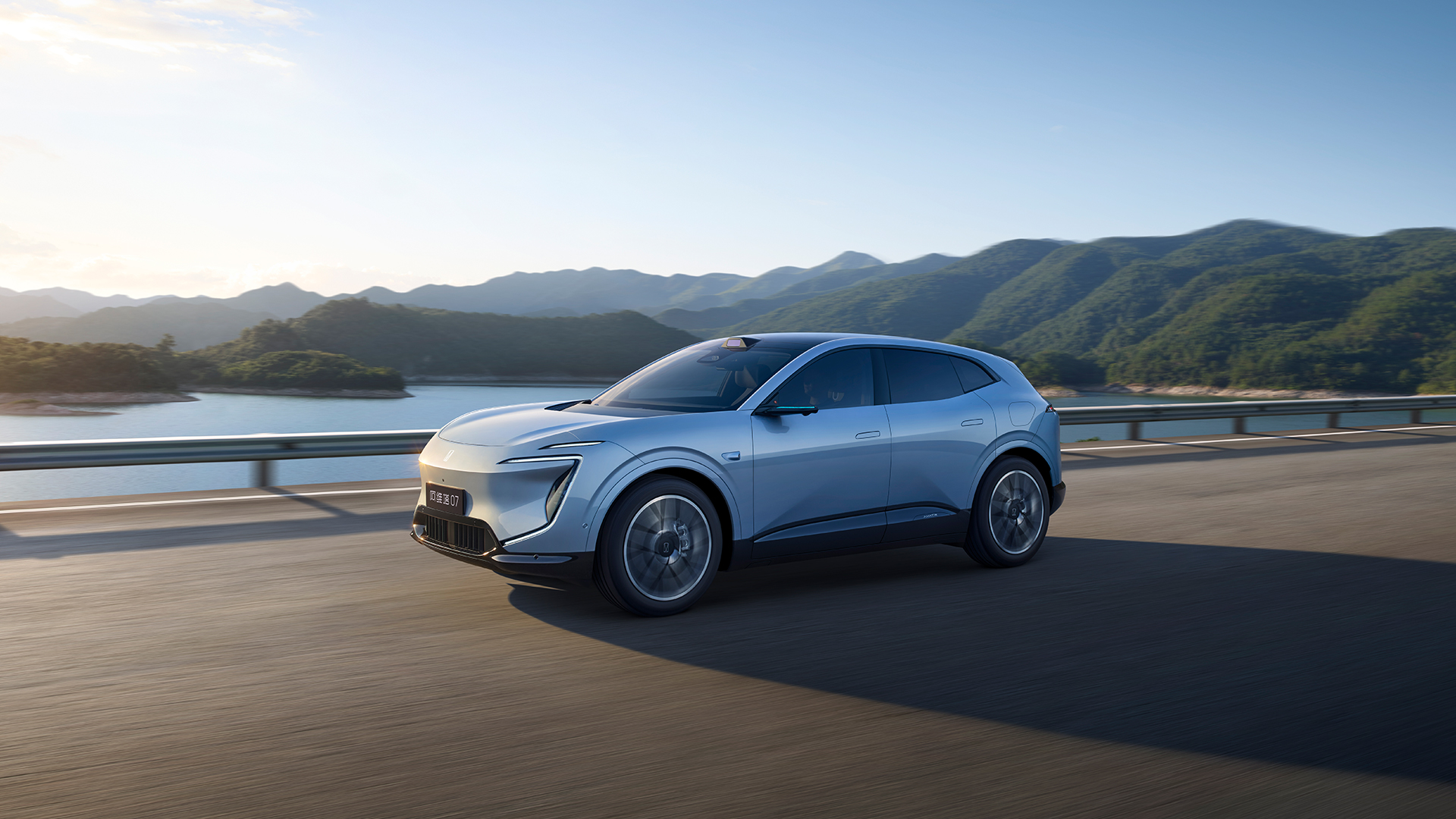
Core Insights - Avita has officially launched its strategic 2.0 plan alongside the release of the Avita 07 2026 model, defined as a "smart and beautiful urban luxury SUV" [1] - The new model offers six variants with pure electric and range-extended powertrains, priced between 219,900 to 279,900 yuan, with promotional prices starting from 209,900 to 269,900 yuan [1] - The Avita 07 2026 model features several luxury configurations, including a four-door electric suction door, streaming electronic rearview mirror, and a 35.4-inch 4K panoramic screen [1] Product Features - The entire series is equipped with Huawei's Qian Kun ADS 4 advanced driver-assistance system, upgraded with 4D millimeter-wave radar and new auxiliary driving lights, enhancing driving and parking experiences [3] - The cabin features Huawei's Harmony Space 5, providing an immersive interactive experience [3] Strategic Goals - Avita aims for global sales of 400,000 units and annual revenue of 100 billion yuan by 2027, with targets of 800,000 units by 2030 and 1.5 million units by 2035 [3] - To achieve these goals, Avita plans to enhance product, technology, service, and globalization strategies, including launching five upgraded models in collaboration with Huawei and CATL by 2026 [3] Global Expansion - Avita plans to enter over 80 countries and establish more than 700 sales channels by 2030, accelerating its globalization process [3] - The strategic partnership with Huawei will deepen, focusing on team collaboration, joint manufacturing, and ecosystem building [4] - Avita has delivered over 3,000 vehicles to Huawei employees to date [4]
对话淦家阅:《台州宣言》一年考,“笨小孩”吉利如何闯关
2 1 Shi Ji Jing Ji Bao Dao· 2025-09-22 23:07
Core Viewpoint - Geely is undergoing significant internal integration to enhance efficiency and reduce redundancy, aiming to establish a unified brand identity and improve product positioning in the competitive automotive market [1][4][6]. Group 1: Internal Integration and Brand Positioning - Geely's CEO emphasizes the importance of a systematic approach to integration, referring to the company as a "clumsy child" that must steadily progress towards its goals [2][3]. - The integration has clarified brand positioning, with distinct roles for its sub-brands: Zeekr as luxury technology, Lynk & Co as mid-to-high-end performance, and Galaxy as mainstream high-value products [2][4]. - The launch of the Galaxy M9 SUV, priced under 200,000 yuan, showcases Geely's ability to control costs and break market barriers [2][15]. Group 2: Market Challenges and Sales Goals - Geely has raised its annual sales target to 3 million units, reflecting confidence in its growth strategy amid fierce competition in the electric vehicle market [5][17]. - The company aims to accelerate product launches, with several new models, including the Zeekr 9X and Starry 6, set to hit the market soon [5][18]. - Geely's sales from January to August reached 1.897 million units, a 47% year-on-year increase, with domestic growth exceeding 60% [17][19]. Group 3: Technological Advancements and Strategic Partnerships - Geely is focusing on enhancing its smart driving capabilities through a partnership with Qianli Technology, aiming to develop a comprehensive intelligent driving solution [8][10]. - The company is committed to maintaining technological leadership in smart driving, requiring significant investment in AI and engineering capabilities [10][11]. - Geely's R&D investment from 2021 to 2025 exceeds 100 billion yuan, with total R&D spending over 250 billion yuan in nearly 11 years, indicating a shift from investment to harvest phase [16].

2025/9/15-2025/9/19汽车周报:科技外溢,智驾与华为有望承接热情-20250922
Shenwan Hongyuan Securities· 2025-09-22 11:05
Investment Rating - The report suggests a bullish outlook for the automotive sector, particularly driven by technology and central state-owned enterprise reforms [3][10]. Core Insights - The automotive sector is expected to benefit from a market rally, with technology-driven segments like robotics and low-altitude economy likely to follow the TMT lead [3]. - The report highlights a rebound in the performance of the robotics sector in the second half of the year, with specific companies recommended for investment [3]. - The establishment of a national standard for intelligent driving assistance systems is anticipated to enhance safety and quality in the automotive industry [4][5]. Market Update - In the 37th week of 2025, retail sales of passenger cars reached 450,000 units, showing a month-on-month increase of 24.65% but a year-on-year decrease of 7.79% [3]. - The total transaction value in the automotive industry for the week was 922.739 billion, reflecting a 31.03% increase from the previous week [3]. - The automotive industry index rose by 2.95%, outperforming the Shanghai and Shenzhen 300 index, which fell by 0.44% [10]. Company Recommendations - The report recommends focusing on domestic leading manufacturers such as NIO, Xiaomi, Xiaopeng, and Li Auto, as well as companies involved in intelligent driving technology [3]. - It also suggests monitoring state-owned enterprises like SAIC and Dongfeng for potential investment opportunities [3]. - Companies with strong performance growth and capabilities in robotics or overseas expansion, such as Fuyao Glass and New Spring, are highlighted as potential investment targets [3]. Key Events - The report notes the launch of NIO's new ES8 and ET9 special edition, showcasing significant investments in charging and battery technology [6][7]. - Elon Musk's substantial investment in Tesla, amounting to approximately $1 billion, has positively impacted Tesla's stock performance [8][25]. - The report mentions the introduction of various new models and strategic partnerships in the automotive sector, indicating a dynamic market environment [26][29][34].
