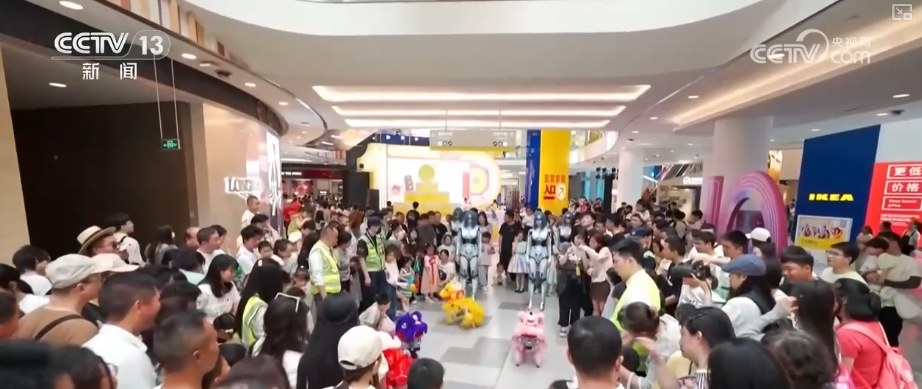
服务消费

Search documents
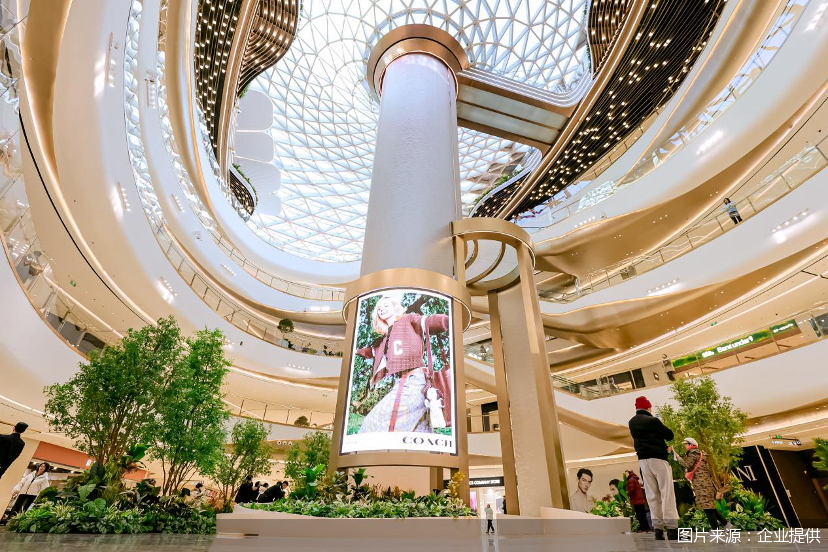
服务消费领航 多元业态赋能 2025年北京消费市场韧性十足
Bei Jing Shang Bao· 2026-01-28 14:13
Group 1 - The core viewpoint of the articles highlights the significant growth and transformation of Beijing's consumer market, particularly emphasizing the role of service consumption as a key driver of economic activity [1][2][10] - In 2025, Beijing's total market consumption is projected to grow by 1.6% year-on-year, with service consumption increasing by 5%, indicating a shift towards a more service-oriented economy [1][4] - The integration of online and offline retail channels is accelerating, with the penetration rate of enterprises in wholesale and retail, accommodation, and catering sectors reaching 51.9%, up by 2.4 percentage points year-on-year [2][4] Group 2 - The retail sales of social consumer goods in Beijing are expected to decline by 2.9% year-on-year, although the decline is narrowing compared to previous quarters, reflecting a structural adjustment in the consumption market [4] - Certain categories, such as gold and jewelry, cosmetics, and staple food, have shown positive growth, with retail sales increasing by 39.5%, 12.6%, and 5.7% respectively [4] - The penetration rate of new energy vehicles is rising, with retail sales of these products increasing by 13.2% year-on-year, driven by policies promoting consumption and the popularity of new models [4] Group 3 - The emergence of new retail formats and the "first store economy" is becoming a key indicator of urban commercial attractiveness, with over 1,068 new first stores opened in 2025, marking an 11.3% increase [5][8] - The night economy is expanding, with the number of night economy consumption points increasing from 22 in 2019 to 139 in 2025, indicating a growing demand for nighttime activities [8] - The integration of traditional cultural elements with modern consumption trends is evident, as seen in the rise of local brands and international brands adapting to local culture [8][12] Group 4 - The focus on quality and fashion in consumption is becoming more pronounced, with the development of a diverse range of consumer experiences that cater to high-quality and multi-faceted lifestyles [10][12] - The concept of "fashion consumption" is evolving, with expectations that it will become a significant growth point in the market, driven by innovation and cultural resonance [12][13] - The importance of fashion consumption as a commercial and social value is highlighted, indicating its potential to drive consumer trends and create substantial market value [13]

(经济观察)中国多举措释放服务消费潜力 开拓经济增长新空间
Zhong Guo Xin Wen Wang· 2026-01-28 11:32
近年来,中国服务消费保持较快增长。数据显示,2025年中国服务零售额同比增长5.5%,快于商品零 售额1.7个百分点,居民人均服务性消费支出占比达46.1%。文体休闲、通讯信息、旅游咨询租赁、交通 出行等服务零售额保持两位数增长。居民人均教育文化娱乐消费支出同比增长9.4%。 中新社北京1月28日电 (记者 王梦瑶)近期,中国从中央到地方政府密集出台举措,着力促进服务消费发 展,为经济增长开拓新空间。 1月16日召开的国务院常务会议指出,要加快培育服务消费新增长点,支持新业态新模式新场景竞相涌 现,增加优质服务供给,解决好信用、标准、安全管理等问题,促进服务消费提质惠民。 中国商务部部长王文涛近期表示,梳理了一批业态模式新、增长速度快、带动作用强的服务消费领域, 包括交通、家政、网络视听、旅居等规模较大的领域,还有演出、体育赛事、游戏、情绪式体验式服务 等前景好的潜力领域,推动完善支持政策,清理不合理限制性措施,积极培育服务消费新增长点。 地方层面,上海今年以来已接连推出两项文件聚焦服务消费。1月9日公布的《上海市促进租赁和商务服 务业"产业聚集、空间聚集、要素聚集"三年行动计划(2026-2028年)》明确 ...
政策“组合拳”助推服务消费提质增效
Ren Min Wang· 2026-01-28 07:33
商务部数据显示,2025年我国服务零售额同比增长5.5%,快于商品零售额1.7个百分点,居民人均服务 性消费支出占比达46.1%。在政策的大力支持下,我国服务消费市场越来越活跃,消费场景、平台载体 日渐丰富,极大地促进了消费市场繁荣发展,增进了民生福祉。 随着服务消费提质惠民行动持续推进,新增长点不断培育,多元化消费场景持续创新,服务消费将继续 释放潜力。期待"旅游+""美食+""体育+""IP+"等融合消费场景,为更多人带来更多元、更精彩、更便捷 的消费体验。 服务消费的增长,藏在普通人便捷的出行与游玩场景中。2025年全年开行旅游列车2485列,同比增长 33.6%,偏远景区可达性显著提升,县域旅游活力持续释放。周末乘旅游列车打卡周边、闲暇观影等日 常消费,背后是交通出行、文体休闲等服务零售额保持两位数增长的坚实支撑。从需求端看,随着居民 收入水平提升,消费正从商品消费为主向商品和服务消费并重转变,服务消费的需求清单不断拉长;从 供给端看,低空飞行、游轮游艇、旅游演艺等新业态新模式不断涌现,商旅文体健融合发展,为服务消 费增长开辟了新空间。 服务消费的暖意,体现在烟火气十足的餐饮与便民服务中。2025年餐 ...
“服务消费”战略定位提升,春运阶段开启
Jianghai Securities· 2026-01-28 06:49
Investment Rating - The industry rating is "Overweight" (maintained) [6] Core Insights - The strategic positioning of "service consumption" has been enhanced, expected to become a core engine for driving domestic demand. The State Council's meeting on January 16 emphasized the implementation of consumption-boosting actions and the cultivation of new growth points in service consumption, providing a clear direction for consumption development in 2026 and the 14th Five-Year Plan [6] - During the Spring Festival travel season (February 2 - February 14, 2026), domestic flight ticket bookings exceeded 7.54 million, a year-on-year increase of 12%. The total expected passenger transport volume for civil aviation during the Spring Festival is projected to reach a historical high of 95 million, with a daily average of 2.38 million passengers, reflecting a year-on-year growth of approximately 5.3% [6] - The recovery of dining consumption in Q4 2025 was significantly stronger than that of retail goods, indicating a resurgence in service consumption. From October to December 2025, the year-on-year growth rates for dining revenue were 3.8%, 3.2%, and 2.2%, respectively, while retail goods growth rates were 2.8%, 1.0%, and 0.7% [6] Summary by Sections - **Recent Industry Performance**: Over the past 12 months, the industry has shown relative returns of 5.35% over one month, 7.38% over three months, and a decline of 3.0% over twelve months. Absolute returns were 6.42%, 8.38%, and 19.81% respectively [4] - **Policy Support**: The government has introduced policies to encourage service consumption, including optimizing school holiday arrangements to promote student well-being, which is expected to boost service consumption growth [6] - **Investment Recommendations**: The report suggests focusing on listed companies in the dining, hotel, and tourism sectors, including China Duty Free Group, Shouhang Hotel, Jinjiang Hotels, and others, as they are likely to benefit from the positive trends in service consumption [6]



我国消费市场规模质量双提升
Jing Ji Wang· 2026-01-28 03:34
国务院新闻办公室近日举行新闻发布会,商务部相关负责人表示,2025年提振消费加力显效,全年社会 消费品零售总额首次突破50万亿元,达到50.1万亿元,增长3.7%,消费对经济增长的贡献率达到52%, 提高了5个百分点。下一步,商务部将围绕"出政策、办活动、优场景"三大方向深化促消费工作。 本报记者 蒋永霞 1月26日,国务院新闻办公室举行新闻发布会,介绍了2025年商务工作及运行情况。数据显示,2025年 社会消费品零售总额首次突破50万亿元大关,达50.1万亿元,同比增长3.7%;尤为引人注目的是,消费 对经济增长的贡献率达到52%,较上年提升5个百分点,再次印证了消费作为我国经济"主引擎"的核心 地位。在政策加力、场景创新与结构优化的多重推动下,我国消费市场呈现出稳中有进、质效双升的新 格局。 政策与活动双轮驱动 2025年,以"政策+活动"双轮驱动的促消费策略成效显著,尤其在大宗耐用商品和县域乡村市场释放出 强劲动能。 大宗耐用商品消费较快增长。2025年,受消费品以旧换新政策带动,相关商品,比如限额以上单位家 电、通讯器材、家具零售额分别增长了11%、20.9%和14.6%,乘用车零售量增加了3.8% ...
人民财评:政策“组合拳”助推服务消费提质增效
Sou Hu Cai Jing· 2026-01-28 00:59
Group 1 - The core viewpoint of the articles highlights the significant growth in service consumption in China, with a projected increase of 5.5% in service retail sales by 2025, outpacing the 1.7% growth in goods retail sales [1] - By 2025, the per capita expenditure on service consumption is expected to reach 46.1%, indicating a shift in consumer spending patterns towards services [1] - The tourism sector is set to see a substantial increase, with 2,485 tourist trains expected to operate in 2025, marking a 33.6% year-on-year growth, enhancing accessibility to remote scenic areas [1] Group 2 - The restaurant industry is projected to generate nearly 5.8 trillion yuan in revenue by 2025, with a year-on-year growth of 3.2%, driven by continuous optimization of supply in the sector [2] - The rise of digital services, such as online consultations and instant delivery, is contributing to the growth of communication and information services, benefiting various demographics including the elderly and rural residents [2] - The government's dual approach of "policy + activities" is aimed at enhancing service consumption quality, focusing on key areas like cultural entertainment, tourism, and dining [2] Group 3 - The ongoing service consumption enhancement actions are expected to foster new growth points and innovative consumption scenarios, with a focus on integrated experiences such as "tourism +", "food +", and "sports +" [3]
与东中西三省份发改委、政研室负责人对话——如何推动能消费敢消费愿消费(经济新方位·对话·奋进2026)
Ren Min Ri Bao· 2026-01-27 22:17
Core Viewpoint - Consumption is a crucial engine for China's economic growth, with insufficient demand being a prominent issue in the current economic operation. The central economic work conference has prioritized "domestic demand-led growth" and emphasized the need to boost consumption as part of its eight key tasks [1] Group 1: Promoting Stable Income and Employment - Promoting stable income is fundamental to expanding consumption, which includes enhancing employment quality and optimizing income distribution structures to increase the middle-income group [2][3] - In the "14th Five-Year Plan" period, Beijing's per capita disposable income rose from 69,000 yuan in 2020 to 89,000 yuan, with a low urban unemployment rate [2] - Shanxi aims to create 473,000 new urban jobs by 2025, addressing structural employment challenges due to resource-based economic transitions [2][4] - Sichuan's per capita disposable income is expected to grow by 5.5% by 2025, but faces challenges with income structure and employment mismatches [3][5] Group 2: Clearing Consumption Restrictions - The central economic work conference emphasizes the need to eliminate unreasonable restrictions in the consumption sector to unleash consumption potential [6] - Beijing is reforming to remove barriers to consumption, such as optimizing large event management and promoting regular promotional activities [6][7] - Shanxi is working to improve the business environment by removing market barriers and ensuring equal participation in consumption activities [6][8] - Sichuan is simplifying processes in various sectors, including second-hand car transactions and housing loans, to encourage consumption [7] Group 3: Enhancing Quality of Goods and Services - There is a significant gap between China's consumption rate and that of developed countries, particularly in service consumption [9][10] - Beijing's per capita service consumption expenditure reached 59.3%, with a 6.5% increase in education, culture, and entertainment spending [10] - Shanxi is focusing on cultural tourism to boost service consumption, with a projected 14.8% increase in tourist numbers by 2025 [10][11] - Sichuan's service consumption expenditure is expected to reach 45.1% by 2025, with plans to enhance high-quality supply in cultural tourism and health services [11][12] Group 4: Expanding Rural Consumption - Rural consumption is constrained by low income and inadequate service systems, with rural residents' per capita consumption at 19,818 yuan, 76% of the provincial average [12] - Sichuan plans to improve rural consumption services and support rural e-commerce to stimulate local economies [12]
地方两会透露出哪些促消费新信号?
Xin Lang Cai Jing· 2026-01-27 08:30
Group 1 - Local governments are prioritizing consumer promotion in their 2026 work reports, with a focus on enhancing residents' consumption capacity through various policies and initiatives [1][2] - Beijing plans to optimize commercial layouts, improve traditional business districts, and support large-scale consumption in sectors like automobiles and home appliances [1] - Gansu aims to implement a dual approach of "policy + activities" to boost consumption, expanding the supply of quality consumer goods and services [1] Group 2 - Guangdong is set to enhance consumption convenience and support the development of smart commercial facilities, while promoting AI products to reshape consumption platforms [1][2] - Various provinces are developing new consumption scenarios, such as leisure, fashion, and cultural night markets, to stimulate growth in service consumption [2] - Economic experts highlight the shift from goods to service consumption as a key area for policy focus, emphasizing the importance of service consumption in driving domestic demand and stabilizing employment [3]
今年将推动商签哪些贸易投资协定?商务部答每经:持续推进与海合会等自贸合作
Mei Ri Jing Ji Xin Wen· 2026-01-27 07:12
每经记者|张怀水 每经编辑|贾运可 1月26日,国新办举行新闻发布会,介绍2025年商务工作及运行情况。 聚焦我国在扩大全球高标准自贸区网络的工作进展和下一步规划,《每日经济新闻》记者在发布会现场提问——能否请商务部详细介 绍一下2025年在扩大面向全球的高标准自贸区网络方面进展如何?2026年如何推动商签更多区域和双边贸易投资协定? 每日经济新闻 对此,商务部外国投资管理司负责人王亚回答《每日经济新闻》记者提问时表示,2025年,商务部积极推动构建面向全球的高标准自 贸区网络,取得了丰硕的成果。2026年,商务部将坚持"量""质""效"并举,加快推进区域和双边贸易投资协定进程,以中国新发展为 世界提供新机遇。 加快推进投资协定谈判 培育服务消费新增长点 近日,国家统计局公布的数据显示,当前,居民消费正从商品消费为主向商品和服务消费并重转变。如何进一步释放服务消费潜力? 对此,商务部副部长鄢东表示,服务消费具有消费频次高、乘数效应强、增长可持续等特点,在扩大内需、增进民生福祉中发挥着重 要的作用。商务部认真贯彻落实党中央、国务院决策部署,发挥服务消费牵头部门作用,会同相关部门积极出台支持政策,创新消费 场景, ...
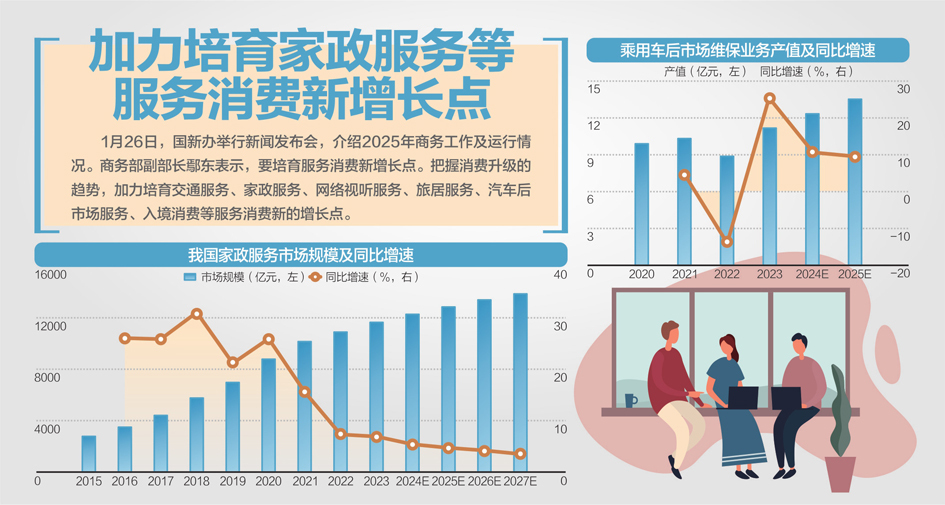
多元化服务供给释放经济新活力 新业态新模式为服务消费增长开辟新空间
Yang Shi Wang· 2026-01-27 04:04
Group 1 - The core viewpoint is that China's service consumption is expected to maintain rapid growth, with a projected retail service revenue increase of 5.5% year-on-year by 2025 [1] - The service retail sectors such as cultural and recreational activities, communication information, tourism consulting and leasing, and transportation are anticipated to experience double-digit growth [1][4] - The new trends in service consumption include travel associated with events and culinary experiences linked to movies, alongside the development of new business models like low-altitude flights and cruise tourism [4] Group 2 - By 2025, the total revenue from the catering industry is expected to reach 5.8 trillion yuan, reflecting a year-on-year growth of 3.2% [4] - The proportion of per capita service consumption expenditure by residents is projected to increase, indicating a shift towards more service-oriented spending [4] - The Ministry of Commerce plans to continue implementing actions to enhance service consumption quality and promote investment in the service sector, focusing on areas such as cultural entertainment, tourism, and healthcare [6]