
新能源转型

Search documents
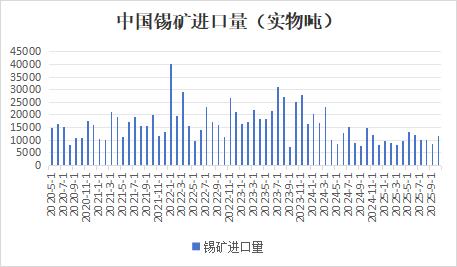
矿端担忧情绪凸显供应脆弱性 锡价重心持续上移【文华观察】
Wen Hua Cai Jing· 2025-12-12 11:34
Core Viewpoint - Tin prices have entered a continuous upward trend, with the main contract on the Shanghai Futures Exchange surpassing 330,000 yuan, reaching a new high since March 2022, driven by multiple factors including geopolitical conflicts, supply bottlenecks, low inventory support, and enhanced market sentiment [1] Geopolitical Factors - The deteriorating geopolitical situation in eastern Democratic Republic of the Congo (DRC) has significantly contributed to the surge in tin prices. The Bisie mine, operated by Alphamin Resources, is the third-largest tin mine globally, with a projected output of 17,300 tons in 2024, accounting for approximately 6% of global tin supply [2] - The stability of production at the Bisie mine has been repeatedly affected by armed conflict, with recent escalations raising concerns about potential production halts. Although a peace agreement was signed, ongoing conflicts limit its effectiveness, and the evacuation of personnel has heightened expectations of supply chain disruptions [2] Supply Chain Disruptions - Nigeria is also facing risks to tin supply, with President Tinubu declaring a state of emergency and proposing a six-month suspension of mining activities in northern states. Nigeria's annual tin production is about 7,000 tons, representing 2.3% of global supply, but the implementation of the suspension faces significant resistance [3] - Long-standing supply bottlenecks have laid the groundwork for the current rise in tin prices. The recovery of tin production in Myanmar has been slower than expected, with actual output falling short of market forecasts due to various delays [3] Inventory Levels - The low inventory levels in the tin market have acted as a significant catalyst for price increases. The latest LME tin inventory stands at 3,695 tons, which is low compared to historical levels. Domestic tin ingot inventories have also significantly decreased compared to last year, with total inventories around 10,000 tons, below levels seen in the past two years [4] Market Sentiment and Investment - There has been a notable increase in market interest in tin, with the weighted position on the Shanghai Futures Exchange rising from over 50,000 contracts to 120,000 contracts, more than doubling. This increase, combined with macroeconomic factors such as the Federal Reserve's interest rate cuts and rising copper prices, has further amplified the upward price momentum [4] Demand Dynamics - The tin market is experiencing a dichotomy between emerging demand and traditional demand. Emerging demand from sectors like AI and new energy is robust, with global semiconductor sales maintaining over 20% year-on-year growth, while traditional sectors like consumer electronics are showing signs of weakness [6] - Overall, while emerging sectors provide some marginal support, they are insufficient to offset the decline in traditional consumption, leading to a tight balance in supply and demand without a significant supply gap [6]

从N7“喜忧参半”到N6“背水一战”,东风日产转型答卷怎么写?
3 6 Ke· 2025-12-12 11:22
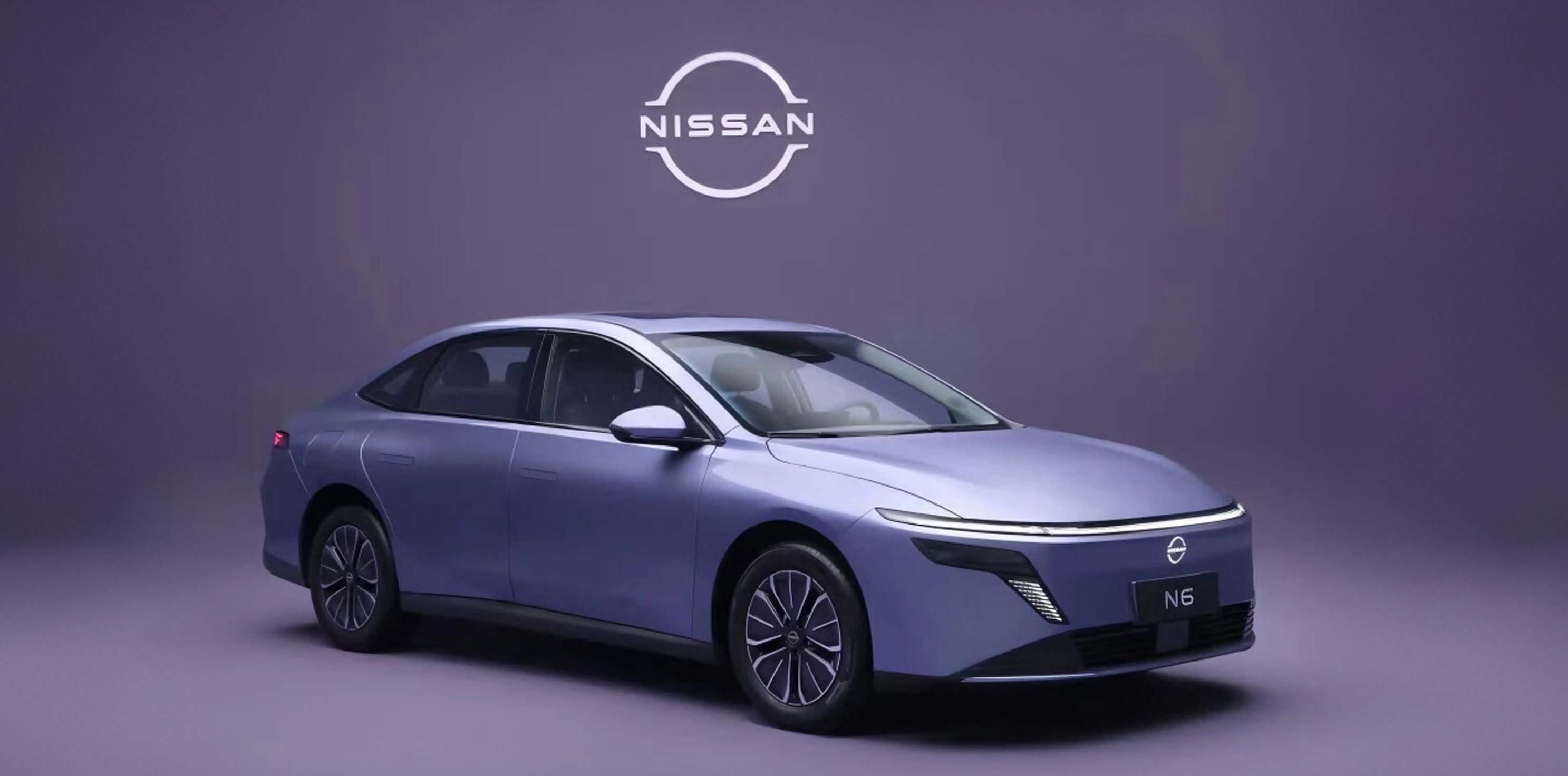
Core Viewpoint - Dongfeng Nissan's recent launches of the N7 and N6 models illustrate the challenges and strategies of joint venture brands in the competitive Chinese electric vehicle market, highlighting the need for effective pricing and operational efficiency to succeed in the rapidly evolving landscape [2][3][12]. Group 1: N7 Performance - The N7 model initially showed strong sales with 20,000 pre-orders and monthly deliveries peaking at over 10,000 units, but subsequently experienced a significant decline, with September sales dropping by 35.55% to 6,410 units [2][3]. - Despite the initial success, the N7's sales trajectory has raised concerns about its long-term viability, as it struggled to maintain momentum in a competitive market [3][6]. - The N7's pricing strategy, while initially effective in attracting attention, has led to concerns about brand perception and long-term profitability, as it risks associating Nissan's electric vehicles with lower value [6][9]. Group 2: N6 Launch and Strategy - The N6, priced between 9.99 million and 12.99 million yuan, aims to compete directly with established models from domestic brands like BYD and Geely, indicating a shift towards aggressive pricing strategies in the hybrid vehicle segment [2][8]. - The N6's specifications, including a 180 km electric range and low fuel consumption, are designed to appeal to cost-conscious consumers, positioning it as a high-value option in the market [8][11]. - The success of the N6 is critical for Dongfeng Nissan, as it must address the operational challenges faced by the N7, particularly in delivery efficiency and customer satisfaction [10][11]. Group 3: Industry Implications - The performance of the N7 and N6 models reflects broader trends in the automotive industry, where joint venture brands must adapt to the fast-paced demands of the electric vehicle market while maintaining operational efficiency [12][16]. - Dongfeng Nissan's approach to decentralizing decision-making and focusing on local market needs serves as a potential model for other joint venture brands facing similar challenges in the Chinese market [13][16]. - The ongoing competition with domestic brands, which have established cost advantages and customer loyalty, poses significant challenges for Dongfeng Nissan as it seeks to regain market share in the rapidly evolving automotive landscape [9][17].
晚点独家丨魏牌 CEO 冯复之 “休假”
晚点LatePost· 2025-12-12 10:21
Core Viewpoint - The article discusses the recent developments at Great Wall Motors' WEY brand, focusing on the leadership changes and the brand's performance in the competitive automotive market, particularly in the context of the electric vehicle (EV) transition and organizational restructuring [5][10]. Leadership Changes - Feng Fuzhi, the CEO of WEY, has been absent from the company and is reportedly on leave, with indications that he is no longer involved in business approvals [5]. - Zhao Yongpo, the general manager of Haval, is expected to take over Feng's position [5]. - The article outlines the history of leadership at WEY, noting that Feng Fuzhi is the eighth CEO since the brand's inception, highlighting the instability in management [7][11]. Performance and Strategy - Since its establishment in 2016, WEY has experienced fluctuating performance, with a peak sales figure of over 200,000 units in 2017 and 2018, but a significant drop to 36,400 units in 2022 [10]. - In 2023, WEY's sales have rebounded, with a total of 89,000 vehicles sold in the first 11 months, representing a 93% year-on-year increase [10]. - The introduction of new models, such as the high-end Gao Shan family, has contributed to this resurgence, particularly in the 300,000 to 400,000 yuan market segment [10]. Organizational Adjustments - Following Feng's appointment, there have been significant organizational changes within WEY, including a shift in focus towards direct sales channels and a restructuring of the brand's internal organization [9]. - The company aims to establish 1,000 direct sales outlets within a year, although this target has been met with skepticism regarding its feasibility [8][9]. - The strategic goal for WEY is to enhance brand positioning and market share while adapting to the rapid changes in the EV landscape [9][11].


江淮商用车2026新车、战略部署曝光!
第一商用车网· 2025-12-12 08:32
Core Viewpoint - Jianghuai Automobile is committed to transforming its commercial vehicle segment, focusing on high-quality development through innovation, digitalization, and ecological collaboration, aiming to lead the industry in the transition to new energy and intelligent solutions [6][11]. Group 1: Event Overview - The 2026 Jianghuai Automobile Commercial Vehicle Marketing Conference was held in Hefei, Anhui, with over 1,000 representatives from more than 800 dealerships discussing new trends in the commercial vehicle industry [3][4]. - The conference theme was "Gathering Strength to Open New Situations, Winning the Future Together," showcasing over 30 models and core components, emphasizing the strategic determination to strengthen and expand the commercial vehicle sector [4][21]. Group 2: Strategic Focus - Jianghuai Commercial Vehicles is focusing on high-quality development, leveraging hard technology and ecological collaboration to accelerate the layout of new energy and intelligent strategies [6][10]. - The company aims to enhance its core competitiveness through digital operations and ecological co-construction, with a forward-looking vision and systematic thinking for future planning [6][10]. Group 3: Product and Market Performance - By the end of November 2025, Jianghuai's new energy light trucks ranked among the top three in the industry, with high-end models powered by Cummins exceeding 20,000 units in sales [14]. - The sales of wide-body models increased by 20% year-on-year, and online transactions accounted for over 25%, indicating significant success in digital marketing [14]. Group 4: User-Centric Innovations - Jianghuai has introduced a user lifecycle solution centered around "Smart Chain·Coexistence," aiming to create a data-driven closed loop covering vehicle selection, operation, and service [15][19]. - The company has established over 1,600 service outlets and a 24-hour intelligent service platform to provide enhanced service quality for light truck users [19]. Group 5: Future Directions - Jianghuai is committed to the new energy transition as a necessary trend in the automotive industry, focusing on intelligent and green development while deepening digital and ecological operations [11]. - The company is building a comprehensive product matrix centered on five series of new energy products, covering various application scenarios from urban delivery to intercity transport [11].

内蒙华电53亿买控股股东两资产获通过 国泰海通建功
Zhong Guo Jing Ji Wang· 2025-12-12 03:28
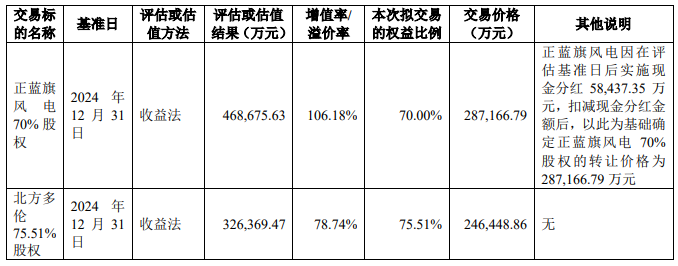
中国经济网北京12月12日讯上海证券交易所并购重组审核委员会2025年第22次审议会议于昨日召开,审 议结果显示,内蒙古蒙电华能热电股份有限公司(简称"内蒙华电(600863)",600863.SH)发行股份购 买资产本次交易符合重组条件和信息披露要求。 重组委会议现场问询的主要问题: 1.请上市公司代表结合上市公司近年来加速推进新能源转型并投资新能源项目背景、控股股东承诺内容 及履行、标的公司规划建设过程等情况,说明本次交易方案设计的合理性。请独立财务顾问代表、律师 代表发表明确意见。 2.请上市公司代表结合本次评估使用的弃风率、结算电量、结算电价、折现率等指标的选取和相关指标 预测期变化,基准日后实际数据和同行业可比案例等情况,说明标的资产评估是否审慎合理。请独立财 务顾问代表、评估师代表发表明确意见。 内蒙华电于昨日晚间更新的《发行股份及支付现金购买资产并募集配套资金暨关联交易报告书(草案)(注 册稿)》显示,内蒙华电拟通过发行股份及支付现金相结合的方式向北方联合电力有限责任公司(简 称"北方公司")购买其持有的北方上都正蓝旗新能源有限责任公司(简称"正蓝旗风电")70%股权与北方多 伦新能源有限责任公 ...

油电双驱稳基盘 自研破局待提速
Zhong Guo Zheng Quan Bao - Zhong Zheng Wang· 2025-12-12 03:19
Core Insights - The Chinese automotive market has entered a phase of competition between hybrid and pure electric vehicles, with new energy vehicles accounting for 51.6% of total new car sales in October 2023, marking a significant milestone [1] - GAC Toyota has adopted a strategy of "leading with hybrid and following with pure electric," achieving cumulative sales of 704,000 units in the first 11 months of 2023, but faces challenges related to sales structure imbalance and the transition to new energy [1] Group 1: Market Dynamics - GAC Toyota's hybrid models, particularly the Camry Hybrid, have seen an increase in sales, benefiting from Toyota's fifth-generation hybrid technology, but face competition from rapidly evolving domestic plug-in hybrid technologies [2] - The Camry's fuel consumption of 4.1L/100km is competitive but lacks advantages in "green plate" policies and does not meet consumer demands for pure electric driving scenarios [2] - GAC Toyota has initiated a comprehensive renewal plan to enhance the intelligence of its models, including price reductions for the Highlander and Sienna, aiming to maintain market share amid rising competition [2] Group 2: Challenges in Fuel Vehicle Segment - The fuel vehicle segment is experiencing a passive situation of "price for volume," with significant price reductions for models like the Fanglan and Weilan, yet sales remain stagnant [3] - Dealers report minimal profit margins on fuel vehicles, relying on after-sales services for profitability, which undermines the brand's reputation for durability and reliability [3] Group 3: Electric Vehicle Strategy - GAC Toyota has achieved rapid breakthroughs in the pure electric segment, with the launch of the Platinum 3X, which sold over 10,000 units in November 2023, leveraging a combination of GAC Aion's powertrain and Huawei's HarmonyOS [4] - However, the company faces criticism regarding the balance between proprietary technology and collaborative models, as its own electric platform model, the Platinum 4X, lacks competitive advantages [4] - The weakness in the plug-in hybrid product line is evident, with only one model available compared to competitors like BYD and Geely, which have established comprehensive plug-in hybrid offerings [4] Group 4: Strategic Initiatives - In response to market challenges, GAC Toyota plans to launch a "China Self-Research 2.0 Era" in 2025, focusing on developing new energy platforms compatible with multiple powertrain types and expanding hybrid technology options [5] - The implementation speed of this strategy needs to be accelerated, as only two models have been launched so far, and the sixth-generation hybrid technology is still under development [6] - Industry experts highlight the importance of leveraging GAC Toyota's manufacturing experience and local R&D capabilities to enhance product competitiveness and shorten technology iteration cycles [6]
理解了这轮“金铜铝牛市”,也就理解了中国经济的未来
虎嗅APP· 2025-12-11 13:57
Group 1: Industry Overview - The non-ferrous metals industry, often labeled as "bulky and crude," has unexpectedly entered a high-profile period since 2025, with indices outperforming even the AI-driven TMT sector, and core commodity prices like gold and copper reaching historical highs [5] - The industry is undergoing a systematic transformation, with China evolving from a follower to a leader in global resource allocation through overseas acquisitions and capacity expansion [6][7] Group 2: Changes in Industry Narrative - A new variable, processing attributes, has emerged as a third core attribute alongside financial and resource properties, increasingly influencing the pricing and competitiveness of non-ferrous metals [9] - Supply rigidity is a fundamental support for price stability, as insufficient investment in resource extraction over the past decade, coupled with rising nationalism and stricter environmental regulations, has made new capacity hard to release [10] - Geographical mismatches in resource distribution have intensified national competition for influence in the non-ferrous industry, with countries like China actively acquiring overseas mines to secure resource safety [13][14] Group 3: Gold Market Dynamics - The new pricing logic for gold is shifting towards hedging against dollar credit risk, with gold becoming a preferred reserve asset amid rising global debt and currency devaluation [16][17] - Central banks and individual investors have increasingly turned to gold, with central banks net purchasing around 1,000 tons annually, accounting for about 23% of global demand [20] - China, as the largest gold producer and consumer, has seen its mining companies actively participate in global resource allocation, with significant acquisitions enhancing their competitive edge [21][24] Group 4: Copper Market Insights - The copper market is experiencing a tight balance between supply constraints and steady demand growth, with prices rising over 30% this year [26] - China's copper enterprises have transitioned from followers to leaders, with significant investments in overseas resources and a complete industrial chain from mining to processing [30][33] - The global copper supply is expected to face significant challenges due to aging mines and declining ore grades, while Chinese companies are well-positioned to capitalize on these trends [31][33] Group 5: Aluminum Industry Landscape - Aluminum, the most consumed non-ferrous metal, maintains high prices due to its strong processing attributes and the competitive nature of the industrial system [35] - China dominates the global aluminum market with a 57% share of electrolytic aluminum production, and the industry is expected to maintain a balanced supply-demand dynamic [36] - Chinese aluminum companies are expanding their competitive advantages through cost reduction strategies and integrated operations, solidifying their global leadership [38][40] Conclusion - The non-ferrous metals industry is not merely a cyclical story of price fluctuations; it reflects a complex interplay of financial, resource, and processing attributes, alongside global resource allocation dynamics, showcasing the rise of Chinese enterprises from followers to leaders in the sector [41][43]
独家丨魏牌 CEO 冯复之 “休假”
晚点Auto· 2025-12-11 12:10
Core Insights - The article discusses the recent developments regarding Feng Fuzhi, the CEO of Great Wall's WEY brand, who is currently on leave and has been replaced by Haval's general manager Zhao Yongpo. This change comes amid internal organizational adjustments within WEY and Great Wall Motors [3][4][9]. Leadership Changes - Feng Fuzhi, who took over as WEY CEO in May 2023, has been absent from the company and is no longer involved in business approvals, indicating a shift in his role [3][4]. - Zhao Yongpo is expected to succeed Feng Fuzhi as the new CEO of WEY [3]. - The leadership of WEY has seen significant turnover, with eight different CEOs since its inception in 2016, highlighting instability within the brand [10]. Performance and Strategy - WEY brand has experienced fluctuating performance since its establishment, with a peak sales figure of over 200,000 units in 2017 and 2018, but a decline to 36,400 units in 2022 [9][10]. - In 2023, WEY's sales have rebounded, with a total of 89,000 vehicles sold in the first 11 months, representing a 93% year-on-year increase [10]. - The brand's strategy includes focusing on the high-end new energy vehicle market, with the recent launch of the new Gaoshan family targeting the 300,000 to 400,000 yuan segment [10]. Organizational Adjustments - Following Feng Fuzhi's appointment, there have been significant organizational changes within WEY, including the integration of some organizational units into Great Wall's direct sales channel [9]. - The urgency of tasks assigned to Feng Fuzhi upon joining indicates a need for rapid development in channel construction and brand positioning [9][10].

12月10日全国92、95号汽油零售价更新,结果可能让你惊喜?
Sou Hu Cai Jing· 2025-12-10 16:16
这场暴跌绝非偶然。伊拉克西古尔纳2号油田恢复生产,看似只是0.5%的全球供应增量,却像推倒多米诺骨牌的第一块。地缘政治的硝烟中,乌克兰能源设 施遇袭的余波未平,美联储降息25个基点的预期又给市场注入新的不确定性。供给端松绑的信号与需求端复苏的期待相互撕扯,最终演变成一场血腥的价格 绞杀。 当数字在屏幕上疯狂跳动,58.8美元/桶的油价像一把尖刀刺进市场神经——这不是简单的涨跌,而是一场牵动全球经济命脉的暗战。上周五还在62美元高 位徘徊的原油,转眼间跌穿60大关,伊拉克油田复产的消息像一枚定时炸弹,炸碎了所有抄底者的幻想。 站在十字路口的油价,正面临三重矛盾:OPEC 减产决心与成员国增产冲动的角力,新能源替代加速与传统能源依赖的拉锯,全球经济弱复苏与通胀压力的 博弈。当美国页岩油产量突破1300万桶/日的警戒线,当中国新能源汽车渗透率突破35%,传统石油定价体系的根基正在动摇。 | 施区 | 0号柴油 | -10柴油 | -20柴油 | -35柴油 | | --- | --- | --- | --- | --- | | 北京 | 6.56 | 6.96 | 7.29 | 7.55 | | 上海 | 6.50 ...
出口第一、新能源前三、具身智能破局,奇瑞为何能“反直觉”?
3 6 Ke· 2025-12-10 02:55
Core Insights - Chery has achieved a remarkable sales performance in November, with total sales exceeding 273,000 units, including 117,000 units of new energy vehicles, marking a year-on-year increase of 50.1% and establishing a historical high [1][2] - The company has become the only automaker among the top 20 global car manufacturers to achieve over 25% growth in new energy, fuel vehicles, domestic, and overseas markets simultaneously [1] - Chery's strategy of combining fuel vehicles with exports has provided a solid foundation for its operations, allowing it to maintain cash flow while competing in the new energy sector [1][3] Sales and Market Position - Chery has established over ten production bases globally and has seen its overseas sales channels grow from 905 in 2022 to nearly 3,000 in the first quarter of 2025 [2] - The company's overseas sales surged from 270,000 units in 2021 to 1.14 million units in 2024, with a compound annual growth rate of 62% [2] - Chery has been the top exporter of Chinese self-owned brand passenger vehicles for 22 consecutive years, having surpassed 5 million units in exports [2] Technological Advancements - Chery has achieved a "second growth" in the fuel vehicle market through significant technological iterations, exemplified by the launch of the Kunpeng engine with a thermal efficiency of 48% [3] - The company is focusing on hybrid and electric vehicle platforms, aiming to leverage its advanced engine technology to capture growth in the hybrid market [3] New Energy Strategy - Chery's new energy strategy is not merely an expansion but a critical component for future survival, with a comprehensive "hybrid + pure electric" system established across its brands [5][6] - The company has seen its new energy vehicle revenue grow from 12.25 billion yuan in 2022 to 58.93 billion yuan in 2024, increasing its share of total revenue from 14.9% to 28.1% by mid-2025 [6] Intelligent Technology Development - Chery is advancing its intelligent technology with the launch of the Falcon Intelligent Driving System, aiming for full brand coverage by the end of 2025 [6] - The company has also entered the humanoid robot market with its Chery Mocha Robotics, which has achieved global certification and is expanding its presence in over 30 countries [7] Brand Matrix and Market Strategy - Chery has developed a multi-brand strategy to capture diverse market segments, with brands like Chery focusing on mainstream markets, Jetour on travel and off-road, and iCAR targeting young consumers [8][9] - The company plans to enhance its electric vehicle offerings through the independent branding of its Fengyun series, which has already shown promising sales performance [9] Financial and Market Outlook - Chery's unique combination of fuel vehicle cash flow and new energy investments is reshaping its brand value and driving a transition from traditional manufacturing to a technology growth model [10] - The balanced revenue structure is expected to facilitate a revaluation of Chery in the capital markets, with stable cash flows from fuel vehicles supporting high-growth new energy and intelligent technology sectors [10]
