
情绪价值

Search documents
悦己、银发还是毛孩子?去进博会寻找下一个消费爆款
第一财经· 2025-11-09 05:10
Core Insights - The article discusses the evolving consumer trends observed at the China International Import Expo (CIIE), highlighting a shift towards self-pleasure and emotional value in purchasing decisions, particularly in luxury goods and lifestyle products [5][10]. Group 1: Consumer Trends - The motivation for purchasing luxury goods has shifted from showcasing status to seeking personal happiness, with "self-pleasure" and "emotional value" becoming key drivers in consumer decision-making [5]. - The rise of the "pet economy" is evident, with a dedicated pet-themed exhibition area at CIIE, reflecting the growing demand for pet-related products and services [9]. - The trend of "active health management" is emerging, with consumers increasingly seeking products that offer tangible health benefits rather than just marketing concepts [10]. Group 2: Company Innovations - Bulgari introduced "Connected Jewelry," allowing consumers to trace the origins and quality of gemstones, enhancing trust and experience [6]. - Pop Mart showcased immersive experiences with popular IPs, indicating a global trend towards emotional value in consumer products [7]. - LEGO created a "City Walk" experience at CIIE, emphasizing play as a universal language and appealing to both local and international audiences [8]. Group 3: Health and Wellness - Inne, a German nutrition brand, reported significant growth in children's nutritional products, indicating a shift towards proactive health management among consumers [10]. - The introduction of innovative health products, such as liquid calcium, reflects the changing focus from traditional supplements to more comprehensive health solutions [10]. - The demand for high-quality, personalized healthcare solutions is increasing, particularly among the aging population, as seen in the offerings from Edward Lifesciences [13][14]. Group 4: Aging Population - The CIIE highlighted the "silver economy," showcasing products designed for the elderly, including safety and wellness solutions [12]. - Companies are increasingly focusing on the unique healthcare needs of older adults, with innovations aimed at improving their quality of life [14]. - The introduction of AI-driven interactive robots for elderly care reflects the growing emphasis on emotional support and safety monitoring for seniors [14].




悦己、银发还是毛孩子?去进博会寻找下一个消费爆款
Di Yi Cai Jing· 2025-11-09 03:13
Group 1: Consumer Trends - The core consumer motivation has shifted from showcasing wealth to seeking personal happiness, with "self-pleasure" and emotional value becoming key drivers in purchasing decisions [2][3] - The pet economy is thriving, with the establishment of a dedicated pet-themed exhibition area at the expo, reflecting the growing demand for pet-related products and services [5] - The trend of "self-pleasure" and emotional value is also evident in the rise of immersive experiences and personalized products, as seen with brands like LEGO and Brother [4][6] Group 2: Health and Wellness - Consumers are increasingly proactive about health management, moving from passive responses to active engagement, as demonstrated by the success of innovative health products at the expo [7][8] - The demand for high-quality, effective health products is rising, with a notable increase in inquiries about clinical efficacy at the expo [7] - The introduction of new health products, such as liquid calcium for both mothers and infants, indicates a shift towards comprehensive health solutions [7] Group 3: Aging Population - The expo highlighted the "silver economy," showcasing products and services tailored for the aging population, including rehabilitation aids and home safety solutions [9][10] - Companies are focusing on personalized treatment options for age-related health issues, particularly in the field of cardiac care, to meet the unique needs of Chinese patients [10][11] - Innovations like interactive robots aimed at providing companionship and safety for the elderly reflect the growing attention to emotional and practical needs in the aging demographic [11]
人的每种情绪背后代表着一个心理需求
Jing Ji Guan Cha Bao· 2025-11-09 01:51
Group 1 - The article emphasizes that emotions do not have a good or bad classification, and there are no truly "negative emotions" [1][2] - Emotions serve as messengers from within, and understanding them can lead to resolution rather than avoidance [1][2] Group 2 - Suppression of emotions can provide a sense of safety in difficult situations, but it may also distort one's true self [4][5] - The article discusses the importance of recognizing and addressing habitual suppression, suggesting that individuals have the power to change and express themselves authentically [6][7] Group 3 - Anger is portrayed as a powerful emotion that embodies self-respect and can drive change when expressed appropriately [8][9] - The article highlights the need to learn how to express anger constructively rather than suppressing it, which can lead to destructive outcomes [10][11] Group 4 - Jealousy is described as a signal of unmet desires and inner needs, urging individuals to reflect on what they truly want [14][15] - The article suggests that acknowledging feelings of jealousy can lead to personal growth and fulfillment [16] Group 5 - Sadness is framed as a necessary process for healing and personal transformation, encouraging individuals to embrace their feelings rather than rush through them [17][18] - The article advocates for patience and support for those experiencing sadness, as it can lead to acceptance and renewal [18] Group 6 - Boredom is presented as an opportunity for self-discovery and reflection on life's meaning, especially during youth [19][20] - The article encourages individuals to confront feelings of boredom to uncover their true desires and life purpose [20] Group 7 - Anxiety is characterized as a valuable emotion that can reveal misalignments in expectations and boundaries [21][22] - The article stresses the importance of addressing anxiety to avoid negative consequences and to understand its underlying messages [22]
11.7日报
Ge Long Hui· 2025-11-07 12:36
Group 1 - Tesla's shareholders approved Elon Musk's $1 trillion compensation package, contingent on achieving a market value of $8.5 trillion and delivering 1 million robots and 1 million cars for autonomous taxi operations within 10 years [1] - Cambodia has become one of the first countries to store gold in China, indicating a strategy to diversify gold storage locations for easier trading rather than moving national reserves [1] - Bubble Mart experienced a live-stream incident where a staff member criticized product pricing, highlighting the company's rapid growth and potential oversight in recruitment and training [1] Group 2 - The chemical sector has seen a significant surge, with the Chemical 50 ETF reaching new highs, reflecting a long-awaited recovery after several years of stagnation [1][4] - Bubble Mart is compared to other forms of emotional value providers, such as pet ownership and gaming, indicating its role in the market as a source of emotional satisfaction [2]
剑指6亿Z世代与银发族市场!小泽秀树:佳能不只是相机,是“情绪价值”
Feng Huang Wang Cai Jing· 2025-11-07 10:46
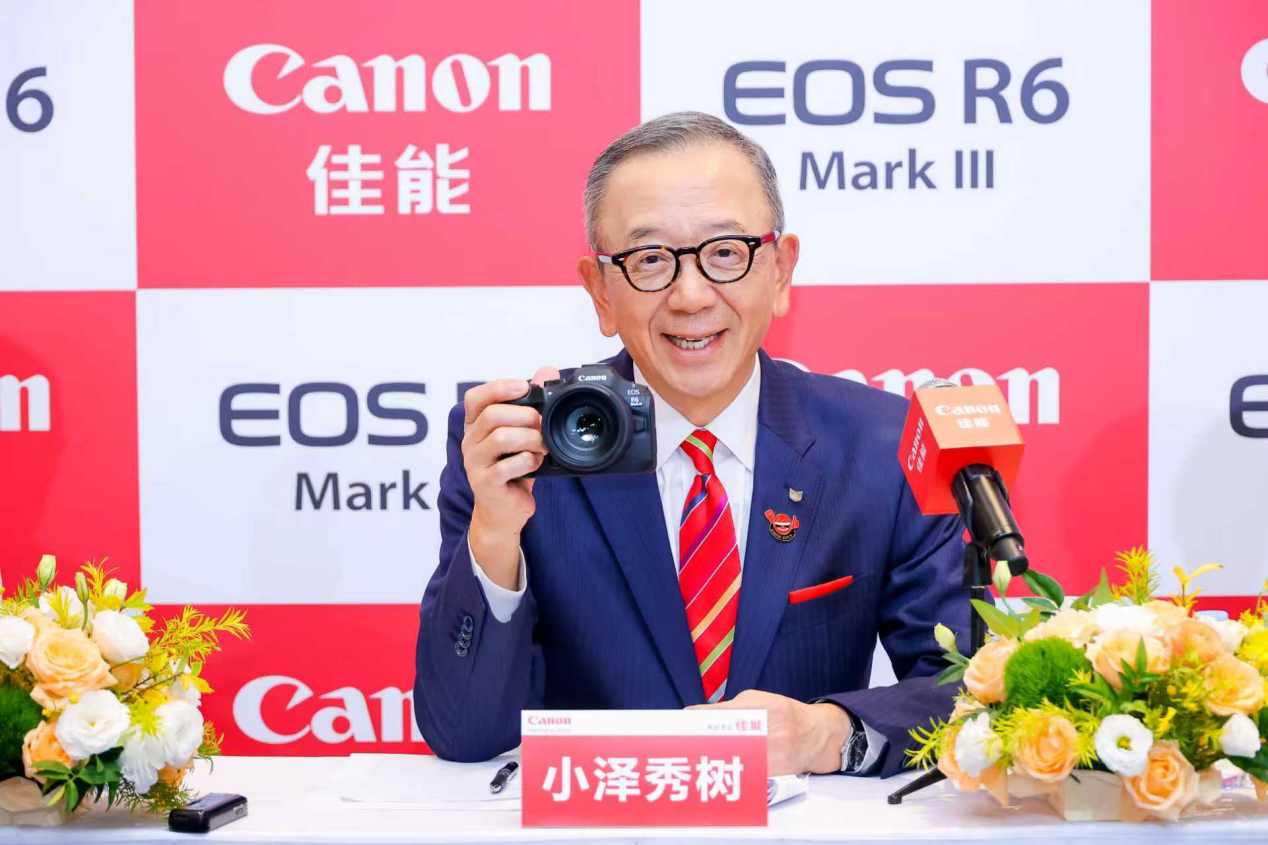
Core Insights - Canon aims to ignite a new "golden era" in the imaging industry, focusing on the large market of 600 million people in China, including the "Z generation" and the "golden years" demographic [1] - Despite market challenges, Canon projects a sales target of 4.5 trillion yen for 2024 and has established a new five-year plan for 2026-2030, emphasizing B2C imaging business and exploring B2B opportunities [3] - The launch of the EOS R6 Mark III, priced at 16,999 yuan, targets a broad audience from amateur photographers to professionals, highlighting the competitive landscape in the full-frame digital camera market [5] Business Strategy - Canon's strategy includes "concentration and selection" and "cost reduction," with a focus on enhancing B2C imaging investments while identifying niche opportunities in B2B sectors [3] - The company recognizes the emotional value in photography, aiming to provide inspiration and motivation to the "lying flat" youth, encouraging them to engage with photography [3] Product Development - The EOS R6 Mark III features a new 32.5 million pixel CMOS sensor, capable of 40 frames per second continuous shooting and 7K 60fps RAW recording, catering to both photo and video needs [7] - Canon has also introduced the RF45mm F1.2 STM lens, priced at 2,949 yuan, which emphasizes lightweight design and digital correction to enhance the creative ecosystem [7] Market Trends - The global imaging market is gradually recovering, driven by the rise of short video social platforms like Xiaohongshu and Douyin, with China being a key focus for Canon [3]

农副产品重视市场定位,潮流展品颇具情绪价值,进博会参展商与中国市场同频共振
Huan Qiu Shi Bao· 2025-11-06 22:48
Core Insights - The China International Import Expo (CIIE) continues to attract multinational CEOs and representatives, highlighting the certainty of China's development and openness as key reasons for investment [1][4] Group 1: Trade and Economic Cooperation - The Australian pavilion at CIIE has the largest area in history, with a projected bilateral trade volume of 312 billion AUD between Australia and China in 2024, making China Australia's largest trading partner [2] - Australian seafood companies are adapting to the Chinese market by innovating supply chains and targeting younger consumers with convenient, high-end seafood products [4] - Colombia's coffee industry is observing a shift in Chinese consumer habits, particularly among younger generations who are moving from functional needs to experiential pursuits [4] Group 2: Multinational Corporate Engagement - Audi's global CEO expressed enthusiasm for the vibrant Chinese market and emphasized the importance of local collaboration for enhancing R&D and market responsiveness [5] - Goodyear has been operating in China for over 30 years and recognizes the emergence of innovative Chinese companies, which create a dynamic ecosystem for foreign firms [5] - The CEO of Swiss air purification brand Aicair highlighted China's commitment to high-level openness by removing foreign investment restrictions in manufacturing [5] Group 3: Consumer Trends - The consumer goods exhibition area at CIIE spans 84,000 square meters, featuring over 700 companies from more than 70 countries, serving as a key observation point for young consumer trends [6] - Brands are increasingly focusing on the emotional value of products to attract the 18-35 age group, with limited edition collaborations being a significant draw [6] - Products aimed at the elderly demographic are gaining attention, with companies like Panasonic and IKEA showcasing diverse offerings to enhance the quality of life for seniors [6]

天价奶皮子糖葫芦,“塌房”了?
3 6 Ke· 2025-11-06 01:18
Core Insights - The popularity of "milk skin candied hawthorn" has surged both online and offline, leading to long queues and high prices, with some consumers reporting wait times exceeding two hours [3][10][15] - The product's price has escalated significantly, with online prices reaching 98 yuan per stick and offline prices at 49 yuan, driven by high demand and supply shortages [7][8] - The phenomenon has attracted attention on social media, with discussions on platforms like Douyin and Xiaohongshu reaching millions of views, indicating strong consumer interest [10][11] Summary by Sections Product Description and Popularity - The milk skin candied hawthorn is a variation of the traditional candied hawthorn, featuring a layer of milk skin that enhances its appeal [3][14] - The product has gained traction in major cities like Shanghai, Beijing, and Hangzhou, with reports of extensive queues at various outlets [5][6] Pricing Dynamics - Due to the overwhelming demand, some stores have raised prices, with reports of "scalpers" reselling the product at inflated prices, sometimes adding 20-50 yuan to the original cost [8][9] - In some cases, consumers have reported paying as much as 100 yuan per stick from scalpers, reflecting the high demand and limited supply [9] Consumer Behavior and Market Trends - The rise of the milk skin candied hawthorn is attributed to its ability to resonate with consumer emotions, transforming a simple street snack into a social and experiential product [13][14] - The product's success is also linked to its innovative approach, combining traditional flavors with modern twists, making it more appealing to a younger audience [14][15] Future Considerations - Despite its current popularity, there are concerns about the sustainability of this trend, as consumer feedback indicates potential dissatisfaction with the product's taste and value [15] - The industry may need to focus on maintaining customer loyalty and product quality to ensure long-term success beyond the initial hype [15]

业绩承压背后 看见古井贡酒穿越周期的战略深蹲
Xin Lang Cai Jing· 2025-11-05 03:57
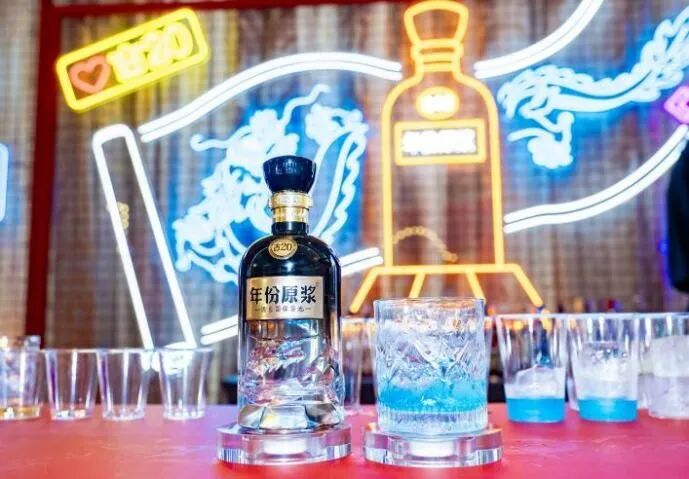
Core Insights - The current liquor industry is undergoing a significant "stress test," with most companies facing performance pressure in Q3, indicating a collective transformation challenge within the industry [1][9] - Gujing Gongjiu is actively responding to changing consumer trends through product structure optimization and innovation, aiming to exchange short-term fluctuations for long-term potential [1][5] Product Structure Optimization - In the era of stock competition, Gujing Gongjiu is focusing on precise structural optimization as a core strategy, especially in response to changing consumption scenarios [1][5] - The launch of the "Light Ancient 20" product in August targets consumer demand for comfort and reduced burden, reinforcing its position in the mid-to-high-end market [1][3] - The return of classic products like "Old Porcelain Tribute" and "Old Glass Tribute" caters to consumer preferences for value, while the introduction of "Divine Power Wine" indicates a shift towards functional innovation [3][5] - The global launch of new products themed "Han, Tang, Song, Ming" at the Osaka Expo signifies Gujing Gongjiu's commitment to international market expansion [5][8] Strategic Shift Towards Health - The establishment of Anhui Gujing Health Technology Co., Ltd. and the launch of "Gujing Light Health Society" highlight a strategic pivot towards the "white liquor + health" model [5][7] - This approach leverages the traditional cultural association of liquor with health, aiming to create a brand experience that transcends mere transactions [7][9] - Although initial investments may dilute current profits, the strategic value of entering the health sector is evident, as it resonates with a broad consumer base [7][9] Market Strategy and Long-term Vision - Gujing Gongjiu's leadership emphasizes a strategy of "rooting downwards and growing upwards," focusing on deep market engagement and stable policy implementation [8][9] - The company prioritizes building high-quality, efficient, and loyal channel alliances over merely achieving short-term sales targets [8][9] - The current market strategy is not just about addressing quarterly performance challenges but is aimed at establishing a solid foundation for long-term growth and market penetration [8][9]

董宇辉vs李佳琦,为什么人生导师“赢了”价格杀手?
3 6 Ke· 2025-11-04 23:36
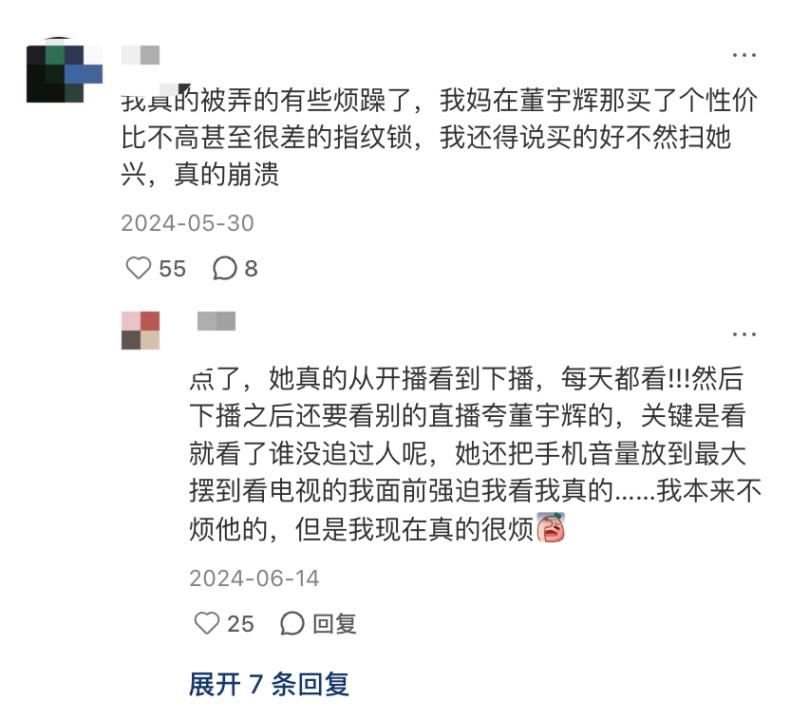
Core Insights - The significance of the Double Eleven shopping festival is diminishing year by year, reflecting a broader consensus among consumers [1] - Despite the ongoing promotions, consumer interest in shopping appears to be waning, with many showing indifference to discounts [2] - Notably, influencer Dong Yuhui achieved remarkable sales of 300 million yuan in just three days, highlighting a unique commercial competitiveness amidst a challenging market [2][20] Consumer Behavior - There is a collective loss of shopping enthusiasm among consumers, even with an increase in available platforms and options [2] - The shopping experience has transformed from urgency and excitement to a more subdued and rational approach, with many consumers feeling fatigued by the shopping festival [30][34] - The concept of "not buying to save" has emerged, indicating a shift in consumer mindset towards more rational spending [34][36] Influencer Dynamics - Dong Yuhui has cultivated a strong following, particularly among middle-aged women, who engage with him in a manner akin to familial affection, referred to as "mother-in-law fans" [10][12][20] - His unique approach to live streaming, which combines emotional engagement with product promotion, has resonated deeply with his audience, leading to significant sales [20][27] - The contrast between Dong Yuhui's emotional value-driven sales and traditional price-focused selling exemplifies a shift in consumer preferences [23][26] Market Trends - The landscape of live commerce is evolving, with a noticeable shift from purely traffic-driven strategies to those focused on retaining consumer engagement [34] - Dong Yuhui's success during the Double Eleven period, despite the overall decline in shopping enthusiasm, underscores the changing dynamics of consumer behavior and influencer marketing [22][36] - The competition between different live streaming models, such as Dong Yuhui's emotional engagement versus traditional price-driven approaches, is reshaping the market [23][25]
一个人变强大的迹象:停止索取情绪价值
3 6 Ke· 2025-11-03 06:18
Group 1 - The article discusses the concept of emotional value and how individuals often seek it from others instead of providing it themselves [4][5][10] - It highlights the dangers of relying on others for emotional support, leading to unhealthy relationships and dependency [9][10] - The article emphasizes that true strength comes from emotional stability and self-sufficiency rather than seeking emotional value from others [11][20] Group 2 - In the workplace, individuals who demand emotional value are described as "infantile adults," who are emotionally unstable and rely on others for validation [12][15][19] - The article points out that strong individuals focus on their goals and responsibilities rather than seeking emotional support from colleagues or superiors [20][21] - It critiques the mindset of entitlement and self-centeredness prevalent among those who seek emotional value in professional settings [16][18] Group 3 - The article addresses the commercialization of emotional value in consumer behavior, where individuals seek emotional fulfillment through purchases [22][26][30] - It provides an example of a brand that failed due to overemphasis on emotional marketing without delivering actual product value [29][30] - The article warns against the manipulation of consumers' emotional needs by businesses, leading to dependency and exploitation [28][34]