降息周期

Search documents
就业风险催化持续性降息周期启动
Orient Securities· 2025-09-19 08:06
Economic Outlook - The Federal Reserve lowered the federal funds rate by 25 basis points to a target range of 4%-4.25% amid concerns over deteriorating employment conditions[5] - The updated economic projections indicate a slight increase in GDP growth expectations for 2025, 2026, and 2027 to 1.6%, 1.8%, and 1.9% respectively, compared to previous forecasts[10] - The unemployment rate forecast for 2025 remains at 4.5%, while the median projections for 2026 and 2027 have been lowered to 4.4% and 4.3%[10] Employment Risks - August's non-farm payrolls added only 22,000 jobs, indicating a significant slowdown in employment growth[22] - The current employment situation shows characteristics of "no job growth," which is rare and suggests a potential economic downturn[30] - The deterioration in the job market is expected to suppress economic growth and weaken resilience, with consumer spending likely to decline as income growth slows[28] Monetary Policy Implications - The current interest rate environment is characterized as a dovish scenario, with expectations for continued rate cuts in the near future[55] - The market anticipates a 4%-6% depreciation of the US dollar index (DXY), targeting a range of 91-93 during this easing cycle[59] - The potential for a rebound in employment post-rate cuts is uncertain, with risks of further job market deterioration[46] Asset Market Trends - In the context of ongoing monetary easing, asset prices are expected to trend positively, with gold likely to see moderate gains amid various macroeconomic scenarios[72] - The stock market is supported by high-risk appetite, as lower bond yields tend to boost equity prices[67] - The long-term interest rates are expected to remain under pressure, with a steeper yield curve anticipated as the Fed continues its easing policy[51]

金融期货早评:美国首申失业金人数超预期回落-20250919
Nan Hua Qi Huo· 2025-09-19 05:00
Group 1: Macro and Market Overview - The Fed cut the benchmark interest rate by 25 basis points as expected, and the market is now focused on the future interest - rate path and economic data, especially the labor market [1][2][4] - The number of initial jobless claims in the US last week dropped significantly to 231,000, a decrease of 32,000 from the previous week, the largest decline in nearly four years [1][2][4] - The RMB exchange rate is expected to oscillate around the current level, and the policy guidance signal of the RMB central parity rate needs to be closely watched [2] Group 2: Stock Index Futures - The stock index futures declined due to the fulfillment of the Fed's interest - rate cut expectation, but the overall upward trend remains unchanged due to the interest - rate cut cycles in both China and the US [4] - The small - and medium - cap stock index futures are relatively stronger in the short term, with limited downside space [4] Group 3: Treasury Bonds - The Treasury bond futures closed down, and the yield of most spot bonds rose. The market is waiting for the central bank's attitude [5] - The new 2Y and 7Y bonds issued last week have been included in the deliverable bonds, but have not significantly affected the futures price [5] Group 4: Container Shipping - The container shipping index (European line) futures prices oscillated slightly downward. The near - month contracts have fallen to a relatively appropriate level, but may continue to decline [6][7] - It is recommended to hold short positions in the 10 - contract and wait and see, and look for low - buying opportunities in the 12 - contract at 1550 - 1600 points [7] Group 5: Precious Metals - Gold and silver prices are in a high - level oscillation stage after the Fed's interest - rate cut. The market focus is on the Fed's easing expectations, personnel adjustments, and tariff policies [8] - It is recommended to maintain the idea of buying on dips and hold existing long positions cautiously [9] Group 6: Non - ferrous Metals Copper - The copper price declined due to the Fed's interest - rate decision. The Grasberg copper mine in Indonesia had a production reduction due to a mudslide [11] - The trading strategy is to sell out - of - the - money put options [11] Zinc - The zinc price was weak. The supply is in an oversupply state, and the demand is average. It is recommended to wait and see for the internal - external reverse arbitrage or sell out - of - the - money call options [14] Nickel and Stainless Steel - The prices of nickel and stainless steel were affected by the market and were weak. The fundamentals have no obvious changes [14][15] Tin - The tin price declined slightly. The supply is tight in the short term, and it is recommended to wait for long - entry opportunities [15][16] Lead - The lead price was in a high - level oscillation. The supply is relatively weak compared to the demand, and it is expected to maintain high - level oscillation in the short term [16][17] Group 7: Black Metals Rebar and Hot - Rolled Coil - The prices of rebar and hot - rolled coil were weak. The overall steel market is still in the process of inventory reduction, and the price is expected to oscillate after digesting the short - term impact of the Fed's interest - rate cut [18] Iron Ore - The iron ore price oscillated around 800. The supply and demand are in a tight balance, and the price is expected to oscillate based on fundamentals [19][20] Coking Coal and Coke - The coking coal price stopped falling and rebounded, and the second - round price cut of coke was fully implemented. It is not recommended to short coking coal, and the industry can consider hedging opportunities at low basis [21] Ferrosilicon and Ferromanganese - The ferrosilicon and ferromanganese prices were affected by the news of the increase in the standard of submerged arc furnaces in the metallurgical industry. The short - term price is expected to rise, and it is recommended to try long positions [22] Group 8: Energy and Chemicals Crude Oil - The crude oil price fell slightly. It is expected to continue to oscillate within a narrow range in the short term, and the probability of a short - term correction has increased [24][25] LPG - The LPG price declined. The supply is controllable, and the demand is lack of clear drivers, so it is expected to oscillate [25][26] PTA - PX - The PX - PTA prices are expected to oscillate strongly. The polyester demand is expected to improve seasonally, but the PTA processing fee repair is limited [27][28][29] Methanol - The methanol price is expected to oscillate in the short term. It is recommended to reduce long positions and hold short - put options [29][30] PP - The PP price is supported by the cost side, but the demand is in the "peak season without peak" situation. The downward space is limited, and a rebound may occur if the device shutdown increases [31][32] PE - The PE price is in a weak supply - demand pattern, with limited upward drivers and limited downward space, and is expected to oscillate [34][35] Pure Benzene and Styrene - The pure benzene and styrene prices are weak, with high inventory and low valuation. They are expected to oscillate and follow the cost side [36][37] Fuel Oil - It is recommended to short the cracking profit of fuel oil. The export volume is decreasing, and the demand is stable [37][38] Asphalt - The asphalt price is affected by the increase in supply and the inability to release demand. The inventory structure is improving. It may have a last chance to rise this year [39] Rubber and 20 - Rubber - The rubber prices fell. The supply is affected by weather, and the demand is stable in the short term. It is recommended to try long positions at low prices [40][41][42] Group 9: Glass, Soda Ash, and Caustic Soda Soda Ash - The soda ash price is under pressure due to the high - level supply expectation. The demand is stable, and the supply - demand pattern is strong supply and weak demand [43] Glass - The glass price lacks a clear trend. The supply - demand pattern is strong supply and weak demand in the near term, and factors such as supply ignition and coal price need to be followed [44][45] Caustic Soda - The caustic soda price is weak in the spot market. The downstream demand is stable, and the supply fluctuates due to maintenance [46] Group 10: Pulp - The pulp price is expected to oscillate in the short term. The macro - level interest - rate cut has a positive impact, but the fundamentals lack clear drivers [46][47] Group 11: Propylene - The propylene price declined. The supply increased and the demand decreased, and the price followed the decline of PP [49][50] Group 12: Agricultural Products Live Pigs - The live pig price declined. The supply is still high in September, and it is recommended to short at high prices [51] Oilseeds - The soybean market is affected by Sino - US negotiations. The domestic soybean inventory is high, and the downstream demand is stable [51][53] Vegetable Oils - The vegetable oil prices declined due to the uncertainty of the US bio - fuel policy. It is recommended to wait and see in the short term [53][54] Soybean No. 1 - The soybean No. 1 futures price rebounded slightly. The new - season soybean price is expected to be under pressure, and it is recommended to hold short - hedge positions [54] Corn and Starch - The corn and starch prices are expected to be weak as new grains are gradually coming onto the market [53][56]


美联储面临两难局面 降息效果或难达预期
Zhong Guo Jing Ji Wang· 2025-09-19 00:33
Core Points - The Federal Reserve announced a 25 basis point cut in the federal funds rate target range to 4.00% to 4.25%, marking the first rate cut since December of the previous year and the beginning of a new easing cycle amid concerns over a slowing job market [1][2] - The Fed's shift in focus from inflation control to employment support is evident, as it acknowledged a slowdown in job growth and removed previous language indicating a robust labor market [1][2] - Fed Chairman Jerome Powell described the rate cut as a "risk management measure" in response to a complex economic environment, balancing the need for easing against persistent inflation [2][3] Economic Implications - The decision to cut rates by 25 basis points rather than 50 reflects a cautious approach, aiming to transition to a neutral rate level that supports employment without exacerbating inflation [3] - The median expectation among Fed officials suggests a further 50 basis points reduction by the end of the year, indicating a preference for gradual adjustments [3] - The rate cut is expected to weaken the relative returns on dollar assets, potentially driving international capital towards emerging markets, which could alleviate local financing pressures in the short term [3][4] Challenges and Risks - The initiation of a rate cut cycle while core inflation remains at 3.1% raises concerns about the long-term value of the dollar and the implications for the global reserve currency status [4] - The easing environment may temporarily relieve debt servicing pressures for high-debt economies, but structural issues remain unresolved, posing risks if financing conditions tighten unexpectedly [4] - The Fed's balancing act between controlling inflation, supporting employment, and managing political pressures is more complex than in previous easing cycles, with a structurally higher neutral rate limiting the scope for monetary easing [5] Global Impact - For China, the Fed's rate cut presents both opportunities and challenges, as it may attract capital inflows while also increasing market volatility [5] - The interconnectedness of global economies necessitates close monitoring of U.S. monetary policy effects, emphasizing the need for policy coordination to mitigate potential risks [5]
“美联储降息”刷屏!你的钱袋子要注意了
Sou Hu Cai Jing· 2025-09-19 00:26
北京时间9月18日凌晨,美联储终于"动手":宣布降息25个基点至4.00%—4.25%。这是美联储2025年以 来首次降息,也是时隔9个月后再度启动宽松周期。 看似"按剧本来",但市场并不平静。降息消息一出,美股三大指数一度跳涨,科技股、周期股领涨,苹 果、英伟达等巨头股价应声上扬。但随后市场开始冷静:降息是"药",但美国经济基本面 "病灶"还 在,指数出现回调。 作为全球资产定价的"锚",美联储政策转向对股、债、汇、商品等大类资产影响深远。接下来,投资者 要面对的问题是:宽松浪潮重启之下,各国降息已在进程当中,未来货币政策将有什么变化?大类资产 如何走向?在降息周期中,大众投资者如何调整"篮子里的鸡蛋"? "25个基点"的博弈 背后远不止经济理由 美联储主席鲍威尔在新闻发布会上表示,本次降息可被视为"风险管理式"的调整,意在为经济增长可能 出现的下行风险预留缓冲空间。 从措辞来看,美联储在政策声明中首次加入"就业下行的风险正在上升""失业率已开始增长"等表述,暗 示其对当前经济前景的担忧加重。种种迹象显示,美联储此举意在为潜在风险"预备药方"。 但这一次的"药方",并不全是经济考量的结果。 9月17日,美国 ...


美股三大指数齐创历史新高 原油黄金双双下跌
Sou Hu Cai Jing· 2025-09-18 23:29
Group 1 - US stock market indices, including Dow Jones, Nasdaq, S&P 500, and Russell 2000, reached both intraday and closing all-time highs, driven by the Federal Reserve's indication of an upcoming interest rate cut cycle, which boosted investor confidence and expectations for accelerated economic growth [1] - Major technology stocks showed mixed performance, with Nvidia rising by 3.49%, Google A up by 1%, and Meta increasing by 0.58%. In contrast, Amazon fell by 0.17%, Microsoft by 0.31%, Apple by 0.46%, and Tesla by 2.12%. Intel surged by 22.77%, marking its best single-day performance in nearly 38 years, following Nvidia's announcement of a $5 billion investment in Intel for joint development of PC and data center chips [1] - The cybersecurity sector saw positive movements, with NetSkope's US IPO first-day gain of 18.37% and CrowdStrike rising by 12.8%, as at least nine investment banks raised their target prices for the stock [1] Group 2 - The Nasdaq Golden Dragon China Index, which tracks Chinese stocks listed in the US, fell by 1.79%, with notable declines in companies such as NetEase (over 4%), Bilibili (over 3%), and others like Weibo, Li Auto, and Alibaba dropping over 2% [1] - The price of West Texas Intermediate (WTI) crude oil for October delivery decreased by $0.48, a drop of nearly 0.75%, closing at $63.57 per barrel [1] - Brent crude oil futures settled down by $0.51, also a decline of 0.75%, closing at $67.44 per barrel [2] - COMEX gold futures fell by 1.08%, trading at $3,677.60 per ounce, prior to the Federal Reserve's announcement of a 25 basis point rate cut [2]
中美利差进一步收窄,货币政策坚持“以我为主”
2 1 Shi Ji Jing Ji Bao Dao· 2025-09-18 22:46
Group 1 - The Federal Reserve decided to lower the federal funds rate target range by 25 basis points to 4.00%-4.25%, marking its first rate cut since December 2024, which is seen as a "risk management" move rather than the start of a sustained easing cycle [1] - The decision to cut rates comes amid pressure from the White House and reflects a balance between inflation and employment risks, with Powell indicating a preventive action due to a "strange balance" in the U.S. labor market [1][2] - The U.S. labor market shows signs of slowing, with the Bureau of Labor Statistics revising down the number of jobs added over the past year by 911,000, and August's non-farm payrolls increasing by only 22,000, significantly below the expected 75,000 [1][2] Group 2 - The weakening of the U.S. labor market may be obscured by factors such as reduced labor supply due to immigration policies, leading to a decline in labor force participation, which could accelerate the drop in labor demand [2] - Despite the Fed's rate cut, inflation risks remain, with the Personal Consumption Expenditures (PCE) price index rising by 2.7% over the past 12 months, and core PCE increasing by 2.9%, influenced by rising goods prices and fluctuating service prices [2] - The Fed's contradictory stance of predicting economic growth and rising inflation while cutting rates has led to market confusion, prompting international capital to seek "safe havens," with China being a primary destination [3] Group 3 - The International Financial Institute reported that foreign investors allocated nearly $45 billion to emerging market stocks and bonds in August, the highest in nearly a year, with about $39 billion net inflow to China [3] - The narrowing of the interest rate differential between China and the U.S. post-rate cut may lead to increased capital inflows into China, boosting the renminbi and attracting more foreign investment [3] - China's monetary policy needs to be cautious in response to the narrowing interest rate differential, as further rate cuts could pressure bank margins and potentially lead to increased risk appetite among banks [3]
【环球财经】华侨银行:美联储降息符合预期 经济软着陆前景利好股市
Xin Hua Cai Jing· 2025-09-18 15:34
Core Viewpoint - The Federal Reserve announced a 25 basis point interest rate cut on September 17, indicating the possibility of two more cuts within the year, which is seen as a medium-term positive for risk assets as the economy is not in recession [1][2]. Group 1: Federal Reserve's Actions and Economic Outlook - The Fed's primary focus is on the weak labor market rather than inflation, with Chairman Powell noting increased downside risks to employment [1]. - The latest "dot plot" suggests that policymakers expect two more rate cuts this year, but there is significant disagreement regarding the policy path for 2026, with expectations of only one cut, which is lower than market expectations [1]. - Despite concerns about the labor market, the Fed raised its economic growth forecast for this year to 1.6%, up from 1.4% in June, indicating a belief in the economy's ability to achieve a "soft landing" [1]. Group 2: Market Reactions and Investment Strategy - The market's reaction to the rate cut was muted as it was widely anticipated, but investors are encouraged to maintain confidence, as historical data shows that rate-cut cycles are typically beneficial for stock market performance when the economy is not in recession [2]. - Given the Fed's optimistic outlook on the economic future, investors are advised to focus on the medium term and continue holding quality assets [2].
国泰海通·洞察价值|石化朱军军团队
国泰海通证券研究· 2025-09-18 15:09
Group 1 - The core viewpoint of the article emphasizes that the combination of anti-involution and a rate-cutting cycle is expected to enhance the industry's prosperity [4][7] - The report suggests a proactive approach to grasp the turning point of the industry cycle, advocating for anti-involution and focusing on related investment opportunities [4][7] Group 2 - The report is authored by Zhu Junjun, the co-chief analyst of the petrochemical sector, and was published on August 1, 2025 [7] - The report highlights the importance of monitoring potential investment opportunities in the petrochemical industry as it actively promotes anti-involution [7]

美联储再启降息周期 中国资产持续受益
Zheng Quan Shi Bao Wang· 2025-09-18 14:56
美联储货币政策委员会(FOMC)在会后发布声明表示,美国当前经济活动已出现"放缓",并首次明确 指出"就业增长已经减速",同时承认美国通胀"有所上升且仍处于相对高位"。声明还强调,"经济前景 的不确定性仍然高企","委员会正在密切关注双重使命两端的风险,并认为就业方面的下行风险已经上 升"。 北京时间周四凌晨,美国联邦储备银行(简称"美联储")在两天议息会议结束后宣布下调基准利率25个 基点,联邦基金目标利率区间从4.25%—4.5%下调到4.0%—4.25%。这是美联储自2024年12月以来的首 次降息。分析师普遍认为,美联储年内仍有较大降息空间,而美联储重启降息周期,对全球经济和大类 资产价格都将产生较大影响。 美联储年内首次降息 对于美联储降息"靴子落地",高盛经济研究团队发表研报指出,此次美联储会议释放明显信号,即美联 储已经开启新一轮降息周期。根据高盛的情景分析,基准情形下预期10月、12月将继续分别降息25个基 点,如果劳动力市场恶化超出预期,甚至可能出现50个基点的降息。而明年3月和6月美联储将季度性降 息,最终利率降至3.0%—3.25%。 全球资产影响正面 由于降息在市场普遍预期之中,结果发 ...

香港政商界:降息周期有利营商环境和资产市场
Sou Hu Cai Jing· 2025-09-18 14:24
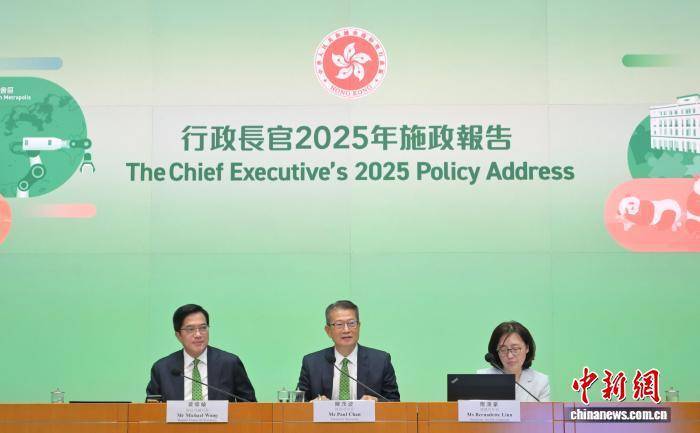
香港特区政府财政司司长陈茂波表示,较高利息环境已持续相当长一段时间,降息令企业利息负担轻一 点,对供楼人士也是好消息。港元与美元挂钩,降息方向一致,但香港未必会跟得太紧,因为要考虑香 港市场资金状况。 他说,虽然有"降息"因素支持,但由于关税及贸易保护主义等外围因素变数太大,因此目前不会调整香 港全年经济增长预测。 香港的银行降息,加上刚发表的施政报告提出放宽"新资本投资者入境计划"置业门槛,地产界人士普遍 认为,这将为香港楼市注入"强心针"。 中新社香港9月18日电 (记者 魏华都)美国联邦储备委员会(美联储)宣布降息,而且今年年内可能降息两 次。香港政商界人士18日回应,外围启动降息周期,有利营商环境和资产市场长远发展。 当地时间17日,美联储宣布将联邦基金利率目标区间下调25个基点到4%至4.25%之间的水平。这是自 2024年12月后再次降息,符合市场预期。 因应美联储降息,香港金融管理局宣布将基本利率下调至4.5%,即时生效。香港现有三家发钞行—— 渣打银行(香港)有限公司、中国银行(香港)有限公司、香港上海汇丰银行有限公司均宣布下调港元最优 惠利率0.125%,其他银行预料也会跟进。 9月18日, ...