产品高端化

Search documents
平衡终端价格与销量 白酒旺季临近酒企再掀涨价潮
Bei Jing Shang Bao· 2025-12-29 07:10
针对以上涨价一事,北京商报记者分别致电湖南武陵酒有限公司、广西丹泉酒业营销有限公司营销公司 总部,但截至记者发稿前,暂未收到回复。 从头部名酒蔓延至区域酒企的涨价热浪,"市场占位"、"价格对标"成为下半年竞技赛道的关键字眼。程 万松告诉北京商报记者,不同于名酒涨价,区域酒企的涨价还需慎重。对于高端产品而言,该品类多为 满足商务社交需求,价格的变动会反作用于供需关系;而对于低端产品,涨价或许意味着部分消费者的 流失。可见,当消费者追求性价比时,供需关系直接决定产品价格。 面对即将到来的中秋、国庆双节,从头部酒企到区域酒企也纷纷坐不住了,在市场接连上演"调价""新 品"的戏码。泸州老窖在历经大张旗鼓的涨价后,也暂时进入平静期。进入8月以来,"涨价"似乎已成为 区域酒企的主场。 在不同的价格带,各区域酒企也分别进行了不同程度的涨价。北京商报记者梳理发现,湖南武陵酒销售 有限公司将旗下匠心、琥珀1000、琥珀509等多款高端产品价格分别上调至4299元/瓶、1699元/瓶和899 元/瓶,"三酱"系列的上酱、中酱、武陵王价格分别上调至2680元/瓶、880元/瓶和1680元/瓶,涨价幅度 100元-1000元不等。同 ...
东北证券:首予六福集团(00590)“增持”评级 业绩持续改善
智通财经网· 2025-12-29 06:13
Core Viewpoint - Northeast Securities reports that Luk Fook Holdings (00590) shows strong resilience in consumer demand with double-digit growth expected in the near term, driven by a new gold value-added tax policy and long-term benefits from market share enhancement for leading companies. The valuation is expected to recover due to overseas expansion and product premiumization, with projected net profits for the next three years being 1.56 billion, 1.78 billion, and 2.01 billion HKD, corresponding to PE ratios of 8.3, 7.2, and 6.4 respectively. The initial coverage gives a "Buy" rating [1]. Group 1: Financial Performance - For FY26H1 (ending September 30, 2025), Luk Fook Holdings exceeded expectations with revenue of 6.84 billion HKD, a year-on-year increase of 25.6%, and a net profit of 620 million HKD, up 42.5%. The gross margin improved by 2 percentage points to a historical high of 34.7%. Quarterly performance shows strong recovery momentum, with retail value growth of 13% in FY26Q1 and 18% in FY26Q2, alongside same-store sales growth of 5% and 10% respectively [2]. Group 2: Product Performance - The company continues to increase the proportion of high-margin products, with significant performance in pricing products, which have become a key driver for structural optimization. In FY26H1, revenue from gold and platinum reached 4.096 billion HKD, a year-on-year increase of 11.0%, accounting for 64.3% of total revenue, with a gross margin increase of 2.8% to 30.3%. Revenue from pricing jewelry was 2.276 billion HKD, up 67.9%, making up 35.7% of total revenue. Quarterly data shows strong same-store sales growth for self-operated pricing gold and jewelry in both mainland and Hong Kong/Macau [3]. Group 3: Channel Performance - The company is actively optimizing its store network and rebalancing channels. In FY26H1, revenue from retail, wholesale, and brand businesses accounted for 76.8%, 16.3%, and 6.9% respectively, with wholesale revenue increasing significantly by 190.6% and turning profitable with a segment profit margin of 9.7%. As of the end of H1, the total number of global stores was 3,113, a net decrease of 174 stores, with self-operated stores increasing by 23 and brand stores decreasing by 198. Same-store sales growth for the first half was 7.7%, with mainland same-store growth at 10.9% [4].

2025年全球彩电市场微跌 中国双雄进一步逼近三星
Di Yi Cai Jing· 2025-12-29 02:12
Group 1: Market Trends - The global TV market is expected to see a slight decline in shipments, with a projected total of 221 million units in 2025, down 0.7% year-on-year [1][2] - In contrast, leading Chinese companies TCL and Hisense are expected to increase their market shares, with TCL's shipments projected to reach 30.41 million units (up 5.4%) and Hisense's to 29.26 million units (up 1.4%) [1][2] - The market share of TCL is expected to grow to 13.8%, while Hisense's will reach 13.3%, narrowing the gap with Samsung [1] Group 2: Mini LED Opportunity - The Mini LED TV segment is anticipated to experience significant growth, with global shipments expected to rise by 57.8% to 12.39 million units in 2025, capturing a market share of 6% [2] - In China, Mini LED TV shipments are projected to surge by 92.7% to 8.02 million units, achieving a market share of 23.9% [2] - TCL and Hisense are capitalizing on this trend, with TCL's Mini LED TV shipments increasing by 153.3% and Hisense's by over 76% in the first three quarters of the year [3] Group 3: Competitive Landscape - Samsung's global TV shipments are expected to remain flat at 35.27 million units in 2025, with a minimal market share increase of 0.1% [3] - The competitive advantage of Samsung over Chinese brands is diminishing, as evidenced by Hisense's introduction of RGB-Mini LED TVs, prompting responses from other major brands [3] - Chinese brands are gaining ground in the global market, with TCL, Hisense, Xiaomi, and others occupying multiple spots in the top ten global TV manufacturers [6] Group 4: Supply Chain and Market Strategy - The changing tariff policies are impacting manufacturing bases in China and Southeast Asia, affecting retail prices and consumer demand [4] - TCL and Hisense are expanding their presence in emerging markets like Southeast Asia and Latin America while leveraging local production capabilities to mitigate tariff impacts [4][5] - TCL's average TV selling price in North America has increased by over 15%, with significant growth in larger TV segments [5] Group 5: Future Outlook - The year 2026 is expected to drive TV demand due to major sporting events, with TCL and Hisense sponsoring the 2026 Milan Winter Olympics and World Cup [7] - The RGB-Mini LED TV segment is projected to expand, with anticipated shipments reaching 500,000 units in 2026 [7] - Chinese leading companies are expected to challenge for the top global TV sales position within three years, focusing on core technology and supply chain resilience [7]
牛市里的“掉队者”东阿阿胶:新增长极在哪?
Xin Lang Cai Jing· 2025-12-22 11:52
Core Viewpoint - Dong-E E-Jiao has confirmed its absence from the current bull market, with a year-to-date decline of 18% as of December 22, 2025. The company needs to identify new growth points, such as E-Jiao paste, male products, and international expansion, to regain momentum [1][12][13]. Stock Performance - As of December 22, 2025, Dong-E E-Jiao's stock closed at 49.25 yuan, reflecting a total market capitalization of 31.72 billion yuan. The stock has seen an 18% decline since the beginning of the year, contrasting sharply with the overall A-share market, where over 4,300 stocks recorded positive gains [2][14]. - The company has initiated a share buyback plan, intending to use 100 million to 200 million yuan to repurchase shares at a maximum price of 72.08 yuan per share. This is expected to involve the repurchase of approximately 138,730 to 277,470 shares, representing 0.22% to 0.43% of the total share capital [2][15]. Dividend Policy - Dong-E E-Jiao plans to distribute a cash dividend of 12.69 yuan per 10 shares, totaling approximately 817 million yuan, which indicates a high payout ratio. From 2020 to 2024, the company has consistently maintained a high dividend payout ratio, with a total cash dividend of 1.96 billion yuan in 2020, increasing to 15.55 billion yuan in 2024 [3][15][16]. Historical Context - Dong-E E-Jiao was once regarded as the "Moutai of medicine," experiencing a long-term bull market. However, after a series of price increases that led to a disconnect between product pricing and consumer demand, the company faced significant challenges, including a net profit loss of 455 million yuan in 2019 [4][18]. - The leadership transition from Qin Yufeng to Gao Dengfeng in 2020 marked a shift in strategy, with a renewed focus on E-Jiao paste, which has seen significant sales growth due to favorable policy changes [6][19][20]. Recent Developments - The company has launched new products targeting male consumers, such as the "Royal Weichang 1619" brand, and has made strategic acquisitions in the male health supplement sector [9][22]. - Dong-E E-Jiao is also expanding its international presence, having acquired Huaren Pharmaceutical Trading (Hong Kong) Co., Ltd. and established partnerships in Southeast Asia, although overseas revenue remains a small portion of total income [10][24].



长江有色:印尼政策重塑全球镍业版图多头狂欢 22日镍价或上涨
Xin Lang Cai Jing· 2025-12-22 02:50
Core Viewpoint - The nickel market is experiencing a significant rebound driven by Indonesia's policy adjustments and macroeconomic changes, leading to a complex interplay between supply constraints and high inventory levels [2][3]. Group 1: Market Performance - The London nickel futures market saw a rise of 1.85%, closing at $14,900 per ton, with a trading volume of 12,561 contracts [1]. - In the domestic market, the Shanghai nickel futures also experienced a notable increase, with the main contract closing at 117,240 yuan per ton, up 1.09% [1]. - The Shanghai nickel futures opened higher, with the main contract starting at 116,600 yuan per ton, and later rising to 118,980 yuan per ton, an increase of 3,000 yuan [2]. Group 2: Policy Impact - Indonesia plans to significantly reduce its nickel ore production target by 34% by 2026, which is expected to have a profound impact on the market dynamics and supply levels [2]. - The macroeconomic environment is showing signs of easing monetary policy, particularly with increased expectations for interest rate cuts from major central banks, which is supporting a weaker dollar and improving global liquidity [2]. Group 3: Supply and Demand Dynamics - Despite the positive price movements, the global visible inventory remains at historically high levels, which could suppress rapid price increases [2][3]. - There is a divergence in downstream demand, with the new energy sector, particularly high-nickel ternary batteries, showing resilient growth, while traditional consumption sectors like stainless steel are under pressure due to seasonal downturns and weak terminal demand [2][3]. Group 4: Industry Outlook - The recent policy changes in Indonesia are reshaping the global nickel supply chain, enhancing the bargaining power of upstream resources while forcing downstream sectors to undergo profit redistribution and restructuring [3]. - The nickel price outlook suggests a strong but volatile market, with short-term fluctuations expected due to the ongoing battle between supply expectations and high inventory realities [3].

从价格倒挂到渠道冲突,“十五五”酒业面临哪些待解难题?
Xin Lang Cai Jing· 2025-12-20 12:58
Core Insights - The article emphasizes that the challenges faced by the Chinese liquor industry, particularly the baijiu sector during the "14th Five-Year Plan" (2021-2025), are structural and stem from strategic misalignments in industry transformation, market changes, and consumer trends rather than specific corporate failures [1] Group 1: High-End Strategy and Market Dynamics - Many liquor companies equate growth strategies during the "14th Five-Year Plan" with product premiumization and continuous price increases, leading to price bubbles and inventory accumulation [2] - Some enterprises have strayed from their core consumer base by overly pursuing high-end products, resulting in a disconnect between product structure and actual consumer demand [4] - The industry has been slow to react to potential policy impacts, such as real estate adjustments and strict alcohol bans, leading to over-optimistic production and sales targets based on past growth expectations [5] Group 2: Youth Engagement and Internationalization - While companies recognize the need to attract younger consumers, many efforts remain superficial, failing to address the fundamental consumption experience and cultural narratives that resonate with this demographic [6] - Progress in internationalization has been slow, with Chinese baijiu primarily relying on the Chinese diaspora rather than penetrating mainstream markets in Europe and America, facing significant cultural and regulatory barriers [8] Group 3: Innovation and Competition - Traditional liquor companies, especially in the baijiu, yellow wine, and wine sectors, show conservative and slow innovation in response to competition from diverse alcoholic beverages, leading to a loss of market share [9][10] - The beer industry has seen relative success with a solid high-end strategy, but some regional markets may have overextended their premium offerings, creating gaps for competitors [13] Group 4: Digital Transformation and Channel Conflicts - Many liquor companies have pursued digital transformation, but some have inadvertently created conflicts with traditional distribution channels by bypassing distributors, undermining long-standing channel ecosystems [11] - The baijiu sector has particularly struggled with this issue, as some second-tier brands have blindly followed high-end pricing strategies, leading to market vulnerabilities [11] Group 5: Overall Industry Challenges and Future Outlook - The core issues in the Chinese liquor industry can be attributed to a reliance on successful past strategies, resulting in collective unpreparedness for new environments and trends [13] - As the industry enters the latter half of the "14th Five-Year Plan," adjustments are being made, including inventory reduction, price stabilization, and a focus on mid-range products, indicating a shift towards healthier and more sustainable development [13]

这个冬天,深圳飘来“雪花”
Sou Hu Cai Jing· 2025-12-18 04:26
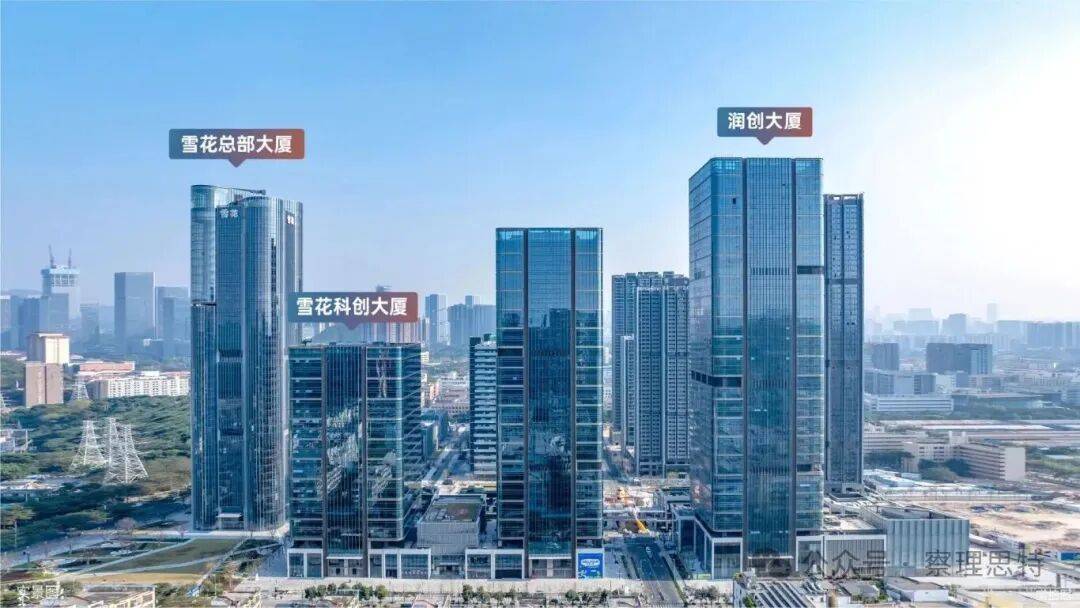
Group 1 - The core viewpoint of the news is that China Resources Beer has officially relocated its headquarters to Shenzhen's Bao'an Snowflake Innovation City, marking a significant milestone in its development and reflecting strategic choices in industrial layout and global competitiveness [1][2]. - The new headquarters and office building signify a deeper commitment to transformation focused on "quality, technology, and globalization" in the new era [1][2]. - China Resources Beer operates 60 breweries nationwide with an annual production capacity of approximately 19.2 million kiloliters, reinforcing its leading position in the industry [2]. Group 2 - In the first half of 2025, the company reported revenue of 23.942 billion yuan, a year-on-year increase of 0.8%, and a net profit attributable to shareholders of 5.789 billion yuan, up 23.04%, achieving a new high [2]. - The beer business generated revenue of 23.161 billion yuan, reflecting a 2.6% year-on-year growth, with a gross margin of 48.3%, driven by premiumization and cost advantages [2]. - The relocation aligns with national strategic regional development, particularly benefiting from the Guangdong-Hong Kong-Macao Greater Bay Area, which is a crucial hub for China's reform and opening-up [2]. Group 3 - The new headquarters building, standing at 188.45 meters with 42 floors above ground and 3 underground, has a total construction area of approximately 178,000 square meters, designed to reflect the aesthetics of beer fermentation tanks [6][10]. - The headquarters will serve as a decision-making center and include a research and testing center, exhibition space, and brand experience area, enhancing internal collaboration and innovation [10]. - The construction of a craft brewery is underway, expected to have an annual production capacity of 100,000 kiloliters upon completion [10]. Group 4 - The strategic rationale behind the relocation includes industrial upgrading and value chain extension, with a focus on high-quality growth and product premiumization [12]. - The headquarters' establishment in Shenzhen is expected to leverage the city's advanced manufacturing and technology industry, enhancing production intelligence, marketing digitization, and supply chain optimization [13]. - Shenzhen's ecosystem supports innovation, with over 1,300 national-level "little giant" enterprises contributing to collaborative industrial and technological advancements [14]. Group 5 - The Snowflake Innovation City aims to integrate Shenzhen Bao'an's strong industrial foundation and urban infrastructure, creating a composite development hub for research, beer production, smart manufacturing, and ecological leisure [15]. - The project is supported by Bao'an's well-established infrastructure, mature industrial ecosystem, and efficient service capabilities, laying a solid foundation for development [15]. - The transformation from traditional manufacturing to integrated urban development highlights the collaborative path of industrial upgrading and urban renewal in Shenzhen [21].

利润承压、转型紧迫压力笼罩石化产业,行业龙头锚定高端化智能化破卷
Di Yi Cai Jing· 2025-12-17 13:51
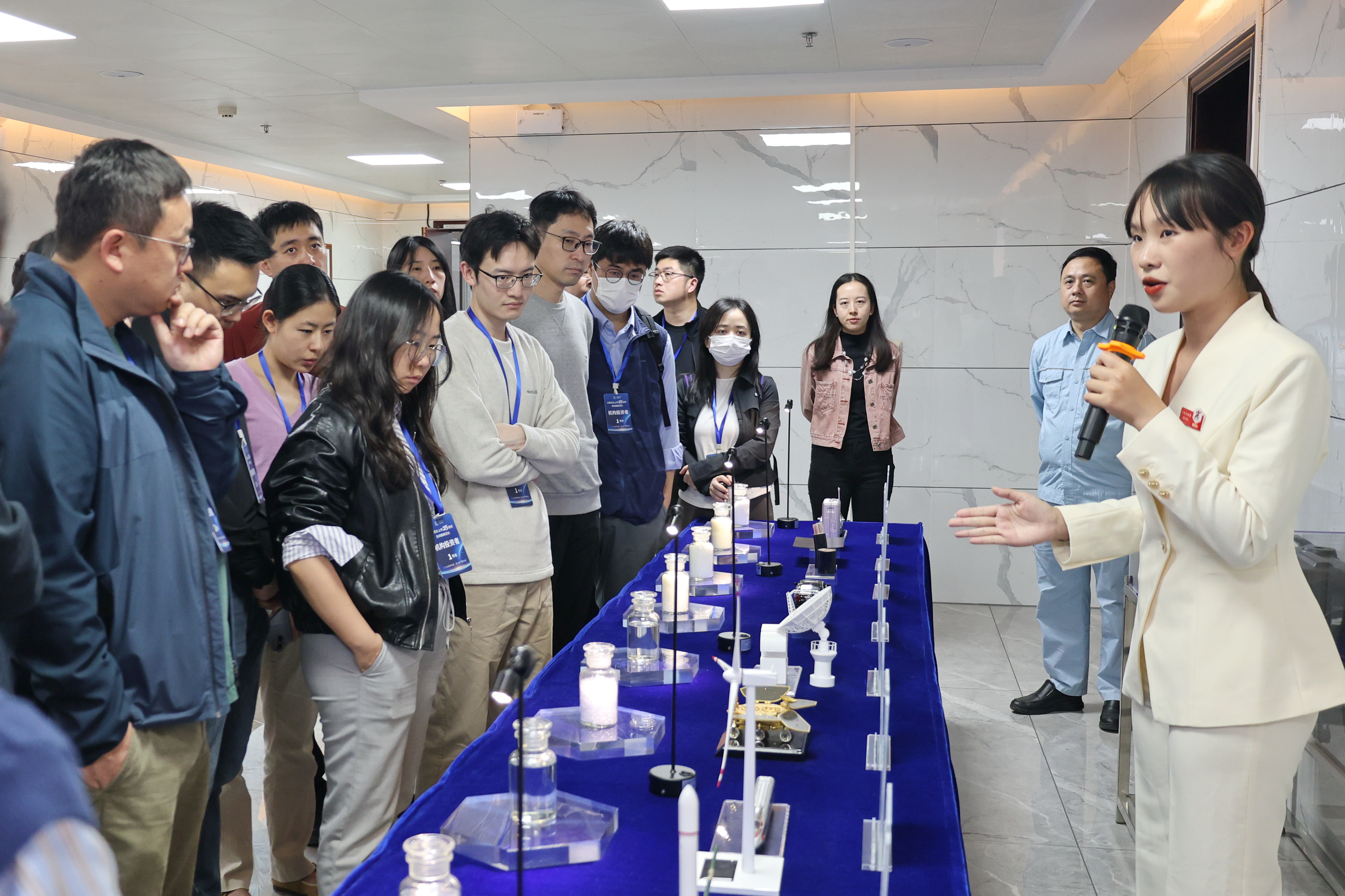
Core Insights - The petrochemical industry is facing a triple challenge of overcapacity, profit pressure, and urgent transformation, with an average price drop of nearly 14% for 16 major chemical products since the beginning of the year [1] - The industry is experiencing "involution" competition, leading to increased production without profit growth, necessitating structural optimization and upgrades [1] - China Petroleum & Chemical Corporation (Sinopec) is exploring high-end product development and intelligent cost reduction as a solution, using its subsidiaries Maoming Petrochemical and Zhongke Refining as case studies [1] Industry Overview - The chemical industry has entered a downward trend, with significant price declines and a slowdown in demand from sectors like construction and apparel [1] - Over the past five years, the production capacity of various petrochemical products has increased by over 50%, outpacing domestic market consumption [1] - The presence of outdated refining facilities is exacerbating the overcapacity issue, highlighting the need for industry transformation [1] Company Strategies - Maoming Petrochemical has shifted from a traditional refining model to an integrated refining and chemical enterprise, focusing on high-end materials and reducing oil processing [2] - The company has an annual ethylene production capacity of 1 million tons and has developed 129 new chemical products, increasing the proportion of specialized materials from 47% to over 84% [2] - The introduction of new products has led to annual efficiency gains exceeding 300 million yuan, with 12 products reaching international advanced levels [2] Product Innovations - Maoming Petrochemical has developed high-end lubricants and liquid rubber products, significantly reducing market prices and addressing supply chain challenges in sectors like 5G [3] - The company reported over 76.8 billion yuan in revenue for the first three quarters of the year, with profits exceeding 10 billion yuan over the past three years [3] Market Trends - China is the largest and fastest-growing market for new chemical materials globally, with a projected annual growth rate of 3.5% for specialty chemicals, double that of the global average [6] - The domestic self-sufficiency rate for high-performance materials is only 54%, indicating a significant opportunity for growth and innovation [6] Technological Advancements - Zhongke Refining is leveraging digital transformation and intelligent upgrades to enhance operational efficiency, with a smart control center that reduces labor costs significantly [6][7] - The implementation of a digital twin system for ethylene production allows for real-time optimization and decision-making, improving product value and operational efficiency [7] - This intelligent model is being adopted across multiple traditional factories within Sinopec, aiding in the upgrade and efficiency enhancement of older facilities [8]

爱博医疗(688050):看好2026年恢复及新品拉动
ZHESHANG SECURITIES· 2025-12-17 09:51
Investment Rating - The investment rating for the company is "Buy" [7] Core Views - The company is a leading domestic manufacturer of artificial lenses and a technology-driven ophthalmic materials and optical platform company. Although the performance in Q3 2025 is under pressure due to the impact of medical insurance cost control, the recovery of the OK lens business and the steady progress of new product pipelines are expected to support long-term growth [1][2]. Summary by Sections Financial Performance - In Q3 2025, the company achieved revenue of 358 million yuan, a year-on-year decrease of 8.17%, and a net profit attributable to shareholders of 77 million yuan, down 29.85% year-on-year. The decline in cataract surgery volume, influenced by national procurement and adjustments in medical insurance expenditure structures, has significantly pressured the company's performance [2]. Product Lines and Market Strategy - The OK lens business has shown double-digit year-on-year growth in Q3 2025, supported by strengthened sales channel construction and academic promotion. The new generation of OK lenses is expected to be launched in 2026, with industry-leading oxygen permeability [3]. - The high-end product pipeline is clear, with a continuous increase in the proportion of high-end products in the artificial lens sector. The company is also expanding its overseas market presence, leveraging product quality and performance to enhance growth quality and sustainability [4]. Profit Forecast and Valuation - Due to lower-than-expected volume growth in artificial lenses and declining factory prices for contact lenses, the revenue and profit forecasts for 2025-2027 have been adjusted. Expected revenues are 1.537 billion yuan in 2025, 1.894 billion yuan in 2026, and 2.275 billion yuan in 2027, with corresponding net profits of 396 million yuan, 492 million yuan, and 595 million yuan respectively. The company maintains a PE ratio of approximately 24 times for 2026, indicating potential growth driven by new products [5].

美国掉入全球第三,中国贸易顺差超万亿,3万亿外汇储备是底气
Sou Hu Cai Jing· 2025-12-11 13:40
Group 1 - The core argument of the article highlights that despite initial predictions of a decline in China's exports due to trade pressures, China has achieved a historic trade surplus exceeding 1 trillion USD, with the U.S. falling to third place in trade relations with China [1][32] - In the first eleven months of 2025, China's total goods trade value reached 41.21 trillion yuan, a year-on-year increase of 3.6%, with exports at 24.46 trillion yuan (up 6.2%) and imports at 16.75 trillion yuan (up 0.2%), resulting in a trade surplus of 7.71 trillion yuan, equivalent to 1.07 trillion USD [3][5] - China is the first country to achieve a trade surplus exceeding 1 trillion USD, a figure that surpasses the combined trade surpluses of the second to eighth ranked countries globally [5] Group 2 - ASEAN remains China's largest trading partner, with a total trade value of 6.82 trillion yuan (16.6% of total trade), followed by the EU at 5.37 trillion yuan (13%), while the U.S. has dropped to third place with a trade value of 3.69 trillion yuan (8.9%), a year-on-year decline of 16.9% [5] - Trade with countries involved in the Belt and Road Initiative reached 21.33 trillion yuan, growing by 6%, highlighting its significance as a key driver of foreign trade growth [8] Group 3 - The export structure has shifted significantly, with mechanical and electrical products accounting for 60.9% of total exports at 14.89 trillion yuan, a year-on-year increase of 8.8%, while labor-intensive products have decreased to 15.1% of exports, down 3.5% [10][12] - A representative case is a Zhejiang automotive parts company that shifted its focus from the U.S. market to ASEAN, resulting in over 50% growth in exports to ASEAN countries [14][17] Group 4 - Companies are leveraging retained foreign exchange funds for overseas investments, such as a Guangdong home appliance company that used 1.5 million USD of its foreign exchange earnings for purchasing high-end components and establishing an assembly base in Mexico [21][23] - The "hidden reserves" policy has stabilized domestic prices, with the CPI remaining low at 0.1% in June 2025, contrasting with inflation in other countries [25][27] Group 5 - Recent changes in U.S.-China trade relations indicate a shift from "comprehensive containment" to "economic competition and military deterrence," with over 30% of U.S. small and medium enterprises resuming business discussions with China, although the U.S. share in trade with China has not yet recovered [28][30]