土地财政

Search documents
“三保”压力触发财政加码
CAITONG SECURITIES· 2025-11-18 07:41
Revenue and Expenditure Trends - National general public budget revenue increased by 0.8% year-on-year from January to October 2025, while expenditure rose by 2%[3] - Government fund budget revenue decreased by 2.8% year-on-year, with expenditure increasing by 15.4%[3] - In October, general public budget revenue grew by 3.2% year-on-year, with central and local revenues increasing by 2.3% and 4.0% respectively[6] Tax Revenue Insights - Tax revenue saw a year-on-year increase of 8.6% in October, with a seasonal growth of approximately 79% compared to September, marking the highest level in five years[8] - Personal income tax revenue experienced an "abnormal" growth of 24.9% month-on-month, significantly exceeding the average growth of 9.6% from 2021 to 2024[8] - Non-tax revenue declined sharply, with a year-on-year decrease of 33% and a month-on-month drop exceeding 53 percentage points[19] Expenditure Challenges - General public budget expenditure fell by 9.8% year-on-year in October, a significant drop compared to the previous year's growth of 3.1%[23] - Local government expenditure decreased by nearly 12% year-on-year, while central government expenditure only declined by about 1%[24] - Social welfare and employment expenditures faced considerable pressure, with a month-on-month decline of 39.4%[27] Land Sales and Fiscal Impact - Land sales revenue in October was recorded at 268 billion yuan, a 27.3% year-on-year decline, marking the lowest level in five years[32] - The downturn in the real estate market has severely impacted local government finances, with land sales contributing 81% to local government fund revenue[37] - Broad fiscal revenue turned negative, with a year-on-year decrease of 0.6% in income and a 19.1% drop in expenditure[34]
第三波救楼市已经来了!房价开始沸腾了?
Sou Hu Cai Jing· 2025-11-11 00:55
Core Viewpoint - The recent wave of housing purchase subsidies across various cities in China, including Wuhan, is aimed at stimulating the real estate market, but there are concerns about the effectiveness of these measures in reversing the ongoing decline in property prices [1][5][10]. Group 1: Government Policies - Multiple cities, including Wuhan, Pingdingshan, Dongguan, and Zhongshan, have introduced housing purchase subsidy policies in October [2]. - The central government has emphasized the need to stabilize the real estate market, with the Ministry of Housing and Urban-Rural Development advocating for stronger measures to halt the decline in property prices [8][9]. - Over 340 rescue policies have been implemented across more than 170 provinces and cities in a short span, indicating a significant governmental push to revive the housing market [9][10]. Group 2: Market Conditions - The real estate market remains stagnant, with new home sales struggling and second-hand home prices continuing to decline, evidenced by a 3.60% drop in prices across 100 cities in the first half of 2025 [12][13]. - The financial strain on local governments is severe, with land sale revenues halved in many areas, leading to concerns about funding for public services [12][10]. - The current market sentiment is characterized by a lack of consumer confidence, as potential buyers are hesitant to commit to long-term mortgages amid economic uncertainty [13][14]. Group 3: Investment Opportunities and Risks - For first-time homebuyers, the current subsidies and low mortgage rates present a favorable opportunity to purchase homes, especially for those with immediate needs like marriage or education [15][16]. - However, for investors looking to capitalize on potential price rebounds, caution is advised as the market is expected to experience structural differentiation rather than a broad price increase [18][20]. - The prevailing market logic has shifted from "buying guarantees profit" to "buying risks loss," indicating a more cautious approach to real estate investments [20][21].

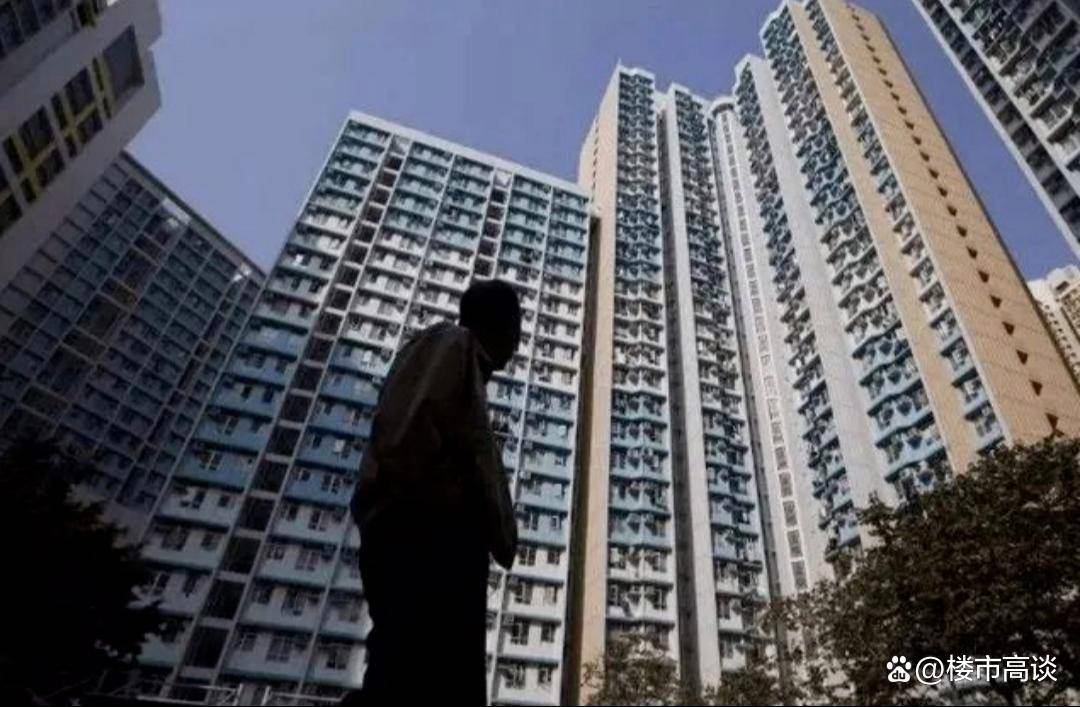
房子明明已经过剩,开发商为何还在建房?温铁军一语道破真相
Sou Hu Cai Jing· 2025-10-26 07:04
Core Viewpoint - The debate over whether there is an oversupply of housing in China continues, with significant existing residential stock that could accommodate around 6 billion people if each unit housed ten individuals, while at least 14 million new homes are built annually, indicating a substantial supply [1][3] Group 1: Reasons for Continued Construction by Developers - Developers are trapped in a debt crisis, compelling them to continue acquiring land and building new projects to maintain access to bank loans, as halting construction would jeopardize their financial viability [5][7] - Local governments rely heavily on land finance, which drives developers to continue land acquisition and construction to sustain local fiscal health and support public spending [7][9] - The presence of speculative investors, or "house flippers," who purchase properties not for residence or rental but as investment assets, keeps the market active despite the oversupply of housing [9][10] Group 2: Market Dynamics and Policy Implications - The current real estate market is largely speculative, necessitating effective measures to guide it back to a rational state focused on housing needs, such as the introduction of property taxes to increase holding costs [10] - Despite the apparent oversupply of existing housing, the continuous influx of new properties into the market raises questions about the underlying motivations of buyers, as highlighted by the economist's assertion that "those buying homes are not necessarily the ones living in them" [10]

房价死撑,却不允许下跌,释放出了什么信号?答案来了
Sou Hu Cai Jing· 2025-10-17 05:25
Group 1 - The core issue is that a significant drop in housing prices could trigger a series of chain reactions, impacting economic and social stability [4] - Local governments rely heavily on land finance as a key source of revenue, and a sharp decline in housing prices would reduce developers' willingness to acquire land, leading to a sluggish land market and decreased fiscal income [3] - The real estate sector is interconnected with numerous upstream and downstream industries, such as steel, cement, and home appliances, providing many jobs; a collapse in housing prices would directly impact these industries, leading to reduced investment demand and increased unemployment [5] Group 2 - Homeowners may express dissatisfaction due to asset depreciation if housing prices fall significantly, potentially leading to social unrest and legal disputes [5] - A drastic decline in housing prices could exceed the down payment ratio for many buyers, resulting in widespread defaults and increased financial risks for banks [5] - Developers face heightened inventory pressures and increased difficulty in sales if housing prices drop, which could exacerbate the risk of loan recoveries for banks [7] Group 3 - Local governments and developers are reluctant to see a sharp decline in housing prices due to the potential economic and social risks, prompting them to implement various measures to stabilize the real estate market [7] - The fundamental goal of recent adjustments in the real estate market across various regions in China is to prevent drastic fluctuations in housing prices, thereby maintaining overall economic and social stability [7]
当一个“拆二代”开始送外卖
Sou Hu Cai Jing· 2025-10-10 23:04
Core Insights - The narrative of wealth and destiny in China has been shattered, as exemplified by the "拆二代" (demolition second generation) now delivering food, highlighting the fleeting nature of compensation from property demolition [1][12] - The golden era of real estate has ended, with a slowdown in property prices and a decline in urban expansion, leading to questions about future economic sustainability [3][5] - The reliance on real estate for economic growth has created a precarious situation, where a downturn in the sector could destabilize various industries and employment [7][8] Economic Structure - The past two decades have seen a reliance on land finance to support local development, with real estate driving multiple industries and families accumulating debt [5][7] - The demographic shift, including a declining birth rate and reluctance among youth to marry and have children, poses a challenge to sustaining the real estate-driven economic model [5][8] - The wealth generated from property transactions has not translated into sustainable income for many, leading to a return to financial instability for those who once benefited from demolition compensation [5][10] Future Directions - A shift away from real estate as the primary growth engine is necessary, focusing instead on industrial upgrades, technological innovation, and human capital development [8][10] - There is a need to reform the fiscal system to reduce dependence on land finance and create a more sustainable local revenue model [8][10] - Urbanization should be redefined to ensure equitable resource distribution between urban and rural areas, moving towards urban renewal rather than large-scale demolition [10][12]

央视镜头前,前央行副行长朱敏“捅破”房价真相:3大支撑全反转,未来5年楼市要变天?
Sou Hu Cai Jing· 2025-10-04 10:49
Core Viewpoint - The former deputy governor of the central bank, Zhu Min, stated that housing prices are unlikely to rise significantly again, indicating a fundamental shift in the underlying support for housing prices in China [3]. Group 1: Population Structure - The birth rate in China has drastically declined, with the number of newborns dropping from 17.86 million in 2016 to an estimated 9.54 million in 2024, leading to a projected 50% reduction in annual new housing demand over the next 20 years [5]. - The willingness of the 25-30 age group to purchase homes has decreased from 65% to 48% over the past five years, indicating a shift in young people's attitudes towards home buying due to financial constraints [5]. Group 2: Land Finance - The revenue from land sales has halved, dropping from 8.7 trillion yuan in 2021 to 4.87 trillion yuan in 2024, disrupting the traditional cycle of land sales, developer purchases, and bank lending [7]. - The decline in housing demand has led to a halt in the entire real estate chain, affecting local governments, developers, and banks [7]. Group 3: Changing Perspectives - The traditional belief that "having a home means having a family" is being abandoned by younger generations, who are now reluctant to use their family's savings to purchase a home [9]. - The financial burden of homeownership is significant, with a typical family in Beijing needing to gather 1.5 million yuan for a down payment and facing monthly mortgage payments that consume a large portion of their income [9]. Group 4: Economic Implications - There are two conflicting views regarding housing prices: one argues that high prices suppress consumer spending, while the other fears that falling prices will reduce household wealth and consumption [10]. - The government's stance is clear in the "14th Five-Year Plan," which aims to curb real estate speculation and shift focus towards new economic drivers such as electric vehicles and artificial intelligence [10]. Group 5: Future Outlook - Based on international experiences, it is projected that China's housing market may bottom out around 2027, following a similar adjustment period seen in Japan and the U.S. [11]. - Major cities like Beijing and Shanghai may stabilize by 2026, with expected annual price increases of 3%-5%, while smaller cities may face greater adjustment pressures [11]. Group 6: Long-term Transformation - The transition from viewing real estate as an investment to recognizing it as a necessity will involve challenges, including asset volatility for current homeowners and economic uncertainties for potential buyers [12]. - Ultimately, the goal is to ensure that home buying does not deplete family savings, allowing other industries to thrive and contributing to sustainable economic growth in China [12].
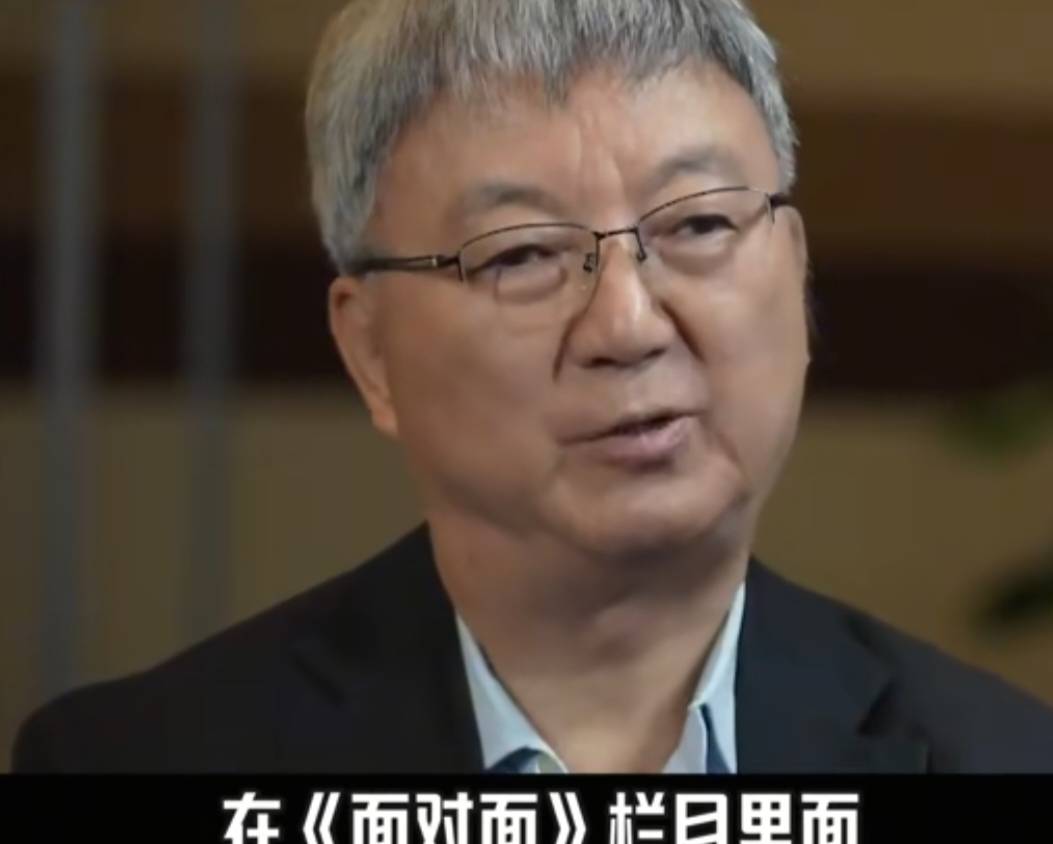
知名专家现惊人言论!房价下跌,最受伤的不是有钱人,而是普通老百姓?
Sou Hu Cai Jing· 2025-09-29 00:57
Core Viewpoint - The article discusses the critical state of China's real estate market and the implications for the macro economy, emphasizing the need for a shift in policy and perception regarding housing prices and land finance [2][4]. Group 1: Land Finance and Policy - Land finance is defined as the fiscal mechanism of local governments that possess land transfer and planning rights [4]. - To stabilize the real estate market, it is essential to abandon quantity targets and halt the influx of new land supply, focusing instead on redeeming excess properties [4]. - The current approach of relying on land sales for financing contradicts the central government's strategy of transitioning from incremental expansion to qualitative improvement [4]. Group 2: Impact of Housing Prices - The decline in housing prices primarily affects ordinary citizens rather than the wealthy, as housing constitutes a significant portion of household assets in China [4]. - The homeownership rates are notably high, with urban residents at 96.3% and rural residents at 94.8%, indicating that housing is a critical asset for the majority [4]. - The article argues that rising housing prices can help reduce wealth inequality, contrary to the belief that falling prices benefit the majority [4]. Group 3: Market Structure and Transformation - A dual-track system is proposed, distinguishing between market-driven housing and affordable housing, to ensure both price stability and housing accessibility [5]. - The article suggests that the best source of affordable housing is not new construction but rather the repurchase of excess market housing [5]. - The handling of unfinished projects should focus on rescuing banks rather than merely saving companies [5]. Group 4: Current Market Conditions - The real estate sector is currently in a downturn, with significant declines in new housing sales and investment [7][9]. - From January to August 2023, new housing sales dropped by 4.7% in area and 7.3% in value, while real estate development investment fell by 12.9% [7][9]. - The inventory of unsold properties has increased, with a notable rise in the waiting period for inventory clearance [10][13]. Group 5: Economic Contribution and Future Outlook - The real estate sector contributes approximately 20% to GDP and 40% to fiscal revenue, highlighting its importance to the economy [19][22]. - Despite its significance, the probability of housing prices continuing to rise is deemed low due to oversupply and demographic challenges [23][24]. - The article emphasizes that the real estate market must return to a supply-demand balance, as excessive price increases lead to unsustainable debt levels for developers [28][31].

北上深,为何仍不彻底“取消限购”?
3 6 Ke· 2025-09-28 02:50
Core Viewpoint - The article discusses the contrasting approaches of Guangzhou and the "North-South" cities (Beijing, Shanghai, Shenzhen) regarding the lifting of housing purchase restrictions, highlighting Guangzhou's aggressive stance compared to the cautious approach of the latter cities [1][4][5]. Group 1: Policy Differences - Guangzhou has announced a complete removal of purchase restrictions by September 30, 2024, aiming to stabilize its declining housing market [2][4]. - In contrast, Beijing, Shanghai, and Shenzhen are taking a gradual approach, with Beijing expected to lift restrictions by August 2025, followed by Shanghai and Shenzhen [2][5]. Group 2: Market Pressures - Guangzhou's decision to lift restrictions is driven by significant market pressure, with a reported decline of over 12% in second-hand home prices within a year and a prolonged inventory turnover period exceeding 24 months in some areas [7][9]. - The reliance on land finance in Guangzhou, which exceeds 40%, has also pressured the city to stimulate the housing market through the removal of restrictions [9][10]. Group 3: Demand Structure - The demand structure in Guangzhou is primarily local, with 75% of housing priced below 5 million, contrasting with the broader appeal of properties in Beijing, Shanghai, and Shenzhen to national wealth [10][20]. - The gradual lifting of restrictions in Guangzhou has been accompanied by measures to mitigate speculative buying, such as price registration mechanisms and property tax trials [11][12][13]. Group 4: Future Outlook - While a complete removal of restrictions in Beijing, Shanghai, and Shenzhen is likely in the long term, it is deemed difficult in the short term due to the need for multiple conditions to be met [4][25]. - The article suggests that the future approach for these cities will likely involve incremental adjustments rather than an outright removal of restrictions, maintaining a cautious stance to prevent market overheating [26][27].
速看!30多万人口的县城,20多家开发商盖上百万套房,房子谁买?
Sou Hu Cai Jing· 2025-09-16 08:04
Core Insights - The article highlights the severe imbalance in the real estate market in Linzhou, a county-level city in China, where over 1 million housing units have been built for a population of approximately 330,000, indicating a supply far exceeding actual demand [1][2][3] Group 1: Market Dynamics - Linzhou's housing supply has reached nearly 7 times the estimated reasonable demand, with over 650,000 units completed as of March 2025, leading to a significant oversupply crisis [2][4] - The influx of 27 developers investing a total of 83.7 billion yuan in Linzhou from 2020 to 2025 reflects a speculative frenzy that has now turned into a precarious situation as market expectations shift [3][4] - The average price of second-hand homes in Linzhou has plummeted to 2,000 yuan per square meter, a nearly 70% decrease from its peak in 2018, indicating a drastic market correction [3][4] Group 2: Economic Implications - The reliance on land finance has led to 42% of Linzhou's total fiscal revenue coming from land sales between 2017 and 2022, significantly higher than the national average, which has fueled excessive real estate development [4][6] - The estimated value of idle housing resources in Linzhou exceeds 45 billion yuan, representing a substantial waste of resources that could have been better utilized in the local economy [8][9] - The decline in housing prices has resulted in many homeowners facing negative equity, with some unable to meet mortgage payments, highlighting the financial strain on residents [9][10] Group 3: Policy Responses and Future Outlook - In response to the crisis, the Linzhou government has initiated measures to halt new residential land supply and control new housing approvals, aiming to stabilize the market [11][12] - The article emphasizes the need for a shift in the real estate market towards a focus on housing as a necessity rather than a speculative asset, advocating for supply-side reforms and improved housing market systems [12][17] - The situation in Linzhou serves as a cautionary tale for other regions, underscoring the importance of adhering to economic principles and avoiding blind expansion in real estate development [15][19]

赵燕菁:房地产是撼动宏观经济的震源
Sou Hu Cai Jing· 2025-09-16 06:58
Core Viewpoint - The current deep adjustment in China's real estate market is triggering a chain reaction in the macro economy, raising questions about the future of land finance, the impact of falling housing prices on ordinary people, and the parallel operation of affordable and commercial housing. The key to overcoming the current predicament lies in distinguishing between "land finance" and "land fiscal policy" and promoting equity market reforms [1][5][15]. Group 1: Real Estate Market Dynamics - Real estate is the core source of credit for monetary creation in China, and its stability directly affects household wealth, local government debt, and domestic demand [1][10]. - The choice between "abandoning quantity to protect price" or "abandoning price to protect quantity" is crucial in the current declining cycle of the real estate market [6][7]. - If the focus is on maintaining quantity, the market will not stabilize; instead, it is essential to stop new land supply and clear existing inventory to achieve price stabilization [8][11]. Group 2: Misconceptions about Housing Prices - The belief that falling housing prices benefit the majority is incorrect, as housing constitutes a significant portion of household assets in China, with urban households holding 77.7% of their total assets in real estate [9][10]. - The macroeconomic impact of real estate is often underestimated, as it plays a critical role in the debt structure and monetary creation process [10][11]. - The misconception that housing demand has disappeared overlooks the substantial existing stock of real estate, which can still generate liquidity and credit if properly managed [11][12]. Group 3: Affordable Housing and Market Structure - The dual-track system of affordable and commercial housing is essential for addressing housing needs without suppressing commercial housing prices [15][16]. - Successful implementation of this dual-track system requires a clear understanding that rising housing prices can stimulate demand, contrary to the belief that price suppression will enhance market activity [15][16]. - The government should focus on repurchasing excess commercial housing to convert it into affordable housing, which can simultaneously address market stabilization and social welfare [15][16]. Group 4: Urban Renewal and Economic Growth - Urban renewal should focus on creating cash flow from existing assets rather than merely replacing old structures with new ones [19][21]. - The role of urban villages in providing low-cost housing is crucial for maintaining competitive business environments, especially in southern cities [22][23]. - A successful urban renewal strategy should empower property owners to lead the process, ensuring that funding comes from their own balance sheets rather than relying on government land sales [23].