
微醺经济

Search documents
飞天茅台价格腰斩,市值蒸发万亿!高端白酒价格倒挂,行业要变天
Sou Hu Cai Jing· 2025-11-08 20:15
Core Viewpoint - The high-end liquor market, particularly the Moutai brand, is experiencing a significant downturn, with prices and market value plummeting, leading to a broader crisis in the industry [1][4]. Market Conditions - Moutai's bottle price has dropped below 1700 yuan, nearly halving from its peak in 2021, resulting in a market value loss exceeding 1 trillion yuan [1][4]. - The entire high-end liquor market is facing a price inversion, where selling more leads to greater losses for distributors, compounded by an inventory pressure of 900 days [1][4][3]. - The China Securities White Liquor Index has only increased by 10% since last September, indicating stagnation in the market [3]. Inventory and Sales Challenges - The inventory turnover days for the industry reached 900 days in the first half of 2025, a 10% year-on-year increase, suggesting that products are sitting in warehouses for over two and a half years [4][3]. - Distributors are hesitant to stock up during peak seasons due to the risk of further losses [4]. Changing Consumer Preferences - Young consumers are increasingly rejecting high-end liquor, with only 13% of 18 to 35-year-olds choosing liquor over other beverages [8][11]. - The trend is shifting towards lower-alcohol beverages, with the low-alcohol market projected to reach 75 billion yuan by 2025 [8][11]. Cultural Shifts - The perception of liquor among younger generations is negative, associating it with outdated drinking culture and forced social interactions [11][12]. - 72% of younger consumers have experienced pressure to drink liquor, leading to a cultural shift away from traditional drinking practices [12]. Health Consciousness - There is a growing emphasis on health, with many older consumers reducing their alcohol intake due to health issues, resulting in a decline in traditional liquor consumption [12][14]. - The narrative that liquor is beneficial for health has been debunked, further diminishing its appeal [12]. Industry Response - Liquor companies are attempting to adapt by introducing lower-alcohol products, but these efforts have not significantly resonated with younger consumers [8][9]. - The industry is urged to address issues related to taste, consumption scenarios, and cultural perceptions to remain relevant [15].



茶酒融合:“微醺经济”的双向奔赴
Nan Fang Nong Cun Bao· 2025-11-05 15:12
Core Viewpoint - The integration of tea and alcohol is emerging as a significant trend in the beverage industry, driven by the demand for "micro-drunk" experiences among younger consumers, leading to innovative product offerings and cross-industry collaborations [5][6][46]. Group 1: Industry Trends - The Guizhou Provincial Department of Commerce has issued a draft guideline to promote the transition from "selling alcohol" to "selling lifestyle," emphasizing the integration of alcohol and tea products to expand cross-industry consumption markets [2][3]. - The trend of alcohol and tea fusion is not new, with both alcohol and tea companies seeking growth opportunities through innovative product combinations [5][6]. - The younger demographic is increasingly becoming the main consumer group for alcohol, prompting companies to innovate beyond traditional high-alcohol products to attract this audience [8][49]. Group 2: Product Innovations - Major alcohol brands are launching lower-alcohol or non-alcoholic products to cater to younger consumers, with examples including Moutai's introduction of over ten youth-oriented products at a recent trade fair [12][18]. - The collaboration between Luckin Coffee and Moutai to launch the "Sauce Aroma Latte" achieved remarkable sales, with over 5.42 million cups sold on the first day, generating over 100 million yuan in revenue [28][30]. - New tea drinks incorporating alcohol, such as "Drunken Steps" by Tea Baidao and "Lychee Ice Brew" by Grandpa's Tea, have also gained popularity, indicating a growing acceptance of alcohol-infused beverages [32][39]. Group 3: Market Dynamics - The market for low-alcohol beverages is expanding, with data showing that fruit wine accounts for 38% of instant retail channels, growing at 72% annually, while tea and alcohol combinations account for 25%, growing at 65% [54][55]. - Health consciousness among consumers is influencing the beverage market, with a significant percentage of consumers expressing concerns about the health impacts of traditional tea drinks, leading to a demand for healthier options [60][61]. - The fusion of tea and alcohol is seen as a strategic move to address the challenges faced by both industries, allowing them to meet consumer demands for "micro-drunk" experiences while ensuring health considerations are met [63].






果啤火了,他们都想成为年轻人的微醺首选
3 6 Ke· 2025-11-05 10:40
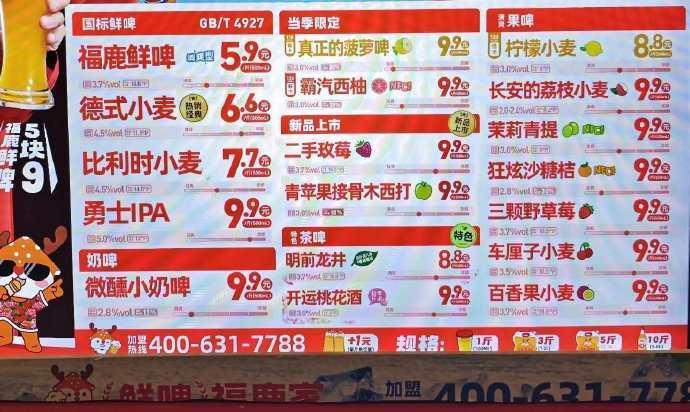
Core Insights - The investment by Xuewang in Fulu Family signifies a renewed interest in the craft beer and fruit-flavored beer market, which is gaining traction among younger consumers [1][2][20] - The acquisition involves Xuewang obtaining a 53% stake in Fulu Family for approximately RMB 297 million, expanding its portfolio into the fresh beer sector [2][3] - The trend of "light drinking" is becoming mainstream, with over 80% of young people preferring lighter alcoholic beverages, indicating a shift in consumer preferences [20][22] Market Dynamics - Fulu Family has become the leading brand in China for fresh beer chain stores by store count, highlighting the competitive landscape in this segment [3] - The entry of various brands into the fruit beer market, such as Guozi Shule and Xinling, reflects a broader trend of diversification and innovation in alcoholic beverages [5][15] - The fruit beer market is projected to grow significantly, with global market size expected to reach USD 318.6 billion by 2024 and approximately USD 435.7 billion by 2030, indicating a robust growth trajectory [18] Consumer Behavior - Young consumers are redefining their relationship with alcohol, focusing more on emotional experiences and taste rather than alcohol content [23][26] - The appeal of fruit beer lies in its ability to be consumed in various social settings, including daytime events, making it more accessible and relatable to younger audiences [24][25] - The pricing strategy for fruit beer, typically ranging from RMB 5 to 10 per can, positions it competitively against other non-alcoholic beverages, facilitating broader market penetration [25] Cultural Shift - The cultural narrative around drinking is shifting from "drinking to socialize" to "drinking for personal enjoyment," with fruit beer symbolizing a more relaxed and enjoyable drinking experience [26][27] - Fruit beer is becoming a symbol of a lifestyle that emphasizes relaxation and social media sharing, appealing to the younger demographic's desire for visually appealing and enjoyable products [27] Future Considerations - While fruit beer is positioned as an evolution of the previous "sweet liquor" trend, it benefits from a more stable production and supply chain, reducing the risk of rapid decline seen in past trends [28][29] - The increasing number of brands entering the fruit beer market may lead to potential homogenization, necessitating continuous innovation to maintain distinctiveness [28][29]

荣国酒行:传统酒行的破局与新生
Sou Hu Cai Jing· 2025-10-30 03:24
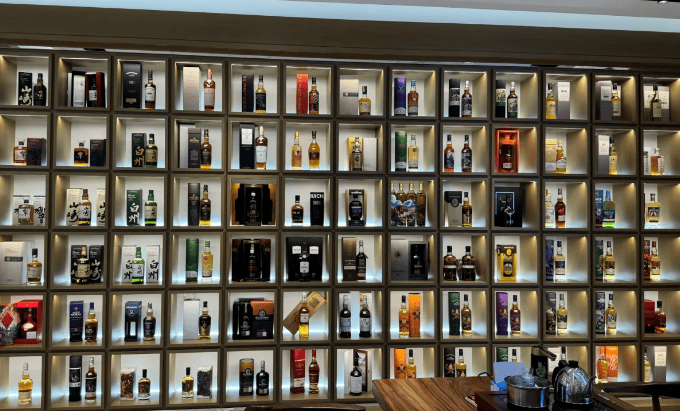
Core Insights - The transformation of wine shops reflects a shift in consumer behavior, focusing on social experiences and lifestyle rather than just alcoholic beverages [1][3] - The introduction of experiential services has led to a 40% increase in average transaction value and a threefold increase in customer dwell time, indicating a trend towards "slow consumption" [1] - The selection strategy of wine shops has evolved, with a significant increase in the variety of products offered, including local specialty wines and non-alcoholic options, driven by data analysis [1][3] Industry Trends - New wine merchants are leveraging technology such as VR for immersive experiences, blockchain for product traceability, and AI for flavor analysis, blending tradition with modern innovation [3] - The rise of local craft beer brands is notable, with some achieving monthly sales that surpass certain imported brands, reflecting a growing consumer preference for local flavors [1] - The industry is at a crossroads, needing to balance traditional craftsmanship with digital tools as younger generations become the primary consumers [3] Marketing Strategies - The project leader of a wine shop has decided to utilize the internet for transformation, establishing an online marketplace through mini-programs and promoting via social media and community marketing [5]
蜜雪冰城也要卖啤酒了,新茶饮为什么纷纷“买醉”?
Xin Jing Bao· 2025-10-29 08:32
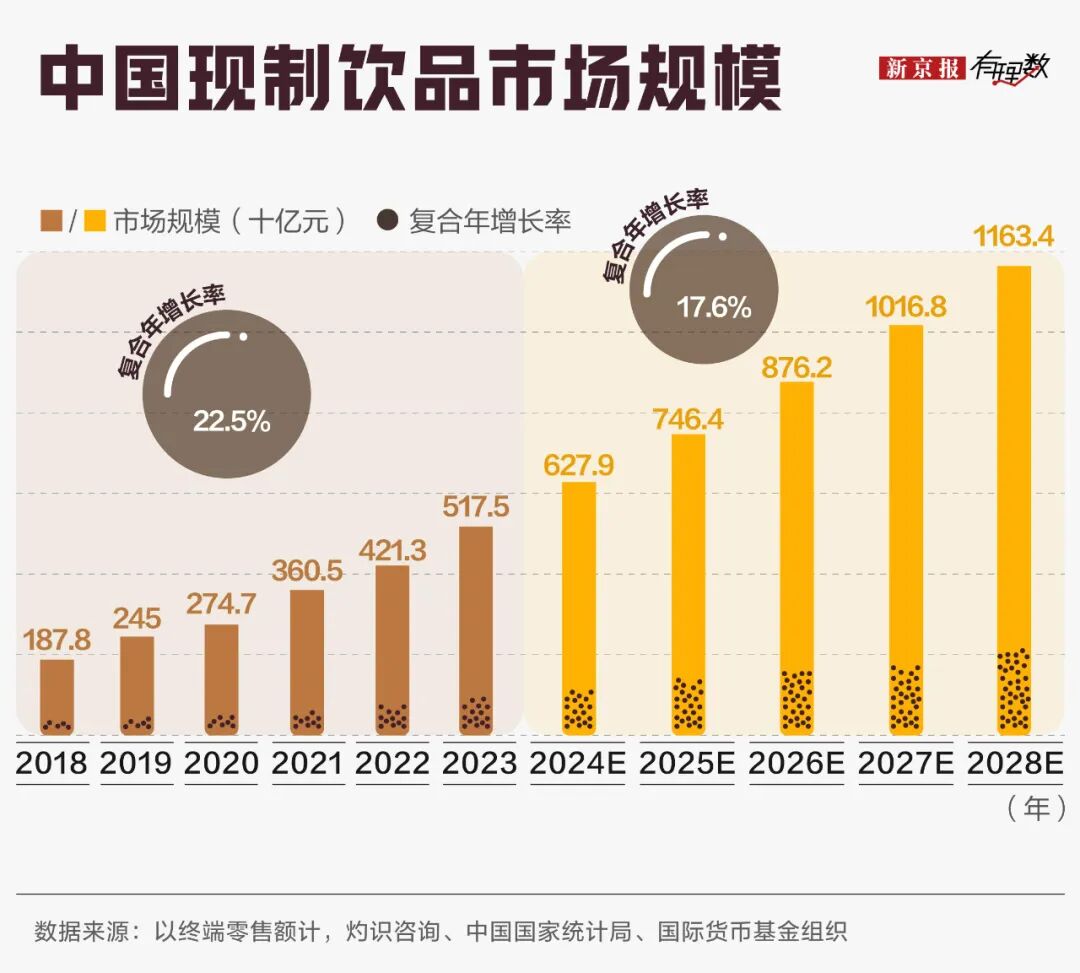
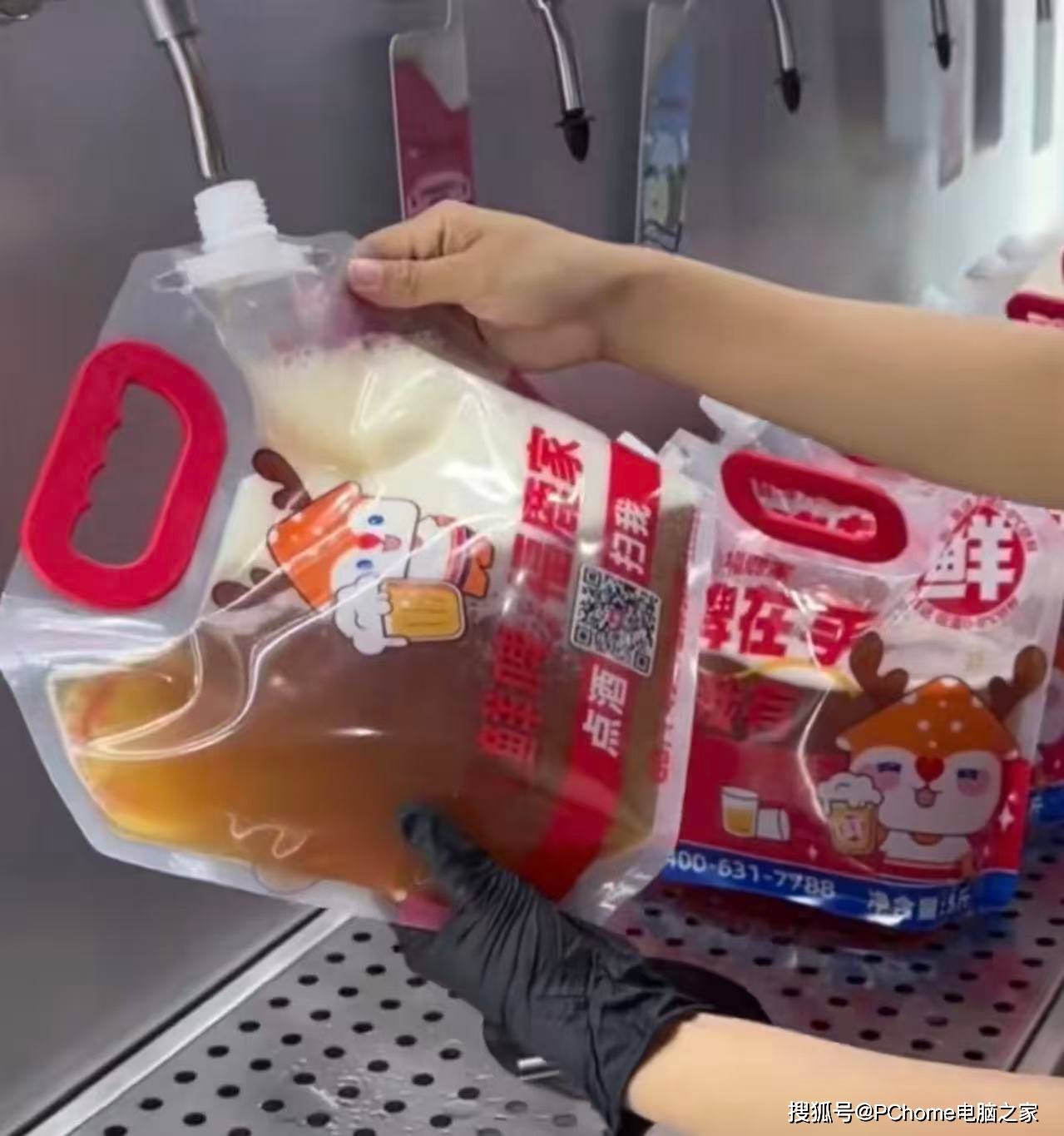
Core Insights - The core point of the news is that Mixue Ice City has expanded its business into the alcoholic beverage sector by acquiring a 53% stake in Fresh Beer Fulu, marking a strategic move to diversify its product offerings beyond tea and coffee [1][14]. Group 1: Company Expansion - Mixue Ice City has acquired Fresh Beer Fulu for a total price of 297 million yuan, officially entering the alcoholic beverage market [1]. - Fresh Beer Fulu, established in 2021, specializes in fresh beer products and has plans to expand to 1,200 stores across 28 provinces by August 2025 [1]. - The pricing strategy for Fresh Beer Fulu's products ranges from 5.9 yuan to 14.9 yuan, significantly lower than similar craft beer products, which are priced at one-third to one-half of the market rate [1]. Group 2: Market Trends - The tea beverage market in China is experiencing a slowdown, with a projected growth rate of only 17.6% from 2023 to 2028, compared to a compound annual growth rate of 22.5% from 2018 to 2023 [3]. - The trend of tea brands entering the alcoholic beverage market reflects a search for new growth points amid increasing competition and market saturation [3][14]. - The rise of the "micro-drunk economy" indicates a shift in consumer preferences, particularly among younger demographics, with over 60% of liquor consumption now attributed to consumers aged 18 to 35 [11]. Group 3: Competitive Landscape - Despite Mixue Ice City's leading position with over 40,000 stores, competition is intensifying from brands like Hushang Auntie, Cha Baidao, and Bawang Tea Princess, which are gaining traction with unique positioning [8]. - The transition from selling tea to alcoholic beverages raises questions about the effectiveness of low-price strategies in maintaining consumer loyalty and achieving sustained growth [14].
白酒、奶茶成为新搭子!新茶饮行业卷向“微醺经济”|消费新观察
Sou Hu Cai Jing· 2025-10-23 15:32
Core Insights - The rise of "white liquor + milk tea" reflects changing consumer demands, particularly among younger demographics who now represent over 60% of white liquor consumption in China [3] - The "micro-drunk economy" is shifting drinking habits from heavy consumption to moderate relaxation, aligning with the preferences of young consumers for light and stylish experiences [3] - The collaboration between beverage brands and liquor companies is creating unique products that leverage cross-industry appeal, enhancing product differentiation and market presence [3] Company Developments - Mixue Group announced an investment of 285 million RMB in "Fulu Family," focusing on fresh beer as a primary product [1] - Tea Baidao has relaunched its limited edition drink "Drunk Step on the Road," which combines real white liquor with milk tea, achieving sales of nearly 120,000 cups on its first day [2] - Luckin Coffee and Guizhou Moutai's collaboration on "Sauce Fragrance Latte" set a record with over 5.42 million cups sold in a single day, generating over 100 million RMB in sales [2] Industry Trends - The "micro-drunk economy" is gaining traction as brands seek new growth avenues amid increasing competition and market saturation in the new tea beverage sector [3] - The integration of alcohol into tea beverages is seen as a strategic move to create a natural differentiation barrier, enhancing product value and driving social media engagement [3] - The trend of "white liquor + milk tea" is expected to continue evolving as brands respond to the changing preferences of younger consumers [3]
全球超4000家企业汇聚南京 传递食品产业发展新潮流
Shang Hai Zheng Quan Bao· 2025-10-16 18:49
Core Insights - The 113th National Sugar and Wine Commodity Fair was held in Nanjing from October 16 to 18, showcasing over 4,000 enterprises from the sugar and beverage industry, highlighting the event's unprecedented scale and integration of urban resources [1][2] Group 1: Event Overview - The fair featured an exhibition area of 200,000 square meters and included participation from over 4,000 companies, with significant representation from domestic provinces and international exhibitors from 12 countries [2] - Major companies such as Moutai, Yanghe, and COFCO showcased their products, with special events planned to enhance guest experiences [2] Group 2: Innovations and Initiatives - Three major innovative initiatives were introduced to stimulate consumer potential: 1. Integration of the exhibition with city resources, promoting economic growth through themed activities [3] 2. Implementation of low-carbon exhibition practices, focusing on sustainable materials and transportation [3] 3. Emphasis on "new product launches" to connect industry trends and activate consumer markets [3] Group 3: Consumer Trends - The consumption patterns of younger generations (post-90s and post-00s) are shifting towards "immediate enjoyment," with a growing preference for trendy and fashionable products [4] - The "micro-drunk" trend is becoming mainstream, leading to an increase in demand for low-alcohol beverages such as craft beers and pre-mixed cocktails [4] Group 4: Market Projections - The low-alcohol beverage market in China is expected to exceed 70 billion yuan by 2025, with a compound annual growth rate of 30% [5] - The food industry is also undergoing transformations towards high-end, intelligent, and green development, with significant growth in the prepared food sector, which has surpassed 500 billion yuan [6] Group 5: Industry Development Characteristics - The food industry is experiencing advancements in three key areas: 1. Growth in the prepared food sector, enhancing food and dining consumption [6] 2. Integration of biotechnology and information technology, leading to improvements in bio-manufacturing processes [6] 3. Promotion of green and low-carbon practices across the entire supply chain, including production, packaging, and logistics [6]
蜜雪冰城2.97亿元收购啤酒企业,将开拓现打鲜啤品类
Sou Hu Cai Jing· 2025-10-15 00:05
Core Insights - Company announced the acquisition of 53% stake in Fresh Beer Fulu Family for a total price of 297 million yuan, marking its entry into the beer market [1] - The acquisition aims to leverage synergies with its main brand and coffee sub-brand "Lucky Coffee," targeting the "mild intoxication economy" among young consumers [1][3] - The pricing strategy for the beer products ranges from 5.9 yuan to 14.9 yuan, significantly lower than similar craft products, benefiting from a supply chain that reduces raw material costs by 18% [1][4] Industry Trends - The move into the beer sector reflects a broader trend of tea beverage brands diversifying into alcoholic drinks due to slowing growth in the tea market [3] - The low-alcohol beverage market's rapid growth and its appeal to younger demographics are key attractions for brands seeking new growth avenues [3] - Compared to peers, the company’s strategy of acquiring an established brand allows for a quicker market entry and the establishment of a competitive pricing barrier [4] Market Context - The company's stock price has experienced significant volatility, dropping nearly 40% from its peak since its listing in March 2025, coinciding with a slowdown in store openings and an increase in closure rates [6] - The acquisition is seen as a strategic move to explore a second growth curve, although market reactions are mixed regarding the potential risks and suitability of the new product offerings [6]
当茶遇见酒,能调出什么新口味|经济观察
Chang Sha Wan Bao· 2025-10-13 23:40
Core Insights - The fusion of tea and alcohol is becoming a popular trend among urban consumers, with brands like Cha Baidao and Mixue Group exploring this "micro-drunk economy" by introducing alcoholic beverages into their offerings [2][6][10] Industry Trends - The new tea beverage market is transitioning from a blue ocean to a red ocean, with the market size expected to exceed 350 billion yuan by 2024, while the top five brands hold nearly 40% market share [6] - The craft beer market in China is projected to grow from 20 billion yuan in 2020 to 80 billion yuan by 2024, with a compound annual growth rate exceeding 30% [6] - Traditional alcohol brands are recognizing the need to attract younger consumers, with a focus on lightweight, portable beverages that align with the preferences of the 85-94 age group [6][10] Consumer Behavior - The combination of tea and alcohol is appealing to consumers, with products like "Drunken Step on the Road" and various fruit-infused alcoholic teas gaining traction [4][5] - The price range for these new alcoholic tea products is generally between 15 to 25 yuan, making them accessible to a broader audience [7] Market Opportunities - The integration of alcohol into tea beverages represents an opportunity for both new tea brands and traditional alcohol companies to expand their consumer base and explore new growth avenues [6][10] - Brands are encouraged to create engaging consumption scenarios and emotional connections with consumers to enhance brand loyalty and market presence [9][10]
宝安三大文旅新地标成“顶流”
Shen Zhen Shang Bao· 2025-10-09 03:12
Core Insights - The offline consumption amount in Bao'an from October 1 to 7 reached approximately 2.987 billion yuan, representing a year-on-year growth of 17.08% [1] - The new cultural and tourism landmarks in Bao'an, including Bay Area Book City and Qianhai Ice and Snow World, have significantly boosted local tourism and consumption during the holiday period [2] - Digital consumption in Bao'an also showed strong performance, with a transaction scale growth of 10.5% during the same period, ranking third among 776 non-county regions nationwide [3] Group 1: Consumption Trends - The total offline consumption in Bao'an during the holiday period was about 2.987 billion yuan, with a year-on-year increase of 17.08% [1] - Key commercial districts in Bao'an saw a total foot traffic of 5.6175 million, up 38.33% year-on-year, and total sales reached 583 million yuan, a 20.3% increase [2] Group 2: New Attractions - Qianhai Ice and Snow World, recognized as the world's largest indoor ski center, became a top destination for holiday outings [2] - The newly opened Bay Area Book City, the largest physical bookstore globally, attracted significant visitor interest with various themed activities [2] Group 3: Digital Consumption - During the holiday, Bao'an's digital transaction scale grew by 10.5%, ranking first in both the province and city [3] - The restaurant category in Bao'an led the transaction scale in both the city and province [3]