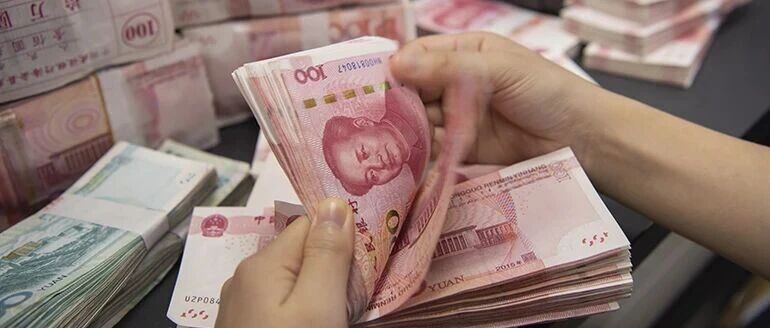
适度宽松货币政策

Search documents
瑞达期货锰硅硅铁产业日报-20260310
Rui Da Qi Huo· 2026-03-10 09:57
1. Industry Investment Rating - No relevant information provided 2. Core Viewpoints - The manganese - silicon industry has low operating rates, supply contraction, slight demand recovery, and inventory reduction. With cost support and some disturbances, the futures price is expected to maintain a volatile and bullish pattern [2]. - The silicon - iron industry's operating rate continues to decline, demand slightly recovers, and social inventory drops to a low level in the same period in recent years. Considering supply - demand and external factors, the futures price is expected to run in a volatile and bullish way [2]. 3. Summary by Directory 3.1 Futures Market - SM main contract closing price is 6,088.00 yuan/ton, down 44.00 yuan; SF main contract closing price is 5,876.00 yuan/ton, up 8.00 yuan [2]. - SM futures contract positions are 604,123.00 hands, down 26,218.00 hands; SF futures contract positions are 410,531.00 hands, up 281.00 hands [2]. - Manganese - silicon's top 20 net positions are - 75,168.00 hands, up 12,171.00 hands; silicon - iron's top 20 net positions are - 25,511.00 hands, up 22.00 hands [2]. - SM 7 - 5 month contract spread is 34.00 yuan/ton, up 10.00 yuan; SF 7 - 5 month contract spread is 90.00 yuan/ton, down 30.00 yuan [2]. - SM warehouse receipts are 46,010.00 sheets, up 400.00 sheets; SF warehouse receipts are 6,698.00 sheets, up 480.00 sheets [2]. 3.2 Spot Market - Inner Mongolia manganese - silicon FeMn68Si18 is 5,850.00 yuan/ton, down 100.00 yuan; Inner Mongolia silicon - iron FeSi75 - B is 5,600.00 yuan/ton, down 100.00 yuan [2]. - Guizhou manganese - silicon FeMn68Si18 is 5,950.00 yuan/ton, unchanged; Qinghai silicon - iron FeSi75 - B is 5,450.00 yuan/ton, up 70.00 yuan [2]. - Yunnan manganese - silicon FeMn68Si18 is 5,950.00 yuan/ton, unchanged; Ningxia silicon - iron FeSi75 - B is 5,550.00 yuan/ton, down 110.00 yuan [2]. - Manganese - silicon index average is 5,809.00 yuan/ton, up 188.78 yuan; SF main contract basis is - 326.00 yuan/ton, down 118.00 yuan [2]. - SM main contract basis is - 238.00 yuan/ton, down 56.00 yuan [2]. 3.3 Upstream Situation - South African high - iron manganese ore average price in Tianjin Port is 32.95 yuan/ton - degree, unchanged; silica (98% in Northwest) is 210.00 yuan/ton, unchanged [2]. - South African semi - carbonate manganese ore average price in Tianjin Port is 38.95 yuan/ton - degree, up 0.30 yuan; semi - coke (medium material in Shenmu) is 730.00 yuan/ton, unchanged [2]. - Inner Mongolia Wuhai secondary metallurgical coke is 1,110.00 yuan/ton, unchanged [2]. - Manganese ore port inventory is 472.80 million tons, down 22.60 million tons [2]. 3.4 Industry Situation - Manganese - silicon enterprise operating rate is 35.70%, up 0.08%; silicon - iron enterprise operating rate is 26.55%, down 1.77% [2]. - Manganese - silicon supply is 195,860.00 tons, down 1,575.00 tons; silicon - iron supply is 96,500.00 tons, down 2,100.00 tons [2]. - Manganese - silicon manufacturer inventory is 387,300.00 tons, down 11,000.00 tons; silicon - iron manufacturer inventory is 66,280.00 tons, down 4,120.00 tons [2]. 3.5 Downstream Situation - Manganese - silicon inventory days in national steel mills is 18.57 days, up 1.09 days; silicon - iron inventory days in national steel mills is 18.72 days, up 1.20 days [2]. - Manganese - silicon demand of five major steel types is 111,169.00 tons, up 943.00 tons; silicon - iron demand of five major steel types is 17,809.40 tons, up 303.60 tons [2]. - The blast furnace operating rate of 247 steel mills is 77.71%, down 2.51%; the blast furnace capacity utilization rate of 247 steel mills is 85.32%, down 2.13% [2]. - Crude steel production is 6,817.74 million tons, down 169.36 million tons [2]. 3.6 Industry News - Fugu Jinwantong Magnesium Industry stopped magnesium ingot production for equipment maintenance, expected to last until the end of March, affecting daily output by 120 tons [2]. - The central bank governor said that this year, various monetary policy tools such as reserve - requirement ratio cuts and interest - rate cuts will be flexibly and efficiently used [2]. - Affected by the "Shanghai Seven - Point Policy", Shanghai's new - house sales offices had a peak of visits last weekend, and the new - house trading volume in March increased significantly year - on - year [2].

金融行业周报:货币政策维持适度宽松,持续深化资本市场改革-20260309
Ping An Securities· 2026-03-09 12:29
Investment Rating - Industry investment rating: Outperform the market (expected to perform better than the CSI 300 index by more than 5% within 6 months) [36] Core Insights - The 2026 government work report emphasizes a dual focus on structural adjustment and risk prevention, with deepening capital market reforms. The report highlights the continuation of a moderately loose monetary policy, aiming for stable growth and reasonable inflation, while ensuring that social financing and credit scales maintain reasonable growth to support the real economy [3][11][13]. - The chairman of the China Securities Regulatory Commission, Wu Qing, stated that during the 14th Five-Year Plan period, efforts will be made to deepen capital market reforms and strengthen regulation, focusing on high-quality development. Key areas include enhancing market resilience, improving the capital market system, and strengthening investor protection [3][15]. - The integration of financial licenses within Jiangsu Province, marked by Dongwu Securities' acquisition of Donghai Securities, reflects ongoing supply-side financial reforms. This consolidation is expected to enhance comprehensive financial service capabilities and optimize regional financial resource allocation [4][18]. Summary by Sections Government Work Report - The report outlines the continuation of a moderately loose monetary policy, with a focus on stabilizing growth and inflation. In January 2026, the social financing scale increased by 7.22 trillion yuan, a year-on-year increase of 8.2%, indicating stable financial support for the real economy [13]. - The banking sector is expected to face pressure on net interest margins, with a projected net interest margin of 1.42% by the end of 2025, reflecting a year-on-year decline that is expected to moderate [13]. Capital Market Reforms - Wu Qing's remarks highlight the importance of risk prevention and regulatory strengthening during the 14th Five-Year Plan. The focus will be on enhancing the quality of listed companies and improving the inclusiveness of capital market systems to better support technological innovation [15]. - The report emphasizes the need for a comprehensive reform of investment and financing mechanisms, with policies aimed at increasing the participation of long-term funds in the capital market [13]. Financial License Integration - The acquisition of Donghai Securities by Dongwu Securities signifies a trend towards the consolidation of financial licenses in Jiangsu Province, enhancing the competitive landscape and service capabilities of regional financial institutions [4][18]. - Following the merger, Dongwu Securities is expected to improve its asset scale and business layout, moving up in industry rankings and enhancing its capital strength [19]. Industry Data - The banking sector saw a net withdrawal of 12.474 billion yuan in open market operations, with SHIBOR rates declining, indicating a more favorable liquidity environment [27]. - The average daily trading volume in the stock market reached 33.38 trillion yuan, a week-on-week increase of 14.2%, reflecting active market participation [29]. Performance Metrics - The banking, securities, insurance, and fintech indices experienced changes of +1.59%, -2.97%, -1.50%, and +4.91% respectively, indicating varied performance across sectors [21].

瑞达期货焦煤焦炭产业日报-20260309
Rui Da Qi Huo· 2026-03-09 09:05
1. Report Industry Investment Rating - Not provided in the content 2. Core Viewpoints of the Report - For coking coal, in the short term, supported by energy and Two - Sessions policies, but facing pressure from a loose fundamental situation, the futures price is expected to fluctuate and tend to rise [2]. - For coke, affected by the sharp rise in international crude oil and the policy expectations of the Two - Sessions in the short term, there is certain support. However, the coke market has a loose supply - demand situation, with weak rigid demand from steel mills and limited start - up. The futures price is also expected to fluctuate and tend to rise [2]. 3. Summary by Relevant Catalogs 3.1 Futures Market - JM main contract closing price: 1168.00 yuan/ton, up 45.00 yuan; J main contract closing price: 1740.00 yuan/ton, up 44.50 yuan [2]. - JM futures contract open interest: 601236.00 lots, down 80826.00 lots; J futures contract open interest: 44867.00 lots, up 2535.00 lots [2]. - Net open interest of the top 20 coking coal contracts: - 68168.00 lots, up 8604.00 lots; net open interest of the top 20 coke contracts: - 4743.00 lots, down 3864.00 lots [2]. - JM 9 - 5 month contract spread: 83.50 yuan/ton, down 10.00 yuan; J 9 - 5 month contract spread: 63.50 yuan/ton, down 3.00 yuan [2]. - Coking coal warehouse receipts: 0.00; coke warehouse receipts: - 1.00 [2]. 3.2 Spot Market - Dry Qimantage Mongolian No. 5 raw coal: 1020.00 yuan/ton; Tangshan Grade - 1 metallurgical coke: 1665.00 yuan/ton, down 55.00 yuan [2]. - Russian prime coking coal forward spot (CFR): 162.50 US dollars/wet ton; Rizhao Port quasi - Grade - 1 metallurgical coke: 1470.00 yuan/ton, down 50.00 yuan [2]. - Jingtang Port Australian imported prime coking coal (yard price): 1570.00 yuan/ton; Tianjin Port Grade - 1 metallurgical coke: 1570.00 yuan/ton, down 50.00 yuan [2]. - Jingtang Port Shanxi - produced prime coking coal (yard price): 1610.00 yuan/ton; Tianjin Port quasi - Grade - 1 metallurgical coke: 1470.00 yuan/ton, down 50.00 yuan [2]. - Shanxi Jinzhong Lingshi medium - sulfur prime coking coal: 1387.00 yuan/ton, up 8.00 yuan; J main contract basis: - 75.00 yuan/ton, down 99.50 yuan [2]. - Inner Mongolia Wuhai - produced coking coal ex - factory price: 1280.00 yuan/ton; JM main contract basis: 137.00 yuan/ton, down 45.00 yuan [2]. 3.3 Upstream Situation - The daily output of clean coal from 314 independent coal washing plants: 19.90 million tons, up 3.00 million tons; the weekly inventory of clean coal from 314 independent coal washing plants: 288.50 million tons, down 10.40 million tons [2]. - The weekly capacity utilization rate of 314 independent coal washing plants: 0.27%, up 0.04%; monthly raw coal output: 43703.50 million tons, up 1024.20 million tons [2]. - Monthly coal and lignite import volume: 5860.00 million tons, up 1455.00 million tons; the daily average output of raw coal from 523 coking coal mines: 182.90 million tons, up 31.30 million tons [2]. - The weekly inventory of imported coking coal at 16 ports: 485.74 million tons, down 8.70 million tons; the weekly inventory of coke at 18 ports: 270.71 million tons, up 9.01 million tons [2]. - The weekly total inventory of coking coal of all - sample independent coking enterprises: 796.15 million tons, down 33.31 million tons; the weekly inventory of coking coal of 247 steel mills nationwide: 775.64 million tons, down 16.82 million tons [2]. - The weekly inventory of coke of all - sample independent coking enterprises: 63.20 million tons, up 1.01 million tons; the weekly inventory of coke of 247 sample steel mills: 671.26 million tons, down 3.85 million tons [2]. - The weekly available days of coking coal of all - sample independent coking enterprises: 12.41 days, down 0.24 days; the weekly available days of coke of 247 sample steel mills: 12.53 days, up 0.12 days [2]. 3.4 Industry Situation - Monthly coking coal import volume: 1376.98 million tons, up 303.87 million tons; monthly coke and semi - coke export volume: 100.00 million tons, up 28.00 million tons [2]. - Monthly total coking coal supply: 5478.50 million tons, up 238.93 million tons; the weekly capacity utilization rate of independent coking enterprises: 72.29%, down 0.54% [2]. - The weekly profit per ton of coke in independent coking plants: 17.00 yuan/ton, up 24.00 yuan; monthly coke output: 4274.30 million tons, up 104.00 million tons [2]. 3.5 Downstream Situation - The weekly blast furnace operating rate of 247 steel mills nationwide: 77.71%, down 2.51%; the weekly blast furnace iron - making capacity utilization rate of 247 steel mills: 85.32%, down 2.13% [2]. - Monthly crude steel output: 6817.74 million tons, down 169.36 million tons [2]. 3.6 Industry News - The central bank governor said that this year, various monetary policy tools such as reserve requirement ratio cuts and interest rate cuts will be flexibly and efficiently used to create a good monetary and financial environment for a good start of the 15th Five - Year Plan [2]. - Mysteel reported that on March 6, the first round of coke price cuts was implemented [2]. - US President Trump said that no agreement will be reached with Iran unless it unconditionally surrenders. He is not worried about the rise in US gasoline prices, which is only temporary and will soon drop significantly. He said that Iran may suffer a "very heavy blow" [2].
宏观周报(3月2日-3月8日):两会定调开局,外部变局加剧-20260308
Yin He Zheng Quan· 2026-03-08 07:56
Economic Policy and Growth Targets - The GDP growth target for 2026 is set in the range of 4.5%-5%[1] - The government emphasizes a more proactive fiscal policy and moderately loose monetary policy to support economic stability and growth[1] Domestic Demand and Consumption - Domestic cinema box office revenue averaged 21.32 million yuan per day, a 72.2% increase year-on-year[3] - The average number of domestic flights increased by 15.5% compared to March of the previous year, averaging 14,200 flights[3] External Demand and Geopolitical Risks - The Baltic Dry Index (BDI) averaged 2162.0, a 5.6% increase month-on-month and a 40.9% increase year-on-year[3] - Oil prices surged due to geopolitical tensions, impacting external demand and supply chain expectations[1] Production and Industrial Performance - The steel industry saw a decrease in operating rates, with blast furnace utilization dropping by 2.55 percentage points to 77.69%[3] - Chemical production remained strong, supported by high oil prices, with PTA production increasing by 106,300 tons[3] Price Trends - The Consumer Price Index (CPI) showed a week-on-week decline in pork prices by 3.92% and vegetable prices by 4.07%[4] - The Producer Price Index (PPI) was affected by rising oil prices, with WTI crude oil increasing by 19.0% and Brent crude by 17.5%[5] Fiscal Policy and Government Spending - The government issued 149 billion yuan in general bonds and 781.7 billion yuan in new special bonds this week[6] - Total public budget expenditure reached a record high of 30 trillion yuan for 2026[6] Monetary Policy and Liquidity - The People's Bank of China announced an 800 billion yuan reverse repurchase operation, maintaining liquidity in the market[7] - The 10-year government bond yield stabilized around 1.8%[7] International Economic Conditions - The U.S. non-farm payrolls for February showed a decrease of 92,000 jobs, significantly below market expectations[7] - The Eurozone faces rising inflation risks alongside economic slowdown due to geopolitical tensions[7] Risk Factors - Risks include potential underperformance of policy implementation and slower-than-expected recovery in consumer confidence[7]
2026.03.02-2026.03.06日策略周报:受中东冲突影响,A股指数震荡下行-20260308
Xiangcai Securities· 2026-03-08 07:56
Core Insights - The A-share indices experienced a downward trend due to escalating conflicts in the Middle East, particularly the blockade of the Strait of Hormuz by Iran, which led to a significant rise in international oil prices and increased global inflation expectations [2][12] Industry Performance - Among the 31 first-level industries, the top gainers were Oil and Petrochemicals and Coal, with increases of 8.06% and 3.79% respectively, while the largest declines were seen in Media and Non-ferrous Metals, which fell by 6.97% and 5.47% respectively [3][18] - In the 124 second-level industries, the best performers were Oil Service Engineering and Electric Grid Equipment, with weekly gains of 12.73% and 6.66%. Year-to-date, Oil Service Engineering and Small Metals led with increases of 60.08% and 41.71% respectively. The largest weekly declines were in Energy Metals and Digital Media, down 9.22% and 8.24% respectively, with year-to-date declines in Aviation Airports and State-owned Large Banks II of 12.79% and 8.69% respectively [3][21] - In the 259 third-level industries, the top gainers were Coal Chemical and Oil and Gas Refining Engineering, with weekly increases of 15.17% and 14.58%. Year-to-date, Oil and Gas Refining Engineering and Communication Cables and Accessories led with increases of 75.77% and 54.40% respectively. The largest weekly declines were in Photovoltaic Processing Equipment and Communication Value-added Services, down 12.18% and 10.42% respectively, with year-to-date declines in Aviation Transportation and Brand Consumer Electronics of 14.29% and 9.99% respectively [4][22] Investment Recommendations - The report suggests a long-term view for 2026, indicating it is the beginning year of the "14th Five-Year Plan," with the central bank implementing proactive fiscal policies and moderately loose monetary policies to support stable economic growth and maintain a "slow bull" market for A-shares [5][24] - Short-term focus should be on sectors benefiting from the "14th Five-Year Plan" related to new productivity (technology, environmental protection), structural opportunities in traditional sectors related to "anti-involution," defensive dividend sectors related to long-term capital inflows, and sectors benefiting from the Middle East conflict [5][24]
5位部长点题:未来5年钱和机会流向哪
21世纪经济报道· 2026-03-07 16:45
Group 1 - The economic growth target for 2026 is set at 4.5%-5%, with a focus on achieving better results in practice. This growth rate is expected to generate significant economic increments as China's GDP surpasses 140 trillion yuan [1] - The government will implement a more proactive fiscal policy and moderately loose monetary policy to support this growth target. The fiscal budget expenditure is projected to exceed 30 trillion yuan for the first time this year [2] - Key emerging industries will be prioritized, including integrated circuits, aerospace, biomedicine, low-altitude economy, new energy storage, and intelligent robotics. Future industries such as quantum technology, biomanufacturing, green hydrogen energy, and 6G will also be developed [1][2] Group 2 - The capital market will focus on supporting technological innovation, with two new inclusive reform measures being introduced: deepening the reform of the ChiNext board and optimizing the refinancing mechanism to simplify processes and improve convenience [1] - The central bank will flexibly use tools like reserve requirement ratio cuts and interest rate reductions, with a focus on expanding domestic demand, supporting technological innovation, and aiding small and micro enterprises [2] - The consumption market in China is expected to grow steadily, with policies aimed at further releasing consumer spending and promoting the purchase of automobiles and mobile phones through national subsidies [2]


2026年政府工作报告学习解读:框架延续,稳中求进
Guohai Securities· 2026-03-06 08:07
Economic Outlook - The 2026 government work report emphasizes continuity from 2025, maintaining proactive fiscal and moderately loose monetary policies, with a focus on expanding domestic demand[5] - The GDP growth target for 2026 is set between 4.5% and 5%, compared to a target of around 5% for 2025, indicating a more flexible approach[10] - The nominal GDP growth for 2026 is estimated at approximately 5.04%, with a CPI increase targeted at around 2%[10] Fiscal Policy - The fiscal deficit for 2026 is projected to increase to CNY 5.89 trillion, with total public budget expenditure reaching CNY 30 trillion for the first time[12] - Emphasis on integrating transfer payment funds and enhancing local financial capabilities reflects a focus on efficiency in fiscal management[12] Monetary Policy - The monetary policy for 2026 continues to be moderately loose, with a stronger emphasis on price recovery and transmission efficiency[13] - Structural tools will be expanded to improve credit supply, particularly for technology and small to medium-sized enterprises[13] Domestic Demand Expansion - The 2026 plan includes a CNY 2.5 trillion long-term special bond for consumption incentives and a new CNY 1 trillion fund to promote domestic demand through financial collaboration[14] - Central budget investment is set to increase from CNY 735 billion to CNY 755 billion, with an additional CNY 800 billion allocated for "two重" construction[14] Real Estate Market - The report shifts focus from stabilizing the real estate market to controlling new supply, reducing inventory, and optimizing supply[15] - Policies will encourage the revitalization of existing housing stock for affordable housing purposes, indicating a more structured approach to real estate stability[15] Industrial Policy - The 2026 report emphasizes the execution of industrial innovation projects and the commercialization of artificial intelligence applications[16] - A shift from nurturing sectors to promoting large-scale commercial applications is expected to enhance visibility and certainty in orders for related industries[16] Capital Market Outlook - The report highlights the importance of the capital market in supporting the integration of technological and industrial innovation[17] - Enhanced mechanisms for long-term capital market entry and investor protection are prioritized to improve the stability of asset pricing and valuation systems[17] Risk Factors - Key risks include potential underperformance of macroeconomic recovery, geopolitical tensions, and the effectiveness of industry policies not meeting expectations[18]
建信期货棉花日报-20260306
Jian Xin Qi Huo· 2026-03-06 01:17
1. Report Information - Reported industry: Cotton [1] - Report date: March 6, 2026 [2] - Researchers: Yulan Lan, Zhenlei Lin, Haifeng Wang, Chenliang Hong, Youran Liu [3] 2. Core Views - Zhengzhou cotton is in a state of shock adjustment. The latest 328 - grade cotton price index is 16,583 yuan/ton, up 12 yuan/ton from the previous trading day. The market demand is gradually released, and the orders are gradually issued. The overall trading in the cotton grey fabric market remains stable, and the manufacturers' shipments have accelerated [7]. - Macroeconomically, the implementation of a more proactive fiscal policy and a moderately loose monetary policy boosts the performance of the commodity market. Globally, the 2026/27 cotton production is expected to decline by 4% to 24.8 million tons, and the ending inventory is expected to decline by 1% to 16.6 million tons. Domestically, the supply side changes little, and the new - cotton sales are in the second half. The commercial inventory has turned into a downward trend. The short - term shock adjustment has an unchanged upward trend [8]. 3. Section Summaries 3.1 Market Review and Operation Suggestions - Zhengzhou cotton is in shock adjustment. The 328 - grade cotton price index rises, and the orders of combed high - count yarns and semi - combed varieties are good. The cotton grey fabric market is stable, and the shipments are accelerating [7]. - Macroeconomic policies boost the commodity market. Globally, cotton production and ending inventory are expected to decline. Domestically, the supply side is stable, the commercial inventory is decreasing, and the short - term trend is upward [8]. 3.2 Industry News - The ICAC predicts that the global cotton consumption in 2026/27 will remain stable at 25 million tons, production will decline by 4% to 24.8 million tons, and ending inventory will decline by 1% to 16.6 million tons. Pakistan's cotton production in 2025/26 is 5.607 million bales, an increase of 1.5% from last year, but 45% less than the official target [9]. 3.3 Data Overview - The report provides multiple data charts, including China's cotton price index, cotton spot price, cotton futures price, cotton basis change, and various spread data, as well as cotton commercial inventory, industrial inventory, and other data [17][18][20]
21社论丨充分挖掘经济潜能,夯实长期增长根基
21世纪经济报道· 2026-03-06 01:15
Group 1 - The core viewpoint of the article emphasizes the pragmatic economic growth target set for the year, which is between 4.5% and 5%, balancing current economic realities with long-term development needs [1][2] - The target is designed as a range to accommodate uncertainties in the external environment, allowing for flexibility in macroeconomic policies [2] - The government aims to implement a more proactive fiscal policy and moderately loose monetary policy, with a deficit rate planned at around 4% and a deficit scale of 5.89 trillion yuan, an increase of 230 billion yuan from the previous year [3] Group 2 - The article highlights that the economic growth target aligns with China's potential growth rate, which is estimated to be around 4.3% to 4.93% in the coming years according to various institutions [1] - The emphasis on structural reform and technological innovation is crucial for the next five years, as the government seeks to enhance domestic demand and improve living standards [2] - The government plans to issue long-term special bonds totaling 1.3 trillion yuan to support consumption and infrastructure projects, indicating a commitment to maintaining growth momentum [3]

货币政策释放新导向,结构性工具明确加量信号
第一财经· 2026-03-05 14:29
Core Viewpoint - The article emphasizes the continuation of a moderately loose monetary policy aimed at stabilizing economic growth and ensuring reasonable price recovery, with a focus on structural tools and reducing financing costs for businesses [3][4]. Group 1: Structural Tools Expansion - The emphasis on structural tools in monetary policy has increased compared to last year, with plans to expand their scale and improve implementation methods to support key sectors and weak links [4][5]. - The People's Bank of China (PBOC) is expected to inject more low-cost long-term funds into specific areas such as technology innovation, consumption, and small and micro enterprises, potentially increasing the quota for technology innovation re-loans [5]. - In January, the PBOC introduced eight policies, including structural interest rate cuts, and expanded quotas and innovations in tools to enhance their attractiveness and effectiveness [5]. Group 2: Flexible Use of Total Tools - The monetary policy will maintain a flexible and efficient approach to total tools, avoiding a "flood irrigation" strategy and ensuring that released liquidity is accurately injected into the real economy [7][8]. - The government work report suggests a flexible use of various policy tools, including interest rate cuts and reserve requirement ratio adjustments, to match social financing scale and money supply growth with economic growth and price level expectations [7][8]. - The PBOC is expected to prepare for small adjustments in the reserve requirement ratio to effectively supplement long-term liquidity in the financial system [8]. Group 3: Reducing Financing Costs - A key focus of the monetary policy is to streamline the transmission mechanism and target "hidden costs," specifically addressing financing intermediary fees [10][11]. - The government work report aims to regulate credit market operations and lower financing intermediary costs to promote a low level of comprehensive financing costs [10][11]. - The reduction of financing costs will increasingly rely on regulating credit market behaviors and optimizing the execution of deposit and loan pricing [11].