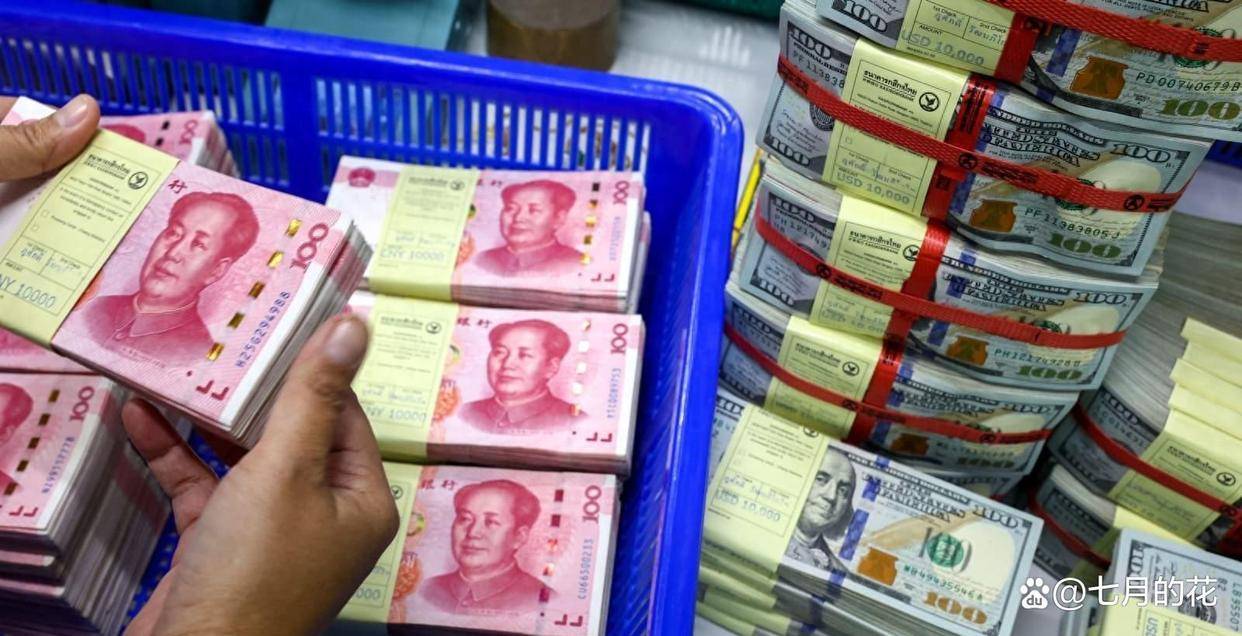
美元霸权

Search documents
如果美国不肯体面,那我们就帮他体面!
Sou Hu Cai Jing· 2025-10-27 10:50
西方人根本没有诚信的概念,所谓的契约精神也不过是强者加诸于弱者身上的枷锁,你看他们当面谈的挺好的,然后转头就变卦,上次谈判到现在才过了 一个多月,美国又搞出20多项关税和制裁举措。 如果美国不肯体面,那我们就帮他们体面,不光是对等反制了,我们还要不断地出招,其实我们手里还有不少牌呢,有些牌不着急,慢慢来吧,反正有军 事实力做后盾,我们谁也不怕。 当年朝鲜战争一共打了三年多,实际上从1951年7月10日起就开始谈判,也就是说大部分时间都是边打边谈,一直到谈判的最后一刻,敌人都没放弃破坏 行动,对美西方来说,谈判就是一种拖延战术,而不是真心想谈。 这也是为何说"战场上拿不到的东西谈判桌上也别想拿到",对这种敌人客气是没用的,只有狠狠地揍,揍到他满地找牙才有可能谈,实际上现在也是这 样,在美国没认清现实并做好妥协准备之前,只能继续狠狠地打。 美国实际上也是两手准备,关税战能赢,能给美国带来好处,那特朗普这么干就是合理的,如果关税战赢不了,到时候最高法院可以出来说特朗普搞关税 战不合法,然后美国又可以体面地下台阶,再吹一波纠错能力强。 其实这都是美国人的策略而已,这种玩法在我们这边都上不了台面,但却是昂撒惯用的招数, ...

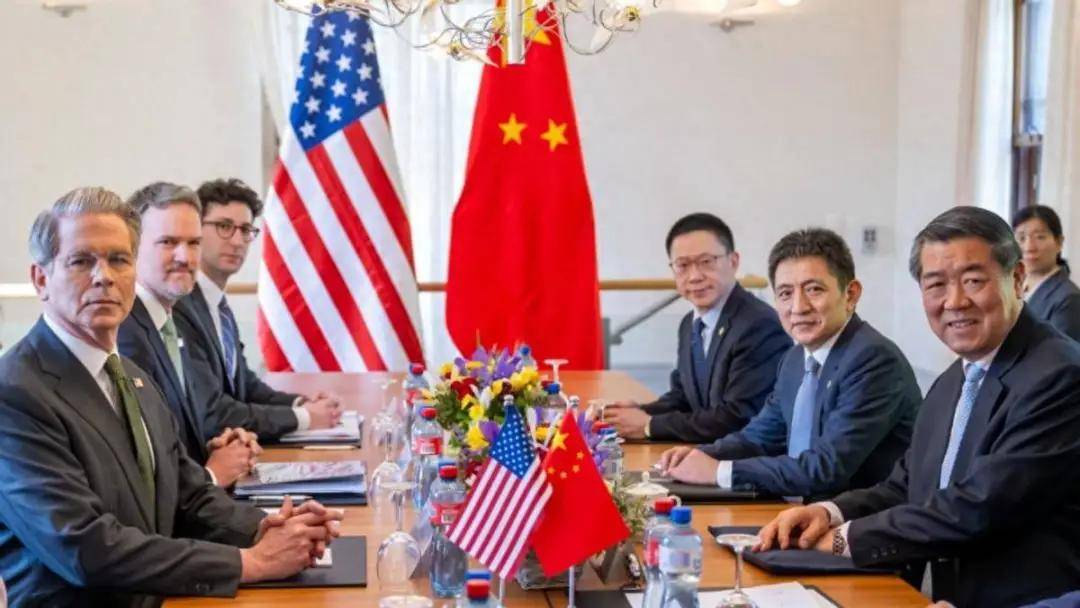
等你来投!《清华金融评论》12月刊 “ 前瞻美债与美元 : 长周期视角 ” 征稿启事
清华金融评论· 2025-10-27 10:39
Group 1 - The core viewpoint of the article highlights the uncertainty in U.S. government tariff and fiscal policies, which undermines investor confidence in U.S. Treasury bonds and the dollar [2][4]. - As of October 2025, the U.S. national debt has exceeded $37.86 trillion, with a federal budget deficit of $1.8 trillion for the fiscal year 2025, remaining at historically high levels [4]. - The net interest cost of U.S. public debt has surpassed $1 trillion for the first time, reflecting an approximately 8% increase compared to the fiscal year 2024, indicating a structural challenge for the government in managing rising debt costs [4]. Group 2 - Investors are advised to closely monitor U.S. government policy dynamics, economic data, and global market changes to assess risks and make informed investment decisions [4]. - The article emphasizes the need for discussions on the long-term perspectives of U.S. Treasury bonds and the dollar, inviting contributions from experts in the field [6][8].

欧元稳定币遇冷,美元凭啥占优势?全球需求说了算!
Sou Hu Cai Jing· 2025-10-26 18:51
Core Viewpoint - The European Union (EU) aims to issue more euro stablecoins to counter the rapid expansion of US dollar stablecoins in Europe [1][3]. Group 1: Reasons for the Popularity of US Dollar Stablecoins - Many individuals and businesses in the Eurozone prefer using US dollar stablecoins for payments, savings, and transactions due to their safety, as they are pegged 1:1 to the US dollar and backed by US assets [5]. - The convenience of blockchain technology allows for fast cross-border transactions without the need for traditional banks, enhancing privacy [5]. - Higher interest rates on US dollar deposits compared to European rates incentivize users to hold dollar stablecoins for better returns [5]. - The dominance of the US dollar in global trade, especially in commodities and cryptocurrency transactions, makes it essential for European businesses to use dollar stablecoins for international dealings [5][7]. Group 2: Challenges for Euro Stablecoins - The EU's attempt to promote euro stablecoins faces significant challenges due to the entrenched dominance of the US dollar in the global financial system [8][10]. - The historical context of the US dollar's supremacy, established through systems like Bretton Woods and the petrodollar, has created a robust demand for dollar stablecoins, which merely digitize existing dollar demand [10][11]. - The euro, while the second-largest currency globally, is primarily used within the Eurozone, limiting its appeal for international transactions [13]. - The EU must address internal issues such as building asset pools, ensuring transparency, and gaining user trust before euro stablecoins can compete effectively [17]. Group 3: Current Initiatives and Future Outlook - The EU is currently testing euro stablecoins in specific areas like cross-border e-commerce and internal natural gas transactions to build familiarity and usage within the Eurozone [19]. - The competition between stablecoins is just beginning, with potential opportunities arising from future economic shifts, such as US debt issues or the development of regional stablecoins in Asia-Pacific [19][21]. - The EU's strategy should focus on solidifying the internal market for euro stablecoins before attempting to compete with US dollar stablecoins on a global scale [21].

中国央行连续11个月抢黄金,虽然占比只7.7%!却能给美元 “埋雷”
Sou Hu Cai Jing· 2025-10-25 06:31
Group 1 - The People's Bank of China has increased its gold reserves for 11 consecutive months, adding 1.24 tons in September, bringing total reserves close to 2304 tons. However, gold only accounts for 7.7% of China's foreign exchange reserves, significantly lower than the global average of 15% [1][4][11] - Central banks worldwide are increasingly purchasing gold, with India's gold imports projected to rise by 30% in 2025, and Russia using gold for energy settlements. This trend indicates a growing distrust in the US dollar [1][5][11] - The recent surge in gold prices, which increased by 56% since October 2024, is primarily driven by the weakening of the US dollar. As confidence in the dollar declines, investors are turning to gold as a safer asset [4][11][14] Group 2 - The US dollar's dominance is under threat due to rising national debt, which has surpassed $38 trillion, and a declining manufacturing sector. This situation raises concerns about the sustainability of the dollar's status as the world's primary currency [7][8][9] - The US military's declining capabilities, exemplified by the prolonged repair of aircraft carriers, further undermines confidence in the dollar. The US's reliance on foreign manufacturing for military assets highlights its vulnerabilities [8][9] - Central banks are accumulating gold as a hedge against the potential decline of the dollar's dominance, preparing for a future where the dollar may not be the primary reserve currency [11][12][14] Group 3 - The shift towards gold is part of a broader trend of "de-dollarization," where countries seek alternatives to the US dollar for international trade. This includes using local currencies and gold in transactions [11][12] - The transition to a new global currency is complex, as no single country currently possesses both strong manufacturing and military capabilities to replace the dollar. In the meantime, gold remains a stable asset [12][14] - The volatility of gold prices reflects the fluctuating trust in the US dollar, with recent price drops linked to geopolitical developments and changes in US monetary policy [4][14]

中美对抗是假,美资本收割是真,中国是唯一打破美国收割的国家!
Sou Hu Cai Jing· 2025-10-25 05:37
Group 1 - The core conflict between the US and China is driven by American capitalists who are engaged in a strategic wealth extraction game rather than a straightforward geopolitical struggle [1][3] - China has emerged as a "stubborn" entity that has resisted being easily "harvested" by US capitalists, breaking traditional game rules and maintaining its economic stability [3][5] - The US has historically leveraged its dollar dominance to extract wealth from other nations, using mechanisms like interest rate manipulation and economic cycles to profit during crises [3][12] Group 2 - In 2024, trade between China and the US reached $688.28 billion, a 3.7% increase from the previous year, indicating significant American corporate interests in China [5] - Despite the trade war initiated by the US, many American companies, such as Apple and Tesla, continue to thrive in China, showing reluctance to fully disengage [5][8] - The US's trade war tactics, including tariffs on Chinese goods, have often resulted in wealth transfer to American capitalists, who exploit market panic to acquire assets at lower prices [8][12] Group 3 - China's economic model, which retains control over core resources, has made it difficult for foreign capital to penetrate, allowing for greater self-reliance and innovation [10][12] - The "Belt and Road Initiative" and the establishment of alternative payment systems among BRICS nations are reducing reliance on the US dollar, challenging its financial hegemony [5][13] - China's technological advancements in sectors like renewable energy and electric vehicles have positioned it as a leader, providing alternatives to Western products [10][12] Group 4 - The narrative of a "China threat" is largely driven by capital interests rather than actual military capabilities, as China's military spending remains below the global average [14] - The ongoing geopolitical tensions are a facade for deeper economic motivations, with China successfully countering attempts at wealth extraction and reshaping global economic dynamics [16][19] - As the global economic focus shifts eastward, China's strategic maneuvers are making it increasingly difficult for US capitalists to exploit its market as they once did [17][19]

美元霸权松动?美方巨头上门,中方抛美债囤黄金踩中全球节奏
Sou Hu Cai Jing· 2025-10-24 20:44
Geopolitical Tensions - The U.S. is facing significant geopolitical challenges, particularly in Eastern Europe and the Middle East, which are straining its strategic resources and affecting its initiatives in the Asia-Pacific region [1] - The ongoing conflict between Israel and Hamas, along with Iran's activities, poses potential risks for regional stability, further complicating U.S. foreign policy [1] Economic Indicators - Despite showing economic growth, there is increasing skepticism regarding U.S. economic data, as evidenced by the simultaneous rise in the dollar, U.S. stocks, and gold prices, indicating underlying systemic instability [1] - The total U.S. national debt has surpassed $38 trillion, with interest payments nearing annual military spending, raising concerns about the sustainability of this debt-driven model [1] U.S.-China Relations - U.S. Treasury Secretary Janet Yellen's visit to China in April 2024 highlighted concerns over China's subsidies in electric vehicles and solar panels, which the U.S. believes distort global market competition [1][2] - Secretary of State Antony Blinken's discussions in China included sensitive topics like the Taiwan Strait and energy procurement from Russia, indicating a shift towards more direct U.S. intervention in bilateral relations [2] Legislative Developments - The U.S. Congress is advancing legislation, such as the "Unlimited Act," which could impose economic sanctions on Chinese companies involved with Russian military industries, expanding the scope of previous sanctions [2][3] Financial Isolation Measures - Following Yellen's visit, the U.S. Treasury is planning to isolate Chinese firms linked to Russian military support from the global financial system, reflecting a more systematic approach to sanctions [3] - China's response includes a significant reduction in U.S. Treasury holdings, dropping to $730.7 billion, the lowest since 2009, as a precaution against potential asset freezes [3] Gold Reserves and Strategy - China has been increasing its gold reserves, reaching 2,303 tons by September 2025, with a notable acceleration in purchasing rates compared to previous years [5][7] - The shift in China's reserve management strategy includes moving away from dollar reliance towards local currency trade and direct gold procurement, enhancing supply chain resilience [7] Energy and Material Supply Chains - U.S. pressure extends to energy imports, with calls for China to cease purchasing oil and gas from Russia and Iran, reflecting a broader strategy to limit Chinese access to critical materials [9] - The financial sanctions against Russia are designed to disrupt the flow of funds between Chinese and Russian banks, although the impact on China is mitigated by the high percentage of trade conducted in local currencies [9] Military and Industrial Developments - China's military industrial sector has significantly increased its domestic supply chain capabilities, achieving a 90% localization rate for key components, which enhances resilience against external sanctions [11] - The electric vehicle sector has also seen a complete localization of production, with exports rising dramatically, providing a buffer against international pressures [11] Global Gold Market Dynamics - The global demand for gold has surged, with central banks purchasing a total of 415 tons in the first half of 2025, contributing to rising international gold prices [11] - China's strategic increase in gold reserves and purchases has influenced global market trends, contrasting sharply with the risks associated with U.S. Treasury securities [10][12] Economic Pressures on the U.S. - The U.S. faces mounting economic pressures, with a national debt of $38 trillion and annual interest payments exceeding $1.2 trillion, prompting a cycle of borrowing [13] - China's reduction of U.S. debt holdings and the shift towards gold purchasing are indicative of a broader strategy to enhance financial independence and mitigate risks associated with U.S. economic policies [13]

美国国债突破38万亿了,我们来捋一下他用的年限。从0到1万亿美元,用时约192年,美国联邦债务规模在1981年首次突破1万亿美元
Sou Hu Cai Jing· 2025-10-24 15:54
Core Insights - The U.S. national debt has surged to $38 trillion, indicating a rapid and alarming increase in borrowing [1][5] - The timeline of debt accumulation shows a drastic acceleration, with the last $1 trillion added in just two months, suggesting a potential annual increase of $6 trillion [5][6] - The reliance on debt to finance government spending is becoming unsustainable, with interest payments projected to exceed $1 trillion in 2024 [6][8] Debt Accumulation Timeline - From $0 to $1 trillion took 192 years, while reaching $10 trillion took only 27 years [3] - The jump from $10 trillion to $20 trillion occurred in 9 years, and from $20 trillion to $30 trillion in just 5 years [3][5] - The most recent increase from $30 trillion to $38 trillion happened in only 3 years, with the last trillion added in a mere two months [5][6] Economic Implications - The U.S. government is expected to run annual deficits exceeding $1.5 trillion over the next decade, with no viable plans for spending cuts or tax increases [8] - The ongoing issuance of debt raises concerns about the sustainability of this financial strategy, likening it to living on credit [8][9] - Trust in U.S. debt is waning, as evidenced by significant reductions in holdings by countries like Japan and China, leading to a potential decrease in demand for U.S. Treasury bonds [11][12] Global Impact - The increase in U.S. debt is seen as a redistribution of global wealth, with the U.S. printing money and the world bearing the costs [11][13] - The strength of the dollar is inversely affecting other economies, and a potential collapse of this system could have severe repercussions for the U.S. itself [11][13]
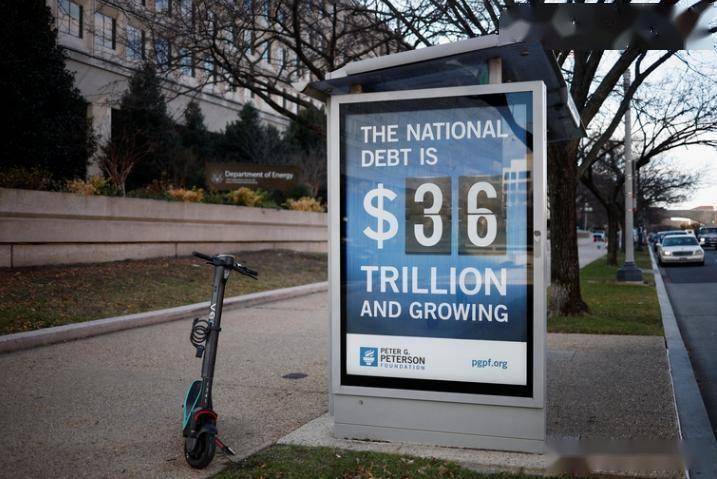
美国要踢中国出SWIFT?反手却把人民币推向世界中心
Sou Hu Cai Jing· 2025-10-24 15:20
Core Viewpoint - The article discusses the potential U.S. strategy to exclude China from the SWIFT system as a response to China's control over rare earth elements, indicating a significant escalation in U.S.-China tensions [1][5]. Group 1: SWIFT System and Its Implications - The SWIFT system is likened to a "global banking VIP group," where nearly all banks participate, and transactions are primarily conducted in U.S. dollars, giving the U.S. significant control over international financial transactions [3][5]. - Being excluded from the SWIFT system would severely impact a country's ability to engage in international trade, particularly for those reliant on U.S. dollar transactions, effectively "blacklisting" them from the global financial system [3][5]. Group 2: U.S. Strategy and Historical Context - The U.S. has previously used similar tactics against countries like Russia, but the outcomes have not always been as effective as intended, with Russia strengthening ties with China and conducting trade in alternative currencies [5][7]. - The article argues that the U.S. may underestimate China's economic significance, as China is a major global manufacturing hub and a key trading partner for over 180 countries, making the potential exclusion from SWIFT less impactful than anticipated [5][7]. Group 3: Changing Dynamics in Global Trade - Recent developments indicate a shift in global trade practices, with companies like BHP agreeing to settle transactions in Chinese yuan, reflecting China's growing influence as a customer [7]. - The article suggests that the era of U.S. dominance in setting global trade rules is waning, as countries may seek alternatives to the U.S. dollar and SWIFT system, leading to a potential reconfiguration of international financial systems [7][9].

历史新高!美国国债首超38 万亿,美股暴跌,这次或又要找中国帮忙
Sou Hu Cai Jing· 2025-10-24 04:23
Core Points - The U.S. national debt has surpassed $38 trillion, leading to significant stock market declines, with each American now bearing a debt of $115,000, an increase of $4 trillion from two years ago [1] - The Trump administration is seeking increased bond purchases from China, reflecting a shift from previous passive acceptance to a more assertive stance from China regarding U.S. debt [1][2] - The U.S. debt situation is largely self-inflicted, driven by excessive spending, including a $4 trillion tax cut and $3 trillion in COVID-19 relief, resulting in a debt-to-GDP ratio exceeding 120% [1] Group 1 - China currently holds $784.3 billion in U.S. Treasury bonds, making it the second-largest foreign holder of U.S. debt, while other potential buyers are reducing their holdings [2] - Japan's holdings have just surpassed $1.1 trillion, but it faces its own demographic challenges, and European buyers are also decreasing their U.S. debt holdings due to energy crises [2] - China has reduced its U.S. Treasury holdings by nearly $280 billion from 2022 to 2024, indicating a strategic shift rather than a willingness to act as a "buyer of last resort" [2] Group 2 - China has made it clear that any assistance in purchasing U.S. debt must come with conditions, including the cessation of restrictions on Chinese companies and respect for China's core interests [3] - The U.S. Treasury is increasingly anxious about its ability to find buyers for new debt issuances, with officials acknowledging that the current debt growth is unsustainable [3] - The Trump administration's contradictory approach of seeking Chinese support while simultaneously imposing trade restrictions is likely to heighten China's caution in engaging with U.S. debt [3]
中美角力有了结果,美元霸权基础要被动摇,人民币国际化难以遏制
Sou Hu Cai Jing· 2025-10-22 02:27
Core Viewpoint - The use of the Chinese yuan for settling iron ore transactions in Australia signifies a shift in pricing power towards China, indicating a growing trend of international transactions being conducted in yuan rather than US dollars [1][9]. Group 1: Implications of Yuan Settlement - The move to settle transactions in yuan allows China to gradually reclaim pricing power in global trade, which is crucial for its economic strategy [1][9]. - Countries like Iran, Russia, and Brazil have already begun using yuan for trade, reflecting a broader trend of nations seeking alternatives to the US dollar [1][9]. - The recent geopolitical events, such as conflicts in the Middle East, have prompted countries to reconsider their reliance on the dollar, creating an opportunity for the yuan to gain traction [1][9]. Group 2: China's Economic Strategy - China aims to use the yuan as a "shopping card" for global trade, focusing on practical transactions rather than seeking to establish the yuan as a global reserve currency like the dollar [7][9]. - The strategy emphasizes maintaining a strong industrial base while avoiding the pitfalls of financial speculation that have led to economic issues in other countries [5][11]. - The goal is to create a closed-loop system where China can purchase essential resources using its currency, thereby enhancing its economic sovereignty [3][9]. Group 3: Comparison with the US Dollar - The yuan does not yet possess the three key attributes of the dollar: universal acceptance for purchases, extensive investment channels, and unrestricted flow [5][11]. - China's approach to currency internationalization is fundamentally different from the US, focusing on stability and cooperation rather than dominance and capital maximization [11][13]. - The yuan's internationalization is seen as a strategic move to enhance China's economic position without directly challenging the dollar's supremacy [9][13]. Group 4: Future Prospects - The increasing use of the yuan in global commodity transactions, such as iron ore and oil, suggests a potential shift in the global trading landscape [9][13]. - As more countries adopt the yuan for trade, it could lead to a significant reduction in the dollar's influence, particularly in commodity markets [9][13]. - The ongoing developments indicate that the yuan's role in international trade is likely to expand, with the recent Australian iron ore transaction being just the beginning [9][13].