
资产荒

Search documents
不再迎合情绪价值,卖方首席加盟小而美私募 | 打卡万泰华瑞投资
私募排排网· 2025-09-01 03:46
Core Viewpoint - The article emphasizes the significance of small and medium-sized private equity firms in the investment landscape, particularly focusing on Wan Tai Hua Rui Investment Management Co., Ltd., which combines value and trend investing strategies to achieve sustainable returns for investors [3][4]. Company Overview - Wan Tai Hua Rui Investment was established in March 2009 in Changsha, Hunan, with a registered capital of 10 million yuan and currently manages over 1.4 billion yuan [4]. - The firm has a strong commitment to value and trend investing, with over 90% of its clients achieving positive returns [4][13]. Development History - The company launched its first trust asset management product in 2009 and became a member of the China Securities Association in 2013 [5]. - It obtained private securities fund management qualifications in 2014 and became a member of the Asset Management Association of China in 2017 [5][6]. Core Team - The core team consists of members with over 16 years of experience from leading firms like CICC, GF Securities, and Zhuque Fund, specializing in sectors such as technology, pharmaceuticals, and manufacturing [6][12]. - The investment and research teams work closely together, ensuring efficient transformation of research into actionable investment strategies [6][10]. Investment Philosophy & Strategies - The firm prioritizes risk control, focusing on macroeconomic and policy analysis to identify growth sectors while maintaining a balanced approach to investment [9][10]. - Investment strategies include a focus on growth trajectories, deep valuation analysis, and a combination of asset allocation to mitigate systemic risks [9][10]. Market Outlook - The firm is optimistic about a slow bull market, driven by declining risk-free rates and favorable macroeconomic conditions, including potential capital inflows due to U.S. interest rate cuts [12][14]. - Key sectors of interest include AI technology, innovative pharmaceuticals, and industries with strong cash flow and market positions [16][17][18][19].


低利率时代日本资管行业如何应对|财富与资管
清华金融评论· 2025-08-31 09:43
Core Viewpoint - The article discusses Japan's "lost 30 years," highlighting the challenges faced by the asset management industry in a prolonged bear market and low interest rate environment, and how these conditions have shaped the industry's evolution and strategies [3][4]. Macro Perspective - Japan transitioned from a phase of anti-inflation to a deflationary spiral in the 1990s, following the asset price bubble burst in the late 1980s. The economy's potential growth rate plummeted from approximately 4% in 1990 to about 1% in 1995 due to weak domestic and external demand [6]. - The government's restrictive policies and corporate cost-cutting measures led to a vicious cycle of reduced consumer spending and increased unemployment, further entrenching the economy in stagnation and deflation [6]. Financial System Perspective - The banking sector faced escalating non-performing loans as real estate and construction companies struggled financially. The Japanese banks opted for "evergreen" loans to mask these bad debts, which ultimately exacerbated the financial crisis [7]. - Regulatory bodies were slow to address the bad debt issues, hoping for a recovery in real estate prices, which led to a prolonged deterioration of the financial environment and wasted public resources [7]. Capital Market Perspective - The collapse of asset prices initiated a "balance sheet recession," shifting the focus of private sectors from profit maximization to debt minimization. This shift resulted in a significant decline in financing demand, leading to a "capital shortage" in the market [8]. - Despite interest rates dropping to near zero since 1995, financing demand remained low, causing a concentration in government bonds and highlighting the "asset shortage" faced by Japanese financial institutions [8]. Resident Asset Allocation Perspective - In a challenging investment environment, Japanese residents favored cash and foreign investments, particularly in foreign bonds and forex trading. The participation of Japanese households in the forex market was notable, with retail investors accounting for 20% to 30% of total trading volume [9]. - The popularity of Uridashi bonds, which provide exposure to foreign currencies, reflected the search for higher yields amidst domestic low-interest rates [9]. Asset Management Strategies - In a low-return environment, asset management institutions adopted various strategies to cope with the challenges. Banks increased their holdings in government bonds and extended bond durations to secure positive returns [11][12]. - Insurance companies shifted towards foreign securities and extended the duration of their domestic bond holdings to improve returns, especially after several mid-sized life insurers collapsed in the late 1990s due to unsustainable promised returns [13]. - Public funds saw a significant decline in the scale of medium- to long-term bond funds, with money market funds becoming dominant as low-interest rates persisted, leading to a shrinking number of bond fund managers [14][15].
国有六大行2025年中期业绩出炉:总资产稳步增长
Huan Qiu Wang· 2025-08-30 00:49
Core Insights - The six major state-owned banks in China reported their 2025 mid-year results, showing steady growth in total assets but a mixed performance in net profits, with some banks experiencing slight adjustments in their earnings [1][2] - All six banks announced mid-term dividend plans, with total cash dividends expected to exceed 200 billion yuan, indicating a commitment to returning value to shareholders [1] Financial Performance - In the first half of 2025, the six banks collectively achieved a net profit attributable to shareholders of over 680 billion yuan, with Industrial and Commercial Bank of China (ICBC) leading with total assets surpassing 52 trillion yuan [2] - Agricultural Bank of China reported a 2.7% year-on-year increase in net profit, while China Bank's net profit slightly decreased by 0.85% [2] - Construction Bank's operating income grew by 2.95%, but its net profit fell by 1.37%, while other banks like Bank of Communications and Postal Savings Bank also reported modest growth in net profits [2] Asset Quality - The non-performing loan (NPL) ratios for the banks showed a stable or declining trend, with ICBC and Construction Bank both at 1.33%, and Postal Savings Bank at a low of 0.92% [3] - The overall asset quality appears to be improving across the major banks, indicating effective risk management practices [3] Dividend Plans - The proposed dividend distributions include approximately 50.396 billion yuan from ICBC, 41.823 billion yuan from Agricultural Bank, and 35.25 billion yuan from China Bank, among others, with a total exceeding 200 billion yuan [3] - Most banks maintain a dividend payout ratio around 30%, reflecting their stable financial performance and commitment to shareholder returns [3] Investment Appeal - The banking sector's high dividend yield of 3.69% and stable dividend policies enhance its attractiveness to investors, especially in a low-interest-rate environment [3]




押注存款替代、含权类产品,存款搬家下理财市场能否接住“泼天富贵”
Di Yi Cai Jing· 2025-08-28 12:42
Core Viewpoint - The migration of deposits to wealth management products is increasing, driven by lower deposit rates and the search for higher returns, but the wealth management market faces challenges such as market volatility and declining asset yields [1][2][3]. Group 1: Deposit Migration Trends - In July, household deposits decreased by 1.1 trillion yuan, while non-bank institution deposits increased by 2.14 trillion yuan, indicating a shift of funds from traditional savings to other asset classes [2][3]. - The growth rate of household deposits has been declining for three consecutive months, with July's growth rate at 10.3%, down 0.5 percentage points from June [2][3]. - The gap between household deposit growth and M2 growth has narrowed significantly, suggesting a potential confirmation of the deposit migration trend if it falls into negative territory [2][3]. Group 2: Wealth Management Market Dynamics - The scale of bank wealth management products is expected to grow significantly, with estimates suggesting an increase of approximately 2 trillion yuan by July 2025, reaching 32.67 trillion yuan [3][6]. - The average performance benchmark for open-ended wealth management products is 2.27%, while closed-end products average 2.51%, both showing slight declines [5]. - The current market is experiencing an "asset shortage," with declining yields on underlying assets, leading to challenges in meeting investor demand for higher returns [5][6]. Group 3: Product Trends and Investor Behavior - There is a notable shift towards low-volatility and stable short-term fixed-income products as investors seek alternatives to traditional deposits [6][7]. - The popularity of rights-embedded products is increasing, driven by the recent strong performance of the A-share market and the growing demand for enhanced returns [7]. - Cash management products are experiencing negative growth, while open-ended fixed-income products remain the main growth driver due to their liquidity advantages [7].
A股成交额破3万亿元,消费股能否成为下一个“风口”?
Sou Hu Cai Jing· 2025-08-28 12:09
Market Overview - On August 25, A-share trading volume exceeded 3 trillion yuan, marking the second-highest record in history, reflecting a significant change in the funding landscape [1][18] - The Shanghai Composite Index closed at 3877.13, up 51.37 points or 1.34%, while the Shenzhen Component Index rose by 251.25 points or 2.07% [2] Investor Behavior - There is a notable shift in resident savings as the 10-year government bond yield fell below 1.8% and bank deposit rates continued to decline, prompting a move from "easy earnings" to equity markets [3] - In July, new A-share accounts reached 1.96 million, a year-on-year increase of 71%, indicating a significant rise in retail investor participation [6] Foreign Investment Trends - South Korean retail investors increased their holdings in Chinese stocks by nearly 30%, and foreign capital's allocation to A-shares rose by 0.7 percentage points, driven by a favorable dollar liquidity environment [7] Policy Impact - Policies such as "old-for-new" exchanges and LPR rate cuts are continuously releasing market dividends, enhancing market confidence amid economic recovery expectations [8] - The consumer sector is emerging as a new favorite for funds, contrasting with the crowded trading in technology and AI sectors [8] Valuation Insights - As of August 25, the price-to-earnings ratio of the major consumer index was only 19.88, the lowest in nearly three years, while the food and beverage sector's year-to-date performance lagged behind the broader market [9] Dividend Stocks - Leading stocks like Kweichow Moutai and Gree Electric have dividend rates exceeding 75%, attracting risk-averse capital due to their stable cash flows [10] Seasonal Trends - The recent government push for "innovative consumption scenarios" and the upcoming National Day holiday are boosting interest in tourism and retail sectors, with consumer-themed ETFs seeing net inflows exceeding 3.4 billion yuan since August [11] Historical Context - Historical analysis shows that consumer sectors exhibited strong performance in the latter stages of previous bull markets, with the food and beverage index rising over 41% in 2021, significantly outperforming the Shanghai Composite Index [12][13] Investment Strategies - The consumer sector offers both defensive and growth characteristics, supported by policies stimulating demand in appliances and automobiles, alongside new consumption trends driven by Generation Z [15] - Investors are advised to consider index-based investments through consumer ETFs to mitigate individual stock risks and focus on sectors closely related to daily life [17]
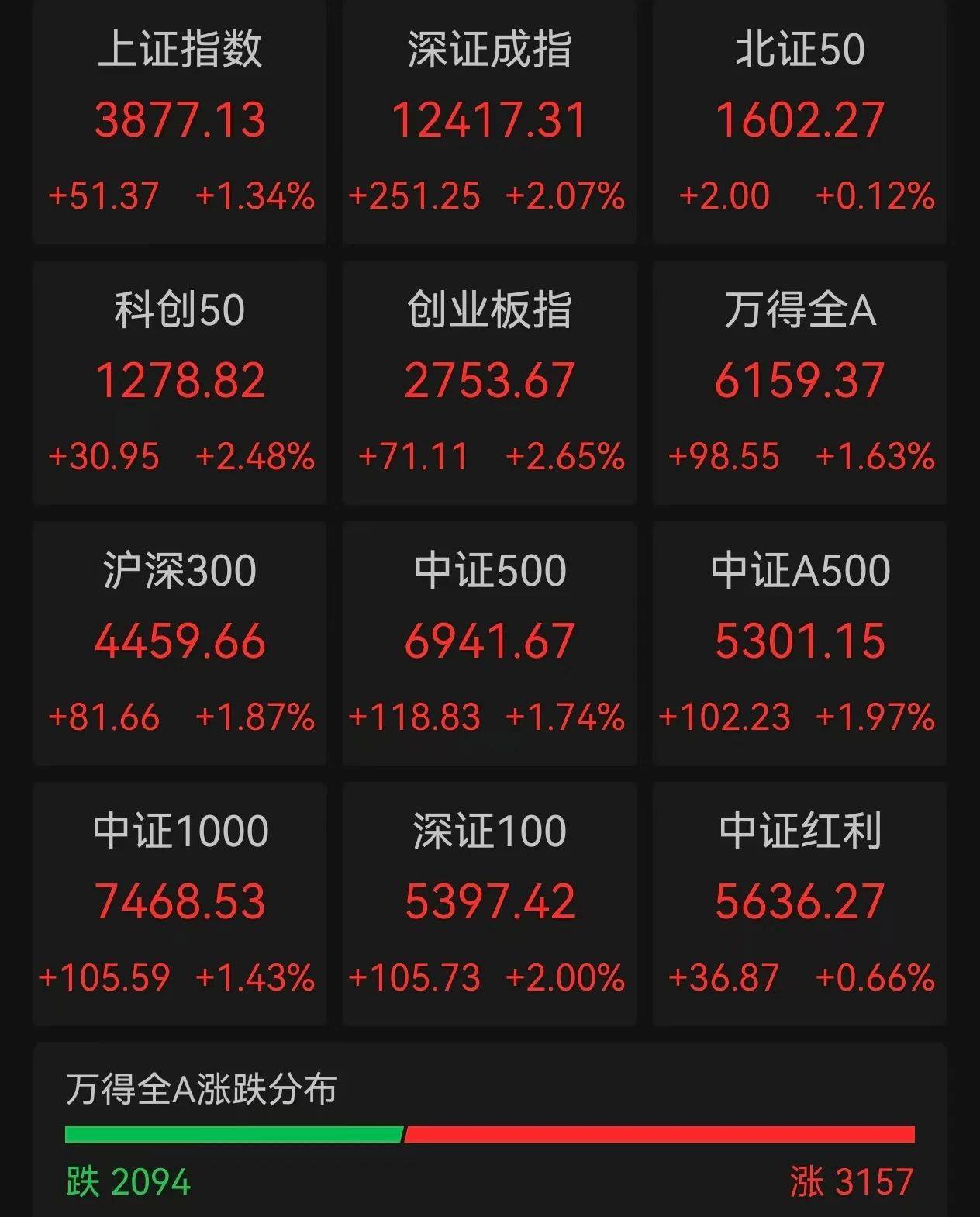
日度策略参考-20250828
Guo Mao Qi Huo· 2025-08-28 06:33
Report Overview - The report provides daily strategy references and analyzes various industries and commodities, including macro finance, non - ferrous metals, black metals, agricultural products, and energy chemicals. It offers trend judgments and trading suggestions for each product. 1. Report Industry Investment Rating - There is no clear overall industry investment rating provided in the report. 2. Report's Core View - As the key nodes of domestic and international macro - events in September approach, the stock index is expected to experience increased volatility. It is recommended to moderately reduce positions and adjust the layout to be mainly long - oriented [1]. - Asset shortage and weak economy are beneficial to bond futures, but the central bank's short - term interest rate risk warning restricts the upward space [1]. - The probability of a September interest rate cut remains high, providing short - term support for gold prices [1]. 3. Summary by Commodity Categories Macro Finance - **Stock Index**: After continuous strong and volume - increasing rises, market volatility is amplified by rapid capital flow. With the approaching of September's macro - event nodes, volatility is expected to intensify. Suggest reducing positions moderately and adjusting to a long - biased layout [1]. - **Treasury Bonds**: Asset shortage and weak economy are favorable, but short - term central bank interest rate risk warnings suppress the upward space, showing a volatile trend [1]. - **Gold**: The high probability of a September interest rate cut supports gold prices in the short term [1]. - **Silver**: Market risk appetite cools down, and silver prices may fluctuate [1]. Non - Ferrous Metals - **Copper**: Recent market sentiment is volatile, and copper prices are oscillating [1]. - **Aluminum**: In the domestic consumption off - season, downstream demand is under pressure, and aluminum prices are weak. For alumina, production and inventory are both increasing, with a weak fundamental situation. There is an opportunity to lay out long positions in the far - month contracts [1]. - **Zinc**: Short - term macro sentiment has improved, and zinc prices have rebounded, but the domestic fundamental pressure is still large, and the upward space may be limited [1]. - **Nickel**: Macro sentiment is volatile. Nickel prices follow the macro trend in the short term. It is recommended to focus on short - term trading and look for opportunities to sell on rallies. In the long - term, the surplus of primary nickel still exerts pressure [1]. - **Stainless Steel**: Raw material prices have risen, and social inventories are stable. After profit repair, steel mills are resuming production. It is recommended to focus on short - term trading and wait for opportunities to sell on rallies. The cash - and - carry arbitrage can gradually take profits [1]. - **Tin**: Powell's dovish remarks improve macro sentiment and boost tin prices. The short - term supply and demand are both weak. Attention should be paid to the expected seasonal maintenance of Yunnan smelters [1]. - **Industrial Silicon**: Supply in the southwest and northwest is resuming, and there is high hedging pressure. The market sentiment is strong. There is an expectation of long - term capacity reduction, low terminal installation willingness, and considerable profits [1]. - **Polysilicon**: Resource - end disturbances occur frequently. Downstream short - term replenishment is large, but the subsequent replenishment space is limited [1]. - **Lithium Carbonate**: Short - term macro sentiment has improved, and the price has rebounded, but the domestic fundamental pressure is still large, and the upward space may be limited [1]. Black Metals - **Rebar and Hot Rolled Coil**: Valuations have returned to neutral, the industrial driving force is unclear, and the macro - driving force is positive, showing a volatile trend [1]. - **Iron Ore**: The "anti - involution" is long - term, and it follows the black metal sector in the short term [1]. - **Manganese Silicon and Silicon Iron**: They follow the black metal sector in the short term. The "anti - involution" is long - term. The reality is weak, and the market returns to trading fundamentals, with the near - term being weak and the far - term being strong [1]. - **Glass**: The reality is weak, expectations have declined, and prices are moving downward [1]. - **Soda Ash**: Steel inventory is accumulating faster than the seasonal norm. The market suppresses steel prices to balance supply and demand. Coke and coking coal fundamentals are weakening marginally and are expected to be volatile and weak [1]. Agricultural Products - **Palm Oil**: Indonesia's low inventory and high export quotes, along with the main consumption countries' peak - season stocking and the long - term "strong expectation" of B50 implementation, are positive factors. The less - than - expected exemption from the US for small refineries is seen as a "bad news is out" situation [1]. - **Soybean Oil**: There is an expectation of reduced soybean arrivals, a fourth - quarter consumption peak season, and an open export trade flow, leading to a fourth - quarter de - stocking expectation. USDA's August reduction of new - crop area and Sino - US trade relations support the price from the raw material cost side [1]. - **Rapeseed Oil**: Russian and Ukrainian rapeseed production has decreased, and sunflower seed production in the Black Sea region has also fallen short of expectations. The Ministry of Commerce's initial ruling on Canadian rapeseed dumping and increased customs duty deposit requirements are expected to reduce subsequent rapeseed supply. The risk lies in the possible alleviation of the rapeseed shortage through Australian rapeseed imports [1]. - **Cotton**: Cotton has increased in volume in the short term, with the near - month squeezing - the - shorts logic dominating. The height of the 01 contract is limited. Attention should be paid to the time window from late July to early August and the release of sliding - scale tariff quotas [1]. - **Sugar**: Raw sugar has rebounded with a bottom divergence, combined with peak - season demand. It is expected to fluctuate in the range of 5600 - 6000, with limited upward space [1]. - **Corn**: The supply of remaining grain is tightening, but downstream feed enterprises adopt a low - inventory strategy, and deep - processing losses drag down corn demand. Under the expectation of new - season selling pressure, the futures price is expected to oscillate at a low level [1]. - **Soybean Meal**: Sino - US peace - talk expectations and domestic reserve sales are negative for the soybean meal market. The import cost provides support, and the futures price is expected to oscillate in the short term. Attention should be paid to Sino - US policy changes [1]. - **Paper Pulp**: The outer - market quotation has increased. The 11 - contract is under pressure due to old positions. Consider a 11 - 1 reverse spread [1]. - **Log Futures**: Near the delivery, the current price is within the range of receiving and delivery costs, with a reasonable valuation. It is expected to oscillate between 790 - 810 yuan/m³ [1]. - **Live Pigs**: The near - month contract is weak due to spot influence. In the second half of the year, as the inventory gradually recovers, attention should be paid to weight reduction and consumption. The 11 and 01 contracts have peak - season expectations [1]. Energy Chemicals - **Crude Oil**: Factors such as India reducing Russian oil purchases, OPEC+ continuing to increase production, and Trump's tariff increase on India cause demand concerns. The short - term supply - demand contradiction is not prominent, and it follows the crude oil trend [1]. - **Asphalt**: The short - term supply - demand contradiction is not prominent, following the crude oil trend. The "14th Five - Year Plan" rush - work demand is likely to be falsified, and the supply of Ma Rui crude oil is sufficient [1]. - **Natural Rubber**: Domestic产区 rainfall affects raw material cost support. Inventory depletion is slow. As the commodity approaches the 09 - contract delivery, the short - term market sentiment turns bearish [1]. - **BR Rubber**: OPEC+ continues to increase production, and the crude oil fundamental situation is loose. The BR market is consolidating and rising steadily. Attention should be paid to the inventory levels of butadiene and BR9000 and the autumn maintenance of butadiene rubber plants [1]. - **PTA**: Domestic PTA plants are gradually resuming production, and production has increased. The spread between PX and naphtha has widened. With improved sales and inventory depletion, especially in filament inventory, profits have been significantly repaired. However, some downstream plants have strong maintenance expectations [1]. - **PE**: Export sentiment has eased slightly, and domestic demand is insufficient, limiting the upward space. There is support from "anti - involution" and the cost side. With a warm macro - sentiment, many maintenance activities, and mainly rigid demand, the price is oscillating weakly [1][2]. - **Short - Fiber**: More short - fiber factories are undergoing maintenance. Under the situation of high basis and rising costs, the number of futures market warehouse receipts is gradually increasing [1]. - **Styrene**: There are rumors of a major reform in the domestic petrochemical and refining industries, and South Korean naphtha cracking plants plan to reduce production. As the market strengthens, trading volume gradually weakens [1].
高波动、低利率时代,机构共议多元化挖掘收益
2 1 Shi Ji Jing Ji Bao Dao· 2025-08-28 06:11
Group 1: Conference Overview - The "2025 Asset Management Conference" was held in Shanghai, focusing on diverse asset allocation strategies in a low-interest-rate environment [1][3] - Experts from various asset management firms discussed key topics such as asset allocation strategies, stock and bond market trends, and the outlook for gold and dollar assets [3] Group 2: Low-Interest Rate Environment - The low-interest-rate environment has fundamentally altered investors' risk preferences and behavior, with the ten-year government bond yield fluctuating between 1.6% and 1.9% [4][5] - The policy support for the capital market since September 2022 has been significant, with long-term funds entering the market, enhancing market confidence [4][5] Group 3: Asset Allocation Strategies - The concept of "asset scarcity" has emerged as a major challenge, prompting innovative strategies such as "seeking returns internally" and "seeking returns externally" [7] - The focus on high-dividend assets reflects the demand for stable returns amid the ongoing asset scarcity [9] Group 4: Equity Market Insights - The equity market is characterized by structural differentiation, with technology and manufacturing sectors gaining attention [9][10] - High-dividend companies are expected to perform steadily, even if their overall returns may not be as impressive in the near term [10] Group 5: Gold and Dollar Dynamics - Gold remains a focal point for discussion, driven by long-term factors such as the weakening status of the dollar and central banks' increasing gold reserves [11][12] - The "fixed income + dollar" and "fixed income + gold" strategies have gained popularity, but caution is advised due to potential risks associated with currency exposure and market volatility [12]

今年A股收获颇丰,险资入市放缓
阿尔法工场研究院· 2025-08-28 00:04
Core Viewpoint - The pace of insurance capital entering the market is slowing down, reflecting a cautious and rational approach under the absolute return orientation [4] Group 1: Insurance Capital Allocation Trends - In the first half of the year, the insurance industry experienced an accelerated phase of equity asset allocation, with the combined proportion of insurance funds invested in secondary stocks and funds reaching 13.6% by the end of Q2, an increase of 0.3 percentage points from Q1 [5] - The proportion of stock allocation increased by 1.2 percentage points year-on-year, approaching 9%, while the fund proportion slightly decreased, indicating a structural optimization from "outsourcing to direct investment" [5][6] Group 2: Major Players and Their Strategies - Leading insurance companies with high solvency ratios, such as New China Life and Ping An Insurance, have become the main force in increasing allocations, with their equity allocation ratios rising by more than 3 percentage points in the first half of the year [7] - However, the momentum for significant further entry into the market is weakening, as the attitude towards equity assets is becoming more cautious, aligning with the core goal of absolute returns [7] Group 3: Future Outlook and Investment Channels - Despite the potential slowdown in the growth rate of allocation ratios, the absolute amount of insurance capital invested in A-shares is expected to continue increasing [9] - The implementation plan for promoting long-term capital entry into the market mandates that large state-owned insurance companies invest 30% of new premiums in A-shares starting from 2025 [9] - Additionally, the rising proportion of participating insurance policies naturally leads to an increase in equity allocation, with companies like CITIC Prudential Life investing nearly 50% of their participating insurance assets in equity assets [9]
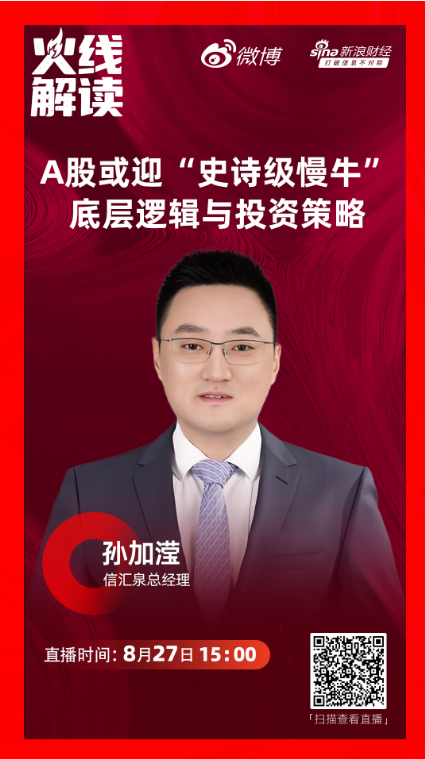
A股本轮行情能否持续?信汇泉总经理孙加滢:这两大核心动力提供长期支撑
Xin Lang Ji Jin· 2025-08-27 07:53
Group 1 - The core logic behind the current A-share market rally is based on two main points: the transition into a capital return era and the continuous inflow of international capital [1][2] - From 2018 to now, China's resident deposits have increased from 78 trillion yuan to 166 trillion yuan, indicating a significant capital surplus that will likely flow into the stock market, driving overall market valuations higher [2] - The inflow of international capital is ongoing, with historical trends suggesting that mature industrialized economies often experience currency appreciation, which is expected for the Chinese yuan as it has maintained a long-term current account surplus [2] Group 2 - The current market is at a critical turning point characterized by a recovery and rebalancing phase, which may only be in its early stages [1] - The comparison of the industrialization process to a human lifecycle illustrates that the current phase is akin to a mature adult, showcasing comprehensive advantages that will likely lead to asset revaluation [2] - The combination of domestic capital surplus and international capital inflow is supporting the current market trend and is expected to become more evident over time [2]
上半年超6400亿元险资新增入市 下半年险资如何配置
Jin Rong Shi Bao· 2025-08-27 01:45
Core Viewpoint - The A-share market has seen a significant surge in trading volume and index levels, with insurance funds playing a crucial role in this upward trend, marking a historic record in trading volume and a strong performance in major indices [1][2]. Group 1: Market Performance - On August 22, the trading volume in the Shanghai, Shenzhen, and Beijing markets exceeded 2 trillion yuan for the eighth consecutive trading day, breaking historical records for A-shares [1]. - The Shanghai Composite Index closed at 3825.76 points, up 1.45%, while the Shenzhen Component Index rose by 2.07%, and the ChiNext Index increased by 3.36%. The STAR Market 50 Index surged by 8.59% [1]. Group 2: Insurance Fund Inflows - Insurance funds have injected over 640 billion yuan into the stock market, significantly surpassing the total for the previous year [1][2]. - As of the end of Q2, the total balance of insurance funds reached 36.23 trillion yuan, a year-on-year increase of 17.39%, with stock investments amounting to 3.07 trillion yuan, representing 8.47% of the total, the highest since 2022 [1][3]. Group 3: Factors Driving Investment - Three main factors are driving insurance funds to increase stock market investments: policy guidance and regulatory easing, the need to address "asset shortages" and interest rate risk, and the inherent attractiveness of the equity market [3][4]. - Regulatory changes have encouraged long-term capital to enter the market, with adjustments to solvency regulations allowing for increased stock investments [3][4]. Group 4: Investment Preferences - Insurance funds have shown a preference for bank stocks, with 12 out of 30 reported equity stakes being in this sector, alongside interests in public utilities, non-bank financials, and other industries [5][6]. - The new accounting standards for insurance companies have led to increased equity stakes as a strategy to stabilize financial reporting and reduce profit volatility [7]. Group 5: Future Outlook - A research report predicts that by 2025, the insurance industry's original premium income will reach 6 trillion yuan, with an expected increase of 1.57 trillion yuan in fund utilization in the second half of the year [8]. - Insurance institutions are optimistic about the A-share market, particularly favoring sectors such as pharmaceuticals, electronics, banking, and technology, with a focus on high-dividend and innovative investments [8].