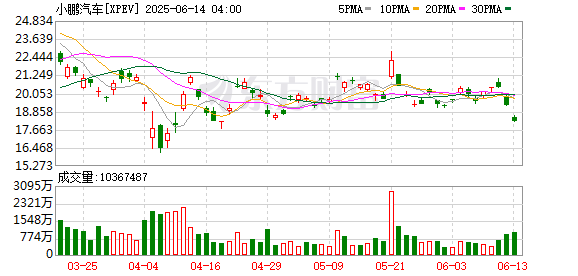
L3级自动驾驶

Search documents
2025下半年大变局!房产促销潮起,车市价格跳水,货币价值走向成谜!
Sou Hu Cai Jing· 2025-08-26 23:53
Real Estate Market - The real estate market in the second half of 2025 is experiencing significant changes, with a shift from a "buying frenzy" to a more subdued environment, exemplified by promotional tactics such as "85% off for existing homes" and free parking spaces in Shanghai [1][2] - The controversial "shared area" concept is being phased out, with cities like Guangzhou and Hangzhou mandating that new home sales be based on "usable area," allowing consumers to save significantly on property costs [1] - Over 20 cities have made "existing home sales" a mandatory requirement for new land parcels, indicating a decline in the era of selling off-plan properties and addressing consumer concerns about unfinished projects [2] Automotive Market - The automotive market is witnessing intense price competition, with traditional fuel vehicles seeing unprecedented discounts, such as a 14,000 yuan reduction on a German brand's C-class sedan [4] - The penetration rate of new energy vehicles has surpassed 60%, with significant advancements in battery technology and charging infrastructure, leading to improved consumer confidence [4][6] - The cost of owning new energy vehicles is decreasing, with nighttime charging rates as low as 0.45 yuan per kilowatt-hour, resulting in a cost of only 3 yuan per 100 kilometers [6] Consumer Purchasing Power - The Consumer Price Index (CPI) has shown a slight increase of 0.1% in June, but overall prices for daily consumer goods remain stable, with some sectors increasing promotional activities [8] - The decline in housing and vehicle prices is enhancing purchasing power, with mortgage rates dropping to historical lows, allowing consumers to save on monthly payments [9] - The financial market is shifting towards low-risk investment products, with three-year large-denomination time deposits yielding less than 2%, prompting a preference for safer investment options [9]

【私募调研记录】源乐晟资产调研华测检测、四维图新
Zheng Quan Zhi Xing· 2025-08-25 00:10
Group 1: 华测检测 - The company is accelerating its overseas acquisition pace, signing contracts with Openview in Vietnam, Emicert in Europe, and Safety SA in South Africa to enhance its international strategy and increase the revenue share from overseas operations [1] - The food segment's growth is attributed to the "123 strategy," major client strategies, international layout, and innovation investments [1] - The consumer goods segment is experiencing growth from various sub-sectors, with a positive outlook for the German market in the second quarter, expected to continue throughout the year [1] - The company sees potential in the semiconductor sector and has optimized its core management team, completing the development of FA and MA capabilities, resulting in revenue growth compared to the previous year [1] - The CRO business is performing well, with strong growth in the biosafety sector and increased investment in medical devices [1] - The environmental testing segment experienced double-digit growth after excluding the high base effect from the Sanpu business, with expectations for recovery in the second half of the year [1] - Improved cash flow is attributed to enhanced collection efforts and government policy support, with expectations for continued improvement throughout the year [1] - Gross margin improvement relies on economies of scale and technological upgrades, with plans to increase equipment utilization and introduce new technologies [1] - The company is developing new services and entering less competitive fields to address pricing pressures and build a sustainable development system [1] Group 2: 四维图新 - The smart driving industry is expected to see key trends such as technology penetration, I-driven models, and policy support in the first half of 2025 [2] - Level 3 autonomous driving is entering its commercialization phase, with technology being adopted in mid to low-end markets [2] - The demand for sensors and computing power is increasing, and regulations are gradually improving [2] - Automakers are focusing on the experience, cost-effectiveness, hardware development, and manufacturing capabilities of mid to high-end smart driving solutions, with an emphasis on safety [2] - The Zhiyun business is experiencing rapid growth due to global data compliance solutions and expansion into Level 4 fields [2] - The company is innovating in MCU technology, focusing on functional safety and cost-effectiveness, evolving from single-core to multi-core heterogeneous architectures [2] - The company has a complete domestic production chain with 100% self-developed simulation IP and over 90% self-developed digital IP [2] - Although prices for automotive-grade chips are declining, a pure price war is not sustainable in the long term [2] - The data compliance business is growing rapidly due to the popularity of smart driving, with future growth potential based on model and platform-based charging [2] - The AI infrastructure consists of data compliance, data enhancement, and I-training layers, driving efficiency improvements in the industry [2]


速腾聚创上半年收入7.8亿元,激光雷达新产品独家供应深圳头部新能源车企
Xin Lang Cai Jing· 2025-08-22 10:18
Core Viewpoint - The company reported a revenue of 783 million yuan for the first half of 2025, a year-on-year increase of 7.72%, while the attributable loss narrowed by 44.5% to 149 million yuan [1]. Group 1: Performance and Sales - The company's laser radar sales reached 266,800 units, a 9.6% increase compared to the same period in 2024 [2]. - Sales of laser radars for ADAS applications decreased by 6.0% to approximately 220,500 units, while sales for robotics and other applications surged by 420.2% to about 46,300 units [2]. - The company has secured mass production orders for 133 models from 30 automotive manufacturers, with 44 models achieving SOP [2]. Group 2: Product Development and Market Trends - The company is focusing on high-line laser radars to meet the growing demand for L3-level vehicles and Robotaxi applications [5]. - The global market for vehicle-mounted laser radars is expected to double by 2025, with an estimated 3.2 million units to be equipped [5]. - The company launched the EMX, a high-performance digital laser radar, which has secured exclusive supply agreements for 32 models from a leading new energy vehicle manufacturer [4]. Group 3: Profitability and Margins - The company's gross margin reached 25.9% by the end of Q2, up from 13.6% in the same period last year [9]. - The gross margin for ADAS products increased from 11.2% to 17.4%, while the margin for robotics and other products rose from 26.1% to 45% [9]. Group 4: Robotics and Future Prospects - The company anticipates a surge in demand for robotic laser radars, particularly in the second half of the year, with significant deliveries expected in Q4 [10]. - The company has established partnerships with multiple robotics manufacturers, aiming to expand its presence in the humanoid robotics market [11].
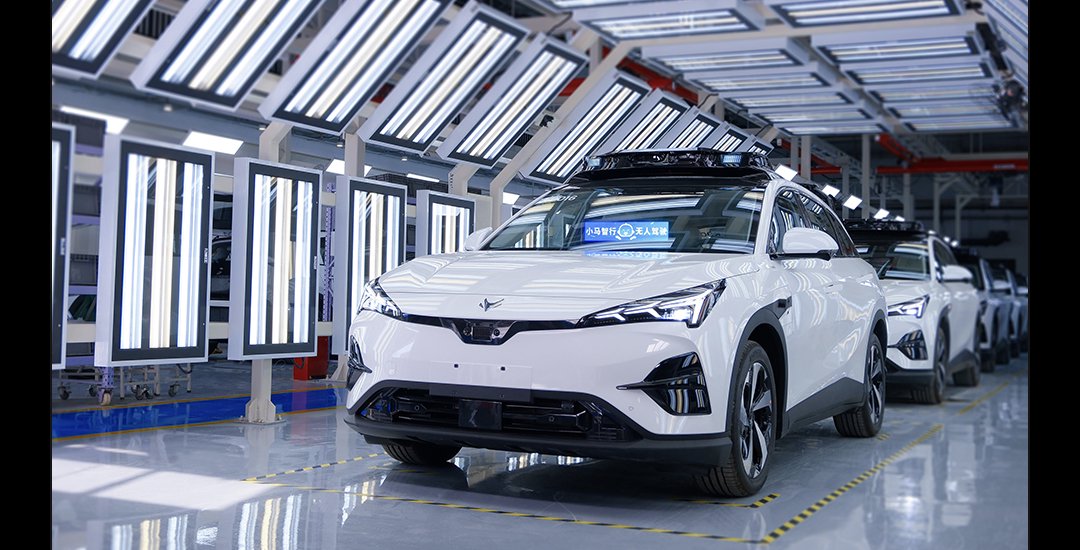
北汽蓝谷上半年营收达95.17亿元,亏损23.08亿元
Ju Chao Zi Xun· 2025-08-15 10:26
Financial Performance - In the first half of 2025, the company's revenue reached 9,516,830,709.9 yuan, representing a year-on-year increase of 154.38% [2][4] - The net loss attributable to shareholders was 2,308,173,761.37 yuan, an improvement from the previous year's loss of 2,571,390,787.51 yuan [2][4] - The net loss after excluding non-recurring gains and losses was 2,335,558,197.13 yuan, compared to 2,582,472,096.82 yuan in the same period last year [2][4] - The total assets as of the end of the reporting period were 35,110,416,986.61 yuan, a decrease of 15.24% year-on-year [2][4] - The net assets attributable to shareholders were 3,203,863,320.59 yuan, down 41.86% from the previous year [2][4] Key Financial Indicators - Basic earnings per share for the period were -0.41 yuan, an improvement from -0.46 yuan in the previous year [5] - The weighted average return on net assets was -52.98%, slightly worse than -51.37% in the same period last year [5] Product Development and Market Position - The company is focusing on three major brands: Xiangjie, Arcfox, and BEIJING [6] - The Xiangjie brand, developed in collaboration with Huawei, launched the Xiangjie S9 range-extended model during the reporting period [6] - The Arcfox brand offers a range of electric vehicles, including the Alpha T5 SUV and Alpha S5 sedan, among others [6] - The BEIJING brand features economical smart electric vehicles, including the EU5 and EU5 PLUS models [6] - The Xiangjie Super Factory achieved efficient production and delivery, with over 4,000 units of the Xiangjie S9 delivered in June, making it a top seller in the 300,000 yuan and above electric vehicle segment [6] Production and Quality Improvement - The company is implementing a capacity enhancement plan at the Magna factory to support the "Arcfox volume increase" goal [6] - The introduction and production of the Alpha S5 model were completed on schedule, ensuring product quality and stability in parts quality [6]

汽车行业7月分析:汽车行业:双轮驱动格局裂变,港股汽车ETF捕捉龙头红利
Hengtai Securities· 2025-08-08 11:19
Investment Rating - The report maintains an "Outperform" rating for the automotive industry [1][4]. Core Insights - The automotive sector is experiencing a bifurcation driven by dual forces of policy and technology, with a focus on capturing the benefits of leading companies through the Hong Kong automotive ETF [1][4]. - The market shows a preference for battery-related ETFs over traditional automotive stocks, indicating a shift towards electric and smart vehicles [2][3][4]. Summary by Sections Market Review - The automotive ETF showed mixed performance, with the new energy vehicle ETF rising by 3.17% and the traditional automotive ETF declining by 0.86% [2][11]. - The automotive sector's performance lagged behind the broader market, with a growth of only 1.16% compared to the 3.92% increase in the CSI 300 index [2][23]. Industry Dynamics - Retail and wholesale sales of passenger vehicles increased by 9% and 17% year-on-year, respectively, for July, maintaining an upward trend for the year [3][39]. - The new energy vehicle market saw retail sales of 789,000 units in July, a 15% increase year-on-year, despite a 17% decline month-on-month [42][46]. Industry Trend Outlook - The report predicts that the dual drivers of policy support and technological advancements will continue to enhance growth momentum in the automotive sector [3][53]. - The penetration rate of new energy vehicles is expected to exceed 50%, supported by ongoing subsidies and advancements in autonomous driving technology [4][55]. Investment Opportunities - The report suggests an overweight position in the smart electric passenger vehicle segment, highlighting the potential for growth driven by policy support and technological advancements [4][55]. - The Hong Kong automotive ETF (520600.OF) is recommended for its concentrated exposure to leading new energy vehicle companies, which may benefit from performance recovery expectations [4][55].

懂车帝测试争议背后,智驾离L3还有多远?
2 1 Shi Ji Jing Ji Bao Dao· 2025-07-28 13:28
Group 1 - The core viewpoint of the article highlights the results of a driving assistance test conducted by Dongche Di, which revealed that the average pass rate for nearly 40 vehicle models, including Tesla's Model 3 and Model X, was only 35.74% across 15 simulated accident scenarios [1] - The test scenarios included both highway and urban environments, with specific challenges such as "sudden appearance of an accident vehicle" and "children suddenly crossing the road" [1] - Tesla's vehicles, particularly the Model X and Model 3, performed notably well, successfully passing 5 out of 6 highway scenarios and 8 out of 9 urban scenarios, contrasting with the overall poor performance of domestic brands [1] Group 2 - The test results have sparked renewed discussions among automakers regarding the safety of driving assistance systems, with some executives acknowledging the common technical bottlenecks in the industry [2] - Tesla's CEO Elon Musk commented on the test results, emphasizing that the company achieved high scores in China without local training data due to legal restrictions on data export [2] - Some industry experts criticized the test as lacking universal significance, arguing that each vehicle faces different variables during testing [2] Group 3 - Various automotive companies, including Zhijie Auto and AITO Auto, have refrained from commenting on the test results, indicating a cautious approach to the findings [3] - Dongche Di responded to criticisms by clarifying that the tests were conducted without human intervention and aimed to educate consumers about the safety boundaries of driving assistance systems [3] - The article also referenced a statement from the Ministry of Public Security, asserting that current "smart driving" systems in the market do not possess "autonomous driving" capabilities, placing the ultimate responsibility on the driver [3] Group 4 - The automotive industry is experiencing a competitive race towards the implementation of L3 autonomous driving, with companies like GAC Group planning to launch their first L3 passenger vehicle by the end of the year [5] - The transition from L2 to L3 involves significant legal implications, as L3 systems shift the primary responsibility for driving tasks from the driver to the system, increasing manufacturers' liability [5] - The industry is recognizing the need for enhanced safety measures in the development of driving assistance technologies, particularly following recent accidents [6] Group 5 - Companies are exploring various solutions to improve vehicle perception capabilities, with many opting to add LiDAR systems to enhance safety in challenging conditions [7] - The challenges of environmental perception, such as sensor limitations and the complexity of dynamic road scenarios, are significant hurdles for driving assistance systems [8] - Experts suggest that a multi-dimensional approach to road information perception is necessary to improve safety, including timely updates on road conditions [8] Group 6 - The article emphasizes that while enhancements in technology can reduce risks, absolute safety cannot be guaranteed without driver vigilance and awareness of the limitations of driving assistance systems [9] - The importance of driver responsibility in ensuring safety while using assistance technologies is reiterated by industry leaders and regulatory officials [9]

数字化成为激光雷达重要升级方向
Shang Hai Zheng Quan Bao· 2025-07-02 18:26
Core Insights - The laser radar market in China has seen a significant increase in demand, with a 83.45% year-on-year growth in the first five months of 2023, reaching 789,200 units [1] - Huawei has emerged as a leading player in the market, with its laser radar shipments benefiting from the popularity of its models equipped with the ADS intelligent driving system [2][3] - The global automotive laser radar market is expected to experience explosive growth in 2024, with Huawei's market share projected to rise from 6% in 2023 to 19% in 2024 [2] Market Dynamics - The demand for laser radar is driven by two main factors: the push for "intelligent driving equality" and the acceleration of L3-level autonomous driving, leading to increased penetration in mainstream markets [3][5] - Major players like Hesai and RoboSense are maintaining significant market shares, but Huawei is rapidly increasing its presence, particularly in the passenger vehicle segment [2][4] Product Development - Huawei has expanded its product offerings with the launch of the ADS 4.0 system, which includes multiple versions equipped with laser radar, aligning with the market's dual evolution of "downward penetration and upward exploration" [3] - RoboSense has achieved a milestone by delivering its 1 millionth laser radar unit, showcasing its strong production capabilities and partnerships with over 30 automotive manufacturers [4][6] Technological Advancements - The integration of digital architecture in laser radar technology is enhancing performance, with higher line counts leading to better precision and safety in autonomous driving applications [5][6] - The cost of laser radar is decreasing due to technological advancements, which is expected to facilitate its adoption in mainstream vehicles [5] Expansion into New Markets - Beyond the automotive sector, digital laser radar is making inroads into emerging applications such as robotics, with partnerships established for developing perception systems for high-end intelligent lawnmowers and delivery robots [7]
中信证券:预计法规放宽与高速L3商用落地节奏将触发零部件订单加速兑现 维持行业 “强于大市” 评级
智通财经网· 2025-06-19 00:37
Core Viewpoint - The report from CITIC Securities suggests focusing on enhancing vehicle value through "safety redundancy-driven" strategies, particularly in areas such as dual SOC/MCU redundant computing platforms, improved laser radar resolution, high-speed TSN-SerDes vehicle networks, and dual 12V low-voltage power supplies [1] Policy Perspective - L2 will face stringent regulations, actively promoting the rollout of L3. The Ministry of Industry and Information Technology has explicitly prohibited exaggerated claims for L2, expecting to strengthen "hands-free, eyes-free" regulations and promote transparency in functional boundaries [2] Market Demand and Scenarios - High-speed and elevated road segments account for 25%-30% of private vehicle mileage, with strong user demand for "hands-free, eyes-free" driving. Over 60% of car owners wish to watch videos or browse the internet while driving, and 76% recognize the necessity of high-speed autonomous driving [3] Safety Considerations - The primary value of L3 to users is safety, with a long-term goal of achieving an accident rate that is ten times better than human driving. The system must evolve from Fail-Safe to Fail-Degraded / Fail-Operational, enhancing performance and safety redundancy [4] Performance Configuration and Safety Redundancy - The report predicts that the computing platform will adopt dual SOC and "SOC + MCU" configurations, increasing the single vehicle ASP by 1.5 times. Laser radar will expand from a single forward unit to "1 front + 2 side + 1 rear," with the resolution of forward laser radar increasing from over 100 lines to approximately 500 lines. Millimeter-wave radar will advance from 3T4R to 8T8R and even 12T16R. The communication network will integrate CAN, Ethernet, and high-speed SerDes, with high-end models potentially using up to 20 SerDes units. Dual 12V batteries and dual DCDC architecture will achieve power-level redundancy [5]

100万片才能回本!蔚小理为啥还要扎堆造芯片?
电动车公社· 2025-06-17 16:28
Core Viewpoint - The automotive industry is entering a new era of chip self-research and high computing power, driven by the need for advanced autonomous driving capabilities, particularly L3 level automation, as exemplified by companies like Xiaopeng and NIO [6][39][60]. Group 1: Chip Development and Competition - The competition for automotive computing power began around 2021, initiated by NVIDIA's Orin-X chip, which boasts a computing power of 254 TOPS, significantly surpassing Mobileye's Q5H and Tesla's HW3.0 [1][6]. - Companies like NIO have adopted multiple Orin-X chips, achieving over 1000 TOPS in computing power [3]. - The automotive computing power has fluctuated between 80 to 1000 TOPS over the past four years, but a new phase has emerged in 2023 with the introduction of self-developed chips [5][34]. Group 2: Self-Developed Chips and Industry Trends - Xiaopeng's self-developed 5nm chip, NX9031, is expected to reach 2000 TOPS with two chips in the ET9 model, while the Xiaopeng G7 features three self-developed Turing AI chips, achieving 2200 TOPS [6][39]. - The trend of automakers developing their own chips is gaining momentum, similar to Tesla's earlier journey, as companies seek to overcome the limitations of the "black box" model previously used with suppliers like Mobileye [9][30]. - The emergence of domestic chip companies like Horizon and Black Sesame Intelligence is diversifying the market, with many automakers now developing their own chips that can compete with NVIDIA's flagship products [35][38]. Group 3: The Shift to L3 Autonomous Driving - The automotive industry is approaching the L3 autonomous driving era, with Xiaopeng defining its G7 as the "world's first L3 level AI car" [39]. - The effective computing power required for L3 autonomous driving has been clarified by Xiaopeng at 2200 TOPS, indicating a significant leap from L2 systems [43][55]. - The transition to L3 involves not only technological advancements but also a shift in liability, as vehicles may be held accountable for accidents, increasing pressure on automakers to refine their technologies [56][58]. Group 4: Challenges in Chip Development - The journey of self-developing chips is fraught with challenges, including architectural issues and the risk of costly failures during the chip manufacturing process [62][64]. - Companies must also ensure that their chips meet stringent automotive safety standards, which can extend the validation period significantly [69]. - The need for large-scale production to recoup development costs is critical, with estimates suggesting that around 1 million units may be necessary for profitability [71].


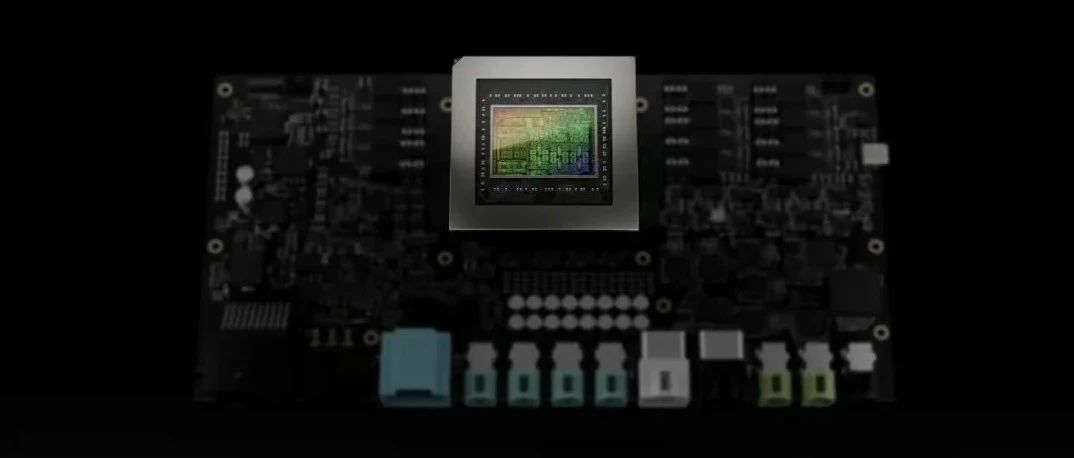
何小鹏:小鹏G7是首款具备L3级算力的AI汽车
Zhong Guo Jing Ying Bao· 2025-06-15 04:41
Core Insights - Xiaopeng G7 officially launched and started pre-sales with a starting price of 235,800 yuan, marking a significant strategic model for Xiaopeng Motors in the era of intelligent driving [1] - The G7 features three self-developed Turing AI chips, making it the first vehicle with L3-level computing power, although it has not yet achieved full L3 autonomous driving capabilities [1] - The G7's effective computing power is three times that of the mainstream intelligent driving chip Orin-X, indicating a strong competitive edge in AI technology [1] Group 1 - The G7 received over 10,000 pre-orders within 46 minutes of its announcement, reflecting strong market interest [3] - The Turing AI chip will be gradually integrated into more Xiaopeng models, with production expected to ramp up in the third quarter [4] - Industry predictions suggest that by 2028, L3-level driving will see widespread application, with demand for computing power reaching 500 to 1000 TOPS, positioning Xiaopeng favorably for future developments [2] Group 2 - Xiaopeng Motors is entering a new era of AI-driven intelligent mobility with the launch of the G7, supported by advanced technology [4] - The Turing AI chip is designed for versatility, applicable not only in AI vehicles but also in AI robots and flying cars, showcasing its broad potential [1]