
中美经贸关系

Search documents
中泰国际每日晨讯:每日大市点评-20251013
ZHONGTAI INTERNATIONAL SECURITIES· 2025-10-13 05:51
Market Overview - On October 10, Hong Kong stocks were influenced by the decline of the Nasdaq Golden Dragon Index, leading to a drop in the Hang Seng Index by 462 points, closing at 26,290 points. The Hang Seng Tech Index fell by 211 points to 6,259 points, with a total turnover of HKD 333.73 billion. The Hang Seng Index has now declined for five consecutive trading days, with a net outflow of southbound funds amounting to HKD 399 million [1][2]. Macro Dynamics - On October 9, the Ministry of Commerce announced new export controls on rare earth-related items and technologies, affecting five additional rare earth metals: holmium, erbium, thulium, europium, and ytterbium. This move is part of a broader strategy to strengthen export regulations [3]. Industry Dynamics Smart Driving Sector - The automotive sector, particularly smart driving companies, experienced a downturn due to market declines. Xpeng Motors announced significant breakthroughs in physical AI during its AI Technology Day, but the stock still fell by 4.2%. Other new energy vehicle stocks also saw declines ranging from 2% to 4% [4]. Pharmaceutical Sector - The Hang Seng Healthcare Index dropped by 6.4%, primarily due to declines on Thursday and Friday. There are concerns regarding the overseas licensing agreement of Innovent Biologics, which fell short of expectations in terms of transaction value and the reputation of the licensed party. However, a USD 100 million upfront payment is expected to solidify funding [4]. New Energy/Public Utilities - The new energy and public utility sectors showed volatility, with significant fluctuations in stock performance. Xinyi Solar, GCL-Poly Energy, and Longyuan Power fell by 6.0%, 3.7%, and 2.3%, respectively. Conversely, Huadian International, China Everbright Environment, and China Resources Gas saw increases of 4.8%, 3.2%, and 3.5% [5].
商务部就“美方称将对中方加征100%关税”作出回应
Qi Huo Ri Bao Wang· 2025-10-12 18:06
本报讯商务部新闻发言人12日就近期中方相关经贸政策措施情况答记者问。有记者问:美东时间10月10 日,美方宣布,针对中方采取的稀土等相关物项出口管制,将对中方加征100%关税,并对所有关键软 件实施出口管制,请问商务部对此有何评论? 对此,商务部发言人表示,10月9日,中方发布了关于稀土等相关物项的出口管制措施,这是中国政府 依据法律法规,完善自身出口管制体系的正常行为。中国作为负责任大国,始终坚定维护自身国家安全 和国际共同安全,始终秉持公正、合理、非歧视的原则立场,审慎适度实施出口管制措施。美方有关表 态是典型的"双重标准"。长期以来,美方泛化国家安全,滥用出口管制,对华采取歧视性做法,对半导 体设备、芯片等众多产品实施单边长臂管辖措施。美方管制清单物项超过3000项,而中方出口管制清单 物项仅900余项。美方使用出口管制最低含量规则由来已久,低至0%。美方相关举措严重损害企业正当 合法权益,严重冲击国际经贸秩序,严重破坏全球产供链安全稳定。 商务部发言人称,特别是9月中美马德里经贸会谈以来,短短20多天时间,美方持续新增出台一系列对 华限制措施,将多家中国实体列入出口管制实体清单和特别指定国民清单;通过 ...
社评:重诺守信才能稳定中美经贸关系
Huan Qiu Wang· 2025-10-12 15:32
Core Viewpoint - The Chinese government firmly opposes unilateral trade measures and high tariffs imposed by the U.S., emphasizing that it does not wish to engage in a trade war but will defend its legitimate development rights if necessary [1][2]. Group 1: U.S. Trade Measures - The U.S. has threatened to impose a 100% tariff on Chinese goods in response to China's tightening of rare earth export regulations, indicating a potential escalation in trade tensions [1]. - Since mid-September, the U.S. has introduced a series of restrictive measures against China, which has significantly disrupted the normal trade order and harmed China's interests [1][4]. Group 2: China's Position - China asserts that its export control measures on rare earths are legitimate actions to safeguard national security and are in line with international practices [3]. - The Chinese government maintains a transparent and predictable approach to trade, welcoming compliant trade applications while not issuing licenses for military-related products [3]. Group 3: Future of China-U.S. Trade Relations - The relationship between China and the U.S. is at a critical juncture, with China advocating for dialogue based on mutual respect and equality, while the U.S. is perceived as reacting emotionally and applying double standards [5]. - Historical experiences suggest that cooperation benefits both parties, while conflict leads to mutual harm, indicating that pressure tactics against China are unlikely to succeed [4].
研究周报:农产品-20251012
Guo Tai Jun An Qi Huo· 2025-10-12 14:02
2025年10月12日 国泰君安期货研究周报-农产品 观点与策略 | 棕榈油:产地驱动有限,关注下方支撑及宏观风险 | 2 | | --- | --- | | 豆油:中美经贸关系加剧盘面波动 | 2 | | 豆粕:贸易摩擦忧虑再度升温,盘面或反弹 | 8 | | 豆一:反弹震荡 | 8 | | 玉米:震荡偏弱 | 13 | | 白糖:低位震荡 | 19 | | 棉花:新棉上市压力有所释放 | 26 | | 生猪:去库不通畅,现货底未现 | 33 | | 花生:关注产区天气 | 39 | 国 泰 君 安 期 货 研 究 所 请务必阅读正文之后的免责条款部分 1 期货研究 商 品 研 究 二 〇 二 五 年 度 2025 年 10 月 12 日 棕榈油:产地驱动有限,关注下方支撑及宏观 风险 豆油:中美经贸关系加剧盘面波动 李隽钰 投资咨询从业资格号:Z0021380 lijunyu@gtht.com 报告导读: 上周观点及逻辑: 棕榈油:长假期间印尼 B50 消息刺激盘面反弹,但产地供给端并未出现实际偏紧信号,MPOB 报告超预 期累库中止涨势,整体仍维持区间运行,棕榈油 01 合约周涨 2.28%。 豆油:假 ...
棕榈油:产地驱动有限,关注下方支撑及宏观风险,豆油:中美经贸关系加剧盘面波动
Guo Tai Jun An Qi Huo· 2025-10-12 06:27
Report Industry Investment Rating - No relevant content provided Core Views of the Report - The palm oil market lacks strong upward drivers from the producing regions. There are concerns about Indonesia's inventory accumulation, and the market may continue to fluctuate until the end of the year. Further price movements depend on the B50 story and production issues [2][4][5] - The soybean oil market is affected by factors such as the SRE allocation, RVO policy, and Sino - US trade relations. The price mainly follows the trends of crude oil, diesel crack spreads, and South American soybean oil prices. The opening of the market next week is expected to be volatile due to Trump's tariff increase on China [4][5] Summary by Related Catalogs Last Week's Views and Logic - Palm oil: During the long holiday, the B50 news from Indonesia stimulated a rebound in the palm oil market, but there was no actual tightening signal in the supply side of the producing regions. The MPOB report showed an unexpected inventory build - up, halting the upward trend. The palm oil 01 contract rose 2.28% last week [1] - Soybean oil: During the holiday, US soybeans and US soybean oil showed a slight rebound. With the accelerating progress of US soybean harvesting and Brazilian sowing, soybean oil lacked an independent driver and mainly fluctuated with the oil and fat sector. The soybean oil 01 contract rose 1.99% last week. Trump's tough stance on China's trade on Friday night may affect the market opening next week [1] This Week's Views and Logic Palm oil - Producing regions: The MPOB report confirmed the inventory pressure in Malaysia in September, and the narrowing spread between UCO FOB and CPO FOB in Malaysia since September indicated a return to normal domestic consumption. However, the potential export tax on UCO and POME in Malaysia has an uncertain impact. In Indonesia, the inventory is expected to be in the range of 200 - 300 million tons in the third quarter, and the annual production increase is at least 5.5 million tons. The narrowing Indo - Malaysian price spread and concerns about Indonesia's inventory accumulation make it difficult to find strong short - term drivers [2] - Consumption regions: The import profit of crude sunflower oil in India is better than that of CPO, and there is no strong expectation for India's future demand. The European HVO profit is high, but relying solely on European biodiesel demand to be bullish on the oil market is a pessimistic view. The market may continue to fluctuate until the end of the year, and the price movement depends on the B50 story and production issues [2][4][5] Soybean oil - International market: The cost - effectiveness of US soybean oil in the biodiesel sector has declined, and there is a high pressure of inventory build - up by the end of the year. The implementation of relevant policies may be postponed to next year, and the price mainly follows the trends of crude oil, diesel crack spreads, and South American soybean oil prices [2][4] - Domestic market: The export demand may lead to continuous inventory reduction in the domestic soybean oil market until March next year. The market is affected by Sino - US trade relations, and the opening next week is expected to be volatile [4][5] Basic Market Data of Futures - Palm oil main contract: The opening price was 9,452 yuan/ton, the closing price was 9,438 yuan/ton, with a daily increase of 2.70%. The trading volume was 1,242,800 lots, and the open interest increased by 35,596 lots [7] - Soybean oil main contract: The opening price was 8,212 yuan/ton, the closing price was 8,302 yuan/ton, with a daily increase of 2.32%. The trading volume was 842,968 lots, and the open interest decreased by 10,070 lots [7] - Other data: Included price differences such as the vegetable - soybean 01 spread, soybean - palm 01 spread, and inventory data of different oils [7] Core Fundamental Data of Oils - Malaysia: The palm oil production in Malaysia may enter the off - season earlier, and the inventory in September may reach an inflection point. The export volume from October 1 - 10 was 523,602 tons, a 9.86% increase compared to the same period last month [9][10][11] - Indonesia: The inventory in Indonesia is expected to recover to last year's level after the second quarter, and the Indo - Malaysian price spread is rapidly declining [11] - Other aspects: Included data on fruit bunch prices in North Sumatra, refining profits in Indonesia, POGO spreads, rainfall in Malaysia and Indonesia, import profits and CNF spreads in India, and EU's import volume of palm oil and four major oils [11][12][13]
“我们不愿打,但也不怕打”!商务部回应近期中方相关经贸政策措施
Di Yi Cai Jing· 2025-10-12 03:00
商务部发言人表示,如果美方一意孤行,中方也必将坚决采取相应措施,维护自身正当权益。 美东时间10月10日,美方宣布,针对中方采取的稀土等相关物项出口管制,将对中方加征100%关税, 并对所有关键软件实施出口管制。 对此,10月12日,商务部网站发表《商务部新闻发言人就近期中方相关经贸政策措施情况答记者问》, 在其中商务部新闻发言人表示,动辄以高额关税进行威胁,不是与中方相处的正确之道。对于关税战, 中方的立场是一贯的,我们不愿打,但也不怕打。 商务部新闻发言人表示,中方敦促美方尽快纠正错误做法,以两国元首通话重要共识为引领,维护好来 之不易的磋商成果,继续发挥中美经贸磋商机制作用,在相互尊重、平等协商基础上,通过对话解决各 自关切,妥善管控分歧,维护中美经贸关系稳定、健康、可持续发展。 商务部新闻发言人表示,如果美方一意孤行,中方也必将坚决采取相应措施,维护自身正当权益。 商务部新闻发言人表示,后续,中国政府将依法依规开展许可审查,对符合规定的申请予以许可,同 时,积极考虑适用通用许可、许可豁免等多种便利化措施,有效促进合规贸易。我想强调的是,中国的 出口管制不是禁止出口,只要是用于民用用途的、合规的出口申请 ...

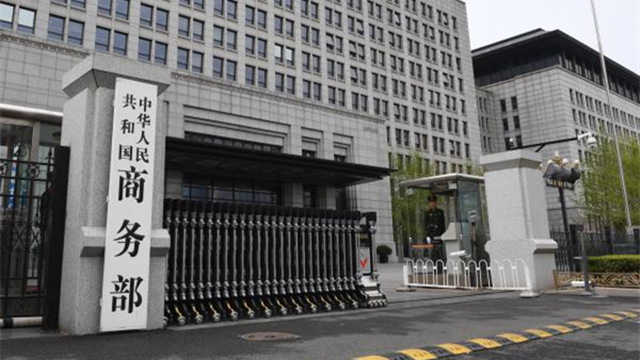
就近期中方相关经贸政策措施情况,商务部答记者问
Zhong Jin Zai Xian· 2025-10-12 02:29
答:中方发布了关于稀土等相关物项的出口管制措施,这是中国政府依据法律法规,完善自身出口管制 体系的正当做法。当前世界局势动荡不安,军事冲突时有发生,中方注意到中重稀土相关物项在军事领 域有重要应用。中国是负责任大国,依法对相关物项实施出口管制,目的是更好维护世界和平与地区稳 定,履行防扩散等国际义务。 中国的出口管制不是禁止出口,对符合规定的申请将予以许可。在措施公布前,中方已通过双边出口管 制对话机制向各有关国家和地区作了通报。中方愿与各国加强出口管制对话交流,更好维护全球产业链 供应链安全稳定。 智通财经10月12日讯,商务部新闻发言人就近期中方相关经贸政策措施情况答记者问。 1、有记者问:10月9日,商务部、海关总署发布公告,对相关稀土物项实施出口管制。请问中方有什么 考虑? 特别是9月中美马德里经贸会谈以来,短短20多天时间,美方持续新增出台一系列对华限制措施,将多 家中国实体列入出口管制实体清单和特别指定国民清单;通过穿透性规则任意扩大受管制企业范围,影 响中方数千家企业;无视中方关切和善意,执意落地对华海事、物流和造船业301措施。美方的行为严 重损害中方利益,严重破坏双方经贸会谈氛围,中方对此坚 ...
不顾中国,越南跟美国签了,但转头发现:特朗普又对中国连退两步
Sou Hu Cai Jing· 2025-10-10 05:49
Core Insights - The trade relationship between the US and Vietnam has become increasingly complicated, with Vietnam attempting to benefit from US tariffs on China but ultimately facing negative consequences [1][3][4]. Group 1: Trade Agreement Details - A trade agreement was reached on July 2, 2025, imposing a 20% tariff on US exports to Vietnam while exempting Vietnamese exports to the US from tariffs [3]. - Vietnam will impose a 40% tariff on goods suspected of being transshipped from China to the US, significantly impacting its export economy [3][4]. - Prior to the agreement, Vietnam had a trade surplus of over $40 billion with the US, with approximately 30% of this surplus derived from transshipped Chinese goods [4][6]. Group 2: Economic Impact on Vietnam - The agreement is expected to severely disrupt Vietnam's supply chains, forcing a reevaluation of logistics and increasing operational costs for local businesses [4][6]. - Vietnamese manufacturers are experiencing a decline in orders as the new tariffs lead to a reduction in the flow of Chinese components and raw materials [6][9]. - Following the agreement, Vietnam's border trade with the US has decreased by 15%, and many factories are operating at only 80% capacity [9][11]. Group 3: US-China Relations and Strategic Shifts - Shortly after the agreement, the US made concessions to China by lifting restrictions on ethane exports and semiconductor design software, indicating a shift in US policy [6][7]. - The concessions suggest that the US is reassessing its trade strategies, which may undermine Vietnam's position as a middleman in US-China trade [7][9]. - The evolving dynamics highlight Vietnam's loss of strategic leverage, as its reliance on transshipment trade is diminishing [9][11]. Group 4: Regional Comparisons - Other countries like Japan, South Korea, and India are adopting more cautious approaches to US trade policies, focusing on maintaining their own economic interests [11]. - The future of Vietnam's economy may depend on its ability to repair relations with China amidst the shifting landscape of US-China trade relations [11].
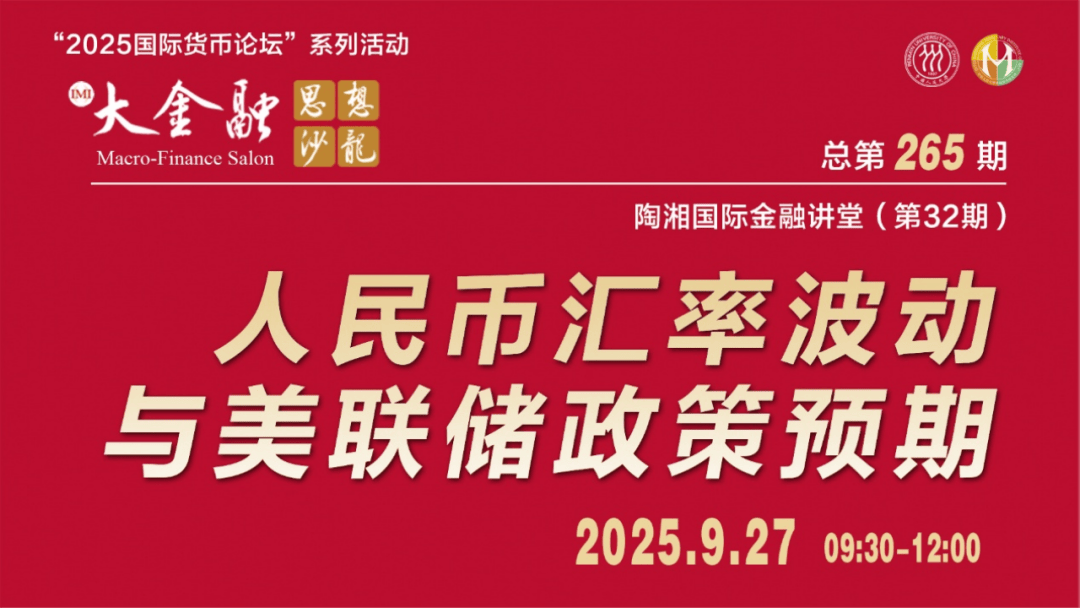
主题报告 | 人民币汇率波动与美联储政策预期
Sou Hu Cai Jing· 2025-10-07 13:12
Core Viewpoint - The seminar focused on the fluctuations of the Renminbi (RMB) exchange rate and the expectations of the Federal Reserve's policies, highlighting the interplay between U.S.-China economic relations and currency movements [1][3]. Group 1: RMB Exchange Rate Trends - Since April 2022, the RMB has been under pressure, depreciating from around 6.3 to below 7.3, with a stabilization around 7.3 in the second half of 2023 [4][5]. - The depreciation of the RMB post-2022 is attributed to the divergence in economic cycles and monetary policies between China and the U.S., leading to a negative interest rate differential [5][6]. - The RMB's exchange rate is not significantly deviating from its equilibrium level, with both upward and downward factors present, suggesting a need for a risk-neutral market approach [3][4]. Group 2: Factors Influencing RMB's Strength - The RMB's recent strength against the dollar is driven by the weakening of the "American exceptionalism" narrative, improvements in the Chinese economy, and a thawing in U.S.-China trade relations [3][9]. - Historical context shows that during Trump's first term, tariffs led to a depreciation of the RMB, but the current environment suggests a potential for appreciation due to various factors, including market sentiment and economic recovery [10][12]. - The RMB's appreciation is also supported by the Chinese government's proactive measures to mitigate external shocks and improve economic conditions [19][20]. Group 3: Federal Reserve Policy Outlook - The Federal Reserve is expected to continue with two more rate cuts in 2025, with the nature of these cuts being crucial for the dollar's performance [22][24]. - The Fed's independence is under threat due to political pressures, particularly from the Trump administration, which could impact its policy decisions and market perceptions [25][27]. - The Fed's dual mandate of managing employment and inflation is becoming increasingly complex, with rising inflation and a weakening labor market posing challenges [26][28]. Group 4: Implications for the Dollar and Global Markets - The weakening of the dollar is influenced by Trump's policies, which disrupt traditional economic cycles and could lead to a rebalancing of global assets favoring non-U.S. assets [32][33]. - The current environment suggests that the RMB may benefit from a weaker dollar, especially if U.S.-China trade relations stabilize and economic conditions improve in China [38][39].
财政部副部长廖岷会见美国桥水基金创始人达利欧
Di Yi Cai Jing· 2025-09-29 10:02
Core Viewpoint - The meeting between China's Vice Minister of Finance Liao Min and Ray Dalio, founder of Bridgewater Associates, focused on the macroeconomic situation and trade relations between China and the U.S., highlighting the importance of dialogue and cooperation to resolve economic differences and promote stable development in bilateral trade relations [1]. Group 1: Economic Cooperation - Liao Min emphasized that under the guidance of important consensus from the leaders of both countries, four rounds of economic and trade talks have been conducted this year, resulting in a series of consensus outcomes that have been widely welcomed by businesses and the public in both nations [1]. - The Chinese government is committed to expanding high-level opening-up and is optimistic about economic performance, indicating that growth potential is continuously being released [1]. Group 2: Investment Opportunities - Liao Min welcomed American businesses to continue investing in China, suggesting that there are shared development opportunities available [1]. - Dalio acknowledged China's significant development achievements since the reform and opening-up, expressing his commitment to furthering U.S.-China economic cooperation [1].