价格战

Search documents
最怕打“外卖大战”的,正是市占率七成的美团
商业洞察· 2025-08-04 02:34
这场疯狂的游戏,终于玩到头了。 侃见财经 . 看见不一样的财经! 8月1日,美团、饿了么、京东三大外卖平台,在同一天集体发文抵制恶性竞争,旨在促进餐 饮服务行业规范健康持续发展。 以下文章来源于侃见财经 ,作者侃见财经 作者: 侃见财经 来源:侃见财经 ---------------------------------- 谁最不想打"外卖大战"? 从这一系列信号可以看出, 面对这场来势汹汹的"外卖大战",美团似乎不想打,也不想战线被无 限期延长。 其实,从美团的角度出发,可以非常清晰地了解到, "外卖大战"越激烈美团的市场地位越危险, 美团承受的冲击也会越大。 近日,美团在上海召开外卖行业高质量发展恳谈会。 在恳谈会上,多家全国连锁品牌、上海本地餐饮及个体商户表达了担忧:被迫参与价格战、外卖 客单价下滑7到10元、到手收入减少15%、补贴一停顾客可能减少消费等等。某头部茶饮品牌外 卖业务负责人说,这种非理性补贴带来"虚假繁荣"。 这场恳谈会释放了诸多信号: 其一是,美团是这场恳谈会的发起者,会上的主流论调一定程度代表了美团的态度。 其二是,恳谈会的主题是,价格战的负面影响巨大,餐饮商户损失惨重,虽然这未必符合 ...


留给车企争夺排位的时间不多了
虎嗅APP· 2025-08-03 13:12
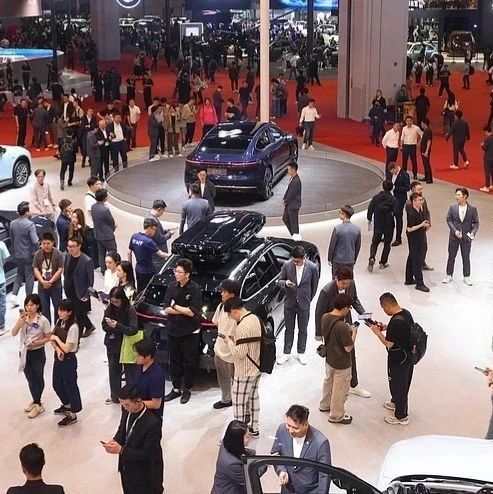
Core Viewpoint - The article discusses the current state of competition in the Chinese electric vehicle (EV) market, highlighting a shift from aggressive price wars to a focus on product quality and brand strength as companies prepare for the second half of the year [2][12]. Sales Performance - In July, major EV manufacturers like BYD and Geely reported significant sales figures, with BYD selling 344,296 units, a 9.7% decrease from June, while Geely's new energy vehicle sales exceeded 130,000 units, with the Galaxy brand alone contributing 95,043 units, a 237% year-on-year increase [7][10]. - New entrants like Xiaomi and Leap Motor showed impressive growth, with Leap Motor achieving a record delivery of 50,129 units, marking a 126% year-on-year increase, and Xiaomi's sales reaching over 30,000 units, a 200% increase [6][10]. Competitive Landscape - The article notes that while some companies like Leap Motor and Xiaomi are thriving, others like Li Auto and Aion are facing challenges, with Li Auto's sales down 40% year-on-year and Aion struggling due to market saturation [8][10]. - The competition is expected to intensify in the second half of the year, with many companies preparing to launch new models to capture market share before the end of the current purchasing cycle [9][12]. Market Trends - The article emphasizes a transition from price-based competition to a focus on product features and customer service, indicating that companies must adapt to survive in the evolving market [12]. - Upcoming months are seen as critical for manufacturers to solidify their positions, with a variety of new models set to launch, targeting family-oriented consumers and the growing demand for electric vehicles [12].
锂电负极行业首份半年报出炉,翔丰华毛利率下降6个百分点
Hua Xia Shi Bao· 2025-08-02 12:22
Core Viewpoint - Xiangfenghua (300890.SZ) reported its first half-year loss since its listing, with a revenue of 688 million yuan, a 2.8% year-on-year decline, and a net profit of -2.95 million yuan, a 107.7% year-on-year decrease, indicating significant challenges in the anode materials industry due to rising raw material costs and oversupply [3][4][5]. Company Performance - In the first half of 2025, Xiangfenghua's gross margin fell to 12.35%, down 6.23 percentage points from the previous year, while operating costs increased by 4.17 percentage points [5]. - The company experienced a significant drop in its net profit, with a non-recurring net profit of -14.80 million yuan, primarily due to non-operating income of 11.85 million yuan, including government subsidies [6][7]. - Xiangfenghua's market share is in the middle of the industry, with a production capacity utilization rate of 83.43% in 2024, and it shipped 68,900 tons that year [4]. Industry Context - The anode materials industry is facing oversupply and intense competition, leading to a divergence in performance among companies, with leading firms maintaining profitability while smaller firms struggle [4][10]. - The average gross margin for major listed companies in the industry was 22.26% in 2024, highlighting the pressure on margins due to rising costs and competitive pricing [5]. - The industry has seen a significant increase in production capacity, with output rising from 450,000 tons in 2020 to 1.89 million tons in 2024, resulting in a 320% increase [9]. Market Dynamics - The price of petroleum coke, a key raw material, surged over 70% in early 2025, impacting the cost structure of anode manufacturers [7]. - Despite a slight recovery in raw material prices in the second quarter, the overall profitability of the anode industry remains under pressure due to oversupply and price wars [8][9]. - High-end products are more profitable, with companies like Zhongke Electric maintaining profitability through premium offerings, while lower-end products struggle to generate profit [10].

对话黄勇:整治“内卷式”竞争核心是破除内卷,而非消灭竞争
Nan Fang Du Shi Bao· 2025-08-02 09:20
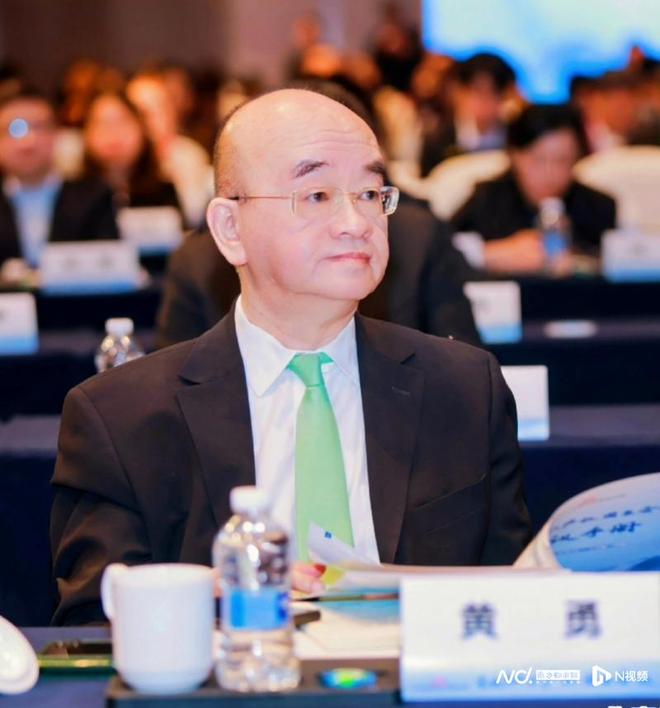
今年7月份以来,多场中央重要会议持续释放整治"内卷式"竞争的信号,并明确指向"治理企业无序竞 争""推进重点行业产能治理","规范地方招商引资行为"。 落实中央部署,监管部门在"反内卷"方面也有所行动。8月1日,国家发改委表示,正在统筹采取修订法 律、出台政策、完善标准、强化行业自律等举措,加快推动整治"内卷式"竞争问题。 同一天,多家外卖平台集体发文,抵制行业无序竞争,承诺进一步规范补贴行为。此前,针对外卖行业 竞争存在的问题,市场监管总局曾两度约谈外卖平台,要求企业理性参与竞争。 不只外卖行业,从水泥、钢铁、汽车到光伏,多个行业掀起"反内卷"之风。与传统产业相比,平台经济 领域的"价格战"有何特点?为治理"内卷式"竞争,相关法律和政策如何发力?从"卷"价格到"卷"价值, 如何引导企业如何跳出"内卷"怪圈?地方政府在反"内卷式"竞争中又发挥何种作用? 图为对外经济贸易大学竞争法中心主任、法学院教授黄勇。 围绕这些热点问题,南都·反垄断前沿近日专访了对外经济贸易大学竞争法中心主任、法学院教授黄 勇。黄勇研究竞争法、经济法已有40多年,是反垄断领域的知名专家。 南都:价格竞争是市场经济中常见的竞争手段,也并非所 ...
长城汽车欲造超跑:一场高端化棋局?
Zhong Guo Jing Ying Bao· 2025-08-01 20:56
Core Viewpoint - Great Wall Motors is exploring high-end and international strategies to counteract profit pressures amid ongoing industry price wars, with potential collaborations and new luxury vehicle initiatives being key focal points [2][6][8]. Group 1: Financial Performance - In the first half of 2025, Great Wall Motors reported revenue of 92.37 billion yuan, a slight year-on-year increase, while net profit decreased by 10.48% to 6.337 billion yuan, and non-recurring net profit fell significantly by 36.62% [2][8]. - The automotive industry is experiencing a decline in profit margins, with the profit rate dropping from 5.0% in 2023 to 3.9% in the first quarter of 2025 [7]. Group 2: Strategic Moves - Great Wall Motors is rumored to be collaborating with Faraday Future to enter the U.S. market, which could help mitigate high tariffs and leverage supply chain advantages [2][6]. - The company has established a new "Great Wall Luxury Car Business Group" focused on hybrid and new energy products, including supercars, under the leadership of Chairman Wei Jianjun [4]. Group 3: Market Positioning - The luxury supercar market is relatively small but offers high profit margins, which could alleviate the current profitability challenges faced by automakers [4][5]. - Great Wall Motors aims to enhance its brand image through high-end vehicles, potentially allowing for downward market penetration to mainstream segments [4][5]. Group 4: Sales and Market Dynamics - In the first half of 2025, Great Wall Motors sold 569,800 vehicles, a year-on-year increase of 1.81%, with the Haval brand contributing 56.4% of total sales [9]. - Despite the sales growth, the company has faced challenges in translating this into profit, attributed to increased investments in new products and marketing efforts [9].


新势力车企7月放榜:零跑首破5万大关,小米汽车同比翻三倍
Ge Long Hui A P P· 2025-08-01 12:37
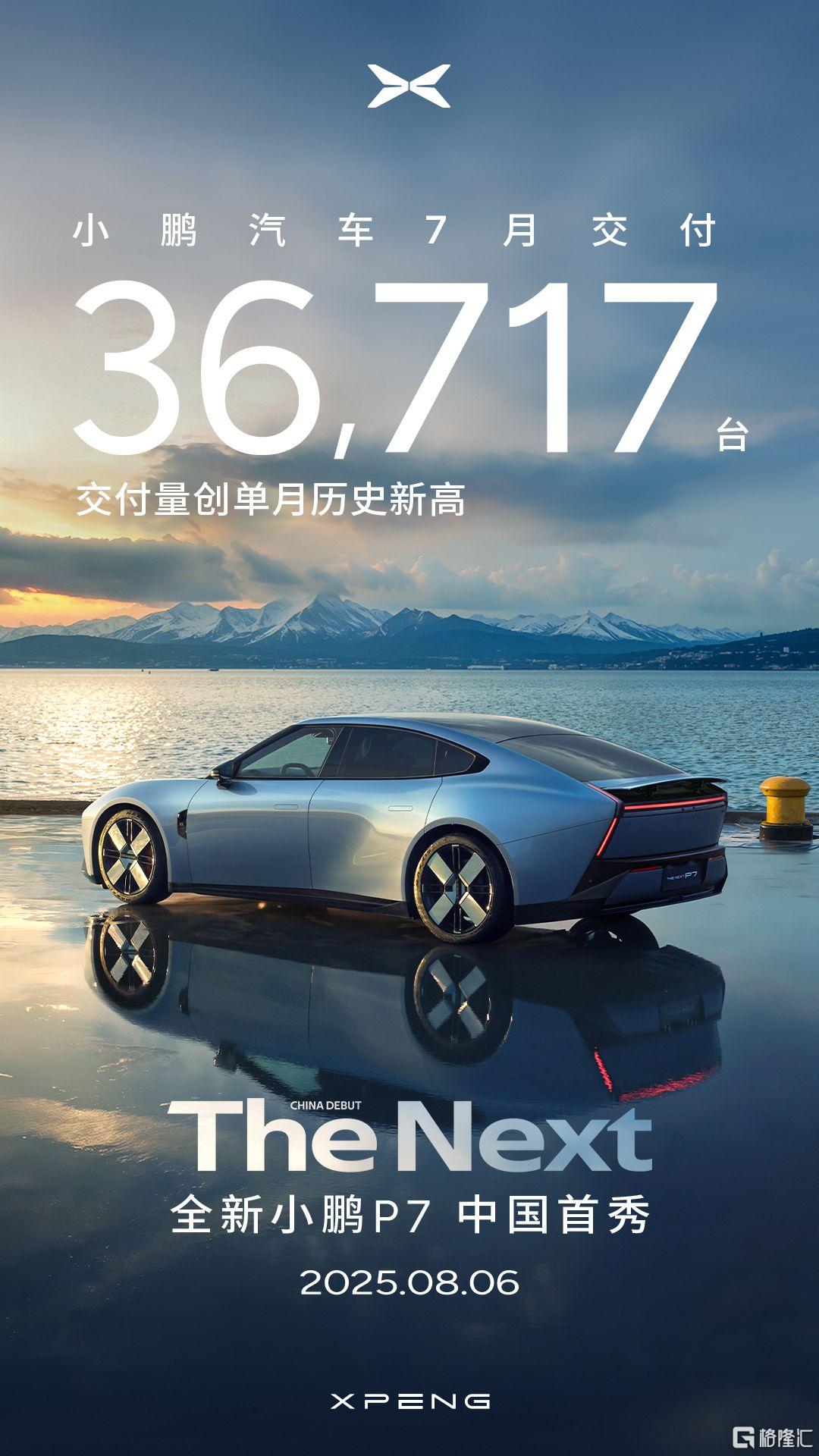
Group 1: Company Performance - Xiaopeng Motors achieved a record monthly delivery of 36,717 vehicles in July, marking a 229% year-on-year increase and a 6% month-on-month increase, with total deliveries for the year reaching 233,906 units, up 270% [1][4] - Leap Motor's July deliveries reached 50,129 units, a year-on-year increase of over 126%, marking its first time surpassing 50,000 units in a month, with total deliveries for the year at 271,793 units [4][7] - Xiaomi Motors reported over 30,000 vehicle deliveries in July, tripling from 10,000 units in the same month last year, with production capacity expected to ramp up significantly [7][10] - Li Auto delivered 30,731 vehicles in July, a 39.74% year-on-year decrease from 51,000 units in the same month last year, with total cumulative deliveries reaching 1,368,541 units [12] - NIO delivered 21,017 vehicles in July, with year-to-date deliveries of 135,167 units, reflecting a 25.2% year-on-year increase [12][14] Group 2: Market Trends - The automotive industry is experiencing a price war, with over 60 models having price cuts in the first four months of 2025, escalating to over 100 models in May [15][17] - The China Automotive Association noted that July's retail sales for narrow passenger vehicles were approximately 1.85 million units, a 7.6% year-on-year increase, while new energy vehicle sales are expected to reach 1.01 million units, with a penetration rate of about 54.6% [18]





蜜雪想再造一个“蜜雪”
经济观察报· 2025-08-01 12:27
Core Viewpoint - The article discusses the challenges and strategies of Luckin Coffee, a brand under Mixue Group, as it aims to expand from lower-tier cities to higher-tier cities, while facing intense competition in the coffee market [2][3]. Expansion Goals - Luckin Coffee has set a target to open 10,000 stores by early 2025, having reached 7,000 stores by the end of July 2023 [4]. - To accelerate store openings, Luckin Coffee has doubled its market personnel to over 400 [4]. Store Opening Strategies - Luckin Coffee has lowered the barriers for opening new stores, offering significant subsidies in key provinces and major cities, with total reductions reaching up to 34,000 yuan per store in cities like Beijing and Shanghai [5]. - The company has organized its expansion strategy by dividing regions into areas with 1,000 to 3,000 stores, assigning market personnel to support franchisees [5]. Product and Pricing Strategy - Luckin Coffee aims to provide high-quality coffee at affordable prices, reducing the price of its medium Americano from 8 yuan to 5 yuan and large latte from 12 yuan to 9 yuan [6]. - The brand has successfully launched popular products, such as the coconut latte, which became its first product to exceed 100 million yuan in sales [9]. Market Positioning - Initially targeting lower-tier cities, Luckin Coffee filled a market gap where few chain coffee shops existed [10]. - The brand's rapid expansion was supported by favorable market conditions, including lower rental costs [9]. Competitive Landscape - In 2023, the coffee market saw significant changes with competitors like Luckin and Kudi aggressively expanding, while Luckin Coffee adopted a more cautious approach to maintain franchisee stability [11][12]. - Despite facing a price war, Luckin Coffee maintained a competitive advantage with an average cup price of around 7 yuan [11]. Marketing and Promotions - In response to the competitive pricing environment, Luckin Coffee launched a promotional campaign offering all items at 6.6 yuan, resulting in a significant increase in sales and new user acquisition [14]. - The company has implemented cost-saving measures, such as using semi-automatic coffee machines to reduce equipment costs [15]. Brand Strategy - Mixue Group chose to create an independent coffee brand rather than adding coffee products to its existing tea brand to avoid internal competition [18]. - The company believes that having more stores is essential for its raw material business model, which relies heavily on sales to franchisees [19]. Market Potential - The coffee market in China is expected to grow significantly, with per capita coffee consumption projected to increase [20]. - Luckin Coffee benefits from a strong supply chain shared with Mixue Group, enhancing its operational efficiency [20].
美团、淘宝、饿了么集体发声!
Jin Rong Shi Bao· 2025-08-01 11:52
Core Viewpoint - Major food delivery platforms such as Meituan, Taobao, and Ele.me have collectively committed to regulating promotions and limiting subsidy behaviors to foster healthy competition in the industry [1][2][4] Group 1: Industry Response and Actions - On August 1, Meituan, Taobao, and Ele.me issued statements promising to "regulate promotions" and introduced measures to limit subsidies, including avoiding irrational promotional activities and not selling goods and services at prices significantly below cost [1] - The State Administration for Market Regulation had previously conducted talks with these platforms, urging them to further regulate promotional activities and participate in rational competition [2] - Following the talks, marketing activities across the platforms showed varying degrees of contraction, although large subsidies like zero-yuan purchases and significant discounts continued, with merchants bearing about 70% of the subsidy costs [2] Group 2: Market Trends and Observations - Recent commentary from Xinhua Daily and People's Daily highlighted the ongoing price wars in the food delivery sector, indicating that such competition has not generated consumer growth and has led to profit challenges for platforms and merchants [3] - The upcoming "Autumn First Cup of Milk Tea" event on August 7 is expected to be a significant marketing period, with Taobao already launching promotions featuring celebrity endorsements [3][4] - Industry analysts suggest that the "Autumn Battle" could evolve into a new milk tea delivery war, with the collective statements from the platforms serving as a preemptive reminder of anti-involution policies [4]


蜜雪想再造一个“蜜雪”
Jing Ji Guan Cha Wang· 2025-08-01 11:34
Core Viewpoint - The company aims to replicate the success of its tea brand, Mixue, with its coffee brand, Lucky Coffee, targeting 10,000 stores by 2025, despite facing a competitive market environment with established players like Luckin and Kudi [2][14]. Expansion Strategy - As of July 2023, Lucky Coffee has reached 7,000 stores and plans to double its market personnel to over 400 to accelerate store openings [3]. - The company has lowered the franchise fee to 17,000 yuan for new stores signed before August 1, 2023, and offers various subsidies in key provinces and major cities, with total discounts reaching up to 34,000 yuan in six major cities [3][14]. - Lucky Coffee has organized its expansion strategy by dividing regions into areas with 1,000 to 3,000 stores, assigning market personnel to support franchisees in operations and marketing [3]. Market Positioning - Lucky Coffee was established in 2017 and became an independent brand under Mixue Group in 2020, with a vision to provide high-quality, affordable coffee globally [4][5]. - The brand initially focused on lower-tier cities and university towns, filling a market gap where few chain coffee shops existed [13]. Pricing Strategy - Lucky Coffee has significantly reduced prices, with medium Americanos dropping from 8 yuan to 5 yuan and large lattes from 12 yuan to 9 yuan [6]. - In response to market competition, Lucky Coffee launched a promotional campaign offering all items at 6.6 yuan, resulting in a 44% increase in sales on the first day [16][17]. Competitive Landscape - The coffee market has become increasingly competitive, with major players like Luckin and Kudi rapidly expanding their store counts, while Lucky Coffee has seen a decline in new store openings [14][15]. - Despite the competitive pressure, Lucky Coffee maintains a competitive advantage with an average cup price of around 7 yuan [14]. Supply Chain and Operational Efficiency - Lucky Coffee benefits from a shared supply chain with Mixue Group, which enhances its operational efficiency and cost management [23]. - The company has opted for semi-automatic coffee machines to reduce costs, contrasting with competitors who have switched to more expensive fully automatic machines [18]. Financial Performance and Future Outlook - Mixue Group's revenue model heavily relies on selling equipment and raw materials to franchisees, with franchise fees contributing only 2.5% of total revenue [21][22]. - The company anticipates significant growth potential in the coffee market, with projections indicating a future increase in store numbers [22].
8月起,中国将迎来“四大降价潮”?除汽车外,这3类也降价
Sou Hu Cai Jing· 2025-08-01 06:11
Economic Overview - As of June 2025, China's broad money supply (M2) reached 330.29 trillion yuan, growing by 8.3% year-on-year, indicating significant monetary expansion [1] - Despite the monetary expansion, the Consumer Price Index (CPI) showed a slight decline of 0.1% year-on-year, suggesting a deflationary trend in the economy [1][3] Reasons for Price Decline - The lack of inflation despite monetary expansion is attributed to two main factors: a significant portion of the newly issued money is circulating within the financial system and not reaching the broader economy, and a slowdown in income growth leading to reduced consumer demand [3] - The combination of excess inventory and declining consumer demand has forced companies to lower prices to stimulate sales [3] Price Decline in Key Sectors Automotive Sector - A price war has erupted in the automotive market, with domestic mid-range cars seeing price cuts of 20,000 to 30,000 yuan, while imported luxury cars are reduced by 80,000 to 100,000 yuan [7] - The price war is driven by the influx of new energy vehicles, reduced income among middle-class families, and intensified competition from tech companies entering the automotive space [7] Real Estate Market - The real estate market has been in a long-term adjustment since 2022, with average national housing prices dropping over 30% by mid-2025, and some cities experiencing declines exceeding 60% [10] - Contributing factors include an oversupply of housing, high price-to-income ratios, and a loss of investment appeal in real estate [10] Small Appliances - The small appliance sector is experiencing a price decline of 10% to 15%, with products like washing machines and refrigerators being affected [12] - Reasons for this trend include stagnant income growth, rapid technological advancements leading to new product releases, and fierce competition among brands [12] Pork Prices - Pork prices have significantly decreased from a peak of 40 yuan per jin to between 17 and 20 yuan per jin, marking a return to more affordable prices for consumers [15] - The decline is driven by overproduction in the pig farming industry and changing consumer preferences towards healthier meat options [15]