去美元化

Search documents
黄金跌了价,2026年2月16日,国内黄金新价格、人民币黄金新价格
Sou Hu Cai Jing· 2026-02-16 21:39
Group 1: Gold Market Prices - As of February 16, 2026, the domestic gold market shows a mixed trend with a real-time trading price of 1119 CNY per gram and a basic gold price set at 1125 CNY per gram [1] - The price range for jewelry brand gold products is between 1300-1579 CNY per gram, with major brands like Chow Tai Fook and Luk Fook uniformly priced at 1529 CNY per gram, while Lao Feng Xiang is slightly higher at 1548 CNY per gram [2] - The Shanghai Gold Exchange reports that the AuT D contract price is 1108.50 CNY per gram, down 1.47% from the previous day, and the Au9999 contract is at 1109.00 CNY per gram, with a decline of 1.20% [2] Group 2: Bank Gold Bar Pricing - Major banks are quoting investment gold bars in the range of 1121-1145 CNY per gram, with differences attributed to handling fees and brand premiums [4] - Among state-owned banks, Industrial and Commercial Bank of China is at 1143.43 CNY per gram, and China Construction Bank at 1141.30 CNY per gram, while joint-stock banks are slightly lower [5] - China Gold and Cai Bai Jewelry report prices of 1139 CNY per gram and 1137 CNY per gram respectively, while jewelry brands like Chow Tai Fook and Lao Feng Xiang have gold bar prices reaching 1342-1403 CNY per gram, exceeding bank channel prices [6] Group 3: Investment Case Studies - Investor Xue Di, with a strategy of gradual accumulation since 2023, turned an initial capital of 2.8 million CNY into over 5.6 million CNY by January 2026, emphasizing gold's value preservation [8] - In contrast, investor Shi Yue faced losses after buying at a high of 1200 CNY per gram, leading to an average cost of 1185.73 CNY per gram and a significant weekly loss [8] - Investor Tian Rui missed the opportunity to purchase gold at 553 CNY per gram in 2023, now facing much higher prices, highlighting the importance of timing in investment success [8] Group 4: Pricing Power Shift and Supply Variables - Since 2025, the pricing logic of gold has undergone structural changes, moving from a negative correlation with U.S. Treasury real interest rates to a new model influenced by global debt levels and central bank gold purchases [9] - In 2025, global gold demand reached a record high of 5002 tons, with central bank purchases of 863 tons stabilizing the market, indicating a shift in the pricing system towards a tripartite structure involving Asian demand, North American demand, and central bank purchases [9] - Supply dynamics are also changing, as seen in Ghana, where gold production reached a record 6 million ounces in 2025, with artisanal mining surpassing large commercial mines, indicating a surge in informal supply channels [10] Group 5: Consumer Awareness and Investment Strategies - Consumers are advised to be cautious of "one-price" gold products that may not clearly indicate weight, potentially leading to high per-gram prices upon resale [12] - For genuine investors, transparency is crucial, with institutions like China Construction Bank and Agricultural Bank of China offering gold bars at only a slight premium over market prices, making them preferable for risk-averse investments [12] - The strategic reserve demand from global central banks, alongside U.S. monetary policy expectations and geopolitical risk factors, supports high gold prices, emphasizing the distinction between jewelry and investment-grade gold [12]






金价跌出46年最差纪录!全球疯狂抛售,中国却连买15个月黄金
Sou Hu Cai Jing· 2026-02-16 18:53
Core Viewpoint - The global gold market experienced a historic crash on January 30, 2026, with gold prices plummeting by over 12% in a single day, marking the largest daily drop since 1983, while silver saw a staggering decline of 26.42%, the worst in nearly 46 years [1][3]. Group 1: Market Reactions - Following the crash, both retail and institutional investors rushed to sell gold to protect their investments, leading to widespread panic in the market [3][4]. - The futures market saw over 220,000 accounts liquidated due to excessive leverage, resulting in estimated losses exceeding $5 billion [1]. Group 2: China's Gold Accumulation - In stark contrast to the global panic, the People's Bank of China reported an increase in gold reserves to 7.419 million ounces (approximately 2307 tons) as of the end of January, marking a 15-month streak of steady accumulation [3][4]. - This strategic accumulation is viewed as a deliberate financial strategy to enhance national financial security amidst global geopolitical uncertainties [3][6]. Group 3: Global Geopolitical Context - The current geopolitical landscape is fraught with instability, including ongoing conflicts in Ukraine and the Middle East, which amplify the appeal of gold as a safe-haven asset [4][6]. - Central banks worldwide have been increasing gold purchases, reflecting collective anxiety over the reliability of the U.S. dollar, with global central bank net gold purchases exceeding 1000 tons annually since 2022 [4][11]. Group 4: China's Financial Strategy - China's strategy to increase gold reserves is part of a broader effort to optimize its foreign exchange reserve structure, which stood at $33.991 trillion as of January 2026, marking a ten-year high [6][9]. - The current gold proportion in China's official international reserves is approximately 9.7%, significantly lower than that of Western countries, indicating room for improvement in reserve diversification [6][9]. Group 5: Operational Strategy - The People's Bank of China has adopted a "small steps, slow walk" approach to gold purchases, which helps control procurement costs and stabilize market volatility [8][9]. - This cautious strategy reflects a strong sense of confidence and strategic foresight in managing financial operations amid global market turbulence [9][12]. Group 6: Global Trends in Gold Reserves - A recent survey indicated that 95% of central banks expect to continue increasing their gold reserves in the coming year, highlighting a global trend towards "de-dollarization" [11]. - The shift in reserve asset preferences, with gold surpassing U.S. Treasury bonds as the primary reserve asset for many central banks, signifies a profound transformation in the global financial landscape [11].
美国翻出114年前旧账想赖债?中国已用6826亿美债持仓给出答案,美方财长坐不住了
Sou Hu Cai Jing· 2026-02-16 18:20
美国债务火山要喷发,却怪中国不还114年前的"冤枉债"?别被话术骗了,真实战场在金融市场:中国美债持仓腰斩,全球央行正集体"抛弃"美元。 1911年,风雨飘摇的大清王朝,国库里实在掏不出银子了。为了把铁路从湖北修到湖南,朝廷硬着头皮,向包括美国花旗银行在内的一帮外国银行团,借了 600万英镑。年息5%,拿海关税和盐税做抵押,签下了一纸债券。 那时候的借款,谈判桌上摆着的不是合同,而是军舰和大炮。这笔所谓的"湖广铁路债券",从出生那天起,就带着深深的不平等烙印。后来,国民党政府陆 陆续续还了几十年,到新中国成立前,其实就剩下个零头。1949年,毛主席在天安门城楼上那句"中国人民站起来了",可不是白说的。对于这类被枪杆子逼 着签下的"恶债",新中国的态度斩钉截铁:一概不认,一分不还! 这个道理,其实国际社会都懂,连美国自己的法院也认。早在1987年,美国联邦最高法院一锤定音,判中国享有主权豁免,那笔旧债在法律上早就成了历史 尘埃。 可谁能想到,一百多年后的今天,这出早已落幕的旧戏,又被一些美国媒体和政客从故纸堆里翻了出来,擦擦灰,当成了新鲜话题。他们的话术听起来挺唬 人:"中国要是赖着百年前的旧债不还,那美国凭什 ...
俄罗斯被曝弃用人民币转投美元,做出危险决定,普京到底打的什么算盘
Sou Hu Cai Jing· 2026-02-16 18:14
Core Viewpoint - The leaked memo from the Russian sovereign wealth fund suggests a willingness to re-establish economic relations with the U.S. post-sanctions, which has caused significant market reactions, particularly in gold and silver prices [1][12][45] Group 1: Economic Context - Russia's gold reserves have drastically decreased from 554.9 tons in May 2022 to 160.2 tons in January 2025, a reduction of 71%, alongside a 25% drop in oil revenues [2] - The bilateral trade between Russia and China surged to over $228 billion in 2025, with Russian gas exports to China surpassing those to Europe for the first time [2][27] - The memo's timing coincides with critical economic indicators and geopolitical events, indicating a strategic maneuver by Russia to test reactions from the U.S. and Europe [11][31] Group 2: Geopolitical Implications - The potential shift back to the dollar system poses a direct challenge to China's interests, as Russia's economic ties with China have deepened significantly [4][7] - The memo's contents, including cooperation in energy and AI, appear to be designed to create divisions within the Western alliance [19][22] - Russia's strategy reflects a balancing act between maintaining ties with China while exploring options with the U.S., indicating a complex geopolitical landscape [37][49] Group 3: Market Reactions - The immediate market response to the memo was a decline in gold and silver prices, reflecting a shift in investor sentiment [12][45] - The document's authenticity remains debated, with no official confirmation, leading to uncertainty in market interpretations [2][36] - The financial implications of the memo are seen as a tool for Russia to exert pressure and gauge responses from the U.S. and Europe [16][42] Group 4: Future Outlook - The memo is viewed as a non-binding proposal rather than a formal policy shift, indicating that Russia is still committed to its long-term strategy of reducing reliance on the dollar [11][29] - The ongoing conflict in Ukraine and the extensive sanctions against Russia limit the feasibility of any immediate economic rapprochement with the U.S. [14][49] - The document's release serves to create uncertainty and test the waters for potential negotiations, rather than signaling a definitive policy change [39][40]
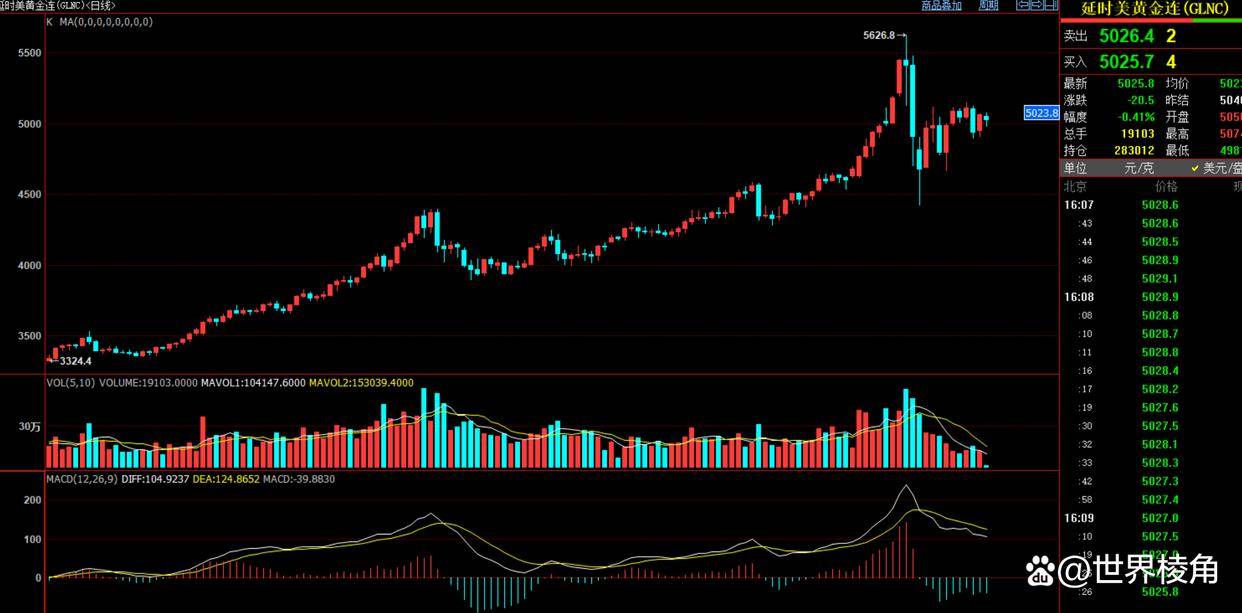
黄金5000美元生死关口:华尔街大佬吵翻了,有人觉得涨到6000,有人警告要跌回3000!这到底是怎么回事?
Sou Hu Cai Jing· 2026-02-16 17:16
最近一个月,黄金市场简直比过山车还刺激。 金价先是像坐火箭一样,冲到了每盎司5600美元以上的历史新高,紧接着就在1月底上演了一场"高台跳水", 一天之内暴跌近10%,一度跌破4500美元。 现在,金价又晃晃悠悠地回到了5000美元这个关键的心理关口附近。 这场史诗级的巨震,让所有投资者都看傻了眼。 更让人摸不着头脑的是,华尔街那些最聪明的大脑们,对黄金未来的看法彻底分裂了。 一边是摩根大通、 美国银行这样的巨头,喊着金价年底能冲到6300甚至7200美元;另一边,花旗的分析师却警告,金价可能腰斩,跌回3000美元。 这到底是怎么回事? 除了央行,一些大行认为推动黄金上涨的根本逻辑——对货币贬值的担忧,依然坚固。 美国银行的首席策略师指出,美国的国家债务规模已经膨胀到惊人 的地步,每分钟的利息支出都超过200万美元。 在这种背景下,黄金被视为对冲美元信用风险的重要工具。 只要这个大背景不变,黄金的牛市就很难说结 束。 然而,看空的一方同样列出了令人心惊的理由。 花旗集团提醒,黄金的估值已经达到了55年来最极端的水平。 他们测算,推动这轮金价上涨的资金流入大 约1万亿美元,但过去三年黄金持有者累积的账面利润高达 ...
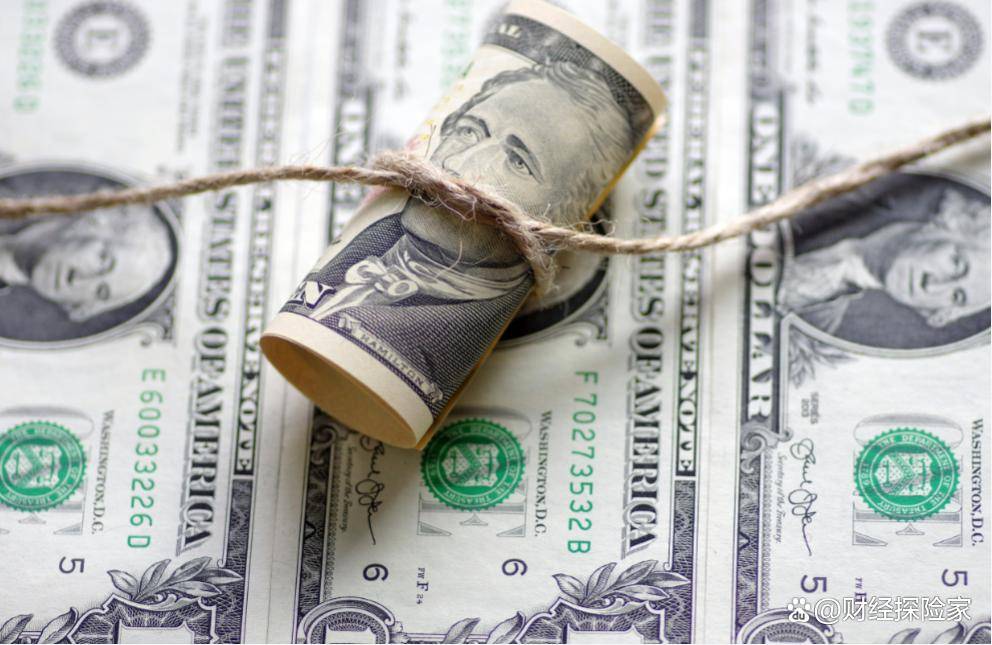
美国激进计划:主动贬值300%清零美债,霸主屈身变乞丐
Sou Hu Cai Jing· 2026-02-16 17:04
Core Insights - The U.S. federal government's interest payments on national debt have surpassed defense spending for the first time in history, with interest payments reaching $879 billion in FY2023 compared to a defense budget of $820 billion [1] - A significant trend of capital outflow from U.S. debt is observed, with major Nordic pension funds reducing their holdings due to concerns over U.S. government unpredictability and rising debt levels [3][4] - The dollar's dominance in global reserves is declining, with its share falling to 56.92% by Q3 2025, the lowest since 1995, while gold holdings by central banks have surpassed U.S. Treasury securities for the first time in decades [6][7] Group 1: U.S. Debt and Interest Payments - The U.S. national debt has exceeded $38.5 trillion, equating to approximately $113,000 per citizen, growing at a rate of nearly $72,000 per second [7][8] - Interest payments for Q1 FY2026 reached $270.3 billion, averaging $29.4 billion daily, with projections indicating annual interest payments could exceed $1 trillion for the first time [8][10] - The rising interest burden is attributed to the refinancing of low-interest debt issued during the pandemic, which is now maturing in a high-interest rate environment [10] Group 2: Global Investment Trends - Major global investors, including pension funds from Sweden and Denmark, are divesting from U.S. debt, with significant reductions in holdings due to fears of U.S. fiscal instability [3][4] - A survey by Morningstar indicates that 40% of institutional investors are reducing their exposure to dollar assets, with concerns over U.S. trade policies and government actions being primary factors [3] - The trend of capital flight is leading to increased investments in gold and other non-dollar assets, reflecting a shift in risk perception among global investors [4][6] Group 3: Economic Implications of Dollar Depreciation - There are discussions within Washington about a drastic 300% devaluation of the dollar as a potential solution to the debt crisis, which could significantly reduce the real value of U.S. debt [11][12] - Such a devaluation would lead to skyrocketing prices for imported goods, severely impacting the cost of living for American households and eroding the value of financial assets held by the middle class [12][14] - The potential for a dollar devaluation raises concerns about the long-term credibility of the U.S. as a stable currency issuer, which could accelerate the global trend of "de-dollarization" [14][18]
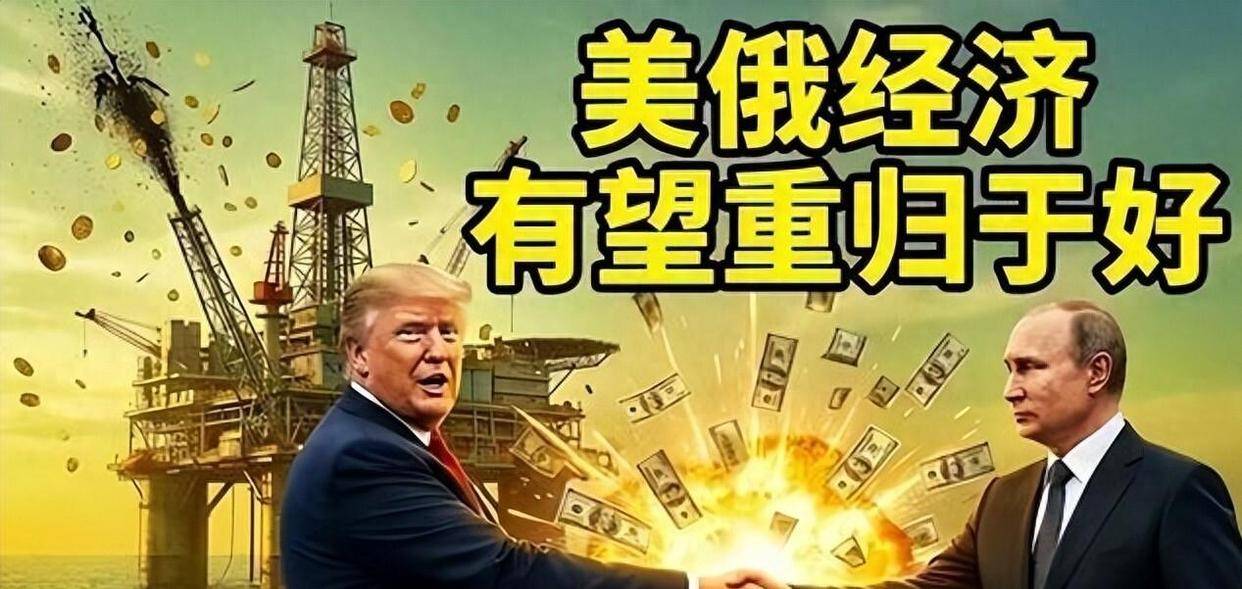
内部文件曝光,俄罗斯被曝要弃人民币拥抱美元,向美国递出投名状?普京打的什么算盘
Sou Hu Cai Jing· 2026-02-16 16:56
Core Viewpoint - An internal memorandum leaked by Bloomberg reveals a potential 180-degree shift in Russia's post-war economic strategy, considering a return to the dollar settlement system, including for energy transactions [1][3]. Group 1: Proposed Economic Cooperation - The document, referred to as the "Dmitriev Plan," outlines a comprehensive list of cooperation across seven sectors, including long-term aviation contracts, joint ventures in oil and LNG, and collaboration in nuclear energy and AI projects [3]. - A key condition for this cooperation is the establishment of a ceasefire agreement in the Russia-Ukraine conflict and the gradual lifting of sanctions against Russia, including the removal of major Russian banks from the SWIFT system and the unfreezing of approximately $300 billion in overseas assets [3]. Group 2: Market Reactions - Following the news, gold prices dropped significantly, falling below the critical psychological level of $4,800 per ounce, with silver and other precious metals also declining [6]. - Market traders interpreted Russia's potential return to the dollar as a move that would strengthen the dollar's status as a global reserve currency and reduce geopolitical risks, thereby diminishing gold's appeal as a safe-haven asset [6]. Group 3: Economic Context - The pressure for this shift stems from Russia's economic situation, with oil export revenues projected to decline by approximately 24% year-on-year by 2025, and GDP growth slowing to 1% [7]. - The Russian National Wealth Fund, which has been heavily utilized for military expenses and budget deficits, has seen its gold reserves plummet from over 500 tons to just over 100 tons [7]. Group 4: Political Implications - The Kremlin views the potential for a more business-oriented U.S. administration under Trump as an opportunity to negotiate a favorable deal, with the plan designed to appeal to U.S. interests, such as compensating American companies for losses incurred during the conflict [8]. - Some Western officials suspect that the ambitious commitments in the plan may serve as bait to entice negotiations with Trump, with certain proposals aimed at creating rifts between the U.S. and its European allies [10]. Group 5: Strategic Considerations - The memorandum's content poses a significant challenge to China's interests, as it suggests a return to dollar transactions in key energy trades, conflicting with China's push for de-dollarization in its trade with Russia [10]. - The document reflects Russia's pragmatic approach to foreign policy, prioritizing national survival over ideological alliances, indicating a potential shift in its diplomatic strategy [12].
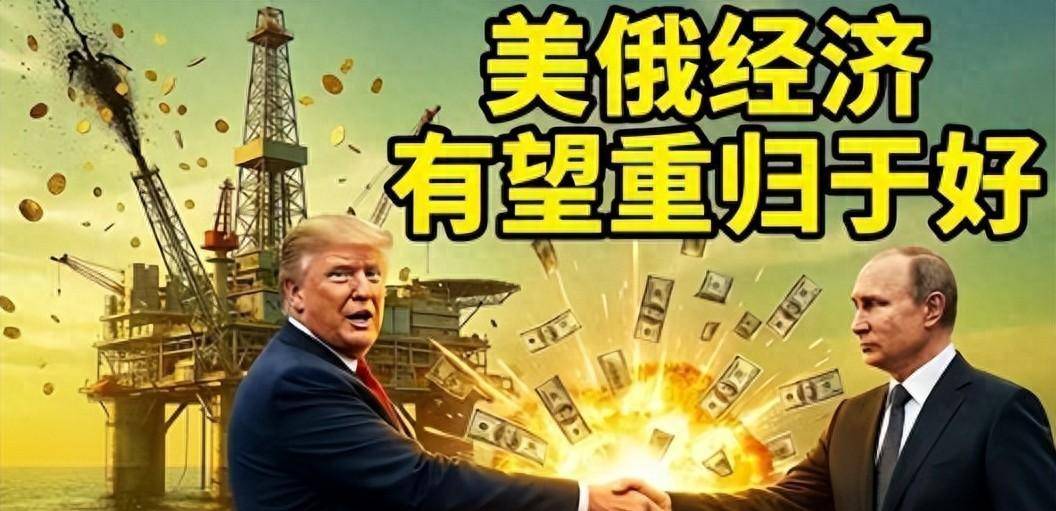
普京突然改口!俄罗斯竟要重回美元怀抱?对人民币的伤害有多大?
Sou Hu Cai Jing· 2026-02-16 13:41
彭博社2月12日爆出消息,一份俄罗斯内部备忘录在高层传阅,核心想法是重返美元结算体系。这份文 件是今年起草的,列出七个合作领域,条件是跟美国达成更广的经济伙伴关系,还得先结束乌克兰冲 突。俄罗斯想用这个换取制裁松绑和市场准入,备忘录里特别提到能源交易可能重新用美元。 这份备忘录不是正式提案,只是克里姆林宫内部的思路梳理。俄罗斯过去几年大力去美元化,减持美 债,囤黄金,跟中国和印度推本币结算。现在突然松口,表面看是政策大转弯,其实是现实压力下的调 整。美元在全球能源市场还是最顺手的工具,俄罗斯想多卖油气,就得考虑怎么让交易更流畅。 俄罗斯经济这些年被制裁咬得很紧。外汇储备里黄金占比高,人民币排第二,但实际操作中,很多渠道 还是卡着。备忘录提出联合开发天然气、离岸石油,还有锂铜镍铂这些矿产,明显是想拉美国公司进来 分一杯羹。俄罗斯手里这些资源多,美国那边也缺,双方各取所需。 克里姆林宫发言人第二天回应,说这是缓和立场的信号,美国企业确实想回去做生意。话说得客气,但 潜台词很清楚:俄罗斯需要更大外汇池子,减少波动。去美元化喊了这么久,现在又想部分回来,说明 单一路径走不通。 对人民币来说,中俄贸易量大,本币结算比例 ...
2024年美元指数大幅下跌的主要原因是什么?
Sou Hu Cai Jing· 2026-02-16 07:30
Group 1 - The core viewpoint of the article highlights the significant decline of the US dollar index in 2024, attributed to a combination of internal policy challenges and structural shifts in the global financial order [1] Group 2 - Policy mismanagement is evident through the trade protectionism and political interference, with the tariff war initiated by the Trump administration leading to a loss of confidence in the dollar [2] - The Federal Reserve's independence has been compromised due to political pressure, resulting in a 9.4% decline in dollar assets in 2024, marking the worst performance in eight years [3] Group 3 - A structural crisis is unfolding with a rising debt bubble, as US national debt exceeds $38 trillion, and the fiscal deficit has increased by $3.2 trillion due to the "Industrial Revitalization Act" [4] - The global monetary system is undergoing a transformation, with the dollar's share in global foreign exchange reserves dropping to just above 40%, the lowest since the 1970s [5] Group 4 - Market mechanisms are shifting, with expectations of interest rate cuts leading to capital flight from the dollar towards emerging market assets and commodities [6] - The traditional safe-haven status of the dollar is being undermined, as geopolitical tensions have not strengthened the dollar but instead led to a 65% surge in gold prices [7] Group 5 - Economic realities reveal a divergence in data, with the long-term overvaluation of the dollar masking structural imbalances in the US economy, where only the top 20% of income earners are driving growth [9] - Trust among allies has eroded, with European nations accelerating financial autonomy in response to US political actions, resulting in a 47% increase in capital inflows to Asian stock markets [10] Group 6 - The conclusion indicates that the decline of the dollar is not merely a cyclical adjustment but signifies the end of the "American exceptionalism," with ongoing policy inconsistencies and a debt bubble threatening the dollar's valuation [11]

痛击美元霸权!全球各大央行不约而同抛售美债,美国进退两难
Sou Hu Cai Jing· 2026-02-16 06:01
Core Insights - The latest report from the U.S. Treasury reveals a significant trend of major global holders of U.S. Treasury bonds, including China, Japan, Brazil, and Switzerland, selling off their holdings, indicating a broader reduction in U.S. debt ownership among central banks worldwide [1] - China has notably reduced its U.S. Treasury holdings for six consecutive months, falling below the $1 trillion mark for the first time in 12 years [1] Group 1: Economic Implications - Continued reduction of U.S. Treasury holdings by global central banks poses a serious challenge to the credibility of the U.S. dollar, potentially increasing borrowing costs for the U.S. government and creating uncertainty for the U.S. economic recovery [3] - The total U.S. national debt has surpassed $30 trillion, exceeding 130% of the U.S. GDP, indicating a precarious financial situation that could lead to a debt default and economic crisis [5] Group 2: Contributing Factors - The aggressive interest rate hikes by the Federal Reserve have not effectively curbed inflation, leading to concerns that high interest on U.S. debt may become an unsustainable burden [5] - The freezing of Russian assets by the U.S. and its allies has undermined trust in the Western financial system, prompting countries to reduce their U.S. debt holdings [7] - Global geopolitical tensions, including the Russia-Ukraine conflict and rising tensions in the Middle East, have accelerated the trend of de-dollarization, with countries seeking alternatives to the U.S. dollar as a reserve currency [9]