关税战

Search documents
杨德龙:本轮牛市启动的背后逻辑
Xin Lang Ji Jin· 2025-09-01 03:04
Market Overview - The recent market rally has seen the index break through key levels of 3600, 3700, and 3800 points, with trading volumes exceeding 3 trillion yuan [1] - After reaching 3800 points, the market has shown signs of adjustment, indicating a slow bull market rather than a rapid and short-lived rally [1] Driving Factors - The rally is driven by two main factors: favorable policies that boost investor confidence in economic recovery and significant capital inflows [1] - Five main sources of capital inflow have been identified: 1. Institutional investors, particularly insurance funds, increasing their positions in large-cap blue-chip stocks [1] 2. A shift of 1.1 trillion yuan in household deposits from savings to capital markets, with non-bank deposits increasing by 2.14 trillion yuan [1] 3. Funds flowing from the real estate market due to its current downturn, with investors seeking opportunities in the stock market [2] 4. Capital moving from the bond market to equities as bond prices decline [2] 5. Funds from traditional industries, especially those facing overcapacity, seeking opportunities in the capital market [2] Market Sentiment - Despite the influx of capital, investor sentiment remains divided, with both bullish and bearish perspectives present [3] - The current market is characterized as being in the early stages of a bull market, with the Shanghai-Shenzhen 300 index's price-to-earnings ratio around 14.5, below historical averages [3] Market Dynamics - The current market is expected to exhibit a slow upward trend, potentially lasting two to three years, contrasting with the rapid bull markets of the past [4] - The margin financing balance has surged to over 2.2 trillion yuan, nearing historical highs, which raises concerns about excessive leverage [4][5] Economic Context - The global economic landscape is influenced by trade tensions, particularly the U.S.-China trade war, which has led to adjustments in export structures and a decrease in reliance on U.S. exports [6] - Domestic economic recovery is indicated by a 30% increase in sales of products under the "trade-in" program, although overall consumer spending remains subdued [6] Sector Focus - The current market is seen as a "technology bull market," with significant growth in sectors such as robotics, semiconductors, and artificial intelligence, while traditional industries face challenges [8][9] - Investment strategies should focus on emerging sectors with growth potential, while avoiding traditional industries that are in decline [9]
推进立法,取消美国工业品关税,欧盟投降了?引发内部强烈反对,多个成员国批评软弱
Sou Hu Cai Jing· 2025-09-01 03:01
Group 1 - The EU is proposing legislation to eliminate tariffs on US industrial goods, leading to internal backlash from member states like Germany and France, questioning whether this signifies a concession to the US [1][3] - The trade agreement announced on August 21 between the EU and the US imposes a 15% base "reciprocal tariff" on EU goods, with additional tariffs of up to 50% on steel and aluminum products, indicating a significant concession from the EU [1][3] - The EU's dependency on the US market is highlighted, with exports to the US amounting to $370 billion, representing 13% of total exports, and a trade surplus of $245.9 billion, which creates a lack of negotiating power for the EU [3][5] Group 2 - The EU's defense spending is also heavily reliant on the US, with NATO members expected to increase defense budgets to 5% of GDP, further entrenching the EU's dependence on American products and military support [5] - Internal divisions within the EU hinder effective countermeasures against US trade policies, as member states prioritize their own interests over collective action, leading to a "divide and conquer" strategy by the US [5][7] - The EU's concessions in the trade agreement are expected to negatively impact its economy, with a projected annual GDP loss of 0.3% in the short term and 0.1% in the long term, as European companies may relocate investments to avoid high tariffs [7][8] Group 3 - The agricultural sector in Europe feels neglected in the trade agreement, as it faces the same 15% tariffs on exports to the US, while the automotive industry appears to benefit the most, creating tensions among different sectors [8]

特朗普突然翻脸了!绝没想到中国这么“狠”,稀土掐住美国的脖子
Sou Hu Cai Jing· 2025-08-31 03:06
Group 1 - Trump's unpredictable behavior is highlighted, oscillating between goodwill gestures and threats, such as proposing to impose a 200% tariff on China if demands are not met [1][3][4] - During discussions with South Korean President Yoon Suk-yeol, Trump acknowledged China's dominance in the rare earth sector, admitting that the U.S. is constrained by this reality [4][10] - Yoon's visit to the U.S. is seen as an effort to balance relations between the U.S. and China, emphasizing that the U.S.-South Korea alliance does not necessitate severing ties with China [6][8] Group 2 - Trump's threats regarding tariffs coincide with the timing of new U.S.-China trade negotiations, suggesting a strategy to strengthen his position ahead of talks [11] - The South Korean delegation is focusing on the shipbuilding industry as a key area for cooperation, with a slogan aimed at revitalizing U.S. shipbuilding, which Trump responded positively to [8] - China's response to Trump's tariff threats was calm and measured, indicating a strategic approach to avoid escalating tensions [10]
中美第四轮谈判结果出炉,美国又一次对华低头,延长到11月29日
Sou Hu Cai Jing· 2025-08-30 18:07
Group 1: Trade Relations and Tariffs - The U.S. has extended the tariff exemption period for certain Chinese goods until November 29, indicating a willingness to negotiate and showing its economic dependence on China [3][5] - The U.S. is not able to effectively pressure China in the trade war, as evidenced by the latest concessions made by the U.S. in the ongoing negotiations [4][5] - The U.S. imports approximately $500 billion worth of goods from China, highlighting the deep-rooted economic ties between the two countries [12] Group 2: Strategic Concerns and Industry Impact - The U.S. semiconductor industry has expressed concerns that restrictions on Chinese rare earth exports could lead to a loss of $300 billion in revenue, showcasing the industry's reliance on Chinese materials [8] - The U.S. government's mixed signals in negotiations reflect a strategic anxiety, as it seeks to balance pressure tactics with the necessity of maintaining supply chain relationships with China [6][12] - China's dominance in the rare earth market, controlling about 70% of global production and 90% of refining, poses a significant challenge for U.S. economic strategies [12] Group 3: Future Outlook - The future of U.S.-China economic relations will depend on the U.S. recognizing the interdependent nature of their economies and finding better cooperation methods [13]
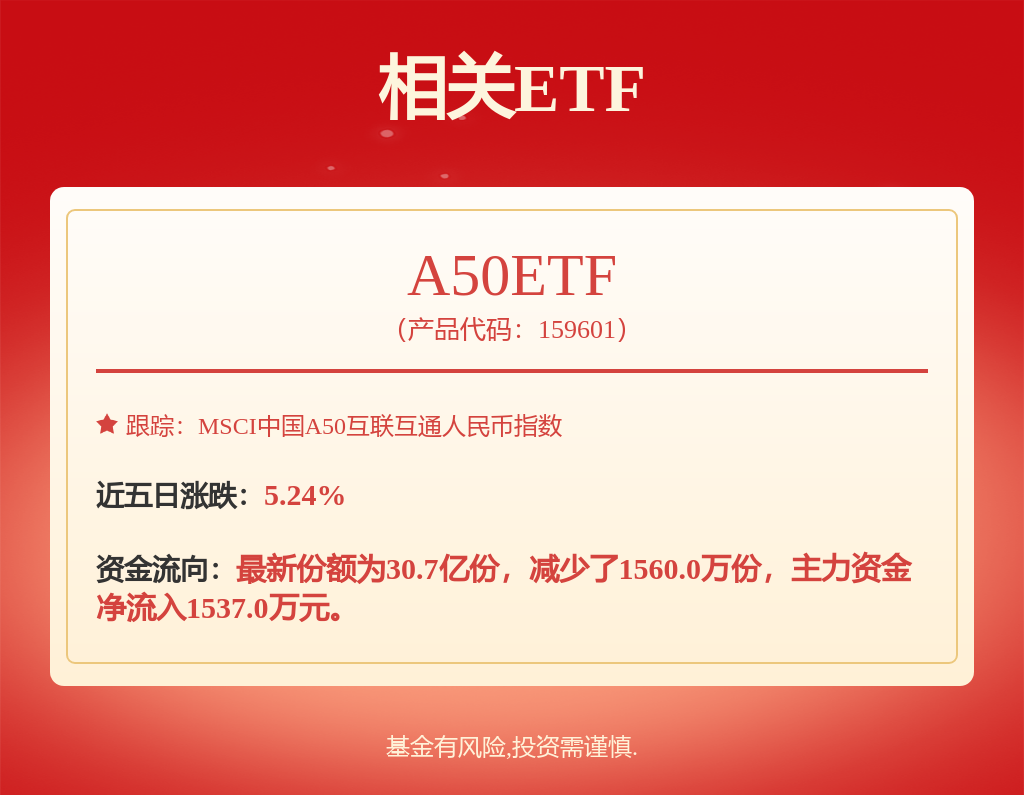
A50ETF: 华夏MSCI中国A50互联互通交易型开放式指数证券投资基金2025年中期报告
Zheng Quan Zhi Xing· 2025-08-29 10:04
Fund Overview - The fund is named "Huaxia MSCI China A50 Interconnection ETF" and was established on November 1, 2021, with a total fund share of 3,699,588,073.00 shares as of the report date [1][2] - The fund aims to closely track the MSCI China A50 Interconnection Index, targeting an absolute tracking deviation of no more than 0.2% on a daily basis and an annual tracking error of no more than 2% [1][2] - The fund employs various investment strategies, including full replication, alternative strategies, and investment in derivatives [1][2] Financial Performance - The fund achieved a realized income of 126,423,995.03 RMB and a profit of 25,269,600.18 RMB during the reporting period from January 1, 2025, to June 30, 2025 [2][3] - The net asset value at the end of the reporting period was 3,100,756,949.39 RMB, with a net asset value per share of 0.8381 RMB [2][3] - The fund's cumulative net value growth rate since inception is -16.19%, with a net value growth rate of 0.87% for the reporting period [2][3] Market Context - The macroeconomic environment showed a GDP growth of 5.3% year-on-year, with fluctuations in PMI and low inflation levels [11] - The fund's investment strategy is influenced by market conditions, including the impact of trade wars and the performance of various sectors such as artificial intelligence and new consumption [11][12] - The fund's tracking deviation was +1.11%, primarily due to dividend distributions, operational expenses, and adjustments in index composition [12] Management and Operations - The fund is managed by Huaxia Fund Management Co., Ltd., which has extensive experience in managing ETF products and a wide range of investment strategies [3][4] - The fund's liquidity service providers include several major securities firms, ensuring market liquidity and stability [11] - The fund management adheres to strict compliance with regulations and maintains a commitment to fair trading practices [9][10] Future Outlook - The fund anticipates a favorable investment environment due to the potential return of capital to A-shares and H-shares, driven by a weaker dollar and expectations of interest rate cuts by the Federal Reserve [12] - The focus will be on closely tracking the index while adapting to market changes and investor needs [12][13]


集运日报:大宗商品仍保持空头趋势盘面承压低位震荡近期波动较大不建议继续加仓设置好止损-20250829
Xin Shi Ji Qi Huo· 2025-08-29 05:29
Report Industry Investment Rating - Not provided in the given content Core Viewpoints - Commodities remain in a bearish trend, with the market under pressure and fluctuating at low levels. It is not recommended to increase positions, and stop - loss should be set [1]. - Considering geopolitical conflicts and tariff uncertainties, it is advisable to participate with light positions or stay on the sidelines. The main contract is weak, while the far - month contracts are stronger. For risk - takers, it is recommended to lightly test long positions around 1300 for the 2510 contract and increase long positions around 1600 for the 2512 contract. Pay attention to the subsequent market trend and do not hold losing positions. Set stop - loss [4]. - In the context of international instability, each contract maintains a seasonal logic with large fluctuations. It is recommended to wait and see or try with light positions for arbitrage strategies. For long - term strategies, it is recommended to set medium - to - high profit - taking levels, wait for the market to stabilize after a pullback, and then determine the subsequent direction [4]. Summaries by Related Catalogs Shipping Freight Index - On August 25, the Shanghai Export Container Settlement Freight Index (SCFIS) for the European route was 1990.20 points, down 8.7% from the previous period; the SCFIS for the US West route was 1041.38 points, down 5.9% from the previous period. The Ningbo Export Container Freight Index (NCFI) for the European route was 1083.74 points, down 8.83% from the previous period; the NCFI for the US West route was 963.54 points, down 1.79% from the previous period. The NCFI (composite index) was 1035.79 points, down 1.59% from the previous period [2]. - On August 22, the Shanghai Export Container Freight Index (SCFI) was 1415.36 points, down 44.83 points from the previous period. The SCFI price for the European line was 1668 USD/TEU, down 8.35% from the previous period; the SCFI for the US West route was 1759 USD/FEU, down 6.54% from the previous period. The China Export Container Freight Index (CCFI) (composite index) was 1174.87 points, down 1.5% from the previous period; the CCFI for the European route was 1757.74 points, down 1.8% from the previous period; the CCFI for the US West route was 799.19 points, down 2.9% from the previous period [2]. Manufacturing and Service PMIs - The eurozone's August manufacturing PMI preliminary value was 50.5 (estimated 49.5, previous value 49.8), the service PMI preliminary value was 50.7 (estimated 50.8, previous value 51), and the composite PMI rose to 51.1, higher than July's 50.9, reaching the highest since May 2024. The eurozone's August Sentix investor confidence index was - 3.7 (expected 8, previous value 4.5) [2]. - The US August S&P Global manufacturing PMI preliminary value was 53.3, reaching a 39 - month high (estimated 49.5, previous value 49.8); the service PMI preliminary value was 55.4 (estimated 54.2, previous value 55.7). The US August Markit manufacturing PMI preliminary value was 53.3, the highest since May 2022 (expected 49.7, previous value 49.8) [3]. Trade - related Information - The extension of Sino - US tariffs continues, and there has been no substantial progress in the negotiations. The tariff war has evolved into a trade negotiation problem between the US and other countries, and the spot price has slightly declined [4]. - On August 26, the US Department of Commerce announced an anti - dumping preliminary ruling on polypropylene corrugated boxes imported from China, with a preliminary determined unified national tax rate of 83.64% (the margin after offsetting subsidies was adjusted to 73.10%). The anti - dumping final ruling is expected to be combined with the counter - subsidy final ruling on November 12, 2025 [5]. Futures Contract Information - On August 28, the main contract 2510 closed at 1285.0, down 3.31%, with a trading volume of 25,300 lots and an open interest of 54,200 lots, an increase of 523 lots from the previous day [4]. - The daily trading limit for contracts 2508 - 2606 was adjusted to 18%, the margin for contracts 2508 - 2606 was adjusted to 28%, and the intraday opening limit for all contracts 2508 - 2606 was set at 100 lots [4]. Geopolitical Event - On August 27, the Houthi armed forces announced that their missile forces carried out a military strike on targets in Israel, using a "Palestine - 2" hypersonic ballistic missile to strike Ben - Gurion International Airport south of Tel Aviv, causing the airport to suspend operations [5].
事关矿产,中国再得好消息,特朗普威胁出手,要中方付出更大代价
Sou Hu Cai Jing· 2025-08-28 11:46
Core Viewpoint - The article discusses the complexities of international trade dynamics, particularly focusing on the acquisition of a nickel business in Brazil by a Chinese company, highlighting the contrasting approaches of the U.S. and China in resource management and trade negotiations [1][3][5]. Group 1: Acquisition Details - A Chinese company successfully acquired the nickel business of Anglo American in Brazil for less than $500 million, despite a Dutch competitor offering a higher price [1][3]. - The acquisition process was influenced by deteriorating U.S.-Brazil relations due to high tariffs imposed by the Trump administration, which led Anglo American to seek a buyer [3][5]. Group 2: Competitive Dynamics - The Dutch mining company expressed concerns that the acquisition would lead to excessive market concentration, claiming China controls 60% of global nickel production, a statement that was denied by Anglo American [5][7]. - The decision to sell to the Chinese firm was based on its perceived stability and reliability, contrasting with the Dutch company's regulatory and financial issues [5][9]. Group 3: Political Context - The U.S. and Europe are portrayed as politicizing the acquisition, with Trump prioritizing the restoration of U.S. metal and mineral production and pressuring Brazil to reconsider the deal [7][9]. - Trump's threats to impose additional tariffs on China, particularly regarding rare earth magnets, are seen as part of a broader strategy to regain control over critical mineral resources [7][9]. Group 4: Economic Implications - The article argues that the tariffs imposed by the U.S. have had minimal positive effects on the American economy and that both the U.S. and Europe should rely on factual data rather than selective information to address trade issues [11]. - The ongoing trade tensions are affecting not only U.S.-China relations but also the global supply chain, indicating a need for cooperative solutions rather than confrontational tactics [9][11].

欧美贸易关系紧张之际,法国高官释放信号:支持与中国建立更紧密经济联系
Huan Qiu Wang· 2025-08-28 09:24
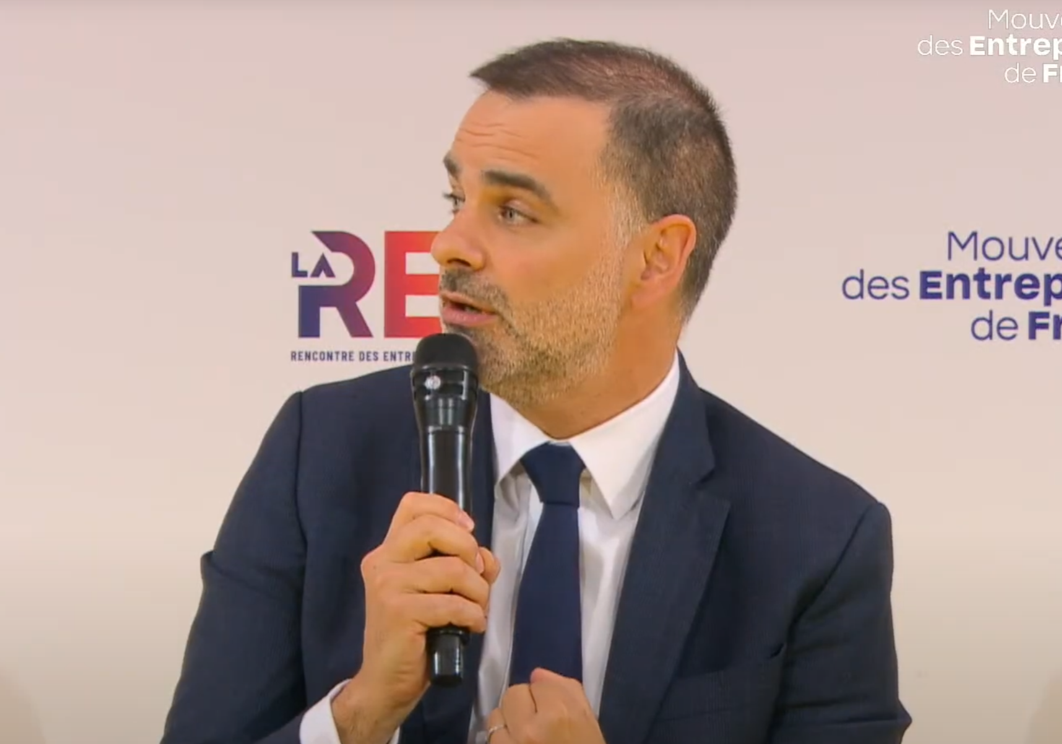
【环球网报道】"关税战背景下,法国对中国投资态度转暖",比利时"欧洲动态"网站以此为题报道称,法国负责对外贸易的部长级代表洛朗·圣-马丁当 地时间27日在一场讲话中暗示对中国投资持开放态度。报道说,这是在欧盟与美国贸易关系紧张之际,法方释放出希望与中方缓和关系的信号。 报道称,圣-马丁当天在巴黎一场商业论坛上发表讲话,支持与中方建立更紧密的经济联系,但表示投资应当围绕特定行业开展,与技术转让挂钩,并 涉及合资企业。 "前方有一条道路……我们尚未抵达,但我认为这对双方来说都完全是有利的。"圣-马丁说。他同时呼吁"开放市场与相互投资",并警告欧洲"不能再墨 守成规",因为贸易已经成为一种"权力工具"。 欧盟与美国8月21日发表联合声明,公布了双方在7月达成新贸易协议的具体细节。根据联合声明,美国将对汽车、药品、半导体和木材等大多数欧盟 输美商品征收15%的关税。稀缺自然资源(如软木)、飞机及零部件、仿制药等得到豁免。荷兰国际集团宏观研究主管卡斯滕·布热斯基表示,欧盟与 美国这一协议中存在大量潜在摩擦点,未来或引发摩擦升级,且许多"意向性"的执行监督和落实方式仍不明确。更值得警惕的是,这份协议凸显欧盟 对美国依赖加 ...
发动关税战,美国赢麻了?美财长:每年关税收入会超过5000亿美元
Sou Hu Cai Jing· 2025-08-28 06:46
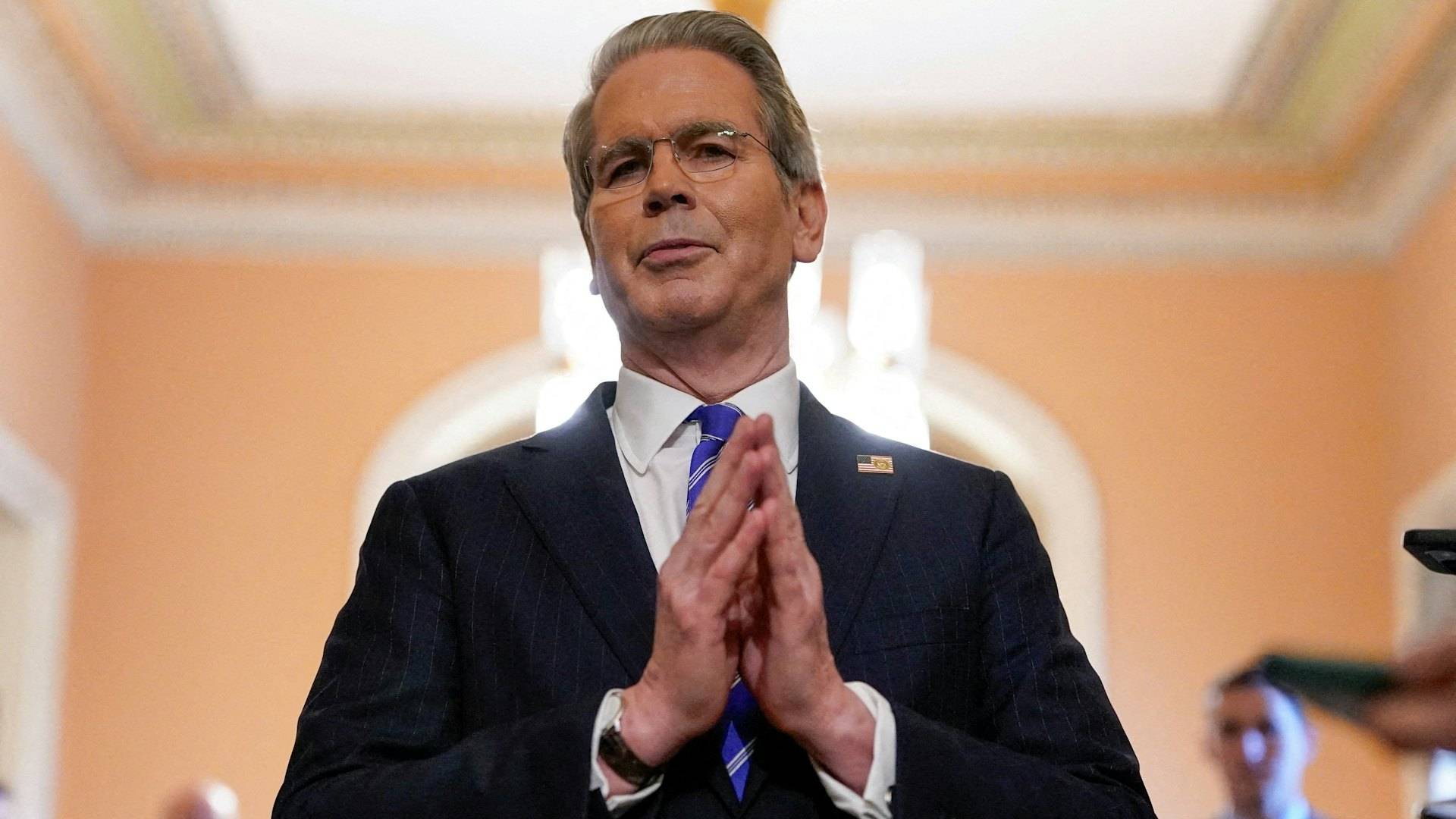
Group 1 - The core viewpoint of the articles indicates that the U.S. has initiated a tariff war against its trade partners, presenting it as a measure of "reciprocal tariffs," which is misleading as the tariffs are unilaterally imposed without considering specific products or industries [1][3] - The U.S. government is optimistic about the potential increase in tariff revenue, with Treasury Secretary Bessent claiming annual tariff income could exceed $500 billion, reflecting a significant rise in customs revenue in July and August [3][6] - The tariff war is perceived as a double-edged sword, potentially boosting short-term fiscal revenue while risking long-term damage to global supply chains and consumer interests in the U.S. [1][3] Group 2 - The U.S. has been conflating tariffs with regular taxes, misleading consumers into believing that the burden of tariffs falls on foreign sellers, while in reality, importers bear the cost, leading to higher prices for American consumers [4][6] - Trade partners such as Japan, South Korea, and the EU have committed to increasing investments in the U.S. as a response to the tariff war, with notable orders for large products like aircraft, indicating a complex interplay between tariffs and international trade relations [6][7] - The increase in tariff revenue is primarily attributed to strong domestic consumption and the transfer of import costs to consumers, rather than direct financial contributions from foreign countries, suggesting that the proclaimed successes of the tariff war may be overstated [7]
特朗普关税战并未结束!做贸易必须要警惕新三大风险
第一财经· 2025-08-28 05:48
Group 1 - The core viewpoint of the article highlights that the Trump administration's tariff policies are a significant aspect of its governance, and these policies are likely to continue evolving during its "2.0 phase" [1] - Most economies lack the capability to maintain a "terrifying balance" with the United States, indicating that the threat of tariffs will persist without the announcement of "reciprocal tariffs" [1] - Experts in international law and trade suggest that risks should be mitigated in three areas: increased vertical industry investigations from the U.S., potential "anti-dumping" investigations from other countries affecting Chinese foreign trade enterprises, and unexpected additional tariffs such as secondary sanctions and punitive tariffs [1] Group 2 - A tax expert noted the current confusion surrounding U.S. tariff classifications, leading to uncertainty among foreign trade companies regarding how to report taxes on various product categories [1] - For instance, companies exporting steel furniture are unclear whether they will face tariffs on steel and aluminum first, followed by furniture tariffs, raising questions about the overall calculation of these tariffs [1]