关税政策

Search documents
特朗普大骂最高法院,日本咬牙支持特朗普,印度疑似“反水”!
Sou Hu Cai Jing· 2026-02-21 14:47
特朗普的麻烦来了,最高法院竟然判定他的"关税政策"违法。 此事已经让全球一片哗然。 特朗普大骂美国最高法院,小兄弟日本咬牙支持特朗普,印度称"购买俄罗斯石油"的立场未变,疑似反 水! 当地时间2026年2月20日,美国最高法院宣布:特朗普政府制定的"对等关税政策"违法! 消息一出,特朗普都快懵逼了,竟然还有如此操作,难道多收钱会烫手吗? 就在当日,特朗普火力全开,开始攻击最高法院了,他说道: "我为最高法院的某些成员感到羞耻,极其羞耻,因为他们没有勇气做对我们国家有益的事 情。" 情绪是难以控制的,特朗普不仅抨击了支持该裁决的6名法官,还怒骂道: 他们就是"白吃"和"走狗",他们为"激进"左派服务,有理由质疑他们"不爱国"和"对宪法不忠"。 美国副总统万斯更有意思,也是直接炮轰美国最高法院: "最高法院,无法无天,纯粹是彻头彻尾的法外之徒。" 加拿大人开心了,毕竟,他们一直没和特朗普政府签订关税协议,因为此,加拿大多次受到特朗普的威 胁和警告。 对这起案件,特朗普认为,最高法院的裁决动摇了他的经济计划和外交战略。 特朗普将最高法院的裁决称为"荒谬的""有缺陷的""糟糕的"。 裁决一出,加拿大人就差敲锣打鼓放炮 ...

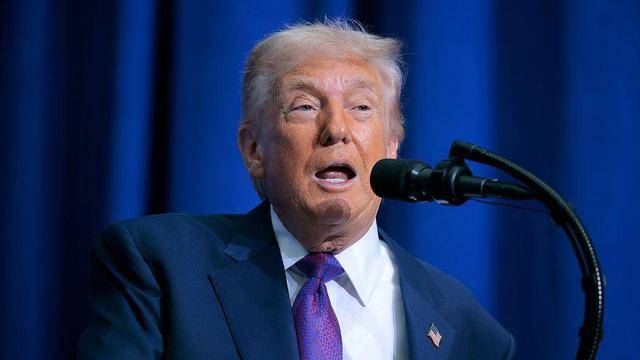
面对美国最高法裁定关税政策违法,特朗普会做出什么样的反应?
Sou Hu Cai Jing· 2026-02-21 14:14
中国的正月初五,果然非同一般,"财神爷"的作用照耀全球,给全球各国带来财运。 即便如此,关税手段仍然是特朗普手中非常强势强硬的一种手段,包括美国的盟友在内,都对这项手段 十分不满和愤怒。 现在,美国最高法院终于做了一件让全球各国拍手叫好的事,裁决特朗普的关税政策违法。如果美国是 一个真正的法治国家,最高法院的裁决,特朗普应当执行。 点开新闻一看,一则令全球叫好的新闻出现在眼前。据CMG国际时讯,美国联邦最高法院公布裁决结 果,认定特朗普政府依据美国《国际紧急经济权力法》实施的相关大规模关税措施缺乏明确法律授权。 联邦最高法院以6比3的投票结果判定,特朗普推行的大规模全球关税政策违法。 联邦最高法院指出,特朗普援引联邦紧急权力法在全球范围内征收"对等"关税,并加征旨在打击芬太尼 走私的针对性进口税,这些行为均已逾越其职权范围。 毫无疑问,这对特朗普来说,是一次不小的打击。因为,关税政策被认为是特朗普手中最强硬的贸易手 段之一。 为什么说是"之一",而没有说"唯一"。原因很简单,在特朗普已经使出的贸易手段中,已有超越经济范 畴的手段,那就是军事手段,用军事手段逼迫其他国家把资源、财富等交到美国手里。 那么,一向我 ...
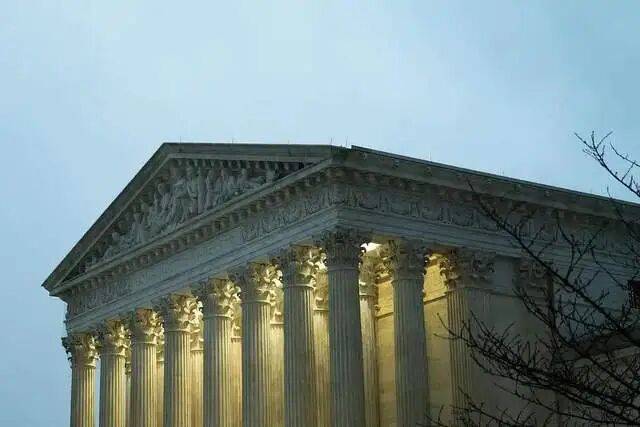
美最高法院裁定是否意味着美关税大棒被废?一文了解→
Xin Lang Cai Jing· 2026-02-21 14:09
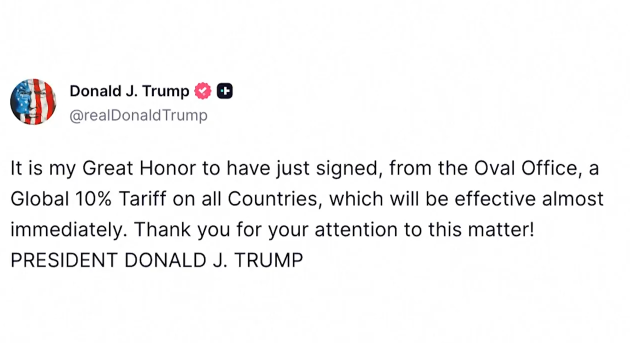
转自:央视新闻客户端 美国最高法院20日公布裁决结果,认定美国《国际紧急经济权力法》没有授权美国政府征收大规模关 税。这一裁决结果意味着特朗普政府的大规模关税政策遭受重大挫折。 对此,加拿大、墨西哥、法国、德国、欧盟等美国主要贸易伙伴,既表达了欢迎,也保持着相当的谨慎 态度;而美国总统特朗普则对结果表示愤怒,并祭出新的行政命令,对来自所有国家和地区的商品加征 10%的关税。 目前最新事态如何?美国最高法院的裁决背后,隐藏着怎样的政治考量?相关后果又将如何影响全球贸 易? 美最高法院裁定特朗普政府大规模关税违法 当地时间20日傍晚,美国总统特朗普在社交媒体发文称,他已签署行政令,对来自所有国家和地区的商 品加征10%的关税,以取代稍早前被美国最高法院认定违法的关税。根据白宫方面20日发布的公告,这 一行政令依据《1974年贸易法》第122条,为期150天,将于美国东部时间2月24日凌晨12时01分生效。 美国最高法院以6比3的投票结果作出这一裁决。不过这一裁决仅限制美国总统通过《国际紧急经济权力 法》实施关税,并未完全剥夺其征收关税的权力。特朗普此前已依据其他贸易法律对铜、钢铁、铝等产 品加征关税。 美国宾夕法 ...
被判违法后特朗普再加新税,美“关税大棒”会否卷土重来
2 1 Shi Ji Jing Ji Bao Dao· 2026-02-21 13:47
南方财经 21世纪经济报道记者赖镇桃 报道 美国最高法院对特朗普政府大施关税的判决,终于落槌。 据新华社报道,美国最高法院当地时间2月20日公布裁决,认定美国《国际紧急经济权力法》没有授权总统征收大规模关税,这意味着特朗普 政府关税政策受到重大挫折。 不过,全球性关税被推翻后,特朗普很快祭出新的关税方案。据报道,特朗普在一场白宫记者会上称,他将签署行政令,对全球商品加征10% 的进口关税,为期150天,以取代稍早前被美国最高法院认定违法的一些紧急关税。 美股周五收盘时,三大股指小幅上扬,道指收涨0.47%,纳指收涨0.9%,标普500收涨0.69%。对比去年4月2日特朗普宣布所谓"对等关税"后, 美国主要股指单日暴力跳水4%的情况看,市场对最高法院的裁定相对平静,主要原因或在于后续关税政策的不确定性,市场担忧特朗普政府 将动用其他关税工具替代此前的全球性关税。 关税疑云依然萦绕,接下来美国关税政策将如何演变? (资料图) 高关税暂时退潮 据新华社报道,2025年初,特朗普政府上任后,援引《国际紧急经济权力法》,宣布美国进入紧急状态,批准大规模征收关税,其中包括4月 对所有贸易伙伴征收的所谓"对等关税"。据耶鲁 ...
日入5亿美元买卖被判违法,特朗普押注全球加征10%关税
Sou Hu Cai Jing· 2026-02-21 12:11
Core Viewpoint - The U.S. Supreme Court ruled that President Trump's large-scale tariff measures implemented under the International Emergency Economic Powers Act (IEEPA) lack clear legal authorization, effectively overturning many of his tariff policies from his second term [2][3][5]. Group 1: Supreme Court Ruling - The Supreme Court's decision, with a 6-3 vote, stated that the IEEPA does not grant the president the authority to impose tariffs without Congressional approval [3][6]. - The ruling specifically limits the president's ability to impose tariffs through the IEEPA but does not entirely strip the president of the power to levy tariffs under other trade laws [6][12]. Group 2: Economic Implications - The ruling raises significant concerns regarding tax refunds, with estimates suggesting that over $175 billion in tariff revenue may be at risk of refund [7][11]. - If the full $175 billion is refunded, it would account for more than half of the total tariff revenue projected over the next decade, which is estimated to generate about $300 billion annually [7][11]. Group 3: International Trade Relations - The ruling has prompted reactions from international trade partners, with the EU and UK expressing a desire to understand the implications for their trade relations with the U.S. [9]. - The decision may impact ongoing trade agreements, as countries like Indonesia have recently negotiated trade deals to mitigate the effects of U.S. tariffs [6][9]. Group 4: Future Tariff Actions - In response to the ruling, Trump announced plans to impose an additional 10% tariff on global goods based on the Trade Act of 1974, which is expected to take effect shortly [5][6]. - The ruling does not affect tariffs imposed under other legal frameworks, such as those on steel, aluminum, and specific national security tariffs [12].
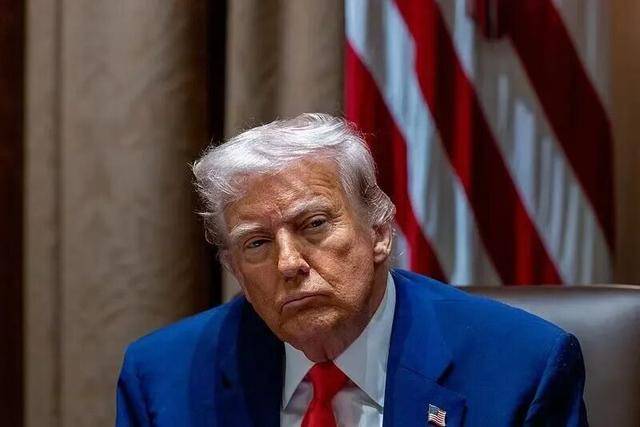
最高法院判关税违法!特朗普不服,立马加征10%全球进口关税
Sou Hu Cai Jing· 2026-02-21 12:04
2026年2月20日,美国最高法院作出裁决,认定特朗普政府之前依据《国际紧急经济权力法》征收的大规模关税是违法的,理由是这部法律根本没授权总统 有这个权力。相当于特朗普自认为"合理"的关税政策,被司法系统泼了一盆冷水,直接被判了"无效"。 面对这个判决,特朗普那是相当不服气,当天就在白宫记者会上炸了锅,说了一肚子硬气话。他直言,最高法院的裁决就是"不合理的阻碍",但他有的是办 法应对,紧接着就抛出了重磅消息:要签署行政令,对全球商品加征10%的进口关税,为期150天,还说这个新关税是依据《1974年贸易法》第122条发布 的,完全合法。 除此之外,特朗普还嘴硬表示,美国所有以"国家安全"为由征收的关税,以及之前依据另外两部法律征收的关税,都会继续有效。他甚至承认,这次判决会 引发一场旷日持久的法律缠斗,光是关于要不要向美国企业退还之前征收的数十亿美元关税,可能就要打五年官司,但即便如此,他也不会放弃关税手段。 很多人可能会疑惑,特朗普身为总统,难道真能一言九鼎,想加关税就加关税?答案很明确:不能。这次最高法院的判决,其实就是最直接的证明——美国 不是特朗普的"一言堂",而是三权分立的国家,总统的权力要受到国会 ...
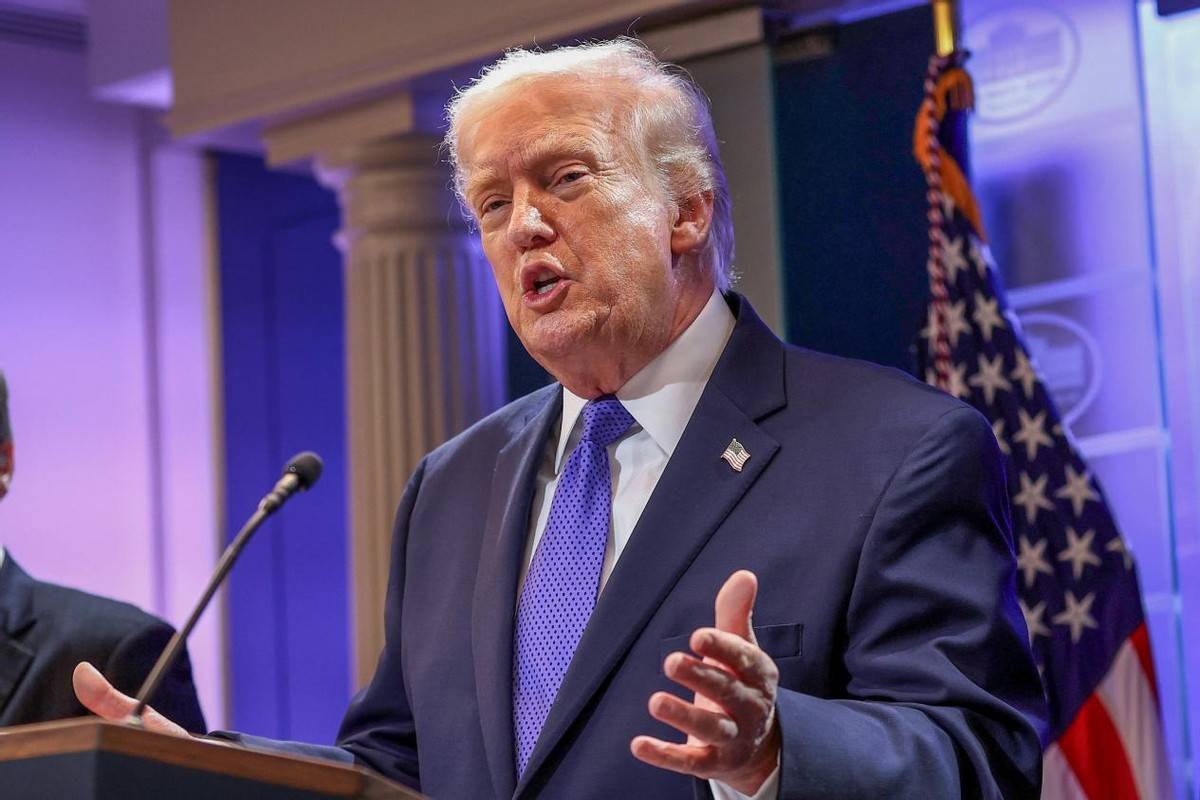
新华财经晚报:特朗普签署行政令终止部分关税措施 对全球商品加征10%关税
Xin Hua Cai Jing· 2026-02-21 11:09
Domestic News - The total box office for the 2026 Spring Festival period has exceeded 4 billion yuan, with "Fast Life 3," "Silent Awakening," and "Boon Year" ranking as the top three films [1] - The National Energy Administration reported that the newly added grid-connected capacity for photovoltaic power generation in 2025 is expected to reach 31,657.4 megawatts, with a cumulative grid-connected capacity of 119,991.4 megawatts by the end of 2025 [1] - On January 21, the national railway is expected to send 16.8 million passengers, with plans to add 2,052 passenger trains; on January 20, 15.372 million passengers were sent [1] - The Ministry of Transport indicated a significant increase in national highway traffic on January 21, with an expected traffic volume exceeding 65 million vehicles, particularly on major routes like Shanghai-Chongqing and Beijing-Shanghai [1] International News - The U.S. White House announced an executive order signed by President Trump to terminate certain tariff measures, stating that from February 1, 2025, to February 6, 2026, nine previously signed tariff orders will no longer be effective, while a 10% tariff on goods from all countries will be imposed [3] - The Brazilian Industrial Federation noted that a U.S. Supreme Court ruling deemed Trump's large-scale tariff policy illegal, which may help revoke tariffs on Brazil and other countries, but new tariffs may still be imposed through other legal means [3] - Elon Musk's social media platform X announced it has appealed a 120 million euro fine imposed by the European Commission under the Digital Services Act [3] - The U.S. Department of Defense has provided President Trump with various options for striking Iran, including the removal of Iran's Supreme Leader Ali Khamenei and his son Mojtaba [3] - Iran's Foreign Minister stated that the country will complete the drafting of a nuclear agreement within 2 to 3 days and will submit it to the U.S. after obtaining final approval from Iranian leadership [3] Other News - The Financial Secretary of the Hong Kong SAR Government reported that the Hang Seng Index has risen nearly 6,500 points, an increase of 32%, with strong performance in IPOs and subsequent fundraising, indicating significant liquidity in the stock market [2]
关税政策被判违法后不确定性仍存,美小企业主损失难弥补
Xin Lang Cai Jing· 2026-02-21 11:02
美国最高法院2月20日公布裁决结果,认定美国《国际紧急经济权力法》没有授权美国政府征收大规模 关税。这一裁决结果意味着特朗普政府的大规模关税政策遭受重大挫折。就此裁决结果,美国方面消息 称,对于包括一些小企业在内的美国企业主而言,不确定性依然存在,并且此前关税政策所带来的损失 和影响也难以弥补。美国方面有相关分析称,美国最高法院虽然作出了关税违法的裁决,但没有说明美 国政府是否应该以及如何退还已征收关税。而且,这一裁决仅限制通过美国《国际紧急经济权力法》征 收关税,而美国政府仍可能依据其他贸易法规征收关税。(央视新闻) ...
关税政策被判违法后不确定性仍存 美小企业主损失难弥补
Yang Shi Xin Wen· 2026-02-21 10:54
美国最高法院20日公布裁决结果,认定美国《国际紧急经济权力法》没有授权美国政府征收大规模关 税。这一裁决结果意味着特朗普政府的大规模关税政策遭受重大挫折。就此裁决结果,美国方面消息 称,对于包括一些小企业在内的美国企业主而言,不确定性依然存在,并且此前关税政策所带来的损失 和影响也难以弥补。美国方面有相关分析称,美国最高法院虽然作出了关税违法的裁决,但没有说明美 国政府是否应该以及如何退还已征收关税。而且,这一裁决仅限制通过美国《国际紧急经济权力法》征 收关税,而美国政府仍可能依据其他贸易法规征收关税。 (央视新闻) (文章来源:央视新闻) ...
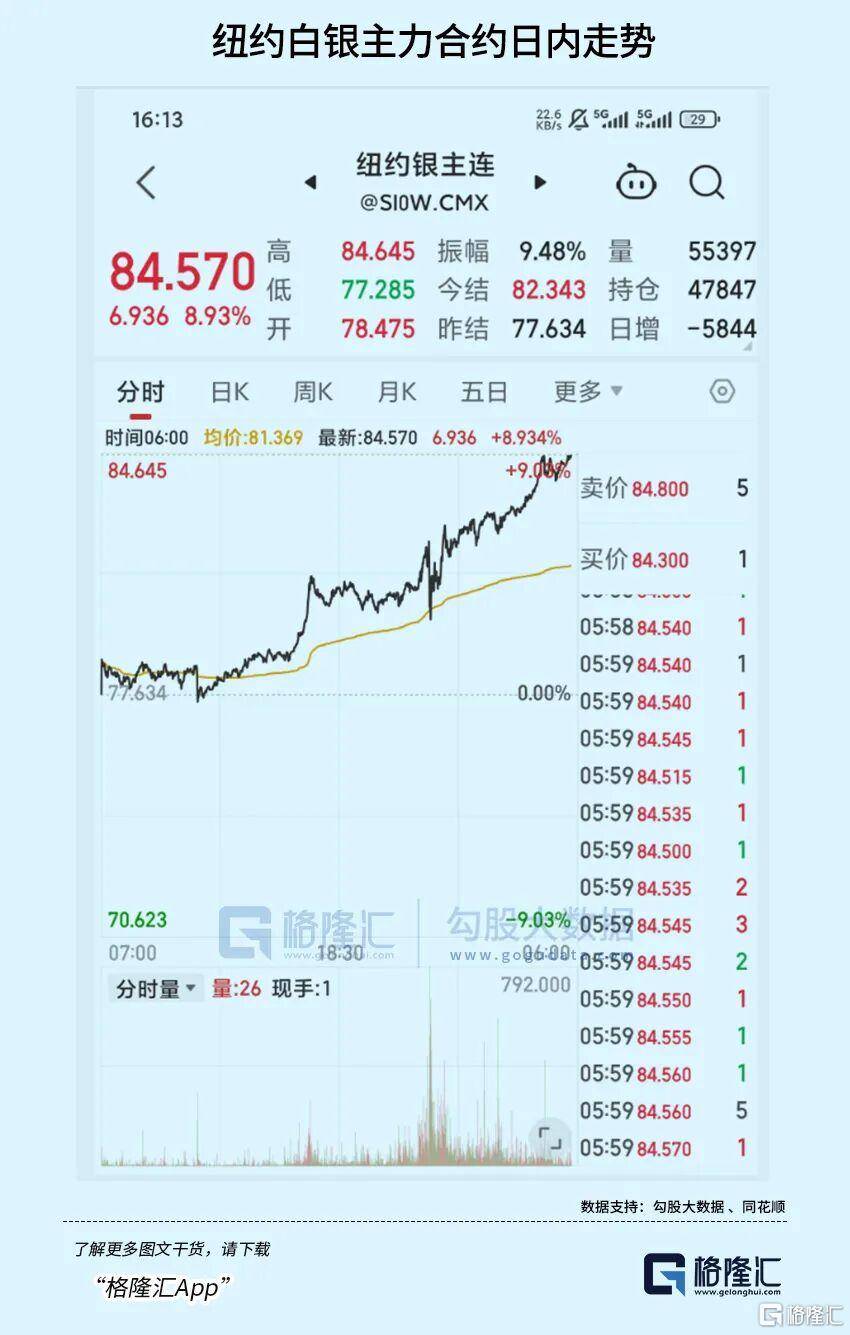
史诗级裁决!黄金冲破5100,白银狂飙9%!
Sou Hu Cai Jing· 2026-02-21 10:22
马年春节,全球市场最大"黑天鹅"落地,炸出了贵金属的"超级大红包"! 当地时间2月20日,美国联邦最高法院以6:3的关键投票,作出里程碑式裁决:正式认定特朗普政府实施的大规模全球关 税,超出总统法定权限,相关政策自始无效! 这一裁决,堪称美国贸易政策的"分水岭"。它不仅封死了总统"绕开国会、任性加税"的捷径,更瞬间点燃了市场热情: 美股三大指数集体上演"低开高走",道琼斯指数收涨0.47%,站稳49625点;标普500指数涨0.69%,报6909点;纳斯达克 收涨0.90%,收报22886点。 贵金属更是迎来狂欢,黄金大涨2.66%,一举冲破5100美元大关,COMEX白银期货更疯狂,单日飙升8.9%,报85.19美 元/盎司。 01"无序加税"终于剧终了 回溯过往,特朗普政府自2025年1月上台后,便援引IEEPA法案,以行政令形式绕过国会,多次单方面推出一系列大规模 全球关税措施,此举不仅遭到美国12个州及上千家企业联合起诉,更因其无明确期限、反复多变的变更、无税率上限的 无序性,持续困扰企业经营决策、压制市场风险偏好,成为美股震荡走弱的核心症结之一。 此次最高法院的裁决,强有力封杀了总统无序加税的路径, ...