
产品差异化

Search documents
恒申新材:二级市场股价变动受多方面因素综合影响
Zheng Quan Ri Bao Wang· 2025-08-26 09:17
Group 1 - The core viewpoint of the article is that Hengshen New Materials (000782) acknowledges that stock price fluctuations in the secondary market are influenced by multiple factors [1] - The company is actively working on cost reduction and efficiency improvement, optimizing product structure, and exploring product diversification and differentiation [1] - Hengshen New Materials is advancing the construction of a "high-performance polyamide differentiated fiber intelligent manufacturing project" as part of its efforts to improve operational performance [1]

均价、份额、增速均第一!海尔系洗衣机继续领先
Quan Jing Wang· 2025-08-19 03:20
Group 1 - The core viewpoint of the article highlights the transformation of the washing machine industry driven by evolving consumer demands amid ongoing consumption upgrades and intensified market competition [1] Group 2 - Haier's washing machines demonstrate impressive performance in key metrics, achieving a retail volume share of 44.6% and a retail value share of 47.2% in the offline market, indicating that for every two washing machines sold offline, one is from Haier [2] - The growth momentum is notable, with a year-on-year net increase of 3.1 percentage points in retail volume share and 1.6 percentage points in retail value share, both leading the industry [2] - Haier's washing machines exhibit a distinct characteristic of "value over volume," as the retail value share significantly exceeds the retail volume share, indicating a higher average price than the industry [2] Group 3 - Consumer demands are evolving beyond basic cleaning capabilities, with a focus on efficiency, health, and a refined overall experience, such as features like "15-minute quick wash" and deep sterilization technologies [3] - Haier's products align with these upgraded consumer needs, addressing pain points like "quick wash not clean enough" with AI-driven cleaning technology and introducing specialized products like the X11 anti-allergy washing machine [3] - The competitive landscape of the washing machine market is shifting from price competition to a focus on technological innovation, product differentiation, and value creation, with future winners being those who can deeply understand consumer needs and continuously create unique value [3]



奥瑞金(002701):拟发行可交债缓解债务压力,期待二片罐国内、海外齐头并进
Changjiang Securities· 2025-08-10 13:12
Investment Rating - The investment rating for the company is "Buy" and is maintained [9]. Core Viewpoints - The company plans to issue exchangeable bonds worth up to 1.25 billion yuan, using part of its holdings in Yongxin shares as collateral, to alleviate debt pressure and enhance liquidity [2][6]. - The company holds 136 million shares of Yongxin, accounting for 22.2% of its total share capital, and the specific issuance scale and timing will be determined based on market conditions [2][6]. - The company is investing in overseas production lines for two-piece cans in Thailand and Kazakhstan, with expected production capacities of 700 million and 900 million cans, respectively [11]. - The company aims to optimize its production capacity and improve profitability through international expansion and integration with COFCO Packaging [11]. Summary by Sections Company Overview - The company is a leader in the metal packaging industry in China, with a stable profit base from three-piece cans and significant market share in two-piece cans [11]. Financial Performance - The company is projected to achieve net profits of 1.36 billion, 1.37 billion, and 1.60 billion yuan for the years 2025, 2026, and 2027, respectively, with corresponding price-to-earnings ratios of 10, 10, and 9 [11]. Market Outlook - The company expects improvements in the profitability of two-piece cans, driven by better market conditions and potential price increases in the domestic market [11]. - The company is also focusing on enhancing its overseas business and product differentiation to optimize its profit structure [11].

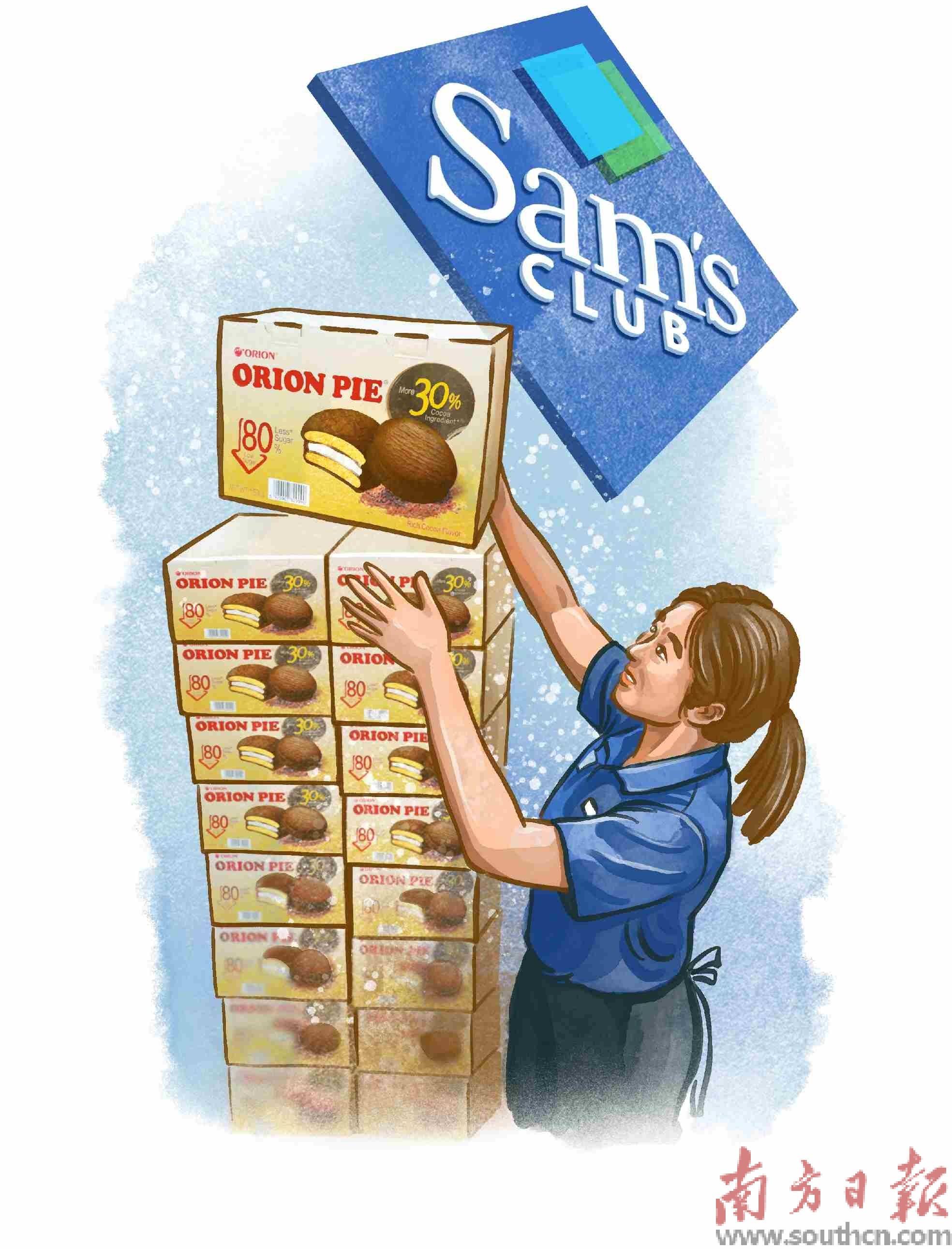
山姆选品变化背后
Sou Hu Cai Jing· 2025-07-18 05:46
Core Viewpoint - The recent changes in product selection at Sam's Club have raised concerns among consumers about the perceived decline in the quality and uniqueness of offerings, shifting from "global premium goods" to more common supermarket brands [3][4][10]. Group 1: Product Selection Changes - Sam's Club has removed several popular items, including Haldirams and Wei Long products, from its shelves, leading to consumer dissatisfaction and inquiries about the rationale behind this shift [3][4]. - The removal of these items has sparked discussions on social media, with many consumers questioning the value of their membership fees due to the perceived decline in product quality [3][4]. - Despite the removal of certain products, other items from traditional domestic brands remain available, indicating a potential shift in product strategy [5][6]. Group 2: Strategic Implications - The change in product selection may be linked to a recent management shift within Sam's Club China, with new leadership potentially influencing the direction of product offerings [12][13]. - The company has been expanding rapidly, opening 6-7 new stores annually, which may necessitate a broader range of products to cater to a more diverse membership base [14]. - The competitive landscape in the retail sector is evolving, with many traditional supermarkets looking to Sam's Club for lessons in quality retailing and membership models [14][15]. Group 3: Market Positioning - Sam's Club's unique selling proposition relies on a strong supply chain and stringent product selection standards, which are crucial for maintaining its competitive edge in the membership retail market [14]. - The company has historically emphasized differentiation in its product offerings, avoiding common items found in other stores to maintain its premium positioning [10][11]. - As consumer preferences evolve, the company may need to adapt its product development strategy to include both premium and popular domestic brands to meet diverse consumer demands [11][12].

“卖给我们!”在这里,外商抢着做独家代理
Yang Shi Xin Wen· 2025-07-17 10:53
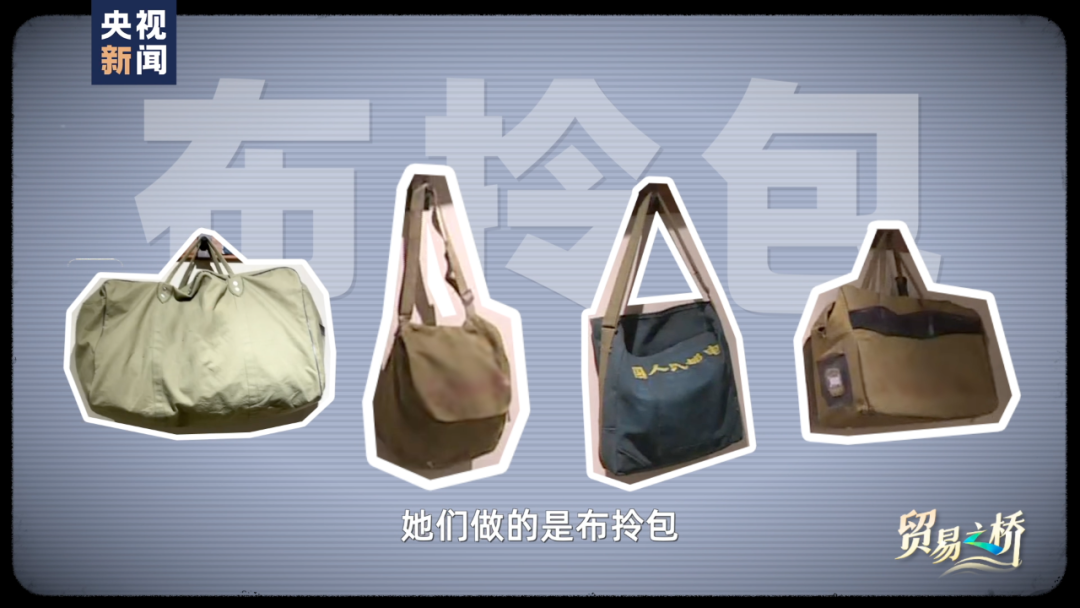
Core Insights - The article highlights the evolution and innovation within the luggage industry in Pinghu, Zhejiang, showcasing new products and the shift towards automation and customization in manufacturing [1][9][12] Group 1: Industry Overview - Pinghu is recognized as the "Capital of Travel Luggage in China," with a significant number of enterprises involved in the luggage manufacturing sector [1][9] - In 2024, the total output value of the luggage industry in Pinghu is projected to reach approximately 4 billion yuan, with direct exports estimated at 3.2 billion yuan [9] Group 2: Product Innovation - New luggage products showcased at the Canton Fair include smart features such as detachable wheels, USB charging ports, and built-in weight scales, reflecting diverse consumer needs [1][3][5] - The development of a third-generation smart weighing suitcase took two years of research and five years of promotion, indicating a commitment to innovation and market readiness [5][8] Group 3: Manufacturing Transformation - Companies are increasingly adopting automation and digitalization to enhance efficiency, with plans for higher automation levels in new factory setups [12][10] - The shift towards small-batch production and customization is driven by changing client demands, particularly from B2B customers seeking unique products [13] Group 4: Business Strategies - Local manufacturers are focusing on building brand strength through differentiated products rather than competing solely on price [8][17] - The strategy of targeting direct retail clients rather than wholesale distributors is emphasized to ensure better pricing and quality control [17]
奥瑞金(002701):2025H1预告点评:二片罐盈利估计改善,期待格局优化带动议价能力提升、出海破局
Changjiang Securities· 2025-07-16 08:16
Investment Rating - The investment rating for the company is "Buy" and is maintained [10]. Core Views - The company expects to achieve a net profit attributable to shareholders of 850 to 960 million yuan for H1 2025, representing a year-on-year increase of 55% to 75%. The net profit for Q2 2025 is projected to be between 186 to 295 million yuan, with a year-on-year change of -31% to +10% [2][7]. Summary by Sections Financial Performance - The company forecasts a net profit of 850 to 960 million yuan for H1 2025, with a year-on-year growth of 55% to 75%. The net profit for Q2 2025 is expected to be between 186 to 295 million yuan, showing a year-on-year change of -31% to +10% [2][7]. Business Analysis - The company has completed the acquisition of COFCO Packaging, leading to a significant revenue increase of 57% year-on-year in Q1. This acquisition has reduced the risk of high revenue concentration from a single customer, with the current major customer revenue share dropping to approximately 20% [12]. - The three-piece can business is expected to maintain stable performance, while the two-piece can business shows potential for profit improvement. The company plans to relocate excess production capacity overseas, which may provide opportunities for price recovery in the domestic market [12]. Future Outlook - The company is positioned as a leader in the domestic metal packaging industry, with a robust profit base from the three-piece can segment. The two-piece can production capacity is expected to exceed 25 billion cans, capturing nearly 40% of the market share. The integration with COFCO Packaging is anticipated to enhance the supply-demand dynamics and competitive landscape in the domestic two-piece can market [12]. - The company aims to drive growth through improved gross margins in the two-piece can segment, expansion into overseas markets, and increased consumption demand domestically [12]. Earnings Forecast and Valuation - The company is projected to achieve net profits of 1.41 billion, 1.42 billion, and 1.71 billion yuan for the years 2025 to 2027, with corresponding price-to-earnings ratios of 11, 11, and 9 times [12].
鸿蒙智行,价格暗战
Zhong Guo Qi Che Bao Wang· 2025-07-14 01:14
Core Insights - The launch of Xiaomi's YU7 has significantly impacted the market, leading to increased order volumes and competitive pressure on rivals like Hongmeng Zhixing [1] - Hongmeng Zhixing's response to the competitive landscape indicates potential adjustments in pricing strategies across its brands, suggesting that price competition may become a norm in the future [1][3] - The internal competition among brands under Hongmeng Zhixing is likely to drive price adjustments, as brands face pressure to innovate and differentiate themselves in a crowded market [4][5] Group 1 - The rapid increase in orders for Xiaomi YU7 has shocked the industry and created anxiety among competitors [1] - Hongmeng Zhixing's initial promotional response included a cash subsidy of 20,000 yuan, which was quickly retracted, signaling a potential shift in pricing strategy [1] - The event highlights the possibility of ongoing price adjustments within Hongmeng Zhixing's brands, especially as new models are introduced [1][3] Group 2 - Industry insiders reveal that multiple brands under Hongmeng Zhixing, including Aito, are engaging in covert promotional activities, with discounts exceeding 10,000 yuan available through referral purchases [3] - The automotive market's supply-demand dynamics will likely lead to inevitable price reductions if oversupply occurs, whether through proactive price cuts by manufacturers or hidden discounts by dealers [3] - The competitive landscape is further complicated by the performance of different brands within Hongmeng Zhixing, which will influence each other's pricing strategies [3][4] Group 3 - Internal competition among brands, such as Huawei's retail control and departmental pressures, is pushing brands to seek transformation in response to poor sales [4] - Different brands within Hongmeng Zhixing are likely to adopt varied pricing strategies based on their market positioning, with more affordable brands like Aito potentially implementing larger price cuts [4][5] - The overlap of models within Hongmeng Zhixing's product lineup is becoming more apparent, raising concerns about differentiation and competition among similar offerings [5][6] Group 4 - The issue of product homogeneity is becoming increasingly serious, with differentiation relying more on design rather than substantial features, making it difficult to stand out in a competitive market [6][7] - Brands may need to explore price reductions to attract customers, especially in the 200,000 to 400,000 yuan range, where competition is fierce [6][7] - The market performance of Aito has been strong due to its association with Huawei, while other brands like Aito face challenges in achieving significant sales growth [7] Group 5 - The "order siphoning" phenomenon caused by Xiaomi YU7 has depleted the potential customer base in the 200,000 to 300,000 yuan price range, leading to reduced sales for competing brands [8] - This situation compels brands like Hongmeng Zhixing to adjust their strategies, either through price reductions or enhanced customer incentives to capture remaining customers [8][9] - A combined pricing strategy that includes both soft and hard price adjustments is emerging, with brands offering extended financing options and subsidies to attract buyers [9] Group 6 - Future strategies for Hongmeng Zhixing may involve a "technology layering + price positioning" approach to mitigate internal competition and differentiate brands [9] - By focusing on distinct market segments, such as high-end and mid-range offerings, Hongmeng Zhixing can avoid direct price competition while enhancing value propositions through exclusive benefits [9]

Tims天好中国2025年第一季度营收达3亿元
Zheng Quan Ri Bao Wang· 2025-06-24 12:44
Core Insights - Tims China reported a total revenue of 300.7 million RMB for Q1 2025, with system sales reaching 376.3 million RMB, indicating a strong performance in the market [1] - The company launched a strategic new product line, the "Light Lunch Box" series, which includes various food items aimed at enhancing its "coffee + warm food" differentiation advantage [1] - Tims China has expanded its franchise network significantly, increasing the total number of franchise stores to 455, a growth of 153 stores compared to the previous year [1][2] Financial Performance - The self-operated stores contributed 17.15 million RMB, with a contribution rate of 6.7%, reflecting a year-on-year increase of 5.9% [1] - The adjusted EBITDA loss has been significantly reduced by nearly half, indicating improved operational efficiency [1] Market Expansion - As of March 31, 2025, Tims China has expanded its business presence to 27 out of 34 provincial regions in China, with a notable opening of a franchise store in Nanchang, Jiangxi province [1] - The company has successfully launched 25 new products in Q1 2025, including 12 beverages and 13 food items, aligning with consumer demand and product differentiation strategies [2] Customer Growth - Tims China registered a total of 25.15 million members by March 31, 2025, marking a year-on-year growth of 25.7% [2]
当“Z世代”狂卖黄金:价格预期增强,投资属性提升
2 1 Shi Ji Jing Ji Bao Dao· 2025-06-23 11:04
Core Insights - The gold jewelry industry is experiencing significant growth driven by younger consumers who are shifting towards craftsmanship and cultural recognition rather than just material value [1][3] - The demand for gold as an investment product is increasing, with expectations of rising gold prices by 2025, despite potential volatility [3][4] - The market is seeing a trend towards personalized and customized gold jewelry, reflecting a shift in consumer preferences [2][5] Industry Trends - During the 618 shopping festival, gold jewelry sales surged, with brands like Laobao and Caibai reporting year-on-year increases of 213% and 180% respectively [2] - The sales of gold bracelets and rings saw remarkable growth, with Laobao's gold bracelets increasing by 742% year-on-year [2] - The demand for gold bars and coins is also rising, with a 29.81% increase in consumption in Q1 2025 [4] Consumer Behavior - Consumers are increasingly viewing gold not just as a collectible but as a financial investment [3] - The rise of "self-consumption" is leading to a preference for unique and stylish gold jewelry designs, particularly among younger generations [5] - The popularity of platinum is also on the rise, with platinum bar sales increasing by 17 times during the 618 festival [5] Market Expansion - The gold jewelry industry is actively exploring international markets, particularly in Southeast Asia and the Middle East, to tap into growing demand [6] - The Guangdong Gold Association is facilitating this expansion by providing research and support for companies looking to enter international markets [6] Technological Advancements - The industry is undergoing a digital transformation, with the development of a digital sales system that enhances customer experience through online customization and 3D try-on features [6] - The introduction of AI-driven recycling systems is also improving operational efficiency and consumer convenience in gold recovery [6]
中泰化学(002092) - 2025年6月17日、18日投资者关系活动记录表
2025-06-20 04:10
Group 1: Company Performance - In the first half of 2025, the company focused on its core business, implementing a strategy of "sales-driven production and efficiency-driven sales," leading to improved profitability [2] - The company has controlled expenses and enhanced compliance governance, resulting in a continuous improvement in profitability for the first half of 2025 [2] Group 2: Market Conditions - The domestic PVC market has shown a fluctuating downward trend, primarily driven by supply-demand imbalances [2] - In early May, PVC prices rebounded due to improved macroeconomic expectations and temporary easing of tariff policies, but prices fell again as market fundamentals took precedence [2] - The viscose staple fiber market is under pressure due to weak end-consumer demand, leading to a decline in procurement enthusiasm among manufacturers [3] - Despite a slight recovery in downstream demand, the overall market remains weak, putting continued pressure on prices [3] Group 3: Project Development - The company is actively promoting project implementation, with the new methanol project expected to be operational in 2025, currently producing qualified products [3] - The BDO project is still under construction, with production balance and auxiliary facilities being progressively put into operation [3] Group 4: Production Capacity - The company has a total PVC production capacity of 2.6 million tons/year, distributed as follows: Fukang Energy 920,000 tons/year, Huatai Heavy Chemical 830,000 tons/year, Tuokexun Energy Chemical 300,000 tons/year, and Shengxiong Energy 550,000 tons/year [3] - The total caustic soda production capacity is 1.86 million tons/year, with Fukang Energy at 660,000 tons/year, Huatai Heavy Chemical at 580,000 tons/year, Tuokexun Energy Chemical at 220,000 tons/year, and Shengxiong Energy at 400,000 tons/year [3] - The viscose fiber production capacity totals 880,000 tons/year, with Kurle Textile at 390,000 tons/year, Alar Textile at 340,000 tons/year, and Xingtai Fiber at 150,000 tons/year [3]
