
品牌年轻化

Search documents
库迪咖啡荣获2025美好生活年度企业“卓越品质引领奖”
Jing Ji Guan Cha Wang· 2025-12-03 07:58
Core Insights - The "2025 New Consumption Summit" held in Beijing focused on high-quality development and consumption upgrades, recognizing Kudi Coffee for its excellence in quality control, technological empowerment, and brand rejuvenation [1] - Kudi Coffee has successfully positioned high-quality coffee as an essential part of a better life, appealing to a growing number of young consumers through a cost-effective strategy [1][2] Supply Chain and Production - Kudi Coffee established a global supply chain base in Ma'anshan, Anhui, covering over 400,000 square meters, which includes green bean storage, coffee roasting, and packaging materials, enabling localized and efficient operations [2] - The company’s newly built 340,000 square meter super factory is among the largest and most intelligent in the global coffee industry, with a roasting capacity of 75,000 tons per year, supporting a peak sales volume of 10 million cups per day [2] Brand Strategy and Market Positioning - Kudi Coffee engages in cross-industry collaborations with major events and celebrities to resonate with young consumers, transforming coffee from a functional beverage to an emotional and social experience [3] - The company operates over 18,000 stores, exploring "coffee+" scenarios to enhance accessibility and integrate high-quality coffee into daily life [3][4] Future Outlook - Kudi Coffee aims to continue enhancing quality through supply chain management, improving efficiency with technology, and fostering user engagement through its store network, making high-quality coffee a standard part of everyday life [4]
老牌饮料的转型挑战,维他奶上半财年营收承压下滑6%
Xi Niu Cai Jing· 2025-12-02 02:22
Core Viewpoint - Vitasoy International Holdings Limited reported a decline in overall revenue for the first half of the fiscal year 2025/26, primarily due to weak performance in traditional retail channels in mainland China, despite some growth in emerging channels [2][3]. Group 1: Financial Performance - Total revenue for the six months ending September 30, 2025, was HKD 3.227 billion, a decrease of 6% from HKD 3.443 billion in the same period last year [2]. - Profit attributable to equity holders slightly increased by 1% to HKD 172 million [2]. - Revenue from mainland China, the largest market for Vitasoy, was HKD 1.778 billion, down 9% year-on-year, significantly impacting overall performance [2]. Group 2: Market Challenges and Strategies - The decline in revenue was mainly attributed to the poor performance of traditional retail channels, although all-channel business showed steady growth [2]. - Vitasoy is focusing on core product categories such as soy milk, plant-based milk, and ready-to-drink tea, implementing competitive pricing strategies and product innovations to adapt to market changes [2]. - New product launches, including the "Duck Shit Lemon Tea," and competitive pricing for existing products have helped improve market share in the soy and plant-based milk categories [2]. Group 3: Regional Performance - The Hong Kong business, including Macau and exports, remains stable, with Vitasoy consolidating its leadership in the non-alcoholic beverage market [3]. - New product launches like low-sugar white peach soy milk and the Duck Shit Lemon Tea, along with strong sales of zero-sugar lemon tea and sparkling series, have reinforced category leadership [3]. - However, adverse weather conditions and weak retail performance in Macau, along with fluctuating U.S. tariff policies affecting North American exports, have negatively impacted overall performance in Hong Kong [3]. Group 4: Competitive Landscape - Vitasoy faces increasing competition in the soy milk sector from major players like Mengniu, Yili, and DaLi Foods, which are launching their own soy milk products [3]. - The tea beverage segment is also under pressure from the rise of sugar-free tea trends and various fresh lemon tea brands, challenging Vitasoy's traditional lemon tea offerings [3]. Group 5: Leadership Transition - The company is in a gradual leadership transition phase, with 84-year-old executive chairman, Lo Kwei Cheung, still actively involved, while his daughter, Lo Chi Mei, was appointed vice-chairman in 2023, signaling a potential succession [4]. - Despite the challenges in revenue growth, strategies focused on cost control and efficiency improvements have begun to show results in maintaining profitability [4]. - To achieve a true business recovery, Vitasoy needs to seek breakthroughs in product innovation, channel expansion, and brand rejuvenation to address increasing market competition and changing consumer preferences [4].


海澜之家高管离任,“男人的衣柜”能走向全球吗?
阿尔法工场研究院· 2025-11-25 00:06
Core Viewpoint - The article discusses the challenges faced by HLA (海澜之家), a leading men's clothing brand in Asia, including declining revenue, high inventory, and the need for brand rejuvenation and international expansion under the leadership of the second generation, Zhou Licheng [2][5][20]. Group 1: Market Position and Financial Performance - HLA is the number one men's clothing brand in Asia, with a market share of 5.6% in the Chinese men's clothing market and the only brand with annual revenue exceeding 10 billion yuan [5][21]. - The main brand's revenue has been declining, with a 7.22% drop to 15.27 billion yuan in 2024 and a nearly 4% decrease in the first three quarters of 2025, reaching 10.849 billion yuan [7][21]. - The number of franchise stores has decreased significantly, from 4,724 to 4,101 in less than two years, indicating a contraction in the franchise system [8][9]. Group 2: Management and Strategic Changes - Zhou Licheng has been in charge for over five years, focusing on brand rejuvenation and internationalization, but has not yet reversed the revenue decline [6][20]. - The company is attempting to list on the Hong Kong Stock Exchange to support its international strategy and address financial pressures [4][12]. - Recent management changes, including the resignation of a key executive just before the IPO, have raised concerns about the company's stability [15]. Group 3: Inventory and Financial Health - HLA's inventory has exceeded 10 billion yuan, with a significant increase from 7.416 billion yuan in 2020 to 10.255 billion yuan in the first half of 2025 [12][14]. - The company has a high inventory turnover period, increasing from approximately 263.64 days in 2020 to 322.58 days in the first half of 2025, indicating potential overstock issues [14]. - The financial situation shows a cash flow strain, with total liabilities reaching 14.82 billion yuan and an asset-liability ratio of 44.79% [12][22]. Group 4: Brand Perception and Market Challenges - HLA is perceived as "dad's clothing" by younger consumers, which poses a challenge for brand rejuvenation despite efforts to engage trendy celebrities for endorsements [5][6]. - The company has faced scrutiny for maintaining high dividend payouts amidst fluctuating performance and rising inventory levels, raising questions about its financial strategy [18][19].


海澜之家再叩港交所:男人的衣柜,能否走出“中年危机”?
3 6 Ke· 2025-11-24 12:20
Core Viewpoint - HLA Home, known as "the men's wardrobe," has submitted its listing application to the Hong Kong Stock Exchange amid industry downturn and performance pressure, indicating a need for capital to sustain operations and pursue global expansion [1][2][3] Industry Environment - The domestic apparel industry is experiencing a challenging period with both volume and profit declines. From January to September 2025, the industry saw a revenue drop of 4.63% year-on-year, totaling 868.52 billion yuan, and a profit decline of 16.19%, worsening by 13.57 percentage points compared to the same period in 2024 [2] - Traditional clothing retailers are struggling due to the rise of online shopping and live-streaming e-commerce, leading to a significant reduction in physical store viability [2] Financial Status - HLA Home is facing an "increase in revenue but decrease in profit" situation. In the first three quarters of 2025, the company reported a revenue of 15.599 billion yuan, a 2.23% increase year-on-year, but a net profit of 1.862 billion yuan, down 2.37% [3] - The company's revenue has fluctuated significantly from 2019 to 2024, with a lack of sustained growth and a corresponding decline in net profit [3] Core Challenges - High inventory levels are a significant concern, with 11.518 billion yuan in stock and a turnover period of 323 days, far exceeding the industry standard [6] - The company is heavily reliant on its main brand, which accounts for over 70% of revenue, and has seen a decline in sales from this brand [7] - HLA Home's sales channels are imbalanced, with offline sales making up 79.58% of total revenue, while online sales are only 20.42%, indicating a need for better online performance [9][10] Transformation Efforts - The company is attempting to rejuvenate its brand and optimize channels by engaging younger celebrity endorsements and expanding its direct sales presence [12] - HLA Home is investing in digital transformation and R&D, with 157 million yuan allocated to new fabric development and technology applications to enhance supply chain efficiency [12] - The company is also accelerating its overseas expansion, with plans to open stores in Central Asia, the Middle East, and Africa, despite current overseas revenue being only 1.8% of total income [5][13] IPO Challenges - HLA Home faces external challenges, including being removed from the MSCI index, which reflects a lack of confidence from international investors regarding its growth and profitability [11] - Increased competition from fast fashion brands and local menswear companies is further squeezing market space, leading to price wars [11] Conclusion - The IPO is seen as a potential solution for short-term financing, but the company's long-term success will depend on the effective implementation of its transformation strategies and addressing core issues such as inventory management and brand diversification [14]

达利迎来“80后”二代掌舵 “跟随战略”将迎转变?
Xin Lang Cai Jing· 2025-11-21 21:20
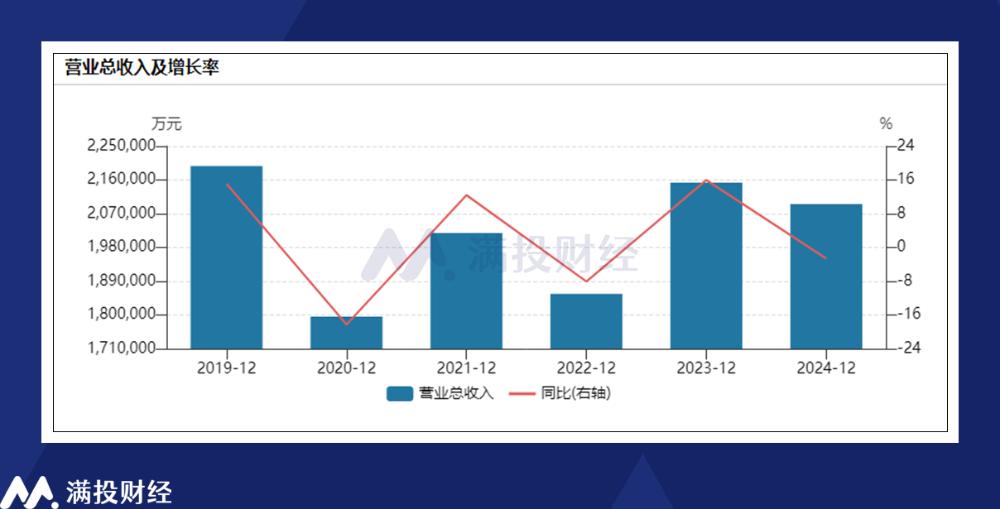
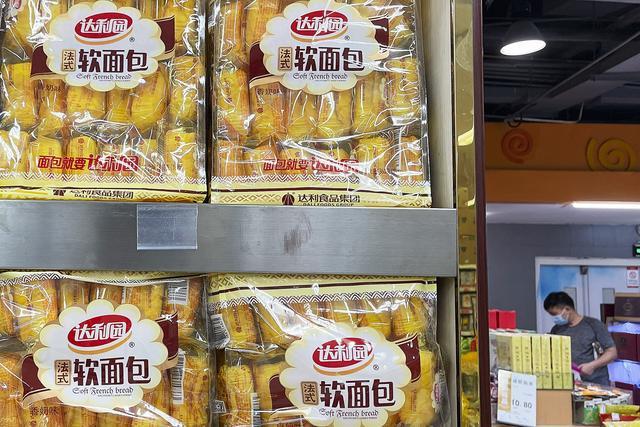
Core Viewpoint - Dali Food Group has officially entered the "second-generation leadership" era with the appointment of Xu Yangyang, daughter of founder Xu Shihui, as president, amid challenges such as declining revenue and market competition [3][4]. Group 1: Leadership Transition - Xu Yangyang has 17 years of experience within the company, starting from grassroots positions and rising to executive director and vice president [4]. - She played a crucial role in Dali's IPO in 2015, which was the largest in the global consumer goods sector that year [4]. - Xu Yangyang's international education and experience in capital markets are expected to bring a forward-looking strategic vision to Dali [4][5]. Group 2: Strategic Challenges - Dali has faced a decline in revenue, with a drop from 222.94 billion yuan in 2021 to an estimated 180.73 billion yuan in 2024, indicating a loss of over 42 billion yuan [7]. - The company's traditional sales channels are under pressure from e-commerce and new retail formats, necessitating a shift in strategy [5][7]. - Dali's core brands are experiencing aging and slower product iteration, which poses a challenge in meeting the demands of younger consumers [7][8]. Group 3: Market Position and Future Directions - Dali's historical success relied on a "follow strategy" rather than innovation, which may not suffice in the current fragmented market [6][9]. - The company is urged to focus on creating a few competitive product categories to regain market confidence and performance [9]. - Dali plans to initiate a global strategy by 2025, but faces significant competition from established multinational brands and local players [9].
产品、营销玩法频出 跨界混搭能成黄酒出圈正解吗
Bei Jing Shang Bao· 2025-11-20 13:45
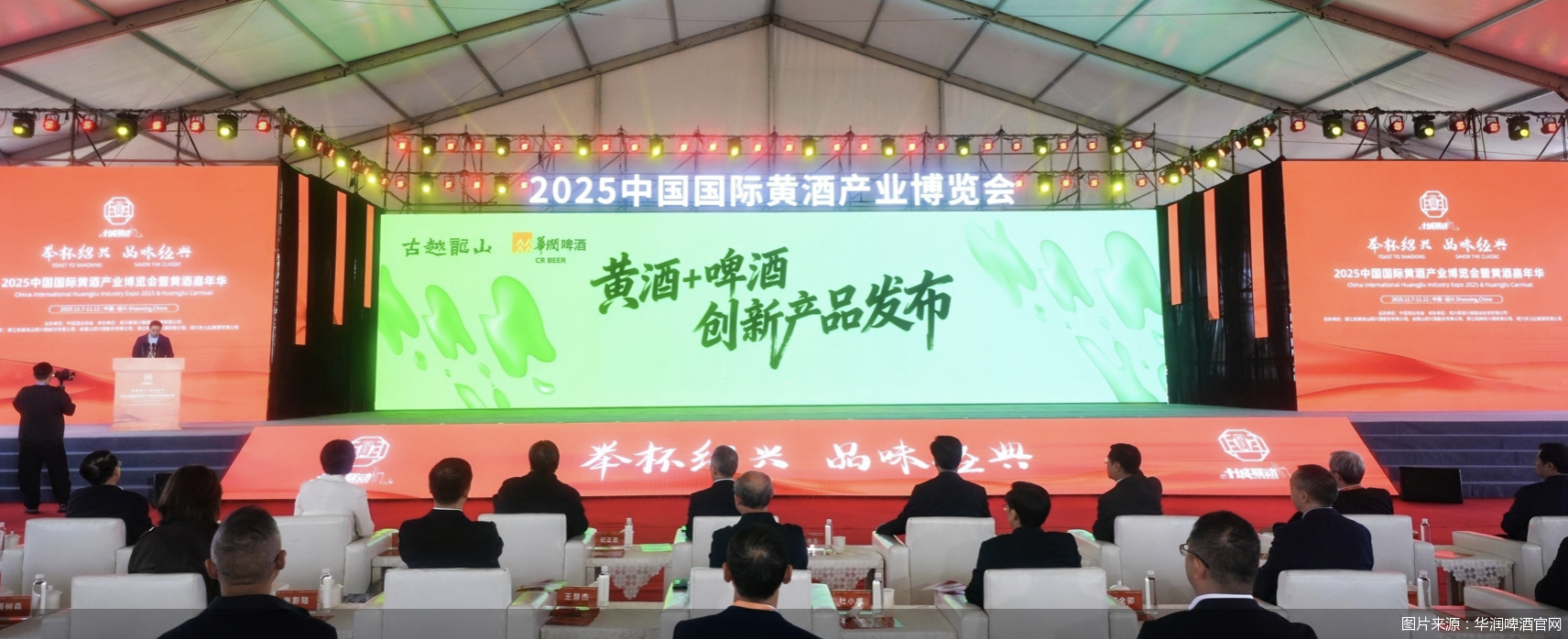
Core Insights - The traditional yellow wine industry is at a transformative crossroads, with leading brands exploring cross-industry collaborations to expand their consumer market [1][3] - The industry faces multiple challenges, including limited consumption regions and scenarios, prompting companies to seek new growth opportunities through innovative partnerships [1][6] Group 1: Industry Trends - Major yellow wine brands like Guyue Longshan and Kuaijishan are actively engaging in cross-industry collaborations, such as the launch of "Yue Xiao Pi" in partnership with China Resources Beer [3][4] - Guyue Longshan has introduced various innovative products, including coffee-infused yellow wine and a whiskey variant, indicating a shift towards younger consumer preferences [4][10] - The yellow wine market is experiencing a trend towards diversification, with brands exploring new consumption scenarios beyond traditional settings [4][9] Group 2: Market Dynamics - The yellow wine market is highly concentrated, with the Jiangsu, Zhejiang, and Shanghai regions accounting for over 70% of sales, leading to intense competition [6][7] - Financial reports reveal that Guyue Longshan and Kuaijishan derive a significant portion of their revenue from these regions, highlighting the geographical limitations of the market [6][7] - Despite the challenges, the yellow wine industry is projected to grow, with sales expected to exceed 300 billion yuan by 2025, driven by a shift in consumer preferences towards lower-alcohol beverages [9][10] Group 3: Consumer Engagement - Marketing experts suggest that yellow wine brands should enhance their appeal to younger consumers through innovative marketing strategies, including social media and influencer collaborations [5][11] - The emergence of "slow bars" and other experiential venues is seen as a way to engage consumers and gather valuable data on preferences and behaviors [10][11] - The industry must address the perception issues surrounding yellow wine, which has been labeled as "cooking wine," to improve brand recognition and value [7][8]


福建女首富正式接班,能否重振“乡镇之王”达利食品?
Guan Cha Zhe Wang· 2025-11-19 08:05
Core Insights - Dali Food Group announced that Xu Yangyang, daughter of founder Xu Shihui, officially took over as president in November 2025, leading the company during a challenging period of declining performance and industry transformation [1][9] Company History and Development - Xu Shihui's entrepreneurial journey began in 1989 when he invested his entire savings to buy a second-hand biscuit production line, establishing the precursor to Dali Food [2] - Dali Food was officially founded in 1992, but faced significant competition from brands like Wangwang and Lays as they entered the Chinese market [2] Business Strategy - Dali Food adopted a unique "Dali Model" to compete against foreign brands, focusing on low-priced products, celebrity endorsements, and deep channel penetration [3][5] - The company has historically leveraged aggressive marketing strategies, utilizing popular celebrities for endorsements and maintaining a pricing strategy that undercuts competitors by 30% to 50% [6][8] Financial Performance - Dali Food's revenue peaked at 222.94 billion yuan in 2021 but fell to 199.57 billion yuan in 2022, marking the beginning of a downward trend [10][12] - The company initiated a privatization process in 2023 due to its stock price being undervalued, but subsequent revenue figures for 2023 and 2024 showed continued decline [12][13] Market Challenges - Dali Food has struggled to adapt to new market dynamics, including the rise of e-commerce and competition from direct-to-consumer models, which have eroded its traditional channel advantages [14][16] - The company's reliance on a "pressuring inventory" model has led to issues with distributor relationships and inventory management, further complicating its market position [14] Leadership Transition and Future Strategy - Xu Yangyang aims to transition Dali Food from a "follower" to an "innovator," focusing on brand rejuvenation and product innovation to meet evolving consumer demands [16][17] - The company is pursuing an international expansion strategy, targeting Southeast Asia, with plans to establish production bases in Indonesia, Thailand, Vietnam, and Saudi Arabia [19][20]
创意正燃,千校共振!雅客创意校园行高燃收官,构建品牌生态共建新路径
Zhong Guo Shi Pin Wang· 2025-11-19 07:25
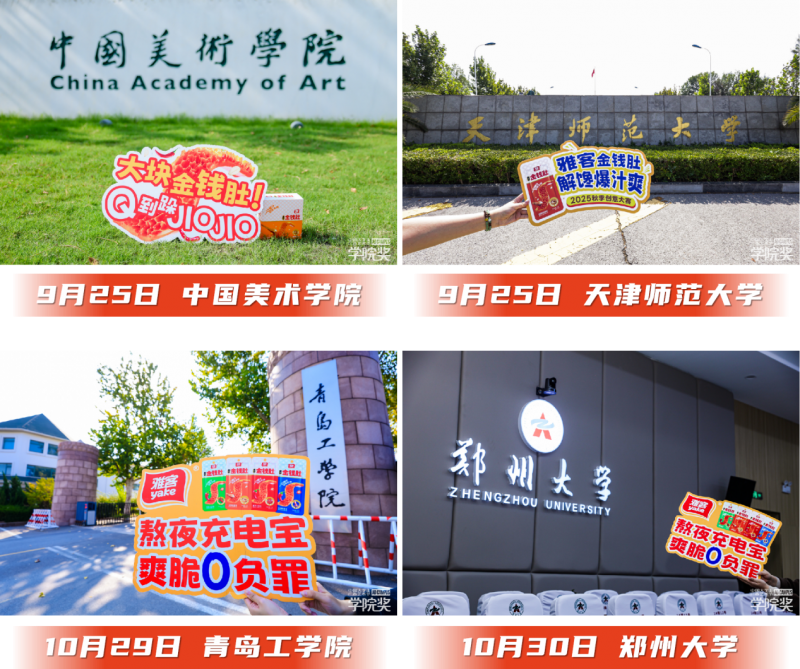
伴随着万亿级休闲零食赛道同质化竞争加剧,年轻一代已成为品牌增长的核心变量。在年轻消费群体对"情感连 接"与"体验价值"远超功能性需求的深层变迁下,雅客四度携手学院奖,以系统化的校园生态共建将品牌年轻化提 升至战略层级。 作为战略落地的关键一环,雅客校园行先后走进中央美术学院、中国美术学院、郑州大学、山西大学、安徽大 学、东北师范大学、天津师范大学和青岛工学院八所高校,通过线上线下与10000+名学子进行深度对话,构建 从"单向传播"到"生态共建"的年轻化转型范式。 课堂不再是灌输,而是品牌与青年群体零距离的"交流广场"。在轻松幽默的互动中,同学们踊跃发言,思维激 荡,其反馈与创意也成为雅客洞察年轻消费趋势的宝贵资产,实现了从"创意征集"到"心智锚定"的跨越。 圈粉青春现场:沉浸式体验场焕新品牌印象 品牌理念不止于课堂,更延伸至场外的互动体验之中。精心设计的雅客品牌互动专区一经亮相便成为校园焦点, 通过沉浸式场景互动与真实品鉴种草,将品牌态度生动转化为可感知的年轻化体验场。 融合古典韵味与潮流趣味的投壶挑战与定制漆扇趣味游戏,不仅吸引了大量学子驻足参与,更在欢声笑语中传递 了雅客与年轻人共创快乐、玩在一起的品牌 ...
代言人迪丽热巴潮动金陵红星美凯龙以“年轻力”重构家居消费新场景
Xin Lang Cai Jing· 2025-11-15 10:36
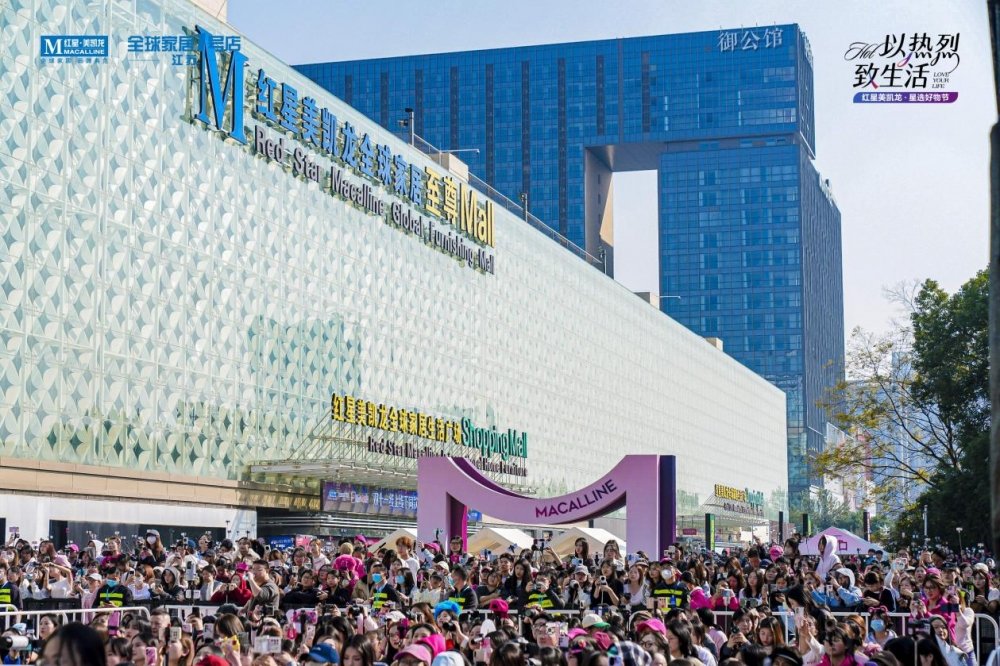
Core Insights - The event "Star Selection Good Goods Festival" was launched by Red Star Macalline in Jiangsu, featuring brand ambassador Dilireba, highlighting the company's commitment to brand rejuvenation and engagement with younger consumers [1][3]. Group 1: Brand Strategy - Red Star Macalline's Chairman Li Yupeng emphasized the importance of appealing to younger generations, stating "whoever wins the youth wins the world," and outlined the company's strategy for brand youthfulness [3]. - The company is focusing on a transformation that integrates emotional expression in home decoration, moving away from mere style replication to a deeper connection with materials and spatial emotions [5]. Group 2: Product Innovation - Dilireba participated in an interactive session as a "life designer," showcasing a new concept of appliance consumption that emphasizes "set-based and scenario-based" approaches [6]. - The company is advancing the planning of electrical appliances to be more integrated into the overall home design process, enhancing consumer experience [6]. Group 3: Service Commitment - The "Old House Renewal" initiative was discussed, with a focus on "green consumption + service upgrade" as a dual driving force for the company's integrated service model from consultation to after-sales [8]. - The event featured various interactive elements, including a cake decoration theme and fan engagement, enhancing the emotional connection between the brand and its consumers [8]. Group 4: Industry Positioning - The "Star Selection Good Goods Festival" is positioned not only as a brand celebration but also as a declaration of renewed industry concepts, with a future focus on "scenario-based, high-end, and intelligent" offerings [10].
大米玉米多品类登上“11.11”榜单,十月稻田战绩业绩双线飘红
Zhong Guo Zhi Liang Xin Wen Wang· 2025-11-10 09:01
Core Insights - The "11.11" shopping festival has officially launched, marking the beginning of the peak consumption season in both online and offline retail markets. Consumer shopping motivations are shifting from impulsive buying to more precise selections, as evidenced by the explosive growth of multiple brands across major platforms like Tmall, JD.com, Douyin, and Pinduoduo [1][3] Group 1: Sales Performance - October Rice Field achieved significant sales during the "11.11" event, dominating various categories such as rice, grains, and dried goods. Their products, including the Seven-Color Brown Rice and Yellow Glutinous Corn, topped sales charts across multiple platforms [1][3] - The company reported a robust performance for the third quarter of the 2025 fiscal year, with revenue reaching between 1.74 billion and 1.82 billion yuan, reflecting a year-on-year increase of 25.7% to 31.5%. Operating profit surged to between 135 million and 150 million yuan, marking a year-on-year growth of 71.5% to 90.5% [3][5] Group 2: Strategic Direction - The company is transitioning from a reliance on rice to a broader product range, including leisure foods, aligning with changing consumer trends. This strategic shift is supported by a projected revenue increase to 6.994 billion yuan by 2027, with net profit expected to rise to 631 million yuan [5] - The company has established a comprehensive online and offline ecosystem, collaborating with over 40 major e-commerce platforms and expanding its presence in physical retail channels. This strategy aims to effectively reach target consumers [5] Group 3: Brand Positioning - The company is focusing on appealing to the younger generation, particularly Generation Z, by using relatable communication and engaging with their lifestyle. This approach aims to transform the brand from a mere "dining symbol" to a "lifestyle symbol" that resonates emotionally with young consumers [5][7] - The appointment of new-generation actor Ke Chun as a brand ambassador and the launch of a co-branded limited edition rice product exemplify the company's efforts to connect with younger audiences. This strategy is expected to enhance brand visibility and drive sales during the "11.11" festival [7]
