消费场景创新

Search documents
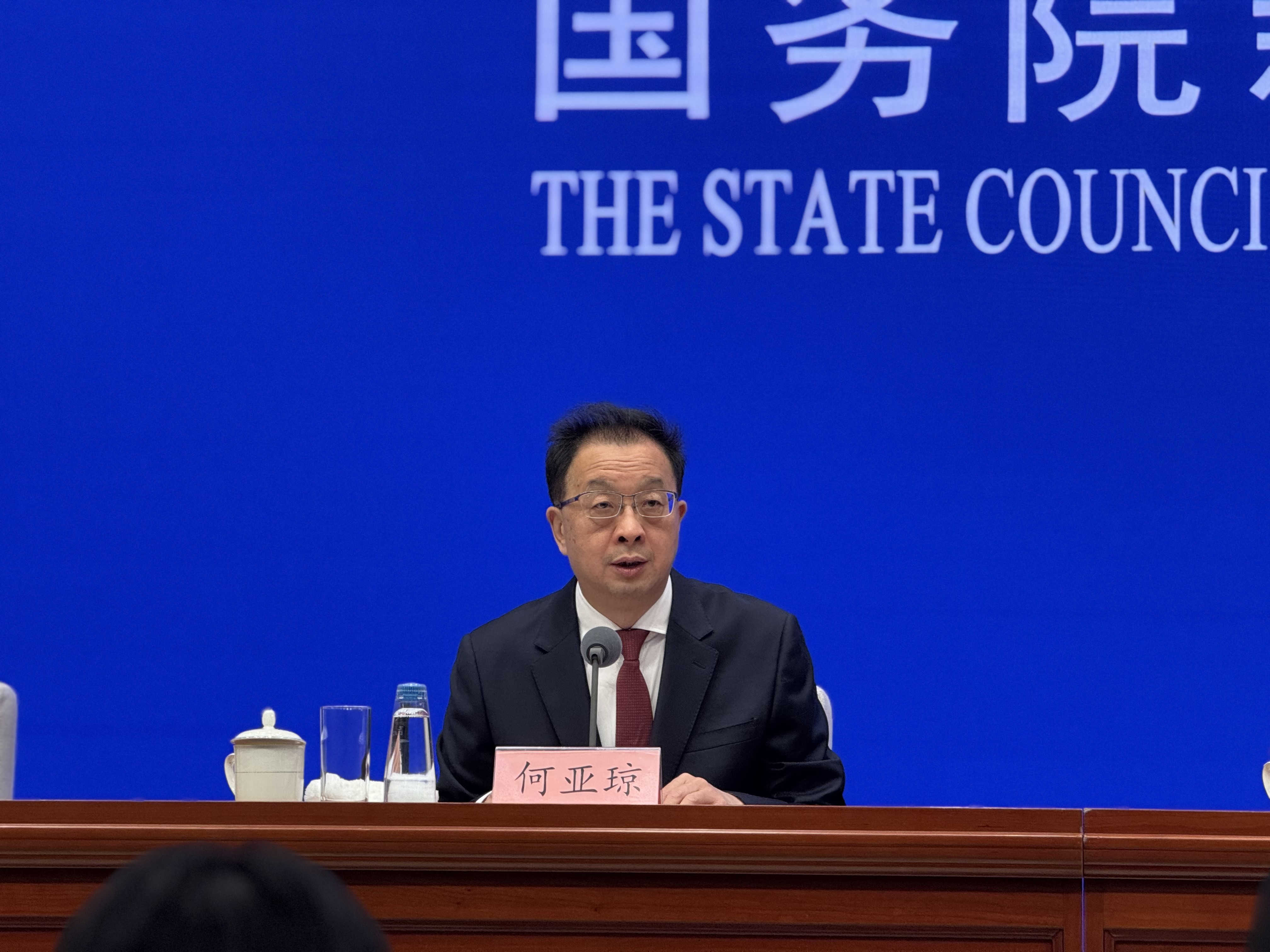
经销商代表提出提高开瓶率、细化消费场景,表态对茅台发展满怀信心
Huan Qiu Wang· 2025-12-20 01:18
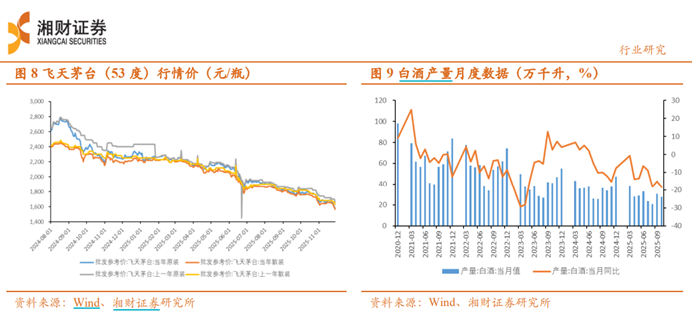
Group 1 - The core viewpoint of the news highlights the resilience and confidence of Guizhou Moutai's distributors in Guangdong Province, emphasizing their commitment to overcoming market challenges together [1] - Guizhou Moutai's distributors plan to enhance market expansion by increasing bottle opening rates, refining consumption scenarios, and targeting younger demographics through dedicated social media platforms [1] - The company aims to promote its social responsibility through various public welfare initiatives while focusing on the development of a series of activities for inheritors [1] Group 2 - Xiangcai Securities reports that Moutai is focusing on consumer-centric strategies, promoting "three transformations and three terminal changes" to ensure long-term stability in market channels [2] - The report suggests that Moutai is building a comprehensive anti-counterfeiting technology system involving multiple carriers, subjects, and technologies [2] - The analysis indicates that there are opportunities in both innovative consumption categories and traditional sectors that are actively seeking change, recommending attention to leading companies with strong demand stability and risk resistance [4]


“新中式”火爆背后,阿迪达斯吴亮:年轻人喜欢更松弛、更时尚地表达文化自信
Sou Hu Wang· 2025-12-19 09:16
Core Insights - The younger generation seeks a more relaxed and fashionable way to express cultural confidence, which brands like Adidas are tapping into by interpreting traditional Chinese culture through their products [1] Group 1: Consumer Trends - The global consumption market is undergoing deep structural changes, with increasing trends of market segmentation and personalization, necessitating brands to accurately identify and cater to diverse consumer needs [3] - Adidas is diversifying its product offerings in the running category, providing a range of shoes tailored to different types of runners, such as the ADIZERO 0 series for elite runners and the SUPERNOVA series for casual joggers [3] Group 2: Brand Innovation - Adidas has successfully launched its flagship store on Anfu Road in Shanghai, which has become a cultural hub for young consumers and has performed exceptionally well since its opening [5] - The brand is focusing on cross-industry collaborations to enhance product appeal, including a partnership with Chinese designer SAMUELGUÌYANG for a limited New Year collection, which has gained popularity among young consumers and NBA stars [7] Group 3: Financial Performance - Adidas reported a revenue of €2.774 billion in the Greater China region for the first three quarters of 2025, reflecting a 12% year-on-year growth and demonstrating the effectiveness of its localized strategy [9]


焕新体验,让“买买买”更惬意(评论员观察)
Ren Min Ri Bao· 2025-12-16 22:11
Group 1 - The core viewpoint emphasizes the shift in consumer behavior towards quality, experience, and emotional resonance in shopping, driven by the trend of consumption upgrading [1][4] - The implementation of free admission in popular tourist attractions, such as the Lingyin Feilai Peak Scenic Area, resulted in a 70% increase in visitor numbers compared to the same period last year, demonstrating that eliminating entrance fees can enhance overall spending through extended consumer engagement [1] - The "241 algorithm" in Hangzhou indicates that for every additional 24 hours a tourist stays, the city's annual tourism revenue increases by 10 billion yuan, highlighting the economic benefits of longer visitor stays [1] Group 2 - The "14th Five-Year Plan" suggests a strong focus on boosting consumption by innovating consumption scenarios, improving consumer experiences, and optimizing the consumption environment, which are crucial for achieving a dynamic balance between supply and demand [2] - In the first 11 months of the year, over 960 new stores opened in Beijing, integrating intangible cultural heritage and global aesthetics into consumption scenarios, which continuously stimulates consumer vitality [2] - The rise of instant retail, supported by local retail supply, has become a new growth driver for China's retail industry, showcasing the transformative impact of scenario innovation on consumption [2] Group 3 - The introduction of national standards for various sectors, including ice sports and green furniture, aims to enhance consumer confidence and protect rights, thereby fostering a more favorable consumption environment [3] - The implementation of over 40 national standards in service consumption sectors, such as sports and dining, is expected to drive the transformation towards new, green, and high-quality service consumption [3] Group 4 - From 2013 to 2024, domestic demand is projected to contribute an average of 93.1% to economic growth, with final consumption expenditure expected to account for 44.5% of economic growth by 2024, indicating the resilience and potential of the Chinese consumer market [4] - The contribution of consumption to economic growth has already surpassed 50% in the first half of this year, underscoring the importance of optimizing the consumption environment to enhance consumer confidence and release domestic demand potential [4] - A new era of consumption characterized by comfort and quality is emerging, with a strategic focus on expanding domestic demand to support high-quality economic development [4]
消费利好!三部门,最新部署!深化商务和金融系统协作
Zheng Quan Shi Bao Wang· 2025-12-15 02:57
Core Viewpoint - The joint notice issued by the Ministry of Commerce, the People's Bank of China, and the Financial Regulatory Administration aims to strengthen the collaboration between commerce and finance to boost consumption significantly [1][2]. Group 1: Policy Measures - The notice outlines 11 policy measures across three main areas: enhancing collaboration between commerce and finance, increasing financial support for key consumption areas, and expanding cooperation among government, finance, and enterprises [2][4]. - It emphasizes the need for local departments to improve communication and collaboration, encouraging the establishment of mechanisms to address challenges in financial support for consumption [4][5]. Group 2: Financial Support for Consumption - Financial institutions are encouraged to focus on five key areas: upgrading product consumption, expanding service consumption, fostering new consumption types, innovating diverse consumption scenarios, and supporting consumption assistance [2][7]. - Specific measures include enhancing financial services for durable goods and digital products, improving loan policies for personal consumption, and supporting cross-border trade financing [7][8]. Group 3: Government-Finance-Enterprise Cooperation - The notice promotes joint consumption activities organized by local commerce departments and financial institutions, aiming to reach more businesses and consumers [11]. - It encourages the sharing of information and resources between local departments and financial institutions to facilitate precise service delivery and enhance credit construction in the consumption sector [12].
加强商务和金融协同 更大力度提振消费
Sou Hu Cai Jing· 2025-12-14 23:22
Core Viewpoint - The article discusses a joint notification issued by the Ministry of Commerce, the People's Bank of China, and the Financial Regulatory Bureau aimed at boosting consumption through enhanced collaboration between commerce and finance sectors. Group 1: Policy Measures - The notification outlines 11 policy measures across three main areas focusing on product consumption, service consumption, and new consumption types, emphasizing the need for strong mechanisms and implementation [2][4][5]. - Local departments are encouraged to strengthen communication and collaboration, utilizing financial and social capital to stimulate consumption [2][7]. Group 2: Financial Support for Consumption - Financial institutions are urged to optimize their services around five key areas: upgrading product consumption, expanding service consumption, nurturing new consumption types, innovating diverse consumption scenarios, and supporting consumption assistance [4][5]. - Specific measures include enhancing financial services for durable goods and digital products, and developing tailored loan products based on consumer credit profiles [4][6]. Group 3: New Consumption Development - The notification promotes the development of new consumption types, including green, health, and digital consumption, while encouraging financial institutions to explore innovative financial services [6][8]. - It emphasizes the integration of financing, settlement, and insurance services to support new consumption scenarios and enhance the overall consumer experience [6][7]. Group 4: Government-Financial-Enterprise Collaboration - The notification encourages a collaborative approach among government, financial institutions, and businesses to conduct diverse promotional activities and share information effectively [7][8]. - Financial institutions are advised to participate in local consumption promotion activities and customize services to meet specific local needs [7][8]. Group 5: Implementation and Future Steps - The Ministry of Commerce plans to guide local departments and financial institutions in implementing these measures effectively, aiming to support consumer welfare and stimulate consumption for a strong economic start [8].

三部门:更大力度提振消费!创新多元化消费场景、培育新型消费
Sou Hu Cai Jing· 2025-12-14 12:15
Core Viewpoint - The Ministry of Commerce, the People's Bank of China, and the Financial Regulatory Administration have issued a notification aimed at enhancing collaboration between commerce and finance to boost consumption, outlining 11 policy measures across three main areas [1]. Group 1: Upgrading Commodity Consumption - The notification emphasizes the enhancement of financial services for durable goods and digital products, aiming to unlock the potential for commodity consumption upgrades [3]. - Financial institutions are encouraged to collaborate with platforms and key merchants to improve payment options such as installment plans, credit cards, mobile banking, and digital currency, catering to consumer demand for upgrades [3]. - Policies will be implemented to rationally determine loan issuance ratios, terms, and interest rates based on customer repayment ability and credit status, while also expediting the development of personal consumption loans [3]. Group 2: Encouraging Local Consumption Initiatives - Local commerce authorities are urged to leverage existing funding channels to actively promote consumption activities, aligning financial support to better stimulate consumption potential [4]. - The use of digital currency smart contracts is encouraged to enhance the effectiveness of consumption promotion policies [4]. - Various financial support methods, such as loan interest subsidies and risk compensation, will be explored to guide credit funds towards key consumption areas [4]. Group 3: Fostering New Consumption Models - The notification calls for the development of new consumption models tailored to local conditions, focusing on sustainable and controllable risks while exploring financial support for emerging economic sectors like green and digital consumption [5]. - Financial institutions are encouraged to collaborate with social e-commerce and live-streaming platforms to create internet-adapted business models [5]. - There is a push for financial services to be more accessible to a broader customer base, including underserved segments, enhancing convenience and availability [5]. Group 4: Innovating Diverse Consumption Scenarios - The notification supports the integration of financing, settlement, and insurance services to foster new consumption scenarios, enhancing financial support for various commercial activities and urban development projects [6]. - Financial institutions are encouraged to engage in rural e-commerce development and support local consumption initiatives, particularly in agricultural product sales [6]. - There is a focus on improving financing for logistics and distribution centers in rural areas to meet the credit needs of cold chain logistics projects [6].

催生更多服务消费新场景
Zhong Guo Jing Ji Wang· 2025-12-03 23:12
Core Insights - The recent issuance of two significant documents by the Ministry of Industry and Information Technology and other departments aims to enhance the adaptability of supply and demand in consumer goods, promoting consumption through innovative scenarios [1][2] - There is a notable shift in consumer behavior from purchasing products to seeking experiences, indicating a growing trend in service consumption as a new driver for economic growth [1][2] Group 1: Policy Initiatives - The implementation plans focus on activating consumption potential through scenario innovation, which is seen as a critical approach to stimulate economic growth [1] - The documents highlight the need for a robust framework to cultivate new consumption scenarios, addressing existing challenges such as insufficient innovation and slow regulatory adaptation [2] Group 2: Market Trends - As GDP per capita approaches $15,000, there is a significant transition from product-oriented consumption to service-oriented consumption, which is expected to stabilize economic growth [1] - Service consumption is characterized by its emphasis on experience, immersion, and emotional resonance, aligning with consumers' desires for personalized and high-quality lifestyles [1] Group 3: Implementation Strategies - To foster new consumption scenarios, traditional commercial areas should leverage technology to enhance the shopping experience, integrating online convenience with offline engagement [2] - The integration of culture and tourism is encouraged, with suggestions to enhance visitor experiences through immersive performances and interactive activities [2] - There is a call for accelerated digital infrastructure development, promoting the use of AI, IoT, and robotics across various service industries [2] Group 4: Support for Innovation - The need for policy support to reduce barriers for innovation in new consumption scenarios is emphasized, including financial guidance and the establishment of industry funds [3] - A dynamic regulatory framework is proposed to accommodate new technologies and business models, ensuring a balanced approach to innovation and oversight [3] - The "14th Five-Year Plan" suggests creating high-impact consumption scenarios to optimize consumption structure and unleash market potential [3]
广德“三件套”出圈 中小城市如何接住“泼天富贵”?
Zhong Guo Xin Wen Wang· 2025-12-02 06:27
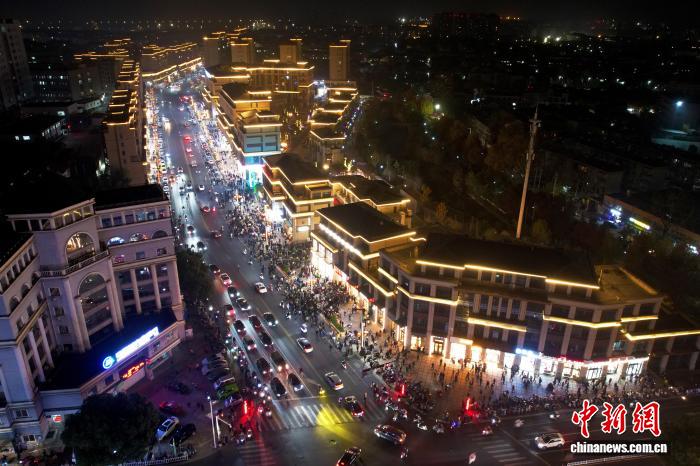
Core Insights - The unexpected popularity of the "three-piece set" from Guangde, consisting of a炖锅 (stew pot), 卡旺卡奶茶 (Kawanka milk tea), and 詹记桃酥 (Zhanji peach crisp), has attracted tourists from regions like Shanghai, Jiangsu, and Zhejiang, showcasing a successful case of local cultural tourism [1][2] Group 1: Market Trends - The surge in Guangde's tourism reflects a broader trend of diversified consumption in China, shifting from product-based to experience-oriented and emotional consumption [2] - There is a growing demand for cultural and creative products, as well as intangible cultural heritage items, indicating a shift in consumer preferences towards experiences that provide both satisfaction and emotional value [2] Group 2: Local Government Initiatives - The local government has implemented policies to innovate consumption scenarios, create quality IPs, and promote the integration of various business formats, which have contributed to Guangde's rise as a tourist destination [4] - Events such as the "炖锅大武台" (Stew Pot Grand Competition) and high-end sports events have been organized to attract visitors and enhance the city's appeal [4] Group 3: Community Engagement - Guangde's response to the influx of tourists has been commendable, with the government providing free buses and parking, and local businesses ensuring the freshness of ingredients [5] - The community's willingness to welcome visitors has transformed the city's image from merely being a "net celebrity" location to a place that offers genuine emotional connections [5] Group 4: Comparative Analysis - Other counties in China have also successfully gained attention by leveraging their unique characteristics, such as Anji County's bamboo forests and Dali's cultural identity, highlighting the importance of local culture in attracting tourism [7] - The challenge for Guangde lies in converting the temporary surge in visitors into sustained interest and deeper tourism experiences, which will require ongoing efforts to enhance local offerings [7]
长三角铁路“计次票”激发文旅消费新活力
Zheng Quan Ri Bao· 2025-11-27 16:16
Core Insights - The introduction of a 15-day flexible travel pass by the Yangtze River Delta Railway marks a significant innovation in ticketing, allowing travelers to combine journeys across multiple high-speed rail lines without the need for repeated purchases [1][2] - This new ticketing model enhances travel flexibility and offers substantial discounts, exemplified by a nearly 30% reduction in ticket prices for certain routes [1][2] Ticketing Innovation - The new travel pass covers five high-speed rail lines and 26 stations, enabling travelers to choose any train service within specified routes and classes [1] - The model is described as a "high-speed rail monthly pass" for tourists, breaking away from traditional fixed schedules and routes [1][2] Market Impact - The introduction of the travel pass is expected to stimulate demand during the winter tourism off-season, addressing price sensitivity among potential travelers [2][3] - The initiative aligns with national policies aimed at enhancing consumer goods supply and demand interaction, promoting a high-quality development framework by 2030 [2] Integration with Tourism - Alongside the ticketing innovation, local attractions are launching winter-themed activities and packages, creating a comprehensive "transportation-tourism" consumption chain [3] - The expected increase in visitor numbers to scenic spots like Xianju and Hengdian is anticipated to boost local economies [3] Industry Collaboration - The railway's ticketing innovation is seen as a catalyst for cross-industry collaboration, linking transportation with tourism, dining, and accommodation sectors [3][4] - Experts suggest further enhancing winter tourism experiences through innovative cultural offerings and local traditions, thereby converting travel into sustained consumer engagement [3][4]
解锁未来消费!冰箱自动生成购物清单、人形机器人也能“温情陪伴”
Bei Jing Ri Bao Ke Hu Duan· 2025-11-27 05:03
Core Insights - The Chinese government is promoting policies to enhance the adaptability of supply and demand in consumer goods, with a focus on artificial intelligence (AI) as a catalyst for consumption growth [1][3]. Group 1: AI User Base and Market Trends - As of the first half of this year, the user base for generative AI products in China has reached 515 million, with continuous expansion of application scenarios and a surge in new AI terminal products [1]. - AI is transforming consumption from merely purchasing products to subscribing to a lifestyle, indicating a shift in consumer behavior [3]. Group 2: Product Innovation - The government plans to drive product innovation by integrating AI and big data into the digital transformation of key consumer goods sectors, aiming to establish a digital ecosystem that connects user demand, intelligent design, flexible production, and precise services [4]. - In the home appliance sector, there is support for developing smart appliances that utilize user behavior data for decision-making, enhancing user experience through features like automatic shopping lists [4]. Group 3: Scenario Expansion - The initiative will promote the integration of AI into more consumer scenarios, creating new experiences and stimulating demand, such as in smart home environments and health care for the elderly [5]. - Examples include AI glasses that provide hands-free navigation and personalized services, and the development of AI-powered health monitoring products aimed at improving elderly care [5]. Group 4: Future Directions - The Ministry of Industry and Information Technology will focus on demand-driven, technology-led, and ecosystem-coordinated approaches to deepen the integration of AI with the consumer goods sector, continuously expanding new consumption scenarios [6].