
高质价比

Search documents
防晒品热卖背后:拼多多千亿扶持让“质价比”成为突围首选
华尔街见闻· 2025-07-16 10:56
Core Viewpoint - The "sunscreen economy" in China is experiencing rapid growth, with a significant increase in market size and consumer demand for sunscreen products throughout the year, rather than just in summer [1][2][10]. Group 1: Market Trends - The consumer awareness of sunscreen has evolved from seasonal necessity to a year-round strategic focus, indicating a shift in market dynamics [2]. - The demand for sunscreen products has diversified, with a notable increase in the popularity of high-quality, cost-effective options among consumers [4][8]. Group 2: Product Quality and Pricing - There is a wide price range for sunscreen products, with the highest sales occurring in the 50-100 yuan range, reflecting a strong demand for economical options [4]. - Quality does not always correlate with price; for instance, a factory owner indicated that their sunscreen clothing priced at around 40 yuan offers similar quality to more expensive alternatives [5][6]. Group 3: Industry Support and Growth - Pinduoduo's "trillion support" policy has significantly aided numerous sunscreen brands, allowing them to offer high-quality products at competitive prices [9][10]. - The platform's M2C (Manufacturer to Consumer) model has enabled factories to reduce costs and improve efficiency, contributing to the growth of the sunscreen market [9][11]. Group 4: Employment and Community Impact - The growth of sunscreen product manufacturing has also created job opportunities, particularly for local communities, including vulnerable groups such as women and the elderly [7][10].


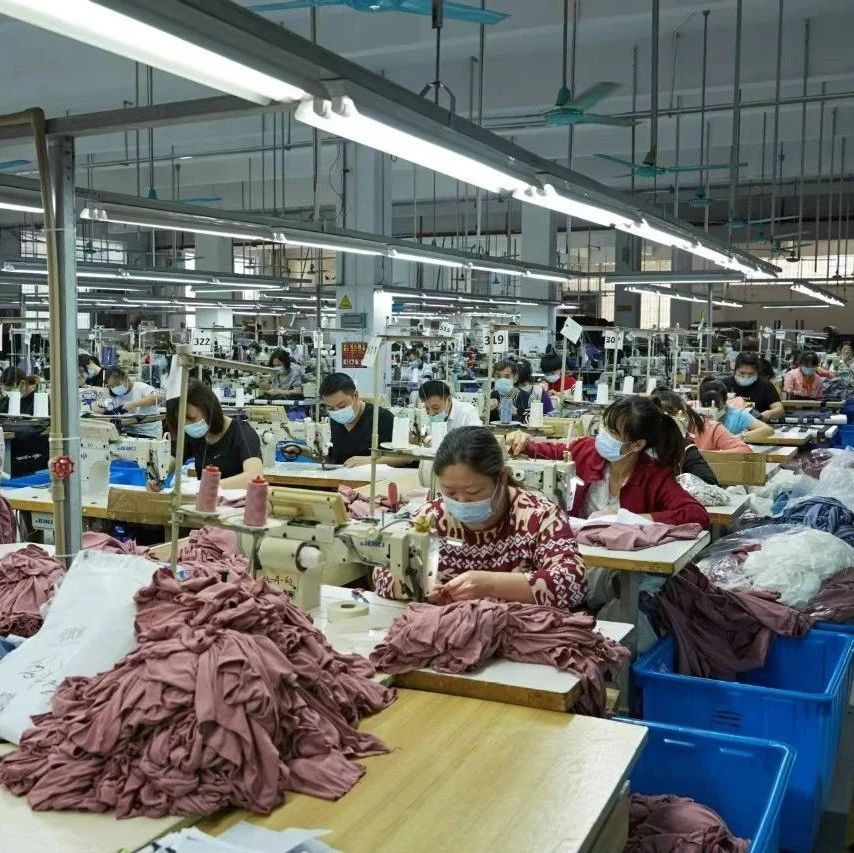
家悦烘焙“百店速度”:如何用一年重塑商超烘焙新生态
Zhong Guo Chan Ye Jing Ji Xin Xi Wang· 2025-07-14 03:53
Core Insights - The Chinese baking market is experiencing new development opportunities driven by consumer downturn and retail transformation, exemplified by the rapid expansion of the JiaYue Baking brand, which has opened its 100th store within a year [1] - JiaYue Baking's success is attributed to its unique "supermarket + baking" model, which has redefined consumer perceptions and provided a replicable success template for traditional retail transformation [1] Group 1: Quality and Competitive Advantage - JiaYue Baking emphasizes "freshly baked on the same day" as a direct commitment to quality, differentiating itself from pre-packaged products by having dedicated in-store bakeries with professional bakers [3] - Consumer feedback highlights the freshness of JiaYue Baking products as a key factor driving repeat purchases, establishing a significant competitive edge [3] Group 2: Pricing Strategy - The brand adheres to a "quality first" principle in raw material selection, using high-quality ingredients like Dutch Friesland royal butter for its signature "fresh milk butter toast," which, despite higher costs, has gained consumer recognition [4] - Market research indicates that JiaYue Baking's core products are generally priced lower than or on par with competitors, such as fresh milk toast at 6.9 yuan, butter croissant at 15.9 yuan, and crispy small cakes at 9.9 yuan, effectively appealing to consumers' desire for quality and affordability [4] Group 3: Market Positioning - JiaYue Baking targets everyday family consumption, offering affordable quality baking products, and differentiates itself from traditional supermarket baking sections through specialized product development and on-site production [6] - This "middle route" successfully opens a new market segment in the ready-to-eat category within supermarkets, combining convenience with a quality experience similar to that of professional bakeries [6] Group 4: Innovation and Future Outlook - Looking ahead, JiaYue Baking faces both opportunities and challenges, with increasing consumer demand for high-quality, cost-effective baking products amid a consumer downturn [7] - The brand plans to enhance single-store operational efficiency, deepen product innovation, and explore flexible store formats, such as community small specialty stores, to better meet diverse consumer needs [7]

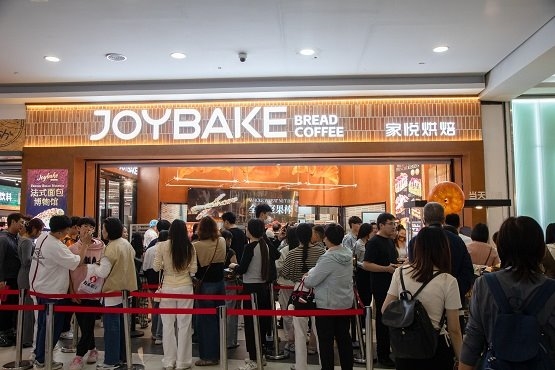
72款产品年销超250万件,美ONE优选多款产品荣登天猫热销榜单
2 1 Shi Ji Jing Ji Bao Dao· 2025-06-13 06:53
Core Insights - The article highlights the rapid growth of the Chinese e-commerce brand 美ONE优选, which has successfully connected high-quality manufacturers with consumers, achieving over 2.5 million sales of 72 self-operated products and serving more than 1.5 million users [1][9]. Group 1: Business Model and Strategy - 美ONE优选 aims to empower "invisible champion" factories by providing them a platform to showcase their products directly to consumers, overcoming challenges related to brand operation and market access [3][5]. - The brand collaborates with top manufacturers, leveraging the influence of live streaming to enhance product visibility and credibility, thus attracting more orders and partnerships [5][6]. - The selection process for partner factories involves rigorous quality control and cultural value assessment, ensuring that products not only meet high standards but also resonate with traditional craftsmanship [5][6]. Group 2: Product Development and Quality Control - 美ONE优选 emphasizes strict quality control throughout the supply chain, requiring partner factories to pass evaluations from third-party organizations, with most achieving scores between 80-90 [6][7]. - The product development cycle is extensive, averaging 4-6 months, focusing on user experience and continuous feedback for product optimization [6][8]. - The brand has successfully launched various products, such as soft-bristle toothbrushes and premium dried fruits, which have received positive market responses and high sales volumes [7][8]. Group 3: Market Performance and Future Outlook - The brand's product range has expanded to 72 SKUs, covering diverse categories, with several items achieving significant sales milestones, such as over 500,000 units for garbage bags and more than 100,000 units for other popular products [9][12]. - 美ONE优选's growth reflects a shift in the e-commerce landscape from traffic competition to value competition, positioning itself as a co-creator of brands rather than just a manufacturer [12]. - Future plans include focusing on high-potential categories like beauty tools and pet products, with a commitment to understanding consumer needs and maintaining high product quality [12].
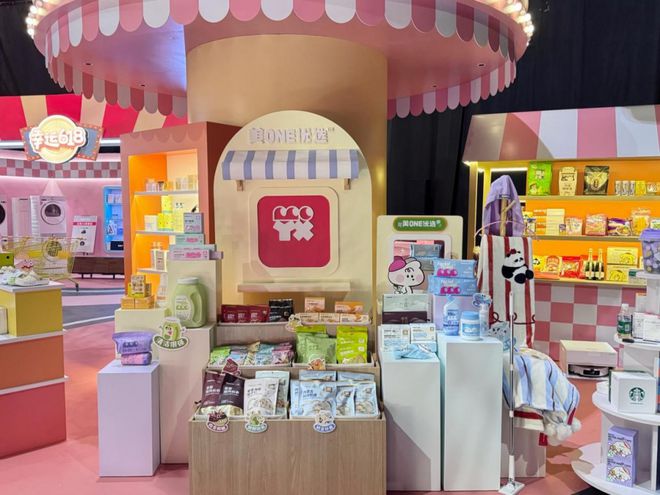
“新晋江系”在拼多多突围,高质价比潮鞋圈粉年轻人
Nan Fang Du Shi Bao· 2025-06-09 00:22
Core Viewpoint - The rise of new brands from Jinjiang, leveraging the support of platforms like Pinduoduo, is reshaping the competitive landscape in the footwear industry, particularly in niche markets such as children's shoes and casual footwear [1][2]. Group 1: New Brand Development - New brands from Jinjiang are rapidly growing by developing their own brands and capitalizing on the rise of Pinduoduo, focusing on high quality and cost-effectiveness to attract consumers [1]. - These brands are strategically avoiding direct competition with established players like Anta by targeting niche segments such as children's shoes and casual footwear [1][3]. Group 2: Market Challenges - Traditional manufacturers like Dahuangfeng have faced stagnation in online sales growth since 2021 due to increased competition from established brands entering the children's shoe market [3]. - The competitive landscape in Jinjiang has intensified as major brands expand into new categories, impacting smaller players' growth [3][4]. Group 3: Transformation and Strategy - Many small and medium-sized manufacturers in Jinjiang are being forced to transform their business models, shifting from wholesale to online retail to adapt to changing market dynamics [4][5]. - Companies are increasingly focusing on brand establishment and online presence to capture market share, with some opting for acquisitions to revitalize existing brands [5][6]. Group 4: Pinduoduo's Role - Pinduoduo's initiatives, such as the "Billion Support Plan," are providing significant resources to support new quality brands, helping them reduce operational costs and enhance their market competitiveness [8]. - The platform's aggressive marketing and support strategies have led to increased sales for brands like Gongniu and Dahuangfeng, with expectations of reaching sales targets exceeding 100 million yuan [9]. Group 5: Future Outlook - The emergence of new brands and the continued support from platforms like Pinduoduo suggest a promising future for Jinjiang's footwear industry, with expectations of more brands entering the market and achieving significant sales growth [2][10].
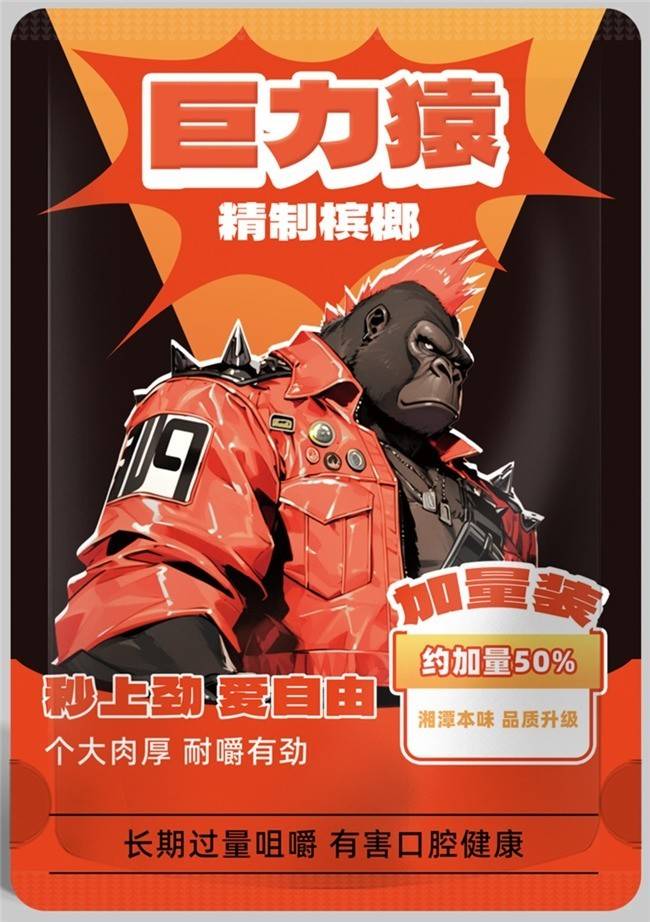
槟榔新锐品牌巨力猿,千万投资欲重塑百亿赛道
Sou Hu Cai Jing· 2025-06-04 09:17
Core Insights - The traditional betel nut industry faces challenges from health concerns and a younger consumer base distancing itself, leading to the emergence of a new player, Jiliyuan, which aims to provide high-quality betel nut products at competitive prices [1] - Jiliyuan's brand philosophy centers on "betel nut freedom, technology for good," targeting young consumers and focusing on enhancing product quality while reducing negative health impacts [1][4] Group 1: Market Challenges and Opportunities - The founder, He Zhenglong, has a personal history with betel nut consumption, which has informed his understanding of market needs and pain points, particularly the stark divide between high-end and low-end products [1] - The market currently shows a significant disparity, with high-end products priced over five times more than low-end options, leading to a lack of offerings that balance quality, price, and health [1] Group 2: Product Development and Innovation - A pivotal moment for Jiliyuan came in 2024 when He Zhenglong and a friend analyzed the costs of existing betel nut products, leading to a focus on the "high quality-price ratio" segment [2] - The company employs a rigorous selection process for raw materials, utilizing both manual and AI methods to ensure quality, and has developed 18 core processes to enhance flavor while reducing health risks [2][4] Group 3: Consumer Experience and Feedback - Initial product samples faced internal criticism for lacking "strength," but consumer feedback highlighted a demand for a comfortable chewing experience rather than intense stimulation [5] - Jiliyuan's approach emphasizes a balance between taste and health, aiming to meet modern consumer preferences for a more enjoyable and less harmful product [5] Group 4: Brand Identity and Values - The brand name "Jiliyuan" encapsulates three core principles: "giant" representing a 30% elimination rate of inferior fruits, "strength" denoting the use of 18 health-conscious processes, and "ape" symbolizing a return to authentic flavors and consumer empowerment [6] - Jiliyuan seeks to redefine consumer perceptions of betel nut through a framework of quality, technology, and value, promoting its philosophy of "betel nut freedom, technology for good" [6]
南极电商(002127) - 2025年5月23日投资者关系活动记录表
2025-05-23 10:20
Group 1: Online Business Development - The company's online business is maintaining steady growth, focusing on high-quality development through product pricing, quality, and variety to ensure reasonable and sustainable growth [1] - The online sales channel distribution will remain relatively balanced, with strategies tailored to different brands and categories across platforms like Alibaba, Douyin, JD.com, and Vipshop [1] Group 2: Offline Store Strategy - The company has opened a pop-up store under the Nanji brand and plans to establish a fixed store at Global Harbor, while actively negotiating with retail entities in Shanghai and surrounding areas [2] - Offline store types include single-point stores, comprehensive stores, and community stores, with a goal to explore suitable business models based on different store elements [2] Group 3: Store Operations and Sales Goals - The focus is on direct-operated stores to maintain high brand standards, with a target of achieving sales of 10 million per store in the future [3] - The SKU for offline stores includes both self-operated and franchise products, with plans to introduce IP collaboration products in large comprehensive stores [3] Group 4: Marketing Plans and Investment - In 2025, the company will adopt a more rational and cautious approach to advertising and sales expenses, aiming to enhance marketing efficiency and brand value conversion [4] - Marketing efforts will shift towards integrated marketing strategies, including terminal image enhancement, designer collaborations, and social media engagement [4] Group 5: Organizational Structure and Team Development - The company has a capable team in legal, financial, and supply chain management to support business development goals, with plans to continuously recruit professionals with channel development and integrated marketing skills [4] Group 6: Supply Chain Future Planning - The company aims to enhance product cost-effectiveness through professional teams that facilitate process upgrades, ensuring products are visually appealing, comfortable, functional, and reasonably priced [5] - Strict management strategies are in place for self-operated product series and franchise operations to ensure product quality and cost advantages in the market [6]

A股服装公司业绩“跳水”:男女装业务直面寒冬,企业押注童装、运动品类突围
2 1 Shi Ji Jing Ji Bao Dao· 2025-05-12 12:21
Core Viewpoint - The A-share clothing companies are facing multiple challenges such as intensified market competition, restructuring supply-demand relationships, and pressures on inventory and cash flow, leading to overall performance decline in the past year [1] Group 1: Performance of Men's Clothing Companies - Several leading men's clothing companies, including Hailan Home, Youngor, Semir, and Baoxiniao, have shown resilience despite facing growth challenges, with net profits around or above 500 million yuan [1] - Hailan Home reported a revenue of 20.957 billion yuan in 2024, a decrease of 2.65%, and a net profit of 2.159 billion yuan, down 26.88% [2] - Youngor achieved a revenue of 14.188 billion yuan, up 3.19%, but its net profit fell by 19.41% to 2.767 billion yuan [2] - Semir's revenue reached 4.004 billion yuan, a growth of 13.24%, while its net profit decreased by 14.28% to 781 million yuan [2] - Baoxiniao's revenue was 5.153 billion yuan, down 1.91%, with a net profit of 495 million yuan, a decline of 29.07% [2] Group 2: Expansion into Outdoor Sports - Leading men's clothing companies are expanding into outdoor sports categories, with Hailan Home investing 248 million yuan to acquire a 51% stake in Spobz, which will manage Adidas products in China [3] - Baoxiniao is acquiring the global intellectual property rights of the high-end outdoor brand Woolrich for approximately 384 million yuan [3] - Semir is also focusing on the outdoor apparel segment, aiming to create a "trendy outdoor" brand [4] Group 3: Performance of Women's Clothing Companies - The women's clothing sector is experiencing more severe impacts, with companies like Ge Li Si, Ri Bo Shi Shang, and An Zheng Shi Shang reporting significant losses [5][6] - Ge Li Si's revenue grew by 4.14% to 3.036 billion yuan, but it reported a net loss of 310 million yuan [6] - Ri Bo Shi Shang's revenue fell by 15.68% to 866 million yuan, resulting in a net loss of 159 million yuan [6] - An Zheng Shi Shang's revenue decreased by 6.23% to 2.034 billion yuan, with a net loss of 124 million yuan [7] Group 4: Growth in Children's Clothing - Semir is one of the few companies that maintained growth in both revenue and net profit in 2024, driven by its children's clothing segment [8] - Semir's revenue reached 14.626 billion yuan, up 7.06%, with a net profit of 1.137 billion yuan, a growth of 1.42% [8] - The children's clothing segment contributed 10.268 billion yuan, accounting for 70.21% of total revenue [8] - Other companies like Youngor and An Zheng Shi Shang are also entering the children's clothing market, with Youngor acquiring the luxury children's brand Bonpoint [10] and An Zheng Shi Shang partnering with the Korean brand ALLO&LUGH [11]




鸣鸣很忙IPO三问:谁挣钱?谁在卷?谁受益?
Sou Hu Cai Jing· 2025-05-08 09:53
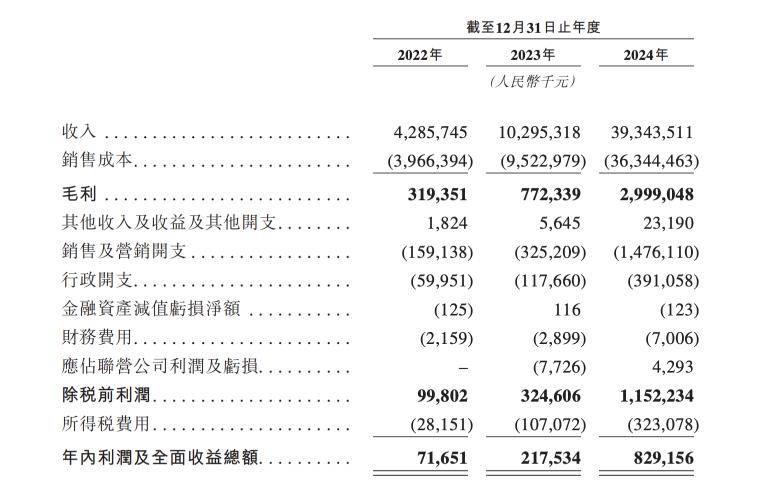
Core Viewpoint - The company Mingming Henmang Group, a leading player in the snack retail sector, has submitted its IPO application to the Hong Kong Stock Exchange, marking its entry into the public market [1][2]. Financial Performance - The company has experienced significant revenue growth, achieving revenues of 4.29 billion RMB in 2022, 10.30 billion RMB in 2023, and projected 39.34 billion RMB in 2024, representing an over eightfold increase in three years [6][7]. - Despite the impressive revenue figures, the company has maintained low profit margins, with gross profit margins of 7.5% in 2022, 7.5% in 2023, and 7.6% in 2024, which are lower than its competitor Wancheng Group's 10.76% during the same period [10][11]. Business Model - The company's business model is characterized by a low-cost, high-volume strategy, focusing on a wide range of products and a significant presence in lower-tier cities, with approximately 58% of its stores located in county towns and rural areas [4][8]. - The franchise model has become a mainstream choice in the snack retail industry, with 99.5% of the company's revenue coming from supplying products to its franchise stores [11][13]. Market Competition - The competitive landscape is intensifying, with both Mingming Henmang and its rival Wancheng Group aggressively expanding their store networks, leading to market saturation in certain areas [14][15]. - Both companies have implemented substantial franchise support policies to attract and retain franchisees, resulting in a significant increase in the number of franchise stores for Mingming Henmang from 994 in 2022 to 7,241 in 2024 [17]. Strategic Shifts - The company is shifting its strategy to focus on higher quality and differentiated products, moving away from solely competing on price [22][25]. - Mingming Henmang has initiated a self-branding strategy, launching its own product lines to improve profit margins and enhance its market image [24][26][28]. Future Outlook - The company plans to allocate 70% of the funds raised from its IPO for store expansion, indicating a continued focus on growth [18]. - Additionally, Mingming Henmang is exploring new retail formats, such as community discount supermarkets, to diversify its offerings and meet broader consumer needs [29][30].
鸣鸣很忙港交所递表:超半数布局县乡市场,量贩经营模式如何破局?
2 1 Shi Ji Jing Ji Bao Dao· 2025-04-29 12:22
Core Viewpoint - Hunan Mingming Hen Mang Commercial Chain Co., Ltd. has submitted its IPO application to the Hong Kong Stock Exchange, aiming to leverage its dual-brand strategy and significant market presence in the snack retail sector [1] Company Overview - Mingming Hen Mang operates two brands: "Snacks Very Busy" and "Zhao Yiming Snacks," which were merged in November 2023, maintaining a dual-brand strategy [1] - The company is projected to achieve a gross merchandise value (GMV) of RMB 55.5 billion in 2024, with over 1.6 billion transactions [1] - As of December 31, 2024, Mingming Hen Mang will have 14,394 stores, making it the largest snack retail chain in China by GMV [1] Business Model - The company employs a low-margin, high-volume strategy, achieving profitability through high sales efficiency, low expense ratios, and rapid inventory turnover [3] - Gross margins are reported between 7.5% and 7.6%, with net profit margins increasing from 1.7% to 2.1% from 2022 to 2024 [3] - The company simplifies its supply chain by sourcing directly from manufacturers, which allows for competitive pricing, with average prices approximately 25% lower than those in offline supermarkets [3] Market Dynamics - The snack retail sector is experiencing rapid expansion, particularly in lower-tier cities, with a focus on cost-effectiveness and product variety [2][5] - The market is currently characterized by intense price competition, with a growing demand for both cost-effectiveness and quality among consumers [2] - The market for snack retail is projected to continue growing, with a compound annual growth rate (CAGR) of 6.5% in lower-tier markets from 2019 to 2024 [5] Competitive Landscape - The industry is undergoing consolidation, with larger brands acquiring smaller ones, leading to a significant reduction in the number of regional snack brands [6] - Approximately 100 regional snack brands have disappeared in 2024, with expectations that over 50% of smaller companies will be eliminated by 2025 [6] - Mingming Hen Mang emphasizes the importance of balancing cost-effectiveness with product quality to maintain competitive advantage in the evolving market [6] Future Plans - The company plans to use the proceeds from its IPO to enhance supply chain capabilities, upgrade store networks, empower franchisees, and invest in brand development and technology [6]
中国功能饮料行业研究报告:场景化消费驱动线下增长
南京掌控网络科技· 2025-04-27 10:05
Investment Rating - The report indicates a positive investment outlook for the functional beverage industry, highlighting its rapid growth and structural changes within the market [1]. Core Insights - The functional beverage sector is leading the growth in China's soft drink market, driven by health-conscious consumer trends and the demand for energy and nutritional products [15][20]. - The market for functional beverages is expected to grow significantly, with a projected compound annual growth rate (CAGR) of approximately 8.3% from 2019 to 2024, increasing from RMB 111.9 billion to RMB 166.5 billion [17][20]. - Energy drinks dominate the functional beverage market, accounting for 66.9% of the total market share in 2024, while sports drinks are the fastest-growing segment [20]. Industry Status - The functional beverage industry is experiencing structural growth, with a notable shift towards healthier options, leading to a decline in traditional sugary beverages [11][12]. - The overall soft drink market in China is projected to reach RMB 1,250.2 billion in 2024, with a CAGR of 4.7% from 2019 to 2024 [12][15]. - The market share of functional beverages within the soft drink category is expected to increase from 11.3% in 2019 to 13.3% in 2024 [16]. Industry Trends - The report emphasizes the importance of offline consumption scenarios, which are crucial for building consumer loyalty in the functional beverage market [30][36]. - The growth of online sales channels is significant, with a projected CAGR of 14.0% from 2019 to 2024, although offline channels still dominate the market [32][35]. - The increasing disposable income of consumers is driving the demand for soft drinks, with per capita consumption in China expected to reach 197.8 liters in 2024, indicating substantial growth potential [39]. Competitive Landscape - The report highlights a low concentration in the competitive landscape, with the top five companies holding a combined market share of 61.6%, leaving ample room for long-tail market opportunities [53]. - Eastroc Beverage leads the market with a 26.3% share, benefiting from its penetration in lower-tier cities and a large packaging strategy [53]. - The energy drink market is characterized by a dual oligopoly, with Eastroc and Red Bull dominating, while new entrants face challenges in establishing brand recognition and distribution networks [57]. Company Case Studies - Eastroc Beverage has shown explosive growth, with revenues increasing from RMB 69.78 billion in 2021 to RMB 158.39 billion in 2024, driven by its flagship product and innovative new offerings [62]. - Huabin Group, despite facing legal challenges, managed to maintain a revenue of RMB 210.9 billion in 2024, although its market share has declined significantly due to competition from local brands [70].
