美元霸权

Search documents
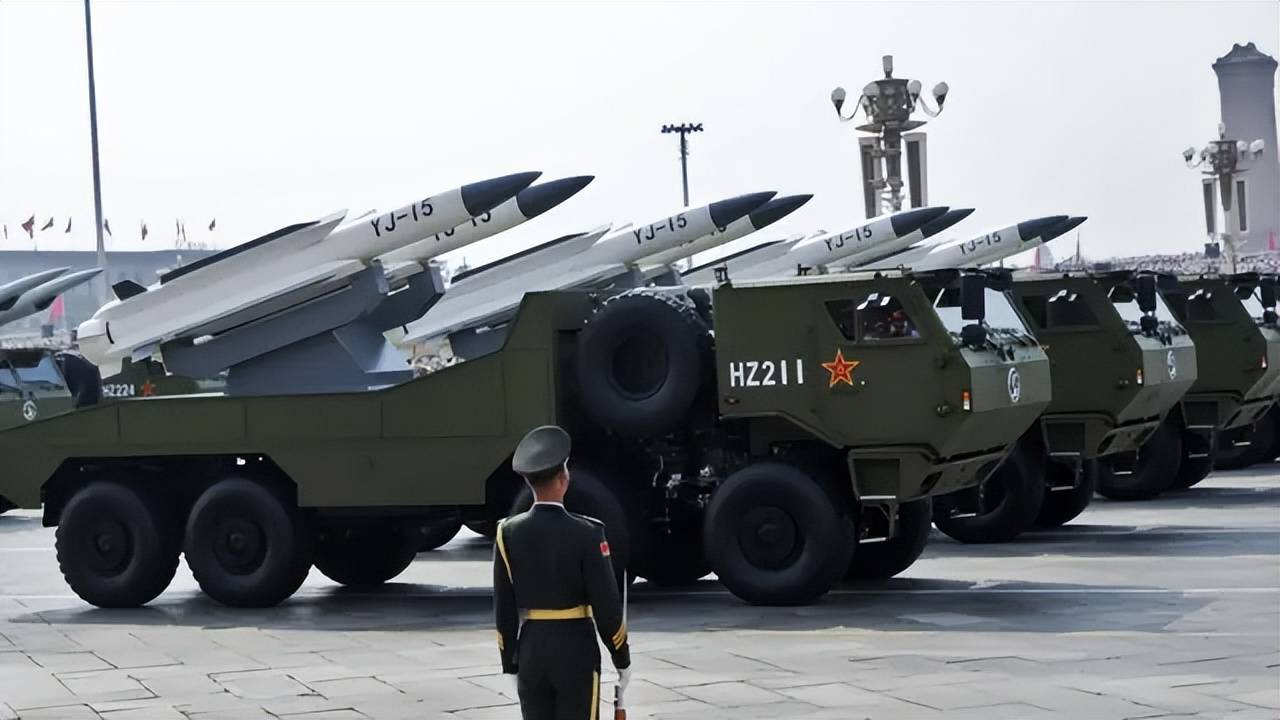
再说九三阅兵的意义,中国要改变人类战争的形式和性质!
Sou Hu Cai Jing· 2025-09-07 05:24
Group 1 - The core viewpoint of the articles revolves around the manipulation of economic data by the Federal Reserve to influence global financial markets, particularly in the context of the upcoming interest rate cuts in the U.S. [1][5] - The U.S. labor department's employment statistics have been criticized for their unreliability, with significant revisions that raise questions about the integrity of the data [3][5] - The anticipated interest rate cuts in the U.S. are viewed as a positive signal for global markets, including China's A-shares [5] Group 2 - The focus shifts to the recent military parade on September 3, which is seen as a significant event showcasing China's military capabilities and future warfare concepts [7][11] - The parade highlighted new weaponry and emphasized a shift in warfare ideology towards achieving "zero casualties" in conflicts, which could redefine the nature of warfare [11][15] - The strategic display of advanced military equipment aims to deter adversaries and ensure that any potential conflict can be conducted without loss of life, marking a transformative approach to military engagement [13][15][17]

【UNFX课堂】黄金的「新黄金时代」:多重力量推动下的避险资产狂潮与金融格局重塑
Sou Hu Cai Jing· 2025-09-04 01:30
Group 1: Core Insights - The current surge in gold prices is driven by a combination of macroeconomic, geopolitical, and monetary policy factors, marking a significant strengthening of gold's status as a safe-haven asset [1] - Analysts predict that gold prices may reach $4,000 in the coming years, indicating a potential long-term bullish trend in the gold market [1][10] Group 2: Monetary Policy and Dollar Dynamics - The anticipated shift in the Federal Reserve's monetary policy, particularly the potential for interest rate cuts, is closely linked to the rising gold prices, as lower rates reduce the opportunity cost of holding non-yielding assets like gold [2] - The U.S. dollar has declined nearly 11% since January, making gold more attractive to investors holding other currencies, thereby boosting global demand for gold [2] Group 3: Geopolitical Risks - Ongoing geopolitical tensions, including conflicts in the Middle East and the Russia-Ukraine war, contribute to increased demand for gold as a hedge against uncertainty and risk [4][5] - The transition from a unipolar to a multipolar world is leading to a decline in trust between nations, which may sustain the demand for gold as a safe-haven asset [5] Group 4: Central Bank Strategies - Central banks, particularly in developing countries, are strategically increasing their gold reserves while reducing reliance on the U.S. dollar, reflecting a broader trend of "de-dollarization" [6][7] - The World Gold Council indicates that central banks plan to increase the proportion of gold in their reserves over the next five years, signaling a long-term commitment to gold [7] Group 5: Investor Sentiment and Market Outlook - There is a notable increase in interest in gold among both institutional and retail investors, as evidenced by the rising holdings in the SPDR Gold Trust, reflecting strong market demand [8] - The market outlook for gold remains optimistic, with expectations of prices fluctuating between $3,600 and $3,900 in the short to medium term, and the possibility of testing $4,000 by 2026 if current uncertainties persist [8] Group 6: Broader Financial Market Implications - The strong performance of gold is expected to have profound implications for global financial markets, including potential re-evaluations of asset allocation strategies by investors [9] - The ongoing rise in gold prices, coupled with concerns over the independence of the Federal Reserve, may challenge the long-term dominance of the U.S. dollar as a global reserve currency [9]
重要的问题是欧洲,当然也有可能是美国
3 6 Ke· 2025-09-03 08:50
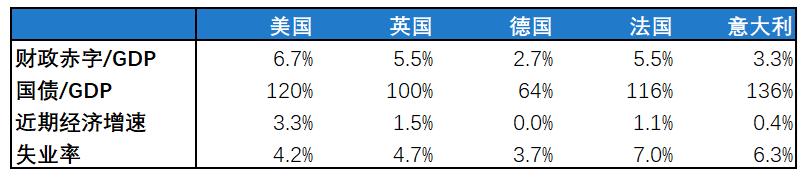
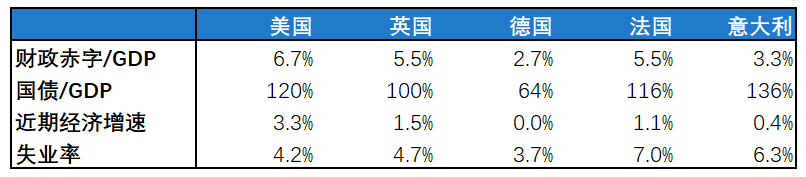
Core Viewpoint - The recent decline in global capital markets, particularly in the US, can be attributed to severe fiscal issues in the UK, which reflect broader fiscal challenges across Europe [1] Group 1: Fiscal Conditions in Europe - The fiscal deficit as a percentage of GDP for the UK and France has surged to over 5%, while the national debt for the UK, France, and Italy has exceeded 100% of GDP [2] - The UK’s 30-year government bond yield has risen to 5.7%, and the 10-year yield has reached 4.8%, indicating significant market concerns [1] - Germany is the only major European country maintaining strong fiscal discipline, which is crucial for the stability of the Eurozone economy [1][2] Group 2: Comparison with the US - The US has a fiscal deficit of 6.7% of GDP and a national debt of 120% of GDP, yet concerns about US fiscal stability are less pronounced compared to Europe [2][3] - The US economy has shown a recent growth rate of 3.3%, significantly outpacing European nations, which have struggled with low or zero growth [2][3] - The perception of the US dollar as a reserve currency and the belief in the Federal Reserve's ability to manage interest rates contribute to a more favorable view of US fiscal health [3] Group 3: Defense Spending and Economic Growth - European countries are under pressure to increase defense spending to meet NATO requirements, which could exacerbate their fiscal deficits [6][8] - The lack of long-term economic growth drivers in Europe, coupled with declining populations and insufficient technological advancement, poses a significant risk to their fiscal stability [8][9] - The US's military protection of Europe has allowed European nations to maintain lower defense spending, but this reliance may lead to fiscal crises if the US reduces its support [7][9] Group 4: Future Outlook - The current fiscal challenges in Europe may lead to increased scrutiny of US fiscal policies, especially if European issues worsen [4][10] - The belief that the US can sustain its fiscal situation despite rising debt levels is based on historical precedents of economic growth offsetting deficits [10] - The potential for a global crisis could impact the US, but the long-term consequences are expected to be less severe than those faced by European nations [10]
美股这波大跌,问题出在欧洲
Hu Xiu· 2025-09-03 08:09
Group 1: Market Overview - Recent declines in global capital markets, particularly in the US, are attributed to severe fiscal issues in the UK, reflecting broader European fiscal challenges [1] - The UK Chancellor acknowledged a significant fiscal gap requiring further tax increases, leading to a 1% drop in the GBP/USD exchange rate and a rise in UK bond yields [1][2] - European assets faced substantial sell-offs, with the fiscal deficits of the UK and France exceeding 5% of GDP, and national debts surpassing 100% of GDP for the UK, France, and Italy [1][2] Group 2: Comparative Fiscal Analysis - Fiscal deficit to GDP ratios for major economies: US at 6.7%, UK at 5.5%, Germany at 2.7%, France at 5.5%, and Italy at 3.3% [2] - National debt to GDP ratios: US at 120%, UK at 100%, Germany at 64%, France at 116%, and Italy at 136% [2] - Recent economic growth rates show the US at 3.3%, while the UK, Germany, France, and Italy lag significantly [2] Group 3: Economic Growth and Policy Implications - The US has maintained higher economic growth rates compared to European countries since the 2007 financial crisis, attributed to aggressive fiscal and monetary policies [5][10] - The US Congress and White House are promoting the "Big Beautiful Bill" (OBBBA), believing that tax cuts and fiscal subsidies will stimulate long-term economic growth [5][10] - Concerns exist regarding the sustainability of US fiscal policies, with calls for fiscal tightening amidst rising European fiscal crises [6][11] Group 4: Defense Spending and Economic Stability - European countries, including Germany and Italy, are struggling to meet NATO defense spending benchmarks, which could exacerbate their fiscal challenges [7][9] - The US has requested NATO allies to increase defense spending to 5% of GDP by 2035, highlighting the reliance of European nations on US military support [7][9] - The lack of long-term economic growth drivers in Europe, coupled with declining populations and insufficient technological advancement, poses risks to their fiscal stability [10]
要放弃石油人民币?沙特王储竟把中国当底牌,中方14个字说明一切
Sou Hu Cai Jing· 2025-09-03 04:47
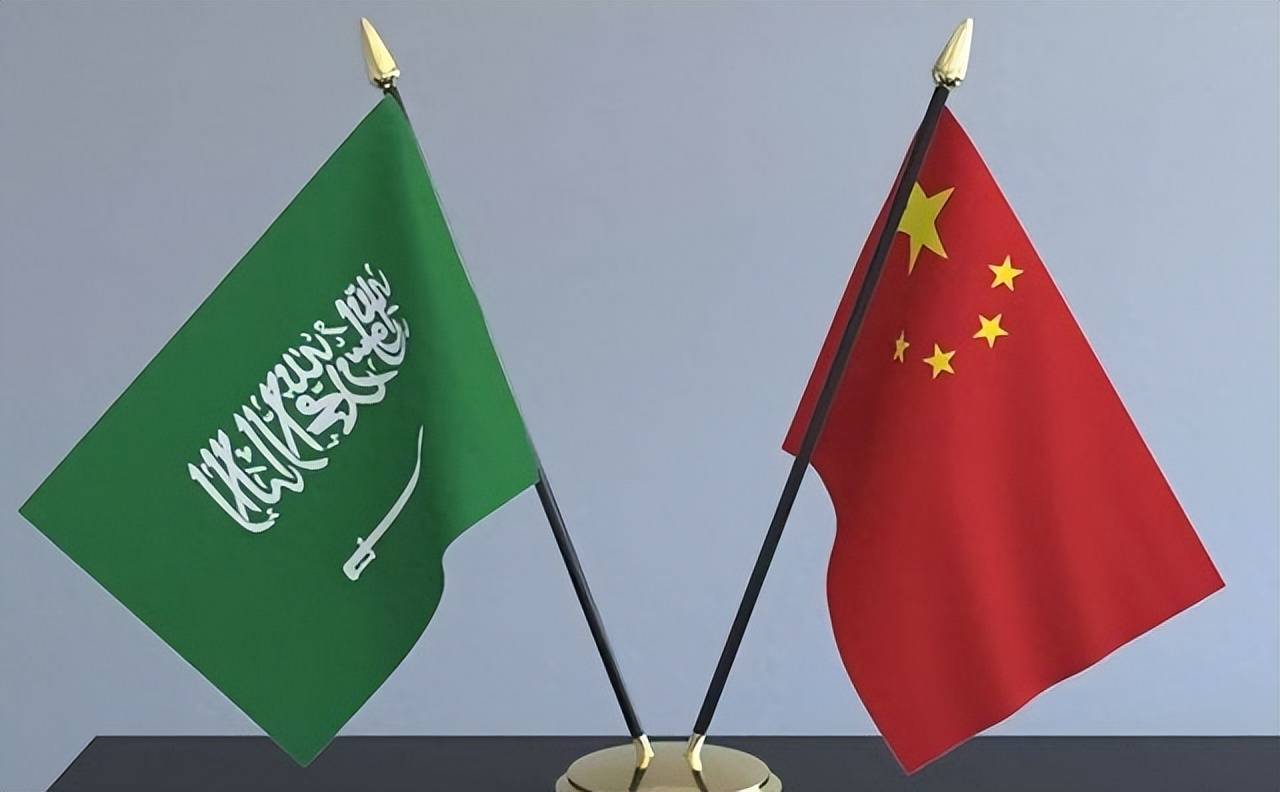
Core Insights - Saudi Arabia, under Crown Prince Mohammed bin Salman, is actively seeking economic diversification away from oil dependency, focusing on nuclear energy and other emerging sectors [1][10] - The negotiations between Saudi Arabia and the United States regarding nuclear energy cooperation have drawn significant attention, particularly due to the U.S. insistence on maintaining the dollar as the currency for oil trade settlements [1][3] - Saudi Arabia is considering collaboration with China in nuclear energy, indicating a strategic shift in its international partnerships [5][10] Summary by Sections Saudi Arabia's Strategic Shift - Saudi Arabia aims to diversify its economy and reduce reliance on oil, with a particular focus on nuclear energy development [1][10] - The country has been in discussions with the U.S. for several years regarding nuclear technology, but has faced stringent conditions that it finds unacceptable [3][5] U.S.-Saudi Negotiations - The U.S. has proposed five additional conditions for nuclear cooperation, including a ban on uranium enrichment and maintaining the dollar for oil transactions, which Saudi Arabia views as an attempt to preserve U.S. hegemony [3][5] - Following the 2023 BRICS summit, Saudi Arabia signaled its openness to invite Chinese companies for nuclear power plant construction [3][5] China's Role and Response - China has expressed a clear stance on the matter, emphasizing the importance of mutual benefit and respect for sovereign choices in development [8][12] - The signing of a nuclear cooperation memorandum between Saudi Arabia and China marks a significant step forward in their collaboration [8][12] Future Developments - By 2025, Saudi Arabia's nuclear energy plans are expected to make significant progress, with a focus on uranium enrichment and establishing a comprehensive nuclear energy framework [6][10] - The shift towards using the yuan for oil transactions is becoming increasingly evident, with over 40% of oil exports to China expected to be settled in yuan by March 2025 [6][10] Geopolitical Implications - The evolving international landscape is witnessing a decline in U.S. influence, creating opportunities for China to engage more deeply in the Middle East energy transition [12] - Saudi Arabia's balancing act between the U.S. and China reflects a broader trend of regional powers gaining strategic leverage amid changing global dynamics [12]
111年来首次!特朗普“怒炒”美联储理事,全球资本进入恐慌时刻,美媒评:他或许会成功,但美国终将后悔
Sou Hu Cai Jing· 2025-09-02 06:13
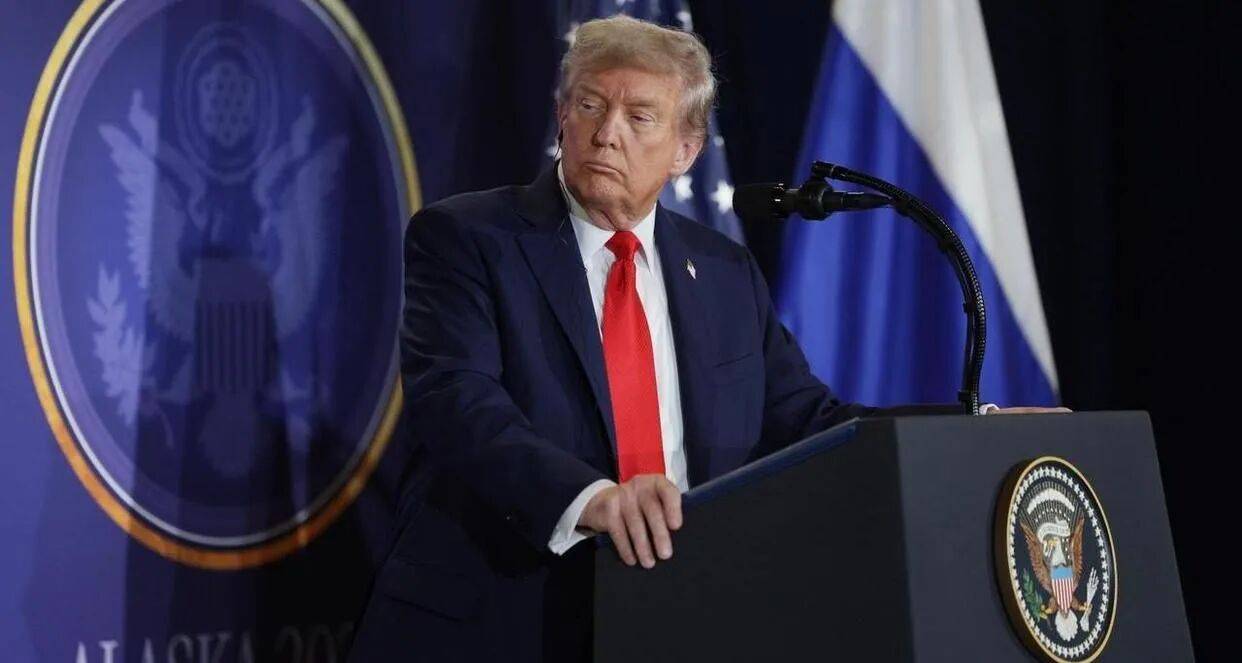
Core Viewpoint - The recent dismissal of Federal Reserve Governor Lisa Cook by Trump has raised significant concerns about the independence of the Federal Reserve, marking a potential shift in the balance of power between the White House and the central bank [1][3][4] Group 1: Implications of the Dismissal - Cook's lawsuit against her dismissal emphasizes the importance of central bank independence, arguing that if Trump's reasoning is upheld, it could set a precedent that undermines the status of all Federal Reserve governors [3][6] - The market reacted sharply to Cook's dismissal, with significant volatility in the U.S. Treasury market and declines in Asian and European stock markets, indicating that investors view this as a serious threat to the financial system [3][4] Group 2: Global Reactions and Concerns - Major financial media and experts have expressed alarm, with some stating that this event represents a dark day for central banking and could jeopardize the rule of law in the U.S. [4][6] - European Central Bank President Christine Lagarde warned that a loss of independence for the Federal Reserve could have severe implications not just for the U.S. but for global financial stability, as the U.S. dollar is the world's reserve currency [4][6] Group 3: Historical Context and Future Outlook - The independence of the Federal Reserve has been a cornerstone of U.S. financial dominance since its establishment in 1913, and Trump's actions are seen as a significant breach of this principle [6][9] - The ongoing power struggle raises concerns that if the independence of central banks is compromised, it could lead to a broader erosion of financial norms and rules, affecting global capital markets [7][9]
【世界说】国际经济学家:关税大棒“砸中”美元霸权根基 七根支柱现“裂痕”
Sou Hu Cai Jing· 2025-09-01 08:38
Core Viewpoint - The article discusses how the policies of the Trump administration are undermining the foundational elements of U.S. financial hegemony, particularly the status of the dollar as the world's primary reserve currency [1][3]. Group 1: Economic Stability - The Trump administration's policies, such as the "Big and Beautiful" plan, lack corresponding spending controls, leading to an expected increase in national debt by trillions of dollars, which heightens default risks and undermines investor confidence [4][5]. Group 2: Financial Market Liquidity - The sustainability of U.S. debt is being compromised by current government policies, which threatens the deep liquidity of financial markets necessary for accommodating cross-border capital flows [4][5]. Group 3: Central Bank Independence - The independence of the Federal Reserve is being challenged by public pressure from the Trump administration, which demands significant interest rate cuts and even suggests personnel changes within the Fed [4][5]. Group 4: Legal and Judicial Integrity - Actions such as unilateral sanctions against foreign companies and freezing foreign assets in the U.S. are damaging the credibility of U.S. policies and its image of rule of law [5]. Group 5: Global Cooperation and Trade - The imposition of high tariffs on allies by the Trump administration undermines the dollar's status as a global public good and detracts from constructive global leadership and multilateral engagement [5][7]. Group 6: Shift in Reserve Management - Concerns over the "Big and Beautiful" plan are prompting U.S. allies to seek alternative reserve options, with many central banks accelerating the adjustment of their reserve structures towards assets like gold [7].
特朗普“解职美联储理事”的闹剧,虚假繁荣才是美元最危险的敌人
Sou Hu Cai Jing· 2025-08-31 08:22
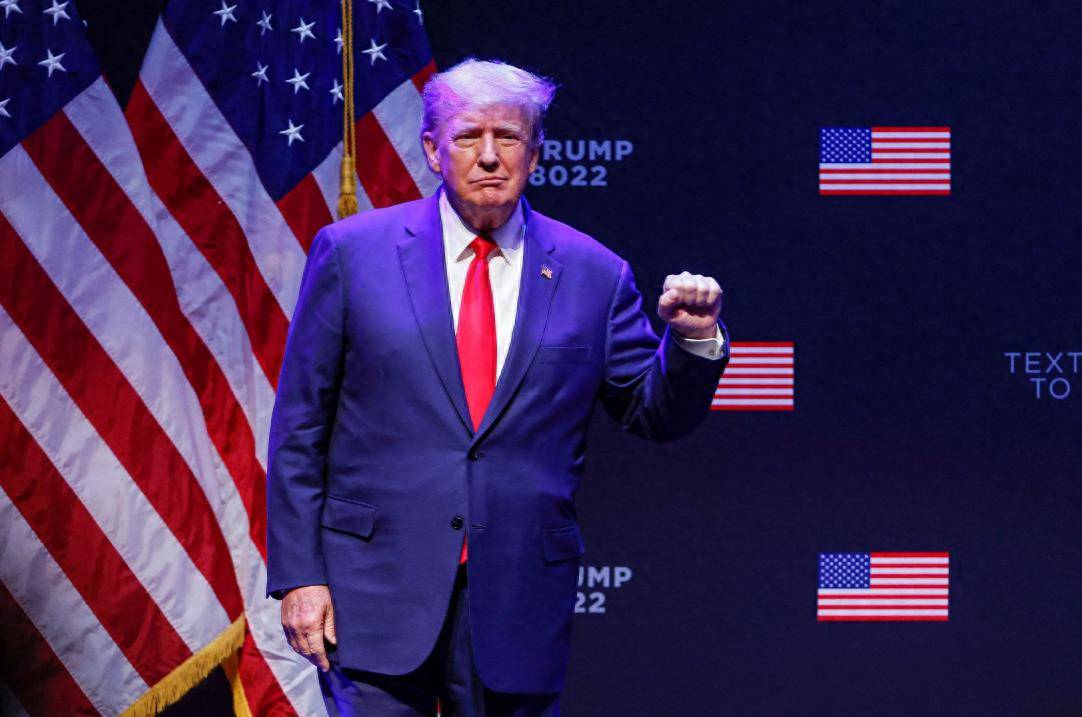
Core Viewpoint - The recent political maneuver by Trump to remove Federal Reserve Governor Lisa Cook under the pretext of "loan fraud" directly targets Fed Chair Powell, raising concerns about the independence of the Federal Reserve, which has been claimed to be autonomous since its establishment in 1913 [1][4]. Group 1: Political Influence on Monetary Policy - The independence of the Federal Reserve is described as "half-hearted," as it operates within the realm of U.S. electoral politics, suggesting that Trump's actions expose the underlying political manipulation of monetary policy [4][12]. - Trump's potential success in removing Cook could undermine the perceived professionalism of U.S. dollar policy, transforming the Fed into a tool for presidential agendas, thereby eroding the foundations of dollar hegemony [4][12]. Group 2: Market Reactions and Speculation - There is speculation that Trump and Powell may be collaborating to create a narrative that suggests a high likelihood of interest rate cuts, which has led to significant market reactions, including a surge in stock prices and a drop in bond yields [5][7]. - The market's enthusiastic response to vague signals from Powell indicates a disconnect between actual monetary policy intentions and market perceptions, leading to a self-deceptive cycle [5][11]. Group 3: Risks of False Certainty - The article warns that the Federal Reserve may be hesitant to implement rate cuts due to the looming fiscal deficit, projected to exceed $1.8 trillion, which could further weaken the dollar and increase capital flight risks [8][12]. - The concept of "false certainty" is highlighted, where market participants may become complacent, leading to potential financial instability as historical patterns suggest that such illusions often precede market crashes [11][14]. Group 4: Systemic Concerns - The broader concern is that U.S. politicians are treating monetary policy as a short-term political tool, which could ultimately undermine the credibility of the dollar and lead to a loss of trust among global investors [12][14]. - The article posits that the real threat to the dollar's dominance comes not from external challenges but from internal political actions that compromise its integrity [14].
邓正红能源软实力:市场份额争夺正引发未来两年供应过剩 重塑油价底层逻辑
Sou Hu Cai Jing· 2025-08-31 04:15
Core Insights - The article discusses the oil price outlook, predicting that Brent crude oil may hover around $67 per barrel by 2025 due to a combination of OPEC's production increases and U.S. tariffs impacting demand [1][2][3] - The analysis emphasizes that the current fluctuations in oil prices are a reflection of the changing global energy power structure, which is more strategically significant than merely forecasting specific prices [2][3] Supply and Demand Dynamics - A projected oversupply of 950,000 barrels per day over the next two years is anticipated due to market share competition, with OPEC's recent decision to increase production by 547,000 barrels per day [1][3] - The average price forecast for Brent crude oil in 2025 is $67.65 per barrel, while WTI is expected to be $64.65 per barrel, indicating a stable outlook compared to previous estimates [1][2] Policy and Market Sentiment - U.S. tariff policies, particularly those affecting Indian imports of Russian oil, are expected to suppress demand growth, contributing to a bearish sentiment in the market [2][4] - Economic indicators, such as a declining U.S. consumer confidence index, are raising concerns about a potential recession and its impact on oil demand [2][3] Technological and Structural Changes - Long-term oil prices will be influenced by value innovation factors, including advancements in low-carbon technologies and changes in demand structure, with global oil demand growth expected to be significantly lower than historical averages [3][4] - The U.S. shale oil production is constrained by price levels, reflecting the pressures of traditional energy transformation under the value innovation dimension [3][4] Geopolitical Factors - The geopolitical landscape, including the ongoing Russia-Ukraine conflict, adds complexity to the oil market, with a calculated war premium of $3.20 per barrel embedded in Brent contracts [4] - The effectiveness of OPEC's production adjustment mechanisms is diminishing, with remaining daily production capacity expected to rise to 4 million barrels by 2025, a 17% increase from 2024 [4]

特朗普失算!莫迪四次拒接电话,印度不再妥协,硬刚美国关税大棒
Sou Hu Cai Jing· 2025-08-30 01:01
Core Points - India has adopted a notable "cold treatment" towards the U.S. by ignoring multiple phone calls from President Trump, signaling a shift in its diplomatic strategy and a desire for greater autonomy on the global stage [2][3] - The cancellation of the U.S. trade delegation visit further emphasizes India's strategic pivot towards multilateral platforms like BRICS and the Shanghai Cooperation Organization, indicating a move away from reliance on the U.S. [3] - India's response to U.S. tariffs has been robust, with the imposition of punitive tariffs reaching up to 50%, significantly impacting key export sectors such as textiles, pharmaceuticals, and automotive parts [5][7] - The Indian government has introduced a $2.7 billion export subsidy plan to mitigate the effects of U.S. tariffs and is promoting domestic consumption through initiatives encouraging citizens to "buy Indian" [7][9] - India is actively seeking to diversify its trade relationships, evidenced by its increased contributions to the BRICS New Development Bank and efforts to negotiate free trade agreements within South Asia [9][12] - The agricultural sector remains a critical area for India, with the government firmly opposing U.S. demands to open its dairy market, as this would threaten the livelihoods of millions of farmers [11] - India's energy strategy includes a strong reliance on Russian oil, which is cheaper than Middle Eastern alternatives, and efforts to reduce dependence on the U.S. dollar for energy transactions [11][12] - The trade relationship between India and the U.S. is under strain, with the bilateral trade target of $500 billion by 2030 now appearing unrealistic, while cooperation with China and Russia is gaining momentum [12][13] - The U.S. may have underestimated India's resilience and the speed of global geopolitical shifts, as India seeks to assert its independence in the face of unilateral U.S. policies [13][15] - The evolving dynamics suggest that India is no longer a passive partner to the U.S., but rather is pursuing its own strategic interests in a multipolar world [15]