绿色转型

Search documents
谁是中西部非省会龙头城市? 新挑战者来了
Zheng Quan Shi Bao Wang· 2026-01-16 01:25
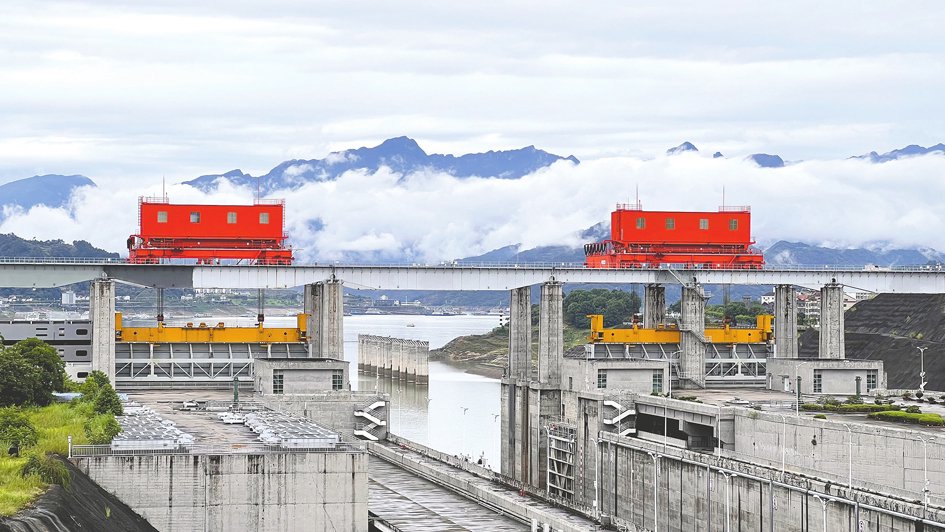
Core Viewpoint - The recent clarification from the Yichang Statistical Bureau regarding the false claim of Yichang's GDP exceeding 700 billion yuan highlights the growing expectations for the city's economic growth, with official data indicating a GDP of 619.11 billion yuan in 2024 and a target of reaching a trillion yuan within five years [1][3][4]. Economic Growth and Projections - Yichang's GDP is projected to grow by approximately 6.5% in 2025, maintaining a long-term growth trend that outpaces both national and provincial averages [3][5]. - The city has seen a significant increase in GDP over the past five years, moving from 412.12 billion yuan in 2020 to a projected 619.11 billion yuan in 2024, marking a notable advancement in its economic standing [5]. Industrial Transformation - Yichang's economic growth is largely driven by a comprehensive transformation of its industrial sector, particularly in fine chemicals, which have increased their share from 18.6% in 2021 to 47.8% currently [5]. - The city aims to establish a world-class phosphate chemical circular industry cluster, leveraging its substantial phosphate resources, which account for 15% of the national total [8][11]. Competitive Landscape - Yichang's ambition to become a leading non-provincial city in Central and Western China faces competition from cities like Yulin and Ordos, which rely heavily on energy industries, while Yichang pursues a diversified green development model [7]. - The city's population of 3.93 million as of 2024 presents a challenge compared to competitors like Luoyang and Xiangyang, which have larger populations and potentially greater economic advantages [7]. Infrastructure Development - The construction of the Three Gorges Waterway New Channel is expected to enhance Yichang's logistics capabilities, reducing costs and improving connectivity with major shipping hubs like Wuhan and Chongqing [12][14]. - Yichang's port is projected to handle 149 million tons of cargo in 2024, surpassing Wuhan and solidifying its position as a key shipping hub in the Yangtze River basin [13]. Strategic Positioning - Yichang is identified as a strategic support point in the "Golden Triangle" of Hubei province, alongside Wuhan and Xiangyang, aiming to enhance its role in regional economic development [16]. - The city plans to transition from a "traffic hub" to a "value hub," focusing on upgrading both its industrial and urban quality through strategic initiatives [14][16].

德国经济的困境与探索(经济透视)
Ren Min Ri Bao· 2026-01-15 22:12
近年来,德国经济持续承压,增长乏力。德国总理默茨近日表示,德国经济形势在某些领域"非常严 峻",2026年应将提振经济作为首要任务。作为欧洲最大经济体,德国经济正处于一个关键的十字路 口,其未来走向不仅关乎本国发展,也对整个欧盟经济格局具有深远影响。 回溯历史,德国在2003年推动"2010议程"结构性改革后,成功提升劳动力市场灵活性,增强了企业竞争 力,并在2008年国际金融危机及随后的欧债危机中展现出较强韧性,一度被誉为"欧洲经济稳定器"。然 而,自2018年以来,德国经济增速显著放缓。据德国联邦统计局数据,2018年至2025年,德国经济年均 增长率仅约0.3%,远低于2008—2017年的1.3%。尤其是2023年和2024年,德国连续两年陷入技术性衰 退。2025年工业企业破产数量超过1600家,创近12年新高。2019年以来,制造业岗位减少约40万 个,"去工业化"趋势日益凸显。 外部冲击无疑是德国经济下行的重要诱因。2018年起,全球贸易摩擦加剧,特别是美国对欧盟在内的主 要经济体加征关税,以及欧美对俄制裁,严重冲击高度依赖出口的德国工业体系。俄乌冲突爆发后,德 国加速摆脱对俄罗斯的能源依赖,导 ...
国网“十五五”投资有望增40%,电网设备迎来确定性增长
Xuan Gu Bao· 2026-01-15 15:11
*免责声明:文章内容仅供参考,不构成投资建议 据证券时报报道,国家电网"十五五"投资计划出炉:"十五五"期间,国家电网公司固定资产投资预计达 到4万亿元,较"十四五"投资增长40%;将重点聚焦于绿色转型、构建新型电力系统、强化科技赋能等 方面。 根据新型电力系统"三步走"发展路径,2030年为我国新型电力系统构建战略目标的重要时间节点,十五 五期间电力系统建设处于加速转型阶段。在此时代背景下,电网投资有望高位再增,主网投资强化互联 互通,配网投资实现扩容增效,叠加海外电力需求,电网设备迎来确定性增长。 东方电子(000682)为电网数智化设备领先者,受益于新型电力系统改造。四方股份(601126)是继电 保护与调度自动化龙头,网内外业务景气共振,固态变压器有望打开新空间。 *风险提示:股市有风险,入市需谨慎 国家电网"十五五"固定资产投资计划极具前瞻性和战略高度,不仅在总量上大幅提升,且全面面向绿色 低碳、新型电力系统构建和自主可控的产业安全体系,聚焦特高压、智能电网、数智化、储能和高效管 理。从投资方向到技术攻关,再到产业链和服务模式,此轮投资有望引领中国电力系统升级和能源革 命,强化国家能源安全、绿色转型 ...
晚报 | 1月16日主题前瞻
Xuan Gu Bao· 2026-01-15 14:22
Semiconductor Industry - TSMC reported Q4 2025 revenue of $33.73 billion, a 25.5% year-over-year increase and a 1.9% quarter-over-quarter increase, with a gross margin of 62.3%, driven by strong demand for high-end chips due to the AI computing wave [1] - TSMC's capital expenditure is expected to reach $52-56 billion in 2026, exceeding market expectations, indicating robust future AI computing demand [1] Tungsten Industry - Domestic prices for tungsten products have increased, with black tungsten concentrate and ammonium paratungstate prices rising by 5,000 yuan/ton and tungsten iron by 10,000 yuan/ton [1] - Global tungsten supply growth is limited, with a projected compound annual growth rate of 2.57% from 2023 to 2028, while demand is expected to grow at 2.61% during the same period, driven by emerging industries [2] Commercial Aerospace - Beijing's Rocket Street project has completed its construction and will serve as China's first commercial aerospace research and production base, offering various shared services for the entire commercial aerospace development chain [3] - The U.S. aims to produce 10,000 Starship spacecraft annually, and the FCC has approved SpaceX's deployment of an additional 7,500 second-generation Starlink satellites, totaling 15,000 [3] Power Grid Equipment - The State Grid's investment plan for the 14th Five-Year Plan is set at 4 trillion yuan, a 40% increase from the previous plan, focusing on green transformation and new power system construction [4] - This investment is expected to lead to significant upgrades in China's power system, enhancing energy security and global competitiveness [4] Carbon Fiber Industry - A breakthrough in domestic T1000-grade high-performance carbon fiber has been achieved, with each fiber having 12,000 filaments and a tensile strength exceeding 6,600 MPa, marking a significant advancement in high-end materials [5] - By 2030, China's carbon fiber production capacity is expected to exceed 250,000 tons, with demand in the new energy vehicle sector projected to rise significantly [6] GaN Power Products - Onsemi has signed a collaboration agreement with GlobalFoundries to develop advanced GaN power products, starting with 650V devices, to meet the growing power demands in various sectors [6] - GaN technology is expected to enhance efficiency and reduce costs in applications such as AI data centers and electric vehicles [7]

国网豪掷4万亿!帮主郑重:新电网背后的黄金赛道
Sou Hu Cai Jing· 2026-01-15 13:27
第二层级,是 "数字化转型的成长性" 。电网的智能化,意味着对海量数据的采集、分析和处理。这利 好电力物联网传感器、电网调度系统软件、网络安全以及为电网提供人工智能解决方案的科技公司。它 们的增长空间,可能比传统硬件更大。 第三层级,是 "关联产业的延伸性" 。一个更强大、更智能的电网,是新能源车大规模普及、虚拟电厂 商业运营、用户侧灵活互动的基础。因此,它长期利好的不仅是电网本身,更是整个新能源生态。 总而言之,国家电网的4万亿计划,是一份写给未来的"超级订单"。它告诉我们,在"十五五"的棋盘 上,以新型电力系统为核心的能源基础设施建设,将是重中之重。作为投资者,我们的任务就是在这张 宏大的蓝图上,找到那些技术领先、市场份额稳固、能够将政策红利转化为实实在在业绩的"卖水 人"和"筑路者"。我是帮主郑重,我们下次再聊。 这场规模空前的投资,背后是国家清晰的双重战略目标。一是 "能源安全"与"绿色转型" :要确保在新 能源装机(预计年均新增2亿千瓦)迅猛发展的背景下,电网能接得住、送得出、用得好,从而兑现碳 达峰承诺。二是 "产业拉动"与"新质生产力" :4万亿的投入,将直接带动从特高压设备、智能配电装置 到电 ...
碳中和领域动态追踪(一百六十八):国家电网计划十五五期间固定资产投资达4万亿元
EBSCN· 2026-01-15 13:07
Investment Rating - The report maintains a "Buy" rating for the electric power equipment and new energy sector, indicating an expected investment return exceeding 15% over the next 6-12 months compared to the market benchmark index [5]. Core Insights - During the "14th Five-Year Plan" period, the State Grid's fixed asset investment exceeded 2.85 trillion yuan, with a record high of over 650 billion yuan in 2025. The planned investment for the "15th Five-Year Plan" is expected to reach 4 trillion yuan, representing a 40% increase from the previous period, with an average annual investment of 800 billion yuan and a compound annual growth rate of 7% from 2026 to 2030 [1][4]. - The State Grid aims to focus on green transformation, targeting an average annual increase of 200 million kilowatts in installed wind and solar energy capacity, with non-fossil energy consumption expected to reach 25% and electricity's share in terminal energy consumption to reach 35% [2]. - The State Grid plans to enhance its transmission capacity by over 30% by the end of the "15th Five-Year Plan," supporting the development of clean energy bases. The construction of ultra-high voltage projects is expected to continue to thrive, with significant investments in both main and distribution networks [3][4]. Summary by Sections Investment Plans - The State Grid's fixed asset investment is projected to reach 4 trillion yuan during the "15th Five-Year Plan," with a 40% increase from the "14th Five-Year Plan" [1]. - The average annual investment is set at 800 billion yuan, with a compound annual growth rate of 7% anticipated from 2026 to 2030 [1]. Green Transformation - The State Grid is committed to achieving national emission reduction targets, with significant increases in renewable energy capacity and consumption [2]. - The focus will be on enhancing system regulation capabilities and supporting the development of new energy storage solutions [2]. Infrastructure Development - The State Grid aims to build a new type of grid platform that integrates main, distribution, and micro grids, with a focus on digital infrastructure [3]. - The construction of ultra-high voltage transmission lines is expected to continue, with a goal of increasing cross-regional transmission capacity significantly [3]. Investment Recommendations - The report suggests focusing on companies with strong growth potential in the main grid construction, distribution networks, and digital transformation of the grid [4].
8项政策举措出炉,回应汇率、物价等热点话题,央行外汇局发布会要点速览
Sou Hu Cai Jing· 2026-01-15 10:16
Group 1 - The People's Bank of China (PBOC) announced 8 policy measures to support the optimization of economic structure transformation [1] - The interest rate for various structural monetary policy tools will be reduced by 0.25 percentage points, with the one-year re-lending rate decreasing from 1.5% to 1.25% [1] - The re-lending quota for supporting agriculture and small enterprises will be increased by 500 billion yuan, with a dedicated quota of 1 trillion yuan for private enterprises [1] Group 2 - The quota for re-lending for technological innovation and technological transformation will be increased from 800 billion yuan to 1.2 trillion yuan, including support for high R&D investment private SMEs [1] - The existing private enterprise bond financing support tool and technological innovation bond risk-sharing tool will be merged, providing a total re-lending quota of 200 billion yuan [1] - The carbon reduction support tool will be expanded to include more projects with carbon reduction effects, guiding banks to support comprehensive green transformation [2] Group 3 - The minimum down payment ratio for commercial property loans will be lowered to 30% to support the destocking of the commercial real estate market [2] - Financial institutions are encouraged to enhance their foreign exchange risk hedging services, providing cost-effective and flexible tools for enterprises [2] - The PBOC will maintain liquidity and conduct flexible government bond trading operations alongside other liquidity tools [3] Group 4 - The PBOC sees room for further reserve requirement ratio (RRR) and interest rate cuts this year, aiming to keep social financing costs low [4] - The PBOC will focus on promoting stable economic growth and reasonable price recovery as key considerations for monetary policy [5] - The PBOC will further expand the support areas for service consumption and elderly care re-lending, including the health industry once recognized [6] Group 5 - The State Administration of Foreign Exchange (SAFE) anticipates stable operation of the foreign exchange market by 2026, with smooth cross-border capital flows [8] - SAFE will enhance monitoring of cross-border capital flows and improve macro-prudential management to maintain stability in the foreign exchange market [8] - New policies will be introduced to support enterprises in going global and developing foreign trade, including cross-border capital management for multinational companies [8] Group 6 - Further optimization of cross-border fund policies for Qualified Foreign Institutional Investors (QFII) will be researched, along with orderly issuance of investment quotas for Qualified Domestic Institutional Investors (QDII) [9] - Efforts will be made to simplify foreign exchange registration procedures for foreign direct investment, facilitating the use of investment funds [9] - The cross-border fund centralized operation management policy will be promoted nationwide for more medium-sized multinational companies [9]
【权威发布】央行出台一批重磅政策
Sou Hu Cai Jing· 2026-01-15 10:10
Core Viewpoint - The People's Bank of China (PBOC) is set to implement a moderately accommodative monetary policy to support high-quality economic development, with specific measures aimed at enhancing credit flow to key sectors and facilitating economic structural transformation [2][3]. Group 1: Monetary Policy Measures - The PBOC will lower the interest rates of various structural monetary policy tools by 0.25 percentage points, reducing the one-year re-lending rate from 1.5% to 1.25% [2]. - The PBOC will merge the re-lending for agriculture and small enterprises with rediscounting, increasing the re-lending quota for agriculture and small enterprises by 500 billion yuan, with a separate quota of 1 trillion yuan specifically for private enterprises [2][3]. Group 2: Support for Innovation and Green Transition - The quota for re-lending aimed at technological innovation and transformation will be increased from 800 billion yuan to 1.2 trillion yuan, expanding support to high R&D investment private small and medium-sized enterprises [3]. - The PBOC will merge the existing private enterprise bond financing support tool and the technological innovation bond risk-sharing tool, providing a combined re-lending quota of 200 billion yuan [3]. Group 3: Additional Support Measures - The PBOC will expand the support areas for carbon reduction tools to include energy-saving renovations and green upgrades, encouraging banks to support comprehensive green transitions [3][4]. - The minimum down payment ratio for commercial property loans will be lowered to 30% to support the destocking of the commercial real estate market [4]. - Financial institutions will be encouraged to enhance foreign exchange risk management services, providing cost-effective and flexible tools for managing exchange rate risks [4].
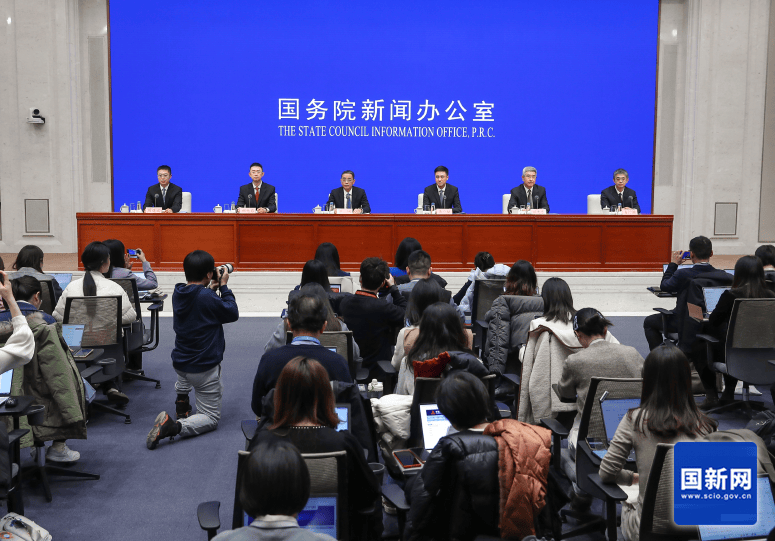
锚定绿色转型!青岛等四市试点碳足迹管理
Qi Lu Wan Bao· 2026-01-15 09:55
Group 1 - The core idea of the news is the introduction of a "carbon footprint" labeling system in Shandong Province, allowing consumers to easily identify the carbon emissions associated with products throughout their lifecycle [1][2] - The carbon footprint is defined as the total greenhouse gas emissions, expressed in carbon dioxide equivalents, resulting from specific entities or products over a certain period [1] - The implementation of the "Action Plan" aims to promote low-carbon lifestyles, provide clear environmental purchasing references for consumers, and enhance the international competitiveness of Shandong products in the green market [2][3] Group 2 - The "Action Plan" outlines a phased approach to establish a carbon footprint management system, with initial pilot projects by 2027 and a more comprehensive policy framework by 2030 [2] - Different cities in Shandong will adopt tailored strategies for carbon footprint management, such as Qingdao focusing on green finance and international trade, while Yantai will concentrate on key export industries [3] - The plan encourages other cities to explore innovative approaches based on their unique industrial structures and development conditions [3]
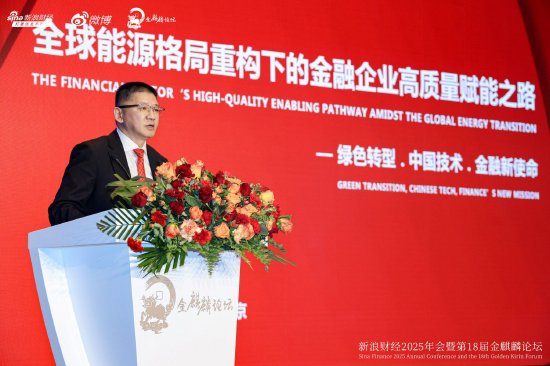
袁颖晖:全球能源格局重构 中意财险助力金融赋能绿色转型
Xin Lang Cai Jing· 2026-01-15 09:50
Group 1 - The global energy landscape is undergoing a restructuring phase, with China playing a crucial role in the green transition. There is a strong consensus between China and the West on low-carbon and climate issues, with China advancing more decisively in this area. The "new three" (photovoltaics, electric vehicles, batteries) are central to low-carbon transformation, particularly in photovoltaics, where China's technological and production advantages have significantly reduced generation costs, making it a key choice for clean, low-cost energy [3][20][21] Group 2 - China faces both opportunities and challenges in the global energy transition, with overall opportunities outweighing challenges. Opportunities include providing the necessary technology, innovation, production capacity, and standards for energy transition. Challenges are primarily related to intense competition within the domestic new energy sector and geopolitical factors that limit China's production capacity and technology standard exports [4][20][21] Group 3 - The financial sector must adopt a dual positioning to empower energy transition, acting as both risk management experts and ecosystem builders. This involves ensuring projects across various phases (initial, construction, operational, and asset transfer) are financially viable, with insurability being a core foundation to mitigate banking risks. Additionally, breaking down industry barriers and fostering cross-sector collaboration among policymakers, energy, and financial sectors is essential for high-quality financial empowerment [5][20][21] Group 4 - As a subsidiary of the Italian insurance group, the company is focusing on green transition and green insurance starting in 2024, with various innovative practices. The aim is to shift insurance from merely covering failures to supporting successes, thereby aiding the green energy transition. The company plans to establish a green insurance research center and collaborate with startups to develop innovative tools and AI ideas for global promotion [6][21][29]