
关税战

Search documents
特朗普只给莫迪21天时间,印度想到的第一件事,就是寻求中国保护
Sou Hu Cai Jing· 2025-08-10 06:30
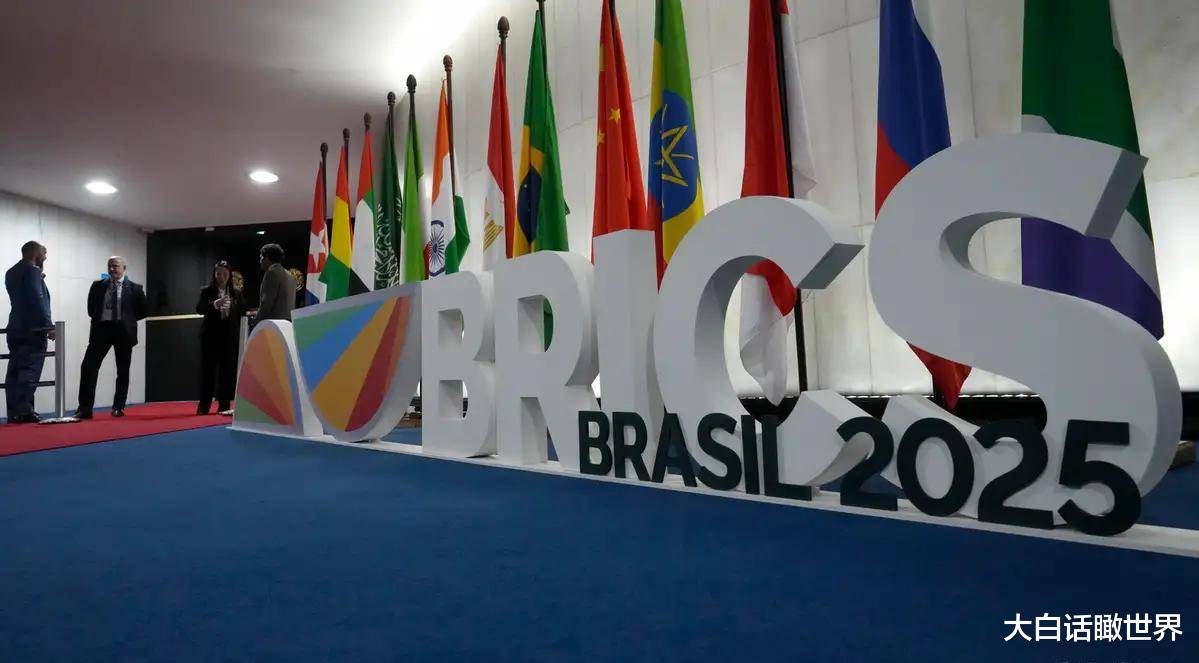
事实上,无论是与美国关系密切还是保持距离的国家,只要愿意与特朗普进行谈判,最终通常都能够得到税率的降低。这是因为特朗普的谈判策略本质上 是"高开低走":他会先开出一个高得令人震惊的价格,等对方反应激烈后,再作出适当让步,既能达到自己的目的,又让对方感觉自己占了便宜。即便是中 国,尽管一直反对美国的关税政策,特朗普也曾作出让步。但是,印度的情况却与大多数国家不同,特朗普在宣布加征关税后,几乎立刻就实施了这一举 措,几乎不给印度留下任何谈判的空间。第一次宣布加征关税后,特朗普仅给了印度7天的时间,而第二次宣布关税时,虽然谈判时间延长了,但也仅仅是 21天而已。而最关键的是,莫迪将在8月底访问中国,出席上合组织峰会。特朗普在此时采取关税措施,显然是为了干扰莫迪的访问,甚至可以看作是对莫 迪的警告:你到底是要与中国交流,还是要与我谈判?最好在做决定之前先想清楚。 在上合组织峰会即将召开的时刻,印度是否会"屈服"于美国的压力?8月7日,美国对印度加征的25%关税正式生效,加上之前已经生效的另一轮25%关税, 意味着美国对印度的总关税税率已经达到50%。这一举措使得印度成为全球面临最高关税的国家,而且它还是首个在最终关税 ...

关税或猛增100%!美国彻底对华摊牌了,中方撂下重话,九三阅兵不必给特朗普留位置了?
Sou Hu Cai Jing· 2025-08-10 02:57
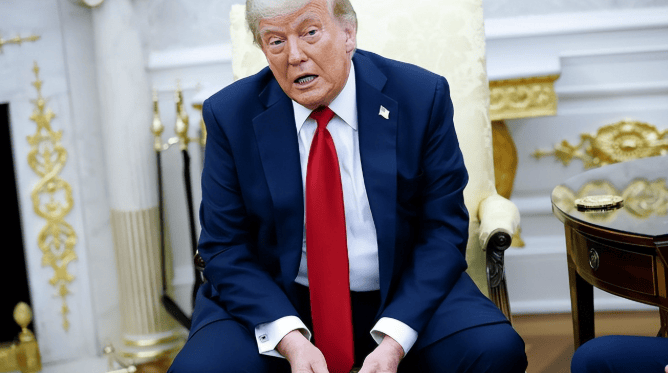
Group 1 - The core viewpoint of the article highlights the escalating trade tensions between the US and China, particularly focusing on the potential for a 100% tariff on Chinese imports related to Russian energy if a peace agreement in the Russia-Ukraine conflict is not reached [1][7] - The article emphasizes China's firm stance against US pressure, asserting that there are no winners in a tariff war and that China is prepared to defend its interests [3][12] - The US's use of tariffs is portrayed as a strategy to weaken China's energy ties with Russia and to extract concessions in trade negotiations, reflecting a broader trend of unilateralism in US foreign policy [7][10] Group 2 - The article discusses China's response strategies, including leveraging its economic strength and expanding domestic demand to mitigate reliance on the US market, as well as enhancing diplomatic relations with other countries to counter US unilateralism [7][9] - It notes the potential impact of increased tariffs on global supply chains, which could lead to higher production costs for US companies reliant on Chinese goods, thereby affecting their competitiveness [9][10] - The article raises concerns among other nations regarding US unilateralism, prompting them to seek diversified trade partnerships to reduce dependency on the US market [10]
中美关税战胜负已分,人民日报喜讯通告全球,特朗普公布接班人
Sou Hu Cai Jing· 2025-08-09 18:31
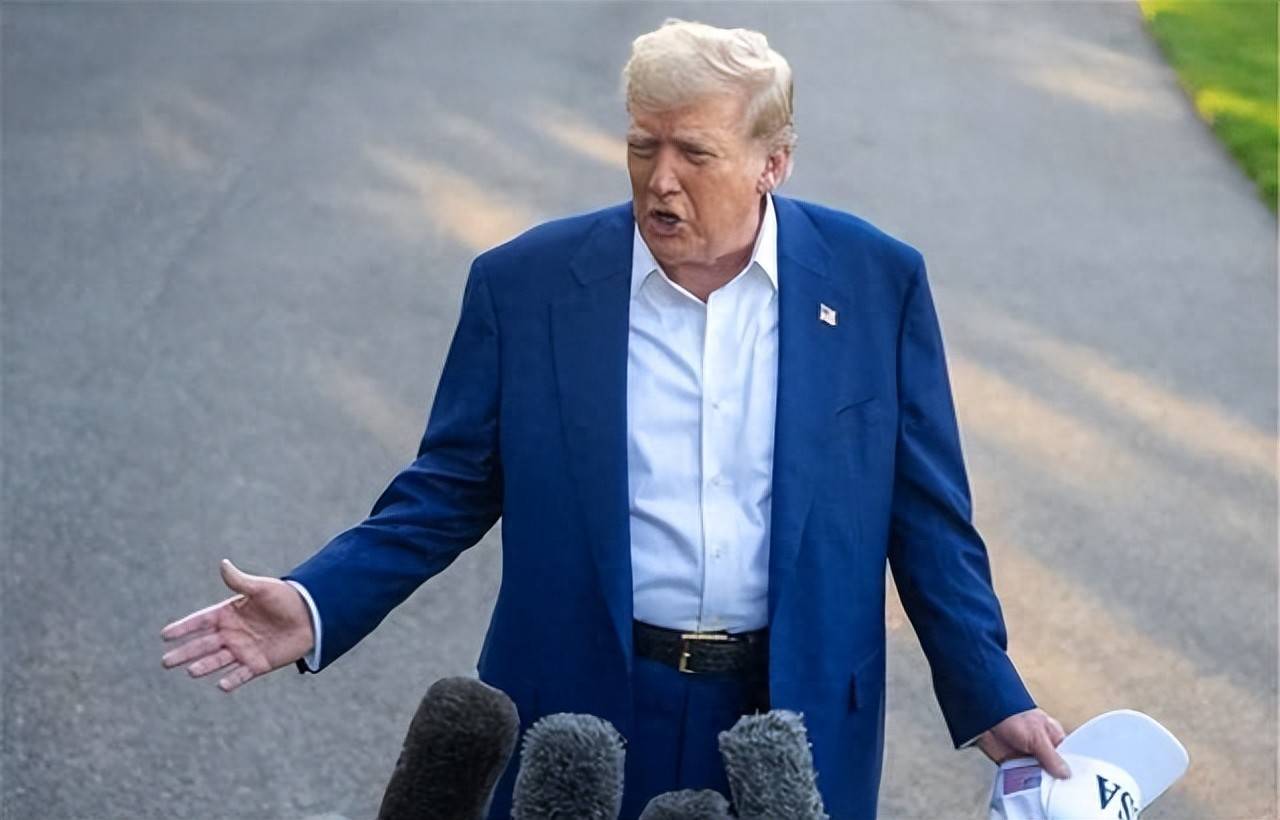
Group 1 - The trade war between the US and China, initiated in 2018, has escalated significantly, particularly after Trump's second term began in 2025, with tariffs on Chinese goods reaching as high as 104% [2][3] - The US aimed to reduce trade deficits and bring manufacturing back to the US, but the high tariffs have led to increased costs for American consumers and businesses [2][4] - China's response has been pragmatic, diversifying its export markets and achieving a trade surplus of $586 billion in the first half of the year [3][5] Group 2 - The International Monetary Fund raised China's 2025 economic growth forecast to 4.8%, while the US GDP growth was only 2.0% in the same period, indicating a stark contrast in economic performance [3][4] - Trump's tariffs have not only failed to balance trade but have also led to rising costs for US companies, prompting layoffs and inflationary pressures [4][7] - The global trade landscape is shifting as countries seek to reduce dependence on the US market, with increased cooperation among Asian and European economies [7][11] Group 3 - The trade war has been characterized by a series of tariff increases, with the latest round affecting 69 trade partners, leading to widespread price increases in the US [4][9] - Analysts suggest that the trade war has ultimately benefited China, as it has successfully opened new markets and maintained economic growth, while the US faces increasing internal dissent regarding the long-term impacts of the tariffs [5][9] - The narrative surrounding the trade war has shifted, with many now viewing it as a self-defeating strategy for the US, as evidenced by rising consumer prices and economic stagnation [9][11]
美“对等关税”生效,印度巴西不屈服
Huan Qiu Shi Bao· 2025-08-08 02:19
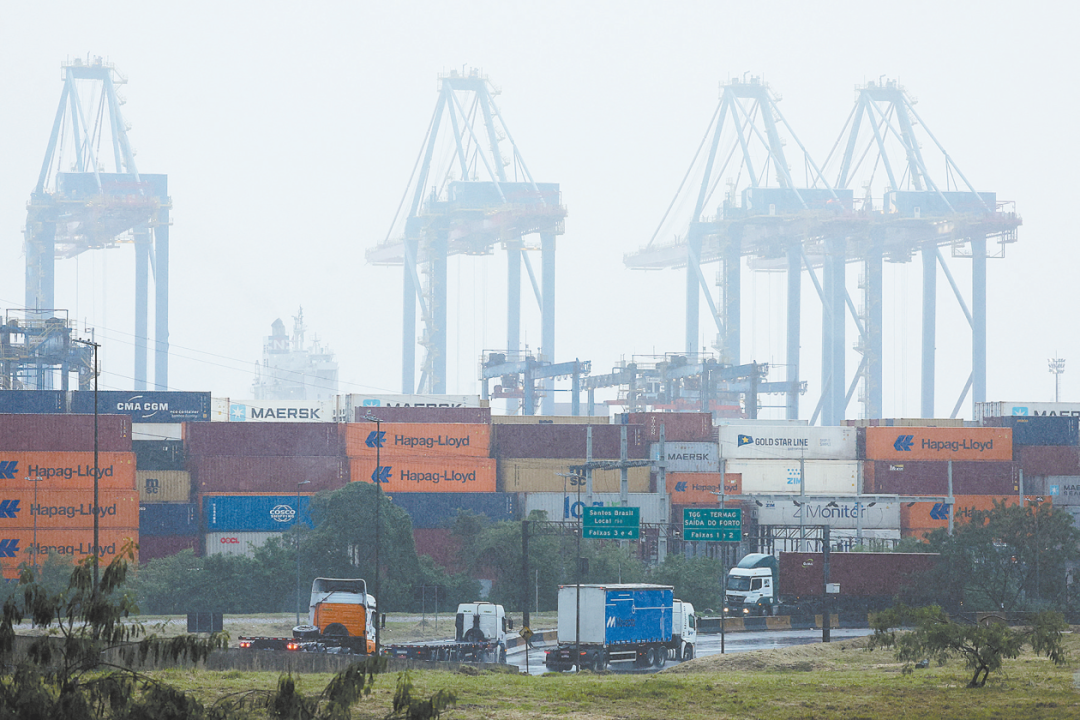
Core Points - The article discusses the implementation of "reciprocal tariffs" by the United States, which has raised average tariffs on trade partners to the highest level since World War II, impacting countries like India and Brazil [1][5][8] - Indian Prime Minister Modi and Brazilian President Lula have expressed their commitment to protect their countries' agricultural and economic interests against U.S. tariffs, indicating a potential for increased solidarity among BRICS nations [1][4][10] Group 1: U.S. Tariff Actions - The U.S. has increased average tariffs from 2.3% to 15.2%, marking a significant rise [1] - A 25% tariff on Indian goods has been implemented as a penalty for India's purchase of Russian energy, potentially raising the total tariff rate on India to 50% [5][6] - Brazil has also faced a 40% tariff increase, leading to a total of 50% on most products exported to the U.S. [8] Group 2: Responses from India and Brazil - Modi emphasized that India's farmers' interests are a top priority and stated that India will not compromise under pressure [5][6] - Lula has indicated that Brazil will seek consultations with the WTO regarding the U.S. tariffs and has ruled out immediate retaliatory measures [3][9] - Both leaders are considering collaboration with BRICS nations to counter U.S. tariffs, with Lula planning to contact other BRICS leaders [10] Group 3: Economic Implications - The tariffs are expected to severely impact labor-intensive sectors in India, such as textiles and seafood, prompting some companies to consider relocating manufacturing [6] - Experts suggest that the U.S. tariffs may be a negotiation tactic by Trump to force India into a trade agreement [6] - Brazil's economy is relatively insulated from the tariffs due to product exemptions and closer trade ties with China, giving Lula more room to resist U.S. pressure [10]
莫迪表示“准备好了”,卢拉联络金砖国家,美“对等关税”生效,印度巴西不屈服
Huan Qiu Shi Bao· 2025-08-07 23:04
Group 1 - The U.S. has significantly increased tariffs on nearly all trade partners, with the average tariff rate rising from 2.3% to 15.2%, the highest level since World War II [1] - India is facing a 25% tariff increase due to its continued purchase of Russian energy, which will raise the total tariff rate on Indian goods to 50% [3][4] - The sectors most affected by these tariffs include labor-intensive industries such as textiles, seafood, jewelry, and auto parts, leading many companies to consider relocating manufacturing [4] Group 2 - Indian Prime Minister Modi emphasized that the interests of Indian farmers, fishermen, and dairy farmers are a top priority and that India will not compromise under pressure [3] - Brazil has also been impacted by U.S. tariffs, with a 40% increase in tariffs on Brazilian products, leading to a total tariff rate of 50% [6] - Brazilian President Lula plans to consult with BRICS leaders to discuss a united response to U.S. tariffs, indicating a potential shift towards greater cooperation among emerging economies [6][7]
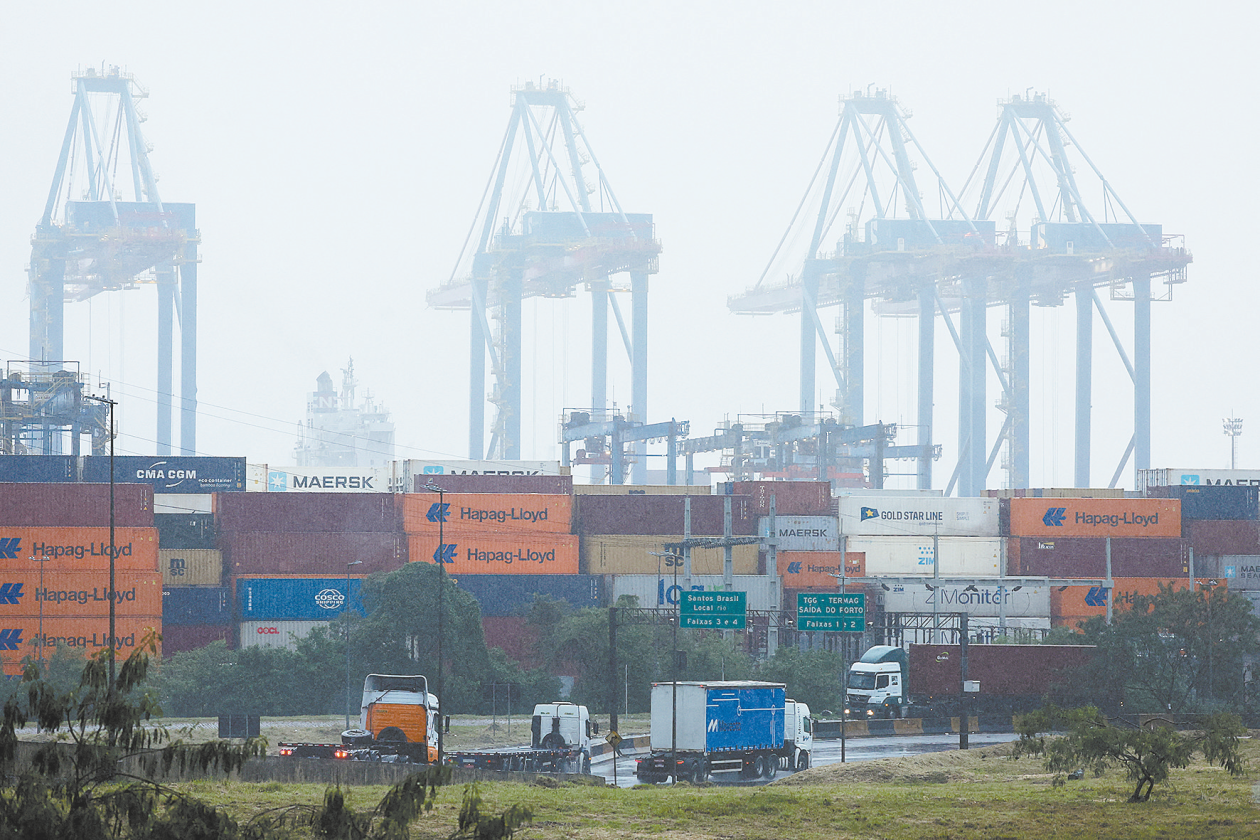
“同样买俄油,为何特朗普制裁印度却放过中国?”“中国太强了”
Sou Hu Cai Jing· 2025-08-07 22:20
Group 1 - The U.S. is imposing a 50% tariff on India for purchasing Russian oil, while refraining from similar actions against China due to its strong position [1][3] - Navarro's comments indicate a cautious approach towards China, acknowledging the potential harm to U.S. interests if aggressive actions are taken [3][4] - The U.S. strategy towards China is complicated by the latter's ability to withstand tariffs and retaliate effectively, particularly through its control of rare earth elements [5][6] Group 2 - The differing responses to India and China highlight the power dynamics at play, with the U.S. adopting a bullying stance towards India while being more reserved with China [6][4] - India's attempts to compete with China are undermined by its lack of leverage in negotiations with the U.S., leading to a reliance on China for strategic positioning [6][4] - The perception of a "China exception" in U.S. trade policy reflects the recognition of China's unique economic and geopolitical significance [6][5]

对印度发难后,特朗普又想对华加征关税,金砖无惧与美国对抗
Sou Hu Cai Jing· 2025-08-07 14:03
Core Insights - The trade tensions initiated by President Trump's tariff increases on India and China highlight the complexities of global economic interdependence and serve as a response to changing international dynamics [1][6] - The tariffs imposed on India, reaching as high as 50%, are seen as punitive measures against perceived non-cooperation, particularly regarding oil purchases from Russia [1][6] - The potential for similar tariffs on China indicates a broader strategy aimed at challenging the economic resilience of these emerging markets [1][3] Group 1: Economic Impact - Historical evidence suggests that U.S. protectionist policies often backfire, failing to alter the procurement behaviors of other nations and potentially tightening economic ties between China and India instead [3][5] - The complexity of global supply chains is often overlooked in U.S. trade policies, which could lead to increased uncertainty in the global economy and negatively impact American businesses and consumers [5][8] Group 2: BRICS Response - The BRICS nations are uniting in response to Trump's tariffs, with leaders like Lula of Brazil advocating for strategic communication and collaboration among member countries [6][8] - The collective GDP of BRICS countries has surpassed that of the G7, indicating a significant shift in global economic power dynamics and the potential for a more equitable international trade order [6][8] Group 3: Long-term Consequences - Trump's tariff strategy may lead to unintended consequences, including a potential isolation of the U.S. in global trade and a failure to achieve desired economic outcomes such as job growth and economic repatriation [8] - The evolving international trade order is likely to reflect the interests of developing countries, suggesting a reconfiguration of global economic rules in the aftermath of the tariff conflicts [8]
美股三大指数集体高开,热门中概股普涨
Feng Huang Wang Cai Jing· 2025-08-07 13:43
凤凰网财经讯 8月7日,美股三大指数集体高开,道指涨0.59%,纳指涨0.77%,标普500指数涨0.5%。 个股方面,礼来跌超9%,此前实验显示,礼来口服药物Orforglipron平均减重11.2%,低于预期;诺和诺 德涨超6%,台积电涨超5%,阿斯麦涨超3%;本田汽车跌超2%。 中概股方面,爱奇艺、贝壳涨超2%,百度、阿里巴巴、拼多多、金山云涨超1%,搜狐、微博、网易涨 近1%;哔哩哔哩跌超1%。 全球要闻 史无前例的二轮投票,严重分裂的英国央行艰难降息25个基点 北京时间周四晚间,英国央行如期在一场意见严重分裂的政策会议后降息25个基点,将政策利率调整至 4%。这也是英国央行本轮降息周期的第5次降息,维持了每个季度降一次息的谨慎节奏。值得一提的 是,今天也是英国央行自1998年获得货币政策决策权以来,首次需要进行两轮投票才勉强达成5比4结果 的利率决议。 从"好朋友"到"关税之王",一文解析:为何印度沦为特朗普攻击目标? 8月7日,盒马CEO(首席执行官)严筱磊罕见公开发言,坦率地谈及近期的关店风波以及新零售未来的 规划。这也是她去年3月履新以来首次直面媒体。她还公布了盒马鲜生最新开店计划,预计新财年 ...
增长3.5% 今年前7个月我国货物贸易进出口总值达25.7万亿元
Bei Jing Shang Bao· 2025-08-07 11:25
Core Viewpoint - China's foreign trade showed stable growth in the first seven months of the year, with total import and export value reaching 25.7 trillion yuan, a year-on-year increase of 3.5% [2][5]. Group 1: Trade Performance - In July, China's total import and export value reached 3.91 trillion yuan, marking a year-on-year growth of 6.7%, with exports at 2.31 trillion yuan (up 8%) and imports at 1.6 trillion yuan (up 4.8%) [3]. - The total import and export value for the first seven months was 25.7 trillion yuan, with exports of 15.31 trillion yuan (up 7.3%) and imports of 10.39 trillion yuan (down 1.6%) [2][5]. Group 2: Commodity Imports - Major commodity import prices fell, with iron ore imports at 697 million tons (down 2.3%) and crude oil at 327 million tons (up 2.8%) [4]. - The import of key raw materials like metal ores and crude oil increased, indicating a correlation with domestic production and economic activity [3]. Group 3: Private Sector Performance - Private enterprises accounted for 57.1% of total foreign trade, with a total import and export value of 14.68 trillion yuan, growing by 7.4% [5]. - The number of private enterprises engaged in foreign trade increased by 8.5%, reaching 570,000 [5]. Group 4: Export Composition - Exports of mechanical and electrical products reached 9.18 trillion yuan, growing by 9.3%, with significant contributions from integrated circuits (up 21.8%) and electric vehicles (up 14.9%) [6]. - High-tech product exports exceeded 5 trillion yuan, contributing over 40% to overall trade growth [6]. Group 5: Trade Partners - ASEAN remained China's largest trading partner, with trade totaling 4.29 trillion yuan (up 9.4%), while trade with the EU and the US saw growth of 3.9% and a decline of 11.1%, respectively [7].
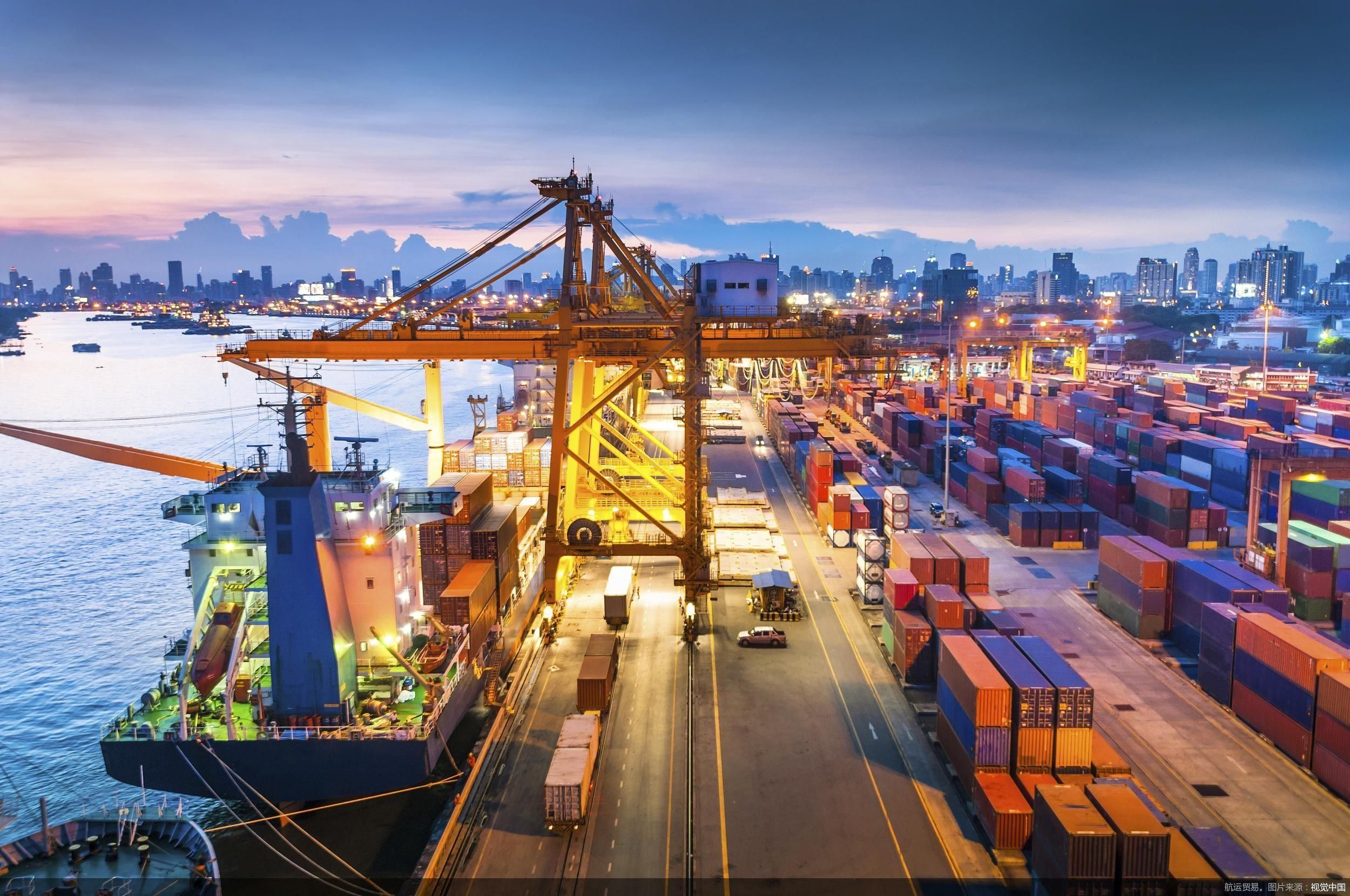
国际贸易数据点评:新关税形势下出口走强能否延续?
Huafu Securities· 2025-08-07 10:29
Export Performance - In July, China's exports increased by 7.2% year-on-year, up 1.4 percentage points from June, continuing the upward trend since May[3] - Exports to ASEAN rose by 16.6% year-on-year, while exports to South Korea increased by 4.6%, marking a significant recovery[3] - Exports to the US fell by 21.7%, a decline deepening by 5.5 percentage points, indicating increased tariff impacts[3] Import Dynamics - Imports rose by 4.1% year-on-year in July, a significant improvement of 3.0 percentage points, driven primarily by recovering crude oil prices[4] - The decline in crude oil imports narrowed to 7.4%, improving by 6.8 percentage points compared to previous months[4] - However, imports of processing trade intermediate goods and capital goods saw a decline, contributing to a 0.6 percentage point drop[4] Trade Policy Implications - The US extended the tariff relief period for China by 90 days, which is expected to marginally boost exports of electromechanical products and mid-range consumer goods[5] - The imposition of 15% tariffs on other major trading partners may enhance China's export price competitiveness but could weaken demand from these economies[5] - The potential impact of increased tariffs on Mexico and Vietnam may affect China's semiconductor and machinery exports due to established supply chains[5] Risk Assessment - The report suggests that while a significant decline in exports is not anticipated, caution is advised due to the complex and evolving trade policy landscape[5] - There is a risk that global trade policy uncertainties could lead to lower-than-expected export growth[5]