
企业全球化

Search documents
PingPong跨境收款:新兴市场持牌,为企业开拓全新的国际市场提供助力
Jin Tou Wang· 2025-07-23 06:37
Group 1: China's Foreign Trade Performance - China's manufacturing exports show improvement, with electromechanical products increasing by 9.5% year-on-year, accounting for 60% of total exports [1] - High-end equipment related to new productivity rose over 20%, while "new three samples" products representing green and low-carbon growth increased by 12.7% [1] - The stable growth of China's foreign trade is supported by a complete industrial system and the deep integration of technological and industrial innovation [1] Group 2: PingPong's Global Expansion - PingPong, a global payment platform, focuses on technology and business model innovation to meet the comprehensive needs of SMEs, tech companies, and financial institutions [2] - The company has facilitated cross-border transactions totaling approximately 2 trillion yuan, emphasizing compliance, risk control, and customer service as its sustainable development foundation [2] - PingPong has established compliance, risk control, and customer service teams globally, acquiring over 60 global licenses to provide secure cross-border payment services [2][3] Group 3: Risk Management and Customer Service - PingPong has intercepted fraud losses amounting to $1 billion, safeguarding nearly 2 trillion yuan in cross-border transaction funds [3] - The customer service team offers multilingual support across various regions, ensuring round-the-clock service capabilities [3] - The company is committed to investing in compliance, risk control, and customer service to support the global growth of enterprises [3]
Day One Global!2025DEMO WORLD企业全球化增长大会圆满举办
创业邦· 2025-07-09 09:55
Core Viewpoint - The 2025 DEMO WORLD held in Shanghai highlighted the increasing globalization of Chinese enterprises, showcasing their strategies and experiences in expanding into international markets [2][4]. Group 1: Event Overview - The event gathered over 30 multinational companies, 50+ CVC institutions, and 112 technology enterprises, emphasizing the collaborative efforts in global market expansion [2]. - The "2025 China Enterprises Globalization New Forces 100" list was released, featuring companies that have rapidly initiated overseas operations [2][27]. Group 2: Trends in Globalization - Chinese enterprises are increasingly adopting regional layouts, localized operations, and digital empowerment as new trends in their globalization efforts [4][6]. - The importance of building local trust and outputting core capabilities is emphasized, moving beyond simple "going out" strategies [6][8]. Group 3: Challenges and Opportunities - The uncertainty in tariffs and trade policies presents challenges, but China's economy shows resilience and adaptability, with a focus on technology-driven growth [8][9]. - The energy sector faces a significant transformation, with companies needing to adapt to local markets and policies to succeed in overseas ventures [12]. Group 4: Insights from Industry Leaders - Leaders from various sectors shared insights on the importance of innovation and user experience in maintaining brand vitality during international expansion [13][19]. - The automotive industry is undergoing a deep restructuring, with a focus on local ecological construction and moving from price competition to technology trust [17][19]. Group 5: Key Findings from the 100 Strong List - The list includes 40 leading enterprises and 60 growing enterprises, with a significant portion having established overseas branches [27][30]. - The majority of companies are focusing on smart manufacturing and artificial intelligence, with North America, Europe, and Southeast Asia being primary markets for expansion [30][31]. Group 6: Future Directions - The event emphasized the need for collaboration and resource sharing among industry players to navigate the complexities of global markets [33][35]. - The Banglink platform will continue to facilitate connections and innovation demands, enhancing the precision of industry partnerships [33].


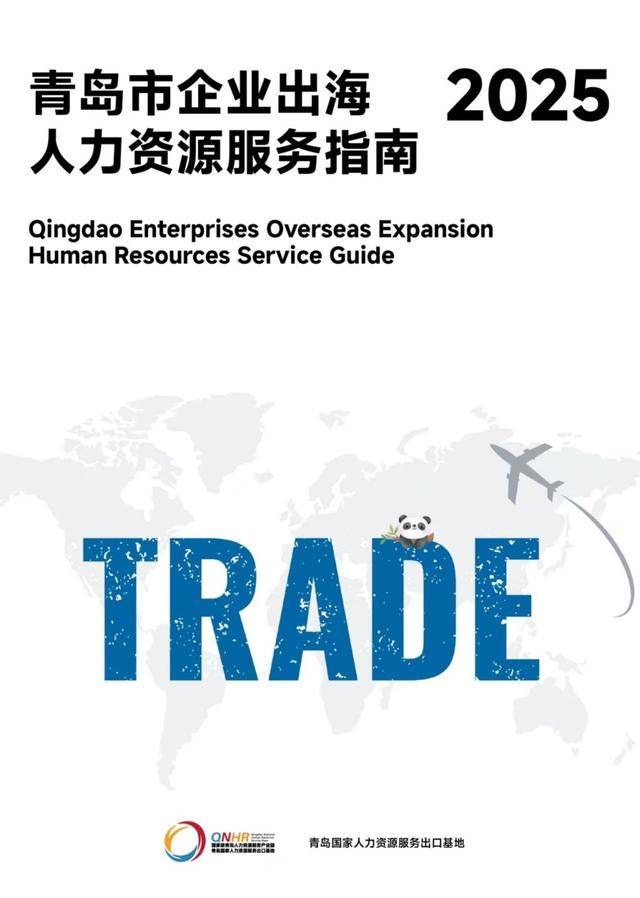
提供前瞻性与实操性兼备的行动指引!青岛发布企业出海人力资源服务指南
Sou Hu Cai Jing· 2025-06-30 03:20
Core Insights - The article emphasizes the importance of multinational talent allocation and compliance management as key factors for the success of companies going global during a period of significant adjustments in the global economic landscape [1][4]. Group 1: Challenges Faced by Chinese Enterprises - Chinese enterprises are increasingly involved in the restructuring of global supply chains, particularly in emerging industries such as digital economy and green energy, but face severe challenges including significant differences in international labor laws, high compliance costs for cross-border employment, insufficient supply of core international talent, difficulties in multicultural team integration, and stringent global data privacy protection requirements [4][5]. Group 2: The Release of the Guideline - The "Guideline" serves as an essential "navigation map" and "toolbook" for enterprises' globalization journey, providing a comprehensive solution covering the entire lifecycle of internationalization (exploration, expansion, and maturity) [5][6]. - It integrates global insights and practical experiences, addressing key areas such as globalization strategy, talent strategy, cross-cultural management, core risk compliance, and AI innovation applications [5][6]. - The Guideline offers precise interpretations of human resources and investment policies for RCEP member countries and other key global markets, including economic development, advantageous industries, core labor laws, employment permit processes, mandatory social security systems, and compensation tax rules, thus acting as a "policy compass" for enterprises [5][6]. Group 3: Supportive Ecosystem - The Qingdao National Human Resources Service Export Base aims to become a powerful "empowerment platform" for enterprises' globalization efforts, leveraging its strategic location as a dual-node city in the Belt and Road Initiative and RCEP region [6][7]. - It has established a robust service ecosystem, providing "one-stop" services through a partner mechanism that integrates top domestic and international human resources service institutions, covering all aspects from international talent search to legal compliance consulting [6][7]. - The base also focuses on continuous training of high-end composite talents who understand international rules and possess a global perspective, while forming a service alliance with renowned law firms to strengthen legal and risk prevention frameworks for enterprises going global [6][7]. Group 4: Future Outlook - The release of the Guideline marks a new starting point for the Qingdao National Human Resources Service Export Base, serving as a milestone in empowering Chinese enterprises on their globalization journey [7]. - The base plans to continuously deepen the application and practice of the Guideline, keeping pace with global human resources development trends and policy dynamics, ensuring its content remains cutting-edge and practical [7].
TCL魏雪出席中国企业出海高峰论坛 分享全球化三层跃迁路径
Sou Hu Wang· 2025-06-30 01:48
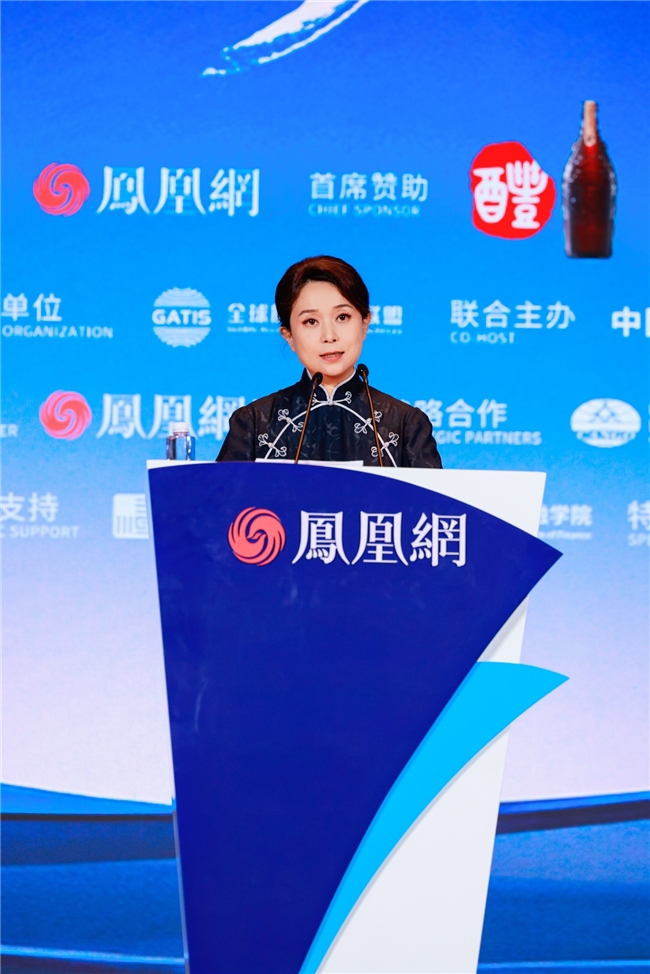
Core Insights - The forum "2025 China Enterprises Going Global Summit" focuses on providing solutions for Chinese companies facing challenges in globalization, emphasizing sustainable and ecological pathways for international expansion [1] - TCL's Vice President, Wei Xue, presented a speech outlining TCL's three-tiered approach to globalization: product globalization, capability globalization, and brand globalization [1][4] Group 1: Product Globalization - TCL has achieved product globalization since its international expansion began in 1999, establishing 46 R&D centers and 38 manufacturing bases across over 160 countries, with overseas revenue growing from 73.46 billion to 147 billion yuan in the past five years, averaging a 19% annual growth [5] - TCL's television sales rank second globally, only behind Samsung, showcasing its competitive position in the market [5] Group 2: Capability Globalization - The second leap involves embedding capabilities into local markets, with TCL focusing on localized product offerings and technological strengths to establish a foothold in the European and North American markets [5][6] - In Poland, TCL has built a smart manufacturing base with an annual capacity exceeding 5 million units and established a European R&D center focused on AI and basic sciences, creating approximately 800-1000 local jobs annually [5] Group 3: Brand Globalization - Wei Xue emphasized that globalization is about resonance rather than homogenization, with TCL promoting its brand through initiatives like TCLYoung, TCLforHer, and TCLGreen, which address universal themes and foster trust across cultures [8][9] - The "TCLforHer" initiative aims to empower women, with a steady increase in female representation in TCL's executive team over the past five years, benefiting 2,487 women through various support programs [9] - TCL's commitment to environmental sustainability is evident through the "TCLGreen" initiative, which integrates green development principles into all aspects of production and operations [9] Group 4: Strategic Partnerships and Future Outlook - TCL has become a global partner of the Olympics, joining a select group of brands, and is collaborating with the Olympic Museum to provide advanced display technologies [9] - The company has established a new path for globalization, transitioning from mere presence to deep-rooted integration in international markets, highlighting the resilience of Chinese enterprises in the current global landscape [11]

TCL李东生:企业全球化发展,一定要扎根当地
凤凰网财经· 2025-06-26 10:22
Core Viewpoint - The globalization strategy of Chinese enterprises is essential despite the challenges posed by de-globalization, emphasizing the need for local integration and collaboration with local partners to drive economic development [1][3][5]. Group 1: Globalization Strategy - Chinese enterprises must adapt to local markets by establishing production bases abroad, transitioning from "global sales" to "global operations" [1][6]. - TCL's approach includes building local supply chains and fostering local industrial capabilities, which is seen as a model for successful globalization [4][5][6]. Group 2: Local Integration - The establishment of factories in countries like Mexico, Poland, and Vietnam allows for deeper integration into local economies, creating jobs and tax revenue while developing local industrial capabilities [5][6]. - Local partnerships are crucial for enhancing competitiveness and creating value within the local context [6][9]. Group 3: Innovation and Creativity - The success of companies like Pop Mart in international markets demonstrates the creative potential of Chinese enterprises in the fashion and innovation sectors [1][5]. - There is an expectation for more Chinese companies to emerge in the global market with innovative and fashionable products [1][5]. Group 4: Economic Balance - The need for a balanced approach to globalization is highlighted, where efficiency and fairness in resource allocation are considered [7][9]. - The historical context of globalization and its impact on economic growth is acknowledged, with a call for more equitable development across different regions [8][9].

海信李炜:出海企业不要再用国内外派员工当领导 |《封面》对话
Feng Huang Wang Cai Jing· 2025-06-16 08:31
Core Viewpoint - The article discusses how Hisense is leveraging technological innovation, such as laser display and AI models, to enhance its position in the high-end market and aims for the top global market share in the display industry [2]. Group 1: Globalization and Localization - Hisense emphasizes the importance of local talent development in its global operations, with over 80% of engineers in its Mexican factory being local hires, while only 1.5% of the workforce is from China [2][3]. - The company believes that a global brand must have a global manufacturing layout to effectively respond to diverse regional market demands and consumer needs [2][3]. - Hisense has established manufacturing bases in countries like Mexico, Slovenia, and South Africa, integrating production, sales, and research to adapt to local market dynamics [3][4]. Group 2: Long-term Strategy and Commitment - The company highlights the necessity of having a long-term strategic goal and positioning for sustainable development in foreign markets [4]. - Building trust with local teams is crucial, as demonstrated by Hisense's efforts to integrate with the local workforce in Mexico after acquiring a factory from Sharp [4][5]. - Hisense stresses the importance of localizing the supply chain and enhancing regional manufacturing competitiveness to ensure better growth prospects [5].


海天味业港股IPO:二次上市打响全球化突围战
Jing Ji Guan Cha Wang· 2025-06-13 12:40
Group 1 - Haitan Flavoring Food Co., Ltd. has officially launched a global public offering, with plans to list on the Hong Kong Stock Exchange on June 19, 2023, at a maximum offer price of HKD 36.3 per share, equivalent to approximately RMB 33.3 per share [1] - The company plans to issue 263 million H shares, with cornerstone investors including Hillhouse Capital, GIC, UBS Asset Management, Royal Bank of Canada, CITIC Industrial Fund, Sequoia, and Boyu, raising nearly HKD 4.7 billion [1] - The funds raised will primarily be used to establish a global brand image, expand overseas sales channels, and enhance supply chain capabilities, including building factories in Southeast Asia and acquiring overseas brands [1] Group 2 - In 2022 and 2023, the company's net profit attributable to shareholders declined by 7% and 9%, respectively, but a recovery is expected in the 2024 financial report [2] - The 2024 financial report indicates growth in both revenue and profit, although the net operating cash flow decreased by 7% to RMB 6.84 billion, and sales expenses increased by 24.7% to RMB 1.63 billion [2] - The number of distributors at the end of 2022, 2023, and 2024 were 7,172, 6,591, and 6,722, respectively, showing a net decrease of 465 distributors from 2022 to 2024, with over 1,200 franchisees exiting in 2023 [2]

王煜全:当前出海困境,出路只有一条
3 6 Ke· 2025-06-11 08:40
Core Viewpoint - The article discusses the evolving landscape of Chinese companies going global amidst the backdrop of US-China tariff negotiations, emphasizing the need for strategic foresight and adaptation in international markets. Group 1: Globalization and Market Strategy - Chinese companies are realizing that true globalization involves creating a demand for their presence in foreign markets rather than merely selling products abroad [1] - Companies should adopt a "home court" mentality to deeply engage with local markets, enhancing their market insights, business design, and risk management [2] - The biggest risk for Chinese companies going global is the lack of foresight in their strategies [8] Group 2: Risks and Challenges - The current US tariff policies create confusion for Chinese companies regarding their international expansion, necessitating a long-term perspective rather than short-term reactions [8] - Historical patterns indicate that long-term trade surpluses lead to conflicts, and companies must prepare for potential market shifts [8] - The article highlights the importance of understanding the differences between developed and developing markets, noting that while developed markets have high entry barriers, they tend to be more stable once entered [9] Group 3: Advantages of Chinese Enterprises - Chinese companies still possess significant advantages, including scale, supply chain integration, and digital capabilities, which can be leveraged for global competitiveness [21][24] - The ability to integrate supply chains globally is crucial to avoid self-competition and ensure sustainable growth [22][23] - Digitalization allows for rapid adaptation and responsiveness to market demands, exemplified by innovative business models like Shein's [24] Group 4: Future Directions and Leadership - Successful future entrepreneurs in China must become "chain masters," controlling supply chains and leveraging local partnerships to enhance their global presence [19] - The governance structure of companies is critical for achieving true globalization, as reliance on individual leadership is insufficient in diverse international markets [30] - Companies must focus on collaborative innovation and industry synergy to thrive in complex global environments [31][32]

美团10亿美元出海巴西,制度与价值观的压力测试
Sou Hu Cai Jing· 2025-06-06 23:44
Group 1 - Meituan plans to expand its food delivery platform Keeta into the Brazilian market, investing $1 billion over the next five years to build a nationwide instant delivery network [2][10] - The competition in the food delivery sector has shifted focus to the issue of social security for delivery riders, with companies like JD.com and Meituan now emphasizing their commitment to providing social security as a competitive advantage [3][5] - The current discourse around social security highlights a troubling trend where basic legal obligations are being marketed as innovative benefits, raising questions about the true commitment to worker welfare in the tech industry [5][8] Group 2 - The classification of delivery riders as "flexible workers" or "independent contractors" has allowed platforms to avoid the responsibilities associated with employee status, complicating the employment relationship [6][8] - The algorithmic systems used by Meituan and Ele.me link delivery efficiency and rider compensation, creating pressure that compromises rider safety and increases the risk of accidents [6][8] - The working conditions of delivery riders are increasingly resembling those of full-time employees, suggesting a need for appropriate institutional protections [8][10] Group 3 - Meituan's international expansion through Keeta is not just about market growth but also serves as a test of its labor practices and values in stricter regulatory environments [10][12] - Brazil's labor laws require companies to provide social security and benefits for formally employed workers, posing challenges for the "flexible labor" model commonly used by Chinese platforms [10][12] - Sustainable globalization requires companies to respect labor rights and adhere to consistent standards across different markets, emphasizing that protecting worker rights is an investment in long-term value [12]


以“科技+产业”融合模式助推中国企业全球化布局|出海活动
3 6 Ke· 2025-05-21 05:16
Group 1: Conference Overview - The conference titled "AI Innovation + Industry Practice" was held in Zhuhai, focusing on the new challenges and opportunities faced by outbound enterprises in the context of artificial intelligence [1] - Over 1000 representatives from government, research institutions, multinational platforms, manufacturing companies, and business associations attended the event [1] Group 2: AI and Globalization - PwC China emphasized the importance of a three-tier compliance system ("strategy-architecture-organization") as a "moat" for enterprises going global [1] - Amazon Web Services showcased its global capabilities, highlighting how AI enhances efficiency, ensures compliance, and supports multi-country deployments through outbound enterprise case studies [1] Group 3: AI Product Launch - The co-founder of Aichuangzuo announced two AI systems: "Deep Blue Rhythm" for intelligent decision-making and "Deep Blue Business Shot" for AI-driven commercial visual content generation [2] - These products aim to address three core challenges faced by outbound enterprises: lack of systematic market judgment, multilingual content production bottlenecks, and data silos [2] Group 4: Internationalization Strategies - Haier's international business manager shared a three-pronged internationalization model focusing on local R&D, manufacturing, and marketing, stressing the importance of systematic capabilities for stable outbound operations [2] - Insights on e-commerce trends in Europe and Eastern Europe were provided by executives from Wayfair and Ozon, respectively [2] Group 5: Manufacturing and AI Integration - Entrepreneurs presented case studies to provide practical examples for manufacturing enterprises in the Greater Bay Area to expand overseas [3] - The founder of Aichuangzuo stated that Chinese enterprises are transitioning from "outbound channels" to "global operations," with AI being a key variable in this shift [3]