关税大战

Search documents
0515:金价探底回升,日内重磅新闻加剧金价抛售!
Sou Hu Cai Jing· 2025-05-15 14:47
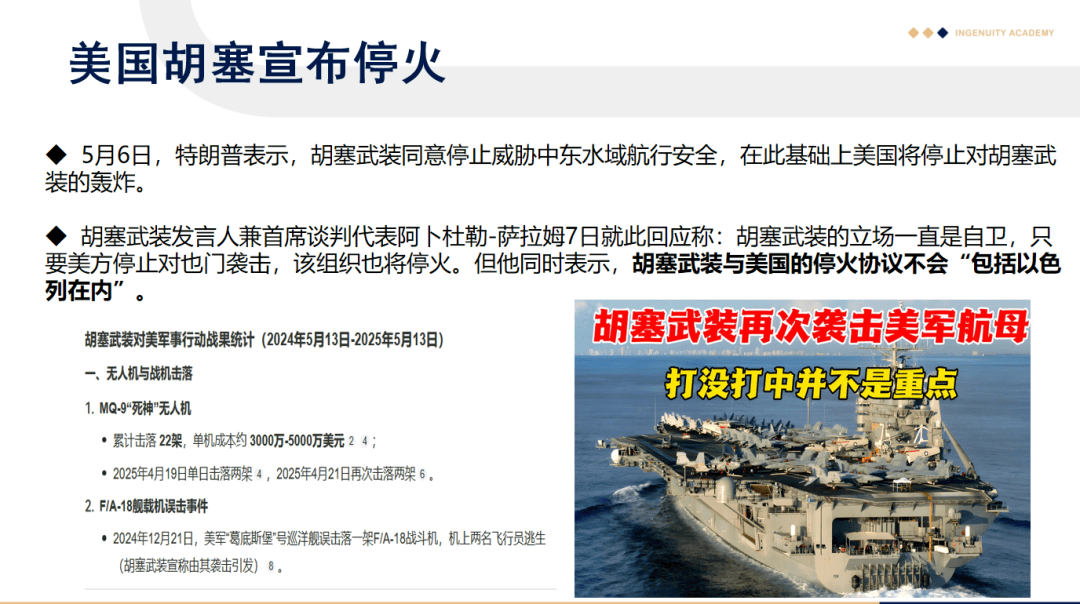
点击下方关注许亚鑫,加★星标★,充值鑫仰! 今天早上一个多小时的重庆中行《中美关税谈判与国际宏观局势分析》的主题演讲结束,近一百六十位同时在线开会的场面还是非常棒啊,而且中行的做 事效率很高,接下来私人银行的活动也准备开始安排。 我已经安排技术进行视频切片处理,预计分成三段,届时你们可以留意我公众号和视频号的更新。 为会副学应 高净值客户的投资交易与资产配置 讲座时间 5月16日 全天六小时 个人简介 ● 匠鑫学院院长|北京黄金经济发展研究中心研究员| 国家高级黄金投资分析师|注册金融理财师 许亚鑫老师是资深金融分析师,曾任多家媒体专栏 专家和外汇贵金属评论员,拥有丰富的金融市场分 析经验。他以"风险第一,量力而行"的投资理念 指导培训,深受国内商业银行和知名学府的推崇。 O - | INDIA- | SOUTH ASIA | STATS | | 巴基斯坦 | 印度 | | --- | --- | --- | --- | --- | --- | | PAKISTAN | PAKISTAN | INDIA | 战机损失 | 0 | 6 | | CONFLIC | | | | | | | TATIS | 0 | ...

关税剩10% ,特朗普白折腾1个月,从现实回到原点,日本意外出血
Sou Hu Cai Jing· 2025-05-12 11:54
同时指出增加的税款属于谁购买谁出钱,这部分钱不是我们出而是由美国民众负责。 就在刚刚中美两国发布联合声明,重点强调了此次日内瓦经贸会谈联合声明,公布了两天闭门谈判的结 果。中美双方承诺在5月14日前采取以下举措: 美国:在5月14日前,中国对美国商品的关税从125%降至10%,为期90天; 美国对中国商品的关税从145%降至30%,为期90天 后续双方建立相关协调机制,就关税的事情再做协商至此中美关税大战就此完结。 (在这里重点需要给大家强调一下为什么美国降到30%,这个多收20%属于芬太尼税,中方在2025年二 月份和三月份的时候已经进行过反制) 而在中美会谈的时候,日本首相石破茂5月12日在国会明确表态,日本坚持汽车关税必须作为谈判核心 议题。石破茂更是说出了豪言壮语表示,将在日美贸易谈判中寻求取消所有关税的目标。以"0%关 税"为最终目标。而日本将原计划定于和美国的谈判从六月份推迟到了七月份。 而在中美谈完,日本却迎来了非常不好的消息,不少投资者开始大规模的抛售日本国债,目前日本30年 期国债收益率攀升至近25年来的最高水平。 收益率上升5个基点,达到2000年11月以来的最高水平。 这 估计是日本方面 ...
应对关税大战不妨把消费主场搬到中国来
Zhong Guo Fa Zhan Wang· 2025-05-08 03:27
Group 1 - The recent "May Day" holiday saw a significant increase in both domestic and foreign tourists in China, particularly in Shanghai, where inbound consumption reached 455 million yuan, a year-on-year increase of 211.6% [1] - The "immediate tax refund" policy for foreign tourists has been expanded, with Shanghai and other pilot regions experiencing a 22-fold increase in tax refund scale compared to the previous year, significantly outpacing the national growth rate of 18 times [1] - The majority of domestic tax refund rates are at 11%, which is highly competitive compared to the fluctuating rates in EU countries, further encouraging foreign tourists to shop in China [1] Group 2 - There has been a notable shift in consumer behavior, with foreign tourists increasingly finding that purchasing goods in China is more cost-effective than buying them abroad, leading to a rise in "reverse purchasing" phenomena [2] - The increase in foreign visitors to China is attributed to the high quality and affordability of Chinese products, prompting many to engage in shopping sprees during their visits [2] - The U.S. tariffs on imports have made Chinese goods more appealing to American consumers, who find it cheaper to buy products in China even after accounting for travel costs, indicating a strong demand for Chinese manufacturing [3] Group 3 - The influx of foreign consumers presents an opportunity for Chinese businesses to expand their international market presence by catering to the preferences of these consumers [3] - The goal for China is to not only be the "world's factory" but also to become a leading global destination for consumer tourism, encouraging international visitors to shop in China and promote Chinese products abroad [3]
凌晨,美联储按兵不动,黄金继续上演极端走势!
Sou Hu Cai Jing· 2025-05-08 01:04
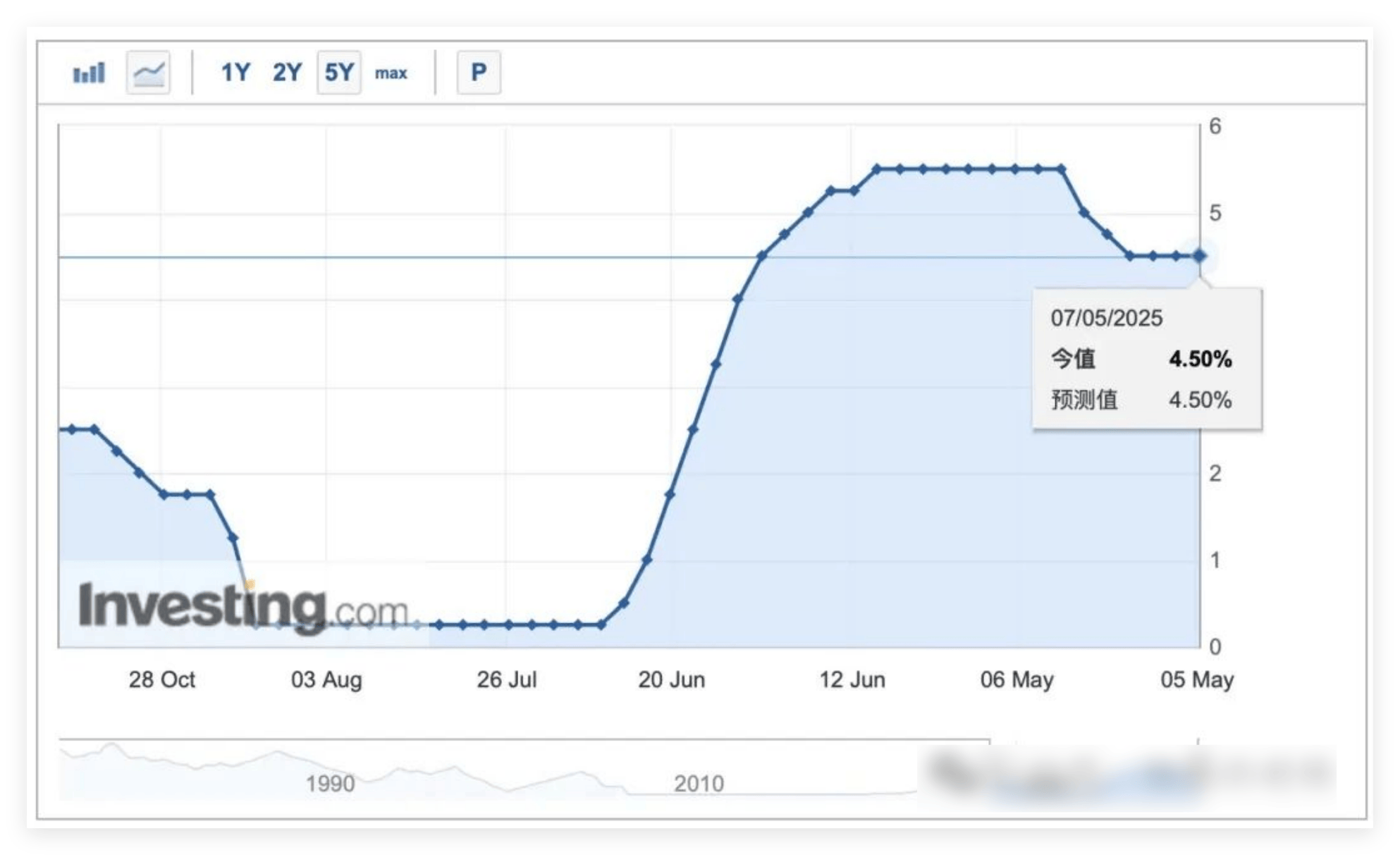
止损,永远是对的,错了也对! 死扛,永远是错的,对了也错! 横批:止损无条件! 如果没有交易原则,那么,一切技术等于零! 凌晨美联储年内第三次维持利率不变,美联储主席鲍威尔继续硬钢特朗普,对黄金而言构成利空!不过,美联储利率决议期间,黄金波动有限,主要因为特 朗普重返白宫后开启的全球"关税大战"成了市场的焦点,同时全球地缘局势云波诡谲,使得美联储影响力大打折扣! 经过昨天欧美盘折腾后,今天先看区间,重点3360区域支撑,上方重点3400区域压制。向下破位,行情进一步走空,关注回撤3325--3300大关;向上突破, 则看涨3420--3440,甚至冲击历史新高!操作上,3360-3400区间内高抛低吸不追单,打破区间则顺势跟进一波! 白银,窄幅波动,方向跟着黄金;昨天冲高33.3后大跌,接下来继续关注高空,短线32.2-32区域支撑先看反弹! 昨天央妈降息降准,以应对当前市场不确定性,似乎影响并不大。当前,市场不缺钱,缺的是信心!消费贷款助力经济也就罢了,连养老都需要贷款了,也 是没法说。 基本面上,地缘局势依然是焦点,印巴冲突牵动全球的神经;俄乌和谈难以达成,冲突随时进一步加剧;美伊谈判各有各的底线,也是死 ...
中方对美掀桌后,石破茂也倒戈,日本手握万亿美债,美国已被拿捏
Sou Hu Cai Jing· 2025-05-07 04:01
Group 1 - The article discusses the ongoing trade tensions between the US and China, highlighting that China has not responded to US negotiation hints, suggesting a potential breakdown in discussions over tariffs [1][3] - Recent statements from China's Ministry of Commerce indicate a possible shift in tone, with the ministry acknowledging that the US has been reaching out for talks, which may signal a willingness to engage under certain conditions [3][5] - The article emphasizes that for any dialogue to be meaningful, the US must demonstrate genuine goodwill by correcting its unilateral tariff measures, as China is firm on its stance of "fighting back if necessary" while keeping the door open for negotiations [5][7] Group 2 - Japan's Prime Minister Shigeru Ishiba has taken a strong stance against US tariffs, indicating that Japan will not compromise its national interests for a quick resolution, reflecting a newfound confidence possibly influenced by China's assertiveness [7][9] - Japan holds a significant amount of US Treasury bonds, which could serve as leverage in trade negotiations, with officials suggesting that these bonds are not merely for supporting the US but could be used strategically [9][10] - The article suggests that both China and Japan, as major holders of US debt, may collaborate to counter US pressure, potentially leading to a more cautious approach from the US in its trade policies [9][10]
中国不跪神预判,日本跪了照样挨打,石破茂赌上国运,反将美一军
Sou Hu Cai Jing· 2025-05-06 10:54
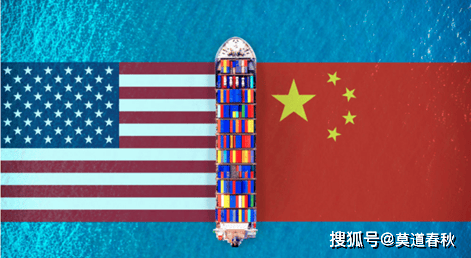
在当今复杂多变的国际经济局势中,特朗普掀起的关税大战宛如一场猛烈的风暴,席卷全球,众多国家深受其害。而在这场风暴中,日本与中国的不同遭 遇,犹如一面镜子,映照出美国霸权的蛮横无理,也凸显了各国在应对挑战时的不同抉择与命运走向。 最开始,特朗普扬起关税大棒的时候,日本第一时间就选择了"下跪"。当时,日本首相石破茂出访美国,送上了很多"大礼",就是为了让日本获得关税豁 免。这些好处有点多,日本承诺大幅提高 2025 财年的防务预算,并力图在 2027 年达到美国人的要求,将国防预算提高到国内生产总值(GDP)的 2%,这 里面,自然隐藏了包括上交美国的保护费。另外,石破茂还表示会计划将对美国的投资规模提升至 1 万亿美元,大幅购买美国液化天然气,此外,石破茂还 暗示特朗普,日本可能会购买美国的生物乙醇等能源,还这般讨好的姿态,一度让特朗普兴奋不已,高呼"我爱日本",甚至扬言要与日本构建 "日美关系的 新黄金时代"。 然而,日本的卑躬屈膝并未换来美国的怜悯。美国的关税战全面爆发后,日本不仅没有获得豁免,反而遭到了美国一次次沉痛的上海。美国对日本加征了 24% 的高额 "对等关税", 接着对钢铁和铝制品加征 25% ...
中国出口美国的商品主要有哪些?受关税影响如何?
Sou Hu Cai Jing· 2025-05-06 08:53
Core Viewpoint - The article highlights the resilience of China's trade with the United States amidst domestic economic challenges, emphasizing the significant role of exports, particularly in consumer electronics and labor-intensive products, in driving economic growth [2][3]. Group 1: Trade Dynamics - China's direct and indirect trade with the U.S. may exceed $1 trillion, with a potential surplus of over $500 billion [2]. - The structure of exports to the U.S. is dominated by industrial products, particularly electromechanical products, which account for over 40% of total exports [2]. Group 2: Consumer Electronics - In 2024, China's export of consumer electronics to the U.S. reached 787.5 billion RMB, making up 21.1% of total exports to the U.S. and maintaining its position as the largest export category for eight consecutive years [3]. - Key categories within consumer electronics include smartphones (250.15 billion RMB), laptops (179.87 billion RMB), tablets (92 billion RMB), and smart home devices (18.9 billion RMB) [3]. - Chinese consumer electronics dominate the U.S. market, with market shares of 62% for smartphones, 58% for laptops, 67% for tablets, and 41% for smart home devices [3]. Group 3: Tariff Implications - Despite ongoing trade tensions, the U.S. has exempted certain Chinese consumer electronics from a 125% tariff, indicating a reliance on Chinese products [3]. - Major companies like Apple and Dell are unlikely to sever ties with Chinese supply chains in the short term due to this dependency [3]. Group 4: Labor-Intensive Products - Labor-intensive products, including textiles, furniture, toys, and plastic products, account for approximately 25% of China's exports to the U.S. [5]. - Despite rising domestic labor costs, China maintains competitive advantages in these sectors due to its complete and coordinated industrial system [5]. Group 5: Market Shares of Labor-Intensive Products - In the U.S. market, Chinese exports of clothing (including sports and casual shoes) account for 42.3% of the apparel market, textiles for 32.4%, furniture for 44.1%, and toys for 66.3% [6]. - Daily necessities and packaging materials have an export value of $42.19 billion, representing 8.0% of the U.S. market [7]. Group 6: Overall Export Landscape - The overall export landscape shows that high-value electromechanical products, particularly consumer electronics, are less affected by tariffs, while low-value labor-intensive products face significant pressure due to their substitutability [7]. - Core components like chips still rely on U.S. imports, highlighting a mixed dependency in the trade relationship [7].
【财经】PPG今年Q1营收降至37亿美元,中国区业绩逆势增长
Sou Hu Cai Jing· 2025-05-01 17:31
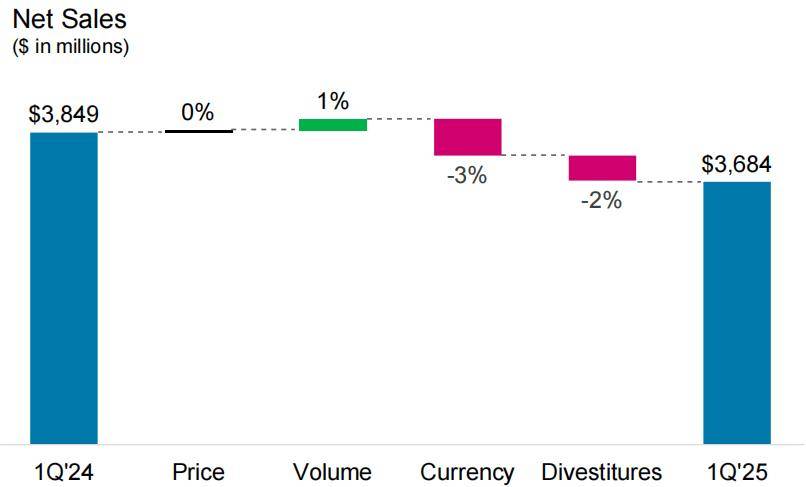
Core Viewpoint - PPG reported a decline in net sales for Q1 2025, with a total of $3.684 billion, down 4.0% year-over-year, influenced by foreign currency translation and business divestitures, despite a 1% increase in organic sales [1][4][5] Financial Performance - The company achieved an operating profit of $380 million, a decrease of 8.21% year-over-year, with a segment profit margin of 16.5% and an EBITDA margin of 19.4% [1][4] - Net profit for the quarter was $375 million, down 7.0% year-over-year, while adjusted net profit was $396 million, reflecting an 11.0% decline [1][4] Segment Performance - The high-performance coatings segment saw a 9% organic sales growth, driven by strong demand in automotive refinish and aerospace coatings, with double-digit growth in several areas [4][15] - The architectural coatings segment reported net sales of $857 million, down 11.0% year-over-year, impacted by foreign currency translation and business divestitures [10][11] - The industrial coatings segment's net sales were $1.562 billion, down 8.0% year-over-year, with organic sales declining by 2% due to lower sales prices and volumes [20][21] Regional Performance - Organic sales in the Asia-Pacific region increased, while the U.S. saw a 4% organic sales growth, marking a recovery after six quarters of decline [4][7] - European organic sales decreased by 1%, showing improvement compared to previous quarters, indicating stabilizing demand [4][11] Cost Management and Shareholder Value - The company repurchased approximately $400 million in stock during the quarter, maintaining a strong balance sheet and focusing on shareholder value creation [4][5][23] - PPG anticipates annual savings of $75 million from cost management initiatives and is committed to adapting to economic uncertainties [5][7] Future Outlook - PPG maintains its adjusted earnings per share guidance for 2025 in the range of $7.75 to $8.05, supported by organic sales momentum and market share growth [5][29] - The company expects total organic sales for Q2 2025 to remain flat to low single-digit growth, with varying performance across segments [29]

我在耶鲁亲历关税大战中的美国
Hu Xiu· 2025-04-30 05:58
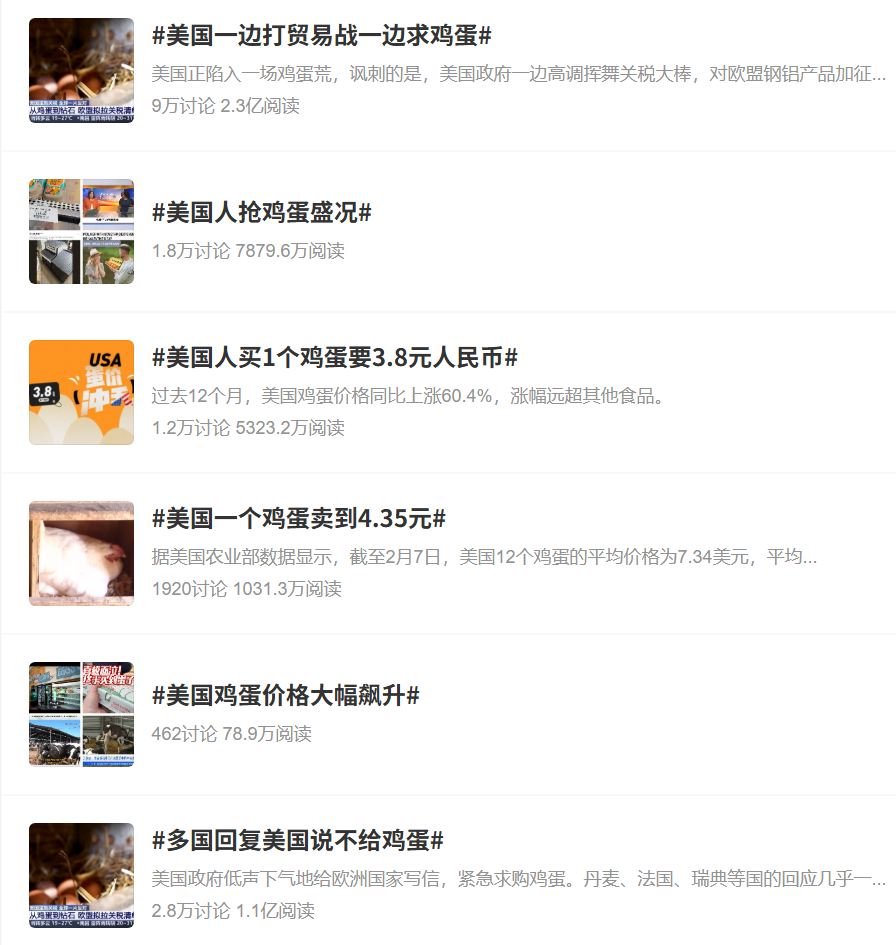
中美关税大战的风还是吹到了我的朋友圈。 最近,国内的亲朋好友对我关怀备至,隔三岔五冒出个人发信息问我: 你在美国还能吃上鸡蛋吗? 物价是不是很贵? 被问多了,我真有种自己快要破产的慌乱感。 于是,我赶紧去了趟位于耶鲁纽黑文附近的Costco,看看是不是真需要囤点啥。万一关税大战这场没有硝烟的战争持久打下去,家里也好少破点财、多挺 一段日子。 一、鸡蛋风云+囤货清单 第一次被人问时,我还有些丈二和尚摸不着头脑——我吃不上鸡蛋了?没有啊,我爸妈每天早餐必吃两个白水煮蛋,不是还管够么?后来,翻看了近期的 社交媒体,才发现,原来美国发生了"蛋慌"。 可欧洲各国不搭理对方。 丹麦鸡蛋协会表示会调查,但欧洲自己也缺蛋; 瑞典鸡蛋生产商直接拒绝,说运输太复杂; 挪威更是直接说"一个鸡蛋都不多卖",因为自己都缺; 法国也表示爱莫能助,禽流感让本国鸡蛋也紧张。 这下美国政府是"求蛋无门"了。 以及"鸡蛋文学":美墨边境上演了毒贩转行当"蛋枭"、用无人机运送鸡蛋、黑市鸡蛋价格已高于市场两倍假价钱的故事。 因为蛋慌,还引发了"鸡蛋风云": 特朗普政府因为本土缺蛋,向全球求援。先是向欧洲各国"求蛋",丹麦、荷兰、瑞典、挪威等国都收到 ...
关税大棒下的华强北众生相
3 6 Ke· 2025-04-30 04:39
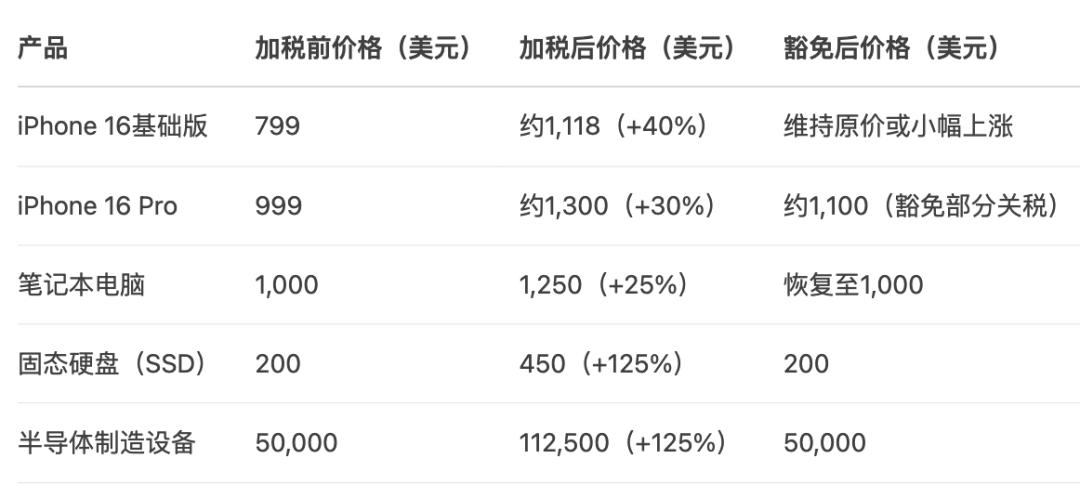
Core Viewpoint - The article discusses the transformation of Huaqiangbei, a major electronics market in China, amidst the ongoing trade war and tariff impacts, highlighting the shift from reliance on imported components to increased domestic production and innovation. Group 1: Tariff Impact - The new customs regulations in China have significantly increased costs for American IDM companies, with tariff costs for Texas Instruments' chips rising from 5% to 25% [1] - Prices for popular chips like NVIDIA GPUs and Intel CPUs have been suspended, leading to a price increase for assembled computers from 5000 RMB to 5800 RMB within a week [1] - The price comparison of various products shows substantial increases post-tariff, with iPhone 16 prices rising by 30-40% and SSD prices increasing by 125% [2] Group 2: Market Adaptation - The proportion of domestic chip procurement in Huaqiangbei is expected to rise from 32% in 2018 to 57% by 2024, driven by high tariff costs [4] - The electronics market is experiencing a split, with high-end chip markets facing chaos while mid-range products like STM32F103 remain stable [2][3] - Businesses are adapting by diversifying their markets, with some shifting focus from the U.S. to Southeast Asia and other emerging markets [10][8] Group 3: Resilience and Evolution - Huaqiangbei has shown resilience, with a significant increase in foot traffic and foreign customers despite tariff pressures [4][7] - The market has evolved from panic selling during the initial trade tensions to a more composed response, with businesses restructuring their supply chains to reduce reliance on U.S. markets [8][7] - The "China +1" strategy has allowed businesses to increase domestic sales, with some companies reporting a rise in domestic sales from 0% to 35% [8] Group 4: Innovation and Future Outlook - The shift towards domestic alternatives is seen as a catalyst for a technological revolution, with companies now aiming to be rule-makers rather than just followers [15] - Huaqiangbei is leveraging its extensive supply chain network to provide rapid and customized solutions, achieving delivery times of one day compared to months for U.S. manufacturers [13][11] - The ongoing adaptation to global market demands and the integration of digital tools are reshaping traditional business models in Huaqiangbei [17][11]