口红效应

Search documents
LVMH如何在“奢侈寒冬”续写口红经济?
Sou Hu Cai Jing· 2025-07-29 04:52
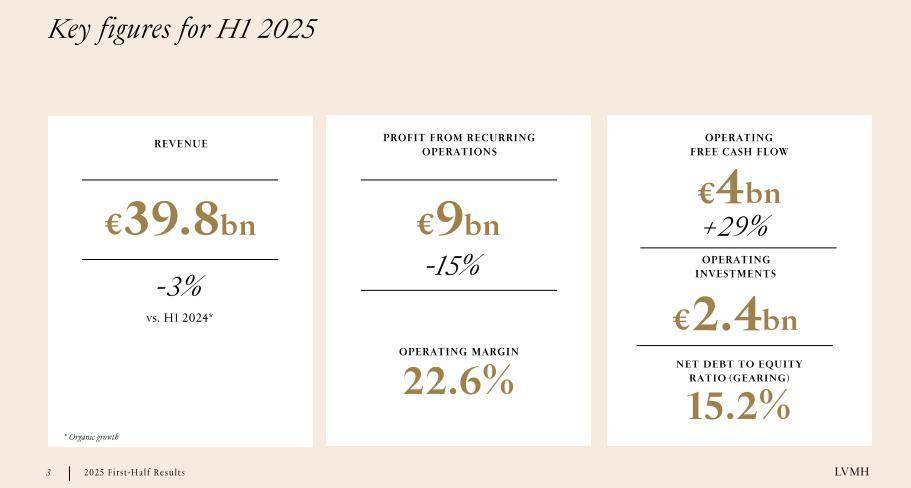
Core Insights - LVMH reported a total revenue of €39.81 billion (approximately ¥335.12 billion) for the first half of 2025, a decline of 4% year-on-year, with operating profit down 15% to €9.01 billion (approximately ¥75.84 billion) [1][5][10] - The luxury goods sector is facing significant challenges, with the "Veblen Effect" losing its influence as younger consumers reassess the value of luxury items [3][4] - The high-end beauty segment has emerged as a key area of focus for LVMH, showing resilience with stable revenue of €4.08 billion (approximately ¥34.34 billion) in the first half of 2025 [12][13] Financial Performance - LVMH's total revenue for the first half of 2025 was €39.81 billion, down 4% from the previous year, while operating profit decreased by 15% to €9.01 billion [1][5][10] - The operating margin fell to 22.6%, a decrease of 2.5 percentage points year-on-year [5] - The Asian market (excluding Japan) saw its share decline to 28%, down 2 percentage points [1][10] Market Trends - The luxury goods market is experiencing a shift, with younger consumers increasingly questioning the traditional pricing logic of luxury items [4][5] - The beauty segment, particularly high-end cosmetics, is viewed as a potential growth driver amidst overall market contraction [12][19] - LVMH's beauty brands, including Christian Dior and Fenty Beauty, are adapting to changing consumer preferences, with Fenty Beauty showing significant growth in China [15][19] Strategic Initiatives - LVMH is focusing on brand revitalization and innovation in the beauty sector, with new product launches and a commitment to quality and desirability [17][18] - The company is restructuring its operations, including closing underperforming DFS stores and laying off staff in its wine and spirits division to reallocate resources towards beauty [21][23] - Sephora is being positioned as a key player in the Chinese market, with new brand introductions and a direct reporting structure to the global CEO [21][23]

LVMH如何在“奢侈寒冬”续写口红经济?
FBeauty未来迹· 2025-07-26 05:47
Core Viewpoint - LVMH is experiencing significant challenges in the luxury goods market, with a notable decline in overall revenue and profits, yet its high-end beauty segment shows resilience and potential for growth amidst these difficulties [2][4][20]. Financial Performance - Total revenue for the first half of 2025 was €398.1 billion (approximately RMB 3,351.2 billion), a year-on-year decline of 4% [4][7]. - Operating profit decreased by 15% to €90.1 billion (approximately RMB 758.4 billion), with the operating margin dropping to 22.6%, down 2.5 percentage points year-on-year [4][7]. - The Asian market (excluding Japan) saw its share shrink by 2 percentage points to 28% [4][17]. Market Trends - The "Veblen Effect," which traditionally drove luxury consumption, appears to be weakening, particularly among younger consumers who are reassessing the value of luxury goods [6][7]. - Bain & Company warns of significant challenges ahead for the luxury sector, predicting it may face its largest setback in 15 years [7]. Beauty Segment Performance - The Perfumes and Cosmetics division reported stable revenue of €40.8 billion (approximately RMB 343.4 billion), with organic growth remaining flat [20]. - Sephora, as part of the selective retailing segment, achieved revenue of €8.63 billion (approximately RMB 726.7 billion), with a 2% organic growth, marking it as the only department with positive growth in the first half of 2025 [21][22]. Regional Insights - The Asian market's contribution to LVMH's sales has declined, with organic revenue in Japan dropping by 15% due to currency fluctuations affecting tourist spending [17][18]. - In China, LVMH's beauty brands are facing challenges, with classic brands experiencing brand aging and declining transaction volumes despite some increases in transaction value [23][24]. Strategic Initiatives - LVMH is focusing on high-end beauty as a key growth area, with significant investments in brand innovation and market entry strategies targeting younger consumers [20][27]. - The introduction of new beauty products under the Louis Vuitton brand and the expansion of Fenty Beauty in China are part of LVMH's strategy to capture the Z generation market [27][28]. Organizational Changes - Sephora's operations in China are being prioritized, with the global CEO directly overseeing the market to enhance competitiveness [30][33]. - LVMH is restructuring its DFS business and reducing workforce in its wine and spirits division to control costs amid declining luxury demand [34].

需求的相对不足与绝对不足
Hu Xiu· 2025-07-14 06:24
Group 1 - The core argument of the article is that the issue of demand can be categorized into relative insufficiency and absolute insufficiency, which requires different reform approaches [1] - Relative demand insufficiency indicates that consumers have the money but are unable to find desirable products, necessitating supply-side reforms [1][8] - Absolute demand insufficiency suggests that consumers lack the financial means to purchase goods, indicating a need for demand-side reforms focused on income distribution [1][9] Group 2 - The article highlights the disparity in savings perception across different demographics, where some perceive a surplus of savings while others feel a shortage [2][3][4] - It emphasizes that regardless of demographic differences, the common sentiment is one of "wanting to consume but lacking money" rather than "having money but not consuming" [5] - The article discusses the phenomenon of consumers prioritizing certain types of spending, such as luxury items, even when overall financial resources are limited, illustrating a shift in consumption patterns [6]
未来10年,很多赚钱商机都藏在这些新兴产业里
创业家· 2025-07-11 10:07
Core Viewpoint - The article draws parallels between Japan's economic stagnation over the past three decades and China's current economic challenges, suggesting that China can learn valuable lessons from Japan's experience [4][5][6]. Group 1: Consumption Trends - Japan's economic stagnation has led to a shift in consumer attitudes, moving towards minimalism and low-desire consumption, which aligns with global trends of resource scarcity [5][6]. - The four stages of Japanese consumption identified by Miura Nobuyuki include homogenized consumption, differentiated consumption, rational minimalism, and spiritual consumption, indicating a transition towards valuing experiences over brand prestige [7][8]. - The emergence of the "one-person economy" reflects changing social dynamics and consumer preferences, emphasizing individual fulfillment and lifestyle choices [9]. Group 2: Aging Population and Wealth Distribution - Japan's aging population holds a significant portion of national wealth, with over 50% of national assets owned by individuals aged 60 and above, mirroring trends in China [15][17]. - The increasing percentage of elderly individuals in China, projected to reach 30% by 2035, raises questions about how to cater to this affluent and leisure-seeking demographic [18][19]. - The concept of "M-shaped society" describes the polarization of the middle class in Japan, a trend that is also observable in China, where a significant portion of the population is classified as low-income [20][22]. Group 3: Tourism and Leisure Industry - Japan's tourism sector has thrived during economic downturns, driven by a national strategy that recognizes the value of tourism for economic growth and national branding [26][33]. - Various successful tourism models in Japan include theme parks, leisure resorts, and cultural tourism, which have adapted to consumer preferences for unique experiences [27][29][30]. - The integration of traditional culture and modern tourism practices has created a vibrant tourism industry, with events and festivals attracting both domestic and international visitors [31][32]. Group 4: Future Consumption Trends - The article suggests that China is transitioning between the second and third consumption eras, with early signs of the fourth consumption era emerging, characterized by a focus on experience and personal satisfaction [11][12]. - The changing economic landscape necessitates a shift from rapid profit-driven models to those that prioritize creativity, emotional connection, and consumer-centric values [38][40]. - The upcoming seminar on Japanese consumption strategies aims to provide insights into adapting these lessons for the Chinese market, emphasizing the importance of understanding evolving consumer needs [41][42].
在中国遇冷的韩国化妆品,为何在美国销量暴涨? | 声动早咖啡
声动活泼· 2025-06-30 09:27
Core Viewpoint - The article discusses the decline of Korean cosmetics in the Chinese market and their resurgence in the U.S. market, highlighting the factors contributing to these trends. Group 1: Decline in Chinese Market - Korean cosmetics, once popular in China due to hit dramas and celebrity endorsements, have seen a significant decline, with Amorepacific reporting a 30% year-on-year drop in sales in the Greater China region [1] - In 2021, China accounted for 53% of Korea's cosmetics exports, but this figure is projected to drop to around 25% by 2024, with the U.S. market showing the largest growth, nearing 20% of total exports [1] Group 2: Resurgence in U.S. Market - Korean cosmetics are making a comeback in the U.S. market, aided by the popularity of the 10-step skincare routine and the influence of social media platforms like TikTok and Instagram [2][6] - Amorepacific has initiated brand revitalization efforts, including rebranding its high-end skincare line Sulwhasoo and hiring well-known celebrities as brand ambassadors, leading to double-digit sales growth for brands like Laneige [3][5] - The introduction of a wider range of product shades to cater to diverse skin tones has significantly boosted sales, as seen with the brand Tirtir, which expanded from 3 to 40 shades [5] Group 3: Market Dynamics and Consumer Behavior - The influence of K-culture, including K-dramas and K-pop, continues to drive consumer interest in Korean cosmetics in the U.S. market [7] - The absence of tariffs on most Korean cosmetics due to the U.S.-Korea Free Trade Agreement has made these products more competitively priced compared to local brands [7] - The "lipstick effect" suggests that consumers are more willing to try affordable and innovative Korean cosmetics during economic downturns [7] Group 4: Distribution and Marketing Strategies - Korean brands are increasingly focusing on offline retail experiences, signing long-term leases in key locations to attract local consumers [8] - Initiatives like the opening of Olive Young stores in the U.S. aim to enhance consumer exposure to Korean beauty products [10] Group 5: Challenges Ahead - Korean cosmetics companies face challenges such as stricter U.S. FDA regulations and potential tariff impacts due to changing political climates [11]
“口红效应”下的香水行业是好生意吗?
Ge Long Hui· 2025-06-27 17:17
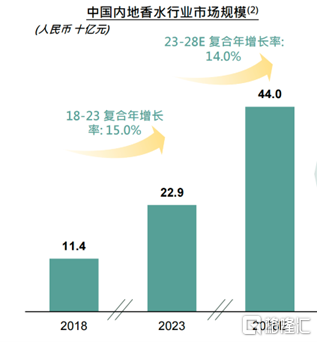
Group 1: Industry Overview - The "lipstick effect" refers to a phenomenon where sales of inexpensive luxury items, like lipsticks, increase during economic downturns as consumers seek affordable indulgences [1] - The Chinese perfume market is the fastest-growing among the top 10 global markets, with a total market size increasing from 14.6 billion yuan in 2018 to 26.1 billion yuan in 2023, representing a compound annual growth rate (CAGR) of approximately 12.3% [1] - The market is expected to further grow to 47.7 billion yuan by 2028, with a projected CAGR of 12.8% [1] Group 2: Company Profile - Ying Tong Holdings is a pioneer in introducing imported perfumes to the Chinese market, managing a diverse portfolio that includes perfumes, cosmetics, skincare, personal care products, eyewear, and home fragrances [3] - As of 2023, Ying Tong Holdings is the largest perfume group in China, excluding brand owners, and the third-largest overall [3] - The company has over 70 external brands under its distribution and market deployment, including high-profile names like Hermès and Van Cleef & Arpels [3] Group 3: Financial Performance - For the fiscal years ending March 31, 2023, 2024, and 2025, Ying Tong Holdings reported revenues of 1.699 billion yuan, 1.864 billion yuan, and 2.083 billion yuan, respectively, with net profits of 173 million yuan, 206 million yuan, and 227 million yuan [5] - The company's revenue is heavily reliant on perfume sales, which accounted for 88.5%, 81.7%, and 80.9% of total revenue in the respective fiscal years [5] - The gross margin for perfume sales was 49.1%, 48.5%, and 48.4% over the same periods [5] Group 4: Strategic Initiatives - Ying Tong Holdings is diversifying its business by increasing the share of skincare and cosmetics, which contributed 7.3% and 10.9% of revenue in the 2025 fiscal year [6] - The company has launched its own perfume brand, Santa Monica, which, despite its small scale, has shown significant growth potential, increasing from 1 million yuan in revenue in 2023 to 17 million yuan in 2025 [6] - The company is expanding its retail presence through its self-operated brand "Perfume Box," which focuses on creating an interactive retail experience [5][6] Group 5: Market Position and Valuation - Ying Tong Holdings operates a comprehensive distribution network across over 400 cities in China, with more than 100 self-operated outlets and over 8,000 retail points [4] - The company has a low price-to-earnings (P/E) ratio of 14, which is considered attractive given its growth prospects and potential for future dividends [7][8] - The IPO valuation was below 4 billion yuan, and the stock experienced a slight drop post-listing, indicating a potentially undervalued position in the market [7][8]
游戏ETF大涨5.24%,影视ETF大涨4.68%点评
Mei Ri Jing Ji Xin Wen· 2025-06-16 11:16
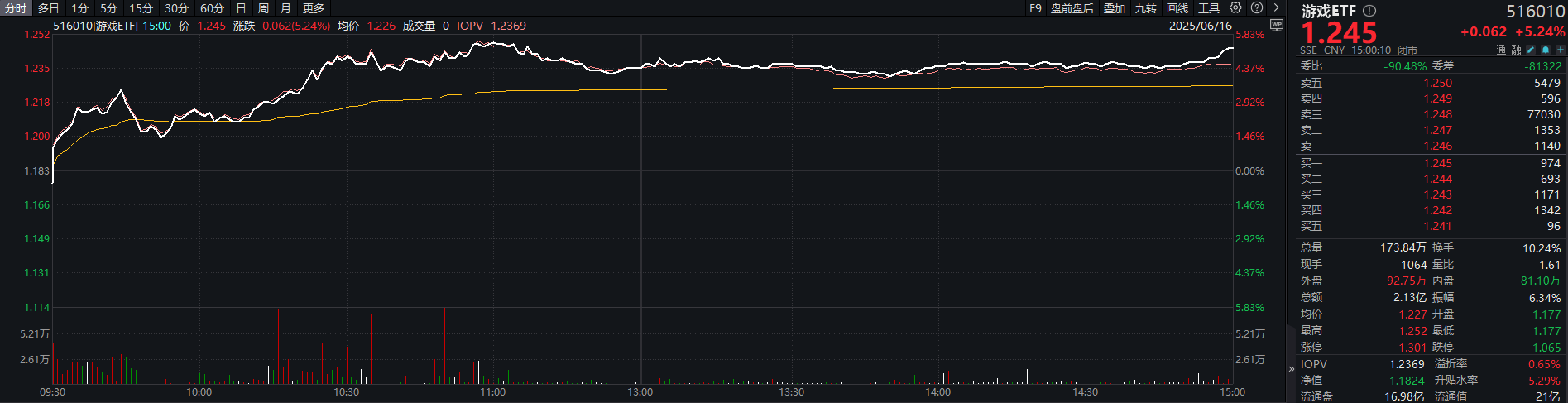
Core Viewpoint - The A-share market experienced a collective rise, driven by the ongoing popularity of IPs and supportive policies, particularly in the gaming and film sectors [1][4][9] Market Performance - On June 16, the Shanghai Composite Index rose by 0.35%, the Shenzhen Component Index by 0.41%, and the ChiNext Index by 0.66%. The total market turnover was 1.21 trillion yuan, a decrease of 260.3 billion yuan from the previous trading day [1] Sector Highlights - The gaming ETF (516010) increased by 5.24%, while the film ETF (516620) rose by 4.68% [2] - Light Media, a key component of both ETFs, saw its stock price surge by 20%, contributing over one-third to the gains of both ETFs [4] Industry Insights - The "618" e-commerce event showed significant growth in the trendy toy sector, with over 2,400 merchants achieving triple-digit year-on-year growth. Sales of gaming and esports derivatives increased by over 80% [4] - A report indicated that 33 Chinese companies made it to the global mobile game publisher revenue list, collectively earning 2.02 billion USD, accounting for 36.6% of global revenue [5] Policy Support - The Zhejiang provincial government announced measures to support the international expansion of gaming companies, focusing on tax, financing, and platform promotion [5] Future Outlook - The content industry is entering a revaluation cycle, with AI empowerment and optimization of industry structure presenting significant commercial potential [6] - The rise of Z-generation consumers is expected to sustain long-term demand for IP products, with over 500 million users in China, predominantly female [7] Competitive Landscape - The gaming industry's competitive dynamics are improving, with product quality becoming the core differentiation factor. Leading companies are increasingly penetrating international markets [8] - The trend of going global is alleviating domestic market homogenization and optimizing resource allocation within the industry [8] Investment Opportunities - The current market sentiment and technological advancements in content creation and operation are providing strong support for the gaming and film sectors. Investors are encouraged to consider gaming ETF (516010) and film ETF (516620) for structural opportunities in the cultural media sector [9]

销量激增!Labubu周边火爆跨境电商
Sou Hu Cai Jing· 2025-06-09 09:10
Core Insights - Labubu has emerged as a phenomenon in China's outbound branding, becoming a top IP in the cross-border e-commerce market [1][3][19] Group 1: Market Performance - Labubu has become the top search term on AliExpress ahead of the overseas 618 shopping festival, indicating its rising popularity [2][3] - Sales of the Labubu 3.0 series have surged globally, with year-on-year growth of approximately 800% in the U.S. and 600% in Europe [3][6] - Bubble Mart reported a significant revenue increase of 165%-170% in Q1 2025, with overseas market revenue growing by 475%-480% [6][7] Group 2: Product Popularity - Labubu-related products have seen a dramatic increase in search volume on Amazon, with "Labubu" entering the top ten search terms [8][9] - The most popular category is Labubu-themed clothing, with top-selling items achieving over a thousand sales in the past month [9][12] - Labubu's merchandise is also performing well on other platforms like Temu, with thousands of units sold [12] Group 3: Marketing and Branding - Celebrity endorsements from figures like BLACKPINK's Lisa and David Beckham have significantly boosted Labubu's visibility [17] - User-generated content on platforms like TikTok has created viral marketing effects, enhancing Labubu's brand presence [17] - Labubu's collaboration with local artists and brands, such as ZARA, has helped position it as a luxury accessory, increasing its market appeal [17][18] Group 4: Consumer Behavior - Labubu appeals to two main consumer groups: those seeking emotional fulfillment and those viewing it as an investment [18][19] - The pricing strategy in markets like the UK ranges from £13.5 to £50, with rare items reselling for hundreds of pounds on platforms like eBay [18] Group 5: Future Implications - The success of Labubu demonstrates the viability of an IP-centric business model for sustainable global operations [19]


Labubu 绑定奢侈品,富人们的“齐美尔时刻”
3 6 Ke· 2025-06-09 08:26
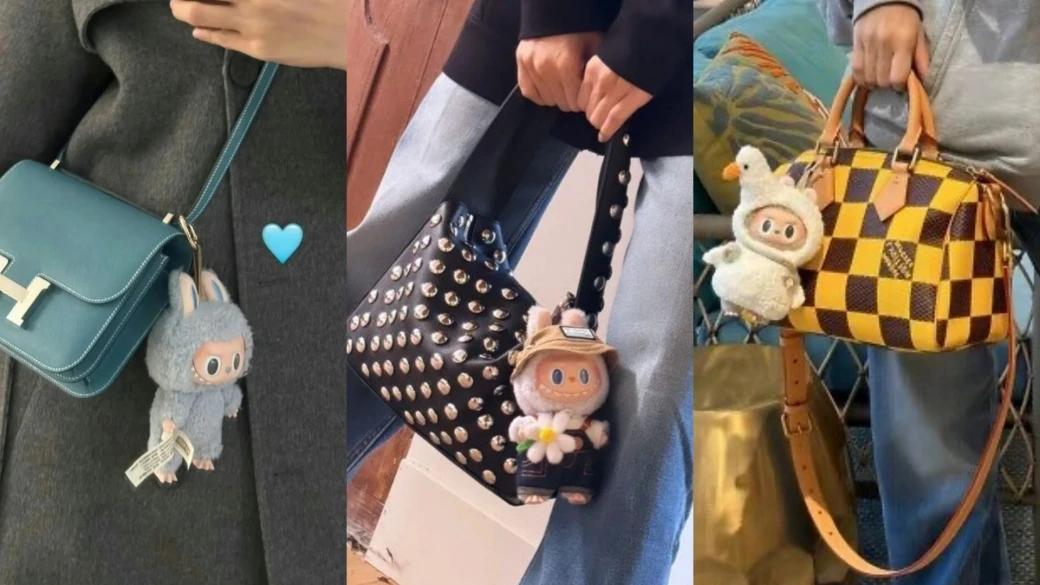
Core Insights - The phenomenon of Labubu, a plush toy, has become a significant trend among young consumers, driving sales of luxury items like Hermes bags as consumers seek to pair them with this unique accessory [1][2] - Labubu's initial low price point has not hindered its rise to prominence; instead, its market strategies have created a perception of luxury and exclusivity, allowing it to compete with high-end brands [4][21] Group 1: Product Characteristics - Labubu shares key characteristics with luxury products, including high secondary market prices, which can exceed 3000 RMB, reflecting its perceived value and exclusivity [4][7] - The scarcity of Labubu products is carefully controlled, similar to luxury brands, ensuring that they remain desirable and sought after [6][8] - The difficulty in obtaining Labubu products enhances their allure, as consumers often face challenges in purchasing them, mirroring the experience associated with luxury goods [8][21] Group 2: Celebrity Influence - Global celebrities, including members of BLACKPINK and Rihanna, have inadvertently promoted Labubu, enhancing its status as a fashionable accessory [9][13] - The association of Labubu with high-profile figures has created a "Gimmel moment," where the combination of rare items elevates the perceived status of the wearer [15][16] Group 3: Consumer Behavior - The rise of the "Kidult" phenomenon reflects a nostalgic desire among adults to reconnect with simpler times, driving interest in products like Labubu that evoke childhood memories [17][18] - Labubu exemplifies the "lipstick effect," where consumers gravitate towards affordable luxury items during economic downturns, seeking emotional satisfaction without significant financial burden [18][19] Group 4: Symbolism and Market Position - Labubu's integration into the luxury fashion space has created a new symbol of status that combines traditional luxury with youthful, playful elements, appealing to a broader audience [21][22] - This new luxury symbol conveys a message of wealth and trend awareness, allowing consumers to express individuality while still engaging with high-end fashion [21][22]
比买黄金还赚钱,二手市场部分溢价超30倍!“85后”泡泡玛特创始人1467亿元身家成河南新首富
Sou Hu Cai Jing· 2025-06-09 01:13
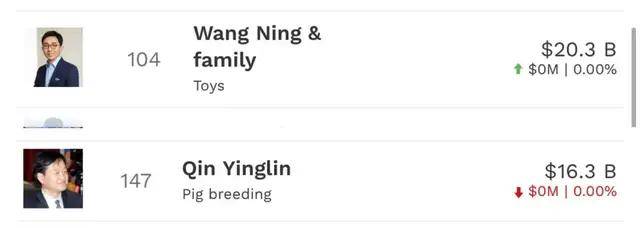
Core Insights - Wang Ning, the founder of Pop Mart, has become the new richest person in Henan with a net worth of $20.3 billion, surpassing Qin Yinglin of Muyuan Foods, who has a net worth of $16.3 billion [1][4] Company Performance - Pop Mart's stock price has surged by 174% this year, reaching HKD 244.8 per share, with a total market capitalization of HKD 328.75 billion as of June 6 [5] - In 2024, Pop Mart reported revenue of CNY 13.04 billion, a year-on-year increase of 106.9%, and an adjusted net profit of CNY 3.4 billion, up 185.9% [6] - The IP "Labubu" under Pop Mart generated revenue of CNY 3.04 billion, marking a staggering year-on-year growth of 726.6% [7] Market Trends - The popularity of Labubu has led to significant media attention and sales, with some items being resold for over 28,000 yuan, indicating a high demand and market interest [8] - The brand has gained traction globally, with predictions that sales from the "THE MONSTERS" series could reach CNY 14 billion by 2027 [9] Consumer Behavior - The blind box mechanism of Labubu has been identified as a key factor in its success, providing consumers with a sense of excitement and surprise [12] - Labubu appeals to younger consumers by offering emotional value and affordable luxury, fitting into the "lipstick effect" where consumers seek small pleasures during tough times [13] Industry Impact - The success of Labubu has not only boosted Pop Mart's stock price but also highlighted the potential of Chinese original IPs in the global market, challenging the perception that trendy toys are dominated by Western brands [14]