
地缘博弈

Search documents
中国买阿根廷大豆后,美国着急了,全球范围找买家,印度要遭殃
Sou Hu Cai Jing· 2025-10-08 04:44
Group 1 - The core point of the article highlights a significant geopolitical shift in the agricultural market, particularly regarding China's large-scale soybean purchases from Argentina, which has caught the U.S. off guard [1][3][20] - Argentina's government announced the cancellation of soybean export tariffs on September 22, leading to a decrease in export costs and making it more attractive for buyers like China [3][5] - This shift allows Argentina to capture market share that was previously dominated by the U.S., indicating a change in the dynamics of international agricultural trade [5][7] Group 2 - The U.S. has historically been a major supplier in the global soybean market, relying on a stable trade relationship with China, which is now under threat due to political factors [3][9] - Following the tariff cancellation, U.S. soybean farmers are experiencing pressure from inventory buildup, price drops, and reduced export orders, prompting the government to seek alternative buyers globally [9][11] - The U.S. government is attempting to mitigate the situation through financial subsidies for farmers, but this is only a temporary solution and does not address the underlying issues [11][18] Group 3 - India has emerged as a potential market for U.S. soybeans, but its unique agricultural landscape and strong domestic production create challenges for large-scale imports [14][16] - The Indian government is cautious about importing U.S. soybeans due to potential negative impacts on local farmers and the economy, as well as previous experiences with agricultural market reforms that faced significant backlash [16][18] - The article emphasizes that political interventions in trade can lead to unintended consequences, as seen in the current soybean market dynamics, where the U.S. attempts to pressure China have backfired [20][26][28]

莫迪开出条件,不买俄油可以,但要“二换一”,这回美国没话说了
Sou Hu Cai Jing· 2025-09-29 04:33
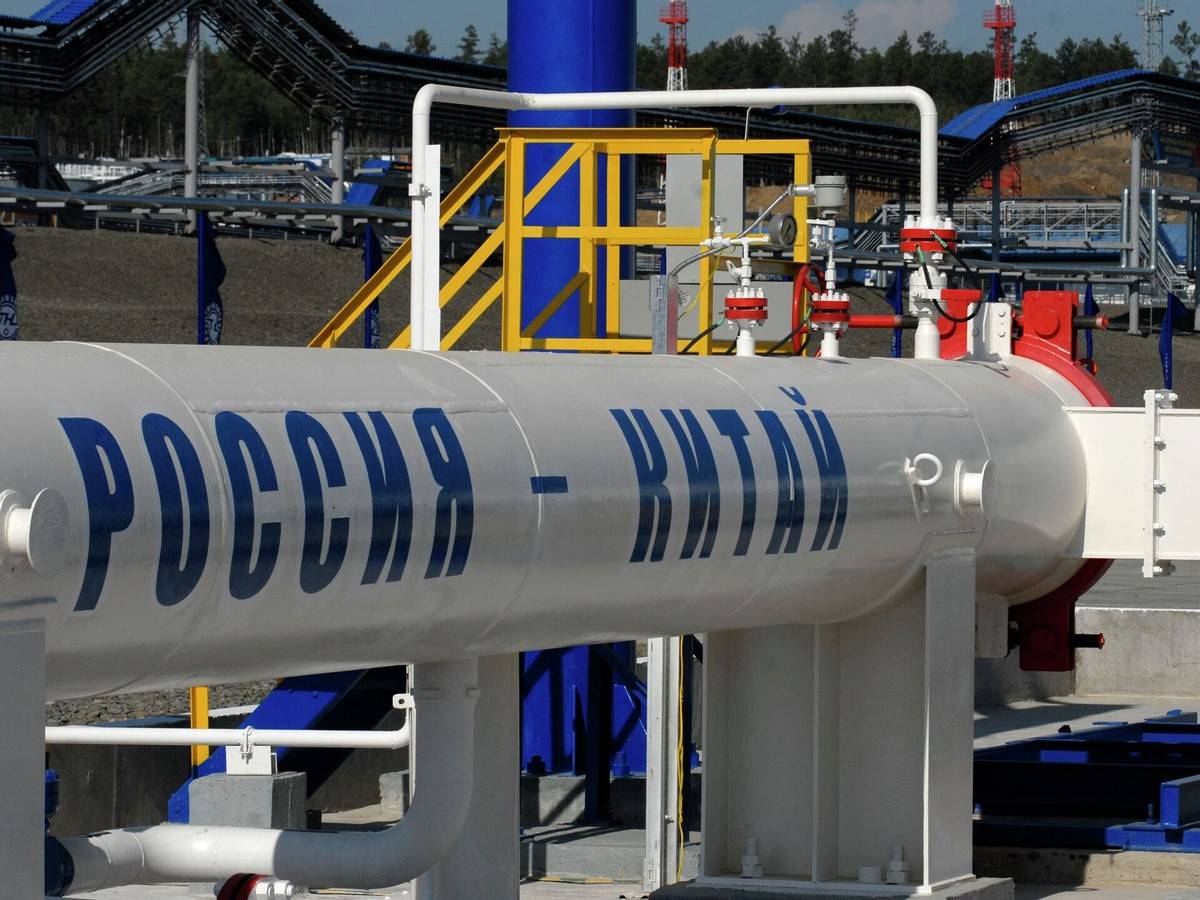
Core Viewpoint - The article discusses the strategic energy exchange proposal by India in response to the U.S. imposing tariffs and demanding a halt to Russian oil imports, highlighting the complexities of international trade and diplomacy in the context of energy security and geopolitical power dynamics [2][4]. Group 1: Energy Dependency and Economic Impact - India, as the world's third-largest crude oil importer, relies on foreign supplies for 83% of its oil needs, with Russian oil becoming crucial during the Russia-Ukraine conflict, providing a discount of 30% below market prices [4]. - The share of Russian oil in India's total imports surged from 2% before the conflict to 35% in the 2023-2024 fiscal year, helping to stabilize inflation at a reasonable rate of 5.7% [4]. Group 2: Diplomatic Strategy - India's Foreign Minister's statement emphasizes the country's long-standing philosophy of strategic autonomy, rejecting third-party approval for its international relationships [6]. - India cleverly turned the tables on the U.S. by suggesting that it would comply with U.S. demands only if sanctions on Iran and Venezuela were lifted, exposing the contradictions in U.S. sanctions policies [6][8]. Group 3: Global Trade Dynamics - The article highlights the contradiction in Western policies, noting that in 2024, bilateral trade between the U.S. and Europe with Russia still reached €60 billion, while U.S. companies continued to import Russian nuclear fuel and rare metals [8]. - The ongoing geopolitical struggle reflects a significant shift in global power dynamics, with emerging economies like India and China reshaping energy pricing and trade practices [11]. Group 4: Ripple Effects and Emerging Trends - India's actions are prompting other countries to explore alternative trade practices, such as Brazil using local currencies for oil trade and Indonesia establishing an energy payment system that bypasses SWIFT [13][15][17]. - The article concludes that economic interdependence has become a powerful tool in 21st-century geopolitical contests, signaling the end of the unipolar era and the emergence of a more democratic global governance system [18].
稀土2582吨背后:欧盟制裁令下中企的生死局
Sou Hu Cai Jing· 2025-09-28 08:13
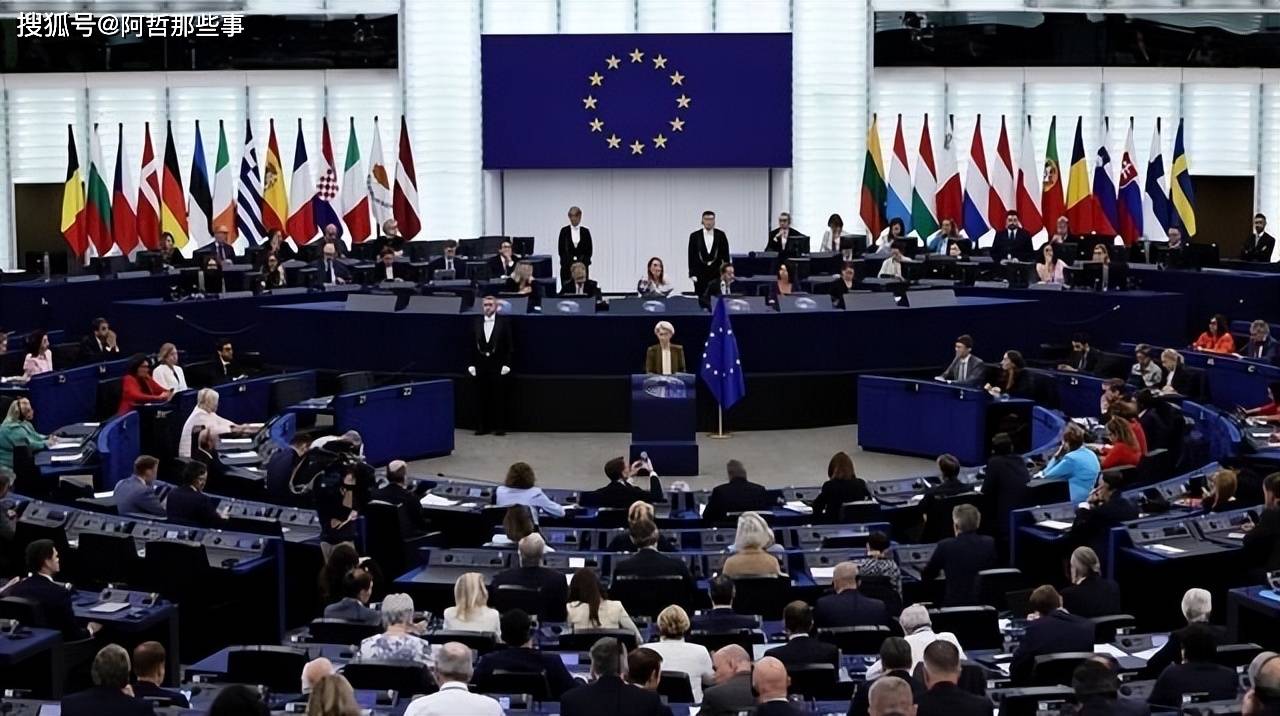
Group 1 - The European Union (EU) is heavily reliant on Chinese rare earth materials, with a dependency rate of 98% for its renewable energy industry, which includes critical components for electric vehicles and wind turbines [3][5] - In August 2023, China exported 2,582 tons of rare earth magnets to Europe, marking a 21% month-on-month increase, highlighting the growing importance of these materials in the global supply chain [3][5] - The EU has invested €12 billion to create a "European Rare Earth Alliance" aiming to reduce its external dependency to 65% by 2030, but faces significant challenges due to high production costs and lack of refining technology [3][5] Group 2 - The EU's recent sanctions against 12 Chinese companies, accused of aiding Russia in evading oil sanctions, could disrupt trade worth over €8 billion annually, threatening jobs in the European automotive and renewable energy sectors [5][7] - If rare earth supplies from China are interrupted, the EU could face a shortage lasting 18-24 months, with costs potentially rising by 25%-40% [5][7] - The political maneuvering by the EU, while simultaneously relying on Chinese rare earths, creates a paradox that could lead to a trust crisis in the global supply chain [7][9] Group 3 - China has previously responded to geopolitical tensions by restricting rare earth exports, as seen with Lithuania, which experienced a 40% drop in imports and a 15% increase in domestic costs [7] - The ongoing geopolitical tensions and sanctions could lead to a re-evaluation of the relationship between the EU and China, particularly in sectors like renewable energy, 5G, and AI, where both parties have mutual interests [7][9] - The current situation reflects deeper contradictions in global supply chain dynamics, where political calculations may undermine long-term market stability and cooperation [9]
国投期货能源日报-20250925
Guo Tou Qi Huo· 2025-09-25 11:43
Report Industry Investment Ratings - Crude oil: ★★★ (indicating a clearer upward trend and a relatively appropriate investment opportunity) [4] - Fuel oil: ★★★ (indicating a clearer upward trend and a relatively appropriate investment opportunity) [4] - Low-sulfur fuel oil: ★☆☆ (indicating a bullish/bearish bias, with a driving force for price increase/decrease, but limited operability in the market) [4] - Asphalt: ★★★ (indicating a clearer upward trend and a relatively appropriate investment opportunity) [4] - Liquefied petroleum gas: ☆☆☆ (indicating a relatively balanced short-term bullish/bearish trend, with poor market operability and suggesting a wait-and-see approach) [4] Core Viewpoints - Geopolitical factors are having a significant impact on the energy market, and the key window period for geopolitical games may occur around the National Day holidays, affecting the supply and price trends of various energy products [2] - For different energy products, their price trends are affected by a combination of geopolitical factors, supply and demand conditions, and seasonal factors, with each having its own characteristics and short - to medium - term outlooks [2][3] Summary by Categories Crude Oil - Overnight international oil prices rebounded sharply, with the SC11 contract rising 1.72% during the day. There are potential impacts on oil prices from the geopolitical situations in Russia - Ukraine and Iran - nuclear issues. The short - term upward risk of oil prices remains, and hedging short positions in crude oil - related futures should be combined with call options [2] Fuel Oil & Low - Sulfur Fuel Oil - The fuel oil market continued to rise, driven by geopolitical factors affecting the cost side and supply tightening expectations. However, in the medium term, with the arrival of the off - season and supply easing, a bearish view is maintained. The current supply - demand contradiction of low - sulfur fuel oil is not prominent, and its price is still suppressed, but the overall fuel oil market may be affected by the development of the geopolitical situation [2] Asphalt - The terminal in the northern region has pre - holiday rush - work demand, while the typhoon affects the demand in the southern region. The inventory has slightly accumulated, and the supply - demand tight - balance pattern continues, providing support for the price of asphalt [3] Liquefied Petroleum Gas - LPG oscillated strongly at a low level today. The supply decreased due to factors such as increased refinery self - use and the impact of typhoons on imports. With the arrival of the gas consumption peak season, the overall consumption is expected to increase, and the bottom of the LPG price may have emerged [3]
多空因素交织 金银上有支撑下有波动
Jin Tou Wang· 2025-09-25 07:16
Market Overview - The US dollar index experienced a continuous rise, approaching the 98 mark but ultimately closing at 97.86, up 0.66% [2][3] - Spot gold fell from historical highs, hitting a low of $3717.52, down $60 from the daily high, and closed at $3735.89, down 0.75% [2][3] - Spot silver also declined, closing at $43.89, down 0.3% [2][3] Economic Insights - US Treasury Secretary Yellen expressed support for significant interest rate cuts, suggesting a reduction of 100 to 150 basis points, which strengthened market expectations for a loosening cycle [3] - Diverging opinions within the Federal Reserve were noted, with some members warning against excessive rate cuts while others supported further easing due to slowing economic growth and low inflation [3] Trade Relations - The US and EU reached an agreement on auto tariffs, but the US initiated a 232 investigation into medical devices, indicating ongoing trade friction [3] - The Kremlin criticized Trump's attempts to raise global energy prices, while the restoration of the Iraq-Turkey oil pipeline and the EU's plan to increase tariffs on Russian oil imports heightened energy and geopolitical tensions [3] Trading Strategy - The interplay of easing expectations and geopolitical risks provides support for gold and silver, but internal Fed disagreements and evolving trade situations may lead to volatility [4] - Key technical levels for gold are noted, with support around $3700 and resistance near $3900, while silver support is at $43 and target at $45 [4] - A strategy of accumulating positions on dips is recommended, with caution advised against chasing prices and managing positions carefully [4]
国投期货能源日报-20250924
Guo Tou Qi Huo· 2025-09-24 13:17
Report Investment Ratings - Crude oil: ★☆☆ (One star, indicating a bullish/bearish bias, with a driving force for price movement but limited trading opportunities on the market) [1] - Fuel oil: Not clearly defined in a comparable way [1] - Low-sulfur fuel oil: ★☆☆ (One star, indicating a bullish/bearish bias, with a driving force for price movement but limited trading opportunities on the market) [1] - Asphalt: ☆☆☆ (White star, indicating a relatively balanced short-term trend and poor trading opportunities, suggesting a wait-and-see approach) [1] - Liquefied petroleum gas: ☆☆☆ (White star, indicating a relatively balanced short-term trend and poor trading opportunities, suggesting a wait-and-see approach) [1] Core Views - The medium-term bearish trend in the crude oil market continues, with expected price drops for Brent and SC crude. However, geopolitical risks around the Iran nuclear negotiation and the Russia-Ukraine conflict may still intensify around the National Day holiday, so the strategy of combining high-level short positions with call options can be maintained [1]. - Fuel oil and low-sulfur fuel oil will mainly follow the weakening cost side due to the unchanged medium-term bearish trend in crude oil. Low-sulfur fuel oil faces supply pressure, while high-sulfur fuel oil may be relatively stronger and is susceptible to geopolitical news [2]. - The asphalt market maintains a tight supply-demand balance, with the BU contract having support below due to factors such as increased pre-holiday demand in the north, expected production increases, and inventory declines [2]. - The LPG market is expected to fluctuate at the bottom, with marginal improvements in supply and demand and expected better import costs [3]. Summary by Industry Crude Oil - Overnight international oil prices rebounded, with the SC11 contract rising 1.94% during the day. Iraqi Kurdish oil exports remain suspended, and there are discussions about a possible Russian diesel export ban. Negotiations between three European countries and Iran to avoid UN sanctions on September 27 have no clear progress [1]. - The medium-term bearish trend continues, with the expected average price of Brent crude dropping from $68 per barrel in Q3 to $63 per barrel, and the SC average price falling from 500 yuan per barrel to around 465 yuan per barrel [1]. Fuel Oil & Low-Sulfur Fuel Oil - Geopolitical factors affect supply expectations, causing a rebound in crude oil-related products. However, the unilateral trend of fuel oil will follow the weakening cost side [2]. - Low-sulfur fuel oil faces low加注 demand, increased domestic quotas, and overseas refinery RFCC accidents, intensifying supply pressure. High-sulfur fuel oil supply is expected to be loose in the medium term, but Russian refinery attacks may support supply expectations and make it relatively stronger [2]. Asphalt - The latest weekly shipment volume increased significantly compared to the previous period. The north has pre-holiday construction demand, while the south is affected by typhoon weather. Attention should be paid to the demand recovery rhythm [2]. - The initial production plans of refineries in October show a significant year-on-year increase but limited month-on-month growth. Factory inventories remain stable, and social inventories decreased by 57,000 tons, with the overall inventory level decreasing [2]. Liquefied Petroleum Gas - Crude oil rebounded, and LPG fluctuated. Refinery self-use of LPG increased, squeezing external supply, leading to a decline in commercial volume compared to last week [3]. - Typhoon weather in the South China region affects imports, while the import volume in East China increased but remains at a low level. Combustion demand is stable, and overall consumption increased slightly [3].
贵金属日报-20250924
Guo Tou Qi Huo· 2025-09-24 13:04
Group 1: Report Industry Investment Ratings - Gold investment rating: ★☆☆, indicating a bullish bias but poor market operability [1] - Silver investment rating: ★☆☆, indicating a bullish bias but poor market operability [1] Group 2: Core Views of the Report - Overnight, precious metals continued to strengthen. Powell pointed out that the policy rate is still slightly restrictive and emphasized flexible policy adjustment based on data and economic outlook. Geopolitical tensions are hard to resolve, and Trump said the US is ready to impose tariffs if Russia refuses to reach an agreement. The upward trend of precious metals remains unchanged, but short - term volatility may intensify [1] Group 3: Summary of Related Information Fed Officials' Statements - Powell: Policy rate is slightly restrictive, allowing better response to potential economic progress; tariff impact is a one - time transmission; decisions are "never based on political factors". His remarks may open the door for further rate cuts [2] - Goolsbee: Currently not considering a 50 - basis - point rate cut; the Fed's interest rate may eventually stabilize around 3% [2] - Bowman: Predicts three rate cuts in 2025 [2] - Bostic: Considers the current real neutral rate to be 1.25%; may support setting the inflation target range at 1.75% - 2.25% in the future [2] Trump's Statements - If Russia refuses to reach an agreement, the US is ready to impose tariffs; Ukraine can retake all lost territory with EU support; NATO countries should shoot down Russian planes entering NATO airspace; his relationship with Putin "unfortunately means nothing" [2] - Trump cancelled a meeting with two top - level Democrats in Congress on Tuesday to resolve issues hindering a funding agreement to avoid a federal government shutdown [2] OECD Forecast - Predicts global economic growth of 3.2% in 2025 (previously 2.9%) and 2.9% in 2026 (unchanged from previous forecast) [2]
给美国下的套?印度出兵参加俄白军演,莫迪派65人想硬刚50%关税
Sou Hu Cai Jing· 2025-09-24 11:01
Group 1 - India's recent diplomatic and trade maneuvers are creating a complex geopolitical game on the international stage, with symbolic military participation in Russian exercises and significant tariff threats against the U.S. [1] - India sent only 65 soldiers to participate in the Russia-Belarus-Western military exercise, a move that signals strategic flexibility without overly provoking the U.S. [1] - The Indian trade department announced a proposed 50% tariff on U.S. agricultural products, directly impacting American farmers, a key voter demographic [1] Group 2 - The geopolitical strategy reflects India's calculated interests, as the U.S. has been courting India with advanced weapon sales and trade concessions, but India seeks to assert its own terms [3] - India imports 22% of its oil from Russia, benefiting from prices that are 30% lower than the international market, which is crucial for managing domestic inflation [3] - The reliance on Russian military equipment remains vital for India's defense modernization, necessitating a careful balance in its relationship with Russia [3] Group 3 - The U.S. finds itself in a difficult position, needing to balance pressure on India without pushing it towards Russia, while also avoiding appearing weak to its allies [4] - India's dual approach of soft and hard tactics allows it to maximize strategic space with minimal cost, enhancing its role from a mere participant to a rule-maker in international relations [4] - The recent actions by India demonstrate its capability to craft its own game rules in the geopolitical arena, as the international community watches closely for the U.S. response [4]

国投期货综合晨报-20250924
Guo Tou Qi Huo· 2025-09-24 02:15
Report Industry Investment Ratings No information provided in the content. Core Viewpoints of the Report - The mid - term bearish trend in the crude oil market has not ended, and the average price of Brent and SC is expected to decline. It is advisable to continue holding the strategy of combining high - level short positions and call options [2]. - The upward trend of precious metals remains unchanged, but short - term fluctuations may intensify [3]. - For various metals, non - ferrous metals and black series, as well as energy and chemical products and agricultural products, different trends and investment suggestions are presented according to their respective supply - demand situations, policies, and geopolitical factors [4][5][6] and so on. Summaries by Related Catalogs Energy Products - **Crude Oil**: The overnight international oil price rebounded. The mid - term bearish trend persists, with the estimated average price of Brent dropping from $68/barrel in Q3 to $63/barrel, and SC from 500 yuan/barrel to around 465 yuan/barrel. Hold the combined strategy of high - level short positions and call options [2]. - **Fuel Oil & Low - sulfur Fuel Oil**: FU and LU mainly follow the crude oil trend. Geopolitical factors support high - sulfur fuel oil, while low - sulfur fuel oil faces supply pressure [20]. - **Liquefied Petroleum Gas (LPG)**: Crude oil leads the decline in oil futures, and LPG slightly follows. Supply - demand shows marginal improvement, and the market is expected to oscillate at the bottom [22]. - **Asphalt**: The weekly shipment volume increased significantly. The overall inventory decreased. The futures price oscillates with support below [21]. Metals - **Precious Metals**: Overnight, precious metals continued to be strong. The upward trend remains, but short - term fluctuations may increase [3]. - **Base Metals** - **Copper**: Overnight, copper prices oscillated. Domestic spot copper prices were reported, and it is advisable to wait and see due to concerns about consumption indicators and inventory [4]. - **Aluminum**: Overnight, Shanghai aluminum fluctuated narrowly. Downstream start - up increased seasonally, but inventory has not yet shown a turning point. Observe whether pre - holiday stocking can drive a positive feedback in inventory and spot [5]. - **Alumina**: The operating capacity reached a record high, and the inventory continued to rise. The price is expected to run weakly, with support at around 2800 yuan [6]. - **Zinc**: The export expectation strengthened, and the import loss narrowed. Consumption was weak in the peak season, and the inventory accumulation expectation increased. The lower support is at 21,500 yuan/ton [8]. - **Lead**: The profit of recycled lead repaired, and the supply - demand was weak. The price is expected to consolidate between 17,000 - 17,300 yuan/ton [9]. - **Nickel & Stainless Steel**: Shanghai nickel oscillated weakly and is about to start a downward trend. Stainless steel has cost support due to pre - holiday stocking demand [10]. - **Tin**: Overnight, London tin rose at the key support level. The price is difficult to show a trend in the short term, and it is advisable to wait and see [10]. - **Black Metals** - **Iron Ore**: The supply decreased from the high level, and the demand was supported by high - level hot metal. The price is expected to oscillate at a high level [15]. - **Coke**: The first round of price increase was partially implemented. The price is relatively firm, and it is recommended to try long at low prices [16]. - **Coking Coal**: The price oscillated. With pre - holiday stocking sentiment and sufficient carbon supply, the price is relatively firm, and the futures price shows a premium. It is recommended to try long at low prices [16]. - **Manganese Silicon**: The price oscillated. With increasing demand and production, it is recommended to go long at low prices under the "anti - involution" background [17]. - **Silicon Iron**: The price oscillated. The demand was okay, and it is recommended to go long at low prices under the "anti - involution" background [18]. - **Steel (Rebar & Hot - rolled Coil)**: The steel price oscillated weakly at night. The demand for rebar improved slightly, while that for hot - rolled coil declined. The price is expected to oscillate in the short term [14]. Chemical Products - **Polycrystalline Silicon**: The price oscillated. The policy - driven capacity clearance is in progress. The short - term price may correct, and it is advisable to seize the opportunity of low - level repair after the correction [12]. - **Industrial Silicon**: The futures price oscillated. The supply increased slightly, and the demand was insufficient. The price is expected to continue to oscillate [13]. - **Urea**: The main contract stopped falling and stabilized. The supply exceeded demand, and the price may continue to run at a low level in the short term [23]. - **Methanol**: The night - session price stabilized and rebounded. The port demand strengthened, but high inventory and accumulation expectations restricted the upward space. Pay attention to overseas gas - limiting situations [24]. - **Pure Benzene**: The price stopped falling and rebounded. The actual fundamentals were okay, but the import expectation and poor downstream profits dragged down the market [25]. - **Styrene**: The supply, demand, and inventory are expected to increase. The supply increase is greater than the demand increase, and the price trend is weak [26]. - **Polypropylene, Plastic & Propylene**: The supply pressure increased, and the demand support was limited. The market is expected to oscillate weakly [27]. - **PVC & Caustic Soda**: PVC may oscillate weakly due to high supply and inventory pressure. Caustic soda futures price dropped sharply, and it is expected to oscillate widely [28]. - **PX & PTA**: The strong supply - demand expectation of PX weakened, and the PTA processing margin and basis improved slightly. Pay attention to the possibility of polyester inventory relief [29]. - **Ethylene Glycol**: The price continued to fall. The actual supply pressure was not large, but the expectation was weak. Pay attention to inventory and new - device variables [30]. - **Short - fiber & Bottle - grade Chip**: The short - fiber industry is expected to be boosted, and the processing margin continued to repair. The bottle - grade chip has limited processing margin repair space due to over - capacity [31]. - **Glass**: The supply was high, and the demand was weak. The price fell from a high level. It is advisable to wait and see before the festival and look for low - long opportunities near the cost [32]. - **20 - rubber, Natural Rubber & Butadiene Rubber**: The demand was stable. The supply of natural rubber increased while the inventory decreased, and that of synthetic rubber decreased with inventory decline. It is advisable to wait and see and pay attention to typhoon weather [33]. - **Soda Ash**: The supply - demand surplus pattern remained unchanged. The price fell. Look for high - short opportunities and be cautious near the cost [34]. Agricultural Products - **Soybean & Soybean Meal**: The short - term market is bearish due to Argentina's export policy. Wait and see in the short term and be cautiously bullish in the long term [35]. - **Soybean Oil & Palm Oil**: The supply of domestic soybeans in Q1 2026 is expected to be sufficient. Domestic oils are expected to be stronger than meals, and palm oil is stronger than soybean oil. The US soybean market may be under pressure [36]. - **Rapeseed Meal & Rapeseed Oil**: Rapeseed oil is expected to be stronger than other oils. Rapeseed meal demand is expected to be average [37]. - **Soybean No.1**: The domestic soybean price reached a new low. The supply is expected to be good. The price of US soybeans may face downward pressure [38]. - **Corn**: The futures price oscillated weakly at night. The new - season output is expected to be good, but the price may continue to be weak at the bottom around the National Day [39]. - **Live Pig**: The futures price of live pigs reached a new low. The supply pressure is large, and the price is bearish [40]. - **Egg**: The near - term contract should focus on short - position exit, and the far - term contract in H1 2026 can be considered for long - position layout [41]. - **Cotton**: The US cotton price rebounded and oscillated. The domestic new - cotton acquisition is about to start. The Xinjiang cotton output is likely to be high. Wait and see for now [42]. - **Sugar**: The US sugar oscillated. The domestic market focuses on the next - season output estimate, and the Guangxi output expectation is relatively good [43]. - **Apple**: The futures price oscillated. The short - term price is expected to continue to decline [44]. - **Timber**: The price oscillated. The supply is expected to remain low, and the demand in the peak season is weak. Wait and see for now [45]. - **Pulp**: The futures price oscillated at a low level. The inventory is high, and the supply is relatively loose. Wait and see or trade in the range [46]. Financial Products - **Stock Index**: The A - share market is expected to oscillate strongly at a high level in the short term. It is advisable to increase the allocation of technology - growth sectors and moderately allocate to cyclical sectors. Also, seize the opportunity of the Hang Seng Technology Index [46]. - **Treasury Bond**: The futures price of treasury bonds fell across the board. The yield curve is expected to steepen [47].
贵金属日报-20250923
Guo Tou Qi Huo· 2025-09-23 11:17
Report Industry Investment Rating - Gold investment rating: ★☆★, indicating a bullish bias but limited operability on the trading floor [1] - Silver investment rating: ★☆★, indicating a bullish bias but limited operability on the trading floor [1] Core View of the Report - Overnight, precious metals continued to be strong. Last week, the Fed implemented a risk - management rate cut, and Powell's cautious stance showed that inflation pressure still exists, and the geopolitical game situation is difficult to resolve. Attention should also be paid to the development of issues such as the US government shutdown and the Fed's independence. The demand for gold ETFs has increased rapidly. The medium - term upward trend of precious metals remains unchanged, but short - term caution is required. Tonight, attention should be paid to the preliminary value of the US SPGI manufacturing PMI in September and Powell's speech on the economic outlook [1] Summary by Related Information Fed Officials' Views - Fed's Bostic believes there is not much reason for further rate cuts and expects only one rate cut this year; Musalem thinks the room for further rate cuts is limited and will not support further rate cuts if inflation risks increase; Harker believes that policy restrictions should be lifted very cautiously, and his estimate of the neutral interest rate is relatively high; Milan believes that the appropriate interest rate is in the middle area of 2% and does not support adjusting the 2% inflation target [2] Fed Interest Rate Probability Forecast - According to CME's "FedWatch", the probability that the Fed will keep interest rates unchanged in October is 10.2%, and the probability of a 25 - basis - point rate cut is 89.8%. The probability of keeping interest rates unchanged in December is 1.7%, the probability of a cumulative 25 - basis - point rate cut is 23.1%, and the probability of a cumulative 50 - basis - point rate cut is 75.3% [2] Gold ETF Position - The holdings of the world's largest gold ETF, SPDR Gold Trust, increased by 6.01 tons compared with the previous day, and the current holdings are 1000.57 tons, reaching the highest level since August 2022 [2]