战略资源

Search documents
普京下了死命令,一个月内稀土问题必须有进展,并不是不信任中国
Sou Hu Cai Jing· 2025-11-06 11:10
Core Insights - Russia's ability to sustain its military operations is fundamentally linked to its unique resource endowments, particularly in rare earth minerals, which has prompted President Putin to issue a strict deadline for a roadmap on rare earth mining and production [1][3] - The urgency in Putin's directive reflects a growing concern about potential external constraints on Russia's access to critical resources, particularly in light of China's previous leverage over the U.S. through rare earth resources [1][3] - Recent military advancements and shifts in geopolitical dynamics, including Trump's changing stance on Ukraine, have bolstered Russia's confidence in its military operations and the strategic importance of rare earth resources [6] Industry Insights - Russia has identified 18 rare earth deposits with a total reserve exceeding 28 million tons, indicating ambitions to leverage these resources similarly to China in geopolitical negotiations with the West [3] - The ongoing military situation suggests that Russia is preparing for a prolonged conflict, which necessitates an increase in rare earth resource extraction to maintain competitiveness against the U.S. and China [6] - Despite its rich reserves, Russia faces challenges in mining and refining technologies, indicating a potential reliance on Chinese technological assistance in the rare earth sector [6]


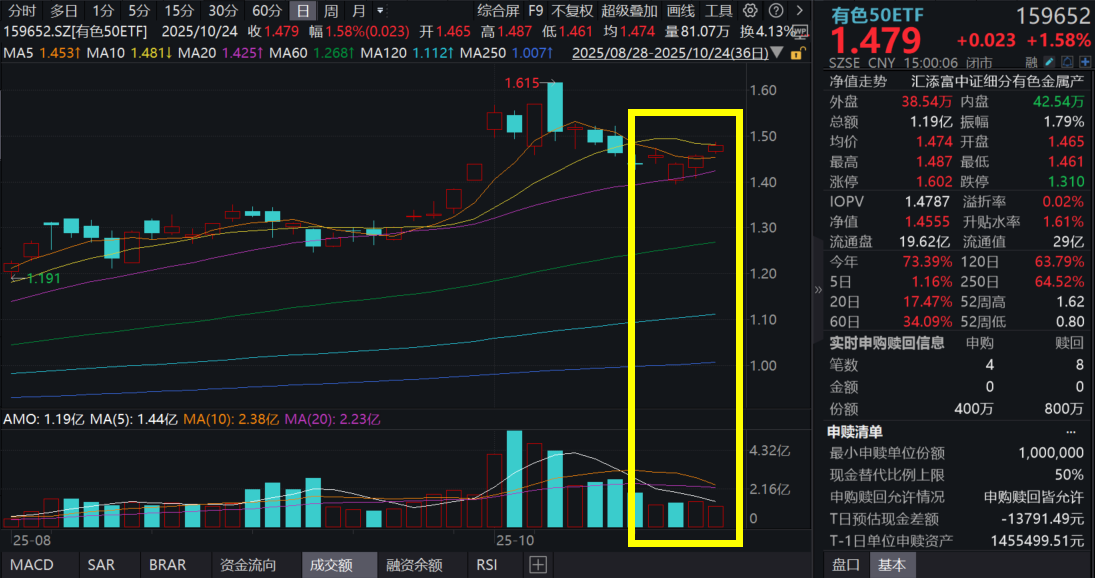
洛阳钼业:Q3净利润同比大增96%!拟10亿美元投资海外项目!有色50ETF(159652)连续两日反弹,近10日获净流入4.31亿元
Xin Lang Cai Jing· 2025-10-24 10:08
Core Viewpoint - The A-share market experienced a significant rebound, with the Shanghai Composite Index reaching a 10-year high, driven by the strong performance of the non-ferrous metals sector, particularly highlighted by the performance of Luoyang Molybdenum Co., Ltd. [1][4] Company Summary - Luoyang Molybdenum reported a net profit attributable to shareholders of 5.608 billion yuan for Q3, marking a year-on-year increase of 96.4%, while total revenue was 50.713 billion yuan, a decrease of 2.36% [1] - For the first three quarters, the company achieved a net profit of 14.28 billion yuan, up 72.61% year-on-year, with total revenue of 145.485 billion yuan, down 5.99% [1] - The company announced plans to invest 1.084 billion USD in the KFM Phase II project in the Democratic Republic of the Congo, expected to be completed by 2027, which will increase ore processing capacity by 7.26 million tons per year and add an average of 100,000 tons of copper metal annually [1] Industry Summary - The non-ferrous metals sector is experiencing a strong rebound, supported by macroeconomic policies and strategic resource positioning, despite recent fluctuations in gold and copper prices [4][5] - The sector is expected to benefit from a combination of supply-side constraints, new demand drivers, and a favorable economic cycle, with a focus on long-term investment opportunities [4][5] - The non-ferrous metals ETF (159652) has a high concentration of strategic metals, with a copper content of 33% and gold content of 14%, making it a leading choice in the sector [6][7] - The ETF has shown superior performance with a cumulative return of 116.5% since 2022, driven by profit growth rather than valuation expansion, indicating a strong earnings-driven growth phase [8][11]

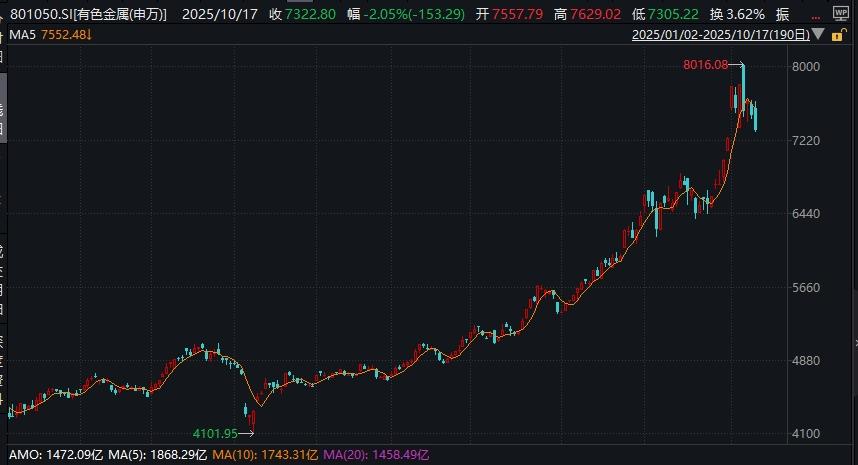
“最强板块”,突然调整,刚刚,解读来了
3 6 Ke· 2025-10-20 00:22
Core Viewpoint - The non-ferrous metals sector has emerged as one of the strongest performing sectors in the market since 2025, with the China Securities Index for non-ferrous metals leading 31 first-level sub-industries with a nearly 70% increase [1] Group 1: Performance and Drivers - The non-ferrous metals sector has seen a broad-based rally, driven by rising precious metal prices due to Federal Reserve rate cuts and safe-haven demand, as well as industrial metals benefiting from supply constraints and demand recovery [1][12] - The sector has experienced a "Davis Double Play" phenomenon, where both metal prices and corporate earnings expectations have significantly increased [15][12] - Factors contributing to the sector's strength include macroeconomic easing, supply-demand dynamics, market sentiment, and sector rotation effects [13][12] Group 2: Future Outlook and Risks - Short-term volatility risks are anticipated due to previous rapid price increases, but the long-term investment value of the non-ferrous metals sector remains solid, supported by commodity scarcity and attractive valuations [12][19] - Key signals to monitor include the pace of Federal Reserve rate cuts, mining disruptions, domestic growth policies, and signs of PPI stabilization [21][20] - The strategic value of rare earths is expected to provide solid support for the sector's long-term performance, especially in the context of geopolitical tensions and supply chain considerations [22][25] Group 3: Sector Differentiation - Within the non-ferrous metals sector, there are significant differences in the demand drivers for various metals, with precious metals primarily driven by safe-haven demand, while industrial and energy metals benefit from macroeconomic recovery and energy transition [24][18] - The strategic importance of rare earths is increasingly recognized, with export control policies enhancing China's competitive advantage in the global market [22][23] Group 4: Investment Strategies - Investors are advised to focus on metals with strong demand certainty and clear supply constraints, while also considering sector rotation opportunities [24][19] - The overall investment strategy should balance short-term trading risks with long-term growth potential, particularly in light of the current market dynamics and geopolitical factors [27][26]
摆脱中国稀土要花3000亿?美国急了欧盟慌了,全球产业链正被改写
Sou Hu Cai Jing· 2025-10-05 10:52
Core Insights - The global competition among major powers is increasingly focused on rare earth elements, which significantly impact daily life and national security [1][3] - Rare earth elements, including lanthanum, cerium, praseodymium, and neodymium, are essential for modern technology and military applications, earning them the title of "modern industrial vitamins" [3][5] - China holds the largest reserves of rare earth elements, with proven reserves of 44 million tons, accounting for 40% of the global total [6][10] Industry Overview - The Baotou Rare Earth Mine in Inner Mongolia is the largest rare earth mine globally, containing 83.7% of China's total reserves and 37.8% of the world's reserves [7][10] - China has developed a complete rare earth industry system, controlling 70% of global rare earth extraction and 90% of processing capacity, with a leading position in separation technology and patents [10][11] Strategic Importance - The increasing importance of rare earths in modern technology and defense has transformed them into strategic assets in international relations [11][26] - The U.S. Department of Defense has invested $400 million in a rare earth company, becoming its largest shareholder, to link the military-industrial complex with the rare earth supply chain [13][21] - The U.S. has also signed a ten-year price guarantee agreement for neodymium and praseodymium, indicating a strategic approach to securing rare earth supplies [14][15] Global Competition - Western countries are attempting to establish independent rare earth supply chains to reduce reliance on China, facing challenges such as funding, technology gaps, and talent shortages [16][18][20] - Estimates suggest that $300 billion is needed over ten years to build a complete rare earth supply chain in the West [17] - Despite efforts, it is unlikely that the dominance of China in the global rare earth supply chain will change in the short term [22][23] Future Outlook - The competition for rare earths is expected to intensify, with Western nations striving to create independent supply chains while China continues to innovate in key technology sectors [24][26] - The strategic significance of rare earths as a bridge between current and future technological advancements underscores their role in global industrial positioning [26]

申万宏源:十五五产能优化与科技攻坚共振,AI应用蓄势待发(附十大行业前瞻)
Xin Lang Cai Jing· 2025-10-02 10:45
Group 1: 15th Five-Year Plan Outlook - The primary direction for industrial structure adjustment during the 15th Five-Year Plan is transformation and upgrading, with continued support for technological innovation [1] - The real estate sector is expected to stabilize, with new product development and pricing models emerging in core cities [1] - The home appliance industry will focus on smart, green, and globalized policies, aligning with future manufacturing directions [1] - The construction industry will emphasize overseas expansion and smart construction [1] - The importance of strategic resources will increase, benefiting the prices of non-ferrous metals [1] - Cement and glass industries will face strict capacity controls, focusing on profit recovery rather than just revenue [1] - The chemical industry will see a shift towards replacing outdated capacity, with a positive outlook for chemical exports [1] - The new energy sector is expected to experience favorable supply-demand dynamics, with significant growth in wind and solar power installations [1] - The coal industry will see increased resource scarcity and improved performance as prices rise [1] - The technology sector will benefit from government subsidies for AI capabilities and applications [1] - The cultural industry may see relaxed regulations for overseas expansion, positively impacting supply-side recovery [1] Group 2: AI and Computing Sector Insights - Breakthroughs in computing power and AI applications are expected to lead to a surge in the sector by 2026, with companies achieving over 10% revenue from AI [2] - Despite short-term pressures from subsidy reductions, long-term support for domestic semiconductor replacements remains strong [2] - The internet and cloud computing sectors are experiencing a positive cycle of investment and operational efficiency, with a focus on global entertainment and self-consumption [2] - The telecommunications sector is concentrating on 6G and satellite internet development, with opportunities in the IDC supply chain [2] - E-commerce is currently in a phase of competition for existing market share, but AI products are expected to offset negative impacts from subsidy reductions [2] Group 3: Q3 Earnings Outlook - The reduction in national subsidies is expected to pressure earnings in light industry, consumer electronics, and home appliances [3] - The non-ferrous metals sector is anticipated to see continued improvement in Q3 earnings due to rising domestic metal prices [3] - The pharmaceutical sector is not expected to face severe impacts from tariff policies, contrary to some investor fears [3] - The agricultural sector is projected to see weak growth, particularly in pig prices, through Q1 2026 [3] - The light industry is under pressure from both overseas demand and domestic subsidy reductions, leading to continued earnings challenges [3] - The consumer electronics sector may experience marginal declines in growth following subsidy cuts [3] - The chemical industry is expected to achieve stable growth, with a target of over 5% annual increase in value added by 2025-2026 [3] - The food and beverage sector is facing weak demand, but market expectations are low, which may provide some support [3] - The military industry is projected to see overall revenue and earnings growth, with ongoing attention to the 15th Five-Year Plan's impact [3]

不法分子企图将金属锑偷运出境 警民联动抓获犯罪嫌疑人8名
Yang Shi Xin Wen· 2025-09-27 00:33
Core Insights - The article highlights the strategic importance of antimony, a rare metal used in various industries, particularly in high-performance weapon manufacturing, and its classification as a critical mineral by multiple countries [1][3] - In response to the increasing demand and tightening supply of antimony, the Chinese government has implemented export controls to safeguard its strategic reserves, leading to illegal smuggling attempts by criminal groups [2][3] Group 1: Antimony's Strategic Importance - Antimony is recognized as a strategic resource essential for national defense, technological advancement, and industrial upgrading, making it a key material for China's development [3] - The international market for antimony is experiencing supply constraints, resulting in rising prices and widening price differentials between domestic and international markets [2] Group 2: Illegal Smuggling Activities - Criminal groups are attempting to smuggle antimony out of China due to high profit margins, with recent operations leading to the arrest of multiple suspects and the seizure of significant quantities of antimony [2] - One particular smuggling operation involved a family-based criminal group coordinating with an overseas financier to illegally export high-purity antimony ingots [2] Group 3: Government Response and Public Involvement - The Chinese government, through national security agencies, is actively combating illegal smuggling of antimony and has encouraged public reporting of suspicious activities to enhance resource security [3]
G7和欧盟突然想不开,要和中国稀土比划比划,先朝自己脖子来一刀
Sou Hu Cai Jing· 2025-09-26 15:07
Core Viewpoint - The G7 and EU's recent decision to impose minimum prices, tariffs, and carbon taxes on rare earth exports from China reflects a strategic anxiety and a misguided approach to reducing dependency on Chinese resources, which may ultimately harm their own industries rather than China’s [1][3][19] Group 1: Background and Context - The G7 and EU's actions are a response to a series of challenges over the past year, including renewed trade tensions between the US and China and stricter Chinese export controls on rare earths [3][5] - European companies are already feeling the pressure, with some resorting to depleting their inventories due to fears of supply shortages, particularly in the automotive sector [3][5] Group 2: Policy Implications - The G7's plan to set minimum prices and impose tariffs on rare earths is seen as an attempt to force domestic companies to source non-Chinese rare earths, but this could lead to increased costs and operational challenges for these companies [5][11] - The European Union's rare earth reserves account for less than 1% of global supply, making it difficult for them to achieve self-sufficiency in the short term [7][9] Group 3: Industry Impact - Industries heavily reliant on rare earths, such as renewable energy, electronics, and automotive, are likely to face significant cost increases, which could undermine their competitiveness [11][13] - The imposition of minimum prices may disrupt market dynamics, potentially leading to black market activities and further complicating supply chains [11][13] Group 4: China's Position - China remains in a strong position as it controls over 80% of global rare earth supply and is actively seeking to expand its market presence in Asia and Africa [15][19] - The G7 and EU's actions may inadvertently strengthen China's market position by pushing other countries to develop their rare earth resources, which will take time and investment [15][19] Group 5: Future Considerations - The G7 and EU's approach may exacerbate internal structural issues within their industries rather than effectively countering China's dominance in the rare earth market [17][19] - A collaborative approach with China to stabilize supply chains and promote mutual development may be a more effective strategy than isolationist policies [19]
危机突袭!“铜博士”狂飙,影响多大?
券商中国· 2025-09-25 12:52
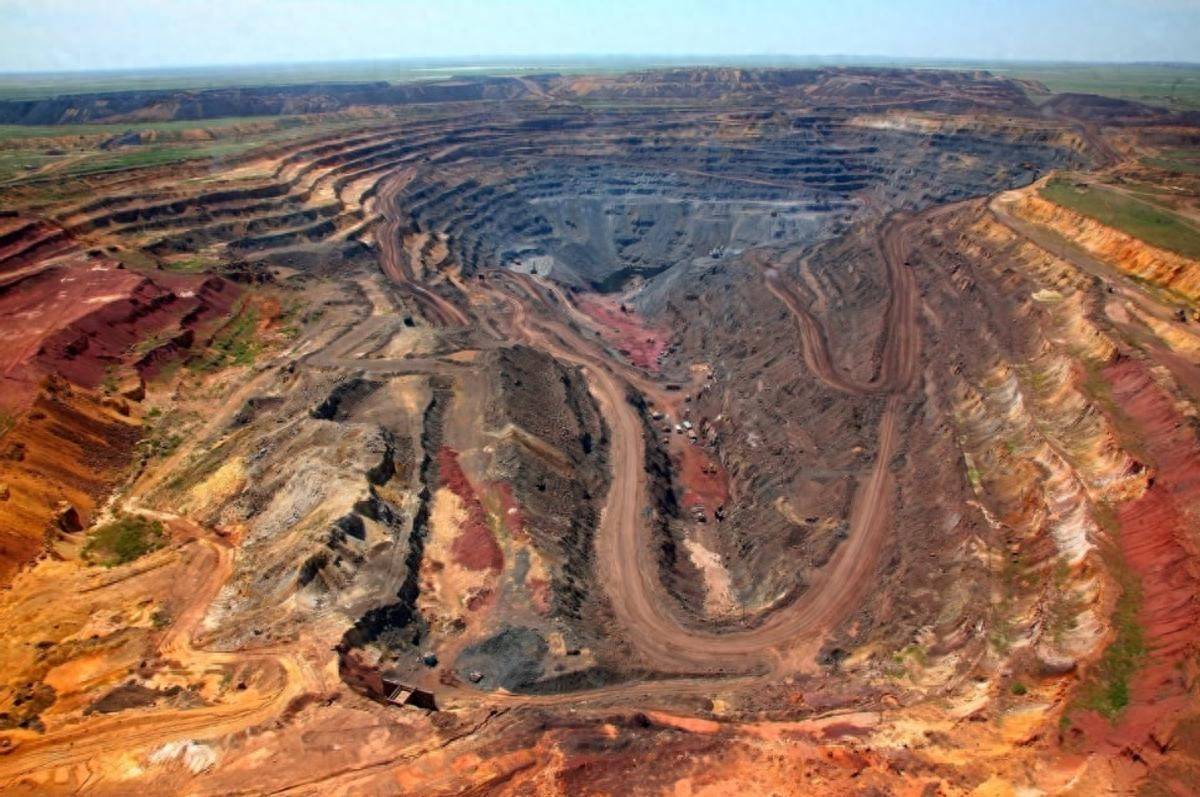
Core Viewpoint - The global copper supply is expected to tighten significantly due to the suspension of production at a major copper mine in Indonesia, leading to increased market expectations for copper prices and demand [1][2]. Group 1: Supply Dynamics - The suspension of production at Freeport-McMoRan's Indonesian copper mine is projected to result in a 50,000-ton loss in copper supply over the next 12-15 months, which is characterized as a "black swan" event by analysts [2]. - Analysts predict a significant reduction in global copper mine production growth, with an estimated increase of only 500,000 tons from 2024 to 2027, which is about one-third of the increase from 2021 to 2024 [4]. - The copper smelting industry has issued a clear signal against "involution" competition, which has kept copper concentrate processing fees at low levels, further tightening the supply-demand situation [5]. Group 2: Market Reactions - On September 25, the Shanghai copper market saw a substantial inflow of 7.871 billion yuan, with trading volume increasing significantly, indicating strong investor interest in copper [2][3]. - The A-share non-ferrous metal sector experienced a surge, with companies like Northern Copper and Luoyang Molybdenum hitting their daily price limits, reflecting positive market sentiment towards the copper industry [3]. Group 3: Demand Factors - The demand for copper is expected to rise significantly due to its increasing association with semiconductor technology and AI applications, with projections indicating that global data centers will consume over 4.3 million tons of copper in the next decade [6]. - The demand for high-performance copper foil, particularly for AI servers, is driving up copper prices, as the copper usage in AI server PCBs is 2.5 times that of regular servers [7].

金属钨价格飙升 短期市场仍将面临供应缺口
Zheng Quan Shi Bao· 2025-09-10 18:07
Group 1 - Tungsten prices have surged over 50% from their low points at the beginning of the year, with some products seeing nearly 100% annual increases, indicating a supply shortage in the short term [1][2][3] - As of September 9, 2025, major tungsten products have reached historical highs, with tungsten concentrate at 287,500 CNY/ton, APT at 412,500 CNY/ton, tungsten powder at 635 CNY/kg, and tungsten iron at 407,500 CNY/ton [2] - The first half of 2025 saw a 6.45% decrease in the total mining quota for tungsten concentrate, with a control indicator of 58,000 tons, reflecting ongoing supply constraints [3][5] Group 2 - The global demand for tungsten is increasing, driven by its strategic resource value, with a 2.1% year-on-year growth in tungsten consumption in China during the first half of 2025 [3][4] - The photovoltaic sector is expected to significantly boost tungsten demand, with projections indicating a 198% year-on-year increase, leading to a global demand exceeding 4,500 tons [4] - The aerospace and semiconductor industries are also driving demand for high-purity tungsten products, with the hard alloy market in China projected to reach 41.5 billion CNY by 2025, growing at 7.8% year-on-year [4][7] Group 3 - Current low inventory levels make the tungsten market sensitive to supply shortages, which could lead to significant price increases [8] - The mining sector is facing challenges with an operating rate below 35%, and the average tungsten ore grade has declined, increasing production costs [5][8] - The market outlook suggests that tungsten prices will remain in a range of 400,000 to 600,000 CNY/ton in the short term, with potential upward pressure due to supply constraints [6][8]
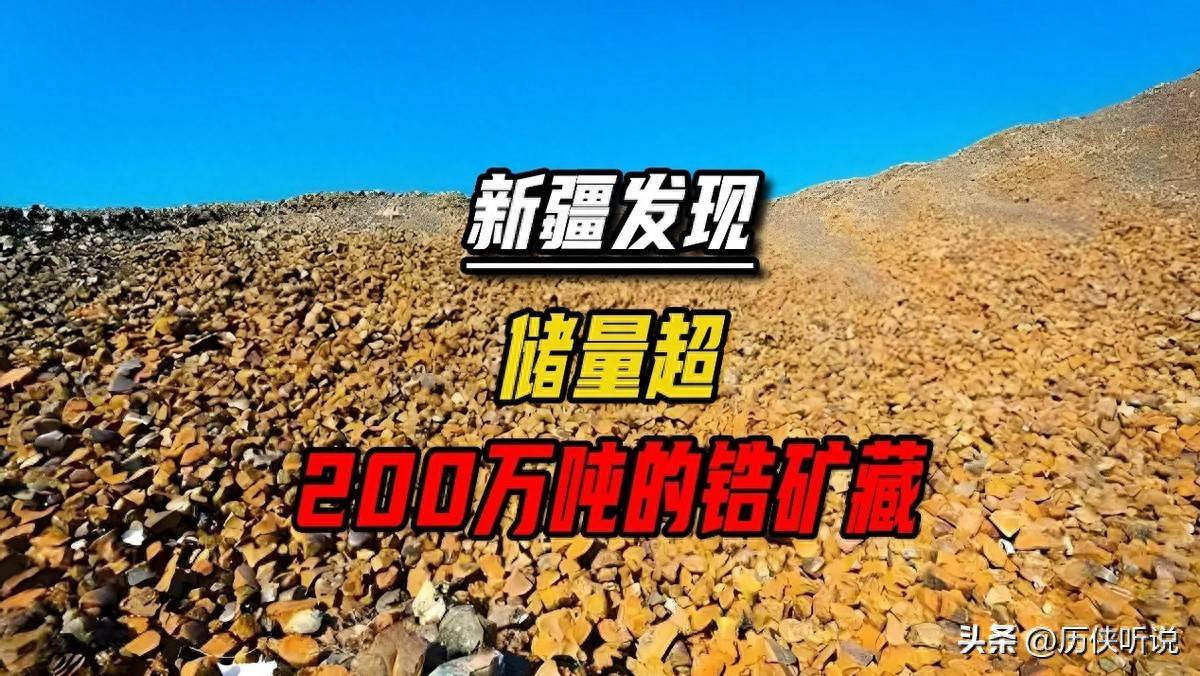
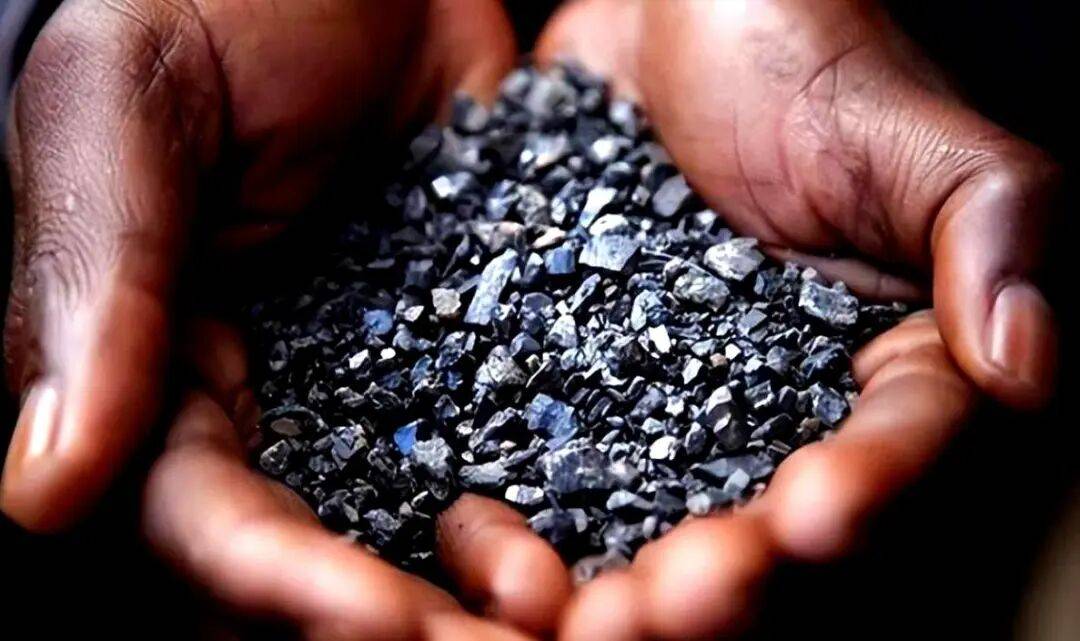
新疆发现200万吨铍矿!全球储量翻四倍,中国或将打破卡脖子局面
Sou Hu Cai Jing· 2025-08-13 10:42
Core Insights - The discovery of a 2 million ton beryllium mine in Xinjiang represents a significant strategic resource for China, potentially quadrupling the known global reserves and providing access to both beryllium and uranium [1][12][26] - Beryllium, while crucial for high-tech industries, military applications, and aerospace, poses severe health and environmental risks due to its acute toxicity [3][10][27] Group 1: Strategic Importance of Beryllium - Beryllium is essential in high-end technology, military, aerospace, and nuclear energy sectors, with its properties making it irreplaceable in various applications [10][14][18] - The mine's uranium byproduct, with an average grade of 0.15%, can yield approximately 3,000 tons of uranium annually, supporting nuclear energy development in China [12][14] - The mine's discovery reduces China's dependency on foreign beryllium, which previously required over 800 tons of imports annually, with an 85% reliance on external sources [10][12] Group 2: Health and Environmental Risks - Beryllium's acute toxicity threshold is alarmingly low, with just 4 micrograms per cubic meter being lethal to aquatic life, highlighting the need for stringent safety measures [3][8] - Chronic beryllium disease (CBD) has a long latency period and can lead to irreversible lung damage, with historical data showing a 47% higher lung cancer mortality rate among workers exposed to beryllium [5][7] - Environmental contamination from beryllium is challenging to remediate, with potential pollution radii reaching 50 kilometers, necessitating highly controlled mining operations [8][24] Group 3: Safety and Environmental Management - Xinjiang plans to implement a fully enclosed mining system with strict safety protocols, including protective gear for workers and regular health monitoring [22][24] - The "zero-waste mine" initiative aims for comprehensive recycling of tailings, dust, and wastewater, minimizing environmental risks while generating economic benefits [24][28] - A robust monitoring system will be established to ensure immediate detection and response to any potential risks, safeguarding both health and the environment [24][28]