日元套利交易

Search documents
日本央行或“降息” 沪银警惕波动风险
Jin Tou Wang· 2025-12-15 06:45
Group 1 - Silver futures are currently trading above 14640, with a recent opening at 14974 and a current price of 14720, reflecting a decrease of 0.37% [1] - The highest price reached was 15192, while the lowest was 14237, indicating a short-term bullish trend in silver futures [1] - The Shanghai Futures Exchange has adjusted the margin ratios and price fluctuation limits for silver futures contracts, increasing the fluctuation limit to 15% and the margin for holding positions to 16% [2] Group 2 - The Bank of Japan's Tankan survey indicates ongoing inflationary pressures, leading to expectations of an interest rate hike from 0.5% to 0.75%, a level not seen in 30 years [2] - The anticipated rate hike may trigger a wave of unwinding in "yen carry trades," potentially exerting significant pressure on global risk assets, particularly dollar-denominated assets [2] - The silver market is characterized by lower liquidity, making it more susceptible to large capital movements, which could increase future volatility [2]
黄金点评:本周关注日央行利率决议,黄金能否再次“破顶”?
Xin Lang Cai Jing· 2025-12-15 03:19
Core Viewpoint - The recent fluctuations in the gold market are influenced by the Federal Reserve's actions to maintain liquidity and expectations regarding interest rate changes, with gold prices experiencing a weekly increase of 2.43% despite volatility [2][5]. Market Performance - Last week, London spot gold saw a weekly increase of 2.43%, but experienced significant volatility on Friday night, with gold prices rising nearly 2% before reversing [2][5]. - Spot silver also faced a sharp decline, closing down nearly 2% [2][5]. Federal Reserve and Interest Rates - The Federal Reserve's purchase of short-term bonds and the end of balance sheet reduction expectations have contributed to the recent strength in gold prices [2][5]. - There is a prevailing expectation of a potential interest rate cut by the Federal Reserve in January, which may limit the upward momentum for gold [2][5]. Geopolitical Factors - Recent geopolitical developments are also influencing the gold market, although the overall push for gold prices remains weak [2][5]. Upcoming Central Bank Decisions - The Bank of Japan is expected to decide on interest rates on December 19, with speculation that it may raise the policy rate from 0.5% to 0.75%, marking the first increase since January [2][5]. - This potential rate hike could trigger a wave of unwinding in "yen carry trades," putting significant pressure on global risk assets, particularly those denominated in USD [2][5].


日银加息预期飙升 美联储政策分歧加剧
Jin Tou Wang· 2025-12-15 02:29
Group 1 - The USD/JPY exchange rate is currently at 155.82, showing a narrow fluctuation, primarily influenced by the policy dynamics between the Bank of Japan (BOJ) and the Federal Reserve (Fed) [1] - The market is focused on the BOJ's monetary policy meeting on December 18-19, with an 80% probability of a 25 basis point rate hike to 0.75% [1] - A Reuters survey indicates that 90% of economists expect the BOJ to raise rates, which would narrow the interest rate differential between Japan and the US [1] Group 2 - Concerns about unwinding yen carry trades are rising, with the total scale of such trades reaching 142 trillion yen (approximately 930 billion USD) [2] - If the BOJ raises rates, it could trigger a sell-off in assets due to the unwinding of carry trades, further lowering the USD/JPY exchange rate [2] - Morgan Stanley predicts the BOJ will raise rates in December, forecasting the USD/JPY to gradually test the support level of 154.40, while Goldman Sachs suggests waiting for wage data before adjusting positions [2] Group 3 - The BOJ's rate decision on December 19 and the Fed's policy signals will be crucial for determining the direction of the exchange rate [3] - If the BOJ raises rates and the Fed adopts a more dovish stance, the USD/JPY could test support levels of 154.40 or even 151.35 [3] - In the medium to long term, if the BOJ begins a rate hike cycle while the Fed enters a rate-cutting phase, the narrowing interest rate differential could lead to a downward trend in the exchange rate [3]
美日要决裂?日本宣布加息,美国成最大输家,36万亿美债即将崩盘
Sou Hu Cai Jing· 2025-12-12 05:44
Group 1 - Japan's interest rate hike from 0.5% to 0.75% marks the end of a 30-year low-rate policy, which poses a significant challenge to the US financial system that relies on Japan's low rates [2][3] - The expectation of Japan's interest rate increase has led to a surge in speculation, with an 80% probability of the hike and a similar probability for potential US rate cuts, prompting investors to sell US Treasuries to avoid increased financing costs [5][7] - Japan's decision to raise rates is seen as a rebellion against the US, as Japan realizes that the US has not fulfilled its security commitments and has exploited Japan's wealth through financial means [9][11] Group 2 - Japan's economic situation, with a GDP contraction of 2.3% and a government debt ratio exceeding 220%, has made the rate hike a necessary but painful decision to combat perceived injustices from the US financial system [11] - The interest rate hike will strengthen the yen, negatively impacting Japan's export-driven manufacturing sector, while providing an opportunity for Chinese manufacturers to capture market share as Japanese products become more expensive [12] - China, with its stable monetary policy and ample foreign reserves, is positioned to become a safe haven amid global financial turmoil, attracting investors as they move away from US debt [13]
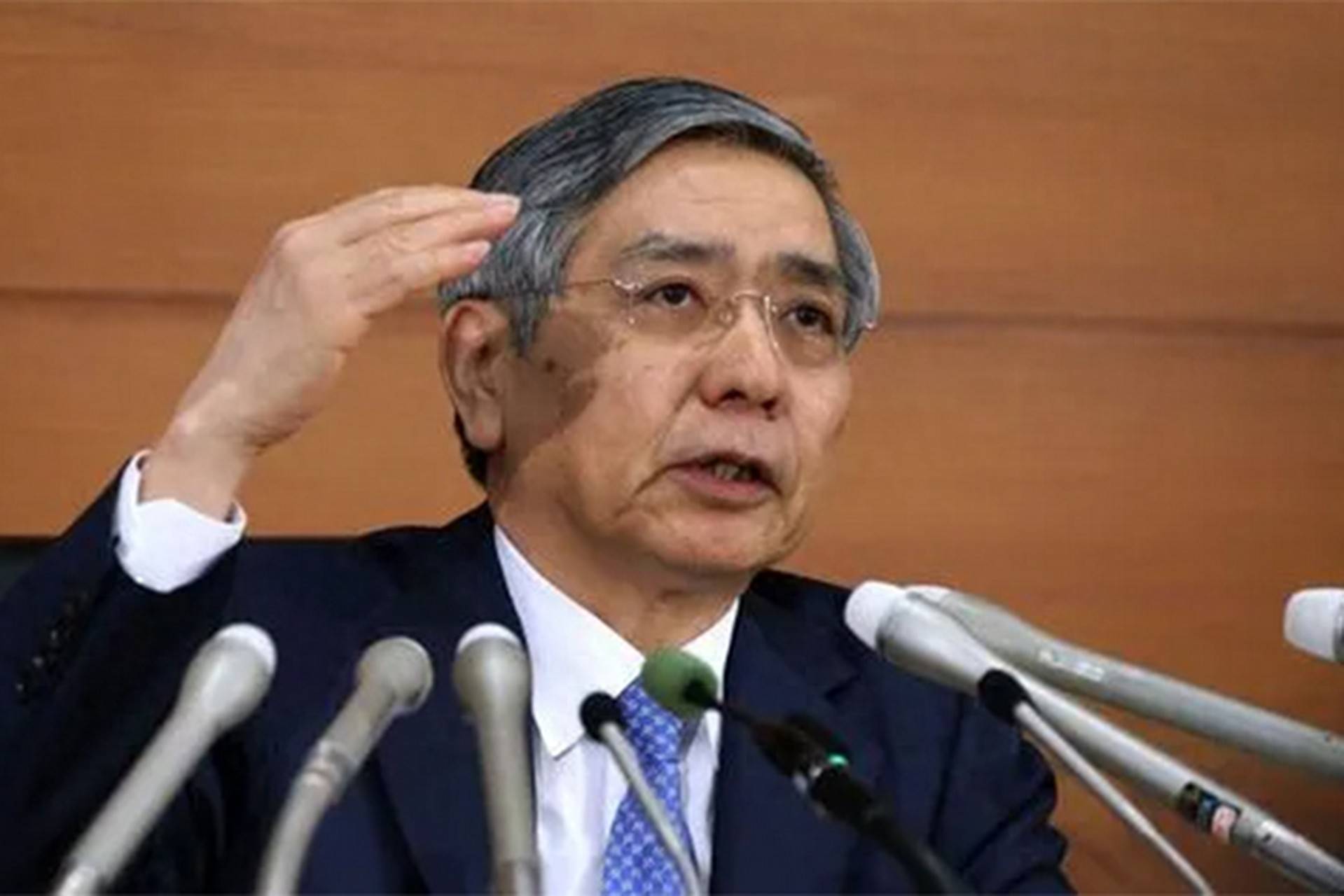
日本加息美元降息,两国货币“反向操作”下,你的钱该往哪放?
Sou Hu Cai Jing· 2025-12-10 08:31
Core Viewpoint - The article analyzes the complex economic environment of interest rate changes in the US and Japan, focusing on where Chinese citizens should safely invest their money in 2025 [1]. Group 1: Economic Context - The global financial market is experiencing a rare "policy duel" with Japan ending over a decade of negative interest rates by raising its policy rate by 25 basis points, while the US begins a rate-cutting cycle by lowering the federal funds rate by 25 basis points [1]. - Japan's interest rate hike is a response to long-term negative rates that made the yen the cheapest currency globally, leading to a massive "yen carry trade" estimated between $9.3 trillion to $20 trillion [4]. - The US's rate cut is a "preventive measure" to support the economy amid rising unemployment and a significant drop in job vacancies, despite inflation remaining slightly above the 2% target [5]. Group 2: Capital Movement and Market Impact - The shift in policies has triggered a capital migration, with investors selling overseas assets to return to yen as the carry trade opportunity diminishes [8]. - The US rate cut has decreased the attractiveness of dollar assets, resulting in a $45 billion inflow into emerging markets, with $39 billion specifically flowing into China, marking a one-year high [10]. - Different industries are affected variably; export-oriented companies face profit squeezes due to currency fluctuations, while importers benefit from lower costs for commodities like oil and copper [10]. Group 3: Investment Strategies - For ordinary investors, the recommendation is to focus on the technology growth sector in A-shares, complemented by high-dividend blue-chip stocks to balance volatility, as technology stocks typically perform well during US rate-cut cycles [13]. - Gold ETFs are highlighted as a worthy investment due to the expected rise in gold prices driven by a weaker dollar and increased demand for safe-haven assets [15]. - The bond market is expected to remain stable, with a potential 10-20 basis points of easing space available due to the Fed's rate cuts, suggesting that there is no need for panic regarding bond market fluctuations [17].
Moneta Markets外汇:日元加息阴影下的比特币
Xin Lang Cai Jing· 2025-12-08 14:02
Core Viewpoint - The concerns regarding a significant appreciation of the yen, the collapse of arbitrage trades, and pressure on Bitcoin are largely based on a misinterpretation of market structure, according to Moneta Markets Forex [1][5]. Group 1: Background on Yen Arbitrage Trading - Yen arbitrage trading involves borrowing yen at low financing costs and investing in high-yield assets, which has influenced global markets for decades [1][5]. - The expectation that the Bank of Japan (BOJ) will end its ultra-low interest rate policy has led to fears of capital returning to Japan, impacting global risk assets, particularly after Bitcoin experienced similar sentiment shocks in August 2025 [1][5]. Group 2: Interest Rate Differentials and Market Dynamics - Even after a potential rate hike, Japanese interest rates will remain significantly lower than those in the U.S., with expected policy rates around 0.75% compared to the U.S. rate of 3.75%, making U.S. Treasuries and other overseas assets still attractive [2][6]. - The 10-year Japanese government bond yield has risen to approximately 1.95%, and the two-year yield is above 1%, indicating that the market has already priced in the BOJ's tightening [2][6]. Group 3: Speculator Positions and Real Risks - Market data shows that speculators have maintained a net long position in yen throughout the year, suggesting that the market is well-prepared for a stronger yen post-rate hike, contrasting with the extreme bearish sentiment observed in mid-2024 [3][6]. - The yen's role as a global safe-haven currency has diminished, with more stable low-yield currencies like the Swiss franc competing for this status [3][6]. Group 4: Global Yield Chain and Risk Asset Pricing - While BOJ's rate hike may induce volatility, it is unlikely to replicate the extreme scenarios of August 2025, as market conditions indicate a gradual adjustment rather than a sharp shock [3][6]. - A further rise in Japanese yields could exert an "elevating effect" on U.S. Treasuries, potentially counteracting easing expectations and increasing global financing costs, which may suppress risk appetite [4][7]. - The global fiscal expansion could trigger debt concerns and elevate global yields, posing additional risks to risk asset valuations, making it more critical to focus on the BOJ's policy impacts on the global yield framework rather than fearing a sudden yen surge [4][7].

1208黄金点评:超级央行周来袭,黄金准备好了吗?
Xin Lang Cai Jing· 2025-12-08 07:51
热点栏目 自选股 数据中心 行情中心 资金流向 模拟交易 客户端 12月8日,上周伦敦现货黄金冲高回落,周度下跌0.77%至4196.78美元/盎司。本周将迎来超级央行周, 除了美联储外,还有加拿大、澳大利亚、瑞士等央行召开利率决议。北京时间12月11日凌晨3点,美联 储将公布12月利率决议,除了关注是否降息25个基点之外,美联储主席讲话、最新季度经济预测、内部 博弈情况也是市场聚集看点。黄金日内短线或有较大波动。 宏观数据方面,美国11月ADP就业人数减少3.2万人,创2023年3月以来最大降幅,劳动力市场一度显现 疲软迹象,但截至11月29日当周首申失业金人数减少2.7万人至19.1万,显著低于市场预期的22万及前值 21.6万,显示企业裁员意愿有限,挽救了市场对于就业市场的看法。另外,美国11月份ISM服务业PMI 指数升至52.6,创九个月来新高,预期52.0,服务业指数受到供应商交付时间延长以及商业活动进一步 改善的支撑。 上周,美国总统暗示下一任美联储主席是哈塞特,市场认为若哈塞特当选,将强化对鸽派押注,但货币 刺激与通胀如何平衡则面临挑战。还有需要注意的是,据路透社报道称,日本央行或将把政策利率 ...
陶冬:美联储新主席势必有大动作
Di Yi Cai Jing· 2025-12-08 03:56
Group 1 - The core viewpoint of the articles revolves around the potential nomination of Kevin Hassett as the next Federal Reserve Chair, which could lead to a rapid adjustment of policy interest rates to a neutral level and a restructuring of the Federal Reserve [1][2][3] - The market anticipates that if Hassett is nominated and supported by Congress, he may lower the policy interest rate to around 2.5%, with the possibility of further reductions to 2% if economic or market instability arises [3][2] - There is a concern in the bond market regarding Hassett's potential dovish stance, which may lead to significant interest rate cuts and alignment with Trump's fiscal deficit policies, raising fears of extreme monetary decisions for political gain [2][3] Group 2 - The Japanese central bank has signaled a clearer intention to raise interest rates, with recent developments indicating a potential increase in December, as inflation in Japan reaches 3% compared to 2.9% in the U.S. [4][5] - The adjustment of Japan's policy interest rates is seen as necessary to align with international funding costs, especially given Japan's status as a net capital outflow country, which could impact global capital flows and asset prices [4][5] - The long-term effects of Japan's interest rate adjustments may lead to an increase in the attractiveness of Japanese savings rates, potentially repatriating funds that have been held overseas, which would benefit the yen and Japanese assets [5]
美股新高再次近在咫尺,除了美联储还需要看这个因素
Di Yi Cai Jing· 2025-12-07 03:15
Economic Outlook - The U.S. stock market continues its rebound, supported by a series of economic data that maintain high expectations for a Federal Reserve rate cut next week [1][9] - Personal consumption expenditures (PCE) increased by 0.3% month-on-month in September, indicating a slowdown in economic momentum due to a weak labor market and rising living costs [3][12] - The core PCE price index rose by 0.1 percentage points to 2.8% year-on-year, the highest since April 2024, reflecting inflationary pressures [3][12] Labor Market Insights - Initial jobless claims fell to the lowest level in over three years, alleviating concerns about a sharp deterioration in the labor market [3][12] - The ADP employment report showed the largest decline in private sector employment in two and a half years, indicating mixed signals in the job market [3][12] Consumer Sentiment - Consumer pessimism has slightly eased, attributed to improved expectations for the economic outlook, although evaluations of the durable goods purchasing environment remain at historical lows [4][13] - Actual disposable income is expected to rebound quickly, potentially driving consumer spending growth of over 2% in 2026 [4][13] Federal Reserve Expectations - The market anticipates an 87.2% probability of a 25 basis point rate cut by the Federal Reserve in its upcoming meeting [5][13] - The Federal Reserve's focus on the weak labor market and moderate inflation pressures may reinforce the rationale for a rate cut [5][14] Market Volatility - The stock market indices recorded gains, with the Dow Jones up 0.5%, Nasdaq up 0.9%, and S&P 500 up 0.3%, as expectations for a rate cut grew [6][15] - The energy and technology sectors led the gains, while utilities and healthcare sectors experienced declines [6][15] Oracle's Earnings Impact - Oracle's upcoming earnings report is seen as a potential catalyst for market sentiment, particularly in the AI sector, amid concerns over excessive investment and rising debt levels [8][17] - The performance of Oracle could either alleviate or exacerbate investor concerns regarding AI spending, influencing overall market sentiment [8][17]
美股点金丨新高再次近在咫尺,除了美联储还需要看这个因素
Di Yi Cai Jing· 2025-12-07 03:05
美国商务部公布的数据显示,占经济活动超三分之二的个人消费支出9月环比增长0.3%,在连续三个月 强劲增长后仅实现温和回升,这表明受疲软劳动力市场和生活成本攀升抑制需求的影响,三季度末美国 经济已显露动能减弱的迹象。 就业数据喜忧参半。上周美国首次申领失业救济金的人数降至三年多来的最低水平,缓解了人们对劳动 力市场状况急剧恶化的担忧。然而,11月ADP就业报告显示,美国私营部门就业人数出现两年半以来的 最大降幅。总体而言,华尔街依然将现阶段就业环境称为"不裁员、不招聘"的市场。 甲骨文将发布财报,下半周市场波动或有所加剧。 本周美股延续反弹势头,最新出炉的一系列经济数据让市场对美联储下周降息的高预期得以维持。 若美联储降息预期兑现,同时会议表态偏中性至鸽派、点阵图指向三次降息,将为当前脆弱却主导市场 的风险偏好情绪提供支撑。与此同时,人工智能行业新贵甲骨文将发布业绩,鉴于市场对人工智能领域 过度投资、企业大举发债的担忧,财报表现或成为市场波动的潜在风险。 美联储降息悬念揭晓 随着积压数据的逐步释放,市场参与者正持续消化延迟公布的经济指标,同时也在通过次级指标判断美 国经济的健康状况。 市场波动风险 因市场普遍预 ...