
消费分级

Search documents
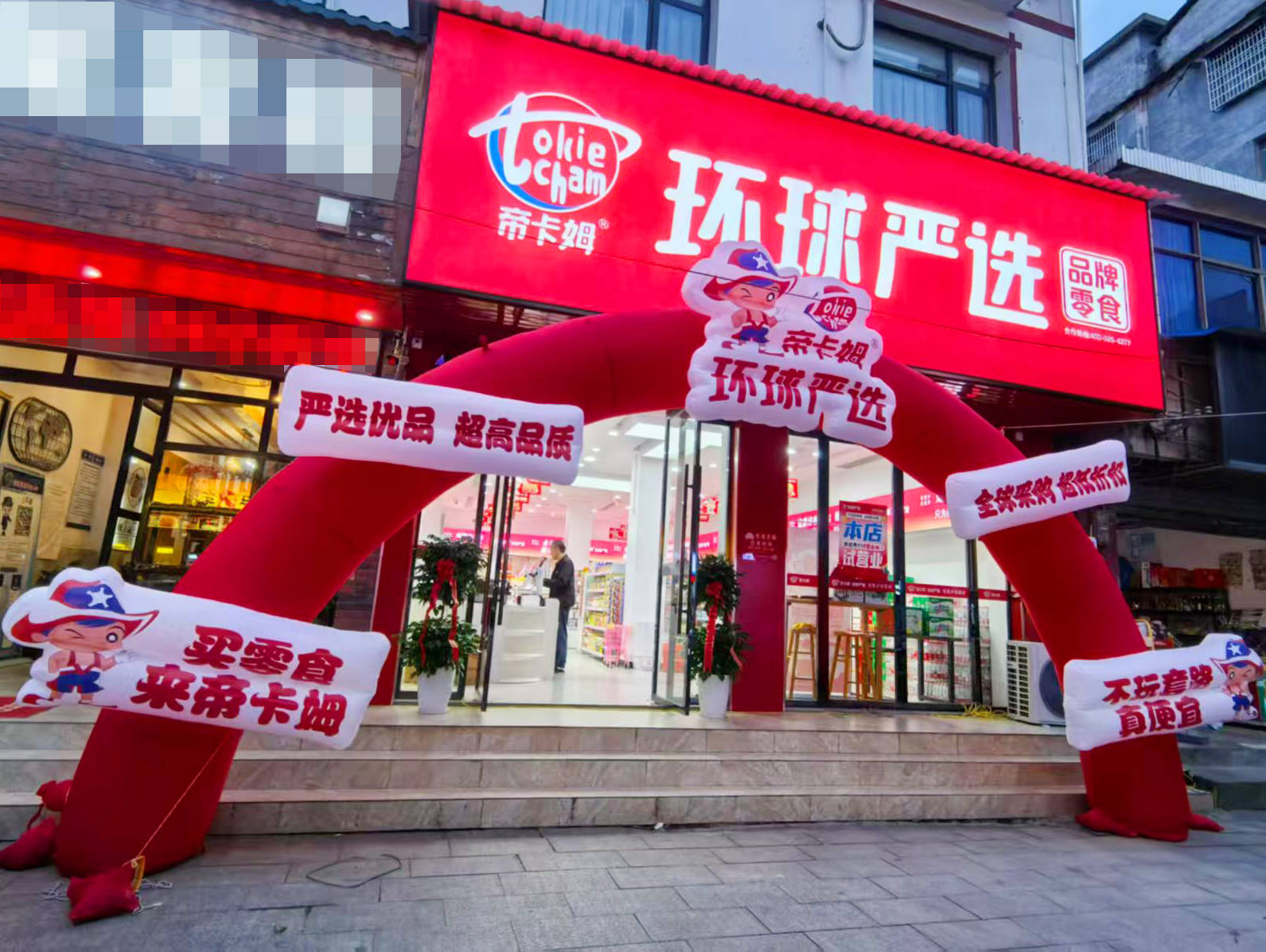
帝卡姆环球严选,全面升级,正式推出省钱超市
Sou Hu Cai Jing· 2025-10-09 11:48
Core Insights - A new retail model combining bulk purchasing and community convenience is emerging in response to consumer demand for cost-effectiveness [1] - The company, DiCam, is upgrading its store format to focus on "savings supermarkets," offering a combination of bulk snacks and daily necessities [1] Supply Chain Optimization - DiCam's competitive edge lies in its systematic restructuring of the supply chain, establishing direct procurement partnerships with over 200 food manufacturers, reducing procurement costs for snack products by 18%-25% [3] - The company employs a "whole box ordering, loose sales" model for high-repurchase categories like puffed snacks and nuts, maintaining price advantages while catering to family consumers' needs for smaller packaging [3] - In the daily necessities sector, DiCam collaborates with brands like Procter & Gamble and Unilever to offer customized large-pack products, with prices generally 10%-15% lower than traditional supermarkets [3] Enhanced Shopping Experience - DiCam's store layout breaks traditional supermarket category divisions, featuring a "Daily Hot Products Zone" at the entrance with items priced 30% below market [5] - The central shelf adopts a "Snack Museum" theme, showcasing over 2,000 snack products grouped by taste and occasion, enhancing the shopping experience [5] - The store design includes a "Family Supply Station" in the daily necessities area, grouping related products and providing annual usage calculations, leading to a 22% increase in average transaction value [5] Community Engagement - DiCam positions each store as an extension of community service, offering amenities like convenience medicine cabinets, charging stations, and hot water supply [7] - Initiatives such as a "Second-hand Exchange Corner" and "Senior Care Day" for free health checks for customers over 60 enhance community ties and customer loyalty [7] - The penetration rate of households within a 1-kilometer radius of stores reaches 47%, significantly above the industry average [7] Industry Trends - The community retail sector, emphasizing high cost-performance, is projected to grow at 14.2% in the first half of 2024, outpacing the 3.5% growth of hypermarkets [9] - DiCam's innovative model redefines the "people-goods-scene" relationship, capturing consumer expectations for quality and affordability [9] - The retail industry is transitioning from price wars to value wars, necessitating upgrades in supply chain efficiency, shopping experience, and digital operations to maintain quality while offering lower prices [9]

头部照明品牌抢滩下沉!江西三线城市经销商最关注哪些厂家?
Sou Hu Cai Jing· 2025-10-08 12:06
Core Insights - The lighting market in Shangrao, Jiangxi, is experiencing robust growth driven by its strategic location and diverse consumer demands [1][2] - Local distributors are adapting their strategies to cater to two main consumer trends: improvement-oriented demand and assurance-oriented demand [5][6] Market Characteristics - Shangrao's lighting distributors are concentrated in key commercial areas, particularly Jiangnan Trade City, with around 50 businesses specializing in lighting and smart home products [2] - Major brands such as NVC Lighting, Opple Lighting, and Philips Lighting have established a strong presence, contributing to a high market concentration [4] Consumer Demand Trends - Improvement-oriented consumers prioritize design, smart features, and brand prestige, showing less price sensitivity [5] - Assurance-oriented consumers focus on product performance, stability, cost-effectiveness, and after-sales service [5] Business Strategies - Local distributors exhibit flexibility by adopting a multi-brand strategy, combining core brands with complementary products to meet diverse customer needs [6] - Some distributors are enhancing their competitive edge by expanding their product offerings and improving service capabilities [11][19] Market Challenges and Opportunities - The market faces challenges from increased competition and brand channel expansion into rural areas, impacting local distributors reliant on city markets [8] - Despite these challenges, many brands are investing in store renovations and upgrades, indicating confidence in future market growth [8] Case Studies - A distributor expanded its operations by introducing Opple Lighting, enhancing its product range and supporting retail growth [11] - Another distributor focused on smart lighting solutions while ensuring professional service quality to maintain competitiveness in the market [17] - A distributor shifted from wholesale to a multi-channel approach, adapting to changing market demands and enhancing customer service [19][21]





研判2025!中国真空封口机行业产业链、市场规模及重点企业分析:健康饮食与非食品需求双引擎驱动,行业迎来技术升级与场景拓展新纪元[图]
Chan Ye Xin Xi Wang· 2025-09-27 02:23
Core Insights - The Chinese vacuum sealing machine industry is experiencing rapid growth, with a market size projected to reach 17.157 billion yuan in 2024, representing a year-on-year increase of 19.90% [1][4][8] - The demand for vacuum sealing machines is significantly driven by the health food trend, with pre-packaged meals and fresh e-commerce contributing to increased consumer focus on food freshness and safety [1][4] - Non-food sectors, such as pharmaceuticals and electronics, are also expanding the application scenarios for vacuum sealing machines, leading to higher performance and reliability requirements [1][4] Industry Overview - Vacuum sealing machines are designed to remove air from packaging to extend the shelf life of products, primarily by inhibiting microbial growth and oxidation [2][4] - The machines are widely used across various sectors, including food, pharmaceuticals, electronics, and more, categorized into internal and external vacuum sealing machines based on their vacuuming methods [2][4] Industry Value Chain - The upstream of the vacuum sealing machine industry includes materials like plastics, metals, electronic components, and rubber, while the midstream focuses on manufacturing [4] - The downstream applications span food, electronics, pharmaceuticals, hardware, chemicals, and cosmetics [4] Market Size - The vacuum sealing machine market in China is set to grow significantly, with a projected market size of 17.157 billion yuan in 2024, driven by health trends and increased investment in vacuum packaging equipment [1][4][8] Key Companies' Performance - Major players like Midea, Supor, and Bear are leading the market, leveraging technology and brand advantages to capture significant market shares [8] - Midea has introduced innovative products with features like high suction power and multiple preservation modes, achieving a revenue of 251.124 billion yuan in the first half of 2025, up 15.58% year-on-year [8][9] - Tai Li Technology focuses on smart operations and eco-friendly materials, reporting a revenue of 577 million yuan in the first half of 2025, though its net profit declined by 21.86% [8][10] Industry Development Trends 1. **Technological Innovation and Smart Upgrades** - The industry is expected to integrate AIoT technologies for enhanced operational efficiency, with companies like Midea and Tai Li leading in smart product development [11][12] 2. **Green Manufacturing and Circular Economy** - Under the "dual carbon" policy, the industry is shifting towards low-carbon production, with companies implementing recycling initiatives and sustainable practices [11][12] 3. **Market Segmentation and Global Expansion** - The market is witnessing a dual trend of high-end and mass-market products, with companies expanding internationally to enhance competitiveness [11][12]





大量涌现,价格低得“惊人”!京东、美团、盒马都有……
Sou Hu Cai Jing· 2025-09-06 21:13
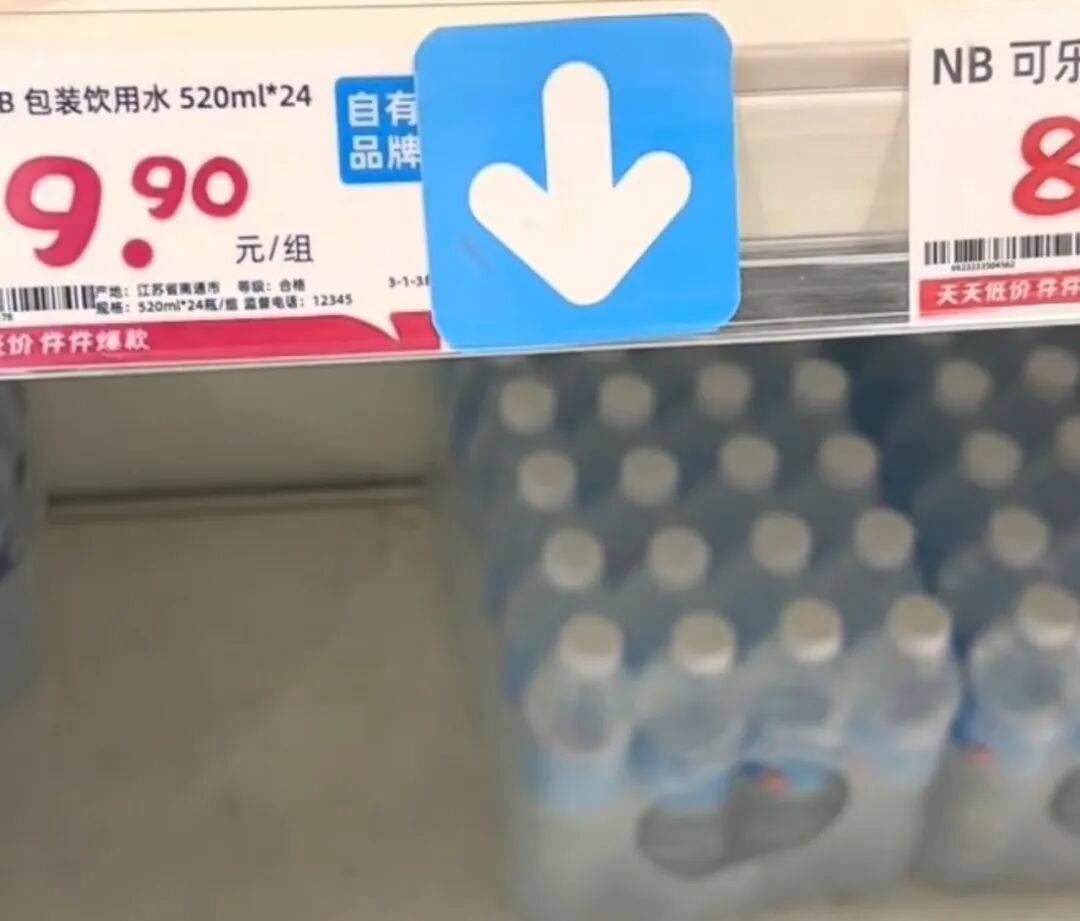
Core Insights - The retail industry is witnessing a significant shift towards hard discount supermarkets, driven by major players like JD, Meituan, and Hema expanding their presence in this sector [3][5][6] - The core appeal of hard discount supermarkets lies in their low prices, which cater to increasingly rational consumers who prioritize value for money [5][6] - The trend reflects a broader consumer behavior shift from impulsive to pragmatic spending, indicating a move towards "consumption grading" rather than mere consumption downgrade [6][7] Group 1: Market Dynamics - Major companies such as JD and Meituan are aggressively opening hard discount stores, with JD launching five new stores in Jiangsu and Hebei, and Meituan planning to open 1,000 stores by 2025 [3][5] - Hema's hard discount brand, Hema NB, has also expanded rapidly, with nearly 300 stores primarily in East China [5] - Traditional retail giants like Wumart and specialized players like Ole' and Lele are intensifying competition in the hard discount space [5] Group 2: Consumer Behavior - Consumers are becoming more rational and less willing to pay a premium, which aligns with the hard discount model that emphasizes high quality at low prices [5][6] - The hard discount approach involves streamlining SKUs, increasing private label offerings, and reducing intermediaries to achieve cost efficiency [5][6] - There is a growing skepticism among consumers regarding the quality of low-priced goods, yet some believe that current prices may reflect more appropriate market values [7]


第四届高品会暨横琴世界湾区论坛开幕:高品质需求激活消费新潜能
2 1 Shi Ji Jing Ji Bao Dao· 2025-09-05 13:15
Core Points - The Fourth China (Macau) International High-Quality Consumption Expo and the Hengqin World Bay Area Forum aims to promote the construction of the Guangdong-Hong Kong-Macau Greater Bay Area and support the moderate diversification of Macau's economy [1][2] - The forum's theme is "Resilient China, Vibrant Bay Area: Innovation and Cooperation under the New Development Pattern," focusing on building a global high-end platform and fostering practical cooperation among global bay area economies [1][2] Group 1: Government and Institutional Perspectives - The Director of the Social Responsibility Bureau of the State-owned Assets Supervision and Administration Commission emphasized the importance of central enterprises in participating in Macau's key industry development and infrastructure construction [1] - A total of 44 central enterprises have participated in the expo, showcasing quality products and enhancing communication to support Macau's economic diversification [1] Group 2: Business and Economic Insights - The General Manager of Nanguang Group highlighted the expo's role as a significant platform for economic cooperation in the Greater Bay Area and a bridge for trade between China and the world [2] - Experts discussed economic trends, industrial innovation, and consumer segmentation, emphasizing the need for high-quality consumption and the role of the Greater Bay Area in driving consumption upgrades [2][3] Group 3: Consumer Trends and Market Opportunities - The researcher from the National Development and Reform Commission identified domestic demand as the main driver of economic growth, with consumption being the core segment [3] - The Chairman of Gree Electric Appliances stressed the importance of high-quality products in enhancing consumer life and showcasing the competitiveness of Chinese manufacturing [3] - The marketing expert discussed the redefinition of brand logic in the context of consumption segmentation, predicting that 2025 will be a pivotal year for the rise of Chinese brands [3] Group 4: Cultural and Tourism Integration - The upcoming 15th National Games is seen as a catalyst for consumption upgrades in the Greater Bay Area, with a focus on integrating culture, sports, tourism, and technology [4] - The Director of the China Tourism Research Institute noted the rapid growth of inbound tourism and its potential to boost consumption in the Greater Bay Area, particularly for Chinese-made products [5] Group 5: Industry-Specific Developments - The General Manager of China Gold Group discussed the evolving consumer logic in the gold market, emphasizing the shift towards emotional resonance and social value creation in the fifth consumption era [5] - The expo features parallel forums focusing on various industries, including cross-border e-commerce, cultural tourism, high-quality childcare, and health, aimed at leveraging the unique advantages of Macau and Hengqin [5]
看,真实的美国
虎嗅APP· 2025-09-04 13:46
Core Viewpoint - The article discusses the complex state of the U.S. economy, highlighting the coexistence of technological prosperity and significant national debt, and emphasizes the "iron triangle" of consumption, capital, and technology that underpins the economy [4][10]. Economic Status: The Backbone of the World's Largest Economy - As of Q2 2025, the U.S. GDP grew by 3.3%, a significant recovery from previous quarters, with AI investments contributing 0.5% to this growth [8][9]. - The national debt surpassed $37 trillion, with interest payments exceeding $1 trillion, projected to reach $1.4 trillion in 2025, surpassing defense spending [9][10]. The "Iron Triangle" of the U.S. Economy First Pillar: The Global "Consumption Beast" - Personal consumption expenditures (PCE) account for 70% of GDP, with U.S. consumers projected to spend $20 trillion by 2025, representing 32.7% of global personal consumption [11][12]. - E-commerce in the U.S. is expected to reach $1.34 trillion by 2025, capturing 19% of the global market [12]. Second Pillar: The Global "Capital Black Hole" - The total market capitalization of the "Big Seven" tech companies exceeds $16 trillion, more than three times the GDP of any country other than the U.S. and China [13][14]. - In 2024, U.S. venture capital reached $180 billion, accounting for 58% of global venture capital [14][15]. Third Pillar: The Technology "Printing Press" - U.S. companies hold 75% of the global AI chip market and 60% of the cloud services market, supported by substantial government investments [18][19][20]. - The U.S. government invested $8.9 billion in Intel, becoming its largest single shareholder, demonstrating a strong policy push to maintain technological dominance [20]. Consumption Market: Segmentation and Downgrading Consumption Segmentation - The U.S. consumption landscape features three tiers: survival consumption, contradictory consumption, and emotional consumption [26][27]. - Lower-tier consumers focus on extreme cost-effectiveness, while middle-tier consumers exhibit mixed spending behaviors, balancing values and practicality [31][33][36]. Consumption Downgrading - The average replacement cycle for iPhones has extended from 2.3 years in 2021 to 3 years, indicating a decline in consumer purchasing power [39]. - The rise of "Buy Now, Pay Later" (BNPL) schemes reflects a hidden layer of consumption downgrading, as consumers accumulate debt through seemingly manageable payments [40][42]. Why the U.S. Remains a Top Destination for Entrepreneurs - The U.S. accounts for nearly one-third of global final consumption with only 5% of the world's population, highlighting its market density and consumer willingness [43]. - Companies are encouraged to engage with the U.S. market, leveraging its vast consumer base and high disposable income [45]. Strategic Recommendations for Chinese Enterprises - Companies should focus on three key strategies: engaging in U.S. business, learning from U.S. operational efficiencies, and deepening local market penetration [59]. - Targeting specific growth areas such as the "Sun Belt" states and high-demand sectors like health and pet care can yield significant opportunities [49][50]. Conclusion: Capturing Real Business Opportunities - The resilience of the U.S. economy is attributed to a well-integrated system of consumption, capital, and technology, creating a powerful economic "magnet" [56]. - Understanding the segmentation of the market provides insights into emerging opportunities for businesses [57].

看,真实的美国
Hu Xiu· 2025-09-04 08:47
Economic Overview - The current state of the US economy shows a GDP growth of 3.3% in Q2 2025, a significant recovery from the previous quarter's contraction, and a 2.1% increase compared to Q2 2024 [6] - AI investments contributed 0.5% to GDP growth in the first half of 2025, indicating the importance of AI-related capital expenditures [7] - The total US national debt surpassed $37 trillion by August 2025, with interest payments exceeding $1 trillion, accounting for 17% of federal expenditures [7] Key Economic Pillars - The US consumer market accounts for 70% of GDP, with personal consumption projected to reach $20 trillion by 2025, representing 32.7% of global personal consumption [11] - The US stock market's "Big Seven" tech companies have a combined market capitalization exceeding $16 trillion, significantly higher than the GDP of any country except China and the US itself [15] - The US venture capital market accounted for 58% of global VC funding in 2024, highlighting its status as a "capital black hole" attracting global investments [16] Consumption Market Dynamics - The US consumption market is characterized by a "parallel universe" of spending behaviors, with stark contrasts between frugal and extravagant consumers [36] - The bottom tier of consumers focuses on survival-type consumption, heavily reliant on low-cost platforms like Temu [40] - The middle tier exhibits contradictory spending habits, balancing between meaningful purchases and cost-saving measures [43] - The top tier of consumers engages in emotional spending, prioritizing exclusivity and status over price [51] Consumption Trends - The average replacement cycle for iPhones has extended from 2.3 years in 2021 to 3 years, indicating a trend of consumption downgrade [52] - The rise of "Buy Now, Pay Later" (BNPL) schemes reflects a hidden layer of consumer debt, as individuals perceive fragmented payments as manageable [54] Strategic Insights for Companies - The US market, with its significant consumer base and high disposable income, presents a critical opportunity for companies aiming to expand globally [59] - Companies should focus on the three-tiered consumption pyramid to identify market opportunities: survival-type, contradictory, and emotional consumption [60] - Learning from the US market's operational efficiencies, such as payment systems and logistics, is essential for companies looking to succeed [65] - Localized strategies targeting specific regional growth areas and high-demand industries can enhance market penetration [71][73]
经济越来越差,这八大行业越赚爆!
创业家· 2025-09-03 10:09
Core Insights - The article discusses how certain industries are thriving despite the overall economic downturn, highlighting eight key sectors that present significant business opportunities in a low-desire society [2][4]. Group 1: Key Industries - **Second-hand Economy**: The second-hand luxury market in Japan, represented by companies like Daikokuya, has seen a surge in revenue. In China, platforms like Hongbulin and Panghu are experiencing similar growth [4][5][6]. - **Pet Economy**: With a decline in birth rates, spending on pets has increased. Companies like Inaba in Japan and Guobao in China are capitalizing on this trend, with various pet brands seeing rising sales [8][9]. - **Adult Care**: The adult diaper market in Japan has surpassed $10 billion, indicating a significant opportunity for adult care products in China, particularly with brands like Kexin [10][11][12]. - **Health Food and Beverages**: The rise in health consciousness has led to increased demand for sugar-free products and functional beverages in both Japan and China, with brands like Dongfang Shuye and Jianchun gaining traction [15][16]. - **Beauty and Personal Care**: Despite economic constraints, spending on beauty products remains strong, with high-priced items like collagen supplements and home beauty devices seeing significant sales [19][20][21][22]. - **Outdoor Recreation**: The outdoor equipment market is booming, with brands like Snow Peak in Japan and various Chinese brands experiencing rapid sales growth [24][25][26]. - **Emotional Economy**: Products that provide emotional comfort, such as low-alcohol beverages and comfort foods, are gaining popularity among younger consumers [27][28][30]. - **Convenience Foods**: The demand for frozen foods and smart home appliances that save time is increasing, with brands like Anjiyuan and Kewotai seeing steady growth [34][35]. Group 2: Market Trends - **Consumer Behavior**: The article emphasizes that in a low-desire economy, consumers are prioritizing time-saving products over cost-saving ones, indicating a shift in purchasing priorities [35][38]. - **Investment Opportunities**: The current economic climate presents opportunities for those willing to invest in counter-cyclical sectors, suggesting that companies that can identify and act on these trends will emerge as winners [38]. - **Educational Initiatives**: The article promotes a course aimed at helping businesses understand how to thrive in the current market, featuring insights from industry leaders on product innovation and brand expansion [39][40][47].

第三届特昂节圆满举办&36氪「CITYFORCE年度品牌」揭晓
36氪· 2025-09-02 13:34
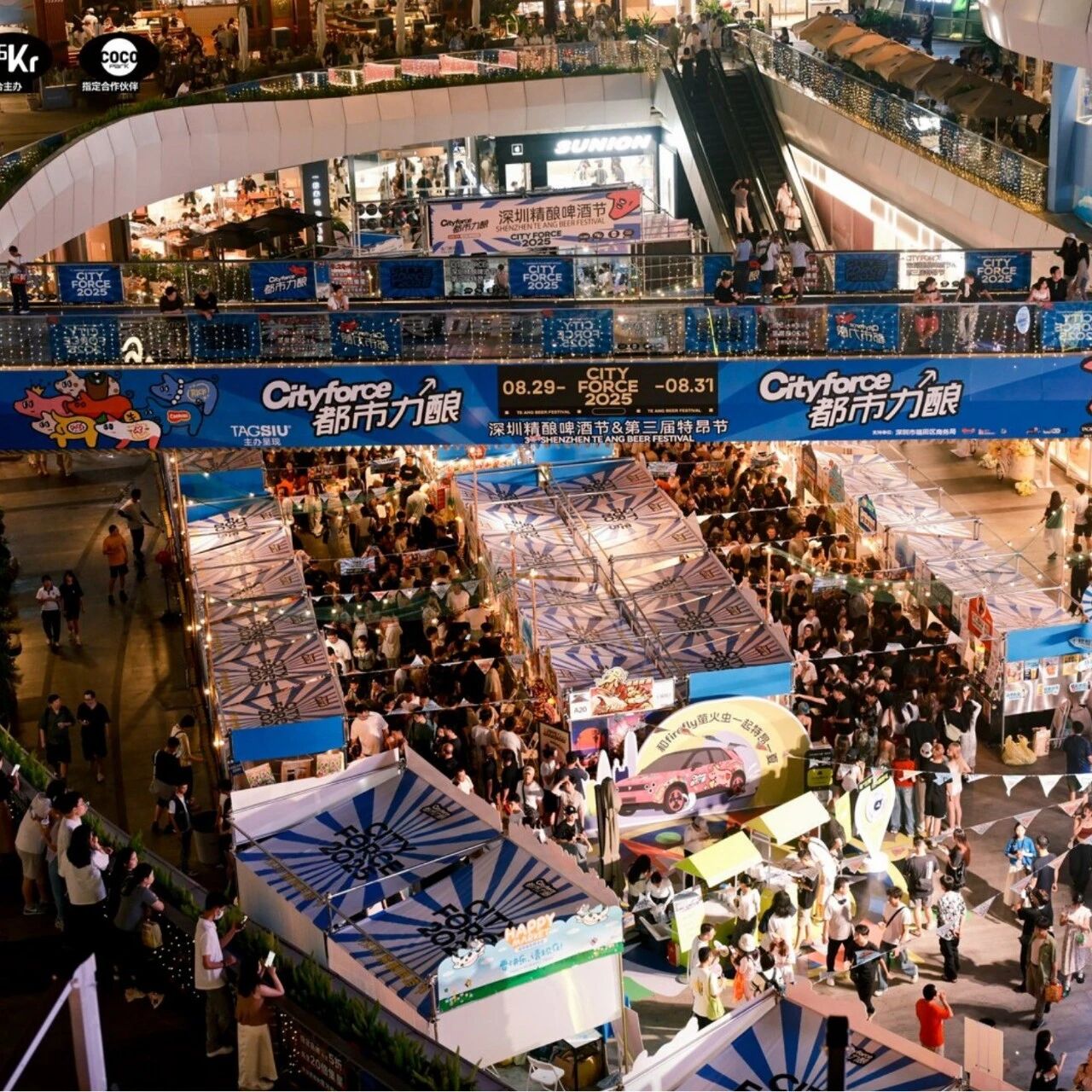
Core Viewpoint - The article emphasizes the importance of innovation and brand strength in driving new consumption patterns and enhancing urban consumer experiences, particularly in the context of the Shenzhen Urban Craft Beer Festival and the Third Shenzhen Teao Festival [5][10][14]. Group 1: Event Overview - The Shenzhen Urban Craft Beer Festival and the Third Shenzhen Teao Festival were held in collaboration with 36Kr and TAGSIU, aiming to explore new consumption scenarios and promote night economy development [3][5]. - The event featured various activities, including live music, robot performances, and social gatherings, designed to create engaging consumer experiences [10][11]. Group 2: Consumer Trends - The article notes a shift from "consumption downgrade" to "consumption grading," highlighting that consumers now prioritize quality-price ratios and are willing to pay for emotional value [6][8]. - Consumers are increasingly seeking innovative solutions and unique experiences rather than just products, indicating a demand for deeper emotional connections with brands [8][9]. Group 3: Innovation and Brand Strength - Innovation is described as essential for survival and growth, serving as a driver for differentiation in a competitive market [8]. - Brand strength is identified as a critical factor that amplifies the value of innovation, fostering consumer trust and loyalty [9]. - The relationship between innovation and brand strength is characterized as interdependent, where each element enhances the other, facilitating a brand's evolution from being known to being loved [9]. Group 4: Recognition of Brands - 36Kr recognized 32 representative brands from over 300 submissions, focusing on their core attributes of value depth and innovation strength [14][15]. - These brands span various sectors, including basic consumption, cultural entertainment, and new consumption fields, reflecting a comprehensive approach to consumer needs [16][17]. Group 5: Future Directions - The festival aims to integrate technology, culture, and commerce, establishing a sustainable business ecosystem that continues to observe and adapt to consumer trends beyond the event [21].
泸州老窖(000568)2025年中期业绩点评:蓄势攻坚 顺势而为
Xin Lang Cai Jing· 2025-09-02 02:42
Core Viewpoint - The company reported a decline in revenue and net profit for the first half of 2025, with a strategic focus on stabilizing prices and expanding market presence to navigate industry challenges [1][2][3]. Financial Performance - In H1 2025, the company achieved total revenue of 16.45 billion yuan, a year-on-year decrease of 2.7%, and a net profit attributable to shareholders of 7.66 billion yuan, down 4.5% year-on-year [1]. - Q2 2025 saw revenue of 7.10 billion yuan, a decline of 8.0% year-on-year, and a net profit of 3.07 billion yuan, down 11.1% year-on-year [1]. - The revenue growth rate in Q2 2025 slowed compared to Q1 2025 [1]. Product and Channel Analysis - For H1 2025, revenue from mid-to-high-end liquor decreased by 1.1% (volume: +13.3%; price: -12.7%), primarily due to price adjustments and promotional strategies for key brands [1]. - Other liquor categories experienced a revenue decline of 17.0% (volume: -10.8%; price: -6.9%), indicating a drop in both volume and price [1]. - Traditional and emerging channel revenues in H1 2025 decreased by 4.0% and increased by 27.6%, respectively, highlighting strong growth in new channels [1]. Profitability and Cost Management - The gross margin for H1 2025 decreased by 1.5 percentage points year-on-year, with a significant drop of 10.6 percentage points in the gross margin for other liquor categories [2]. - The sales, management, and period expense ratios for Q2 2025 decreased by 1.2 percentage points, 0.3 percentage points, and 2.5 percentage points, respectively, likely due to reduced advertising expenses [2]. - The net profit margin for H1 2025 decreased by 0.9 percentage points year-on-year, with Q2 2025 showing a decline of 1.5 percentage points, impacted by increased tax rates [2]. Strategic Focus - The company's 2025 strategic plan emphasizes price stability, market expansion, and brand enhancement, with a theme of "building momentum for growth and innovating for development" [2]. - The company aims to maintain the leading position of its flagship product, Guojiao 1573, in the high-end market and enforce strict pricing policies on e-commerce platforms [2]. Earnings Forecast and Investment Recommendations - The company is expected to generate revenues of 29.8 billion yuan, 31.6 billion yuan, and 33.6 billion yuan from 2025 to 2027, with net profits of 12.6 billion yuan, 13.3 billion yuan, and 14.2 billion yuan, respectively [3]. - The estimated earnings per share (EPS) for the same period are projected to be 8.5 yuan, 9.1 yuan, and 9.6 yuan [3]. - The target price for the company has been adjusted from 205 yuan to 187 yuan, maintaining a "better than market" rating with a 22x PE for 2025 [3].
