
经济增长目标

Search documents
9月经济:如何影响四季度政策布局?
Minsheng Securities· 2025-09-25 09:03
Economic Overview - The "924" policy has transformed the A-share market from "ice-breaking" to a "slow bull" phase, but economic recovery faces complex challenges from both domestic and international fronts[4] - External factors include weakened U.S. import demand and declining global trade momentum, while internal pressures involve manufacturing investment nearing growth thresholds and diminishing effects of "two new" policies[4] Export Performance - September's low base will provide a natural buffer for export growth, with resilience in non-U.S. demand supporting exports despite a slowdown in U.S. imports[4] - Container throughput at Chinese ports has increased, indicating a diversified trade structure and support from non-U.S. economies[4] Industrial Production - Industrial value-added growth is expected to slow in September due to weak external demand and internal "anti-involution" policies[5] - The Producer Price Index (PPI) is anticipated to narrow its decline, reflecting a potential turning point in industrial prices[5] Manufacturing and Retail - Manufacturing PMI is likely to rise in September due to seasonal factors, with a high probability of month-on-month increases[5] - Retail sales, particularly in home appliances and passenger vehicles, have entered negative growth territory, indicating a waning effect of "two new" policies and high base pressures[5] Real Estate and Investment - Real estate transactions remain at historical lows, with the "golden September and silver October" showing lackluster performance, although second-hand housing transactions exhibit resilience[6] - Manufacturing investment growth has slowed to 5.1% year-on-year, approaching the critical "around 5%" economic growth target, necessitating policy support for sustained growth[6] Infrastructure Investment - Infrastructure investment has faced downward pressure due to extreme weather and financing challenges, but recent indicators suggest a potential marginal improvement[7] - The upcoming policy measures are expected to mitigate investment downturns and support the annual economic growth target[7] Policy Outlook - There is potential for new policy tools to counteract current investment pressures and support the "around 5%" growth target[7] - Increased focus on technological innovation and support for emerging industries is anticipated ahead of the upcoming Fourth Plenary Session[7] Risk Factors - Risks include potential underperformance of policies, unexpected changes in domestic economic conditions, and fluctuations in export dynamics[7]
马达加斯加2026年财政法案预测经济增长率为4.8%
Shang Wu Bu Wang Zhan· 2025-09-20 04:19
Core Insights - The Madagascar government has set an economic growth target of 4.8% for the year 2026 [1] - The projected Gross Domestic Product (GDP) for 2026 is estimated to reach 100 trillion Ariary, equivalent to approximately 22.7 billion USD [1] Economic Forecast - The 2026 budget was approved by the Madagascar Council of Ministers [1] - The growth rate of 4.8% indicates a positive outlook for the country's economy in the coming year [1]
印尼局势趋稳,动荡的背后是经济问题?
Di Yi Cai Jing· 2025-09-04 04:32
Economic Context - Indonesia's economy is currently facing challenges, with a target growth rate of 8% for 2025 appearing increasingly unattainable due to weak household consumption and a significant decline in investment [1][6] - The economy grew by 4.87% year-on-year in the first quarter, but this represented a 0.98% contraction compared to the previous quarter, marking the lowest growth since Q3 2021 [6] - The government's "free lunch" program for students is expected to cost approximately $30 billion annually, which is about 14% of the national budget, raising concerns about the budget deficit nearing the legal limit of 3% of GDP [6] Social Unrest - The recent protests in Indonesia were triggered by the high housing allowance of 50 million Indonesian rupiah (approximately 21,795 RMB) provided to members of parliament, which is nearly ten times the minimum wage in Jakarta [3] - The protests escalated into violence after a tragic incident where a motorcycle taxi driver was killed by a military vehicle, leading to attacks on the homes of lawmakers, including Finance Minister Mulyani Indrawati [3][4] - Over 700 people were reported injured due to the protests, with damages to infrastructure estimated at around 55 billion Indonesian rupiah (approximately 23.96 million RMB) [4] Government Response - President Prabowo emphasized the need to maintain social order and public safety, announcing the cancellation of certain allowances for parliament members and the suspension of overseas trips for lawmakers [3][5] - The government is attempting to address public grievances and restore stability, with officials urging unity among citizens and a commitment to listening to public opinion [4][5] - Despite the unrest, the Coordinating Minister for Economic Affairs reassured that the economy remains on track, projecting a growth target of 5% to 5.2% for the year [6]


Q2货政报告,五大信号
HUAXI Securities· 2025-08-16 15:13
Policy Framework - The monetary policy maintains continuity and stability, focusing on implementation and detail, with a target growth rate of 5% for the year[1] - The emphasis has shifted from increasing credit to stabilizing credit support, indicating a structural adjustment in policy focus[2] Credit and Structural Tools - Structural tools are highlighted as key policy instruments, with support directed towards technology innovation, consumption, small and micro enterprises, and stabilizing foreign trade[2] - Loans in technology, green finance, inclusive finance, and digital sectors account for approximately 70% of new credit, replacing real estate and infrastructure as the main sources of credit growth[2] Efficiency and Cost Reduction - The report stresses the importance of preventing fund idling and improving the efficiency of monetary policy transmission, contrasting with previous reports that did not mention this[3] - The focus on reducing financing costs continues, with plans to enhance the central bank's policy rate guidance and improve the market-based interest rate formation mechanism[4] Economic Outlook - The external environment is described as increasingly complex, with weakened global economic growth and rising trade barriers, particularly due to U.S. tariffs[4] - Domestic demand remains insufficient, with ongoing risks and challenges in the economy, despite some positive signs in inflation trends[5] Inflation and Market Dynamics - The report indicates that inflation may see a reasonable rebound due to various factors, including the impact of policies aimed at boosting consumption and addressing low-price competition[6] - The overall monetary policy signals a focus on detailed implementation, maintaining previous levels of support while emphasizing structural adjustments to stimulate domestic demand[6]
中央政治局会议,如何影响你我
Di Yi Cai Jing Zi Xun· 2025-07-31 05:18
Core Viewpoint - China's economy demonstrated strong vitality and resilience in the first half of the year, achieving a GDP growth rate of 5.3%, with macro policies expected to continue to support growth in the second half [2][3] Economic Growth and Policy Measures - The Politburo meeting emphasized the need for proactive fiscal policies and moderately loose monetary policies to fully unleash policy effects [2][3] - Analysts suggest potential new measures such as interest rate cuts, increasing fiscal deficit ratios, and enhancing special bond issuance to boost domestic demand and counter external demand slowdown [2][3][4] Internal Demand and Consumption - The meeting highlighted the importance of effectively releasing internal demand potential and implementing actions to boost consumption, including support for service consumption and improving consumer environments [10][11] - The government plans to issue 690 billion yuan in special bonds to support consumption initiatives, with a focus on promoting new consumption models and enhancing consumer experiences [10][11] Foreign Trade and Investment - The meeting called for expanding high-level opening up and stabilizing foreign trade and investment, with specific support for foreign trade enterprises facing challenges [12][13] - Data showed that China's goods trade reached 21.79 trillion yuan in the first half of the year, with exports growing by 7.2% [13] Risk Management and Debt - The meeting stressed the need to prevent and mitigate risks in key areas, particularly regarding local government debt, while promoting urban renewal and infrastructure safety [6][7] - Emphasis was placed on balancing risk prevention with development, with a focus on eliminating hidden debts and ensuring the stability of financing platforms [7][8] Capital Market Development - The meeting aimed to enhance the attractiveness and inclusiveness of the domestic capital market, with reforms to attract international capital and more investors [8] - Key initiatives include promoting financial openness and deepening investment reforms to support long-term capital inflow [8]
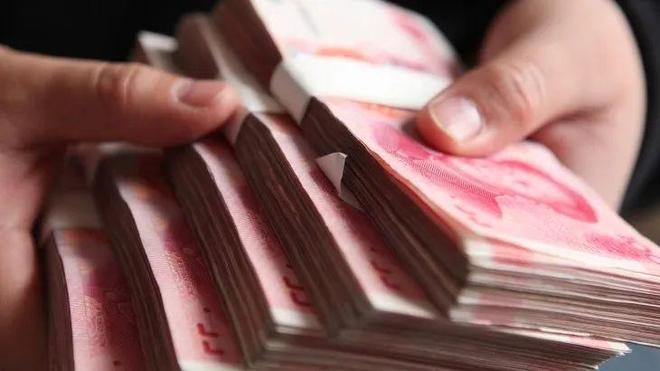
启铼研究院首席经济学家潘向东:全年目标可控,四季度政策加力无悬念
Sou Hu Cai Jing· 2025-07-26 02:55
Economic Performance - In the first half of the year, China's GDP reached 66.05 trillion yuan, growing by 5.3% year-on-year, laying a solid foundation for achieving the annual target of around 5% [1][2] - The economic performance exceeded external expectations, primarily driven by a rebound in consumption and exports, despite a slowdown in investment growth, particularly in real estate [1][2] Key Support Factors - The growth of 5.3% in GDP was supported by resilient exports and effective counter-cyclical policies that boosted domestic consumption and investment [2] - Final consumption expenditure contributed 2.72 percentage points to GDP, while capital formation added 1.28 percentage points, indicating that domestic demand is becoming the main driver of economic growth [2] Future Economic Outlook - Economic growth is expected to face downward pressure in the third and fourth quarters, but the good start in the first half makes the annual target of around 5% relatively controllable [3] - The implementation of "anti-involution" policies and increased fiscal support are anticipated to bolster investment and enhance consumption policies, potentially restoring domestic demand momentum [4][5] Trade Dynamics - In the first half of the year, China's exports grew by 7.2% while imports fell by 2.7%, with significant growth in machinery, high-end equipment, and "new three types" products [6][8] - The export structure is shifting towards high-tech and high-value-added products, reflecting improvements in manufacturing capabilities and competitiveness in mid-to-high-end industrial chains [6][7] Import Trends - The decline in imports is attributed to several factors, including falling international commodity prices, uneven recovery in domestic investment, and reduced reliance on imported technology and equipment due to domestic substitution [7][8] - As domestic consumption and investment gradually recover, imports of high-tech and high-quality consumer goods are expected to rebound [8] External Trade Strategy - The diversification of trade markets has shown effectiveness, with trade with Belt and Road Initiative countries reaching 11.29 trillion yuan, accounting for 51.8% of China's total foreign trade [8] - ASEAN has become China's largest trading partner, with exports to the region growing by 13% in the first half of the year, enhancing the resilience of China's foreign trade [8]
专访中财办原副主任尹艳林:减少政府对房地产市场的直接干预
21世纪经济报道· 2025-07-17 15:01
Core Viewpoint - The article discusses the economic outlook for China during the "14th Five-Year Plan" and the upcoming "15th Five-Year Plan," emphasizing the need for deeper reforms to address current economic challenges and set appropriate growth targets for the future [2][4][28]. Group 1: Economic Growth and Targets - The average economic growth rate during the "14th Five-Year Plan" is approximately 5.5%, with a target of around 5% for the current year [1][5]. - The GDP is expected to reach approximately 140 trillion yuan this year, marking significant growth from previous years [1][6]. - Experts suggest setting a growth target of around 5% for the "15th Five-Year Plan," considering the need to achieve modernization goals by 2035 [7][8]. Group 2: Effective Demand and Consumption - The article identifies insufficient effective demand as a major issue, driven by external pressures and weak domestic consumption, particularly in the real estate sector [10]. - Recommendations to boost effective demand include stabilizing the real estate market, increasing residents' income, and removing consumption restrictions [11][12]. Group 3: Real Estate Market Dynamics - The real estate market has shown signs of stabilization, with a decrease in the sales area and sales volume of new homes, but confidence still needs to be restored [20][21]. - Future strategies to support the real estate market include removing restrictive policies, reducing the financial burden on homebuyers, and enhancing financial support for housing projects [21][23]. Group 4: Service Industry Development - The service sector is increasingly important, and there is a need to align service supply with consumer demand by breaking down barriers to entry and encouraging investment [16][17]. - Policies should support the development of the service industry through financial incentives and reducing unnecessary regulatory hurdles [17][18]. Group 5: Deepening Reforms - The article emphasizes the importance of deepening reforms to address economic challenges, including enhancing the role of state-owned enterprises and promoting a unified national market [28][29]. - Key reform areas include improving market regulation, reducing government intervention, and expanding institutional openness to align with international standards [30].

21专访|潘向东:全年目标可控,四季度是政策加力的时点
2 1 Shi Ji Jing Ji Bao Dao· 2025-07-17 11:46
Economic Performance - In the first half of the year, China's GDP reached 66.05 trillion yuan, growing by 5.3% year-on-year, exceeding expectations and laying a solid foundation for achieving the annual target of around 5% [1][2] - The growth was primarily supported by a rebound in consumption and exports, despite a slowdown in investment, particularly in real estate [1][2] Policy Implications - The macroeconomic policy in the second half of the year needs to focus on enhancing effectiveness, particularly in fiscal support and consumption policies to stimulate demand [5][6] - The implementation of "anti-involution" policies and the resumption of state subsidies are expected to further support domestic consumption and investment [5][6] Export and Import Trends - In the first half of the year, exports increased by 7.2% while imports decreased by 2.7%, with strong performance in machinery, high-end equipment, and new energy products [7][8] - The export structure is shifting towards high-tech and high-value-added products, reflecting improvements in China's manufacturing capabilities [7][8] Future Outlook - The economic growth rate is expected to face downward pressure in the third and fourth quarters, but achieving the annual target remains relatively controllable due to a strong start [3][4] - The export growth is anticipated to maintain a moderate pace, with emerging markets continuing to drive trade growth [9]

越南总理:今年经济增长目标为8.3%至8.5%。
news flash· 2025-07-16 02:49
Group 1 - The Vietnamese government has set an economic growth target of 8.3% to 8.5% for this year [1]
7月16日电,越南总理表示,今年经济增长目标为8.3%至8.5%。
news flash· 2025-07-16 02:46
Group 1 - The Vietnamese Prime Minister has set the economic growth target for this year at 8.3% to 8.5% [1]