能源革命

Search documents
从“能源基地”到“绿能高地” 内蒙古深入推进能源革命
Xin Hua Cai Jing· 2026-01-12 06:57
Core Viewpoint - Inner Mongolia plays a crucial strategic role in national energy supply, contributing approximately one-sixth of the total energy production and one-third of the cross-regional energy transmission in China. The region is transitioning from a fossil fuel-based energy hub to a clean energy powerhouse under the guidance of the "Four Revolutions, One Cooperation" energy security strategy, supporting high-quality economic development and national energy security [1]. Group 1: Renewable Energy Development - Inner Mongolia's renewable energy capacity has seen significant growth, with installed capacity projected to reach over 170 million kilowatts by 2025, including wind power capacity exceeding 100 million kilowatts, marking a historic milestone [2]. - The region's renewable energy installed capacity surpassed that of thermal power for the first time, achieving 135 million kilowatts in 2024, a year ahead of schedule [2]. - Inner Mongolia has been designated as a key area for national renewable energy projects, receiving strong support from government policies and funding, which have accelerated the development of its renewable energy sector [2]. Group 2: Industrial Chain Development - Inner Mongolia is establishing a complete industrial chain for renewable energy equipment manufacturing, focusing on wind, solar, hydrogen, and storage technologies, which enhances the optimization and upgrading of the supply chain [3]. - The region's wind power equipment manufacturing industry has developed a comprehensive supply chain, with production capabilities including 91.53 million kilowatts of wind turbine main units and 6,450 sets of blades [3]. - The rapid establishment of a solar component factory in Hohhot exemplifies the growing completeness of Inner Mongolia's photovoltaic industry chain, with an expected annual supply capacity of 70 million kilowatts by 2025 [4]. Group 3: Energy Consumption and Utilization - Inner Mongolia aims to enhance the consumption and utilization of renewable energy by increasing power transmission, promoting local consumption, and improving regulatory capabilities [6]. - The region plans to generate 270 billion kilowatt-hours of renewable energy by 2025, with 90 billion kilowatt-hours earmarked for external transmission, reflecting a growth of over 40% [6]. - Innovative policies are being implemented to facilitate local consumption of renewable energy, including the development of integrated energy systems and the promotion of green hydrogen applications [6][7]. Group 4: Energy System Stability - Inner Mongolia is developing pumped storage power stations and new energy storage projects to enhance the stability of its power system, with a target of over 17 million kilowatts of new energy storage capacity by the end of 2025 [7]. - The region is focusing on constructing a modern energy industry system to ensure a stable energy supply and support the large-scale development and utilization of renewable energy [7].
首发|开年最大核聚变融资诞生了
Xin Lang Cai Jing· 2026-01-12 04:48
Core Viewpoint - Star Ring Fusion has successfully completed a Series A financing round of 1 billion yuan, setting a new record for single financing in China's private nuclear fusion sector [4][25][35]. Company Overview - Star Ring Fusion, founded by Tsinghua University alumni Chen Rui and Tan Yi, focuses on controllable nuclear fusion technology and has rapidly gained prominence in the investment community since its establishment in 2021 [5][9][25]. - The company has grown its research and development team from over 10 to more than 140 members, with over 70% holding master's or doctoral degrees [11][28]. Financing Details - The Series A round was led by Shanghai Guotou Company and Shanghai Kechuang Group, with participation from various investment institutions, including CICC Capital and Shanghai Jiading Science and Technology Investment Group [4][25][35]. - This financing round marks a significant milestone, as it surpasses previous records for private nuclear fusion financing in China [25][35]. Technological Advancements - Star Ring Fusion employs a compact spherical tokamak technology, which is expected to significantly reduce construction costs for fusion reactors, with projected costs around 1.5 billion yuan for next-generation devices [11][30]. - The company has developed a range of peripheral technologies for fusion reactors, including high-bandwidth isolation amplifiers and superconducting collection devices, which are gaining attention in various fields such as nuclear power and aerospace [12][31]. Future Plans - Star Ring Fusion aims to complete engineering validation by around 2028 and initiate the construction of a commercial demonstration reactor by 2032 [12][31]. - The company has established a strategic partnership with the Jiading District government to advance the development and industrialization of the CTRFR-1 fusion device [36]. Industry Context - Shanghai is emerging as a hub for nuclear fusion technology, with a robust ecosystem that includes nearly 200 nuclear-related enterprises and several research institutions [20][38]. - The Chinese government has set ambitious goals for the nuclear power industry, aiming for a scale of 60 billion yuan by 2027 and establishing Shanghai as a world-class nuclear power center [39].


开年最大核聚变融资诞生了
3 6 Ke· 2026-01-12 01:14
Core Insights - Star Ring Fusion has successfully completed a Series A financing round of 1 billion yuan, setting a new record for private nuclear fusion companies in China [1][11] - The company, founded by Tsinghua University alumni Chen Rui and Tan Yi, aims to commercialize nuclear fusion technology, which is considered the "ultimate energy" for humanity [1][16] - The financing round was led by Shanghai Guotou Company and other notable investors, highlighting the growing interest in nuclear fusion as a viable energy source [1][11] Company Background - Star Ring Fusion was established in 2021, evolving from previous entrepreneurial efforts by its founders in the nuclear fusion sector [3][8] - The company has rapidly expanded its research team from over 10 to more than 140 members, with over 70% holding advanced degrees [3][7] - The technology employed by Star Ring Fusion is based on a compact spherical tokamak design, which significantly reduces construction costs compared to traditional methods [3][6] Technological Development - The company is developing the CTRFR-1 fusion device, with plans to complete engineering validation by 2028 and establish a commercial demonstration reactor by around 2032 [8][12] - Star Ring Fusion has created a range of products related to fusion technology, including high-bandwidth isolators and superconducting collection devices, which support precision testing and data collection [7][8] Investment Landscape - The recent financing round has attracted significant attention from venture capital and private equity firms, indicating a robust interest in the nuclear fusion sector [1][11] - Previous funding rounds, including a multi-million angel round in 2022, have laid a strong foundation for the company's growth and development [10][11] - Investors are increasingly recognizing the potential of nuclear fusion as a strategic industry, with expectations for substantial returns as the technology matures [10][11] Strategic Partnerships - Star Ring Fusion has formed a strategic partnership with the Shanghai Jiading District government to advance the development and commercialization of fusion technology [12] - This collaboration aims to leverage government support in areas such as land, funding, and talent to accelerate the establishment of a fusion energy industry cluster [12][13] Industry Context - The nuclear fusion sector is gaining momentum globally, with significant investments and advancements being made in various countries, including the United States and China [16][17] - The potential of nuclear fusion to provide nearly limitless clean energy positions it as a critical component in the future energy landscape, especially in light of increasing energy demands from technologies like artificial intelligence [16][17]
首发|开年最大核聚变融资诞生了
投资界· 2026-01-12 01:00
Core Viewpoint - The article highlights the recent completion of a 1 billion yuan A-round financing by Xinghuan Fusion, marking a record for private nuclear fusion companies in China, and emphasizes the growing interest and investment in nuclear fusion technology as a potential ultimate energy source for humanity [2][13]. Group 1: Company Background - Xinghuan Fusion was founded in 2021 by Chen Rui and Tan Yi, both alumni of Tsinghua University, who aimed to commercialize nuclear fusion technology after recognizing the potential for significant societal impact [3][4]. - The company has rapidly expanded its research team from over 10 to more than 140 members, with over 70% holding master's or doctoral degrees, focusing on a compact spherical tokamak technology that promises lower construction costs compared to traditional methods [5][9]. Group 2: Recent Financing and Investment - The recent A-round financing was led by Shanghai Guotou and other notable investors, further establishing Xinghuan Fusion as a key player in the nuclear fusion sector and reflecting the increasing confidence in the commercialization of fusion energy [2][13]. - Previous funding rounds included a successful angel round in 2022 and a Pre-A round in 2024, with significant backing from various venture capital firms, indicating a growing interest in the nuclear fusion market [11][12]. Group 3: Technological Development and Future Plans - Xinghuan Fusion is developing a next-generation device with an estimated cost of around 1.5 billion yuan, significantly lower than traditional fusion reactors, and aims to complete engineering validation by 2028 and establish a commercial demonstration reactor by 2032 [9][10]. - The company has also developed a range of supporting technologies, including high-bandwidth isolation amplifiers and superconducting collection devices, which are crucial for the advancement of fusion research and its application in various industries [10]. Group 4: Industry Context and Significance - The article discusses the strategic importance of nuclear fusion as a potential solution to global energy challenges, with significant implications for future economic paradigms and international competition [17][18]. - Shanghai is emerging as a hub for nuclear fusion technology, with a comprehensive industrial chain and numerous research institutions, positioning itself as a leader in the global energy transition [15][16].
铜价狂飙65%!洛阳钼业市值破3700亿,背后是美国在囤货?
Sou Hu Cai Jing· 2026-01-11 21:46
Group 1: Copper Market Dynamics - Copper prices surged to $13,387.5 per ton in early 2024, marking a 65% increase from last year's low, fundamentally altering perceptions of the commodity market [1] - The global demand for copper is projected to increase by 40% by 2040, driven by the growth of new industries such as electric vehicles and data centers, while supply chain disruptions have heightened concerns about availability [3] - The dual drivers of rising copper prices are a weak dollar environment and significant copper stockpiling by the U.S., exacerbated by the Federal Reserve's interest rate cuts [3] Group 2: Company Performance and Valuation - Luoyang Molybdenum Co. has seen its market capitalization reach a historical high of 378.6 billion yuan, with its stock price increasing by 243%, reflecting a market reassessment of its value [1] - The company’s copper production is expected to grow by 55% year-on-year in 2024, positioning it among the top ten copper producers globally, with further capacity expansion anticipated [5] - Despite a market cap exceeding 370 billion yuan and a profit surge of 72% in the first three quarters of 2025, the company's valuation remains below half of its historical average, indicating potential for continued growth [5] Group 3: Industry Challenges and Future Outlook - Geopolitical instability, particularly in Venezuela, poses risks to copper prices and could lead to volatility in the market, impacting both suppliers and buyers [7] - The evolving U.S. tax policies on copper imports introduce uncertainty that may pressure Chinese companies' exports, complicating the market landscape [7] - The strategic importance of copper is increasingly recognized, with the industry experiencing a significant transformation, suggesting that only companies with robust resources and capabilities will thrive [9]

敢啃硬骨头的海辰储能,凭什么逼急电池龙头?
3 6 Ke· 2026-01-07 09:46
最近英伟达召开了一场闭门会,主题相当简单直接——讨论AI数据中心电力短缺的解决方案。 黄仁勋在会上直言,相比于中国在电力基础设施上的优势,如果美国不能解决电力紧缺的问题,将会失去算力的主导权。 而喊出类似担忧的不只英伟达一家,从马斯克到山姆奥特曼,从微软CEO萨提亚到谷歌的埃里克,都明确表达过美国电力紧缺的严峻现实。 今年7月和8月,中国的电力消耗连续冲破万亿大关,中国一个月的用电量,相当于英国与德国全年总和。英国《金融时报》写到:中国正垄断全球大半在 建发电设备,悄然成为人类历史上首个"电力王国"。 电力帝国的崛起背后,一场关乎能源革命终局的暗战已然打响。 与电力命脉深度绑定的储能行业,也正迎来颠覆性时刻。最近海辰储能董事长吴祖钰一句"未来5年内推动储能度电存储成本进入1毛钱时代"的宣言,也得 到了大量关注。 今年不到40岁的吴祖钰,是非常典型的技术派。 当光伏度电成本早已跌入"毛钱区间",风光发电的规模化铺设已无悬念,储能,这颗能源转型的最后一块拼图,终于站上了舞台中央。 这场关于"低价储能"的博弈,不光是技术参数的比拼,它关乎战略、关乎发展,更关乎未来。 有人赌它能撕开传统能源的防线,有人赌它不过是资本 ...

中金:资本市场风险偏好改善提振非银金融业绩表现
Zhi Tong Cai Jing· 2026-01-07 02:15
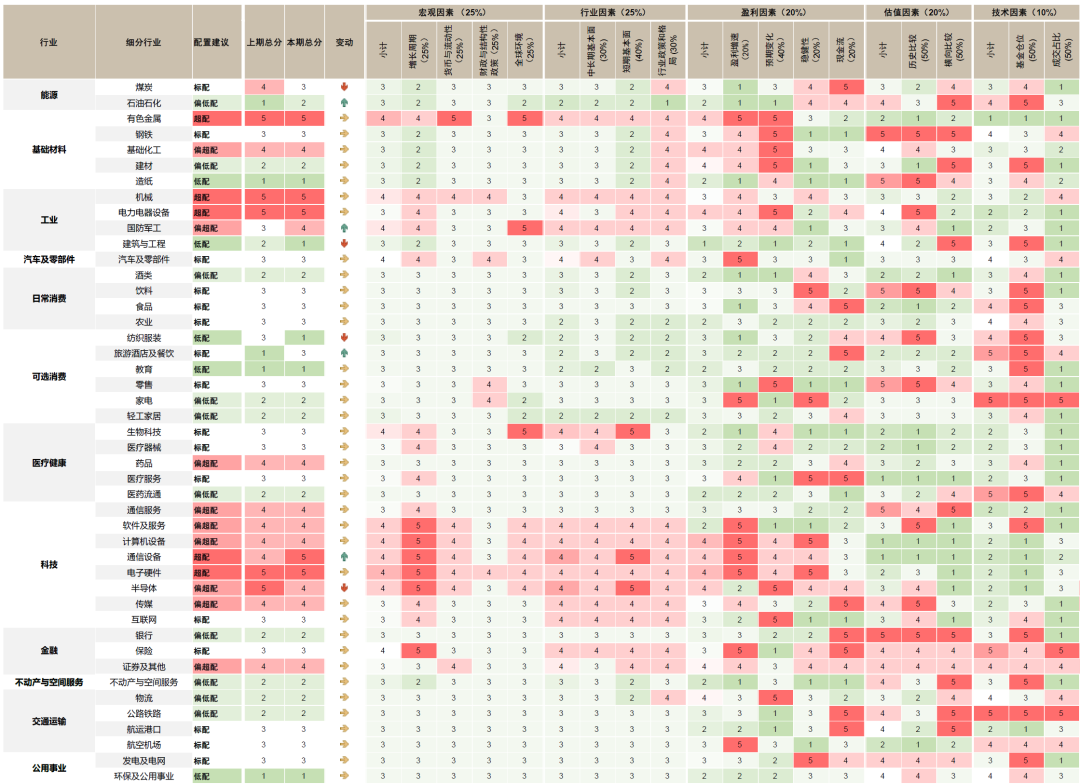
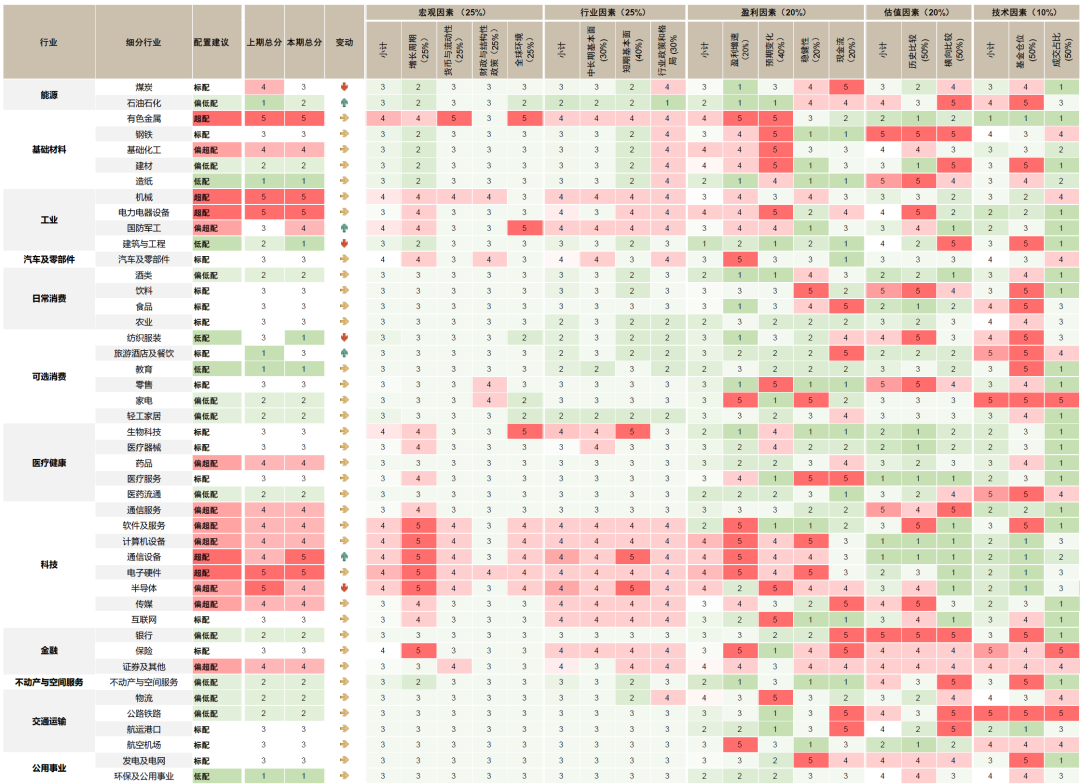
Core Viewpoint - The spring market trend in A-shares is expected to continue, with a focus on growth sectors and cyclical industries benefiting from policy support and market dynamics [1][2]. Industry Configuration Insights 1) Energy and Basic Materials - Demand expectations for thermal coal have weakened, leading to a price drop of 17% in December, while coking coal and coke prices increased by 4% and 8% respectively [11]. - The supply-demand mismatch, combined with monetary easing, has resulted in significant price increases for precious metals and industrial metals, with copper, aluminum, and lithium carbonate prices rising by 12%, 5%, and 26% respectively [13]. 2) Industrial Products - Domestic demand is structurally differentiated, with strong performance in emerging markets for manufacturing exports. Excavator sales increased by 19% year-on-year in November, while electric grid investment rose by 6% [4]. 3) Consumer Products - Traditional consumer sectors are facing challenges, with home appliance sales declining significantly in November, including a 25% drop in air conditioner sales [5]. - The central economic work conference emphasized expanding domestic demand as a priority, with specific policies aimed at increasing income and optimizing supply [5]. 4) Technology - Innovations in AI applications are emerging, with the semiconductor industry showing strong performance, as global semiconductor sales grew by 25% year-on-year in October [6]. - The demand for consumer electronics remains mixed, with smartphone sales up by 5% but declines in laptop and computer hardware sales [6]. 5) Financial Sector - Banks are attracting long-term capital due to their high dividend yields and stable earnings, with insurance premiums increasing by 7.6% year-on-year in November [7]. - The stock market's sentiment is stabilizing, with an average daily trading volume of 1.88 trillion yuan in December [7]. 6) Real Estate - The real estate sector is under pressure, with a 27% year-on-year decline in sales area for commercial housing in December, despite a 45% month-on-month increase [7]. - The central economic work conference highlighted the need to stabilize the real estate market and manage local government debt risks [7].
中金:A股春季行情有望延续 关注保险、券商
智通财经网· 2026-01-07 01:21
Core Viewpoint - The spring market trend in A-shares is expected to continue, with a focus on various sectors benefiting from technological advancements and policy support [1][2]. Industry Configuration Insights 1) Energy and Basic Materials - Demand expectations for thermal coal have weakened, leading to a price drop of 17% in December, while coking coal and coke prices increased by 4% and 8% respectively [10] - The supply-demand mismatch, combined with monetary easing, has resulted in significant price increases for precious metals and industrial metals, with copper, aluminum, and zinc prices rising by 12%, 5%, and 2% respectively [12] - The coal industry is undergoing structural optimization due to new regulations aimed at improving clean coal utilization [10] 2) Industrial Products - Domestic demand is showing structural differentiation, with excavator sales increasing by 19% year-on-year in November, while automotive sales grew by 3% [4] - The renewable energy sector is experiencing strong growth, with wind and solar installations increasing by 59% and 33% respectively [4] 3) Consumer Products - Traditional consumer sectors are facing challenges, with home appliance sales declining significantly; washing machines, refrigerators, and air conditioners saw year-on-year drops of 13%, 25%, and 25% respectively [5] - The central economic work conference emphasizes expanding domestic demand as a priority, with plans to enhance the supply of quality goods and services [5] 4) Technology - The AI application landscape is rapidly evolving, benefiting sectors like communication equipment, which is expected to gain from increased capital expenditure in North America [6] - The semiconductor industry remains robust, with global sales increasing by 25% year-on-year in October [6] 5) Financial Sector - Banks are attracting long-term capital due to their high dividend yields and stable earnings, with insurance premiums growing by 7.6% year-on-year in November [7] - The stock market is stabilizing, with an average daily trading volume of 1.88 trillion yuan in December [7] 6) Real Estate - The real estate sector is under pressure, with a 27% year-on-year decline in sales area for commercial housing in December [7] - The central economic work conference is focused on stabilizing the real estate market and addressing local government debt risks [7]
中金 | 1月行业配置:春季行情延续
中金点睛· 2026-01-06 23:47
Core Viewpoint - The improvement in market risk appetite in December suggests a continuation of the spring market trend, with a focus on growth-oriented stocks as liquidity conditions remain favorable [1] Group 1: Market Overview - The A-share market saw an increase in risk appetite, with the Shanghai Composite Index rising for eleven consecutive trading days, indicating the start of a year-end rally [1] - The central economic work conference has made positive statements regarding expanding domestic demand and stabilizing the real estate market, which is expected to improve earnings expectations for A-share listed companies [1] Group 2: Industry Performance 1) Energy and Basic Materials - Demand expectations weakened for thermal coal, leading to a price drop of 17%, while prices for coking coal and coke rose by 4% and 8% respectively [2] - Prices for various metals showed significant increases, with lithium carbonate up 26% month-on-month and 58% year-on-year, driven by supply tightness and demand expansion in high-end manufacturing [2][13] 2) Industrial Products - Domestic demand for excavators grew by 19% year-on-year, while automotive sales increased by 3%, with new energy vehicle sales rising by 21% [3] - The wind and solar power sectors saw substantial growth, with installed capacity increasing by 59% and 33% year-on-year respectively [3] 3) Consumer Products - Traditional consumer sectors are struggling, with home appliance sales declining significantly, such as washing machines and refrigerators down by 13% and 25% respectively [4] - The central economic work conference emphasized the importance of domestic demand, proposing plans to increase residents' income and optimize supply of quality goods and services [4] 4) Technology - The AI application sector continues to innovate, with significant growth in semiconductor sales, which increased by 25% globally and 15% in China year-on-year [5] - The gaming industry saw a record number of domestic game licenses issued, indicating a robust recovery in entertainment spending [5] 5) Financial Sector - Bank stocks are attracting long-term capital due to stable earnings and high dividend yields, with insurance premiums growing by 7.6% year-on-year [6] - The stock market's trading volume improved, with an average daily turnover of 1.88 trillion yuan in December [6] 6) Real Estate - Real estate sales in major cities fell by 27% year-on-year, with housing prices also declining, prompting the central government to focus on stabilizing the market and addressing risks [6] Group 3: Investment Recommendations - Focus on growth sectors such as AI technology, cloud computing infrastructure, and robotics, while also considering cyclical stocks in the real estate and consumer sectors [7] - Long-term investment in high-dividend companies is recommended, as market risk appetite improves, particularly in the non-bank financial sector [8]

隐藏在中国群山之下100万吨储量元素,足以让氢能和核能黯然失色
Sou Hu Cai Jing· 2026-01-03 14:01
Core Viewpoint - The discovery of a significant lithium deposit in the Daba mining area of Sichuan, with a confirmed lithium oxide reserve of 1.1207 million tons, positions China as a major player in the global energy landscape, particularly in the lithium battery sector [1][3]. Industry Summary - The Daba lithium mine's 1.1207 million tons of lithium oxide translates to approximately 5.6 million tons of battery-grade lithium carbonate, sufficient to meet global demand for over five years based on 2024 production estimates [3]. - Sichuan's lithium resources are not isolated, with the entire western Sichuan plateau having over 5 million tons of spodumene resources, accounting for over 80% of China's total [3]. - China's lithium reserves have increased from 6% to 16.5% of global totals, elevating its rank from sixth to second worldwide, significantly altering the distribution of lithium resources [5]. - China has established a comprehensive lithium battery supply chain, with over 70% of global shipments of key materials such as cathodes, anodes, electrolytes, and separators [5]. - In the power battery sector, Chinese companies hold six of the top ten global positions, commanding a market share of 68.79%, while South Korean and Japanese firms combined hold less than 20% [7]. - The emergence of the Sichuan lithium mine enhances China's already leading position in the global lithium battery industry, reducing reliance on imports and improving cost advantages and risk resilience [7]. - Lithium batteries outperform hydrogen and nuclear energy in current applications due to their efficiency, cost-effectiveness, and technological maturity, making them the primary driver of the energy revolution [9][11]. - The cost of lithium batteries has significantly decreased due to technological advancements, with the cost per kilowatt-hour now within a commercially viable range, further solidified by the new lithium resources [13]. - The development of Sichuan's lithium mines will bolster China's energy independence and enhance its influence in the new energy era, marking a pivotal moment in the ongoing energy revolution [15].