贸易反制

Search documents
刚刚!中方出手:对美船舶收取船舶特别港务费
证券时报· 2025-10-10 07:44
Core Viewpoint - The Ministry of Transport of China announced the implementation of a special port service fee for U.S. vessels starting from October 14, 2025, as a countermeasure against the U.S. imposition of port service fees on Chinese vessels, which is seen as a violation of international trade principles and agreements [1][2][5]. Summary by Sections Announcement of Special Port Service Fee - Starting from October 14, 2025, a special port service fee will be charged for U.S.-owned or operated vessels, including those with 25% or more U.S. ownership, U.S.-flagged vessels, and vessels built in the U.S. [1][2][5]. - The fee will be collected by the maritime management authority at the port of call in China [2]. Fee Structure - The fee will be charged per net ton, with the following phased implementation: - From October 14, 2025: 400 RMB per net ton - From April 17, 2026: 640 RMB per net ton - From April 17, 2027: 880 RMB per net ton - From April 17, 2028: 1120 RMB per net ton - For vessels calling at multiple Chinese ports in the same voyage, the fee will only be charged at the first port of call, with a maximum of five voyages per vessel per year subject to the fee [2][3]. Rationale Behind the Decision - The decision is a response to the U.S. Trade Representative's announcement of additional port service fees on Chinese vessels, which is viewed as unilateral and discriminatory, disrupting global supply chains and international trade order [5]. - The Ministry of Transport emphasizes that this measure is a legitimate action to protect the rights of Chinese shipping companies and calls for the U.S. to correct its actions [5].

10万吨单船靠港多付3500万,美对华船舶加征如何应对
Nan Fang Du Shi Bao· 2025-10-08 14:51
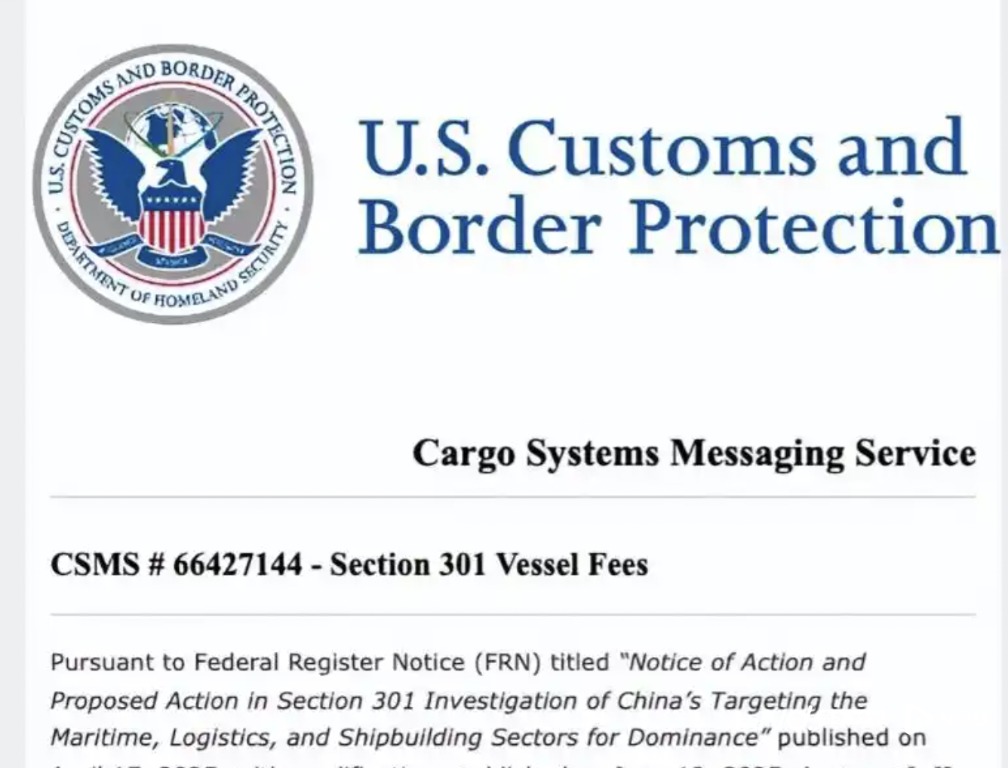
Core Viewpoint - The U.S. Customs and Border Protection (CBP) has announced a new fee policy for Chinese vessels, effective from October 14, which imposes three different fee structures, exempting only LNG carriers. This policy is expected to significantly increase shipping costs and impact global shipping dynamics, particularly affecting U.S.-China trade relations [1][6]. Fee Structure - The new fee policy includes three categories: - Category I: $50 per net ton for vessels owned or operated by Chinese entities - Category II: $18 per net ton or $120 per unloaded container for vessels built in China, whichever is higher - Category III: $14 per net ton for car carriers or roll-on/roll-off vessels [1]. - Shipping operators must pay these fees through the U.S. Treasury's Pay.gov platform three business days before arrival, or they will be denied loading or unloading [1]. Impact on Shipping Costs - According to Alphaliner, the policy will impose an additional annual cost of $3.2 billion on the world's top ten shipping companies, with COSCO and OOCL bearing $1.53 billion, nearly half of the total [2]. - For a 10,000 TEU container ship, the cost to dock at a U.S. port will be approximately $5 million, which is equivalent to an additional 4% tariff on U.S.-China trade [6]. Effects on U.S. Ports and Shipping Dynamics - The dual fee structure may lead shipping companies to adjust their vessel deployments, potentially reducing cargo throughput at major U.S. ports. A report indicates that the Port of Los Angeles may see a 12% month-over-month decline in throughput [7]. - The U.S. shipbuilding industry faces a significant cost disadvantage, with construction costs five times higher than in China, which may lead to job losses in U.S. port logistics and delays in infrastructure updates [7]. Response Strategies - China has revised its International Shipping Regulations to establish countermeasures against discriminatory practices, including reciprocal fees for U.S. vessels [8]. - Shipping companies are optimizing their fleets and adjusting routes to mitigate costs, with some transferring Chinese-built vessels to non-U.S. routes [8]. - The China Shipbuilding Industry Association is advocating for technological advancements and market diversification to counterbalance risks from the U.S. market [8]. Alternative Logistics Solutions - The China-Europe Railway Express is increasingly serving as an alternative logistics solution, with a 34% year-on-year increase in operations in the first three quarters of this year [9]. - New cross-border infrastructure projects are being developed to create a "land-sea linkage" trade logistics network, reducing reliance on single maritime routes [9].
美国大豆堆积如山,中方一单未下,特朗普发现不妙,错过最佳时机
Sou Hu Cai Jing· 2025-09-30 08:40
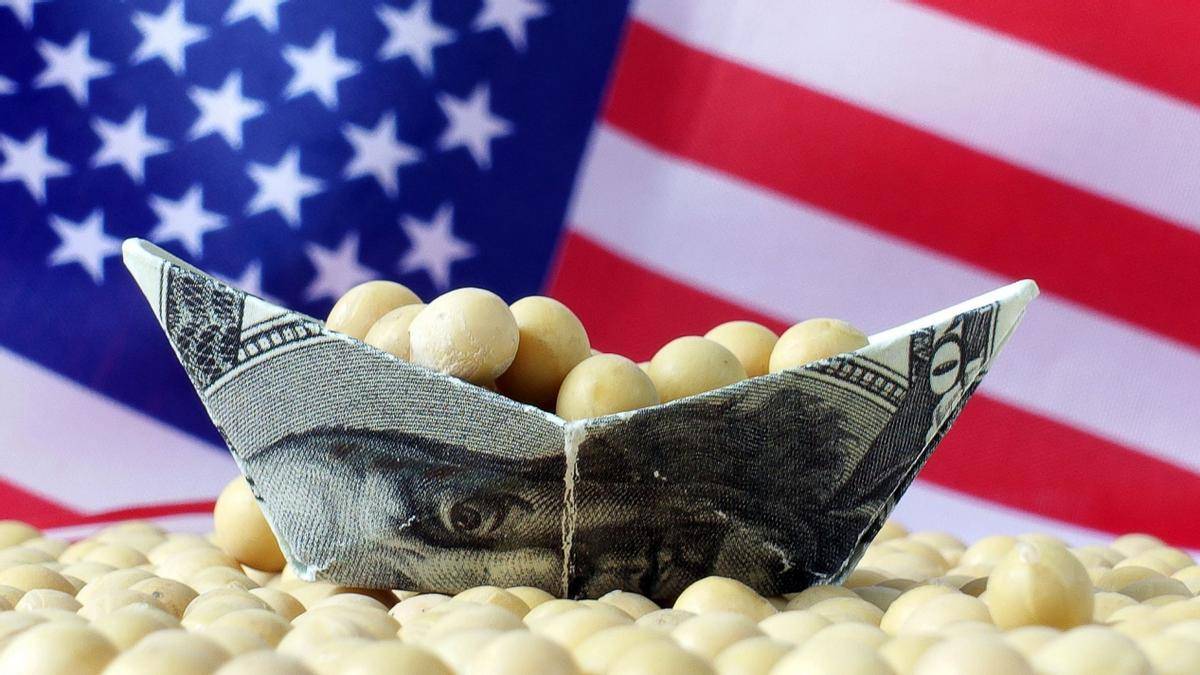
Core Viewpoint - The U.S. soybean industry is facing an unprecedented sales crisis, primarily due to the absence of orders from China, which has historically been a major buyer [1][3]. Group 1: Market Dynamics - China accounted for a significant portion of U.S. soybean exports, with 6.5 million tons of contracts signed at the same time last year, while this year the order volume is zero [3]. - The speed of market shift is alarming, with China importing 66 million tons of soybeans from Brazil in the first eight months of this year, representing 75% of Brazil's total exports [3]. - U.S. soybean exports have plummeted by over 60% year-on-year due to China's imposition of a 23% punitive tariff on U.S. soybeans, making U.S. prices nearly $100 per ton higher than South American soybeans [3]. Group 2: Economic Impact on Farmers - The cost of planting soybeans is $450 per acre, while market prices only cover $300, leading to significant financial strain on farmers [5]. - Brazilian port expansions and Argentina's cancellation of soybean export taxes are expected to further enhance price competitiveness against U.S. soybeans [5]. Group 3: Structural Weaknesses - The soybean market is highly seasonal, and missing the sales window forces farmers to sell at lower prices [7]. - China's shift towards diversified supply sources has reduced its dependency on U.S. soybeans from 85% to 80%, while U.S. soybean exports still rely 60% on China [9]. - The U.S. government is facing internal divisions regarding trade negotiations, with agricultural leaders advocating for urgent talks while trade representatives maintain a hardline stance [7]. Group 4: Political Ramifications - The upcoming midterm elections are causing concern among Republican lawmakers in agricultural states, as each unsold shipment of soybeans could translate to a loss of votes [9]. - The Trump administration's $12 billion agricultural subsidy is viewed as insufficient, covering only 30% of farmers' losses [7].
轮到中国反制了,订单直接清零,加税100%,加拿大高层要访华道歉
Sou Hu Cai Jing· 2025-09-28 11:36
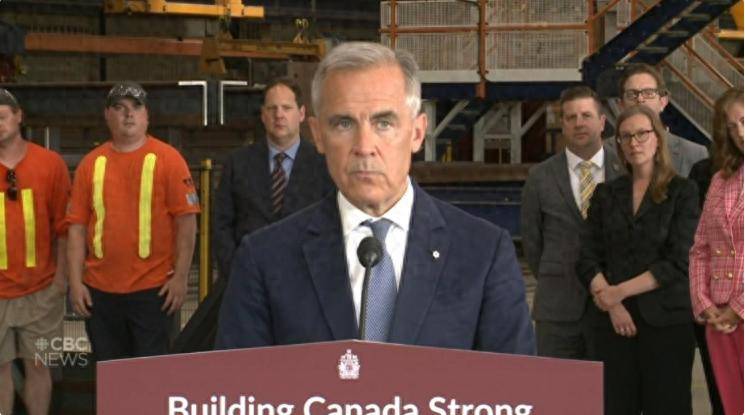
Group 1 - Canada has shifted its diplomatic stance towards China, seeking dialogue and reconciliation after experiencing economic repercussions from its previous hardline policies [1][15] - The Canadian government, under Prime Minister Carney, intensified trade sanctions against China, including imposing punitive tariffs of up to 100% on electric vehicles and 25% on steel and aluminum products [4][5] - The true motivation behind Canada's tariffs was to leverage its position for better access to the U.S. agricultural market, sacrificing its trade relationship with China [7] Group 2 - China's response to Canada's tariffs was swift and targeted, imposing 100% tariffs on Canadian canola oil and peas, and 25% on seafood and pork, significantly impacting Canadian exports [8][9] - The second round of Chinese countermeasures included a ruling on dumping, requiring Canadian companies to pay a deposit of 75.8% to continue exporting canola to China, leading to a complete halt in orders [9][11] - The agricultural sector in Canada faced severe consequences, with farmers in Saskatchewan suffering losses exceeding $30,000 each, and many processing companies going bankrupt due to the loss of orders [11][13] Group 3 - The political fallout from the economic crisis led to pressure on the Canadian federal government from provincial leaders and businesses to change its trade policies towards China [13] - The U.S. maintained high tariffs on Canadian steel and aluminum while threatening additional tariffs on Canadian lumber and dairy products, exacerbating Canada's economic challenges [13] - The Canadian government's recent overtures to China are seen as a desperate attempt to find a way out of the economic turmoil caused by its previous policies [15]
牺牲中国利益后,墨西哥好日子到头了,遭我方反制,美国背后补刀
Sou Hu Cai Jing· 2025-09-27 06:50
Group 1 - Mexico's President announced a significant trade policy adjustment, raising import tariffs on automobiles and certain industrial products to 50%, which observers link to U.S. trade pressures [1] - China's Ministry of Commerce responded with anti-dumping investigations on pecans from Mexico and the U.S., potentially impacting exports significantly if dumping is confirmed [2] - China is also conducting a comprehensive review of Mexico's recent trade protection measures, which could lead to retaliatory tariffs and affect investor confidence in Mexico [2] Group 2 - Analysts note that Mexico's economic growth has been driven by its geographical advantage and low labor costs, but current government policies may undermine these benefits by sacrificing relationships with other trade partners [3] - The Mexican government is facing consequences for its policy choices, including a decline in its business environment rating and warnings from economists about the risks of unilateral protectionism [4] - Amidst these trade policy challenges, the U.S. has intensified immigration controls, highlighting Mexico's precarious position as a subordinate ally in U.S. strategic interests [6]
成山的猪肉堆在冷库卖不动,欧洲没有想到,中国的反制会这么疼
Sou Hu Cai Jing· 2025-09-15 13:07
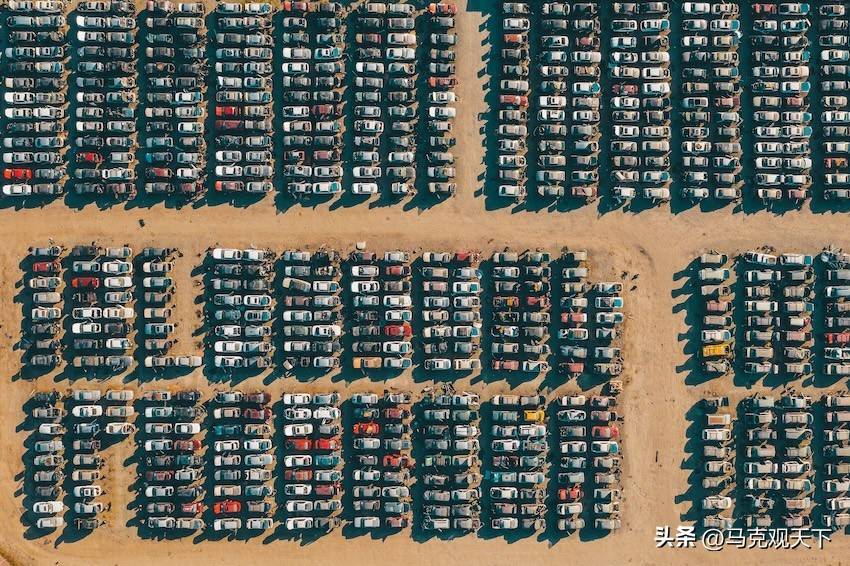
Group 1 - The Chinese government has imposed a preliminary anti-dumping tax of 62.4% on European pork imports, significantly impacting the European pork industry [1][3] - The tax rates vary by country, with Spain at 15.6%, Denmark at 31.3%, and the Netherlands at 32.7%, while non-compliant companies face the full 62.4% [3] - The restriction on pork imports from China, which accounts for a quarter of the EU's pork export market, has led to a surplus of pork in Europe, signaling a potential industry downturn [3][6] Group 2 - European by-products such as pig ears, noses, and offal, which have low local demand, are highly sought after in China, creating a significant market dependency [6] - The increase in tariffs has resulted in a loss of the primary buyer for these by-products, leading to a cash flow crisis for European producers as both primary and secondary products become unsellable [6] - The European stance towards China is characterized by a conflict between following U.S. pressure and the necessity of maintaining access to the Chinese market [8][11] Group 3 - Europe is heavily reliant on China as a major trade partner, particularly in sectors like automotive, machinery, and luxury goods, making the current situation critical for its economy [8] - The U.S. is pressuring Europe to align with its policies against China, which could exacerbate Europe's economic challenges while benefiting U.S. interests [9][11] - The European dilemma involves balancing the need to maintain economic ties with China while managing the geopolitical pressures from the U.S. [11]
有救了?中方限制稀土后,欧盟找到“新矿”,不在欧洲也不在亚洲
Sou Hu Cai Jing· 2025-09-11 12:46
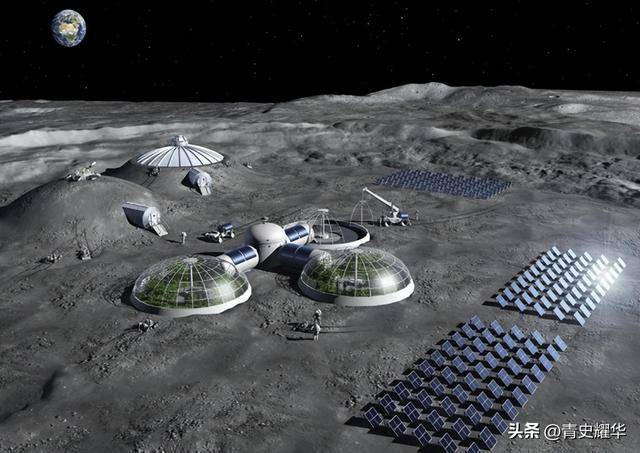
Group 1 - China's export control on rare earth elements has significantly impacted the EU's high-tech industries, particularly in electric vehicles and renewable energy sectors, with 92% of the EU's rare earth permanent magnets relying on imports from China [2][11] - The EU's attempt to impose high tariffs on Chinese electric vehicles led to a retaliatory reduction of 80% in China's rare earth export quotas, which has severely affected European automotive manufacturers [9][7] - The EU's dependency on China for rare earth elements has been highlighted as a critical vulnerability, especially as the EU faces rising industrial electricity costs and a lack of alternative sources [4][11] Group 2 - The EU has proposed a plan for lunar mining to alleviate its resource dependency, aiming to extract rare earth elements and helium-3 from the moon, which has sparked skepticism from the international community [13][15] - The timeline for the EU's lunar mining initiative includes launching a lunar probe by 2030 and establishing a small lunar base by 2040, which is a significant acceleration from previous deep space exploration plans [19] - However, the technical, economic, and legal challenges of lunar mining are substantial, with current costs for lunar mining projected to be significantly higher than terrestrial mining [21][23][25] Group 3 - The lunar mining initiative reflects a broader geopolitical struggle for resource control, with the US seeking to influence the rules of space resource utilization through the Artemis Accords, while Russia and China oppose the privatization of lunar resources [29][31] - China's strategy includes strengthening its rare earth processing capabilities and expanding its presence in the European renewable energy market, which undermines the effectiveness of EU trade protection measures [31][33] - The EU's reliance on lunar mining as a solution to its immediate resource crisis indicates a strategic anxiety, as the demand for rare earth elements is expected to triple in the next five years, with no viable alternative supply chains established by 2030 [33]
美欧韩日泰想不到!中方刚办完国际盛会,关税清单就已杀到
Sou Hu Cai Jing· 2025-09-04 22:55
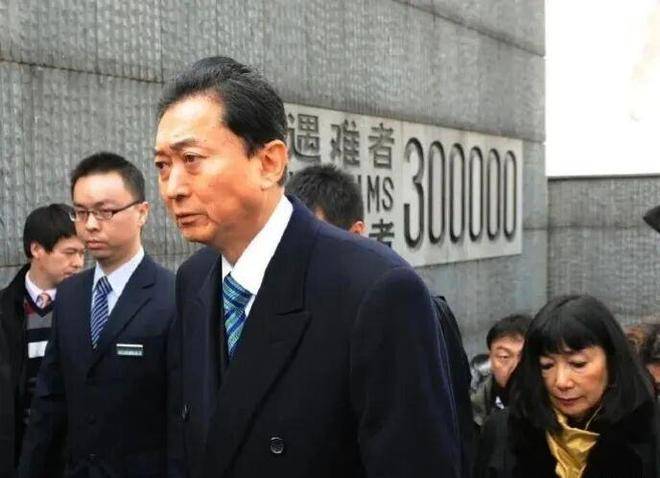
Group 1: Strategic Art and Diplomatic Engagement - China is showcasing its strategic capabilities through hosting major international events while simultaneously implementing precise countermeasures against countries attempting to isolate it diplomatically [1][3] - The gathering of over twenty national leaders in Beijing to commemorate the victory over fascism demonstrates China's strong international relationships and its ability to counter isolation attempts [3] - The visit of a former Japanese Prime Minister, who previously apologized for historical invasions, serves as a diplomatic highlight, exposing the hypocrisy of countries that attempt to isolate China while maintaining double standards [3] Group 2: Tariff Measures and Economic Sovereignty - China’s Ministry of Commerce announced significant anti-dumping tariffs on phenol products from the US, EU, South Korea, Japan, and Thailand, with some rates exceeding 100% [4][5] - The imposition of tariffs on phenol, a critical raw material for various industries, reflects China's commitment to protecting its domestic industries and economic security [4][8] - The response from affected countries varies, with some expressing disappointment while others remain cautious, indicating the importance of the Chinese market and the potential impact of these countermeasures [7] Group 3: Global Supply Chain and Industry Protection - The competition over phenol is not just about market prices but also concerns the control over the global supply chain [8] - China's investigation into low-priced phenol imports highlights the disruption to domestic market order and the need to protect local production to maintain economic stability [8] - The exclusion of the UK from the extended tariff list signals a targeted approach, indicating that countries cooperating with China may benefit while those provoking it will face consequences [8] Group 4: Combination of Soft and Hard Power - The simultaneous occurrence of diplomatic events and tariff announcements reflects a well-thought-out strategy combining soft and hard power [9] - China is demonstrating a new model of international relations, balancing assertiveness in defending its interests with diplomatic engagement [9][10] - Specific examples include China's response to the US trade war by significantly increasing tariffs and controlling rare earth exports to maintain leverage in high-tech sectors [10][11] Group 5: Redefining Global Power Dynamics - China is reshaping the rules of global power dynamics, emphasizing strategic precision and economic interconnections to influence international politics [13][15] - The approach is not about seeking hegemony but dismantling existing hegemonic structures, indicating a shift in how global power is perceived and exercised [15][17] - The message is clear: countries attempting to maintain outdated power dynamics must reconsider their strategies in light of China's assertive stance [17]
中美贸易战休战背后:为啥欧盟加拿大日本被反咬一口?
Sou Hu Cai Jing· 2025-08-25 07:43
Group 1 - The trade tensions between China and the US have seen a shift after six months, with Trump realizing that confrontation has not yielded expected results, leading to concessions such as extending tariff exemptions on certain Chinese goods [1][3] - China's recent announcements targeting the EU, Canada, and Japan have raised confusion among Western media, as these actions seem contradictory to the easing of US-China relations [5] - Canada faces significant economic challenges due to China's imposition of a 75.8% deposit on canola seed imports, effectively closing its market, which previously accounted for $5 billion in exports [7][9] Group 2 - China's strategic choice to target the canola seed industry stems from Canada's alignment with US policies, particularly in response to tariffs on steel and aluminum [9] - The EU has also been impacted, with China retaliating against sanctions imposed on its financial institutions by blacklisting two banks from Lithuania, showcasing a more assertive legal approach [11] - Japan is experiencing increased scrutiny on its automotive parts exports to China, prompting companies to seek alternative production lines in Southeast Asia to reduce dependency [14] Group 3 - The events highlight the reality that there are no true allies in trade, as the EU and Japan's support for US policies has led to targeted retaliatory measures from China [16] - China's actions serve as a reminder to countries attempting to exploit trade relationships, emphasizing the potential consequences of their decisions [18] - The repercussions of these trade dynamics are evident, with Canadian farmers facing market losses, Japanese companies adjusting supply chains, and EU banks losing clients, illustrating the complexities of international trade relationships [19]
喊话中国也没有反应,加拿大省长决定亲自出面:我要去中国谈判
Sou Hu Cai Jing· 2025-08-24 05:21
Group 1 - China's recent trade countermeasures against Canada have caused significant turmoil, particularly affecting the canola seed exports, which faced a major setback due to a new margin system implemented by China [1] - Canada exported 4 million tons of canola seeds, and the new measures have nearly eliminated their chances of continuing exports to China, which is critical as 65% of Canada's canola seed exports rely on the Chinese market [2][3] - The Canadian government, represented by Prime Minister Carney, has expressed a willingness to engage in constructive negotiations with China, but there has been no progress from the Chinese side, leading to increased anxiety among Canadian farmers [3][4] Group 2 - The Saskatchewan Premier has announced plans to visit China to persuade the Chinese government to lift the anti-dumping measures on Canadian canola seeds, as the current situation poses a severe threat to the Canadian canola industry during the harvest season [4] - There are doubts regarding the effectiveness of the Premier's visit, as many believe that China's response is more of a retaliation against Canada's unfriendly actions rather than a genuine negotiation opportunity [4][5] - Canada's previous unfriendly measures towards China, including unwarranted tariffs, have severely damaged mutual trust, making it difficult to rebuild relationships and complicating future negotiations [5][6] Group 3 - China has diversified its canola seed import sources, with Australian canola seeds now entering the Chinese market, which poses a competitive threat to Canadian exports [5] - Recent purchases of approximately 50,000 tons of Australian canola seeds by Chinese companies highlight the advantages in price and supply stability, further impacting Canada's market share [5] - Successful negotiations could signal a thaw in China-Canada trade relations and open pathways for resolving other trade disputes, while a breakdown in talks would exacerbate trade tensions and hinder cooperation [6]