即时零售

Search documents
即时零售要的不是“快仓”,而是“对的供给”
Sou Hu Cai Jing· 2025-12-12 05:35
Core Insights - The core focus of the article is on the operational strategies and necessary adjustments brands must make to effectively utilize Meituan's lightning warehouse model for instant retail, emphasizing the importance of adapting to local consumer needs and supply chain efficiency [1][27]. Group 1: Instant Retail Model - Meituan's lightning warehouse represents a new form of front warehouse that integrates online demand, with a target of approximately 100,000 stores and a transaction scale of around 200 billion yuan by 2027 [7]. - The primary consumer demographic for lightning warehouses is individuals aged 18 to 35, who have a strong preference for instant gratification and online shopping [7][8]. - Instant retail differs fundamentally from traditional e-commerce by focusing on localized supply and scenario-based matching, rather than just speed [5][8]. Group 2: Four Essential Courses for Brands - The first essential course is to restructure the product assortment to fit instant retail, focusing on packaging, pricing, and differentiation from existing channels [13]. - The second course emphasizes the importance of distribution and service, ensuring that products are not only available but also supported by effective service capabilities [14][16]. - The third course is about driving sales through targeted marketing strategies that align with consumer scenarios, ensuring that products not only enter the market but also sell effectively [17][19]. - The fourth course focuses on supply assurance, ensuring consistent availability, reliable fulfillment, and dependable after-sales service to build consumer trust [20][21]. Group 3: Internal and External Collaboration - Internally, brands need to unify their understanding of instant retail's value and restructure their organizational and profit-sharing frameworks to avoid conflicts [23][24]. - Externally, brands should collaborate with capable service providers and utilize platforms like "Lightning Help" to enhance supply chain efficiency and connect with local stores [26][27]. - The transition in instant retail is shifting from merely competing on speed to enhancing supply capabilities, requiring brands to adapt their strategies accordingly [27][28].

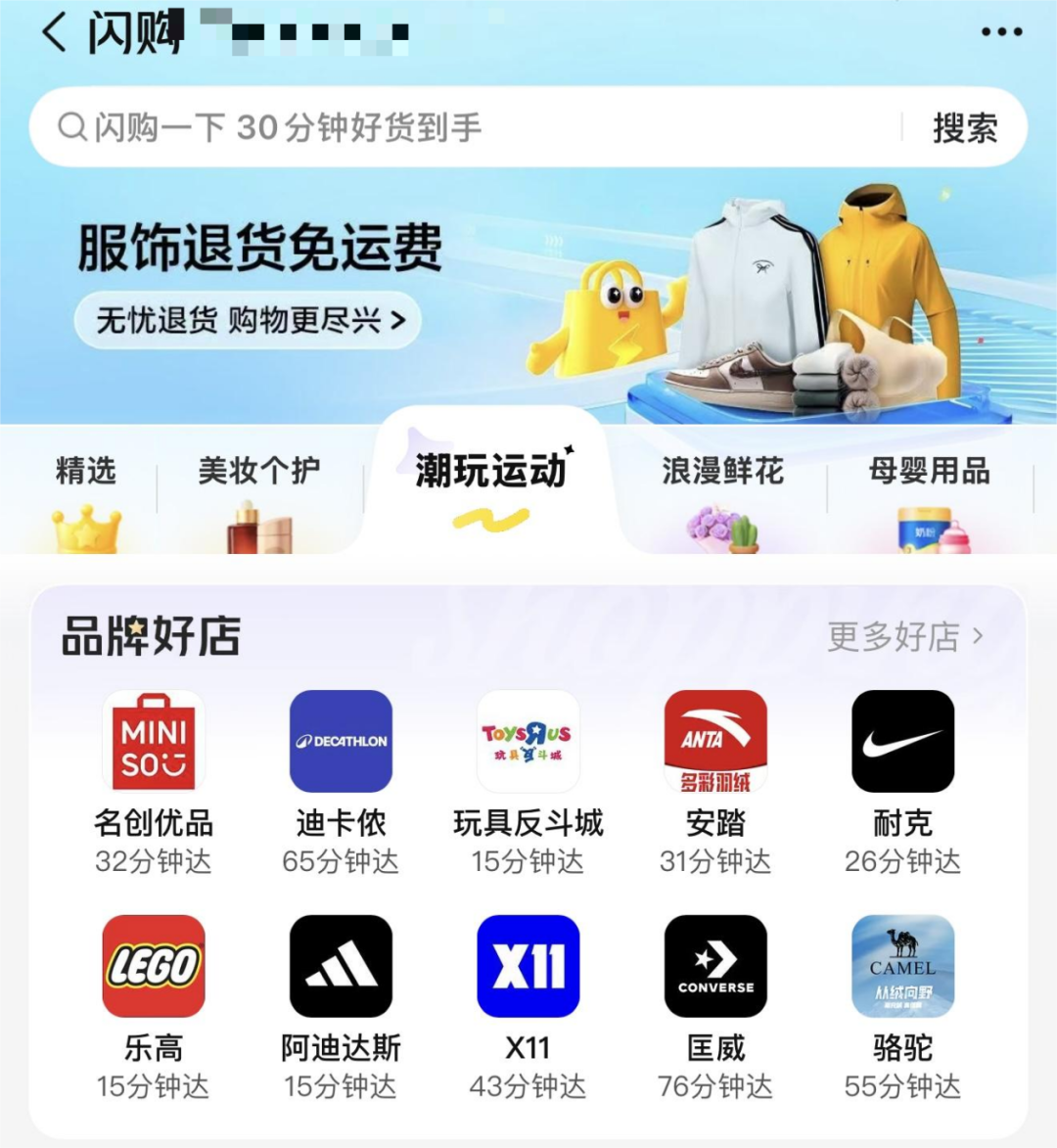
苹果“闪送” 老江湖求解新问题
Bei Jing Shang Bao· 2025-12-11 15:29
Core Viewpoint - Apple has officially launched a free three-hour delivery service in mainland China, marking its entry into the competitive instant retail market, despite not being an e-commerce platform [1]. Group 1: Market Dynamics - The instant retail sector in China is rapidly evolving, with significant financial backing from major players like Alibaba, JD.com, and Meituan, which has influenced both consumer behavior and brand strategies [1]. - The competition in the smartphone market has intensified, with product differentiation diminishing, leading to a focus on channels and services as key competitive factors [2]. - The shift from a growth market to a saturated market has changed the perception of channel strategies, making them essential for building barriers to entry [2]. Group 2: Apple's Strategic Response - Apple's introduction of the "flash delivery" service is a direct response to the challenges posed by competitors, emphasizing the need for refined and localized channel strategies [3]. - The company's previous reliance on brand power and product appeal is no longer sufficient, necessitating a more proactive approach to customer engagement and service [3]. - The changing consumer expectations, such as the demand for rapid delivery, have become a new standard in the market, impacting how brands, including Apple, must operate [2].

【西街观察】苹果“闪送”,老江湖求解新问题
Bei Jing Shang Bao· 2025-12-11 13:29
Core Viewpoint - Apple has officially launched a free three-hour delivery service in mainland China, marking its entry into the competitive instant retail market, despite not being an e-commerce platform [1]. Group 1: Market Dynamics - The instant retail sector in China is rapidly evolving, with significant financial backing from major players like Alibaba, JD.com, and Meituan, which has influenced consumer behavior and expectations [1][2]. - The competition landscape has shifted, with the smartphone market entering a phase of product revolution, where differentiation is minimal, leading to a focus on channels and services [2][3]. Group 2: Apple's Strategy - Apple's new delivery service, termed "flash delivery," is a response to the changing market dynamics and the need for refined channel strategies to remain competitive [3]. - The company is adapting to local market trends, recognizing that successful brands must align closely with evolving consumer expectations, particularly in the context of instant retail [2][3]. Group 3: Consumer Behavior - The rise of instant retail has transformed consumer shopping habits, with expectations for rapid delivery becoming a standard across various product categories, including high-value electronics [2]. - The competition for consumer attention has intensified, with platforms like Meituan and JD.com vying to be the fastest to deliver new Apple products, indicating a shift in consumer loyalty [3].
京东买药秒送联合25家知名药企成立“流感药品保供稳价联盟”
Zheng Quan Ri Bao Wang· 2025-12-11 11:46
Core Insights - The article highlights the establishment of the "Influenza Drug Supply and Price Stability Alliance" by JD Health in response to a significant rise in influenza cases across 17 provinces in China, with a positive detection rate of 51% for flu-like symptoms in outpatient cases [1][2] - The alliance aims to ensure the stable supply and pricing of influenza-related medications and protective supplies through collaboration with 25 well-known pharmaceutical companies [1] - JD Health is also enhancing its delivery services to meet urgent medication needs, promising delivery within as fast as 9 minutes, and is offering complimentary warm water with orders in select cities [2] Group 1 - The "Influenza Drug Supply and Price Stability Alliance" was formed to address the high demand for flu-related medications and ensure their availability and price stability [1] - The alliance includes a wide range of products, such as prescription drugs, OTC medications, masks, and disinfectant gels, to cover all aspects of flu prevention and treatment [1] - JD Health and alliance members are committed to resisting unreasonable price increases and implementing strict price monitoring for flu-related products [1] Group 2 - JD Health is increasing frontline delivery capacity to meet urgent medication needs, with delivery times as short as 9 minutes [2] - The company is upgrading its service experience by offering complimentary warm water with orders in major cities until March 2026, enhancing customer care during the flu season [2] - The comprehensive response system includes drug supply assurance, price stability, rapid delivery, and humanistic care to support the public during the flu outbreak [2]

即时零售迎“奇点”,巨头激战正酣
Zhong Guo Ji Jin Bao· 2025-12-11 08:32
Core Insights - The instant retail market is projected to reach 971.4 billion yuan by 2025, with a year-on-year growth of 24.4%, nearing the trillion yuan mark [1][3] - Major e-commerce platforms are heavily investing in instant retail, with Alibaba, JD, and Meituan collectively spending nearly 60 billion yuan in Q3 this year [3] - Instant retail is evolving from a decade-long journey of O2O and community group buying to a more robust business model that emphasizes speed and convenience [3][4] Market Expansion - The instant retail industry is experiencing rapid growth, with expectations to hit 2 trillion yuan by 2030, maintaining a compound annual growth rate of 25% [3] - The shift towards instant retail is reshaping investment values in sectors like beauty, apparel, and food and beverage [2][3] Consumer Behavior - The "post-95" generation prioritizes delivery speed, with over 50% wanting same-day or even half-day delivery, indicating a strong demand for instant retail services [3][4] - Instant retail aligns with the consumer desire for immediate gratification, enhancing the shopping experience for younger demographics [4] Channel Transformation - The beauty and personal care sector is rapidly adopting instant retail due to its product characteristics, such as high price points and urgent demand scenarios [5] - Sportswear brands like Li Ning and Anta are also entering the instant retail space, leveraging local store networks for quick delivery [5][7] Operational Innovations - Qingdao Beer has successfully integrated instant retail, achieving a tenfold increase in GMV from 2 billion yuan to nearly 20 billion yuan in five years, with a compound annual growth rate exceeding 50% [8] - Instant retail is enabling traditional retail businesses to transition from a "goods and venue" mindset to an "instant service" model [9] Competitive Landscape - The instant retail market is currently characterized by intense competition, with major players engaged in a subsidy war that has led to significant cash flow challenges [11][12] - Despite increased sales through instant retail channels, many companies are struggling with profitability due to high platform fees and operational costs [12] Strategic Recommendations - Retail brands need to explore business models that are more compatible with instant retail and enhance their supply chain capabilities to thrive in this evolving landscape [12]

价值研究所|即时零售迎“奇点”,巨头激战正酣
Zhong Guo Ji Jin Bao· 2025-12-11 08:31
Core Insights - The instant retail market in China is projected to reach 971.4 billion yuan by 2025, with a year-on-year growth of 24.4%, nearing the trillion yuan mark [2][3] - Major e-commerce platforms are heavily investing in instant retail, with Alibaba, JD, and Meituan collectively spending nearly 60 billion yuan in the third quarter of this year [3] - The business model of instant retail, which focuses on rapid delivery from local warehouses, has evolved over the past decade and is now gaining traction among consumers, particularly the younger demographic [4][5] Market Expansion - The instant retail sector is expanding rapidly, with expectations to reach 2 trillion yuan by 2030, maintaining a compound annual growth rate of 25% [3] - Instant retail has transitioned from a focus on fresh produce to a broader range of products, including beauty and apparel, which are well-suited for quick delivery due to their high demand for timeliness [5][7] Consumer Behavior - The younger generation, particularly those born after 1995, prioritize delivery speed, with over 50% expecting same-day or even half-day delivery [3][4] - Instant retail aligns with the "immediate purchase and delivery" mindset of younger consumers, enhancing their shopping experience and brand loyalty [4] Channel Transformation - The shift towards instant retail is prompting a re-evaluation of market shares, with brands that embrace new channels likely to stand out [5] - Beauty products are among the fastest-growing categories in instant retail due to their high price points and urgent demand scenarios [5][7] Operational Innovations - Companies like Qingdao Beer have adapted their operations to leverage instant retail, achieving a nearly tenfold increase in gross merchandise volume (GMV) from 2 billion yuan to approximately 20 billion yuan over five years [8] - Instant retail is also enabling traditional retail businesses to transition from a "goods and venue" mindset to an "instant service" model, opening new growth avenues [8][10] Competitive Landscape - Despite the rapid growth, the instant retail sector is still in its early stages, with major players engaged in a subsidy war that raises questions about long-term profitability [10][11] - Retail brands face challenges from high platform fees and competition from e-commerce platforms that are also developing their own private label products, which can undermine traditional brands [11] Future Outlook - The future of retail is expected to be multi-faceted, with no single model completely replacing the others, as companies strive to find business models that fit the instant retail paradigm [11] - Companies that can enhance their supply chain responsiveness through digital transformation are likely to thrive in the instant retail era [11]

价值研究所|即时零售迎“奇点”,巨头激战正酣
中国基金报· 2025-12-11 08:21
Core Viewpoint - The instant retail market in China is expected to reach 971.4 billion yuan in 2025, with a year-on-year growth of 24.4%, indicating a significant shift in consumer behavior towards faster delivery services [2][5]. Market Expansion - The instant retail industry is expanding rapidly, with projections indicating a market size of 2 trillion yuan by 2030 and a compound annual growth rate of 25% [5]. - Major e-commerce platforms like Alibaba, JD, and Meituan have invested nearly 60 billion yuan in instant retail in Q3 this year, highlighting the high investment and growth potential in this sector [5]. Consumer Behavior - The "post-95" generation values delivery speed more than previous generations, with over 50% preferring same-day or even two-hour delivery [5][6]. - Instant retail meets the demand for immediate gratification, reshaping consumer experiences and brand connections [6]. Channel Transformation - The beauty and personal care sector is experiencing significant growth in instant retail, with brands like Betaini and Proya quickly adapting to this model due to the high demand for timely delivery [8]. - Sportswear brands such as Li Ning and Anta are also entering the instant retail space, enhancing consumer convenience through local store fulfillment [10]. Operational Innovations - Qingdao Beer has successfully integrated instant retail, achieving a tenfold increase in GMV from 2 billion yuan to nearly 20 billion yuan in five years, with a compound annual growth rate exceeding 50% [11]. - Instant retail allows for cold chain delivery, ensuring product quality for sensitive items like fresh beer and frozen foods [10]. Market Dynamics - Instant retail is creating new growth avenues for retail companies, shifting from traditional "goods and space" models to "instant service" approaches [11]. - The "Good Idea Snack Paradise" brand has seen a 200% increase in order volume over three months, with over 90% of new customers coming from online channels [12]. Competitive Landscape - Despite the rapid growth, major players are currently in a "burning cash" phase, with significant cash flow losses reported by Meituan, Alibaba, and JD [13]. - Retail brands face challenges from aggressive platform subsidies and competition from private label products, necessitating a reevaluation of their business models [14]. - Companies that can enhance supply chain efficiency through digital transformation are likely to thrive in the instant retail era [14].

饿了么升级变橙:阿里锚定长期投入,淘宝闪购奔向即时零售王座
创业邦· 2025-12-11 04:50
Core Insights - The article discusses the significant transformation of Ele.me into Taobao Flash Purchase, highlighting the strategic shift in the instant retail sector driven by Alibaba's commitment and resources [3][10][19] - It emphasizes the impressive performance metrics of Taobao Flash Purchase, including a peak daily order volume of 120 million and a monthly active buyer count of 300 million in August, indicating a transition from quantity to quality [2][11] Group 1: Strategic Shift and Market Position - The upgrade of Ele.me to Taobao Flash Purchase signifies a strategic alignment with Alibaba's broader consumer platform strategy, moving from a standalone delivery service to a key component of a comprehensive instant retail ecosystem [3][10] - This transition is seen as a response to the competitive landscape, where Ele.me aims to leverage its delivery capabilities to enhance Alibaba's overall service offerings [9][15] - The integration of Ele.me into Alibaba's ecosystem allows for improved resource allocation and operational efficiency, breaking the previous cycle of limited growth due to resource constraints [13][19] Group 2: Technological Advancements - Ele.me's evolution is supported by the implementation of AI technologies, which have transformed traditional operational models into data-driven systems, enhancing delivery efficiency and reducing costs [7][8] - The introduction of AI tools, such as the "Holo Shield" system and the AI assistant "Xiao E," has improved compliance and operational effectiveness, positioning Ele.me at the forefront of innovation in the delivery sector [7][8] Group 3: Market Dynamics and Consumer Engagement - The article notes that the shift to Taobao Flash Purchase is not merely a rebranding but a strategic move to capture consumer mindshare in the instant retail space, where the term "flash purchase" has been popularized by competitors [10][18] - The focus on high-frequency consumer categories, such as pharmaceuticals and convenience goods, aligns with the evolving demands of the market, allowing for a more comprehensive service offering [16][18] - The integration of Ele.me's delivery network with Taobao's extensive merchant resources enhances the overall consumer experience, facilitating faster and more diverse delivery options [11][19]

东方甄选线下开店:直播巨头的零售突围与未知挑战
Xin Lang Cai Jing· 2025-12-11 02:21
Core Insights - The company is transitioning from an online-focused strategy to a physical retail model, driven by the saturation of online growth and internal challenges [2][9] - The company's gross merchandise value (GMV) from all sales channels dropped from 14.3 billion to 8.7 billion yuan in the 2025 fiscal year, with a significant decline in orders from Douyin [2][9] - The new flagship store in Beijing will feature a hybrid model combining retail and dining, aiming to enhance customer experience and brand recognition [3][10] Sales Performance - The company's GMV decreased from 143 billion yuan to 87 billion yuan year-on-year [2][9] - Orders from Douyin fell from 180 million to 91.6 million [2][9] - The company has launched 732 self-operated products, a 50% increase year-on-year, with self-operated products now accounting for 43.8% of GMV [2][9] Strategic Shift - The shift to physical stores is seen as a response to intense competition in online streaming and a need for new growth avenues [2][9] - The flagship store will not only sell groceries and daily necessities but also include a dining area, reflecting a new retail model [3][10] - The company aims to leverage its existing educational centers to create a membership system that converts foot traffic into loyal customers [11] Membership and Customer Engagement - As of the end of the 2025 fiscal year, the company had 264,300 paid members, a 33% increase [11] - The membership fee is set at 199 yuan, with a refund policy that aligns with consumer behavior in China [11] - The company has organized member events to enhance customer loyalty, including dinner gatherings [11] Competitive Landscape - The company faces significant competition from established players like Fudi, Hema, and Sam's Club in the physical retail space [12] - The shift to offline retail requires a different skill set, as consumer behavior in physical stores is more rational compared to impulsive online purchases [12] - Other live-streaming companies are also entering the offline market, indicating a broader industry trend [13] Industry Context - The company's move to physical retail aligns with a larger trend of integrating digital and physical commerce [14] - Instant retail GMV is growing at 19.5%, outpacing the overall online retail growth rate [14] - The rise of store broadcasting on platforms like Douyin is reshaping the retail landscape, with a significant increase in brand participation [14]
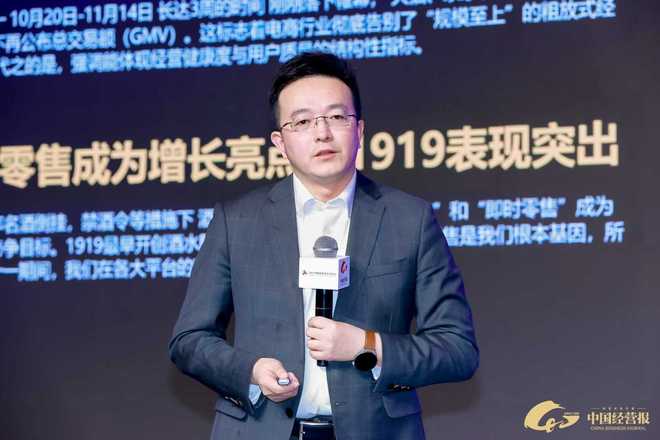
1919集团李宇欣:万物即时零售时代来临,抓紧布局酒饮前置仓
Zhong Guo Jing Ying Bao· 2025-12-10 14:29
Core Insights - The consumption market in 2025 is undergoing profound changes, shifting from "product consumption" to "emotional consumption" and from "mass conformity" to "individual needs" [1] - The 1919 Group is positioning itself as a leader in the liquor retail sector by leveraging instant retail, aiming to establish 100,000 liquor front warehouses in collaboration with Taobao Flash Purchase [1][6] Industry Changes - The liquor industry is facing five core transformations, including a disruption in cycle recognition, generational shifts in consumer demographics, a migration of consumption scenarios towards self-satisfaction, diversification of product categories, and a transition to instant purchasing methods [3][4] - The traditional consumer base for white liquor is rapidly declining, influenced by policy changes and a shrinking business dining environment, while younger consumers are emerging as a significant market segment [3][4] Consumption Trends - There is a notable shift from formal dining to home consumption, with "self-satisfaction" needs gaining prominence, leading to a decline in traditional dining channel sales [4] - The market is moving from a dominance of white liquor to a more diverse product landscape, with new brands emerging that cater to different consumer preferences [4] Instant Retail Practices - The "Double 11" shopping festival marked a significant turning point for the industry, with a focus on healthy growth and user experience rather than just GMV, resulting in a drop in average transaction value from 358 yuan to 70 yuan [5] - The increase in order volume by five times during "Double 11" indicates a structural change in consumption patterns, with instant retail becoming a key growth driver for the 1919 Group [5] Future Strategy - The 1919 Group aims to establish 100,000 liquor front warehouses to capitalize on the instant retail opportunity, emphasizing the importance of rapid fulfillment capabilities [6][7] - The new front warehouse model will be smaller and more efficient, located within dining establishments, and will support local restaurants by providing inventory and order fulfillment assistance [7]