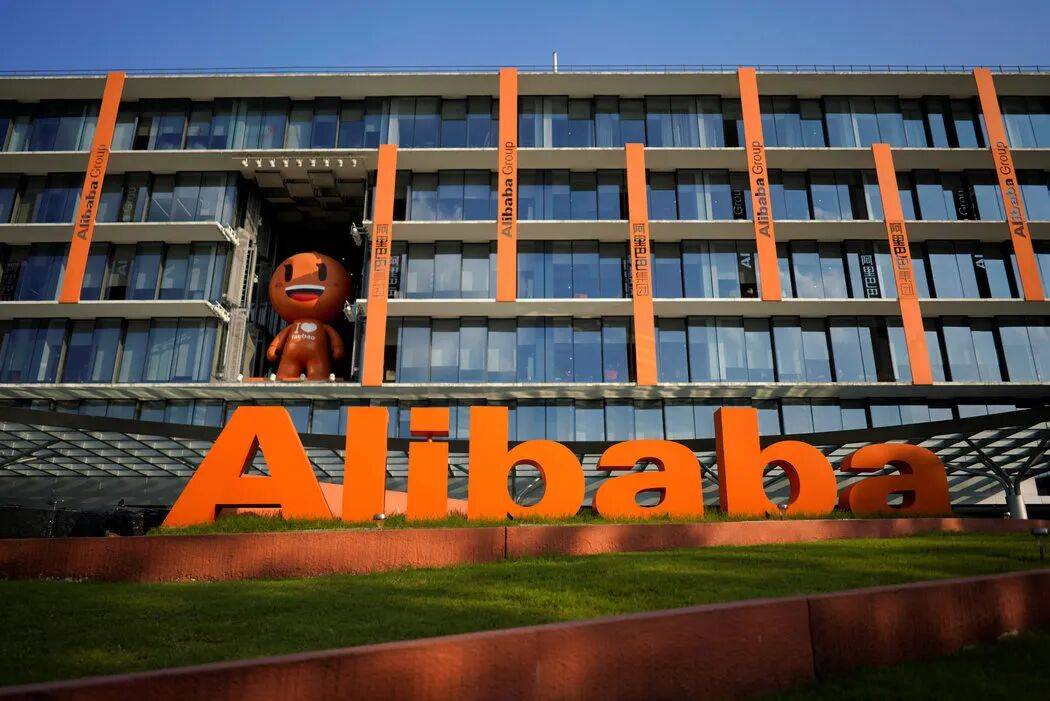
即时零售

Search documents
2025即时零售场景消费新图鉴-CBNDATA&淘宝闪购
Sou Hu Cai Jing· 2025-12-06 01:41
Core Insights - The core viewpoint of the report is that the instant retail industry in China is evolving from an "emergency demand" model to a "full-scenario life service" model, entering the full-scenario 3.0 era, with a projected market size exceeding one trillion yuan by 2025 and monthly active users reaching 551 million [1][12][18]. Industry Overview - Instant retail is a new retail format that relies on an instant delivery system, integrating online and offline resources to meet consumer demands for rapid fulfillment and comprehensive product coverage [7]. - The industry is experiencing a transformation where consumer needs are expanding from specific time slots to 24-hour availability, covering a wide range of categories beyond just food and groceries [1][16]. Development Trends - The core competitiveness of instant retail is shifting from product richness to scenario insight, with platforms like Taobao Flash Purchase leveraging innovative marketing models to drive significant business growth [2][9]. - Three major trends are emerging in the industry: 1. Upgrading from "everything to home" to "everything immediately available" to meet emotional and situational needs [2]. 2. Accelerating cross-ecosystem integration with platforms in tourism, entertainment, and social media to create an "instant retail+" ecosystem [2]. 3. Evolving from sales channels to value co-creation partners, utilizing scenario-based data to reach segmented audiences [2]. Market Projections - The instant retail market in China is expected to reach a scale of 11,750 billion yuan by 2025, driven by stable growth in social retail sales and supportive government policies [12][14]. - Monthly active users of instant retail apps have reached 551 million, indicating a strong consumer preference for the convenience and variety offered by instant retail [12]. Scenario Expansion - Instant retail consumption is expanding its boundaries, with over 50% of users preferring it for its convenience and variety, leading to a shift from "specific time" to "full-time" responses [16][20]. - The report highlights significant growth in specific categories, such as a 150% year-on-year increase in orders for disposable items and a 140% increase for outdoor sports products in August 2025 [1][17]. Future Outlook - The future of instant retail will continue to leverage technology to empower consumer scenarios, breaking down time and space barriers, and evolving from merely meeting needs to creating scenarios [2][8]. - Instant retail is set to become a comprehensive service ecosystem that covers users' 24-hour lives, providing seamless instant experiences and opening new growth avenues for brands [2][18].


三大巨头单季“烧掉”近600亿元,即时零售能否“补”出个未来?
Sou Hu Cai Jing· 2025-12-05 22:59
Core Insights - The article warns about the potential bubble in the instant retail sector in China, particularly in the context of the fierce competition among major players like Alibaba, JD, and Meituan, which is reminiscent of the warnings regarding AI bubbles in the U.S. [1] Financial Performance - Alibaba reported a revenue of 247.795 billion yuan for the latest quarter, a 5% year-on-year increase, with its instant retail segment generating 22.906 billion yuan, up 60% due to the launch of Taobao Flash Purchase [3][4] - Meituan's revenue reached 95.5 billion yuan, a 2% increase, but its core local business segment saw a decline in revenue to 67.4 billion yuan, down from 69.373 billion yuan year-on-year, leading to a loss of nearly 14.1 billion yuan [4] - JD achieved a revenue of 299.1 billion yuan, a 14.9% increase, but its net profit fell by 56% to 5.8 billion yuan, primarily due to strategic investments in new business areas, including instant delivery [4] Marketing Expenditure - The three giants collectively "burned" nearly 60 billion yuan in the latest quarter, with significant increases in marketing expenses: Meituan's rose to 34.3 billion yuan (up 90.9%), Alibaba's to 66.496 billion yuan (up 104.8%), and JD's to 21.1 billion yuan (up 110.5%) [6][4] Competitive Landscape - The intense competition in the instant retail sector has led to a "price war," characterized by low prices and poor quality, which is viewed as a form of unhealthy competition that does not create real value for the industry [7] - Research indicates that while large subsidies have increased order volumes, they have not translated into increased revenue for merchants, leading to a situation where merchants face declining profits [9][8] Regulatory Response - The State Administration for Market Regulation has intervened, urging platforms like Meituan, Ele.me, and JD to regulate promotional activities and engage in rational competition to foster a healthier ecosystem for consumers, merchants, and delivery personnel [9] Future Outlook - As the three giants plan to reduce their subsidy expenditures in the upcoming quarter, it is anticipated that heavily subsidized products will become less common, prompting a return to a focus on quality and user experience rather than just price [11][12] - The article emphasizes the need for companies to invest in technology and ecosystem development rather than relying solely on subsidies to achieve sustainable growth [12][10]




饿了么正式走入历史,淘宝闪购登场:即时零售的“大一统”时代来了?
Sou Hu Cai Jing· 2025-12-05 19:32
Core Viewpoint - Alibaba's decision to rebrand Ele.me to "Taobao Flash Purchase" reflects a strategic shift to enhance its market position in the instant retail sector, aiming to leverage the strengths of both brands for better user engagement and service delivery [3][7]. Group 1: Brand Strategy - The rebranding aims to overcome the limitation of Ele.me being perceived solely as a food delivery service, allowing for the expansion into various categories like fast-moving consumer goods, daily necessities, and pharmaceuticals [3]. - "Taobao Flash Purchase" combines the broad recognition of "Taobao" with the immediacy of "Flash Purchase," aligning with the core characteristics of modern instant retail [3]. Group 2: Market Positioning - The instant retail market is highly competitive, with Meituan holding a 52% market share and JD Daojia capturing 12%, necessitating Alibaba to consolidate resources to gain a competitive edge in the "30-minute delivery" battle [4]. - The integration of Ele.me's delivery network with Taobao's user base creates a seamless flow from front-end traffic to back-end fulfillment, enhancing overall operational efficiency [3]. Group 3: Performance Metrics - Since the launch of Taobao Flash Purchase in April, peak daily orders reached 120 million, with monthly active buyers exceeding 300 million, contributing to a 20% year-on-year increase in daily active users on the Taobao app [6]. - The rebranding has not disrupted user experience, as existing accounts, balances, and coupons remain functional, ensuring a smooth transition for users [6]. Group 4: Industry Trends - The rebranding signifies a broader trend in the instant retail industry towards full-scenario digital transformation, as noted by industry experts [7].
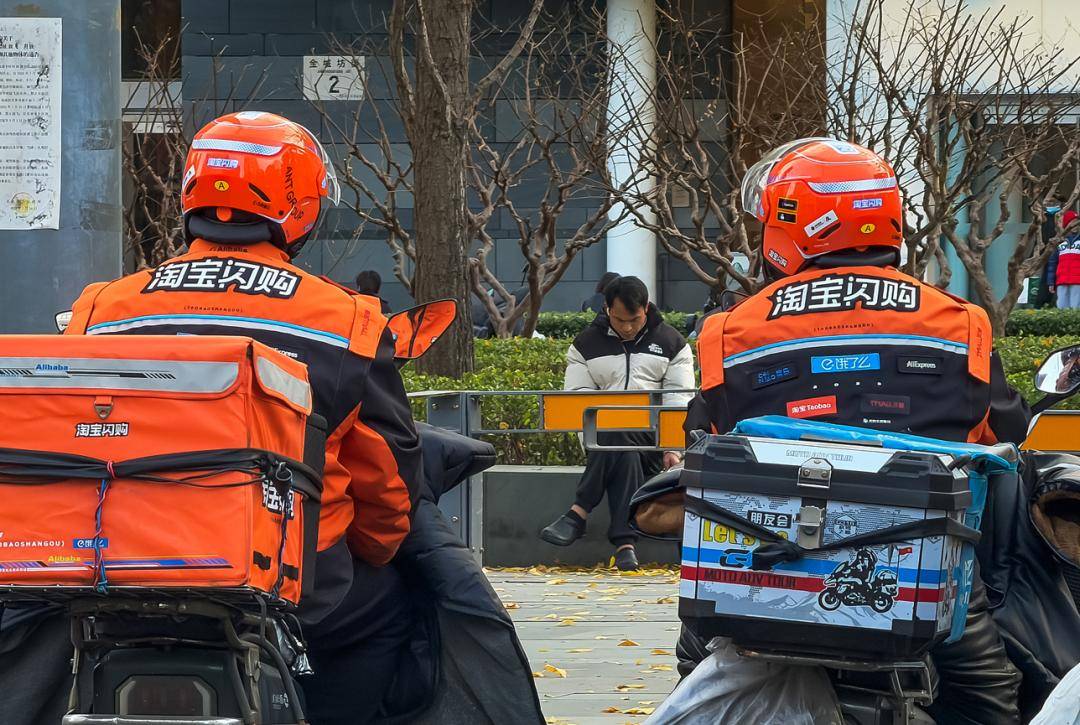
行业观察 | 饿了么“橙”变,淘宝闪购全面接棒即时零售
Sou Hu Cai Jing· 2025-12-05 14:40
Core Insights - The integration of Ele.me into Taobao Flash Purchase marks a significant shift in Alibaba's strategy towards a unified consumer platform, reflecting the company's focus on instant retail and local life services [2][7][13] - The rebranding from blue to orange symbolizes a deeper alignment with Taobao's visual identity and a broader service offering beyond food delivery, emphasizing a "buy anything" experience [6][11] Group 1: Brand Integration and User Experience - The Ele.me app has been updated to Taobao Flash Purchase, with a new orange theme and a unified user interface, while maintaining existing order records and membership benefits [2][6] - This transition aims to shift consumer perception from a food delivery service to a comprehensive instant retail platform, enhancing the overall user experience [6][11] Group 2: Strategic Positioning and Market Response - The rebranding is part of Alibaba's larger "Big Consumption Platform" strategy, which seeks to consolidate various consumer needs across online and offline channels [7][13] - The integration has already shown positive results, with Taobao Flash Purchase achieving a peak of 120 million daily orders and a monthly active user count exceeding 300 million [11][12] Group 3: Competitive Landscape and Future Directions - The shift to Taobao Flash Purchase is a response to increased competition in the food delivery and instant retail sectors, with a focus on enhancing logistics efficiency and customer retention [9][12] - The company plans to continue refining user experience and targeting high-value customers, indicating a strategic pivot towards sustainable growth in the instant retail market [12][14]
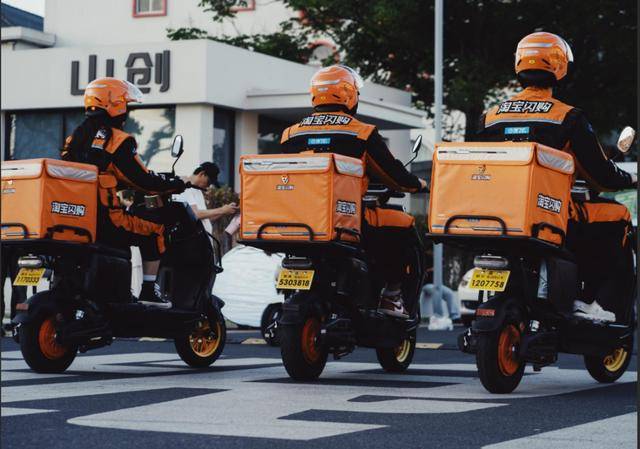
饿了么橙变,阿里决心有多大?
虎嗅APP· 2025-12-05 11:32
Core Viewpoint - Alibaba is undergoing a significant transformation in its e-commerce strategy, particularly with the rebranding of Ele.me to Taobao Flash Purchase, aiming to enhance user experience and expand into a broader range of products beyond food delivery [2][3][9]. Group 1: Financial Performance and Growth - In Q3, Alibaba's instant retail business generated revenue of 22.906 billion yuan, marking a 60% year-on-year increase, which has become a key driver of revenue growth [2]. - By October 31, approximately 3,500 Tmall brands had integrated their offline stores into the instant retail system, contributing to the rapid growth of monthly active users on the Taobao app [2]. - Taobao Flash Purchase achieved a peak daily order volume of 120 million by August 2025, with the number of monthly active buyers increasing by 200% since April [5]. Group 2: Operational Efficiency and Strategy - Since October, the loss per order for Taobao Flash Purchase has halved compared to July and August, indicating improved efficiency and a potential reduction in overall losses in the next quarter [6]. - The proportion of non-tea drink orders in Taobao Flash Purchase has risen to over 75%, with average order value showing double-digit growth compared to August, reflecting a successful diversification into various product categories [7]. - The strategic shift from aggressive market share acquisition to a focus on profitability and operational efficiency is evident, with expectations of further narrowing of losses in the upcoming quarter [6][7]. Group 3: Brand and Market Positioning - The rebranding of Ele.me to Taobao Flash Purchase is seen as a strategic move to reshape consumer perception and leverage Ele.me's delivery capabilities within the broader Taobao ecosystem [9]. - The integration of resources within Alibaba's ecosystem, including the collaboration with Cainiao for logistics and Gaode for route optimization, enhances the efficiency of order fulfillment [11]. - The shift towards a more comprehensive instant retail model is supported by a significant increase in non-food category sales during the Double Eleven shopping festival, with non-food transaction volume surging over 290% [12]. Group 4: Competitive Landscape - The instant retail sector is projected to exceed 1 trillion yuan by 2026, with non-food categories expected to account for over 50% of the market, indicating a shift in competition dynamics [14]. - Market share data shows Meituan holding 65% and Ele.me 33% of the food delivery market, while Alibaba is expected to gain approximately 10-15% market share in the instant retail space [16]. - The competition is evolving from price wars to a focus on quality and service, with companies like Taobao Flash Purchase aiming to enhance customer experience and operational efficiency [16][17].
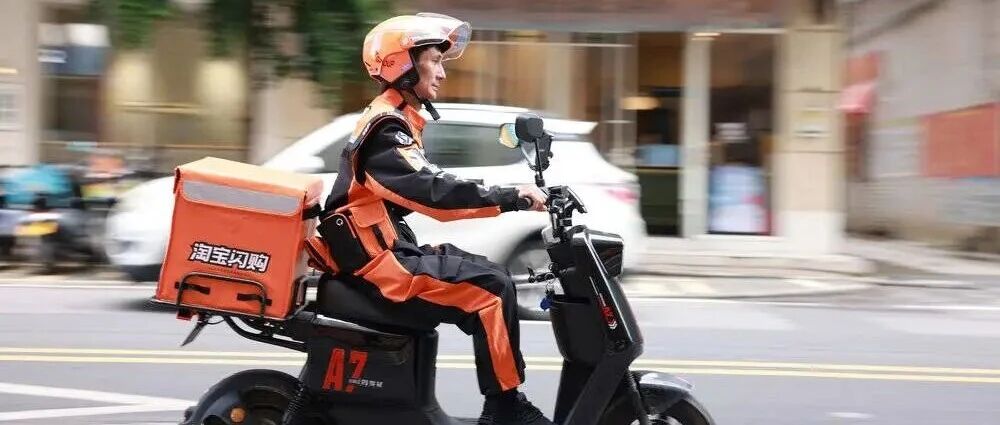
是时候总结一下外卖大战了:美团上市后最大亏损,阿里利润暴跌
Sou Hu Cai Jing· 2025-12-05 10:52
Core Viewpoint - The ongoing food delivery war has primarily benefited consumers, with significant financial losses reported by major players like Alibaba and Meituan [2][5][11]. Financial Impact - Meituan reported an operating loss of 19.8 billion yuan, marking its largest loss since going public [6]. - Alibaba's operating profit plummeted from 35.2 billion yuan to 5.4 billion yuan, a decrease of 85% [6]. - Over the past six months, Alibaba, Meituan, and JD.com collectively burned over 100 billion yuan in subsidies [6][11]. Strategic Approaches - Meituan adopted a defensive strategy, while Alibaba and JD.com viewed food delivery as a strategic initiative rather than a standalone profit-making business [5][6]. - Alibaba plans to reduce its investment in flash sales while increasing investment in AI infrastructure, indicating a shift in strategy [8]. Market Dynamics - The competition has led to a significant increase in sales expenses due to delivery subsidies, which may not yield long-term benefits [11][12]. - Consumers are increasingly price-sensitive, leading to a "compare prices" mentality, which could undermine the effectiveness of subsidies [13]. Future Considerations - The long-term impact of the food delivery war remains uncertain, with potential competition from Douyin and Pinduoduo, which are rapidly gaining market share [14][16]. - The ultimate winner in the instant retail space is still unknown, as the current focus has primarily been on consumer benefits rather than sustainable business models [16].
「橙了」的饿了么:以淘宝闪购之名,继续打下一场硬仗
36氪· 2025-12-05 10:28
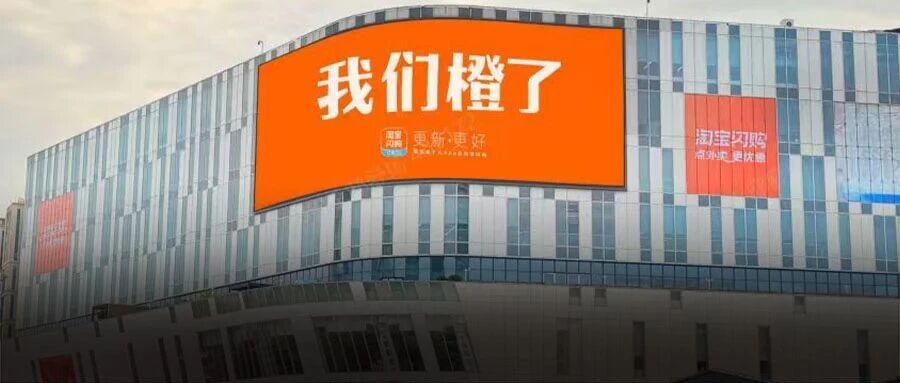
Core Viewpoint - The rebranding of "Ele.me" to "Taobao Flash Purchase" marks a strategic integration aimed at enhancing Alibaba's position in the instant retail market, leveraging the strengths of both platforms to create a more cohesive consumer experience and operational efficiency [4][20][22]. Market and User Impact - The merger of the two brands is seen as a natural evolution, enhancing service capabilities and user trust, while aligning with Alibaba's broader "big consumption platform" strategy [5][15]. - The instant retail sector has experienced significant growth, with Taobao Flash Purchase achieving a peak of 120 million daily orders and an average of 80 million daily orders by August, contributing to a 20% year-on-year increase in daily active users on the Taobao app [7][8]. Business Performance - Instant retail revenue for Alibaba saw a remarkable 60% year-on-year growth in the latest quarterly report, driven by improved logistics efficiency and higher customer retention rates [7][8]. - The average order value for Taobao Flash Purchase has increased by over 10% since August, with non-tea drink orders rising to over 75% [7]. Strategic Collaboration - The integration of resources from Taobao and Ele.me has created a competitive edge in the instant retail market, avoiding internal competition and enhancing overall efficiency through ecosystem collaboration [10][20]. - Approximately 3,500 brands from Tmall have joined Taobao Flash Purchase, indicating a strong push for brand participation in the instant retail space [10][19]. Future Directions - The next phase for Taobao Flash Purchase will focus on enhancing user experience and optimizing economic benefits, with a commitment to long-term investment in instant retail [14][18]. - The upcoming strategies will include a focus on high-value users and quality service upgrades, as seen during the recent Double 11 shopping festival, which featured new service offerings and promotional activities [18][19]. Competitive Landscape - The shift from "Ele.me" to "Taobao Flash Purchase" signifies a more concentrated resource investment and clearer strategic goals for Alibaba in the instant retail market [20][22]. - The industry is moving towards a competition model centered on quality and service rather than price wars, with Taobao Flash Purchase positioned to leverage its advantages in traffic, user engagement, supply, and fulfillment [22].
轻点一下,装备到手!李宁全域布局即时零售重塑运动消费新风尚
Xin Hua Wang· 2025-12-05 09:46
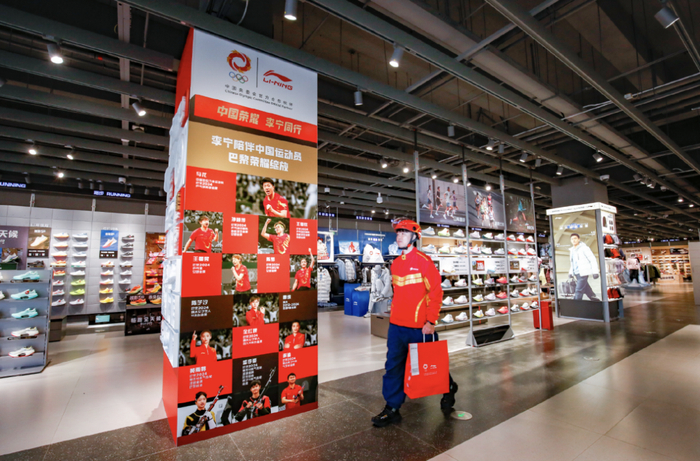
Core Insights - The combination of "instant retail" and professional sports brands is addressing consumer pain points related to product availability and delivery speed [1][3][5] - Li Ning has officially entered the instant retail market by partnering with major platforms like Meituan and JD, enabling rapid delivery of sports equipment across nearly 100 cities [1][9] Group 1: Instant Retail Growth - Instant retail is characterized by online ordering and offline fulfillment to meet local immediate needs, with projections indicating that China's instant retail market will exceed 1 trillion yuan by 2026 and reach 2 trillion yuan by 2030 [3][5] - The shift in consumer behavior from planned purchases to immediate needs is driving the growth of instant retail, particularly in the sports equipment sector [3][6] Group 2: Consumer Experience and Service - Speed, quality, and service are critical for brands to succeed in instant retail, with Li Ning focusing on building a new service ecosystem that emphasizes rapid delivery and customer satisfaction [5][6] - Li Ning has restructured its service standards and AI customer service systems to enhance the customer experience in instant retail [6][8] Group 3: Sports Consumption Trends - The increasing participation in sports, with over 540 million people regularly exercising in China, is creating a robust market for sports-related products [8][9] - Instant retail serves as a bridge to integrate brands into consumers' daily sports activities, stimulating demand for sports apparel and equipment [8][9] Group 4: Strategic Response - Li Ning's comprehensive layout in instant retail is a strategic response to market demand and policy support, aiming to convert sporadic purchases into long-term consumer trust [9] - The integration of sports and daily life through instant retail is expected to enhance consumer satisfaction and accessibility to sports experiences [9]

「橙了」的饿了么:以淘宝闪购之名,继续打下一场硬仗
3 6 Ke· 2025-12-05 08:38
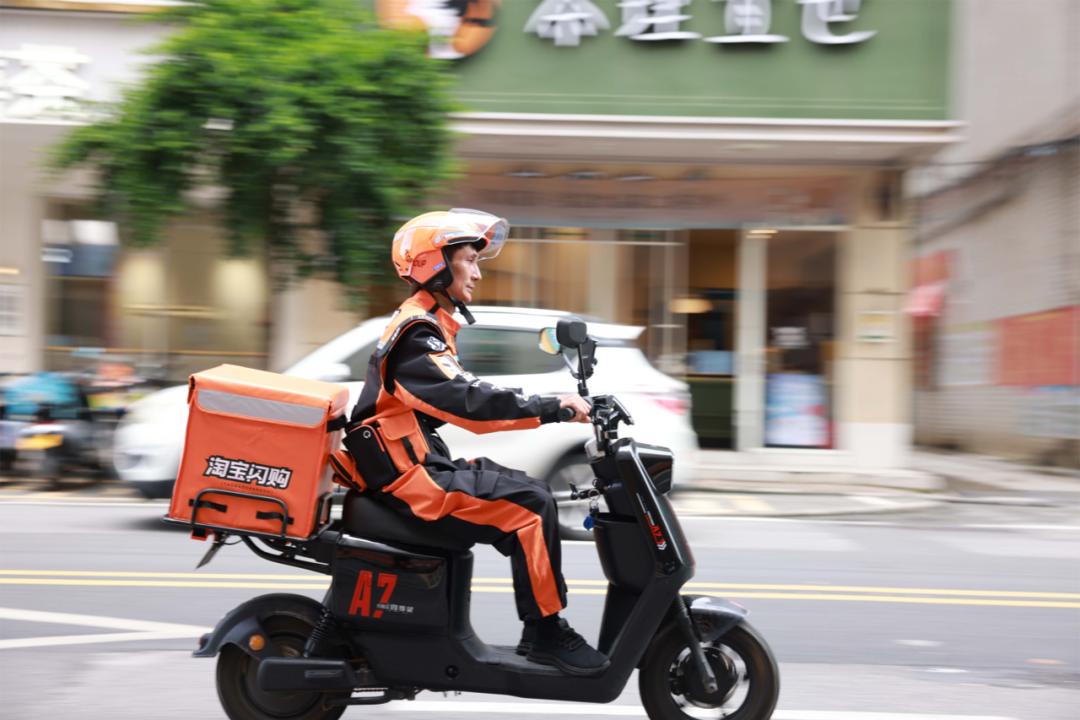
Core Viewpoint - The rebranding of "Ele.me" to "Taobao Flash Purchase" marks a significant strategic shift for Alibaba, integrating its resources to enhance its position in the instant retail market and align with its "big consumption platform" strategy [2][7]. Group 1: Market and User Impact - The merger of Ele.me and Taobao Flash Purchase is a natural evolution, aimed at enhancing service capabilities and user trust, ultimately driving greater value within Alibaba's ecosystem [2][3]. - Taobao Flash Purchase has seen remarkable growth, with peak daily orders reaching 120 million and an average of 80 million daily orders by August, contributing to a 20% year-on-year increase in daily active users for the Taobao app [2][3]. - Instant retail business revenue grew by 60% year-on-year in the latest quarterly report, with significant improvements in unit economics due to enhanced logistics efficiency and higher customer retention [3][6]. Group 2: Strategic Collaboration - The collaboration between Ele.me and Taobao Flash Purchase has effectively utilized existing infrastructure to achieve rapid delivery times of 30 minutes nationwide, enhancing marketing efficiency through joint subsidies [3][4]. - The integration has led to a significant increase in user engagement, with both platforms experiencing growth in daily active users and improved activity levels among delivery personnel and merchants [4][6]. - The strategic focus on high-value user retention and service quality is set to continue, with plans for further enhancements in user experience and retail category development [8][9]. Group 3: Competitive Landscape - The rebranding signifies a concentrated resource investment in the instant retail market, with clearer strategic goals and more efficient business collaboration [11][13]. - The shift from price competition to a focus on quality and service is becoming the new industry standard, with Taobao Flash Purchase poised to leverage its competitive advantages in traffic, users, supply, and fulfillment [13]. - Recent marketing initiatives, such as the upgrade of promotional activities, indicate a proactive approach to maintaining market momentum and user engagement [13].
饿了么更名淘宝闪购,阿里巴巴中期盈利承压
Sou Hu Cai Jing· 2025-12-05 07:19
Core Viewpoint - Alibaba is currently in a nurturing phase for new growth engines, leading to short-term pressure on profitability [1] Group 1: Business Strategy and Adjustments - Ele.me has been rebranded to "Taobao Flash Purchase," marking a strategic shift in Alibaba's e-commerce business to enhance collaboration with Taobao and achieve the goal of "30-minute delivery" [3] - The company is focusing on expanding its instant retail sector, upgrading user experience, and investing in cutting-edge technology [3] Group 2: Financial Performance Overview - For the first half of the 2026 fiscal year, Alibaba reported revenues of 495.45 billion yuan, a 3% year-on-year increase [5] - The revenue breakdown includes: - China e-commerce group: 272.65 billion yuan, up 12% - International digital commerce group: 69.54 billion yuan, up 14% - Cloud intelligence group: 73.22 billion yuan, up 30% - Other segments: 121.57 billion yuan, down 27% [5][6] - Operating profit decreased by 43% to 40.35 billion yuan, while adjusted EBITA fell by 44% to 47.92 billion yuan [7] Group 3: Investment and Future Outlook - Alibaba's investment in instant retail and AI cloud infrastructure is significant, with capital expenditures reaching 120 billion yuan over the past four quarters [8] - The instant retail business generated 37% growth in revenue, reaching 37.69 billion yuan compared to 27.52 billion yuan in the previous year [8] - The company plans to refine user experience and focus on high-value customers while managing losses in the instant retail sector [8] Group 4: Cash Flow and Expenses - Sales and marketing expenses surged from 65.17 billion yuan to 119.67 billion yuan, accounting for 24.2% of total revenue [9] - Net cash flow from operating activities dropped by 53% to 30.77 billion yuan, while free cash flow shifted from a net inflow of 31.11 billion yuan to a net outflow of 40.66 billion yuan [9]