能源安全

Search documents
超2500亿元!A股现“巨无霸”级并购
Shang Hai Zheng Quan Bao· 2025-08-15 15:23
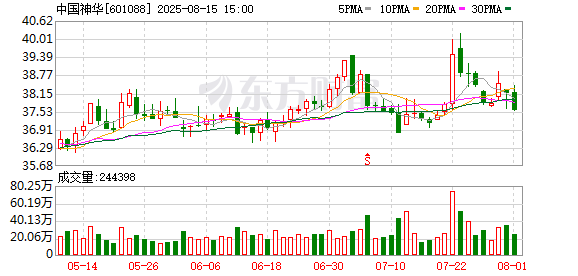
Core Viewpoint - China Shenhua has announced a transaction plan to acquire assets from its controlling shareholder, China Energy Investment Corporation, involving 13 target companies across coal, pit coal power, and coal chemical industries [2][6]. Group 1: Transaction Details - The transaction involves a total asset value of 258.36 billion yuan and a net asset value of 93.89 billion yuan for the target assets by the end of 2024 [2]. - The total expected operating revenue for the target assets in 2024 is 125.996 billion yuan, with a net profit of 8.005 billion yuan after deducting non-recurring gains and losses [2]. - The acquisition will be executed through a combination of issuing shares and cash payments, with the share price set at 30.38 yuan per share, compared to a trading price of 37.56 yuan at the time of suspension [4]. Group 2: Business Overlap and Integration - The acquisition aims to resolve substantial business overlaps between China Shenhua and its controlling shareholder in coal, pit coal power, coal chemical, and logistics sectors [6]. - The transaction will enhance the asset scale and profitability of China Shenhua, integrating multiple core quality assets [6]. Group 3: Financial Performance of Target Companies - Among the 13 target companies, Guoyuan Power is expected to achieve a net profit of 2.791 billion yuan in 2024, leading in profitability [6][7]. - Other notable expected net profits for 2024 include: Shenyuan Coal at 2.552 billion yuan, Wuhai Energy at 1.524 billion yuan, Xinjiang Energy at 0.761 billion yuan, and the Chemical Company at 0.669 billion yuan [7]. Group 4: Resource and Capacity Enhancement - The acquisition will significantly increase resource reserves and core business capacity, with Xinjiang Energy's coal mine having a certified production capacity of 35 million tons per year, making it the second-largest open-pit coal mine in China [9]. - The strategic layout of the acquired companies will complement existing coal resources geographically, enhancing logistics capabilities and supporting a modern coal supply system [9][10]. Group 5: Profit Distribution Plan - China Shenhua plans to distribute at least 75% of its net profit attributable to shareholders for the first half of 2025, with an expected net profit range of 23.6 billion to 25.6 billion yuan [12].


欧洲电力危机,新疆特高压0.01秒连通中国,15年布局展现战略眼光
Sou Hu Cai Jing· 2025-08-14 22:21
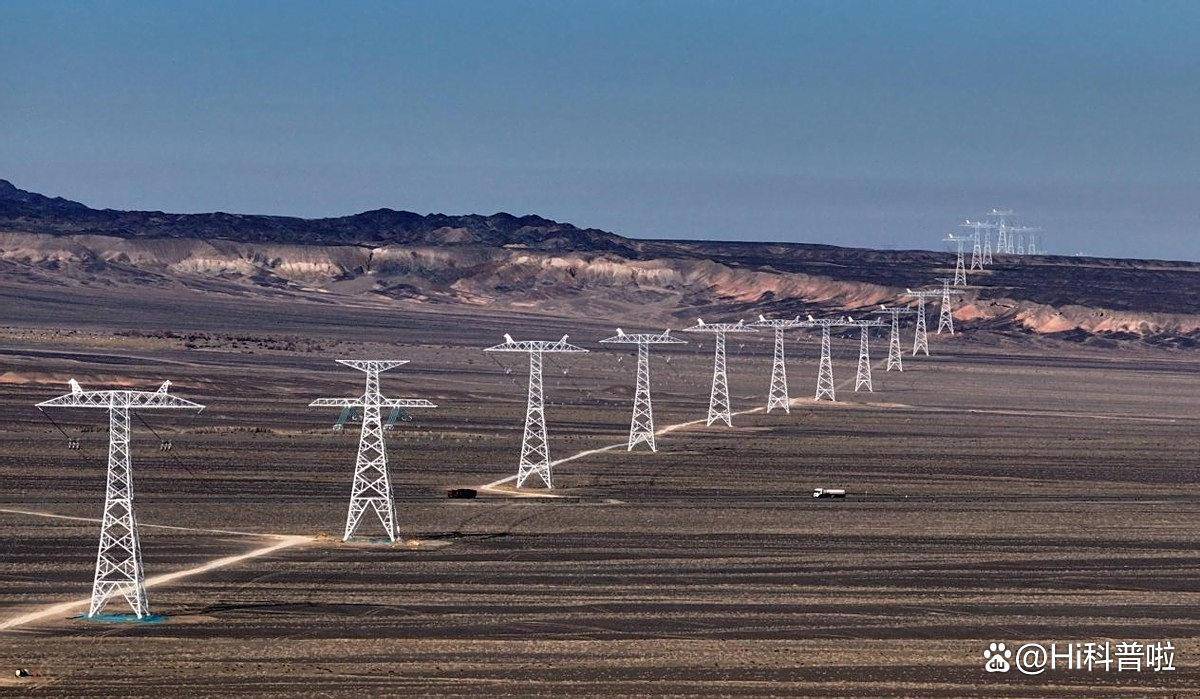
Core Insights - The article highlights China's successful energy strategy, exemplified by the completion of the 750 kV ultra-high voltage ring network project, which ensures 24-hour electricity supply across the nation, contrasting sharply with the massive power outages experienced in parts of Europe [1][17]. Group 1: Project Overview - The 750 kV ring network spans 4,197 kilometers and represents an investment of over 100 billion yuan, marking a significant milestone in China's energy infrastructure [1][4]. - The construction faced extreme challenges, particularly in the desert region, where innovative techniques such as spiral anchor foundations and rapid construction methods were developed to overcome environmental obstacles [4][5]. Group 2: Economic Impact - The project is expected to generate substantial economic benefits, with local areas like Qemant County projected to receive 200-300 million yuan annually from electricity exports alone [7]. - The region's industrial electricity prices are significantly lower than many inland areas, providing a competitive advantage for businesses and potentially saving them over 100 million yuan in costs each year [7]. Group 3: Resource Development - The Taklamakan Desert is rich in natural resources, including over 5,600 billion cubic meters of shale gas and various minerals, which were previously untapped due to lack of electricity [9]. - The completion of the power grid is anticipated to unlock these resources, transforming them into economic assets [9]. Group 4: Strategic Importance - Xinjiang's geographical position as a transportation hub enhances its potential as a key player in connecting Asia and Europe, supported by the robust energy infrastructure [11]. - The ±1100 kV ultra-high voltage direct current project, known as the "Electricity Everest," further strengthens this connectivity, allowing rapid electricity transmission across vast distances [13][15]. Group 5: Technological Advancements - The ±1100 kV project showcases China's technological prowess, being the only one of its kind globally, and is entirely developed with domestic technology, positioning China as a leader in energy technology [15][17]. - The project is capable of transmitting 2.55 billion kilowatt-hours daily, significantly contributing to carbon emission reductions [13]. Group 6: Energy Security - The contrasting energy strategies between Europe and China highlight the effectiveness of China's diversified energy supply system, which enhances national energy security and resilience against external shocks [17][20]. - The successful implementation of these projects demonstrates China's commitment to energy independence and its potential to serve as a model for global energy transformation [20].
上海LNG站线扩建项目(一阶段)完成主体成套设备进口
Xin Hua Cai Jing· 2025-08-14 13:53
(文章来源:新华财经) 今年以来,上海液化天然气(LNG)站线扩建项目(一阶段)已完成4座储罐水压试验、联合中控搬 迁、码头工程交工验收等重要节点,8月份可完成储罐竣工验收和工艺管道压力试验,预计今年底投 产。 作为上海市天然气供应的主力气源,上海LNG项目年供应量占上海天然气市场的50%,肩负着保供应与 应急调峰的功能。近年来,上海LNG项目还支持国际航行船舶LNG燃料加注、新船测试等新兴业务发 展,助力上海港跃升为全球第三大、国内第一大LNG保税加注港。上海LNG站线扩建项目既是国家油 气重点工程,也是上海市、浙江省能源发展"十四五"规划重大工程。 新华财经上海8月14日电(记者吴宇)记者从上海海关获悉,上海液化天然气(LNG)站线扩建项目 (一阶段)完成主体成套设备进口,为这一项目按计划建成投产奠定基础。 据介绍,上海液化天然气(LNG)站线扩建项目(一阶段)2022年11月20日开工,采用"一次核准、分 阶段建设"模式。项目(一阶段)投产后,将为长三角地区提供每小时210万立方米的供气能力,显著提 升区域天然气储备、供应及应急能力,保障区域能源安全;项目建设完成后,洋山LNG双站将建成总 接卸能力每年 ...
"十四五"能源创新: 多轮驱动的能源供应体系构建
Xin Hua Wang· 2025-08-14 05:50
Strategic Background - Energy security and green transition are dual challenges faced by the industry, necessitating the establishment of a modern energy system as outlined in the "14th Five-Year Plan" [2] - China's reliance on imported energy is significant, with oil and natural gas dependency rates at 72% and 41% respectively, highlighting the risks associated with external supply uncertainties [2] - The urgency of achieving carbon peak by 2030 and carbon neutrality by 2060 imposes immediate requirements for energy structure adjustment and green transition [2] - There is a growing need for technological self-sufficiency in key energy sectors, as reliance on imported technologies poses risks to the energy industry's development and competitiveness [2] Multi-Wheel Drive Strategy - The "multi-wheel drive" strategy leverages the unique advantages of various energy types, positioning coal as the "ballast stone" for energy security, oil and gas as stabilizers, nuclear energy as a base-load power source, and renewable energy as a growth driver [3][4] - This strategy aims to create a resilient and low-carbon energy supply system through the complementary advantages and collaborative innovation of different energy types [3] Energy Supply System Development - During the "14th Five-Year" period, China is promoting the coordinated development of coal, oil, gas, nuclear, and renewable energy through technological innovation and industrial upgrades [4] - Clean and efficient utilization of coal is emphasized, with initiatives to improve efficiency and reduce emissions through advanced technologies like ultra-supercritical power generation [4] - The oil and gas sector is focusing on increasing reserves and production while optimizing the market system to enhance supply stability and security [4] Nuclear Energy and Renewable Energy - Nuclear energy is being developed safely and orderly, with a focus on cultivating high-end nuclear equipment manufacturing and enhancing safety and economic efficiency through technological innovation [5] - Renewable energy is prioritized for rapid development, with China leading globally in installed capacity for hydropower, wind power, and solar power [6] Technological Innovation and Integration - Technological innovation is crucial for driving energy transition and industrial upgrades, with a focus on integrating energy technology with modern information, new materials, and advanced manufacturing [6][10] - The development of a hydrogen energy industry and improvements in the efficiency and cleanliness of traditional energy sources are also key components of this strategy [6] Future Outlook - The future focus will be on high-quality development of renewable energy, with significant increases in the share of wind and solar power in the energy structure [8] - Traditional energy sources will continue to play a vital role in ensuring energy security, with advancements in clean technology and carbon capture utilization and storage (CCUS) [9] - The integration of energy technology and smart systems will accelerate the intelligent upgrade of the energy system, enhancing efficiency and flexibility [10] - A well-structured energy market will be essential for stimulating innovation and ensuring efficient resource allocation [11]
中西部最大战略调峰储气库正式投运;本周多晶硅整体成交均价小幅上涨|新能源早参
Mei Ri Jing Ji Xin Wen· 2025-08-13 23:05
Group 1: Polysilicon Market - The overall transaction price of polysilicon has slightly increased this week, despite a slight decrease in transaction volume [1] - The number of signing companies has risen to six, with some maintaining prices while others have increased prices by 1 yuan/kg [1] - The price increase is attributed to significant signing volumes from leading companies and a notable reduction in inventory levels [1] Group 2: Natural Gas Storage - The YU37 gas storage facility in Yulin, Shaanxi, has officially commenced operations, marking the largest strategic gas storage in Central and Western China [2] - The facility has a total design capacity of 9.72 billion cubic meters and can inject up to 17 million cubic meters of gas daily during off-peak seasons [2] - This project is crucial for ensuring natural gas supply in the region, particularly for the Beijing-Tianjin-Hebei area and 60 million households in Shaanxi [2] Group 3: Jiangte Electric - Jiangte Electric has announced that it holds multiple mining and exploration rights in the Yichun area, with lithium resources exceeding 100 million tons [3] - The Qikeng lithium mine is the most significant, with a reported resource reserve of 72.93 million tons at an average Li2O grade of 0.44% [3] - The company's resource advantages in the lithium battery sector are expected to positively impact its long-term development [3]


欧盟宣布为乌克兰冬季紧急天然气采购筹集5亿欧元资金
Yang Shi Xin Wen· 2025-08-13 09:38
当地时间8月13日,欧盟委员会官网发布公告称,欧委会当天与欧洲复兴开发银行签署了一项担保协 议,为乌克兰的能源安全提供5亿欧元贷款。这笔融资将使乌克兰国有企业乌克兰石油天然气公司 (NAK)能够为紧急天然气采购提供资金。欧盟委员会将在欧盟乌克兰投资框架下为该贷款的90%提供 担保。 公告称,欧盟借助此项融资方案补充乌克兰枯竭的天然气储备,以确保乌关键基础设施和民众在冬季获 得能源。 (文章来源:央视新闻) ...
帮主郑重:午盘深V暴露主力底牌!三路资金抢筹方向浮现
Sou Hu Cai Jing· 2025-08-12 05:11
Market Overview - The Shanghai Composite Index rebounded, increasing by 0.51%, while the ChiNext and STAR Market also saw gains, indicating a potential recovery in the market [1] Volume and Institutional Activity - Trading volume increased significantly, with a total turnover of 1.21 trillion yuan across Shanghai, Shenzhen, and Beijing, up by 605 billion yuan from the previous day, suggesting institutional buying activity [3] - The Shanghai Composite Index found support at 3660 points, indicating a "golden needle bottom" pattern, which suggests that major players are absorbing low-priced shares amid market panic [3] Sector Analysis 1. Gas Sector - The gas sector is driven by both policy support and seasonal demand, with companies like Dongfang Huanyu and Xinjiang Torch hitting the daily limit. The recent increase in gas infrastructure subsidies from the Ministry of Finance has made low-valuation, high-dividend stocks more attractive to risk-averse investors [3] 2. Port and Shipping - The port and shipping sector is benefiting from a recovery in foreign trade, with stocks like Nanjing Port and China National Offshore Oil Corporation seeing significant gains. The restructuring of global trade and the release of RCEP tariff benefits are key drivers for foreign investment in this sector [4] 3. Brain-Machine Interface - The brain-machine interface sector is witnessing a tug-of-war between retail and institutional investors, with companies like Mcland and Innovative Medical showing volatility. The upcoming World Human-Robot Conference is expected to highlight the integration of brain-machine and AI technologies [5] Adjustments and Opportunities - The energy metals and military equipment sectors are experiencing declines due to profit-taking and technical corrections. However, with lithium inventory at a two-year low and the peak season approaching, there are opportunities for recovery in these sectors [6] - There is a noticeable shift in capital from high-valued sectors like photovoltaics to undervalued cyclical stocks such as ports and gas, indicating a clear rotation in investment strategies [7] Strategic Insights 1. Policy and Dividend Focus - Companies in the port and gas sectors are expected to benefit from stable foreign trade and energy security, with firms like Yangtze Power and Shanghai Port offering dividend yields exceeding 5% [8] 2. Technological Growth - The focus is on companies that are making breakthroughs in medical rehabilitation and humanoid robotics, particularly those involved in brain-machine chip clinical approvals and sensor technology advancements [9] Conclusion - The market is advised to remain patient and strategic, focusing on high-dividend stocks and true leaders in technology as the market undergoes adjustments. The current market dynamics suggest that institutional repositioning is aimed at building momentum for the second half of the year [10]
能源命脉遭掐喉?特朗普对普京开出四张“免死金牌”,中国要警惕了
Sou Hu Cai Jing· 2025-08-10 21:13
Core Points - The article discusses a significant geopolitical event involving a summit between US President Trump and Russian President Putin in Alaska, which is seen as a pivotal moment for global order and energy security [1][2] - The proposed "peace plan" includes conditions that could benefit Russia, such as a temporary ceasefire in Ukraine, delayed territorial disputes, lifting sanctions, and supporting Russia's return to the G8 [2][3] - The summit's location in Alaska is strategically chosen to facilitate discussions while avoiding international legal repercussions for Putin [5][6] Group 1: Geopolitical Implications - The peace plan aims to address Russia's economic struggles due to sanctions, potentially restoring $12 billion in annual energy export revenue [2][3] - The summit could reshape US-Russia relations, impacting global energy markets and geopolitical alliances, particularly concerning China and Europe [7][12] - Ukraine's interests are at risk, as the proposed negotiations may exclude its government from critical discussions, leading to heightened tensions in Europe [6][13] Group 2: Economic Considerations - The lifting of sanctions could significantly benefit the Russian economy, which has seen a 37% reduction in energy export revenues due to ongoing sanctions [2][12] - Trump's strategy appears to leverage energy trade as a tool against China, with potential sanctions on Chinese imports if they continue to engage with Russian energy [9][12] - The geopolitical shifts may lead to increased energy costs for China, which relies on Russia for 28% of its oil and 34% of its natural gas imports [12][13]
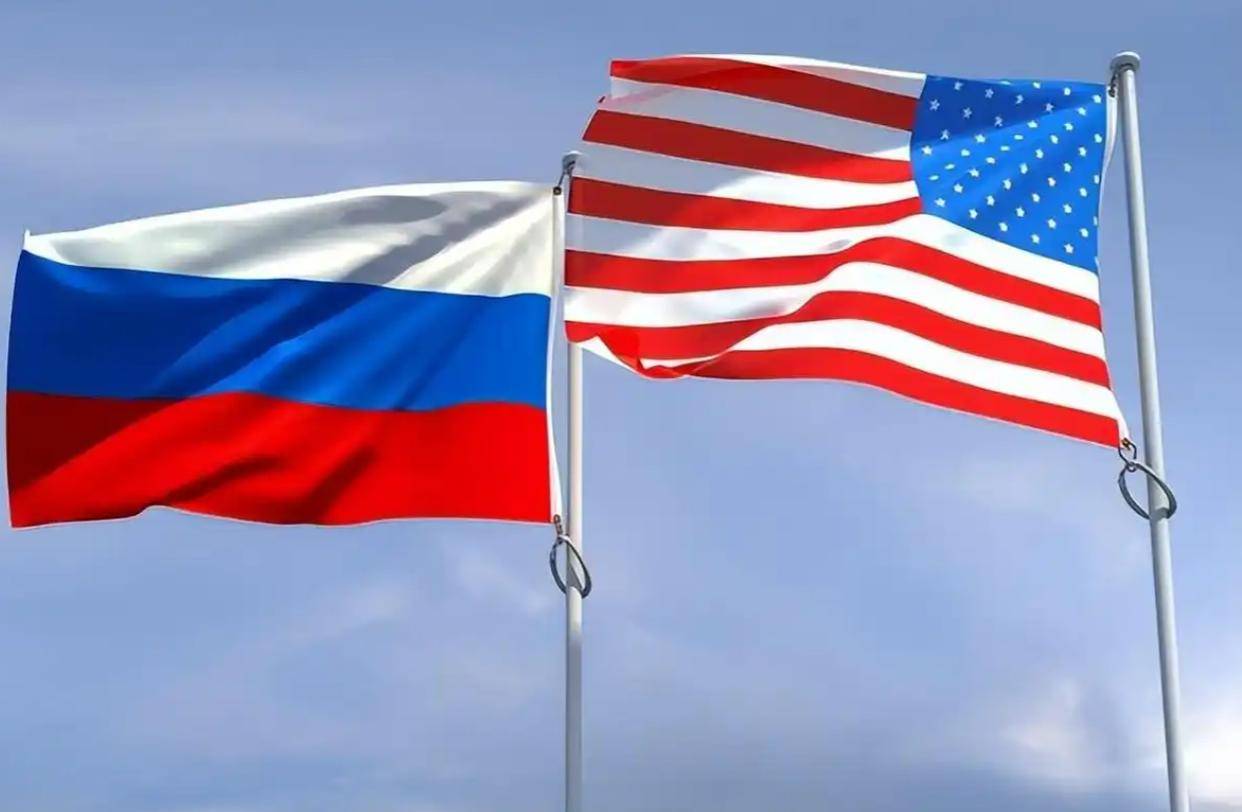
中国对美稀土暴增7倍,美国刚松口气,禁止我国石油进口,太坏了
Sou Hu Cai Jing· 2025-08-10 06:30
Group 1: Trade Dynamics - China's rare earth magnet exports to the US surged to 352.8 tons in June, a 660% increase from May, indicating a significant shift in trade dynamics [1] - The US Department of Defense invested $400 million to acquire a 15% stake in rare earth company MP Materials and pressured Apple to enter a $500 million partnership with the company [1] - The US, in collaboration with Japan, India, and Australia, launched the "Quad Critical Minerals Initiative" to secure domestic production of critical minerals, aiming to diversify its rare earth supply chain [1] Group 2: China's Strategic Position - China holds a dominant position in the global rare earth industry, being the only country capable of providing a full range of rare earth products and possessing superior mining resources [2] - China's export control measures allow it to dictate the terms of rare earth sales, maintaining a strategy of "allowing civilian use, prohibiting military use," which strengthens its market influence [2] - The increase in exports to the US can be seen as a strategic move to enhance China's impact on the US market [2] Group 3: US Trade Policies - The US imposed a ban on oil imports from China, reflecting a unilateral and protectionist approach to trade that disrupts global trade order [4] - The ban may have short-term effects on China's oil trade, but China has diversified its energy strategy and established stable partnerships with multiple oil-producing countries [4] - The contradiction in US policies, relying on China for rare earths while imposing sanctions on oil, highlights a short-sighted approach to international trade [6] Group 4: International Relations - The US actions exacerbate tensions in US-China relations, undermining the principle of cooperation for sustainable development in a globalized economy [7] - The US's trade practices not only harm China's core interests but also pose potential negative impacts on global economic stability and development [7]
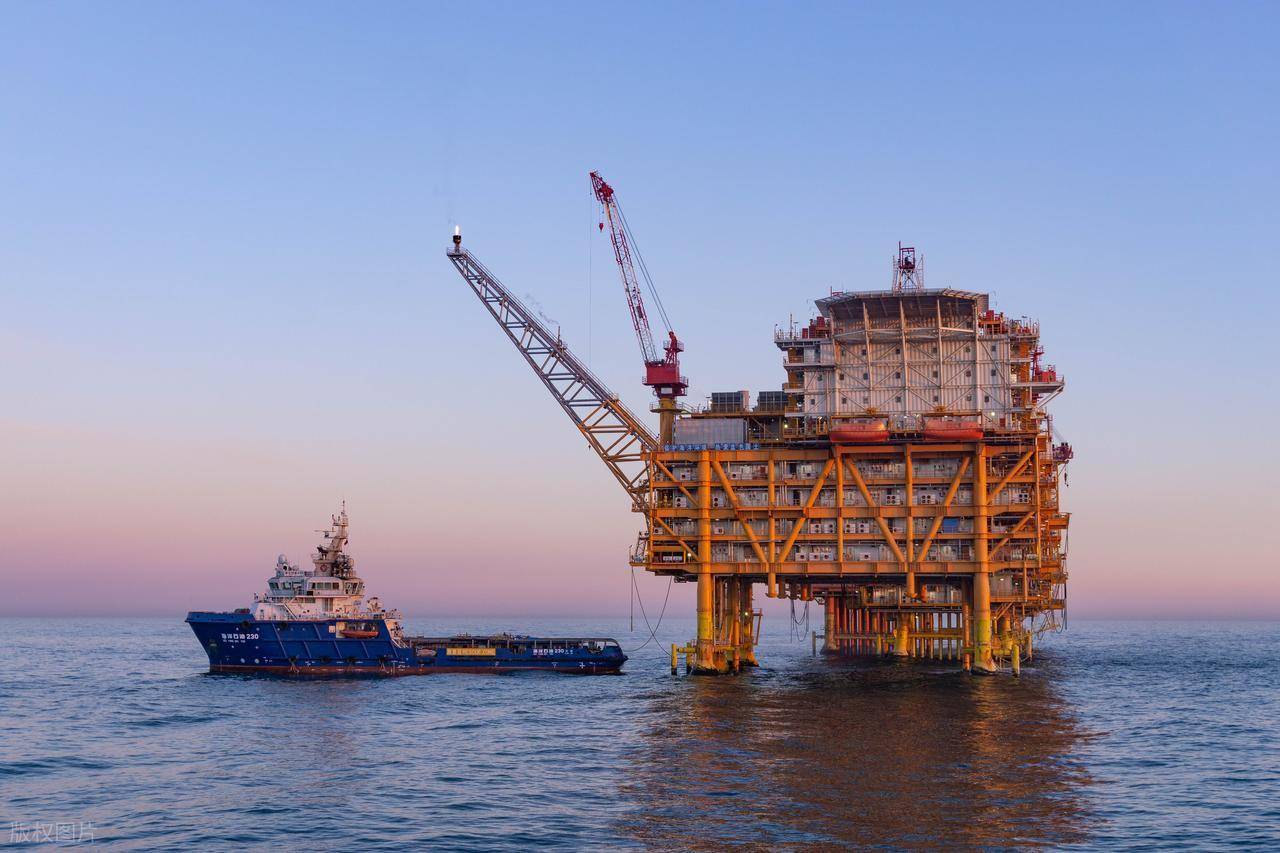
气候变化威胁能源安全,如何应对和评估
第一财经· 2025-08-10 04:07
Core Viewpoint - Climate change is a global challenge that impacts not only environmental protection but also energy security, social stability, and risk distribution [2] Group 1: Climate Change and Energy Security - The urgency and complexity of addressing climate change have intensified due to rising resource risks, trade protectionism, and sluggish global economic growth, particularly affecting underdeveloped regions [3] - Human activities have led to a global temperature increase of 1.2°C compared to pre-industrial levels, with a high probability of exceeding the 1.5°C threshold in the next five years [3] - Extreme weather poses systemic threats to energy systems, affecting wind power efficiency due to reduced wind speeds and increasing power supply tensions due to high temperatures and droughts [3] Group 2: Strategies for Energy Resilience - A model indicates that for every unit increase in the extreme climate risk index, total power generation will significantly decline, with wind power being the most affected [4] - Four strategies proposed to address these challenges include: 1. Establishing a climate risk monitoring and early warning system [4] 2. Optimizing diversified energy supply and promoting collaboration among wind, solar, hydro, and thermal power [4] 3. Creating an emergency mechanism for the electricity market under extreme climate conditions [4] 4. Innovating climate financial products, such as carbon asset insurance and green industry funds, to support energy resilience [4] Group 3: Comprehensive Development Goals (CDGs) - The report presented at the seminar critiques existing global development indicators, highlighting limitations in the Human Development Index (HDIs) and Sustainable Development Goals (SDGs) [5] - The new Comprehensive Development Goals (CDGs) framework emphasizes a "bottom-up, practice-driven" approach, focusing on "human development and social progress" across five dimensions: innovation, coordination, green development, openness, and sharing [5] - The CDGs report suggests incorporating natural capital into core indicators, increasing spatial dimension analysis, and utilizing AI technology for future trend predictions [6]