产品创新

Search documents
天味食品“谋变”:二季度业绩触底,平台化成效初现
2 1 Shi Ji Jing Ji Bao Dao· 2025-09-02 12:56
Core Viewpoint - Tianwei Food's performance showed signs of recovery in the second quarter, with significant improvements in key operational metrics compared to the first quarter, indicating a potential turning point in its business performance [1][7][20]. Financial Performance - In the first half of the year, Tianwei Food achieved a revenue of 1.391 billion yuan and a net profit attributable to shareholders of 190 million yuan, showing a slight decline compared to the same period last year [1]. - In the second quarter, the company reported revenues of 749 million yuan and a net profit of 115 million yuan, representing year-on-year growth of 21.93% and 62.72%, respectively [7]. - Online sales revenue surged by 60.11% to 407 million yuan in the first half, effectively offsetting declines in other offline channels [1][7]. Product Performance - The main revenue sources for Tianwei Food are hot pot condiments and recipe-style condiments, which accounted for 95.2% of total revenue in the first half, with sales of hot pot condiments and recipe-style condiments reaching 428 million yuan and 896 million yuan, respectively [4][5]. - In the second quarter, sales of hot pot condiments and recipe-style condiments grew by 29% and 17.8% year-on-year, respectively, indicating a recovery in sales performance [5]. Market Strategy and Innovation - Tianwei Food is actively adapting to changing consumer preferences by innovating products and expanding channels, including a focus on healthier and more diverse flavors in the hot pot base market [12][13]. - The company is implementing a "large area autonomous operation" model to enhance regional market vitality and dealer engagement [14]. - New product lines include non-spicy hot pot soup bases and diversified consumption scenarios, aiming to attract a broader consumer base [14]. Channel Development - The company has strengthened its online presence by collaborating with major platforms like JD.com and Walmart, while also entering high-end channels through partnerships with Sam's Club [15]. - As of the end of the second quarter, Tianwei Food had 3,251 distributors, an increase of 136 from the previous quarter, with significant growth in key markets [7]. Mergers and Acquisitions - Tianwei Food is leveraging its public company status to enhance its scale through acquisitions, with the recent addition of a controlling subsidiary, "Add Flavor," which specializes in popular condiment products [17][18]. - The subsidiary's products, such as spicy chicken seasoning, are leading in their respective categories, contributing to the overall brand penetration and user conversion [19]. Future Outlook - Following the release of the semi-annual report, sell-side analysts project the company's profit for 2025 to exceed 620 million yuan, suggesting further improvement in profitability in the second half of the year [20].



华帝股份的“增长三角”:多品牌护航发展,四大渠道协同发力,产品创新夯实护城河
Zheng Quan Zhi Xing· 2025-09-02 10:29
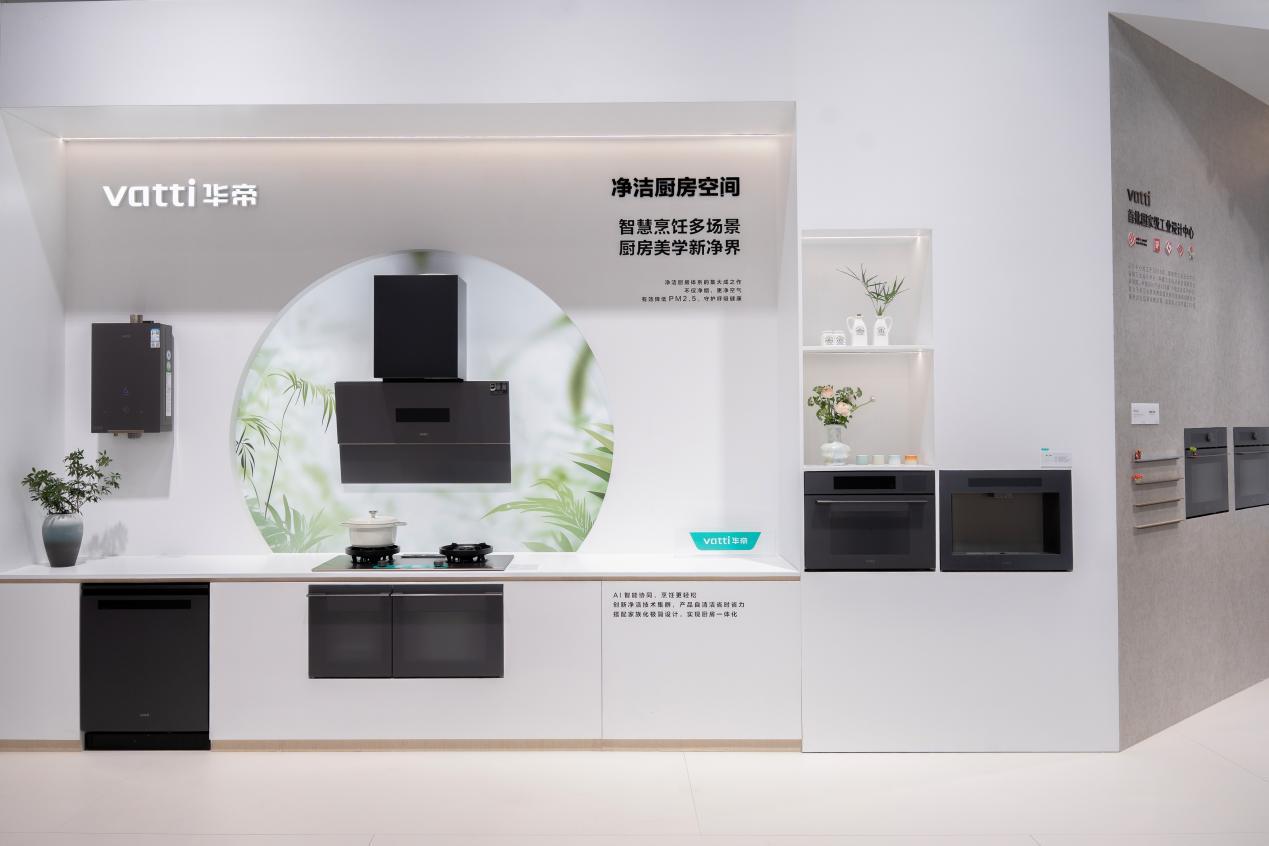
Core Insights - In the first half of 2025, Vatti Co., Ltd. (002035.SZ) strengthened its category operation capabilities and actively promoted a multi-brand strategy, resulting in steady revenue growth across its product lines including gas stoves, steam ovens, and water purifiers [1][2] - The company achieved a revenue of 2.8 billion yuan and a net profit of 272 million yuan during the same period, with its core kitchen appliance business remaining solid [2][4] Multi-Brand Strategy Driving Growth - Vatti's multi-brand strategy, leveraging its three main brands—Vatti, Baide, and Vatti Home—expanded its market influence and covered different market tiers and consumer needs [4][6] - The core kitchen appliance categories, including range hoods, gas stoves, and water heaters, contributed over 80% of the total revenue, with respective revenues of 1.169 billion yuan, 734 million yuan, and 519 million yuan [2][4] Product and Innovation Enhancement - The company focused on enhancing product innovation capabilities, launching new products that align with health and quality demands, which led to an increase in average product prices and overall profit margins [7][11] - Vatti Home achieved a revenue of 92.8 million yuan, marking a year-on-year growth of 29.74%, by developing a comprehensive product line that includes Italian, light classical, and Eastern styles [5][11] Channel Ecosystem Development - Vatti continued to build a diversified channel ecosystem through offline, online, new retail, and engineering channels, achieving a revenue of 1.486 billion yuan from offline channels with a gross margin of 45.89% [6][10] - The online channel strategy focused on enhancing platform penetration and operational efficiency, particularly through content e-commerce on platforms like Douyin [8][10] Product Innovation and Smart Ecosystem - The company emphasized product differentiation and innovation, with a total of 4,690 patents, including 472 new patents added during the reporting period [11][12] - Vatti is integrating AI technology into its products, launching smart kitchen appliances that offer enhanced user experiences through features like remote control and automatic cleaning reminders [14]

外卖大战,不见霸王茶姬的身影
3 6 Ke· 2025-09-02 09:35
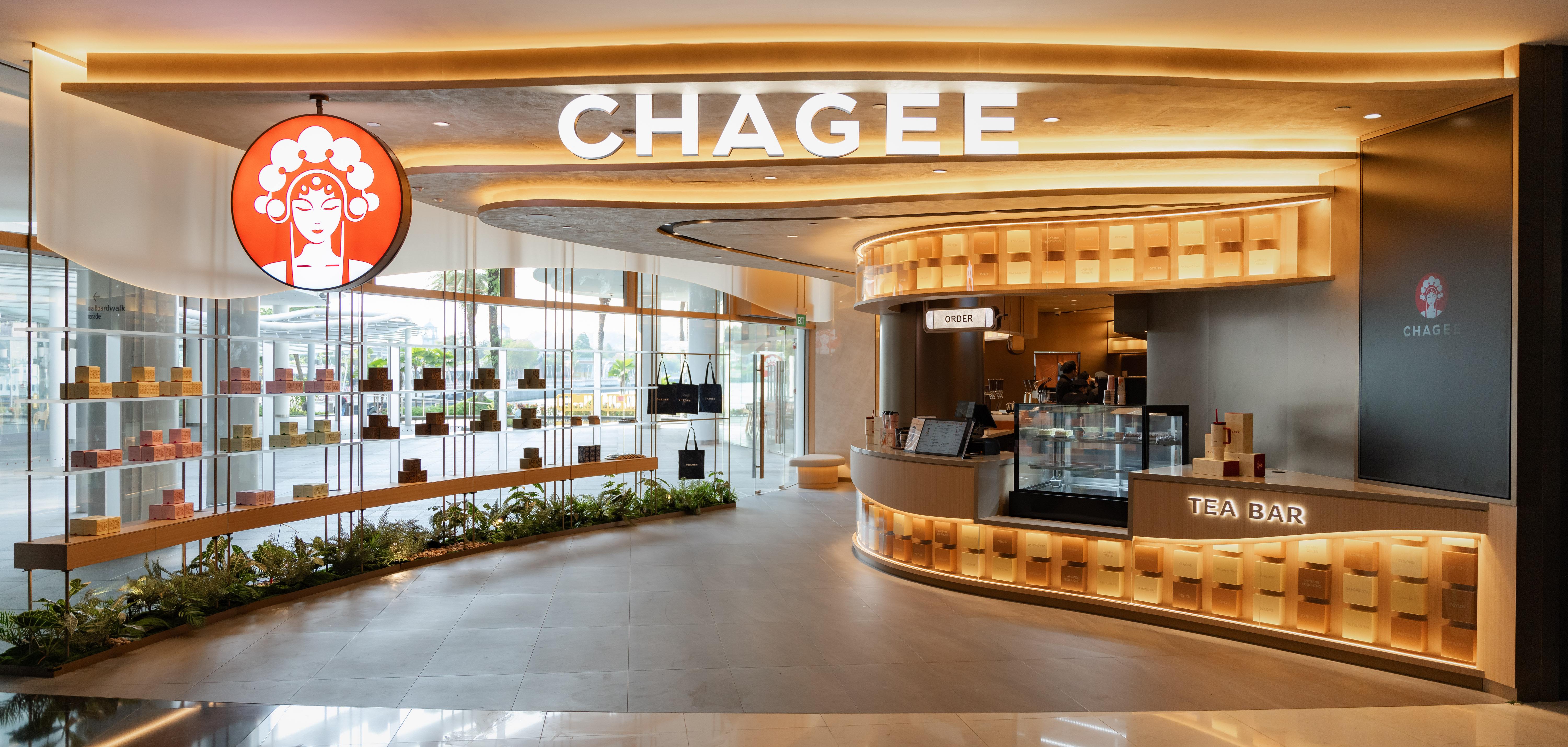
Core Viewpoint - Bawang Chaji, the first stock of new tea drinks in the US market, reported better-than-expected financial results for Q2, showcasing resilience amid a challenging economic environment and a slowing domestic tea drink industry [3] Financial Performance - Total revenue for Q2 reached 3.3319 billion RMB, a year-on-year increase of 10.2% [3] - Adjusted net profit was 629.8 million RMB, with a net profit margin of 18.9% [3] - Gross margin improved to 53.9% [3] - Overseas GMV reached 253.2 million RMB, a significant increase of 77.4% year-on-year [3] - The number of global stores reached 7,038, and registered members surpassed 200 million, with a quarterly net increase of 14.55 million, up 42.7% year-on-year [3][10] Strategic Positioning - The company refrains from engaging in price wars, focusing instead on high-value brand strategy and operational efficiency through technological innovation [5][6] - Bawang Chaji emphasizes product innovation and supply chain refinement to achieve sustainable growth [6] - The company has maintained a consistent pricing strategy while increasing the proportion of GMV from takeout to 52% [10] Product Innovation and Cultural Integration - Bawang Chaji has introduced regionally and seasonally limited products, enhancing its market presence and emotional connection with consumers [9] - The company launched products that respect local cultures, such as "谷香焙茶" in Malaysia and "兰花碧螺春" in Singapore, which have become popular [14] - The brand aims to spread tea culture globally, integrating local traditions and community engagement into its business model [18] International Expansion - Bawang Chaji has expanded its international footprint, opening 208 overseas stores in markets like Malaysia, Thailand, and Singapore [12] - The company has successfully entered the Indonesian market, with significant initial sales and user registrations [12][14] - Bawang Chaji's global strategy includes hiring experienced local management to enhance its market presence in North America [15][16] Employee Welfare and Corporate Culture - The company prioritizes employee welfare, offering supplemental medical insurance and implementing initiatives like "夜洁计划" to improve work-life balance [19][20] - Bawang Chaji promotes a culture of employee-first values, believing that satisfied employees lead to better customer service and, ultimately, improved company performance [19][21] Future Outlook - The company plans to initiate a core ingredient upgrade plan in the second half of the year, focusing on key raw materials [21] - Bawang Chaji aims to transition from rapid expansion to a more refined operational approach, ensuring sustainable growth and value creation for its membership ecosystem [21][22]
外卖大战,不见霸王茶姬的身影
36氪未来消费· 2025-09-02 09:18
Core Viewpoint - The company, Bawang Chaji, has demonstrated resilience in a challenging market by focusing on product innovation and operational efficiency rather than engaging in price wars [4][5][7]. Financial Performance - For the second quarter ending June 30, 2025, Bawang Chaji reported total revenue of 3.3319 billion RMB, a year-on-year increase of 10.2% [4]. - The adjusted net profit was 629.8 million RMB, with a net profit margin of 18.9% and a gross margin of 53.9% [4]. - Overseas market performance was strong, with a GMV of 253.2 million RMB, up 77.4% year-on-year [4]. Market Strategy - Bawang Chaji's founder emphasized the importance of not participating in price wars, advocating for a high-value brand strategy and operational efficiency through technological innovation [7][9]. - The company has maintained a consistent pricing strategy while increasing its GMV from takeout orders to 52% [15]. Product Innovation - Bawang Chaji focuses on product innovation to differentiate itself in a market known for homogenization, launching regionally and seasonally limited products [10][14]. - Signature products like "Boyar Absolute String" have been developed to appeal to a broad consumer base, contrasting with the fruit tea trend [13]. Global Expansion - The company has made significant strides in international markets, with 208 overseas stores opened in regions like Malaysia, Thailand, and Singapore [18]. - Bawang Chaji's entry into new markets, such as Indonesia and the Philippines, has been met with strong consumer interest, evidenced by high initial sales and user registrations [19][20]. Cultural Integration - Bawang Chaji integrates local culture into its product offerings, enhancing its appeal in international markets [27]. - The company has also engaged in community initiatives, such as employing individuals with disabilities and providing healthcare benefits to employees [28]. Future Outlook - The company plans to upgrade core raw materials and continue focusing on sustainable growth strategies, aiming to solidify its position in the market [30]. - Bawang Chaji aspires to become the "Starbucks of the East," indicating ambitious growth and brand recognition goals [31].
燕塘乳业(002732) - 2025年半年度网上业绩说明会记录表
2025-09-02 09:10
Group 1: Company Achievements and Recognition - The company has become the exclusive supplier of dairy products for the 15th National Games, marking its third consecutive time in this role, which enhances brand value and recognition in the Guangdong-Hong Kong-Macao Greater Bay Area [1] - The event will cover 19 cities in the region, providing extensive exposure to the local consumer base [1] Group 2: Quality Assurance and Operational Plans - A detailed operational and technical assurance plan has been established, including dedicated milk sources, specialized production lines, and quality control measures to meet the highest standards for the event [3] - The company aims to provide safe, fresh, and nutritious dairy products to athletes, staff, and spectators during the games [3] Group 3: Market Strategy and Growth Plans - The company is focused on increasing market share and promoting the revitalization of the dairy industry, with a strategy centered on proactive market engagement and management enhancement [4] - Plans include expanding into new regions, channels, and product lines while implementing a service improvement program [5] Group 4: Financial Performance and Shareholder Returns - The company has maintained a market value of over 20 billion, with consistent cash dividends paid to shareholders since its listing [3] - Management emphasizes that executive compensation is linked to company performance, ensuring alignment with business outcomes [5] Group 5: Product Innovation and Development - The company has launched 12 new products in the first half of the year, focusing on health and nutrition, including A2β-casein milk and flavored milk options [8] - There is a commitment to diversify product offerings beyond dairy, exploring opportunities in the beverage sector [8] Group 6: Market Expansion and New Media Utilization - The company has successfully entered the Hong Kong and Macau markets, being the first dairy enterprise to receive "Bay Area Standard" certification [8] - New media channels are actively utilized for brand promotion, achieving over 7 million total exposures in the first half of 2025 [8]

泸州老窖(000568):25Q2降速释放压力 强化渠道下沉精耕
Xin Lang Cai Jing· 2025-09-02 00:41
Core Viewpoint - The company reported a decline in revenue and net profit for the first half of 2025, indicating a challenging market environment with a focus on transformation and innovation to maintain competitive advantage [1][2]. Financial Performance - In H1 2025, the company achieved revenue of 16.45 billion yuan, a year-on-year decrease of 2.7%, and a net profit attributable to shareholders of 7.66 billion yuan, down 4.5% [1]. - For Q2 2025, revenue was 7.10 billion yuan, reflecting an 8.0% year-on-year decline, with net profit at 3.07 billion yuan, down 11.1% [1]. - The gross margin for Q2 2025 decreased by 1.0 percentage point to 87.9%, attributed to a higher proportion of lower-end products [1][2]. Product and Market Dynamics - The demand for mid-to-high-end liquor was weak in H1 2025, with the company focusing on transforming its product offerings and channel strategies to adapt to market changes [1]. - Revenue from mid-to-high-end liquor was 15.05 billion yuan, a slight decrease of 1.1%, while other liquor categories saw a more significant decline of 17.0% in revenue [1]. - The company is actively pursuing market expansion through initiatives like the "Hundred Cities Plan" and enhancing channel management [2]. Cost and Efficiency - The overall expense ratio decreased by 2.5 percentage points to 12.7% in Q2 2025, with reductions in sales, management, and financial expense ratios [2]. - Cash flow for Q2 2025 was 8.08 billion yuan, down 15.1% year-on-year, while contract liabilities increased by 50.7% to 3.53 billion yuan, indicating a robust channel liquidity [2]. Future Outlook - The company forecasts net profits of 12.97 billion yuan, 14.27 billion yuan, and 15.71 billion yuan for 2025-2027, with corresponding EPS of 8.81 yuan, 9.69 yuan, and 10.67 yuan, suggesting a positive long-term growth trajectory [3].

营收、利润双降的蒙牛,何时才能收复失地?
Hua Er Jie Jian Wen· 2025-09-01 17:50
Core Viewpoint - The dairy industry is undergoing a prolonged adjustment period, and Mengniu has not yet seen signs of recovery, facing challenges from declining sales and market share in the liquid milk segment [1][4][7]. Financial Performance - In the first half of the year, Mengniu achieved operating revenue of 41.567 billion yuan, a year-on-year decline of 6.9%, with both sales volume and prices experiencing low single-digit decreases [1]. - The company's net profit attributable to shareholders decreased by 16.4% to 2.046 billion yuan, with a net profit margin decline of 0.6 percentage points [2]. - Despite a 1.4 percentage point increase in gross margin to 41.7% due to falling raw milk prices, Mengniu faced a 545 million yuan loss from joint ventures, offsetting the benefits of cost reductions on net profit [1][2]. Industry Outlook - The industry outlook for demand recovery and improved competitive dynamics is pessimistic, with a continuous decline in the domestic dairy cow inventory expected from 2024 onwards [3]. - Although the industry is in a capacity clearing phase, milk production still saw a 0.5% year-on-year increase in the first half of the year, with milk prices hovering around 3 yuan per kilogram [3]. Market Dynamics - The anticipated turnaround in the industry cycle has been pushed back to 2026, with Mengniu facing pressures not only from macroeconomic consumption fatigue but also from imbalances in product categories and channel distribution [4][5]. - The liquid milk market is under significant pressure, with Mengniu's liquid milk revenue declining by 11.2% to 32.2 billion yuan, marking a drop in revenue share to 77.4%, the first time below 80% in recent years [7][8]. Competitive Landscape - Mengniu's market share in the liquid milk segment is shrinking, with a widening gap of 4 billion yuan between Mengniu and its competitor Yili [8]. - The company is facing internal competition pressures as lower raw milk prices allow smaller dairy companies to engage in price wars, further eroding market share from leading firms [11]. Strategic Initiatives - Mengniu has accelerated product innovation, launching over a hundred new products in the first half of the year across various categories, including ambient, chilled, ice cream, and functional milk [19]. - The company is focusing on enhancing operational efficiency, reducing inventory turnover days to 36 days, and cutting sales and distribution expenses by approximately 1 billion yuan [14]. Future Projections - Mengniu's management has lowered its full-year guidance from low single-digit growth to a mid-to-high single-digit decline, reflecting a cautious outlook for the second half of the year [12]. - The company aims to optimize its product structure and improve profitability, with expectations that the operating profit margin will remain stable compared to the previous year [17].

上半年业绩承压 上市乳企多举措谋突围
Zheng Quan Ri Bao· 2025-09-01 16:41
Core Insights - The overall domestic dairy industry is under significant pressure, with over 60% of companies experiencing a decline in revenue year-on-year, while net profits show mixed results [1][2] Group 1: Financial Performance - The 28 listed dairy companies achieved a total revenue of 190.15 billion yuan, a year-on-year decrease of 1.05%, and a net profit of 12.40 billion yuan, down 14.83% [2] - Cash flow from operating activities totaled 4.94 billion yuan, down 31.72%, while R&D expenses increased by 14.99% to 0.70 billion yuan [2] - Five companies reported revenues exceeding 10 billion yuan, with Yili and Mengniu dominating the market, accounting for 54% of total revenue and 74.6% of net profit among the 28 companies [2] Group 2: Trends and Challenges - Among the 28 companies, 17 reported a decline in revenue, with only 2 companies achieving over 10% growth [3] - The industry faces challenges such as supply-demand imbalances and changes in consumer demand and retail channels, prompting companies to innovate and optimize product structures [3][4] - Yili's liquid milk business saw an 11.22% revenue decline, while other segments like ice cream and cheese experienced double-digit growth [3] Group 3: Raw Milk Sector - The raw milk sector remains in a loss adjustment phase, but leading companies are showing resilience through cost control and strategic adjustments [5][6] - Modern Dairy maintained stable cash flow with a 23.3% increase in net cash flow, while costs for milk sales and feed decreased by 10.1% and 11.4%, respectively [5] - China Shengmu Organic Milk's revenue fell by 3.11%, but losses narrowed by 66.37% due to a focus on organic milk and cost reduction strategies [5] Group 4: Product Segments - The milk powder segment showed signs of recovery, with Yili's milk powder and dairy products revenue increasing by 14.26% [7] - Mengniu's milk powder revenue grew slightly, while H&H International's baby nutrition business reported 2.5 billion yuan in revenue, marking a strong performance [7] - The ice cream market thrived due to high temperatures, with Mengniu's ice cream revenue growing by 15% and Yili leading the market with 8.23 billion yuan in revenue [8] Group 5: Future Outlook - The dairy industry is expected to see a recovery trend, with leading companies leveraging full-chain layouts and technological innovations to stabilize their positions [8] - Analysts suggest that companies need to balance value cultivation and differentiated competition to build long-term competitiveness in changing consumer landscapes [8]



华人健康:公司通过产品创新和差异化服务,构建独特的竞争优势
Zheng Quan Ri Bao Wang· 2025-09-01 11:11
Core Viewpoint - The announcement from Huaren Health highlights the significant impact of policy changes, such as extended medical insurance payment periods, on the pharmaceutical industry, creating opportunities for commercial health insurance and diversified payment channels [1] Industry Summary - The aging population and increasing health demands are driving growth in the pharmaceutical sector, particularly in retail pharmacy channels, with a notable rise in demand for chronic disease management and health services [1] - Retail pharmacies are positioned to enhance their service value and market status, benefiting from optimized payment structures to better meet public medication needs [1] Company Summary - Huaren Health focuses on pharmaceutical retail as its core business, aiming to build a unique competitive advantage through product innovation and differentiated services [1] - The company emphasizes deep integration of the industrial and commercial sectors to drive steady performance growth, leveraging a young and stable management team with innovative ideas [1] - The strategic direction includes internal growth and moderate acquisitions for business expansion, optimizing existing operations, and exploring emerging markets for sustainable growth [1]
江南春:消费品牌反内卷的10个顶级思维
创业家· 2025-09-01 10:42
Core Viewpoint - The article emphasizes that consumer brands need to adopt ten "don'ts" to avoid internal competition and effectively market and communicate their products in a fragmented consumer landscape [2][6][10]. Group 1 - Do not chase after dividends anymore [2] - Do not use diligent traffic investment to cover the lack of core brand competitiveness [3] - The essence of consumer goods has not changed over the past 30 years: deep distribution both online and offline, and occupying consumers' minds as the first choice [4][5] Group 2 - Do not look for consumers anymore [6] - Consumer touchpoints are increasingly complex, and limited budgets cannot follow all of them [7][8] - To win the mind war, brands must concentrate their efforts and saturate the market to penetrate consumers' mental barriers [8] Group 3 - Do not add more products [10] - The core of a business is not about adding but focusing resources on core products [11] - Focus on core products, core media, and core brand value [12] Group 4 - Do not embrace change anymore [13] - Instead of trying to grow in areas of weakness, brands should focus on the unchanging rules of their industry and consumers' enduring needs [13][14] Group 5 - Do not talk about products anymore [15] - China does not lack quality products; instead, brands should create scenarios that stimulate consumer desire [16] - Consumers need solutions to their scenario problems and the emotional significance of those scenarios [18] Group 6 - Do not learn from leading brands anymore [19] - When facing a strong leader brand, the tactical approach should be to differentiate rather than imitate [20][21] Group 7 - Do not fantasize about winning through extraordinary means anymore [22] - Betting on significant events and public opinion has a low success rate [23] - The resonance between online social media and offline community media is the most reliable paradigm for brand communication today [24] Group 8 - Do not strive for change anymore [26] - Sometimes, doing less but doing it thoroughly is more effective than trying to innovate excessively [26] Group 9 - Do not trust numbers anymore [27] - Online data does not equate to consumer recognition; true value lies in being a brand that consumers think of first in its category [28][29] Group 10 - Do not go with the flow anymore [31] - When everyone is following trends, consider taking a contrary approach for unexpected experiences and rewards [32]