加盟模式

Search documents
“秋奶”出现蟑螂? 蜜雪冰城道歉!
Xin Lang Ke Ji· 2025-08-16 07:24
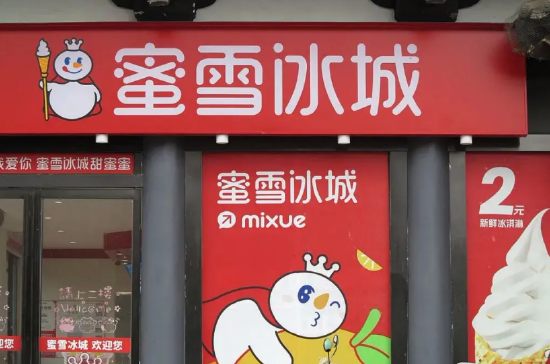
Core Viewpoint - The recent incident involving a cockroach found in an unopened cup of milk tea from Mixue Ice City has raised significant concerns about food safety and the company's operational practices, particularly its heavy reliance on a franchise model [2][4][7]. Group 1: Incident Details - A consumer reported finding a cockroach in an unopened cup of jasmine milk green tea purchased from a Mixue Ice City store in Ganzhou, Jiangxi [4]. - The company has issued an apology and refunded the consumer, while also compensating them 1,000 yuan as per food safety regulations [6][4]. - This incident is part of a larger pattern of complaints, with over 10,000 complaints related to food safety issues, including foreign objects in drinks [7][12]. Group 2: Business Model and Financial Performance - As of December 31, 2024, Mixue Ice City operates a total of 46,479 stores globally, with 46,462 being franchise stores, resulting in a franchise ratio of 99.96% [12][13]. - The company has expanded significantly, adding 8,914 stores compared to the previous year, with 57.4% of its stores located in third-tier cities and below [12][13]. - In 2024, Mixue Ice City's revenue from product and equipment sales reached 24.21 billion yuan, a year-on-year increase of 21.7%, while revenue from franchise and related services grew by 52.8% to 620 million yuan [13].

一位百果园重庆加盟商口述:虽艰难但挣钱
经济观察报· 2025-08-14 12:35
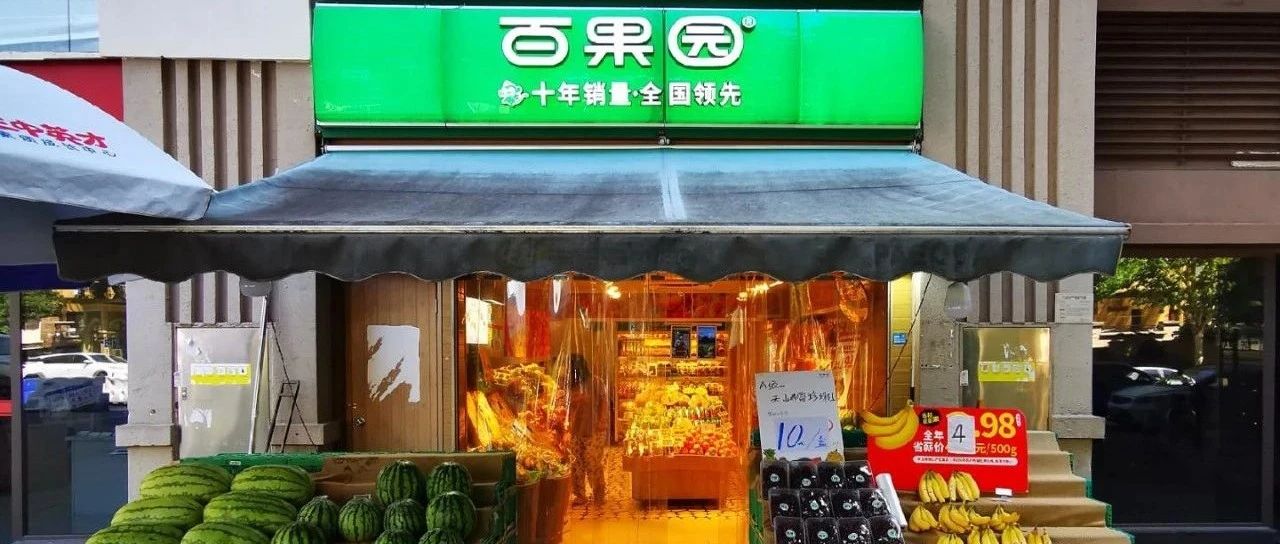
Core Viewpoint - The article discusses the challenges and performance of the fruit retail chain, Baiguoyuan, highlighting the controversy surrounding its chairman's comments and the financial struggles faced by the company in 2024, including significant losses and a reduction in store count [2][10]. Group 1: Company Performance - In 2024, Baiguoyuan reported a net profit loss of 386 million yuan, a year-on-year decline of 206.7% [2]. - The total revenue for the year was 10.273 billion yuan, down 9.8% compared to the previous year [2]. - The number of chain stores decreased from 6,093 in 2023 to 5,127 in 2024, representing a net closure of 966 stores, a decline of 15.9% [2]. Group 2: Franchise Operations - Baiguoyuan operates primarily through a franchise model, with 4,039 out of 5,127 stores being franchise locations, accounting for 78.8% of total stores [2]. - Franchisees are required to follow company guidelines for product display, pricing, and promotions, with regular inspections by company staff [5]. - The company has a policy of distance protection for franchisees, preventing the opening of new stores within a certain radius of existing ones [5]. Group 3: Consumer Engagement and Membership Strategy - Baiguoyuan has implemented a membership recharge strategy, offering incentives for customers who recharge their accounts, which has attracted over 10.86 million successful recharges [9]. - The number of members across all distribution channels increased by 8.1% year-on-year to 90.74 million, while the number of paying members decreased by 27.1% to approximately 850,000 [9]. Group 4: Controversy and Public Perception - The chairman's comments on consumer education have sparked controversy, with some perceiving them as elitist, leading to negative public sentiment [2][10]. - Despite the controversy, franchisee Dan Hongtao reported that his store remains profitable despite the challenging environment, indicating mixed experiences among franchisees [4][6].
出售中国区业务,星巴克布下“死局”
Hu Xiu· 2025-08-11 00:04
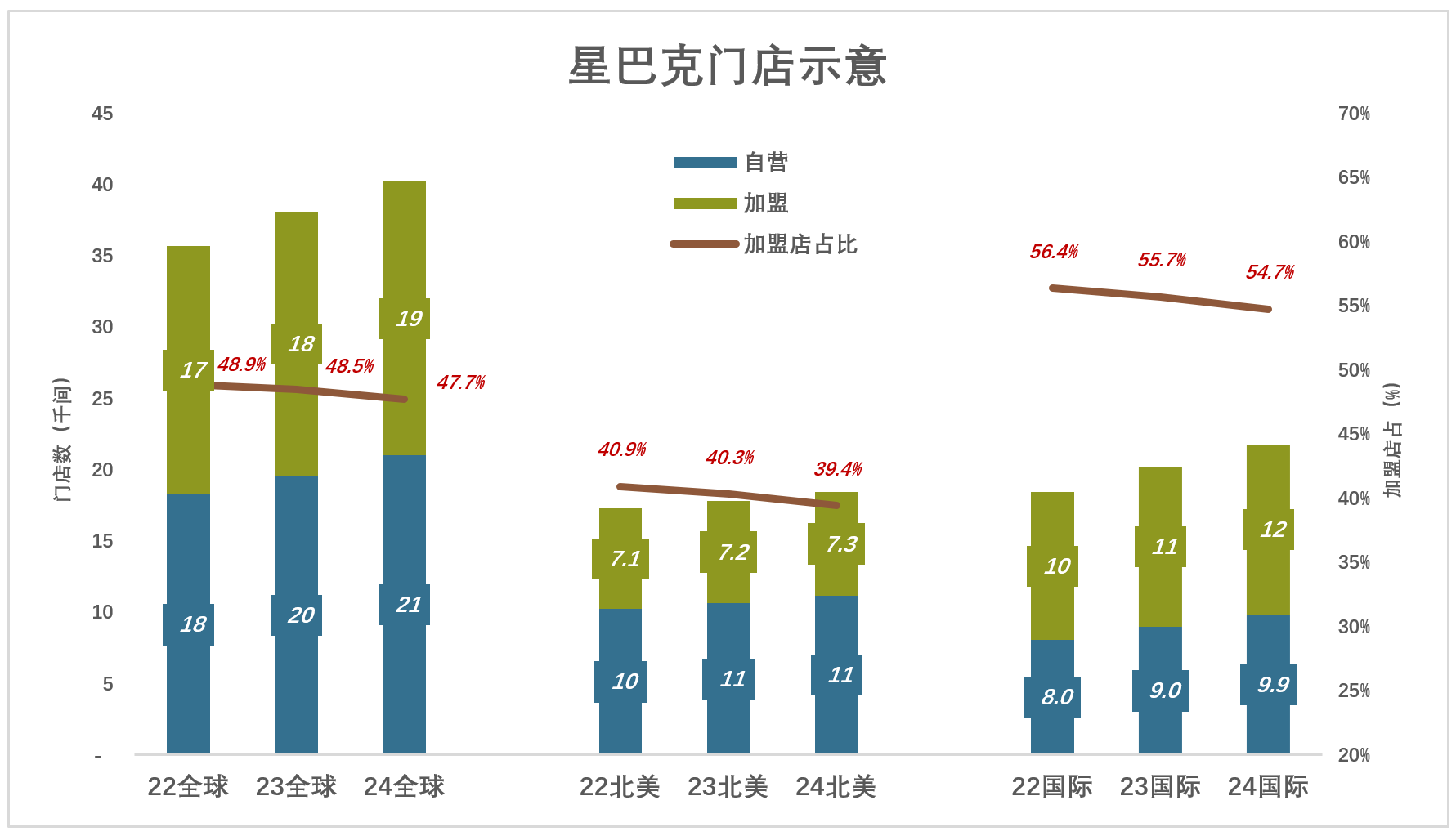
Core Viewpoint - Starbucks is evaluating over 20 institutions with a strong interest in its China business, aiming to retain a significant equity stake while potentially selling 70% to multiple buyers, each holding no more than 30% [1][2]. Group 1: Business Strategy - Starbucks has adopted a fully self-operated model in China, contrasting with its North American strategy of a 60:40 self-operated to franchised ratio, which has been stable for years [3][6]. - The company has been gradually transitioning from a franchise model to a self-operated model in China since 2003, with the number of self-operated stores increasing significantly [6][20]. - The self-operated model allows for better service quality and brand image, while the eventual goal is to replicate the North American model of 60% self-operated and 40% franchised stores in China [8][19]. Group 2: Financial Performance - As of the end of fiscal year 2024, Starbucks had 7,594 self-operated stores in China, significantly outpacing its second-largest market, Japan [6][20]. - The international division's self-operated revenue for fiscal year 2024 was $5.51 billion, but the operating loss rate reached 14.3%, highlighting the challenges faced in international markets [16][17]. - The North American division's operating profit for fiscal year 2024 was $2.6 billion, with a profit margin of 10.7%, but faced a 30.6% year-over-year decline in operating profit for the first three quarters of fiscal year 2025 [12][17]. Group 3: Market Dynamics - Starbucks' market share in China has declined to 14% by 2024, facing strong competition from local brands like Luckin Coffee [9][20]. - The company’s strategy to retain 30% equity in its China business while selling the majority stake raises concerns about potential conflicts and operational challenges, similar to the Uber and Didi case [21][22]. - The proposed sale structure may lead to a "deadlock" situation, where the retained stake complicates the integration and operational independence of the new buyers [22][23].

罢免非独立董事,市值已蒸发九成,奈雪如何扭亏为盈?
凤凰网财经· 2025-08-08 13:09
Core Viewpoint - Naixue's tea is facing significant challenges in achieving stable profitability, with a decline in revenue and increasing competition in the beverage market [2][3][4]. Financial Performance - Naixue's revenue from 2021 to 2024 was 42.97 billion, 42.92 billion, 51.64 billion, and 49.21 billion respectively, with net profits of -4.526 billion, -476 million, 11.166 million, and -926 million [2]. - The adjusted net profits for the same years were -145 million, -461 million, 20.912 million, and -919 million [2]. Business Model and Expansion - Naixue has a low proportion of franchise stores, with 90.8% of revenue coming from direct stores, which saw a decline in income [3][4]. - In 2023, Naixue launched a "partner plan" to open franchise stores, requiring an investment of approximately 1 million and management experience [3]. - By the end of 2024, the number of franchise stores increased to 345, while direct store revenue decreased by 6.3% [4]. Market Strategy and Product Development - Naixue is exploring new store formats to adapt to different consumer scenarios, including the introduction of "Naixue green stores" focusing on healthy food options [6][7]. - The company has simplified its brand name and launched a "no sugar natural nutrition+" initiative to promote healthier products [8]. Investor Sentiment and Market Position - Naixue's market capitalization has significantly decreased from approximately 290 billion HKD at its IPO to about 24.93 billion HKD [8][9]. - Major investors have been reducing their stakes, indicating a loss of confidence in the company's future prospects [9][10].
老铺黄金等“折A转港”
Jing Ji Guan Cha Wang· 2025-08-08 04:36
Core Viewpoint - The gold and jewelry industry is facing challenges in capital market entry, with companies like Laopu Gold, Mengjinyuan, and Zhouliufu struggling to list on A-shares and now attempting to enter the Hong Kong market for better opportunities [2][18]. Industry Overview - The gold and jewelry sector is experiencing a surge in terminal consumption, leading to improved performance for many companies seeking capitalization [2]. - The industry is characterized by high competition and severe product homogeneity, with a focus on marketing rather than research and development [4][5]. Company-Specific Insights - Laopu Gold primarily operates through a direct sales model, emphasizing marketing, with sales and distribution expenses from 2020 to 2023 reaching 1.90 billion, 2.62 billion, 2.97 billion, and 2.50 billion respectively, while maintaining a low R&D expense ratio [5][17]. - Mengjinyuan's revenue from 2020 to 2023 was 108.34 billion, 168.71 billion, and 157.24 billion, with net profits of 1.74 billion, 2.24 billion, and 1.81 billion, indicating a low net profit margin [8][10]. - Zhouliufu reported a gross margin of 37.62%, 34.92%, and 39.22% from 2020 to 2022, with revenues of 20.82 billion, 28.29 billion, and 31.60 billion, showcasing a more profitable business model compared to Mengjinyuan [9][10]. Business Model Analysis - The franchise model allows for rapid expansion at low costs, but profitability varies significantly between companies, with Zhouliufu benefiting from a higher gross margin due to its service fee income [10][11]. - The reliance on high inventory levels is a common risk across the industry, with Laopu Gold, Mengjinyuan, and Zhouliufu all facing scrutiny regarding their inventory management [12][14]. Financial Performance - Laopu Gold maintained a gross margin above 40% over the past three years, attributed to its high-end brand positioning and focus on traditional craftsmanship [16][17]. - Mengjinyuan's gross margin was significantly lower, primarily due to its product structure, with over 98% of its products being gold jewelry, which has a lower margin compared to diamond-studded items [10][16]. Market Dynamics - The gold price surge has temporarily benefited the industry, but cyclical challenges remain, affecting liquidity and profitability [19].

外卖商战火热,百胜中国拒绝“花钱换销售额”
Guo Ji Jin Rong Bao· 2025-08-06 13:05
Core Insights - Yum China has reported strong financial performance for Q2 2025, with total revenue reaching $2.787 billion, a year-on-year increase of 4% [2] - The company aims to accelerate store expansion in the second half of the year, targeting a net increase of 1,600 to 1,800 stores for the year [2][3] Financial Performance - Q2 operating profit grew by 14% to $304 million, with an operating margin of 10.9%, both marking historical highs for the period [2] - For the first half of 2025, revenue was $5.768 billion, up 2.32% year-on-year, and net profit attributable to shareholders was $507 million, a 1.6% increase [2] Store Expansion Strategy - As of June 30, 2025, Yum China operated 16,978 restaurants, a net increase of 583 from the end of the previous year [2] - KFC added 590 new stores, while Pizza Hut saw a net increase of 140 stores [2] - The company plans to focus on franchise models for expansion, particularly in lower-tier cities and high-traffic locations like train stations [3] Delivery and Market Competition - Delivery sales grew by 22% in Q2, accounting for approximately 45% of restaurant revenue, up from 38% in the same period last year [4][5] - KFC's delivery sales increased by 25%, while Pizza Hut's grew by 15% [5] - Management emphasized maintaining price integrity and not sacrificing profit margins for market share during competitive delivery promotions [5] Pricing Strategy and Menu Changes - Pizza Hut has introduced a new menu with significant price reductions, with discounts ranging from 20% to 51%, marking a strategic move to attract customers [6][8] - The average transaction value at Pizza Hut decreased by 13% due to the price cuts, despite a 2% increase in same-store sales [8] - The new WOW store format, focusing on smaller portions and lower prices, has seen over 200 locations opened, with plans for further expansion [8]
孕婴世界靠“亲友团”逆势扩张 拟IPO募资近2亿元合理性存疑
Mei Ri Jing Ji Xin Wen· 2025-07-28 14:24
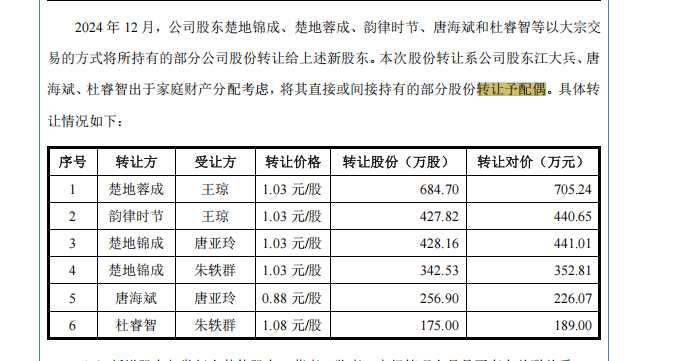
江大兵配偶王琼也在公司发展过程中扮演着关键角色。创业早期,夫妻二人曾共同创办成都市创托妇婴 商贸有限公司(孕婴世界业务前身)并持股至2014年。 在出生率持续走低的背景下,母婴连锁企业成都孕婴世界股份有限公司(以下简称孕婴世界)却逆势扩 张,凭借加盟模式和下沉市场策略实现业绩增长,并宣称"位居国内母婴连锁行业前三"。近日,孕婴世 界向北交所递交的上市申请已获受理。 《每日经济新闻》记者注意到,孕婴世界家族经营色彩浓厚。公司实际控制人、高管及员工的多名亲友 扮演了多重角色,包括股东、供应商和客户,甚至在公司前五大供应商和前五大客户名单中都有他们的 身影。 这种"亲友合力"的商业模式虽助推了公司发展,但也为其IPO(首次公开募股)之路埋下隐忧。7月21 日,公司收到了监管部门的问询函,公司的股权清晰稳定情况、加盟模式、收入真实性等问题均被问 及。 庞大的"亲友商业网络" 孕婴世界主营业务为母婴商品销售,以及为上游品牌供应商、下游加盟商提供服务。孕婴世界招股说明 书(申报稿)(以下简称招股书)显示,江大兵、王伟鉴合计实际控制公司表决权比例为83.4929%, 为公司实际控制人。 现年54岁的江大兵是孕婴世界核心人物 ...
转战港股上市又失败?八马茶业:非未通过聆讯,系招股书失效
Nan Fang Du Shi Bao· 2025-07-28 09:30
Core Viewpoint - The IPO application of Baima Tea Co., Ltd. has expired, but the company clarifies that it is not a failure to pass the hearing, as the application simply reached its six-month validity period and can be resubmitted within three months after updating financial data [1][5]. Company Overview - Baima Tea Co., Ltd. is headquartered in Shenzhen and has been operating since 1998, with a product range that includes various types of tea and related products [3]. - The company's founders, Wang Wenbin and Wang Wenli, hold 25.28% and 20.38% of the shares, respectively [3]. Market Context - The capital market shows a lack of confidence in traditional tea brands, as evidenced by other companies like China Tea halting their IPOs and the declining stock prices of brands like Lancang Ancient Tea [4]. - The company has faced challenges in its franchise model, with a decline in both store numbers and procurement amounts [4]. Financial Performance - Revenue figures for Baima Tea from 2021 to 2023 are reported as 1.744 billion, 1.818 billion, and 2.122 billion yuan, respectively, with net profits of 163 million, 166 million, and 206 million yuan [5]. - For the first nine months of 2024, revenue increased by 0.98% to 1.647 billion yuan, while net profit grew by 12.6% to 208 million yuan [5]. Store Network - As of September 30, 2024, Baima Tea operates 3,498 offline stores in China, with 274 being direct-operated and 3,224 as franchise stores [5]. - The number of direct-operated stores has decreased over the past three years, while franchise stores have seen an increase [5]. IPO History - Baima Tea's IPO journey has been tumultuous, with previous attempts to list on various exchanges since 2013, including a withdrawal of applications in 2022 and 2023 [4].

家族生意经:孕婴世界靠“亲友团”逆势扩张,近2亿元募资合理性存疑
Mei Ri Jing Ji Xin Wen· 2025-07-24 10:28
Core Viewpoint - Chengdu Pregnant and Infant World Co., Ltd. is expanding against the trend of declining birth rates, claiming to be among the top three in the domestic maternal and infant chain industry, and has submitted its IPO application to the Beijing Stock Exchange [1] Group 1: Business Model and Control - The company operates a family-oriented business model where many relatives of the actual controllers, executives, and employees play multiple roles, including shareholders, suppliers, and customers [1][2] - The actual controllers, Jiang Dabin and Wang Weijian, hold a combined voting power of 83.49% [2] - Wang Qiong, Jiang Dabin's spouse, has played a key role in the company's development and holds shares, but the prospectus does not clarify why she is not listed as an actual controller [4][5] Group 2: Financial Performance - The company reported revenues of 603 million yuan, 698 million yuan, and 1 billion yuan for the years 2022, 2023, and 2024, respectively, with net profits of approximately 83.64 million yuan, 94.72 million yuan, and 120.22 million yuan [12][13] - The total assets increased from approximately 552.72 million yuan in 2022 to about 746.53 million yuan in 2024, with a debt ratio of 15.21% [13] Group 3: Market Strategy - Pregnant and Infant World has increased its store count from over 1,300 in early 2022 to 2,200 by the end of 2024, a nearly 70% increase, while the overall number of maternal and infant stores in China has decreased by about 40% [6] - The company primarily relies on a franchise model, focusing on second- and third-tier cities and town markets, which allows for rapid expansion but has led to declining gross margins [6][10] Group 4: Risks and Challenges - The gross margin has decreased from 24.11% in 2022 to 20.8% in 2024, significantly lower than the industry average, attributed to increased competition and a declining birth rate [6][12] - Franchisees are allowed to source some products independently, raising quality control risks, as evidenced by consumer complaints regarding pricing discrepancies [7][10] Group 5: IPO and Fundraising - The company plans to raise 191 million yuan through its IPO, with 143 million yuan allocated for sales service network construction and 48.44 million yuan for a digital center [16] - Despite having 467 million yuan in cash and investments, the rationale for raising additional funds has raised market skepticism, especially given the low historical R&D spending [11][16]
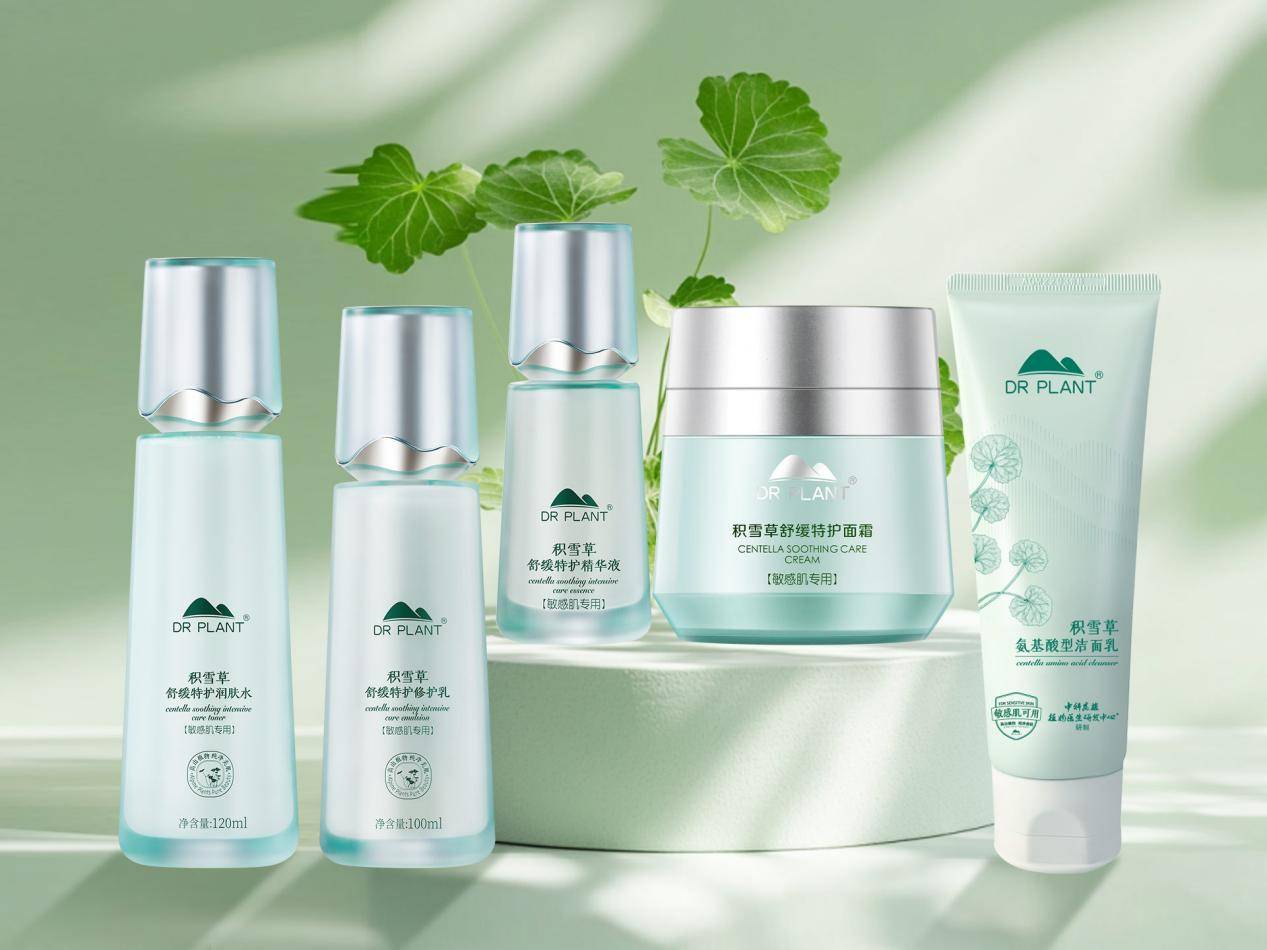
化妆品界的"蜜雪冰城"?植物医生IPO揭秘:4.2 折供货,加盟商“免费服务”卖高价套装
Sou Hu Cai Jing· 2025-07-23 10:10
Core Viewpoint - The company, Plant Doctor, is pursuing an A-share listing while expanding its offline store presence, contrasting with competitors focusing on direct sales and online channels [2][3]. Group 1: Business Strategy - Plant Doctor has nearly 5,000 stores in less than 10 years since its establishment in 2016, with a strategy focused on offline expansion, adding over 500 stores annually [2][3]. - The company operates 4,328 stores as of the end of 2024, with 3,830 being authorized franchise stores and only 498 being directly operated [5][9]. - The franchise model allows Plant Doctor to provide comprehensive support to franchisees, including site selection and training, without taking a cut from their sales [7][10]. Group 2: Financial Performance - From 2022 to 2024, Plant Doctor's revenue was 21.17 billion, 21.51 billion, and 21.56 billion respectively, with net profits of 1.58 billion, 2.3 billion, and 2.43 billion [18]. - The company's gross margin from 2022 to 2024 was 55.23%, 60.35%, and 58.90%, which is lower than industry averages of 66.69%, 68.28%, and 70.47% [19][20]. - The company plans to raise 998 million for marketing and brand building, with 526 million allocated for marketing channels and brand construction [14][15]. Group 3: Market Positioning - Plant Doctor emphasizes emotional value in its customer service, offering free skincare services to customers who purchase products, which enhances customer loyalty [10][11]. - The company has engaged in significant brand-building efforts, including celebrity endorsements and media appearances, to enhance its market presence [16]. Group 4: Challenges - The franchise model has led to management challenges, with several franchise stores facing penalties for regulatory violations and product quality issues [16]. - Customer complaints regarding product safety and service quality have been noted, indicating potential risks to brand reputation [16].