
城乡居民增收计划

Search documents
张江打工人 2025 生存实录:咖啡从现磨到挂耳,A 股从腰斩到翻红,2026 的春天藏在这 3 个信号里
Sou Hu Cai Jing· 2026-01-07 08:12
Group 1: Economic Trends - The consumption market is experiencing a structural divide, with significant increases in home appliance sales driven by "trade-in" policies, while clothing sales are struggling with only a 4.9% growth rate [4] - The Shanghai government has introduced subsidies for office equipment for tech companies, leading to a surge in upgrades among employees [1] - The international gold price has risen by 18% over the year, prompting a shift in investment focus from mutual funds to gold ETFs among employees [5] Group 2: Technological Advancements - Shanghai Superconductor's new facility has increased its production capacity from 100 kilometers to 15,000 kilometers annually, showcasing rapid advancements in technology [4] - The AI model developed by a local company is set to enhance productivity by automating tasks such as meeting minutes and code optimization, indicating a strong potential for growth in the tech sector [7] Group 3: Policy and Investment Climate - The Federal Reserve's decision to lower interest rates by 108 basis points has led to a significant increase in foreign investment in A-shares, with a reported doubling of foreign account opening requests [8] - The Shanghai government is optimizing the tech innovation ecosystem, with expedited processes for company relocations and extended tax relief for small businesses [8] Group 4: Consumer Behavior - There is a noticeable shift in consumer spending habits, with a decline in discretionary spending on items like coffee, while essential goods such as food have seen moderate price increases [1] - The trend of community group buying for affordable fruits has emerged as a cost-saving strategy among consumers [1]


开局之年看大势丨内需主导 激发超大规模市场潜能
Jing Ji Ri Bao· 2026-01-06 05:33
Group 1 - The core viewpoint emphasizes the importance of expanding domestic demand as a key strategy for economic growth in 2026, highlighting the need for a strong domestic market [1][2] - The article discusses the significant potential of China's consumer market, driven by a population of over 1.4 billion and a growing middle-income group, which lays a solid foundation for domestic demand growth [2][3] - It points out the shift in consumer behavior from goods consumption to a balanced focus on both goods and services, indicating a substantial opportunity in service consumption [2][4] Group 2 - The article outlines the government's plan to enhance supply-demand matching by increasing the supply of quality goods and services, aiming for a high-quality development pattern by 2030 [4][5] - It highlights the role of technology, particularly AI and big data, in capturing consumer demand and driving innovation in product offerings [5][6] - The focus on effective investment is crucial for stimulating domestic demand, with policies aimed at optimizing consumption and investment strategies to create a virtuous cycle [6][7] Group 3 - The article identifies new consumption growth points in areas such as product quality improvement, service expansion, digital upgrades, and green health, which are expected to drive market development [8][9] - It mentions specific sectors projected to become trillion-yuan markets, including elderly products and smart connected vehicles, as well as billion-yuan hotspots like children's products and fitness equipment [9][10] - The overall narrative suggests that as supply and demand achieve a higher level of dynamic balance, China's economy will transition from a "large market" to a "strong market" [10]
坚持惠民生和促消费紧密结合
Jing Ji Ri Bao· 2026-01-05 22:42
Core Viewpoint - The article emphasizes the transformation of the consumption market in recent years, highlighting the shift from physical goods consumption to service and experiential consumption, driven by the people's aspirations for a better life [1]. Group 1: Consumer Trends - The consumption structure in China is transitioning from a focus on goods to a balanced emphasis on both goods and services, with significant increases in demand for healthcare, education, cultural tourism, and elder care services [2]. - There is a notable decrease in demand for large-ticket items such as housing and automobiles, while service-oriented consumption is on the rise [2]. Group 2: Policy Recommendations - The article suggests a dual approach of "soft and hard" measures to promote consumption and improve people's livelihoods, advocating for both the expansion of large commodity consumption and the growth of service consumption [2]. - Short-term policies should focus on increasing support, accelerating the application of new technologies, and fostering new consumption scenarios to stimulate consumer enthusiasm [2]. - Long-term strategies should include relaxing market access and optimizing regulations to enhance market vitality and expand the supply of quality services [2]. Group 3: Economic Impact - The article states that economic development is the material foundation for safeguarding livelihoods, with active consumption driving economic growth and creating more job opportunities [1]. - Increased consumer demand for high-quality goods and services will compel companies to innovate and upgrade their industries, ultimately providing better products and services to the public [1].
提高灵活就业者的社保覆盖率
Jing Ji Guan Cha Wang· 2026-01-04 11:11
Group 1 - The core issue of social security remains a hot topic in the public discourse, with significant developments in 2025 including the announcement of social security contributions for delivery workers and adjustments to contribution bases across various regions [1] - China has established the world's largest social security system, with basic pension insurance covering 1.012 billion people by 2024, including 535 million urban employees and 538 million rural residents [1] - The pension insurance system is designed to provide basic living security for workers upon retirement or loss of labor capacity, while also promoting social mutual assistance and risk-sharing [1] Group 2 - The compliance rate for China's employee pension insurance has declined from 85.2% in 2011 to 80.8% in 2022, indicating a rise in the proportion of individuals who have interrupted their contributions [2] - To encourage more flexible workers to participate in employee social security, targeted incentive measures are expected to be introduced in 2026, including income growth plans and adjustments to minimum wage standards in various regions [3] - The Ministry of Finance plans to improve the fiscal transfer payment distribution mechanism in 2026, addressing issues related to social insurance and education for children of migrant workers [3]
杨伟民:化解供强需弱主要矛盾的症结在于分配
Sou Hu Cai Jing· 2025-12-27 05:11
Core Viewpoint - The key issue in resolving the contradiction between strong supply and weak demand during the "14th Five-Year Plan" period lies in distribution, necessitating significant breakthroughs in optimizing the distribution structure [2] Group 1: Distribution and Economic Growth - The supply structure is a function of the demand structure, which in turn is a function of the income structure; a low proportion of resident income in national income leads to low consumption rates [2] - Optimizing the distribution structure is crucial for comprehensive development and common prosperity, as well as for increasing the resident consumption rate and maintaining economic growth within a reasonable range [2] - The "14th Five-Year Plan" suggests implementing a plan to increase income for urban and rural residents, effectively raising the income of low-income groups and steadily expanding the middle-income group [3] Group 2: Policy Recommendations - Policies should gradually shift from stimulating consumption to adjusting income distribution, including raising minimum wage standards and increasing ordinary employees' wages [3] - The focus of redistribution should be on enhancing the income of low-income groups through increased taxation, social security, and transfer payments, aiming for a faster growth rate of per capita disposable income than economic growth [3] Group 3: Economic Growth Targets - Economic growth should maintain an average annual growth rate of 4.17% from 2025 to 2035, with a target of achieving per capita GDP at the level of moderately developed countries by 2035 [3] - The expected growth rate for the "14th Five-Year Plan" period is around 4.5%, while the "15th Five-Year Plan" period is projected at 4%, leading to an average of approximately 4.2% over the decade [4] Group 4: Challenges and Considerations - The nominal growth rate must remain above 4.5%, as nominal growth has been lower than actual growth since 2023, with a negative GDP deflator index [4] - The growth of urban resident income, corporate profits, and fiscal revenue has been lower than economic growth, exacerbating the issue of insufficient domestic demand [4] - The macroeconomic regulation during the "14th Five-Year Plan" period must prioritize promoting price recovery as a key objective [4]
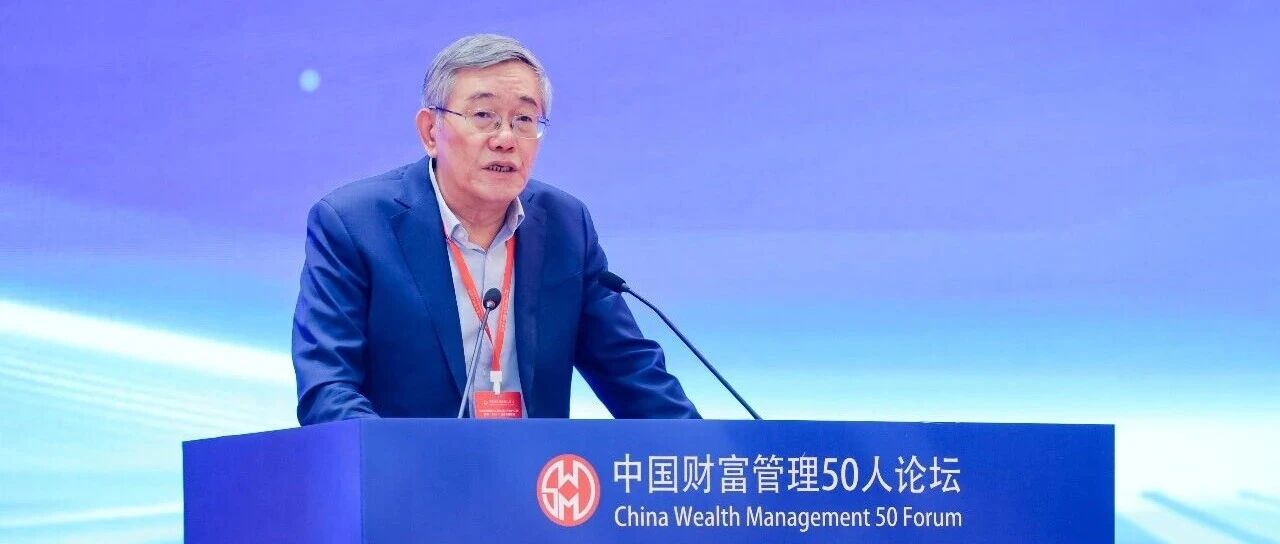
杨伟民:化解供强需弱主要矛盾的症结在于分配
和讯· 2025-12-27 04:47
Group 1 - The core viewpoint emphasizes that resolving the supply-demand imbalance during the "14th Five-Year Plan" period hinges on optimizing the distribution structure, which is crucial for enhancing residents' disposable income and sustaining economic growth within a reasonable range [2][4] - The "14th Five-Year Plan" suggests implementing a rural and urban resident income increase plan aimed at effectively raising the income of low-income groups and steadily expanding the middle-income group, while also addressing excessive incomes and illegal earnings to promote an olive-shaped distribution pattern [2][4] - The article highlights that policies should not only focus on expanding demand and optimizing supply but also on improving distribution, creating a cohesive system of supply, demand, and distribution policies to foster a consumption-driven economic development model [2][3] Group 2 - It is proposed that consumption-stimulating policies should gradually shift towards income distribution adjustment policies, including raising minimum wage standards and enhancing ordinary employees' wages, while increasing the intensity of tax, social security, and transfer payments to boost low-income groups' income [3][4] - Economic growth is expected to maintain an average annual growth rate of 4.17% from 2025 to 2035, with a target of 4.5% during the "14th Five-Year Plan" period and 4% during the "15th Five-Year Plan" period, leading to an average of approximately 4.2% over the decade [5][6] - The article stresses the importance of nominal growth remaining above 4.5%, as since 2023, nominal growth in China has been lower than actual growth, which has exacerbated the imbalance between supply and demand and contributed to insufficient domestic demand [5][6]
全员涨薪潮
投资界· 2025-12-26 09:41
Group 1 - JD announced that 92% of its employees will receive year-end bonuses, with total investment in bonuses increasing by over 70% year-on-year for 2025, marking the largest increase in the industry this year [2][3] - JD's retail group and functional systems will implement a two-year plan to achieve a 20-salary structure, with some departments already achieving a 19-salary structure this year [3][4] - ByteDance has also increased its bonus investment by 35% and salary adjustment investment by 1.5 times for 2025, aiming to attract and retain top talent [4][5] Group 2 - Ningde Times announced a salary adjustment for its first to sixth-level employees, increasing basic wages by 150 yuan starting January 1, 2026, along with a Spring Festival bonus plan [6][9] - In Q3 2025, Ningde Times reported revenue of 1,041.85 billion yuan, a year-on-year increase of 12.90%, and a net profit of 185.49 billion yuan, up 41.21% [7] - BYD is also implementing salary increases for its technical research and development personnel, with adjustments ranging from 500 yuan to 4,500 yuan [9] Group 3 - The central economic work conference emphasized the implementation of a plan to increase urban and rural residents' income, indicating a shift towards concrete actions to boost income across all demographics [10][12] - Since 2025, over 20 provinces have raised their minimum wage standards, with Shanghai leading at 2,740 yuan [11] - Major companies like JD, ByteDance, Ningde Times, and BYD are setting a precedent for salary increases, which is expected to enhance consumer spending power and stimulate domestic demand [12]





全民涨薪潮要来了?
商业洞察· 2025-12-26 09:23
Core Viewpoint - The recent salary increases by major companies like BYD, CATL, and ByteDance are not coincidental but a strategic response to government policies aimed at boosting income for all residents, indicating a shift towards a comprehensive income growth reform [10][12][15]. Group 1: Salary Increases and Economic Context - Major companies are responding to the central government's call for income growth, with a focus on all urban and rural residents rather than just low-income groups [12]. - The salary increases are part of a broader strategy to enhance labor compensation in the initial distribution of income, aiming to create a virtuous cycle of domestic demand, income growth, and industrial upgrading [17]. - The economic environment is challenging, with external uncertainties and internal structural adjustments, making income growth a strategic priority for economic recovery [16][18]. Group 2: Corporate Responses and Talent Acquisition - Large enterprises view salary increases as essential for attracting and retaining talent, especially in a competitive job market where demand for skilled workers is surging [20][21]. - BYD's overseas sales have significantly outperformed domestic sales, with profits from international sales being substantially higher, allowing the company to justify salary increases despite domestic challenges [26][28]. - The demand for talent in emerging sectors, particularly in AI, is driving companies to enhance their compensation packages to secure the best minds [23][24]. Group 3: Sources of Income Growth - The government is facilitating salary increases through direct interventions, such as raising minimum wage standards across over 20 provinces since 2025 [34]. - Support for small and micro enterprises through tax reductions and financing options is aimed at indirectly promoting salary growth by enhancing business profitability [38]. - Transfer income from social security measures, such as pensions and subsidies, is also contributing to overall income growth, providing a safety net for residents [39][40]. - Maintaining stability in real estate and capital markets is crucial for protecting household wealth, which can stimulate consumption and contribute to income growth [41].

专访|国家金融与发展实验室主任张晓晶:制定实施城乡居民增收计划,政策重心转向城乡共享与结构优化
Zhong Guo Jing Ying Bao· 2025-12-26 06:45
Core Viewpoint - The "Urban and Rural Residents Income Increase Plan" emphasizes a systematic approach to income growth, focusing on reducing urban-rural disparities and improving income distribution through institutional arrangements, responding to the current demand for expanding domestic consumption and promoting spending [1][2]. Policy Signals - The shift from "promoting resident income growth" to a concrete "income increase plan" indicates a transition from abstract goals to actionable policies, highlighting a stronger execution orientation and accountability [2]. - The explicit mention of "urban and rural residents" reflects a comprehensive consideration of income structure, moving the focus from merely increasing average income to addressing income inequality and ensuring shared development outcomes [2]. Relationship Between Income Increase and Domestic Demand - There is an intrinsic consistency between "resident income increase" and "expanding domestic demand," where income levels directly influence consumption patterns and willingness [3]. - Enhancing income is fundamental for sustainable domestic demand, as it creates a self-reinforcing cycle of income, consumption, employment, and further income [3][4]. Implementation Strategies - The income increase plan requires a coordinated approach across various policies, including employment, income distribution, fiscal, social security, financial, and regional policies [6][7]. - Employment policies should focus on stabilizing and expanding job opportunities, particularly in labor-intensive and modern service sectors, while ensuring job stability through regular support measures [6]. - Income distribution policies must enhance labor remuneration's share in initial distribution, improve minimum wage standards, and ensure that wage growth aligns with productivity [6][7]. Pathways for Income Increase - Increasing wage income through targeted industrial policies that direct resources to sectors with high employment potential, while ensuring wage growth mechanisms are in place [8]. - Enhancing human capital returns through vocational training aligned with industry needs, particularly for low-skilled workers and those in transition [9]. - Improving operational and property income by reforming land use policies and optimizing the business environment for small enterprises [9]. - Strengthening social security systems to provide a safety net for low-income groups, thereby indirectly increasing disposable income and consumption capacity [10].
春季行情或提前启动,三大方向值得关注 | 一财号每周思想荟(第48期)
Sou Hu Cai Jing· 2025-12-26 02:09
Group 1: Spring Market Outlook - The spring market is expected to start early due to three seasonal positive factors: policy expectation window, friendly liquidity environment, and performance data vacuum period [1][2] - The policy expectation window is characterized by the transition from the Central Economic Work Conference in December to the National People's Congress in March, providing a rich imagination space for market participants [1] - The liquidity environment at the beginning of the year is typically favorable, with increased credit issuance by banks and potential new capital inflows from institutional investors and households [1] - The first quarter is a performance data vacuum period, allowing the market to focus on medium to long-term industry trends and profit recovery points without short-term performance constraints [1] Group 2: Investment Themes - Three main investment themes are highlighted: technological innovation and self-sufficiency, cyclical recovery and supply-demand improvement, and balanced allocation of undervalued stocks with stable performance [2] Group 3: Urban-Rural Income Growth Plan - The "Urban-Rural Resident Income Growth Plan" aims to enhance domestic demand and build a strong domestic market, marking a shift from principle-based guidance to systematic and actionable promotion [3][4] - The plan will focus on five dimensions: employment support, income channel expansion, urban-rural balance empowerment, distribution mechanism optimization, and policy coordination [3] - The goal is to create an olive-shaped distribution pattern that allows urban and rural residents to share development benefits, thereby injecting lasting momentum into high-quality economic development [4] Group 4: Crisis Management in Brand Communication - The traditional logic of brand public relations is becoming ineffective in the current super opinion environment, where information spreads rapidly and crisis management becomes more complex [6][7] - Brands must adapt to the new ecosystem by restructuring crisis management logic, respecting subculture, and building a transparent and resilient brand trust system [7] Group 5: AI and Economic Impact - The potential for AI to drive high income for all is discussed, with a focus on the need for national coordination and institutional guarantees to achieve this goal [8][9] - While AI can optimize production processes and enhance service efficiency, the current economic system still requires individual effort and contribution for income generation [9] - The long-term vision of a highly developed labor force supported by AI is acknowledged, but the immediate focus should remain on adapting to changes brought by AI while ensuring personal survival [9]