复利

Search documents
Women Expect To Live Until 90, But Still Lag Behind Men When It Comes To Retirement Savings
Investopedia· 2025-11-20 01:01
Core Insights - Women anticipate living longer, with a median life expectancy of 90 years, yet many lack sufficient retirement savings [2][7] - A significant percentage of women, specifically 27% of Generation X and 19% of baby boomer women, have saved less than $25,000 for retirement [3][7] - Factors contributing to lower retirement savings among women include the wage gap, caregiving responsibilities, and limited access to retirement benefits [4][7] Retirement Savings Challenges - Women generally receive smaller Social Security benefits due to lower lifetime earnings, which are based on the highest 35 earning years [5][7] - The life expectancy for men is 75.8 years, while for women it is 81.1 years, highlighting the disparity in retirement preparedness [4] Strategies for Improvement - Women can enhance their retirement savings by delaying Social Security benefits, which can lead to higher monthly payments [8][9] - Working longer can also contribute to increased retirement savings and delayed Social Security collection, benefiting from higher earnings [9] - Starting to save for retirement as early as possible allows individuals to take advantage of compound interest, significantly increasing retirement funds over time [10]


记者观察|从巴菲特的“谢幕信”谈起
Xin Lang Cai Jing· 2025-11-17 11:34
就国内不少优秀的公募基金经理而言,他们缺失长期公开的业绩表现,更多是所在公司的治理结构问 题。要么是缺乏市场化的激励约束机制,让他们感到付出和收获不成比例;要么是发展环境发生了变 化,让他们无法聚焦于投资本身,导致他们最终跳槽到其他公司,或是离开公募行业投身私募。 来源:上海证券报 ◎记者 赵明超 过去一周,备受全球投资者瞩目的事件,莫过于巴菲特的"谢幕信"——已经95岁高龄的"股神",快速而 从容地进行工作交接,还分享了对投资、对生活的诸多感悟。 不得不说,作为全球最受关注的投资大师,巴菲特的职业生涯堪称传奇,他亲手把一家破败的纺织厂, 打造成一家市值一万多亿美元的超级公司,这种成就堪称史无前例。 实事求是地说,从投资成就看,巴菲特很可能后无来者。考虑到复利的至关重要,巴菲特刚大学毕业就 开始从事投资工作了,投资时长超过70年。即使暂且不谈论巴菲特的投资天分,仅仅复利和时间这两 项,就打败了很多欲与之比肩的人。巴菲特多年的搭档查理·芒格,在被问到为何其财富较巴菲特有巨 大差距时,明确表示巴菲特入行比他早是重要原因。 时间对于投资人的重要程度,在中国市场同样如此。以富国基金知名基金经理朱少醒为例,从长期业绩 ...
记者观察 | 从巴菲特的“谢幕信”谈起
Shang Hai Zheng Quan Bao· 2025-11-16 18:14
实事求是地说,从投资成就看,巴菲特很可能后无来者。考虑到复利的至关重要,巴菲特刚大学毕业就 开始从事投资工作了,投资时长超过70年。即使暂且不谈论巴菲特的投资天分,仅仅复利和时间这两 项,就打败了很多欲与之比肩的人。巴菲特多年的搭档查理·芒格,在被问到为何其财富较巴菲特有巨 大差距时,明确表示巴菲特入行比他早是重要原因。 时间对于投资人的重要程度,在中国市场同样如此。以富国基金知名基金经理朱少醒为例,从长期业绩 看,国内公募基金圈很难超越他,根本原因就是他的从业时间足够长。富国基金长期稳定的公司治理结 构,可以让他心无旁骛地管理同一只产品,历经时间的浸润之后,才能最终收获"时间的玫瑰"。 就国内不少优秀的公募基金经理而言,他们缺失长期公开的业绩表现,更多是所在公司的治理结构问 题。要么是缺乏市场化的激励约束机制,让他们感到付出和收获不成比例;要么是发展环境发生了变 化,让他们无法聚焦于投资本身,导致他们最终跳槽到其他公司,或是离开公募行业投身私募。 在"谢幕信"中,巴菲特谈到了很多文化方面的因素,我们通常所说的"同道中人",在巴菲特眼中伯克希 尔的个人股东们,应该算是投资领域最具象化的群体了。在巴菲特谈到查理 ...
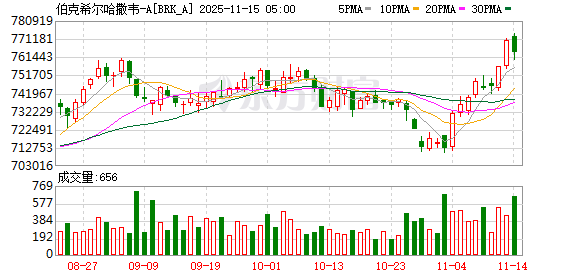
巴菲特最后一封信:伟大,与财富无关
首席商业评论· 2025-11-15 04:45
Core Insights - Warren Buffett, at 95, announced his retirement with a simple phrase "I'm going quiet," marking the end of a 60-year investment career [3] - In his final letter to shareholders, Buffett shared profound life lessons rather than specific investment strategies, emphasizing the importance of contributing to society [3][10] Group 1: Retirement Announcement - Buffett's retirement comes as Berkshire Hathaway's cash reserves reach a historic high of nearly $382 billion, following a net sell-off of approximately $184 billion in stocks over the past three years [4] - He expressed a commitment to accelerate donations to his foundation and clarified that Berkshire has no intention of creating a family dynasty [3][4] Group 2: Philosophy on Wealth - Buffett views money as a means to contribute to society, stating that he does not support dynastic wealth, especially when funds could help the impoverished [10] - He announced plans to gradually donate 85% of his Berkshire Hathaway stock, valued at $37 billion at the time, marking the largest charitable donation in history [10] Group 3: Personal Insights - Buffett's dedication to his work is evident as he continues to work five days a week despite his age, showcasing his passion for the "game of making money" rather than the money itself [6] - His personal life reflects a balance between work and family, as he learned to prioritize family relationships after experiencing the pain of his wife's illness [8] Group 4: Investment Strategy - Buffett's historical foresight is highlighted by his decision to step back from the market in 1968, avoiding the subsequent market crash, demonstrating his ability to remain calm amidst market frenzy [4] - He has maintained a cautious approach to stock buybacks, indicating a strategic mindset in managing Berkshire's investments [4]
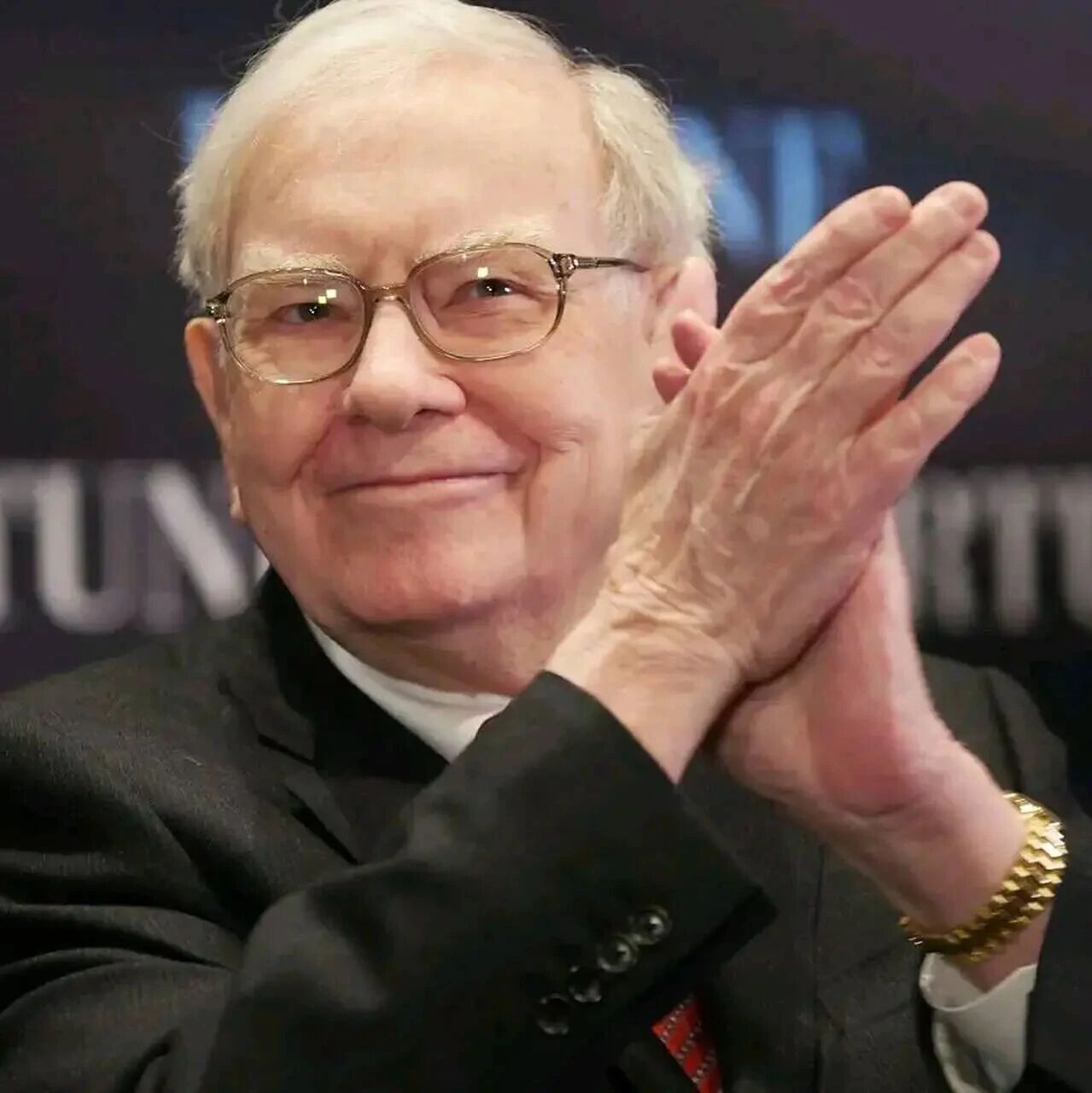
传奇落幕,巴菲特“最后一课”:那些穿越周期的智慧永不过时
Huan Qiu Wang· 2025-11-14 07:46
Core Insights - Warren Buffett's decision to "quietly exit" marks the end of an era in the investment world, having transformed Berkshire Hathaway from a struggling textile company into a multi-billion dollar investment empire over 60 years [1] - His investment philosophy emphasizes value, patience, and respect, rather than short-term speculation [1] Investment Philosophy - The concept of "circle of competence" is central to Buffett's investment strategy, focusing only on areas he understands, avoiding blind diversification [2] - Buffett's significant investments, such as the $13 billion purchase of Coca-Cola stock in 1988, were based on the company's strong brand and consumer loyalty rather than just financial metrics [2] - His investment in Apple was driven by observing consumer behavior rather than technical details, highlighting the importance of user engagement [2] Risk Management - Buffett's principle of "circle of competence" reflects a clear understanding of "unknown risks," emphasizing that many investment losses stem from overestimating one's judgment in unfamiliar areas [3] - His approach to investing during market crises, such as the 2008 financial crisis, showcases his ability to act decisively while maintaining a strong cash reserve, which amounted to $189 billion as of Q1 2024 [4] Long-Term Investment Strategy - The power of compounding is evident in Buffett's wealth accumulation, with 90% of his fortune made after age 60, demonstrating the effectiveness of long-term holding [5] - Buffett's investment returns have significantly outperformed the S&P 500, with a nearly 20% annualized return since 1965, turning an initial $1,000 investment into $44.7 million [5] - His philosophy of holding stocks for the long term is exemplified by his investments in American Express and Coca-Cola, which he has held for over 30 years [5] Personal Philosophy and Legacy - Buffett's personal life reflects simplicity and discipline, living in the same house since 1958 and maintaining a modest lifestyle despite immense wealth [8] - His commitment to philanthropy is evident in his plan to donate 99.5% of his wealth, leaving only enough for his children to lead fulfilling lives [8] - The wisdom he imparts emphasizes rationality, patience, and responsibility in both investing and life, encouraging individuals to adopt a straightforward investment approach [8]


2015年买的基金,现在赚到钱了吗?
Sou Hu Cai Jing· 2025-11-11 12:50
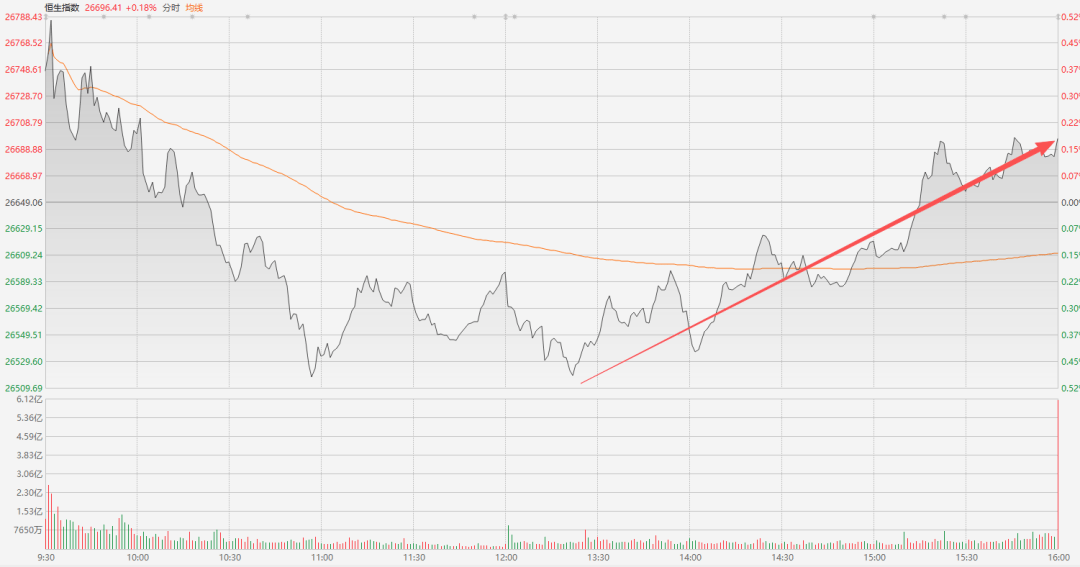
Core Viewpoint - The article emphasizes the importance of asset allocation and long-term investment strategies for achieving financial freedom, suggesting that individuals should invest a significant portion of their income in the stock market over time to build wealth. Group 1: Market Trends - Asian stock markets are experiencing fluctuations, with Hong Kong showing upward movement despite other markets being volatile [1] - The Hang Seng Index has recently rebounded after a period of underperformance, indicating a search for undervalued assets by investors [3] Group 2: Investment Strategy - A hypothetical scenario illustrates that starting to invest 20% of an annual salary of 200,000 with a 2% annual salary increase and an 8% annual return can lead to significant wealth accumulation by age 50 [4][5] - By age 50, the stock asset returns can surpass annual income, providing a sense of financial freedom and the possibility of early retirement [7] - Increasing the investment portion to 60% of the salary can lead to even greater returns, with stock assets potentially reaching 35 million by retirement age [12] Group 3: Historical Returns - Historical data suggests that global stock markets have provided an average annual return of around 8% over the past 200 years, with some periods showing even higher returns [13] - Specific data from 2015 indicates that funds established at market highs have still yielded reasonable returns over a decade, reinforcing the idea that long-term investment can mitigate the effects of market timing [14][16] Group 4: Investment Guidelines - The article concludes that to achieve relative financial freedom, individuals should consistently invest 20% to 60% of their income and maintain a long-term holding strategy, avoiding high market entry points [13][16]
从哈雷到AI:当量化成为信仰,我们离真相更近了吗?
伍治坚证据主义· 2025-11-11 02:35
Core Viewpoint - The article discusses the historical significance of Caspar Neumann's population records and how they laid the foundation for modern financial mathematics, particularly in the context of life annuities and risk assessment [4][10][13]. Group 1: Historical Context - In the late 17th century, Caspar Neumann, a pastor in Breslau, meticulously recorded births and deaths, creating one of the earliest continuous population databases in Europe [4][5]. - Neumann's records were later recognized for their potential value by mathematician Gottfried Wilhelm Leibniz, who encouraged him to share the data with the Royal Society in London [4][5]. Group 2: Key Discoveries - Edmund Halley, upon reviewing Neumann's records, discovered patterns in mortality rates, allowing for the first statistical analysis of life expectancy and the calculation of fair prices for life annuities [8][10]. - Halley's work demonstrated that mortality could be quantified, leading to the establishment of a mortality table that provided insights into life expectancy at various ages [9][10]. Group 3: Impact on Financial Mathematics - Halley's integration of probability and compound interest marked a significant advancement in financial mathematics, enabling the calculation of fair values for annuities based on statistical data [10][11]. - This approach shifted the pricing of annuities from subjective estimates to a more rational, mathematical basis, influencing the development of modern insurance and financial systems [10][13]. Group 4: Evolution of Financial Models - The principles established by Halley laid the groundwork for future financial innovations, where mathematical models began to dominate risk assessment and pricing strategies across various sectors [13]. - However, the reliance on complex models has also led to vulnerabilities, as seen in the 2008 financial crisis, highlighting the need for a balanced approach to risk management [13][14]. Group 5: Contemporary Reflections - The article draws parallels between historical reliance on mathematical models and today's dependence on artificial intelligence and data analytics in finance, cautioning against blind faith in technology [14]. - It emphasizes the importance of maintaining human judgment in decision-making processes, ensuring that technology serves as a tool rather than a replacement for critical thinking [14].

健康,是投资最大的“本金”
Shang Hai Zheng Quan Bao· 2025-11-09 23:15
Group 1 - The core message emphasizes that health is the most significant capital in investment, as exemplified by the recent passing of Wang Guobin, a respected figure in value investing [1][4] - The article highlights that longevity is crucial for investment success, with Warren Buffett's wealth growth illustrating that 99% of his fortune was accumulated after the age of 60, underscoring the importance of time in compounding returns [1][2] - It discusses the historical context of compounding, noting that the Industrial Revolution created conditions for exponential growth, allowing capital to be efficiently allocated to promising sectors, thus facilitating a departure from linear growth [2][3] Group 2 - The significance of time in investment is further elaborated, indicating that investors, as financial stakeholders, can benefit from the growth of companies they invest in, reinforcing the idea that holding investments long-term can yield substantial returns [3] - The article stresses the need for a robust investment framework and emotional stability to allow compounding to take effect, advocating for a long-term focus rather than seeking immediate gains [3] - Buffett's principle of preserving capital is reiterated, equating an investor's health to their primary capital, emphasizing the necessity of maintaining personal well-being to ensure successful investment practices [4]
巴菲特说要“慢慢变富”,可有人说80岁变富又有啥用?
3 6 Ke· 2025-11-07 00:16
Core Viewpoint - The article emphasizes the importance of gradual wealth accumulation through compounding interest, arguing that this method is the only reliable way for ordinary people to achieve financial security in their later years [1][5][21] Group 1: Wealth Accumulation - The majority of Warren Buffett's wealth was accumulated after the age of 50, highlighting that time is a crucial factor in wealth growth [2][3] - For an average person, a consistent annual return of 8% over 40 years can lead to significant wealth accumulation, contrasting with Buffett's 20% return which results in much higher wealth at retirement [2][6] - Starting to invest early can lead to substantial differences in wealth by retirement age, emphasizing that the earlier one starts, the greater the potential financial security [6][19] Group 2: Financial Security in Old Age - The article discusses the challenges faced by elderly individuals with insufficient financial resources, leading to a lack of dignity and increased vulnerability [7][8] - It highlights the psychological impact of financial insecurity in old age, where individuals may feel desperate and socially isolated due to their financial situation [7][8] - The narrative suggests that financial behavior in youth significantly impacts one's financial status in old age, stressing the need for prudent financial planning [8][19] Group 3: Value of Wealth - Wealth provides a sense of security, which is essential for enjoying life, even in old age [11][12] - The article outlines three core values of wealth: security, choice, and influence, emphasizing that financial resources enhance personal freedom and decision-making [13][15] - It argues that wealth is not merely for spending but also serves as a tool for influence and opportunity, allowing individuals to navigate life more effectively [15][17] Group 4: Life Philosophy - The concept of "slowly becoming rich" is presented as a life philosophy that aligns with long-term thinking and personal growth [21] - The article posits that true wealth accumulation is a continuous process rather than a single event, advocating for a balanced approach to life and finances [21]

锦秋基金创始合伙人杨洁:应用、芯片、机器人的历史性机遇、跨越战场共同法则以及对2026的三个预判
锦秋集· 2025-11-05 07:04
Core Insights - The event "Experience with AI" hosted by Jinqiu Fund emphasizes the current opportunities in AI entrepreneurship and investment, highlighting that the AI revolution is already underway rather than forthcoming [4][10]. Group 1: AI Applications - The AI application layer is crucial, with models becoming commodities while understanding user needs becomes the competitive edge [18][21]. - The revenue and valuation of AI applications are expected to surge in the next two years, with successful entrepreneurs quickly gaining trust in specific verticals [21][24]. - AI applications are achieving $100 million ARR at an accelerated pace compared to traditional SaaS companies, indicating a rapid growth trajectory [24]. Group 2: Chip/Computing Power - The chip sector presents significant opportunities, particularly in inference chips and the development of a self-sufficient domestic supply chain in China [30][32]. - Companies like Dongfang Suanxin are innovating with domestic 3D stacking technology to compete with leading products like Nvidia's H100 [30]. - The demand for chips is expected to grow, with projections indicating a substantial increase in market size by 2030 [32]. Group 3: Robotics - The robotics industry is experiencing a transformative moment akin to the ChatGPT era, with significant capital influx and decreasing costs [35][36]. - The market for robotics is projected to reach $150 billion by 2025, with a fivefold increase in financing compared to 2023 [35]. - Each operational scenario accumulated today will contribute to the future operating systems in robotics [36]. Group 4: Common Principles Across Sectors - Three universal principles for success in applications, chips, and robotics include identifying asymmetric advantages, timing market opportunities, and effectively leveraging data to drive business metrics [37][40]. - Companies must focus on specific product definitions, innovative paths in chip development, and deep engagement with operational scenarios in robotics [37]. Group 5: Future Predictions - The competition in large models will remain intense, with differentiation shifting towards product experience and brand trust rather than model capabilities [54]. - The transition from personal assistant applications to an Agent Economy is anticipated, introducing new economic systems based on self-learning and memory capabilities [55][56]. - AI demand is expected to be underestimated, with significant increases in capital expenditures projected for technology giants [61].