成长股

Search documents
“3600点A股攻守道”系列报道之成长赛道篇 | 成长股多头逻辑未改 机构建议布局低估值成长领域
Zhong Guo Zheng Quan Bao· 2025-08-06 00:19
Market Overview - The Shanghai Composite Index rose above 3600 points on August 5, indicating a recovery in market sentiment, with institutions believing that recent adjustments are a phase of consolidation rather than a trend reversal [1][2] - The growth style has been active since June, with the ChiNext Index up over 20% and the STAR 50 Index up nearly 10% as of July 29 [2] Policy and Funding Support - The Central Political Bureau meeting on July 30 emphasized enhancing the attractiveness and inclusiveness of the domestic capital market, which is expected to support the growth stock trend [2] - There is a significant flow of funds into the market, with net inflows into several growth-themed ETFs, including over 4.1 billion yuan into the Huaxia Growth ETF [3] Sector Focus - Institutions are focusing on low-valuation growth sectors, particularly military industry, AI applications, and wind power, as potential investment opportunities [5][6] - The innovation drug index has seen a cumulative increase of nearly 30% since June, while AI and humanoid robot indices have risen over 15% [5] AI and Technology Trends - AI remains a key focus, with expectations for continued acceleration in core technology innovations and applications in various high-value scenarios [8] - The AI application sector is viewed as having room for growth, with recent performance indicating it has not yet reached overheating levels [6] Future Market Outlook - The market is expected to maintain a bullish trend in the medium term, with technology growth remaining the primary focus for investment [7] - Analysts predict that the market will see improved conditions by the fourth quarter of 2025, with a potential for earlier profit realization in the first half of 2026 [7]
成长股多头逻辑未改 机构建议布局低估值成长领域
Zhong Guo Zheng Quan Bao· 2025-08-05 21:57
Group 1 - The A-share market has shown a recovery, with the Shanghai Composite Index surpassing the 3600-point mark, indicating a rebound in market sentiment [2][3] - Institutions believe that the recent market adjustment is a phase of consolidation rather than a trend reversal, with a continued focus on growth sectors such as AI, robotics, and innovative pharmaceuticals [1][2] - The growth style has been active since June, with the ChiNext Index rising over 20% and the Sci-Tech 50 Index increasing nearly 10% by the end of July [2][5] Group 2 - The policy environment remains supportive of technology innovation, with the Central Political Bureau meeting emphasizing the need to enhance the attractiveness and inclusiveness of the domestic capital market [2][4] - There has been significant net inflow into growth-themed ETFs, with notable amounts in various funds, indicating strong investor interest in growth sectors [3][5] - The industrial sector is witnessing new momentum, particularly in humanoid and industrial robots, with production growth rates of 35.6% and 25.5% respectively [3][4] Group 3 - Institutions are focusing on undervalued growth sectors, with military industry and AI applications being highlighted as key areas for investment [6][8] - The AI application sector is expected to see further growth, driven by new model releases and the ongoing commercialization of AI technologies [6][9] - The macroeconomic backdrop, including a weak dollar and domestic growth policies, is seen as favorable for growth stocks, which are expected to benefit from improved liquidity and valuation [7][8] Group 4 - The technology growth trend is expected to continue, with a positive outlook for the market into 2025 and beyond, as structural improvements and capital inflows are anticipated [8][9] - AI remains a focal point within the growth sector, with expectations for accelerated innovation and expanded applications in various high-value scenarios [9]
成长股多头逻辑未改机构建议布局低估值成长领域
Zhong Guo Zheng Quan Bao· 2025-08-05 21:07
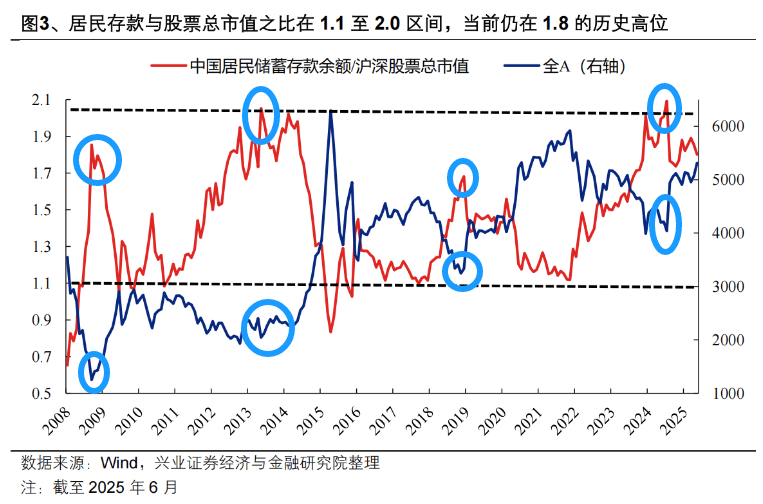
Core Viewpoint - The A-share market is experiencing a rebound, with the Shanghai Composite Index surpassing the 3600-point mark, indicating a recovery in market sentiment and a continuation of the upward trend rather than a reversal [1][2]. Market Performance - Since June, the growth style has remained active, with the ChiNext Index rising over 20% and reaching a new high for the year by July 29, while the Sci-Tech 50 Index increased nearly 10% during the same period [2]. - Despite a short-term adjustment from July 30 to August 4, both the ChiNext and Sci-Tech 50 indices maintained relatively high levels [2]. Policy and Funding Support - The Central Political Bureau meeting on July 30 emphasized enhancing the attractiveness and inclusiveness of the domestic capital market, which is expected to support the growth stock sector [2]. - There is a significant flow of funds into the stock market, with the ratio of household deposits to total stock market value remaining high at 1.8, indicating ample room for reallocation of funds [2]. Industry Trends - New momentum is accumulating in the industry, with the Ministry of Industry and Information Technology reporting a 35.6% year-on-year increase in industrial robot production and a 25.5% increase in service robots [3]. - The Wind Innovation Drug Index has seen a cumulative increase of nearly 30% since June, while the AI and humanoid robot indices have both risen over 15% [3]. Investment Focus - Institutions are focusing on low-valuation growth sectors, particularly in military industry, AI applications, and other technology-related fields [4][5]. - The military sector is favored due to its strategic importance, while AI applications are expected to gain traction as new models are released [4]. Macro Environment - The weak dollar cycle combined with domestic growth stabilization policies enhances the relative advantage of growth styles in the market [5]. - The overall market trend is expected to remain upward, with technology growth as the main focus for investment [5][6]. Future Outlook - Analysts predict that the market may experience a "two steps forward, one step back" rhythm, with a gradual increase in the index center [5]. - The AI sector is anticipated to continue being a focal point for growth, with innovations expected to accelerate in the second half of the year [6].
一份牛市操作指南~
Sou Hu Cai Jing· 2025-08-05 16:30
Group 1 - The market has the potential to enter a bull phase, supported by the influx of external funds, as indicated by the "household savings / total stock market value" ratio, which is currently at 1.8, down from over 2 last September [1][3] - A significant amount of high-interest deposits from 2022-2023 will mature in the second half of this year and into next year, with the likelihood of these funds being redirected into the market through "fixed income+" products [3][6] - The Federal Reserve is expected to lower interest rates next year, which would be favorable for the stock market [8][10] Group 2 - The current market conditions suggest a "water bull" scenario, reminiscent of the bull market from 2013 to 2015, where small-cap and growth stocks are likely to benefit the most [10][12] - The shift in market style indicates a high probability of growth stocks outperforming value stocks, as the current underperformance of growth stocks is comparable to the end of 2018 [13][20] - Historical data shows that after the Shanghai Composite Index surpasses 3600 points, significant pullbacks are common, indicating high volatility in the current market [15][17] Group 3 - Investors are advised to adopt a "bull market mindset," focusing on holding positions during pullbacks rather than selling prematurely, as the market may experience fluctuations above 3600 points [22][23] - Two key indicators for exiting positions include the "household savings / total stock market value" ratio approaching 1.3 and the rolling three-year annualized return of the mixed equity fund index reaching 30% [23][25] - The current return of the mixed equity fund index is at -1.9%, suggesting there is still room for growth before reaching critical exit points [25][27] Group 4 - The market saw a slight increase today, closing at 3617.6 points, with significant contributions from the banking and insurance sectors, which rose by 1.52% and 1.25% respectively [29][32] - The banking sector's rebound after touching the 60-day moving average has helped lift the index back above 3600 points, indicating a potential shift in market sentiment [33][36] - Overall, the market is transitioning from previously high-performing sectors to those that have recently corrected, with a focus on large-cap stocks like banks and liquor, which are crucial for sustaining the bullish atmosphere [39][43]

创业板继续冲,牛市第二浪如何把握?
Xin Lang Cai Jing· 2025-07-23 05:08
Core Viewpoint - The ChiNext board is becoming the leading flagbearer of the current bull market's second wave, with historical patterns indicating that the "mid-air refueling station" phase in a bull market often brings excess returns [1] Market Performance - As of today, the ChiNext index has experienced five consecutive days of gains, reaching a new high for the year, continuing its strong performance since mid-July [3] - The ChiNext ETF's latest circulating scale has grown to 8.692 billion yuan as of July 22, indicating accelerated capital allocation towards the ChiNext [3] Core Drivers - Improvement in the overseas environment, with the Fed's recent dovish signals and a decline in the dollar index below 97, stabilizing the RMB around 7.05 [3] - Domestic policy measures have intensified, with the State Council approving substantial initiatives to promote the development of the private economy, alongside a net liquidity injection of 150 billion yuan through MLF operations [4] - The acceleration of industrial upgrades is evident, with leading companies in the ChiNext, such as Zhongji Xuchuang and Xinyi Sheng, reporting significant performance exceeding expectations [4] Market Characteristics and Future Outlook - Market trading volume has significantly increased, with total A-share turnover rising from approximately 1.5 trillion yuan to nearly 2 trillion yuan [5] - Valuation advantages remain, as the ChiNext index's valuation percentile is still below 40%, significantly lower than other indices like CSI 300 and SSE Composite [5] - Signs of market rotation are emerging, with funds shifting from value sectors like banks to technology growth stocks, which is beneficial for market stability [5] Investment Strategy - Historical bull market trends suggest that the ChiNext index has the potential for further upward movement, having rebounded approximately 50% since September 24 [6] - The upcoming Fourth Plenary Session is expected to raise policy expectations, with August typically being a favorable month for growth stocks [6] - Recommended focus areas include AI computing (Zhongji Xuchuang, Xinyi Sheng), innovative pharmaceuticals (Kanglong Chemical, Taige Pharmaceutical), and new energy (Ningde Times, Yiwei Lithium Energy) [6]



量化市场追踪周报:渐入佳境,成长股走强,红利低波ETF净流入较多-20250720
Xinda Securities· 2025-07-20 10:35
- The report does not contain any specific quantitative models or factors for analysis, construction, or testing results [1][2][3]
大佬Q2作业终于披露了!
Zheng Quan Zhi Xing· 2025-07-18 08:35
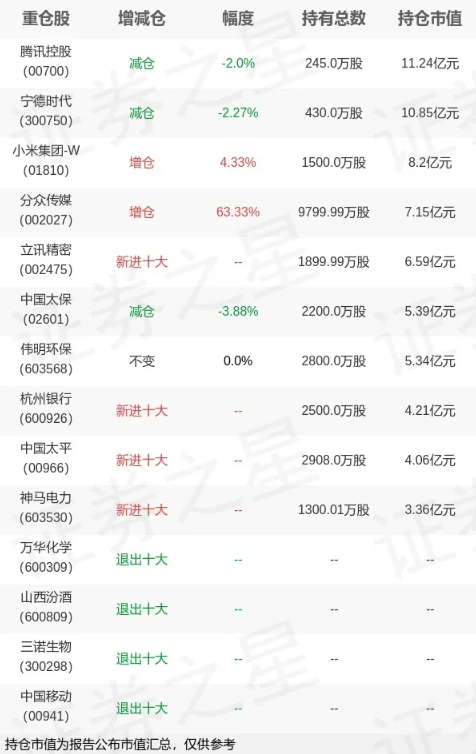
Group 1 - Zhao Feng increased his holdings in consumer electronics, advertising, banking, insurance, and electric power sectors during Q2 [3][4] - Major new positions include Xiaomi Group, Focus Media, Luxshare Precision, Hangzhou Bank, China Taiping, and Shenma Electric Power [4] - The top three holdings by market value as of Q2 2025 are Tencent Holdings, CATL, and Xiaomi Group-W [4] Group 2 - Zhao Feng's strategy involved reducing positions in high-valuation and uncertain-profitability stocks while increasing positions in lower-valuation stocks with high free cash flow returns [6][7] - Zhao Feng believes the equity market's positive foundation remains solid, with potential recovery in corporate profitability due to structural economic adjustments [7] - High-dividend companies continue to attract capital, as their static dividend yields exceed risk-free rates, making them scarce assets [7][8] Group 3 - Fu Pengbo's Q2 holdings showed significant changes, focusing on sectors with high market sentiment [9][10] - New positions include Xinyisheng, increased stakes in Cambrian Technology, Giant Star Technology, and Luxshare Precision, while reducing positions in Tencent, CATL, China Mobile, and others [10][11] - The top three holdings by market value for Fu Pengbo are Shenghong Technology, Tencent Holdings, and CATL [11] Group 4 - Fu Pengbo's strategy for Q2 emphasized electronic, internet technology, precision manufacturing, and pharmaceutical sectors [12] - The PCB industry saw significant gains, leading to an increased allocation in Fu Pengbo's portfolio, while traditional energy companies saw a decrease in net value contribution [12] - Fu Pengbo plans to assess existing holdings' operational status and future development while actively seeking industries and companies with upward trends in sentiment [12]



美国6月PPI报告揭晓:能源上涨、旅行住宿疲软
Xin Hua Cai Jing· 2025-07-16 13:36
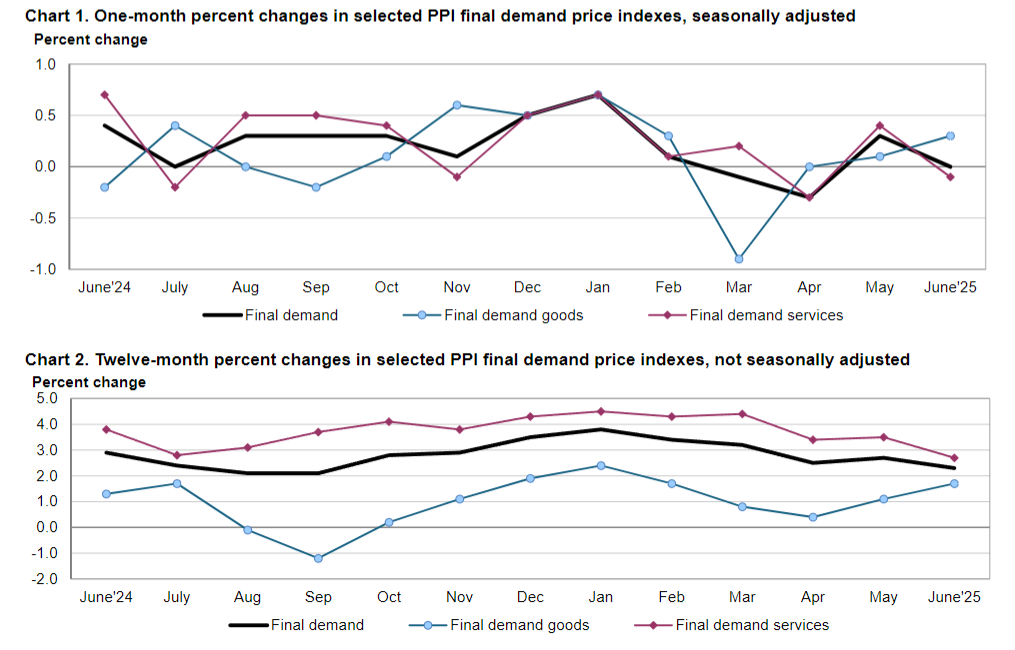
Group 1: Inflation Trends - The Producer Price Index (PPI) for June 2025 recorded a year-on-year increase of 2.3%, marking the lowest level since September 2024, with market expectations at 2.5% [1] - The core PPI, excluding food, energy, and trade services, remained flat, with a 12-month cumulative increase of 2.5%, indicating low potential inflation stickiness [2] - The overall manageable producer price pressure suggests a likelihood of the Federal Reserve maintaining current interest rates or gradually lowering them [2] Group 2: Sector-Specific Insights - Energy prices saw a 0.6% increase in June, with gasoline prices rising by 1.8% and industrial electricity prices by 2.7%, indicating structural opportunities in the energy sector [3] - The demand for communication and related equipment prices increased by 0.8% in June, reflecting ongoing enterprise demand for 5G upgrades and data center construction [3] - Despite a 0.9% overall decline in transportation and warehousing services, freight forwarding prices rose by 8.0%, highlighting increased demand for logistics optimization amid global supply chain restructuring [3][4] Group 3: Consumer Services and Agricultural Products - Travel accommodation prices dropped by 4.1% in June, the largest monthly decline in six months, indicating short-term pressure on the tourism sector [5] - Egg prices plummeted by 21.8% in June, with a 12-month cumulative increase narrowing to 15.8%, primarily due to oversupply [9] - The price of unprocessed chicken decreased by 25.0%, suggesting potential short-term profitability pressures for poultry farming enterprises [9]
年内超700只基金增聘基金经理;两家公募首次发行QDII产品
Sou Hu Cai Jing· 2025-07-09 07:20
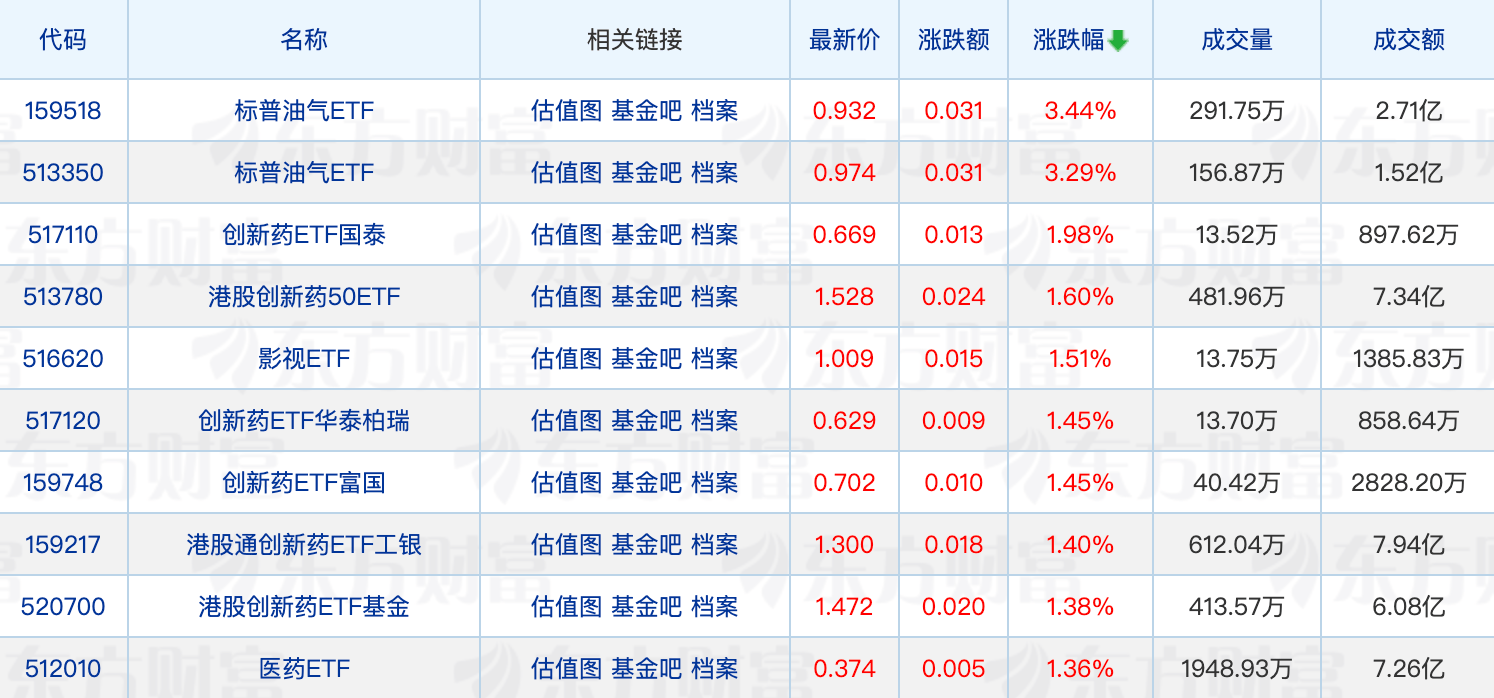
Group 1 - Yimin Fund appointed Wang Rui as the new Chief Information Officer on July 8, 2023 [1] - Over 700 funds have hired additional fund managers this year, with an increasing number of funds being managed by three or four managers [2] - Two public funds have launched their first QDII products, focusing on the Hong Kong stock market, particularly in the consumption and technology sectors [3] Group 2 - Yin Tao, a fund manager at Minsheng Jia Yin Fund, expressed optimism about the market, noting that risk appetite is gradually increasing despite the lack of strong economic stimulus [3] - Growth sectors such as AI, robotics, new consumption, and innovative pharmaceuticals have seen several funds yield over 50% returns in the first half of the year [3] Group 3 - The market experienced a slight decline, with the Shanghai Composite Index down 0.13% and the Shenzhen Component Index down 0.06%, while the ChiNext Index rose by 0.16% [4] - The total trading volume in the Shanghai and Shenzhen markets reached 1.51 trillion yuan, an increase of 512 billion yuan compared to the previous trading day [4] Group 4 - The S&P Oil & Gas ETF led the gains with an increase of 3.44%, while several innovative pharmaceutical-related ETFs also performed well [5] - Gold-related ETFs experienced a decline, with the highest drop being 2.25% [7] Group 5 - The summer film season is set to feature 94 films, with expectations for significant year-on-year growth in box office revenue due to an increase in both quantity and quality [8] - The export of television dramas is anticipated to generate substantial incremental revenue, and interactive gaming is emerging as a high-potential market [8]
上半年135只A股翻倍,集中在这些板块!
天天基金网· 2025-07-03 11:35
Group 1 - The A-share market showed steady progress in the first half of 2025, with the Shanghai Composite Index, Shenzhen Component Index, and ChiNext Index all experiencing varying degrees of increase, leading to an overall rise in market capitalization and a steady growth in the number of listed companies [1] - Over 3,700 stocks recorded gains in the first half of the year, with 135 stocks doubling in price and 15 stocks increasing by over 200% [1] - The top 10 performing stocks included United Chemical, Shutaishen, and ST Yushun, with United Chemical leading with a 437.83% increase [1] Group 2 - The market exhibited a "dumbbell" characteristic, with significant gains in growth stocks, particularly in technology sectors such as humanoid robots and innovative drugs, while undervalued dividend stocks, especially in the banking sector, also performed strongly [2] - There are expectations for increased opportunities in the capital market in the second half of the year, with a potential resurgence in previously quiet sectors like the liquor industry [2] - Focus should be on core asset opportunities, which include traditional consumer blue-chip stocks and technology leaders representing economic transformation [2]