关税战

Search documents
温彬:短期政策加码必要性不强,7月LPR报价维持不变
Sou Hu Cai Jing· 2025-07-21 06:54
Group 1 - The Loan Prime Rate (LPR) for 1-year and 5-year loans remains unchanged at 3.0% and 3.5% respectively as of July 21, 2025 [1] - The recent stability in policy interest rates has kept the LPR pricing foundation unchanged, with the 7-day reverse repurchase rate serving as the new pricing anchor [2] - China's GDP growth in Q2 was 5.2% year-on-year, with a cumulative growth of 5.3% in the first half of the year, indicating a solid foundation for achieving the annual growth target [2] Group 2 - The net interest margin of commercial banks has been under pressure, with the average net interest margin dropping to a historical low of 1.43% at the end of Q1, a decrease of 9 basis points from the end of the previous year [4] - The weighted average interest rate for newly issued corporate loans in the first half of the year was approximately 3.3%, down about 45 basis points year-on-year, while the rate for new personal housing loans was about 3.1%, down about 60 basis points [4] - The high proportion of time deposits continues to limit the overall downward space for deposit costs, despite a significant reduction in deposit rates [4] Group 3 - There is a possibility of interest rate cuts in Q3 or Q4, with expectations that the LPR may follow suit [5] - The ongoing trade tensions are likely to slow down export growth, necessitating a focus on domestic demand [5] - The low nominal interest rates combined with persistently low PPI are leading to higher real financing costs, which may impact effective credit demand [5]
博时双月享60天滚动持有债券A,博时双月享60天滚动持有债券C: 博时双月享60天滚动持有债券型证券投资基金2025年第2季度报告
Zheng Quan Zhi Xing· 2025-07-21 06:27
Core Viewpoint - The report provides an overview of the performance and investment strategy of the Bosera Double Monthly Enjoy 60-Day Rolling Bond Fund for the second quarter of 2025, highlighting its focus on maximizing returns while managing risks in a favorable bond market environment [1][10]. Fund Overview - Fund Name: Bosera Double Monthly Enjoy 60-Day Rolling Bond Fund - Fund Manager: Bosera Fund Management Co., Ltd. - Fund Custodian: China Postal Savings Bank Co., Ltd. - Total Fund Shares at Period End: 3,671,367,885.46 shares [1][3]. Investment Objectives and Strategies - The fund aims to achieve returns exceeding its benchmark through a combination of top-down and bottom-up analysis, utilizing both qualitative and quantitative methods [2]. - Investment strategies include term structure strategy, credit strategy, swap strategy, spread strategy, and individual bond selection strategy, with a focus on maximizing credit premium while controlling interest rate risk [2]. Performance Metrics - The fund's performance is benchmarked against a composite index: 85% of the China Bond Composite Wealth Index (for maturities under one year) and 15% of the after-tax one-year fixed deposit rate [2]. - Net Value Growth Rates for the past periods: - Last 3 months: 0.57% - Last 6 months: 0.88% - Last year: 2.36% - Last 3 years: 9.71% [5]. Financial Indicators - As of June 30, 2025, the net value of Class A shares is 1.1339 CNY, and Class C shares is 1.1251 CNY [11]. - The fund's total assets include 94.30% in bonds, with no holdings in stocks or asset-backed securities [13]. Market Environment - The bond market experienced a downward trend in yields during the second quarter, influenced by external demand uncertainties and a shift in central bank policy towards stabilizing growth [10][11]. - The current market conditions are deemed favorable for bonds, with expectations of potential monetary easing measures such as reserve requirement ratio cuts and interest rate reductions [11]. Management Report - The fund management adheres to regulations and maintains a commitment to fair trading practices, ensuring no unfair trading or conflicts of interest occurred during the reporting period [10]. - The fund manager has not engaged in any transactions involving the fund's own capital during the reporting period [18].
特朗普对欧越下手,让中国出两大惊喜,第一就是摸到美国最大底牌
Sou Hu Cai Jing· 2025-07-20 13:15
Group 1 - The core strategy of the Trump administration has been to impose tariffs on other countries as a means of economic warfare, with a particular focus on China, which has not yielded the desired results [1][3] - Following setbacks with China, the Trump administration shifted its focus to Vietnam and the European Union, applying pressure to these economies [3][5] - Vietnam is facing a significant economic challenge due to the imposed tariffs, which could lead to a loss of its competitive advantage and potential relocation of factories to other Southeast Asian countries [5][7] Group 2 - The European Union is also under pressure from the Trump administration, with proposed tariffs of up to 50%, highlighting the ongoing trade tensions [7][9] - The unilateral tariff approach by the U.S. has limitations, potentially harming American businesses and reducing market opportunities [9][10] - The actions taken by the Trump administration may inadvertently strengthen China's trade relationships with ASEAN countries, as these nations reassess their ties with the U.S. [12][14] Group 3 - The instability of U.S. trade policies may lead the European Union to seek more stable partnerships, potentially favoring cooperation with China [14][16] - Ultimately, the protective tariff policies may backfire on the U.S. economy, leading to internal opposition as American businesses struggle under these conditions [16]

粤开宏观:关税战如何影响中国物价:表现、展望及应对
Yuekai Securities· 2025-07-20 10:53
Group 1: Impact of Tariff War on Prices - The PPI in June 2025 decreased by 3.6% year-on-year, the lowest since August 2023, while CPI remained around 0%[12] - Brent crude oil prices fell from $74.95 per barrel to $62.82 per barrel following the announcement of tariffs, leading to significant declines in PPI for the petroleum industry of -8.6%, -11.1%, and -9.0% from April to June 2025[2] - Exports to the U.S. for textiles, clothing, and furniture saw a drop of over 40% in May 2025, resulting in a significant decrease in related export prices, such as an 8.3% drop in the average price of clothing imported from China[17] Group 2: Future Price Trends and Recommendations - International commodity prices are expected to remain under pressure, with OPEC+ increasing production, which may lead to further downward pressure on prices[31] - The negative impact of the tariff war on China's overall exports may gradually become more pronounced, with potential price declines for more products[32] - To counteract the tariff impacts, it is crucial to expand domestic effective demand through policies that stimulate consumption and investment, particularly in the real estate sector[42]
不装了,美国尝到甜头后故技重施,韩国坐立难安,中方早有准备
Sou Hu Cai Jing· 2025-07-20 08:41
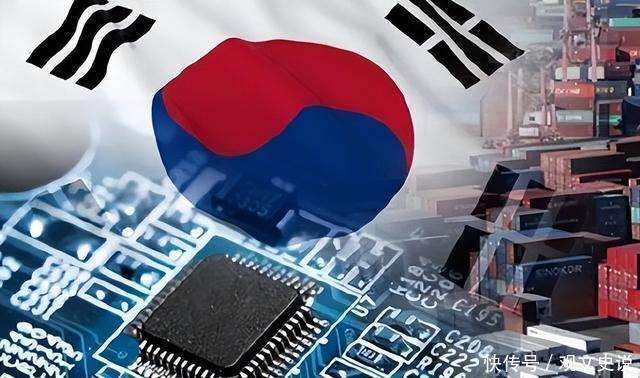
特朗普再次拿出他的一贯手段,这次他似乎想联合韩国一起"坑"中国。随着美国单方面加征关税的议题 被提上日程,韩国立刻成了首批收到"关税函"的"幸运儿",这让韩国陷入了深深的不安。 但韩国的预期与现实之间却有着巨大的偏差。原本韩国以为这次关税只是美国的一个"威胁"策略,但实 际上,美国准备再次重施老计,利用对韩国的贸易施压来迫使其"乖乖就范",以换取对中国的利益。美 国如今完全撕下了面具,不再遮掩自己的意图,直接要求韩国拿出实质措施,在经济上听从美国,尤其 是在对中国的制衡上。 就在特朗普提出这一系列条件时,韩国可能还在抱有侥幸心态,想要找出自己的"退路"。然而,实际上 中国早已洞察先机,准备好应对可能发生的一切,这一切的前提就是"坐等时机"。 美国对日韩盟友征收高额关税,计划从8月1日起执行,这几乎已经成了铁板钉钉的事实。即便是韩国总 统李在明与日本首相石破茂坚持不妥协,特朗普恐怕也不会轻易让步。说白了,这次美国出手,目的就 是彻底让韩国与日本这两个盟友屈服。 虽然特朗普这次出手狠辣,但也并非毫无顾忌。毕竟,这次加税措施对韩国来说,已经算是"最轻 的"了,25%的关税比起其他国家的税率(如巴西,竟然被加征了两倍 ...
一步错,步步错!特朗普还是太急了,中国再出手,美国已无牌可打
Sou Hu Cai Jing· 2025-07-19 10:12
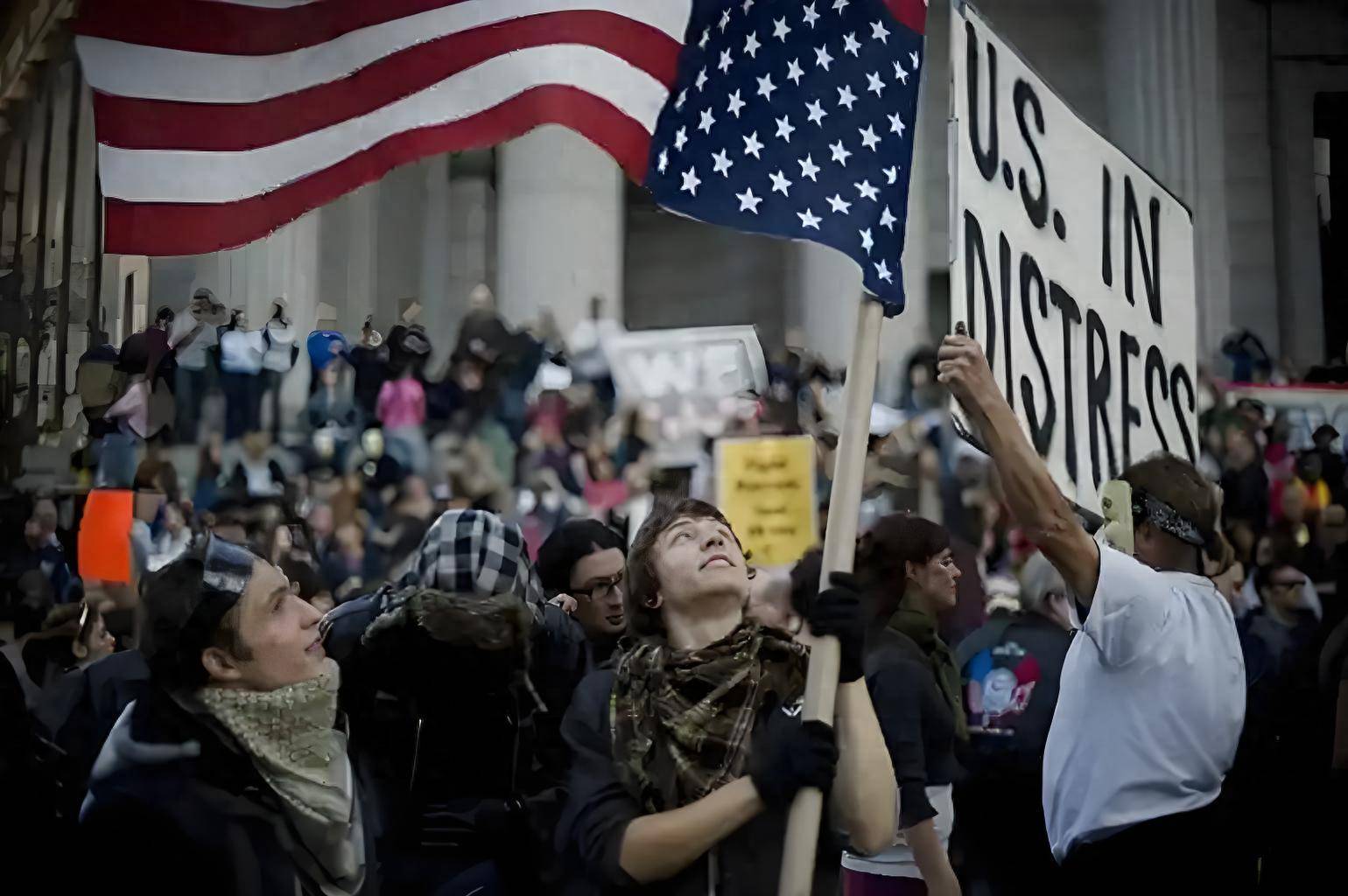
Group 1 - The article highlights widespread public dissent against the current administration, with over 1,600 protests occurring simultaneously across the U.S. on July 17, criticizing cuts to healthcare and welfare programs [1] - Legal actions have been initiated by 20 states against the administration for allegedly illegal cuts to essential programs, exacerbated by recent natural disasters [1] - Farmers in Texas are facing significant challenges due to a 30% increase in import prices for agricultural machinery parts, leading to public demonstrations [1] Group 2 - The administration's proposed 30% tariffs on the EU have backfired, with the EU extending the suspension of retaliatory tariffs, causing distress among German automakers [3] - A split within the Republican party has emerged, with four members opposing the administration's tariff strategy, leading to a requirement for congressional approval before further tariff increases [3] - Public sentiment is shifting negatively, with a Yale University study indicating that households may incur an additional $3,800 annually due to these tariffs, contributing to a drop in approval ratings to 43% [3] Group 3 - China has significantly reduced its holdings of U.S. Treasury bonds, selling $189 billion in March and $413 billion in July, which has impacted the U.S. bond market and increased yields [5] - The International Monetary Fund (IMF) has warned that continued tariff increases could slow U.S. economic growth to 1.2% by 2025, prompting concerns from major corporations [5] - Boeing's CEO has publicly criticized the tariff strategy, likening it to adding weight to an aircraft, which hinders performance and increases operational costs [5] Group 4 - The article discusses the broader implications of the "America First" policy, which has led to unintended consequences, including rising inflation and consumer costs [7] - The administration's tariff strategy has not only failed to pressure the EU but has also created internal economic challenges, with consumers bearing the brunt of increased living costs [7] - The article concludes that the administration's policy decisions may ultimately harm its own interests, as the consequences of the tariff strategy become increasingly evident [7]
13天倒计时,韩国被逼上绝路,美国张口要4000亿,李在明签不签?
Sou Hu Cai Jing· 2025-07-19 07:34
Group 1 - South Korea's leadership, regardless of who is in power, remains under significant influence from the United States, impacting its foreign policy decisions [1] - President Lee Jae-myung's attempts to balance relations with China while managing U.S. expectations highlight the complexities of South Korea's geopolitical position [1][3] - The U.S. has demanded South Korea invest $400 billion, which poses a substantial challenge for the South Korean government, as it represents approximately 80% of the country's annual budget [5] Group 2 - The ongoing trade tensions initiated by the Trump administration have placed South Korea and Japan in a difficult position, with both countries appearing on the initial sanctions list [3] - Japan's Prime Minister expressed regret over the U.S. tariffs, while South Korea has shown signs of compromise, facing immense pressure from the proposed 25% tariffs [3][5] - The U.S. has proposed stringent conditions for trade agreements, including the opening of agricultural markets and the establishment of a $400 billion investment fund, which could severely restrict South Korea's economic autonomy [5][9] Group 3 - The investment fund proposal, inspired by a previous suggestion from Japan's SoftBank founder, has been criticized as a means for the U.S. to exert control over South Korea's economic resources [7] - South Korea's government has not outright rejected the U.S. conditions, indicating a potential acceptance of the investment demands, which raises concerns about national sovereignty [9] - The U.S. demands, including the lifting of beef import bans and increased agricultural imports, could lead to significant domestic backlash in South Korea, reminiscent of past protests against U.S. agricultural policies [9][10] Group 4 - The overall situation reflects a dynamic where South Korea is perceived as an economic target by the U.S., raising questions about its ability to navigate these pressures effectively [10] - The ongoing tariff war and the need for strategic negotiations place South Korea in a precarious position, with the potential for long-term economic implications [10]
一点面子没给,特朗普真没想到,关税信函退回加批评,巴西真硬
Sou Hu Cai Jing· 2025-07-19 04:58
特朗普的关税战,原本以强硬姿态开局,但一封被巴西"退回"的通知函,意外地搅乱了他精心策划的局 面。原本应该是给巴西施压的通牒,没想到却被原封不动地退回,还附带了一番严词批评,甚至连信件 都被送了回来。这样的场景,恐怕连特朗普自己都没想到。毕竟他不单是美国总统,还是一个正在进行 全球贸易战争的领袖,按照常理,这种事情应该不会发生。 特朗普的意图其实并不复杂,预设的关键节点是8月1日。在那之前,他计划通过"威吓"手段迫使各国签 署协议,若效果不佳,便采取统一"加税"的方式,并将责任推给对方"不愿配合"。这看似是强硬手段, 实则是"先强硬威胁,再看反应"的策略,然而各国的反应却远比他预料的冷淡,甚至有些国家的态度明 显带着不屑。例如,越南这个被认为"达成共识"的国家,至今没有公开承认任何协议,而巴西更是强硬 然而,这一切似乎已经超越了"谁敢不服从"的范畴,现在的情况显得复杂得多。问题的关键不在于是否 听从命令,而在于即便各国不理会,美国的结果似乎也没什么不同。从7月7日首批征税函发出,到10日 白宫发布"全面开火令",这短短几天里,居然没有一个国家主动寻求和平解决,连原本表示达成共识的 越南,也被美媒揭露根本没有签 ...
特朗普关税全面加码?媒体称8月1日前多行业关税将至,最高覆盖美对一国70%进口
Hua Er Jie Jian Wen· 2025-07-18 20:36
Group 1 - The Trump administration is planning to implement a series of tariffs, with a significant focus on a 50% tariff on copper set to be announced around August 1 [1][2] - The tariffs could potentially cover 30% to 70% of U.S. imports from other countries, affecting a wide range of industries [1] - The administration has already implemented a 25% tariff on automobiles and parts, and increased steel and aluminum tariffs to 50% [1][2] Group 2 - The pharmaceutical industry faces a potential tariff of up to 200%, with a phased implementation period of one to two years [4][5] - The proposed pharmaceutical tariffs may impact generic drug manufacturers like Teva and Sandoz, as well as major pharmaceutical companies such as Eli Lilly, Merck, and Pfizer if they include popular branded drugs [5][6] Group 3 - Semiconductor tariffs are expected to be introduced, with the administration indicating that the process is "not too complicated" [6] - The potential semiconductor tariffs could affect a wide range of products, including smartphones and laptops, impacting major tech companies like Apple and Samsung [6] Group 4 - The copper tariff will encompass all refined metals and semi-finished products used in various sectors, including automotive and construction [7] - The copper tariff is anticipated to have a significant impact on consumer prices due to the metal's widespread use [7] Group 5 - There is a push from U.S. lawmakers for at least a 60% tariff on wood products, with some advocating for a 100% tariff on specific items [8] - The investigation into critical minerals is facing challenges, as the U.S. currently relies heavily on imports, and tariffs may lead to supply shortages [8]
中金研究 | 本周精选:宏观、策略、消费
中金点睛· 2025-07-18 14:18
Group 1: Strategy - The capital market's focus on "anti-involution" is increasing, with new policies expected to gradually emerge, particularly in emerging sectors like photovoltaic components, new energy vehicles, energy storage systems, and e-commerce platforms [3] - The policy aims to promote capacity clearance and suppress disorderly competition, with a long-term focus on technological service upgrades and industry structure optimization [3] - Industries previously facing supply-demand imbalances and low-price competition are expected to solidify their profit bottom lines, leading to a more optimized competitive landscape for high-quality development [3] Group 2: Consumption - New consumption growth is sustainable, driven primarily by demand-side factors; companies must build long-term growth capabilities to achieve sustained success [9] - Companies can enhance sustainable growth through innovation, optimizing channels, expanding product categories, promoting mid-to-high-end offerings, and accelerating global expansion [10] Group 3: Macroeconomy - The U.S. Congress is advancing legislation related to cryptocurrencies, with a focus on promoting stablecoins and prohibiting central bank digital currencies (CBDCs) [13] - The motivations for supporting stablecoins include encouraging innovation, increasing demand for U.S. Treasury bonds, and restoring the dominance of the U.S. dollar [13] - The macroeconomic implications of "anti-involution" include addressing excessive competition and resource misallocation, with a focus on promoting reasonable price recovery and sustainable innovation [16]