物理AI

Search documents
中金 | 人机系列04:具身智能大脑的进化之路
中金点睛· 2025-11-17 00:08
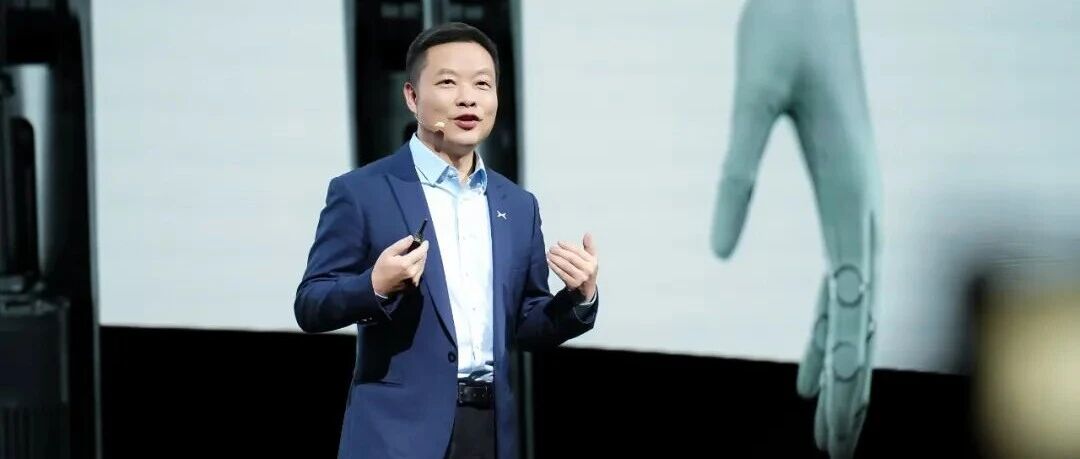
Core Viewpoint - The report emphasizes that the field of embodied intelligence is transitioning from "route differentiation" to "fusion landing," with data-driven and heterogeneous training becoming central to achieving general intelligence [2]. Group 1: Embodied Intelligence Algorithms - The evolution of robot algorithms has shifted from model-driven to data-driven approaches, with hierarchical control as a foundational paradigm and VLA (Vision-Language-Action) models enhancing generalization and interaction capabilities [5][7]. - The current mainstream paths in robot algorithms include hierarchical architecture, VLA, and world models, each differing in theoretical logic, engineering implementation, and industrial application [9][11]. - The introduction of large model structures, such as Transformers, has established a unified algorithmic foundation, facilitating cross-task learning and creating a closed loop of perception, cognition, and control [8][9]. Group 2: Data in Embodied Intelligence - Data acquisition for humanoid robots has evolved into three main paths: real machine acquisition, video learning, and simulation generation, forming a complementary ecosystem [16][18]. - Real machine acquisition emphasizes high-value, high-cost feedback through teleoperation, while video learning leverages low-cost, high-diversity visual data to enhance training [20][22]. - Simulation-generated data is becoming a significant source for large-scale training, with advancements in high-fidelity physics engines and digital twin environments facilitating the Sim2Real transition [23][24]. Group 3: Hot Topics in Embodied Intelligence - The Scaling Law phenomenon in embodied intelligence indicates that as model size, data, and computing power increase, robots significantly improve in cognition and behavior, leading to breakthroughs in generalization and task capabilities [27][28]. - The lack of standardized benchmarks for evaluating embodied intelligence poses challenges, with recent efforts like the BEHAVIOR-1K benchmark aiming to establish a comprehensive evaluation framework [29][30]. - Physical AI, which integrates physical knowledge with AI models, is emerging as a foundational exploration direction, enhancing robots' understanding of physical rules and causal reasoning [35][37]. Group 4: Industry Landscape - The humanoid robot software ecosystem comprises foundational models, data science, simulation software, and evaluation systems, with major tech companies and startups collaborating to build this ecosystem [45][46]. - Key players in the industry include tech giants like Google, Meta, and NVIDIA, alongside humanoid robot startups that focus on AI model development and data acquisition systems [45][46].

PO辅导完成,宇树机器人已完成AI物理动作
Xuan Gu Bao· 2025-11-16 15:14
Core Insights - CITIC Securities has completed the guidance work for the initial public offering (IPO) of Yushu Technology Co., Ltd, a high-tech enterprise focused on the R&D, production, and sales of consumer-grade and industrial-grade high-performance robots and dexterous robotic arms [1] Company Overview - Yushu Technology was founded on August 26, 2016, by Wang Xingxing, and is dedicated to developing advanced robotic solutions [1] - The company has developed humanoid robots capable of performing most work actions, utilizing both offline pre-learning and real-time imitation [1] Industry Trends - Wang Xingxing stated at the "2025 AI + Conference" that AI technology will enable robots to truly "understand the world" in the next decade [1] - The emergence of Physical AI is highlighted, which aims to provide autonomous machines with the ability to achieve a "perception-understanding-execution" closed-loop capability in the real physical world [1] - The advancement of Physical AI in robotics will rely on three major computing platforms and will accelerate along the path of "simulation first - cloud training - edge deployment" [1] Related Stocks - A-share related concept stocks mentioned include Zhiwei Intelligent and Jingxing Paper [1]

晚报 | 11月17日主题前瞻
Xuan Gu Bao· 2025-11-16 14:29
Aviation Industry - China Southern Airlines' C919 aircraft successfully arrived at Dubai Al Maktoum International Airport on November 14, preparing for the Dubai Airshow from November 17 to 21, 2025. The C919 has received over 1,000 domestic and international orders, marking a significant milestone in China's aviation industry development [1] - Boeing predicts that the Middle East will require 3,000 new passenger aircraft over the next 20 years, valued at over $500 billion. China's fleet is expected to grow at an average annual rate of 4.4%, with a projected total of 9,323 jet aircraft by 2043, making it the largest single aviation market globally [1] Animation Industry - Bilibili held an online launch event for 40 domestic animation works for 2025-2026, including new titles and updates on various IP sequels. The return of "The King's Avatar" TV animation and the announcement of "Chinese Folktales 2" set for January 1, 2026, were highlighted [2] - Since 2018, Bilibili has launched over 3,000 domestic creations, with nearly 970 million hours of viewing time in the past year. The platform's user base reached 330 million, with a 104% year-on-year increase in viewing time for domestic content in Q3 [2] Robotics Industry - CITIC Securities reported the completion of the IPO guidance for Yushu Technology Co., which is positioned to strengthen its industry-leading status in humanoid robotics. The company is noted for its continuous technological and product iterations [3][7] - The demand for domestic production of key systems like aviation engines is expected to drive the expansion of the domestic aviation market and upgrade the industry chain [1] Commercial Space Industry - Blue Origin's "New Glenn" rocket successfully launched on November 13, marking its second flight and the first successful sea recovery of its first stage, making Blue Origin the second company globally to master orbital rocket recovery technology after SpaceX [4] Satellite Internet - The Chinese Academy of Sciences conducted a successful high-rate communication experiment, achieving data transmission rates of 6.0 Gbps in the X-band and 20 Gbps in the Ka-band, indicating significant technological advancements in satellite communication [5] - The satellite communication market is currently valued at approximately 40-50 billion yuan, with projections to exceed 200-400 billion yuan by 2030, reflecting a compound annual growth rate of 10%-28% [5] Quantum Technology - IBM announced significant progress towards achieving quantum advantage by the end of 2026 and fault-tolerant quantum computing by 2029, introducing its most advanced quantum processor, "Quantum Nighthawk," expected to be delivered by the end of 2025 [6] - China's "Zuchongzhi 3" superconducting quantum computer has successfully manipulated 105 qubits, becoming the highest-performing superconducting quantum computing prototype globally [6] Physical AI - Yushu Technology's founder emphasized that AI technology will enable robots to truly "understand the world" in the next decade, with their humanoid robots capable of performing most work actions through offline pre-learning and real-time imitation [7] - The emergence of Physical AI aims to enhance autonomous machines' capabilities in real-world physical interactions, bridging the gap between virtual and embodied intelligence [7]



空间智能系列之三:物理AI:数字孪生、具身智能实现基石
Shenwan Hongyuan Securities· 2025-11-14 12:45
Investment Rating - The report maintains a positive outlook on the Physical AI industry, indicating it as a key driver for the next wave of AI development [3][4]. Core Insights - Physical AI is a systematic engineering approach that integrates spatial intelligence and world models, enabling AI to interact with the physical world [3][11]. - The implementation of Physical AI relies on three technological pillars: world models, physical simulation engines, and embodied intelligent controllers [17][21]. - NVIDIA has established a comprehensive ecosystem in the Physical AI space, leveraging its "chip-algorithm-platform" strategy to create a competitive advantage [3][4]. - Digital twins represent the most mature application of Physical AI, allowing industries to optimize production lines and reduce costs through high-fidelity virtual models [3][48]. - The most promising applications of Physical AI are in intelligent driving and embodied intelligence, with various models like end-to-end, VLA, and world models being explored [3][60]. Summary by Sections 1. Physical AI: The Next Wave of AI - Physical AI signifies a transition from virtual to real-world applications, focusing on understanding and interacting with physical laws [11][12]. - The core structure of Physical AI can be simplified into spatial intelligence, world models, and Physical AI as an integrative system [12][16]. 2. Applications of Physical AI: Understanding the World and Predicting the Future - Physical AI is rapidly moving towards large-scale commercial applications, enhancing efficiency and creating new business models across various industries [47]. - Digital twins serve as a critical tool for industrial digital transformation, enabling real-time simulation and control of physical assets [48][52]. - Intelligent driving and embodied intelligence are identified as key areas where Physical AI can significantly impact [47][60]. 3. Physical AI Industry Chain Analysis - The industry chain of Physical AI shows clear value distribution, with significant changes across various segments including chips, data supply, algorithms, and applications [4][3]. - Key players in the industry include NVIDIA, Qualcomm, and various companies involved in data acquisition and algorithm development [3][4]. 4. Core Targets and Related Companies - Core targets in the Physical AI industry include companies like Zhiwei Intelligent, Tianzhun Technology, and Desay SV [3][4]. - Companies involved in data supply and algorithm development are also highlighted, indicating a diverse investment landscape [3][4].

小鹏物理AI的尽头,是马斯克的现金流
Sou Hu Cai Jing· 2025-11-14 11:12
Group 1 - The core viewpoint of the article is that Xiaopeng Motors is transitioning from a new energy vehicle company to a physical AI enterprise, but faces significant challenges in achieving profitability and maintaining market competitiveness against established players like Tesla [3][5][6] - Xiaopeng's stock price experienced a decline of 2.81% on November 12, following a previous surge of approximately 29% over four trading days due to the Xiaopeng Technology Day event [2][3] - The company announced several key innovations at the Xiaopeng Technology Day, including the second-generation VLA architecture, Xiaopeng Robotaxi, and a new generation of IRON robots, with plans for mass production of high-level humanoid robots by 2026 [3][5][6] Group 2 - Despite a significant year-on-year increase in vehicle deliveries (190% growth), Xiaopeng's market valuation and sales figures still lag behind Tesla, which has achieved profitability since 2020 [5][9] - In October, Xiaopeng delivered 42,013 smart vehicles, setting a new monthly record, but the sales of some mid-range models have declined, indicating potential structural issues in its product lineup [6][7] - The company is focusing on high-end models, such as the Xiaopeng X9, which has seen a drop in sales but is being promoted with new technology solutions [7][10] Group 3 - Xiaopeng's research and development expenses are projected to reach approximately 100 billion yuan this year, with a significant portion allocated to software development [10][12] - The company is pursuing partnerships for its Robotaxi initiative, aiming to position itself as a technology supplier rather than a direct operator, which may help mitigate operational risks [16][20] - Xiaopeng's strategy includes leveraging its self-developed Turing chip and VLA model to attract external partnerships, with Volkswagen already identified as a strategic partner [13][14] Group 4 - The Robotaxi sector is highly competitive and characterized by long development cycles and challenging profitability, with Xiaopeng adopting a cautious approach compared to other players [18][19] - The company plans to utilize a pure vision solution for its Robotaxi, aiming to reduce costs and avoid reliance on expensive technologies like LIDAR [19][20] - Xiaopeng's ultimate goal is to create an open platform ecosystem to attract partners and share the costs of autonomous driving research and development [20]
分享认为理想缺二把手论是次要矛盾的视角
理想TOP2· 2025-11-13 14:25
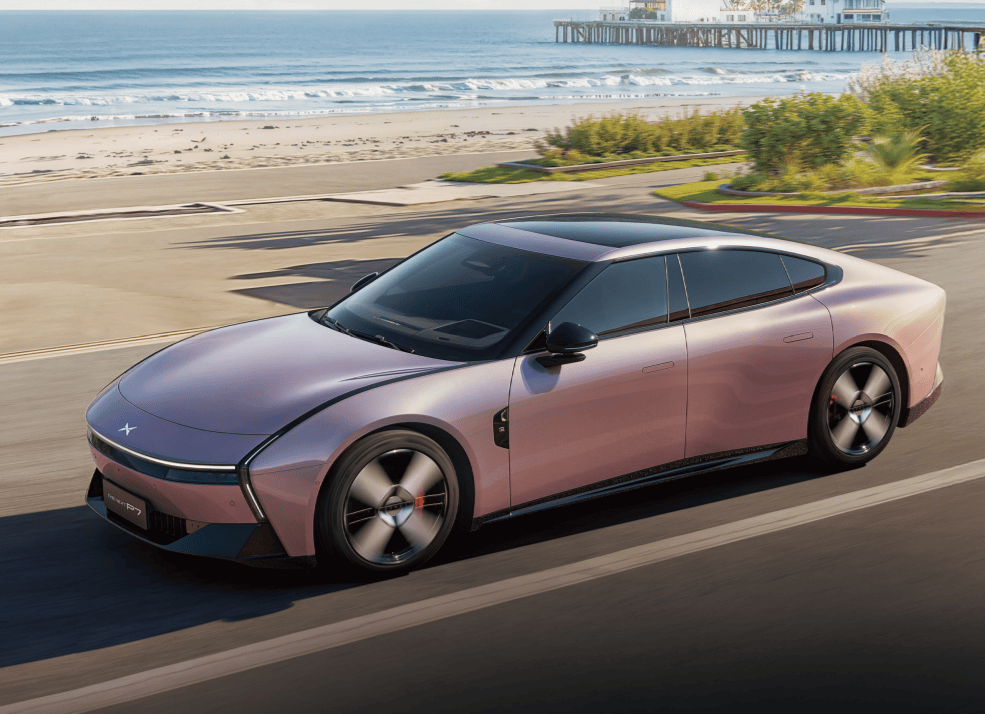
Core Viewpoint - The article analyzes the notion that Li Auto lacks a second-in-command, suggesting that the company needs a figure similar to Qin Zhi to enhance its operational efficiency and sales performance. However, the article emphasizes that the primary challenge lies in adapting the organizational structure to align with advancements in physical AI, rather than merely appointing a new executive [1][2]. Group 1: Reasons for Poor Sales Performance - The article identifies that the poor sales performance of Li Auto's vehicles this year is a result of a complex interplay of multiple factors, making it difficult to predict or analyze the exact causes [2]. - It discusses the concept of value creation, transmission, and delivery as fundamental to understanding product sales [3]. Group 2: Value Analysis of Different Models - For the L series, the article notes that the competitive advantage over peers has diminished, with the main iteration point being the autonomous driving chip. However, the differences between the Thor and Orin versions are not yet evident [4]. - The i8 model faced significant challenges in value transmission, as the launch did not meet consumer expectations, leading to negative publicity [6]. - The i6 model is viewed positively, with minimal controversy regarding its value creation, although there are plans for improvements in its features [7]. Group 3: Proposed Solutions for Li Auto - The company plans to enhance product capabilities significantly in the coming years, aiming for a more substantial improvement than seen in the 2025 L series [9]. - Li Auto intends to place greater emphasis on addressing negative public sentiment and effectively communicating its advantages [9]. - The company is exploring the possibility of obtaining a proprietary battery from the Ministry of Industry and Information Technology, although the timeline for this is uncertain [9]. Group 4: Long-term Competitive Advantage - Li Auto's long-term strategy focuses on developing L4+ autonomous driving capabilities integrated with AI, which will redefine the concept of smart vehicles [10][12]. - The company aims to create a high-concentration market environment, positioning itself as a strong competitor in this evolving landscape [12]. - Future plans may include significant investments in humanoid robots, although this is not an immediate focus [11]. Group 5: Organizational Structure and Future Outlook - The article suggests that the organizational structure required to support advancements in physical AI may not necessitate a large workforce, with projections indicating that revenue could increase significantly without a proportional rise in employee numbers [14].


商汤联合研究团队提出“Puffin”AI模型
Xin Lang Cai Jing· 2025-11-13 07:47
Core Insights - The article discusses the release of a paper titled "Thinking with Cameras" by SenseTime in collaboration with Nanyang Technological University and other academic institutions, introducing the AI model named "Puffin" [1] - The "Puffin" model is designed to understand and create scenes from any perspective and direction, with the ability to expand into complex cross-perspective understanding and generation tasks [1] - These capabilities will be applied to the development of SenseTime's world model and can also be transferred to the development of embodied world models, promoting the implementation of physical AI [1]
小鹏汽车系列十六: 发布第二代VLA、Robotaxi、全新一代IRON、汇天飞行体系,打造物理AI未来出行全新范式【国信汽车】
车中旭霞· 2025-11-13 06:02
Core Viewpoint - Xiaopeng Motors positions itself as a "physical AI world explorer for global embodied intelligence," focusing on the integration of AI technologies in its automotive and robotics products [4][5]. Group 1: Key Applications Released - Xiaopeng Motors unveiled four significant applications at the 2025 Technology Day: the second-generation VLA, Robotaxi, the new generation of IRON, and two flight systems, all with clear mass production plans [4][5]. - The second-generation VLA (Vision-Language-Action) system integrates visual perception and language understanding, enhancing the efficiency and responsiveness of autonomous driving [6][9]. - The Robotaxi will launch three models in 2026, utilizing a pure vision approach without relying on LiDAR or high-definition maps, achieving a computing power of 3,000 TOPS [12][13]. - The new generation of IRON is designed as a highly humanoid robot with 82 degrees of freedom, capable of complex movements and interactions [17][20]. Group 2: Technological Innovations - The second-generation VLA features a cloud-based model with 720 billion parameters, enabling rapid iteration and high processing power for complex tasks [9][10]. - The Robotaxi's dual-redundancy hardware architecture ensures safety, while its external interaction system enhances communication with pedestrians [13][16]. - The IRON robot employs a solid-state battery for improved safety and efficiency, alongside a proactive safety mechanism to protect users [21][23]. Group 3: Future Development Plans - Xiaopeng aims to achieve mass production of the IRON robot by the end of 2026, focusing on commercial applications in various sectors [23]. - The flight systems include the A868, designed for medium to long-distance travel, and the "land carrier," which has already received over 7,000 pre-orders [24][25]. - The company plans to collaborate with global partners to build a Robotaxi ecosystem, with Gaode as the first partner [16].

小鹏成“最像特斯拉的中国公司”?
Di Yi Cai Jing Zi Xun· 2025-11-13 04:22
Core Insights - Xiaopeng Motors aims to redefine its identity beyond just an automotive company, focusing on becoming a leader in "physical AI" technology, which integrates digital and physical worlds [2][3] - The company recently held a technology day where it unveiled its second-generation VLA model and introduced products like Robotaxi, humanoid robots, and flying cars, indicating a shift towards broader technological ambitions [2][3] Company Strategy - Xiaopeng Motors' new slogan emphasizes its transition from being merely an AI automotive company to a "physical AI" company, reflecting its ambition to lead in various tech sectors [2] - The second-generation VLA model is designed to enhance the company's autonomous driving capabilities, with significant investments in computational power and data training [5][6] Market Position - Xiaopeng Motors briefly surpassed Li Auto in market capitalization, becoming the highest-valued new energy vehicle company in China, with a market cap of approximately $21.4 billion [3] - The company is perceived as the most similar to Tesla among Chinese automakers, with Tesla's market cap at $1.4 trillion, highlighting the competitive landscape [3] Product Development - The second-generation VLA model aims to improve the efficiency of autonomous driving by reducing information loss during data processing, although it still incorporates elements of the previous model [5][6] - Xiaopeng plans to launch three Robotaxi models by 2026, marking its entry into the Robotaxi market, which is currently untested by other new energy vehicle companies in China [12][14] Technological Innovation - The second-generation VLA is expected to outperform its predecessor in complex driving scenarios, with a reported 13-fold improvement in average takeover mileage on complicated roads [11] - Xiaopeng's humanoid robot, IRON, showcases advancements in locomotion but faces challenges in manipulation, which is crucial for broader applications [18][20] Future Outlook - The year 2026 is identified as a critical milestone for Xiaopeng Motors, with plans for mass production of its new technologies, including the second-generation VLA and humanoid robots [4][11] - The company is strategically avoiding the complexities of industrial applications for its robots, focusing instead on service-oriented roles in the initial phase of commercialization [20]
小鹏成“最像特斯拉的中国公司”?
第一财经· 2025-11-13 04:09
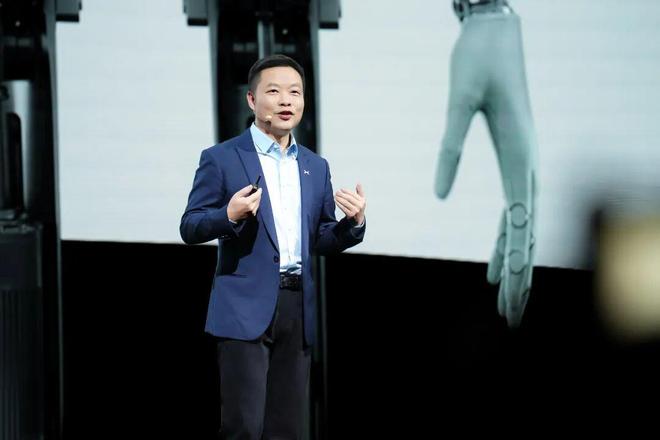
Core Viewpoint - Xiaopeng Motors aims to redefine its identity beyond just an automotive company, focusing on becoming a leader in "physical AI" technology, which integrates digital and physical worlds [5][7]. Group 1: Company Strategy and Market Position - Xiaopeng Motors briefly surpassed Li Auto in market capitalization, becoming the highest-valued new energy vehicle company in China, with a market cap of $21.4 billion as of November 7, 2025 [5][7]. - The company has shifted its slogan to emphasize its focus on "embodied intelligence," indicating a broader technological ambition beyond just electric vehicles [7]. - Xiaopeng plans to launch three Robotaxi models in 2026, positioning itself as the first new energy vehicle company in China to enter the Robotaxi market [21][22]. Group 2: Technological Developments - The second-generation VLA model was developed to enhance the vehicle's understanding and interaction with the environment, utilizing a significant amount of computational resources and training data [11][20]. - The second-generation VLA is expected to improve performance in complex driving scenarios, with a 13-fold increase in average takeover mileage on complicated roads [20]. - Xiaopeng's Robotaxi will utilize a Level 4 autonomous driving system, designed without reliance on high-precision maps or LiDAR, which is considered an aggressive approach in the industry [22][24]. Group 3: Robotics and AI Integration - The second-generation IRON humanoid robot showcased at the technology day has sparked discussions about its capabilities, focusing on locomotion rather than manipulation, which is a more challenging area in robotics [27][28]. - Xiaopeng has shifted its strategy regarding the application of humanoid robots, moving away from industrial tasks to focus on service-oriented roles such as guiding and shopping assistance [30][31]. - The company acknowledges the significant technical challenges in developing dexterous hands for humanoid robots, which are crucial for broader applications in the future [32].