关税

Search documents
罕见!黄金今年36次、美股28次,同创新高,什么信号?如何交易?
Sou Hu Cai Jing· 2025-09-23 11:54
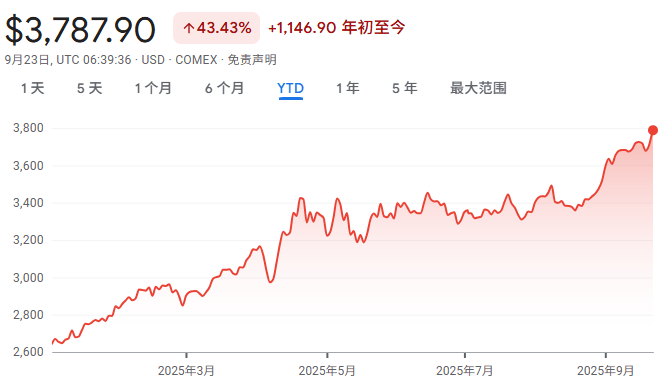
Core Viewpoint - The Federal Reserve is initiating interest rate cuts, leading to a surge in global asset prices, with significant movements in both risk and safe-haven assets [1][5]. Group 1: Market Performance - Nvidia's substantial investment in OpenAI has reignited the AI boom, pushing the three major U.S. stock indices to new highs, with the S&P 500 index hitting its 28th record high this year [2]. - COMEX gold prices closed at $3,775.10, marking the 36th record high of the year, with a year-to-date increase of approximately 43% [2]. Group 2: Market Dynamics - The simultaneous rise of risk and safe-haven assets has led to skepticism among investors regarding whether the market has reached "perfect pricing" [5]. - Bank of America strategist Michael Hartnett suggests that the combination of tariff cuts, tax reductions, and interest rate cuts creates a "run-it-hot" policy environment, providing implicit guarantees for the economy and stock market [5]. - Deutsche Bank's report indicates that the market has not yet reached a "perfect pricing" state, suggesting that concerns about future risks may actually provide room for potential market increases [5][6]. Group 3: Investment Strategies - Hartnett proposes a five-point trading strategy to navigate the current market conditions, including investing directly in bubble assets, constructing a "barbell" portfolio, shorting corporate bonds of bubble companies, shorting U.S. bonds, and trading volatility [10][11]. - The current market sentiment is characterized by a belief that "money is depreciating, and holding it is less favorable than consumption or investment," driving funds into risk assets [6]. Group 4: Gold Market Analysis - The rise in gold prices is attributed to geopolitical uncertainties, inflation concerns, and expectations of interest rate cuts, creating a "perfect storm" for gold [13][14]. - Deutsche Bank notes that the high gold prices reflect market fear rather than extreme optimism, indicating a typical sign of investors seeking safe-haven assets [13]. - Despite concerns about a potential bubble, key market indicators have not shown signs of irrational exuberance, suggesting that the current gold market may be in a sustained bull phase rather than a bubble [14][15].


关税战后,全球富豪押注哪些资产?
Hu Xiu· 2025-09-23 10:06
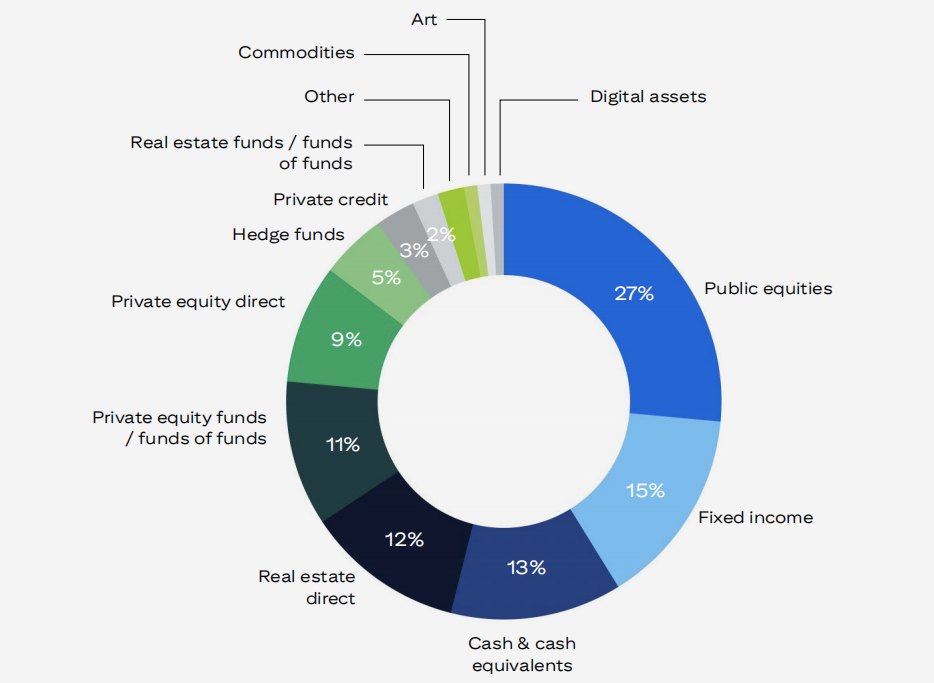
Core Insights - The report reveals the investment sentiment and strategies of family offices in the context of trade policy uncertainty, geopolitical tensions, and technological changes [1][2]. Group 1: Key Findings - Asset allocation among family offices remains stable, with half of the respondents maintaining fixed income holdings and two-thirds keeping real estate allocations unchanged. Private equity shows the most optimistic trend, with a net increase of 26% in allocations [5][6]. - Despite uncertainties surrounding tariffs, family offices express a positive outlook for portfolio returns over the next twelve months, with 30% expecting returns between 10%-15% and 8% anticipating returns exceeding 15% [8][9]. - Nearly two-thirds of family offices took action to enhance portfolio resilience following the U.S. tariff announcement, with 39% opting for active management [10][11]. Group 2: Investment Strategies and Sentiment - 70% of respondents are engaged in direct investments, with 40% increasing their activities in the past year, reflecting confidence in selecting profitable transactions [13][14]. - Trade tensions have become the primary concern for family offices this year, with 60% citing it as their top worry, while interest rates have dropped to fourth place [15][16]. - Family offices report effective management of investment risks, with 83% believing their investment risks are well managed, although confidence in managing cybersecurity and geopolitical risks is lacking [18][19]. Group 3: Asset Allocation and Market Outlook - Family offices' asset allocation for 2025 remains consistent with 2024, with public equities averaging 27%, fixed income at 15%, and alternative assets at 40% [30][31]. - The sentiment towards asset classes is predominantly neutral, with developed market equities showing the highest net positive sentiment at +17% [44][45]. - Regional sentiment varies, with the Americas showing net bullish sentiment for private equity direct investments at +21%, while the Asia-Pacific region shows a much lower sentiment at +1% [48][49].
特朗普前经济顾问警告:关税或是就业市场恶化的推手!
Jin Shi Shu Ju· 2025-09-23 08:30
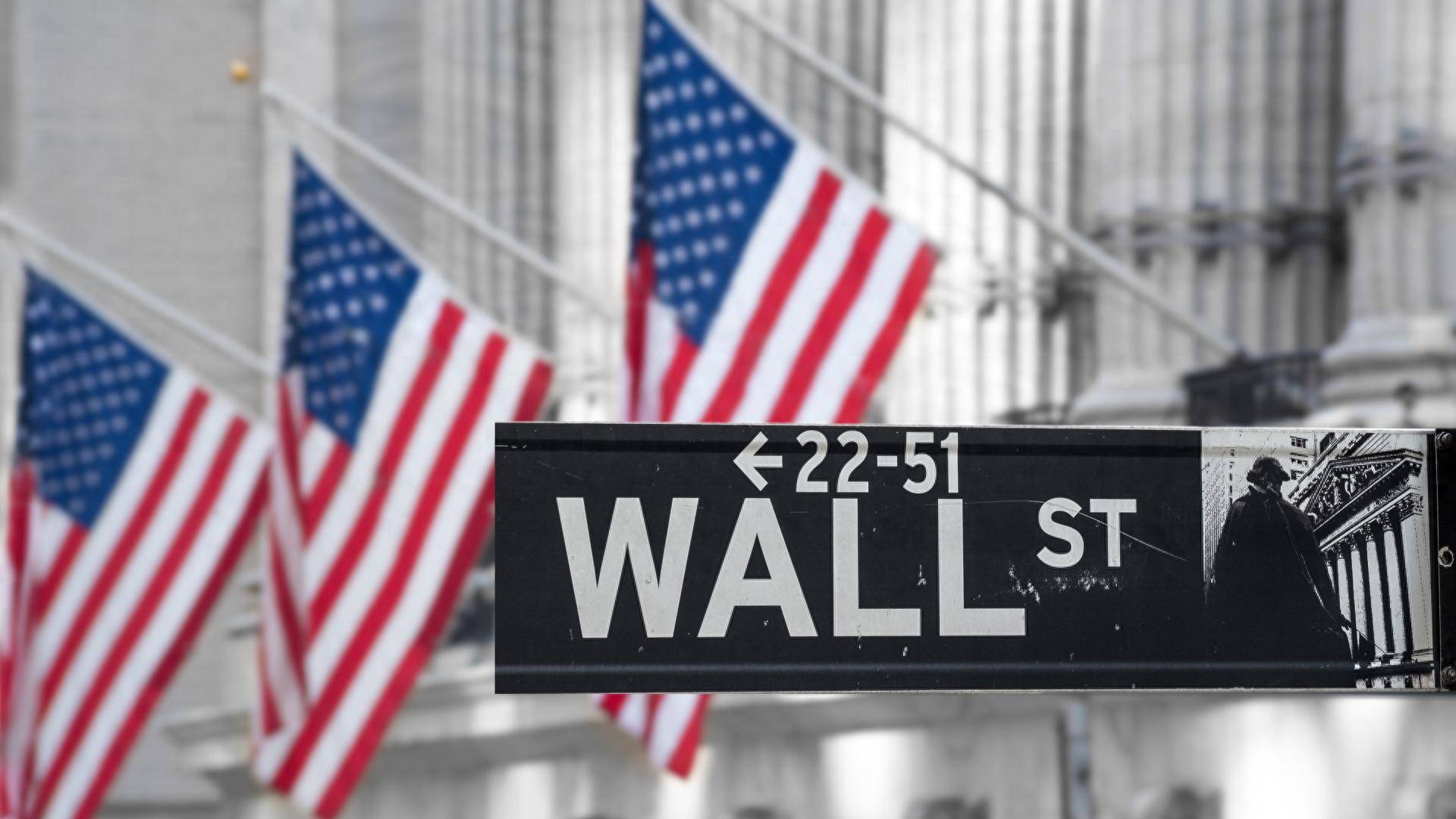
美国总统特朗普的前经济顾问加里·科恩(Gary Cohn) 表示,关税正推高企业经营成本,而这可能会让 人们找工作变得更难。 曾在特朗普第一任期内担任国家经济委员会主任的科恩称,受关税影响,企业正面临投入成本上升的不 确定性。而由于企业认为无法向消费者提价,它们便转向自己能控制的成本项。 "为确保利润率不受损,它们能拉动的唯一杠杆就是削减人力成本,"科恩在《面向全国》(Face the Nation)节目采访中表示。 白宫发言人库什·德赛(Kush Desai)此前则发表声明宣称,特朗普的关税已为美国带来万亿美元级投 资,推动国内建设并创造就业岗位。 上周美联储会议后,鲍威尔承认:"大学毕业生、年轻人以及少数族裔群体正面临求职困境。"一名25岁 的求职者甚至在华尔街举牌求职,此前他已在线上投递了超过1000份简历。 科恩表示,这一趋势与新冠疫情期间形成鲜明反差——当时许多企业陷入"招聘狂热"。如今,这些企业 不仅裁员,还在员工退休后不再补招,任由劳动力自然缩减。 科恩说,"新冠疫情期间,企业曾面临招不到、留不住人的困境,因此当时它们在'囤积劳动力',如今 情况已从'囤人'转向'严格控制开支',而人力成本正是它 ...
关税和通胀前景仍存不确定性 白银td多头态势仍强势
Jin Tou Wang· 2025-09-23 07:11
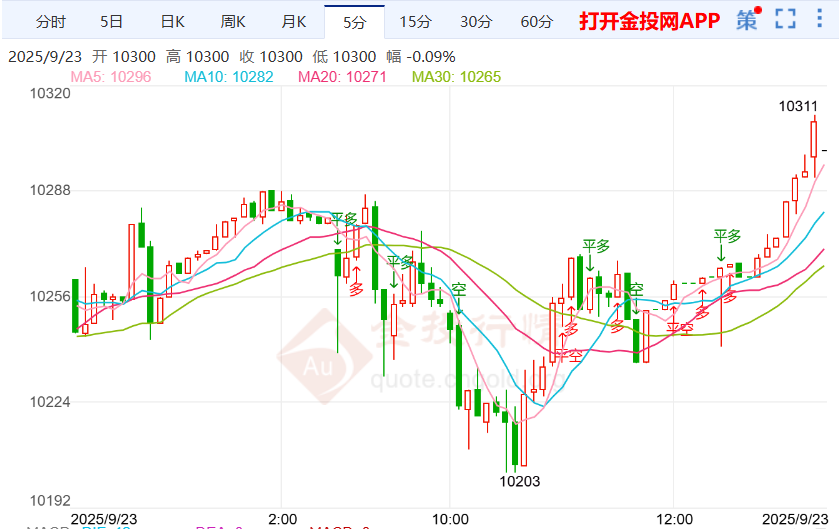
Group 1 - Silver T+D is currently trading above 10,265, with a recent price of 10,305, reflecting a 1.72% increase, and has seen a high of 10,311 and a low of 10,168 during the session [1] - The silver T+D market is showing a short-term oscillating trend, indicating potential volatility in pricing [1][4] Group 2 - Federal Reserve officials have highlighted the potential impact of tariffs on inflation, with one official noting that while the immediate effects of tariffs on prices have been less than expected, other factors are contributing to rising inflation [3] - The officials suggest that the price effects of tariffs may dissipate in the next two to three quarters, but there is a need to remain vigilant about second-round effects and persistent inflation threats [3] - Another official indicated that the cost increases driven by tariffs have been milder than initially predicted, partly due to companies employing various strategies to mitigate or delay price increases to consumers [3]
特朗普前经济顾问“炮轰”关税:重创了美国就业市场
Feng Huang Wang· 2025-09-23 01:57
Core Viewpoint - The imposition of tariffs by the Trump administration is increasing business costs, making it harder for Americans to find jobs, according to Gary Cohn, a former economic advisor [1][2]. Group 1: Impact of Tariffs - Tariffs are raising the cost of doing business, leading to increased uncertainty for companies regarding input costs [1]. - Companies are unable to raise consumer prices and are instead focusing on controlling costs, particularly labor costs [2]. Group 2: Employment Trends - There has been a wave of layoffs in major tech companies, with nearly 90,000 tech employees laid off across 204 companies this year [2]. - The U.S. Bureau of Labor Statistics reported only 22,000 new jobs added in August, a significant drop from 79,000 in July [2]. - Federal Reserve Chairman Jerome Powell noted that finding jobs is becoming increasingly difficult, especially for recent graduates and minority groups [3]. Group 3: Corporate Performance - Despite the challenges, companies reported a 6.3% growth in earnings in the second quarter, with profits increasing in double digits [3]. - However, there are indications that the job market is deteriorating, which could signal a reversal from the hiring frenzy during the pandemic [4].
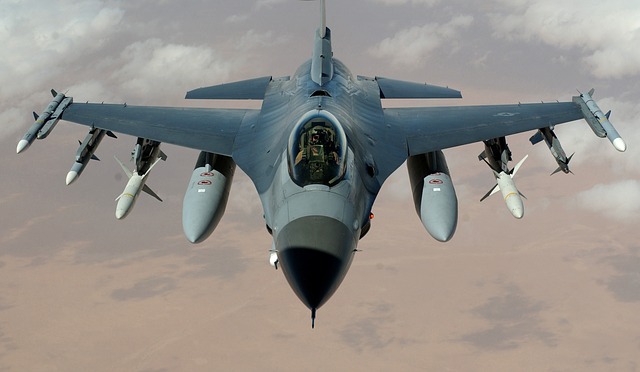
Lockheed Martin Corporation (LMT) Awarded Contract to Implement Software Upgrade for F-16 Flight Training in South Korea
Insider Monkey· 2025-09-22 22:45
Core Insights - Artificial intelligence (AI) is identified as the greatest investment opportunity of the current era, with a strong emphasis on the urgent need for energy to support its growth [1][2][3] - A specific company is highlighted as a key player in the AI energy sector, owning critical energy infrastructure assets that are essential for meeting the increasing energy demands of AI technologies [3][7][8] Investment Landscape - Wall Street is investing hundreds of billions into AI, but there is a pressing concern regarding the energy supply needed to sustain this growth [2] - AI data centers, which power large language models like ChatGPT, consume energy equivalent to that of a small city, indicating a significant strain on global power grids [2] - The company in focus is positioned to benefit from the surge in demand for electricity driven by AI, making it a unique investment opportunity [3][6] Company Profile - The company is described as a "toll booth" operator in the AI energy boom, collecting fees from energy exports and benefiting from the onshoring trend due to tariffs [5][6] - It possesses critical nuclear energy infrastructure assets, making it integral to America's future power strategy [7] - The company is noted for its capability to execute large-scale engineering, procurement, and construction projects across various energy sectors, including oil, gas, and renewables [7] Financial Position - The company is completely debt-free and has a significant cash reserve, amounting to nearly one-third of its market capitalization, which positions it favorably compared to other energy firms burdened with debt [8][10] - It also holds a substantial equity stake in another AI-related company, providing investors with indirect exposure to multiple growth opportunities in the AI sector [9] Market Sentiment - There is a growing interest from hedge funds in this company, which is considered undervalued and off-the-radar, trading at less than seven times earnings excluding cash and investments [10][9] - The company is recognized for delivering real cash flows and owning critical infrastructure, making it a compelling investment choice in the context of the AI and energy sectors [11][12]

美联储博斯蒂克“放鹰”:暂不支持进一步降息!
Jin Shi Shu Ju· 2025-09-22 13:41
Core Viewpoint - The Atlanta Fed President Bostic expresses concerns about inflation and indicates he does not plan to support another rate cut in October, despite rising employment risks [2][3]. Summary by Sections Economic Outlook - Bostic has only planned one rate cut for the entire year of 2025, suggesting no further cuts are needed in the remaining meetings of 2023 [2]. - He acknowledges that the balance of risks has shifted, with employment concerns and inflation being more equal than three months ago [3]. Inflation Concerns - Bostic worries that inflation remains persistently above the Fed's 2% target, with core inflation projected to rise from 2.9% in July to 3.1% by year-end [5]. - He anticipates that inflation may not return to the 2% target until 2028 [5]. Labor Market Dynamics - Bostic believes the current labor market is not in crisis, but the extent of its weakness is still uncertain [5]. - He estimates that limited labor supply accounts for about one-third of the recent slowdown in hiring, with immigration policies potentially exacerbating these challenges [6][7]. Tariff Impact - The impact of tariffs on consumer prices is still unclear, as companies have adopted various strategies to mitigate cost increases [5]. - Bostic notes that the cost increases from tariffs have been more moderate than initially expected, but these buffers may deplete in the coming months, leading to prolonged moderate price pressures [5].
东兴证券晨报-20250922
Dongxing Securities· 2025-09-22 10:57
Core Views - The report highlights the significant growth potential in the pet medical service market, driven by increasing pet ownership and the aging of pets, with a projected market size of 549 billion yuan by 2024 and a potential of 1,854 billion yuan if full coverage is achieved [6][7] - The report emphasizes the importance of national chain models in the pet medical industry, noting that the current chain rate is around 21.1%, which has room for improvement compared to the US market's 30% [7][10] - The competitive landscape is characterized by major players such as New Ruipeng, Ruipai, and Ruichen, indicating a stable market structure with a focus on operational quality and efficiency [7][10] Industry Overview - The pet medical industry is positioned at the downstream of the pet industry chain, directly interacting with pets and their owners, providing a range of services from vaccinations to surgeries [5] - The report forecasts a compound annual growth rate (CAGR) of 10.68% for the pet medical market, with expectations of reaching 1,011 billion yuan by 2030 if the pet population continues to grow at 1.5% [6][7] - The report identifies the core competencies of national chain pet medical institutions in terms of medical technology and platform management, which are crucial for providing comprehensive services and maintaining competitive advantages [8][9] Company Insights - Baoli International plans to invest in Nanjing Hongtai Semiconductor Technology Co., Ltd., reflecting confidence in the semiconductor testing equipment sector [4] - Xinda Biologics received approval for a new drug application for a diabetes treatment, indicating growth opportunities in the biopharmaceutical sector [4] - New Xiangwei's subsidiary is increasing its stake in a tech company focused on AI, showcasing strategic investments in high-growth areas [4] - Junhua Technology is expected to positively impact its financial performance through a significant procurement project with the State Grid Corporation [4]






PCE定降息节奏!本周金价冲4000美元,美股、欧股怎么走?
Sou Hu Cai Jing· 2025-09-22 07:43
上周国际市场可太热闹了,各大央行跟"打卡上班"似的集体行动。 加拿大、挪威还有印度尼西亚的央行直接宣布降息,英国、日本和巴西却选择按兵不动。 美股更猛,三大指数全创了新高,道指一周涨了1.05%,纳指涨了2.21%,标普500也涨了1.22%。 欧洲那边就有点分化,英国富时100涨了0.72%,德国DAX30和法国CAC40却分别跌了0.25%、0.36%。 最让人眼馋的是国际金价,直接刷新了历史新高。 这周的看点比上周还多,大家都在猜美联储接下来会怎么降息,所以美国的一堆经济数据,像个人消费支出(PCE)、采购经理人指数(PMI)还有耐用品 订单,都成了香饽饽。 欧洲这边,欧元区和英国的PMI数据也得盯紧,毕竟现在还有关税的挑战,得看看地区经济扛不扛得住。 另外,瑞士、瑞典、墨西哥的央行这周也要公布利率决议,每一个都可能影响市场走势。 要说这周美国市场的"重头戏",肯定是美联储最看重的PCE通胀指标。 WTI原油近月合约一周跌了0.02%,报62.68美元/桶,布伦特原油跌了0.46%,报66.68美元/桶。 说实话,现在市场最关心的就是特朗普关税对通胀的影响到底有多大。 要是数据显示这影响没那么严重,那美 ...
受美国关税影响,韩国9月前20天日均出口额同比下降10.6%!对中国出口同比增长1.6%,对美国出口同比增长6.1%
Ge Long Hui· 2025-09-22 06:50
Group 1 - South Korea's exports increased by 13.5% year-on-year in the first 20 days of September, reaching a total of $40.12 billion compared to $35.36 billion in the same period last year [1][3] - The average daily export amount decreased by over 10% due to new tariff plans from the United States [1][4] - Imports rose by 9.9% year-on-year to $38.22 billion, resulting in a trade surplus of $1.9 billion [4] Group 2 - Semiconductor exports amounted to $9.49 billion, a 27% increase year-on-year, accounting for 23.7% of total exports, up 2.5 percentage points from the previous year [4] - Automotive exports grew by 14.9% to $3.42 billion, while ship exports surged by 46.1% to $1.51 billion [5] - Steel exports increased by 7.1% to $2.53 billion, whereas chemical product exports fell by 4.5% to $2.68 billion [6] Group 3 - Exports to China, South Korea's largest trading partner, rose by 1.6% to $7.77 billion, while exports to the United States increased by 6.1% to $6.55 billion [7] - However, the average daily export amount to the U.S. decreased by 16.4% due to aggressive tariff measures from the Trump administration [7]