智能化

Search documents
北汽2025年销量突破175万辆,自主品牌成增长引擎
Bei Jing Ri Bao Ke Hu Duan· 2026-01-13 10:33
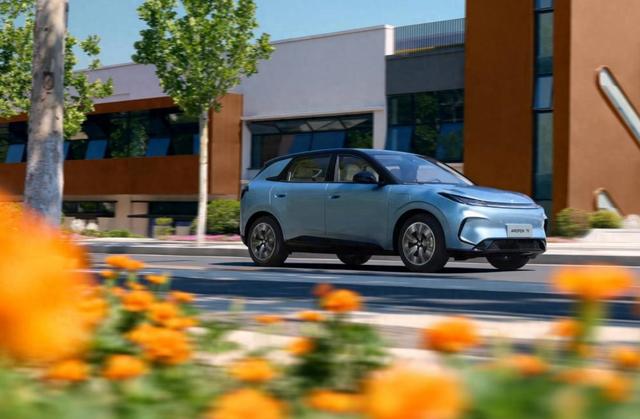
Group 1 - The core objective of the company is to achieve a vehicle sales target of 1.752 million units by 2025, representing a year-on-year growth of 5.6%, with over 60% of sales coming from its own brands [1] - The company's self-owned brands have become the main growth engine, with passenger and commercial vehicles achieving collaborative growth [1] - The electric vehicle brand Arcfox has seen significant growth, with annual sales reaching 163,000 units, doubling year-on-year, and maintaining a growth rate exceeding 100% for two consecutive years [1][3] Group 2 - The company aims for high-quality development, with internationalization and new energy businesses progressing simultaneously, achieving historical highs [3] - The export volume is projected to reach 308,000 units by 2025, a year-on-year increase of 26%, outpacing the industry growth rate by 7.3 percentage points, with products covering over 130 countries and regions [3] - The company sold over 390,000 new energy vehicles in the past year, marking a 95% year-on-year increase, with significant growth in its self-owned brands [3] Group 3 - The company has made advancements in autonomous driving, with two models receiving L3-level conditional autonomous driving product approval, including one from the Arcfox brand [3] - The company has initiated large-scale road trials for L3-level autonomous driving, positioning itself competitively in the key technology race defining future mobility [3] Group 4 - Continuous innovation in the field of intelligence is reflected in the company's efforts to create "technical highlights," such as the launch of the world's first engineering liquid hydrogen heavy truck [4] - The company has successfully developed an electric vehicle drive motor rotor that challenges ultra-high speeds of 55,000 RPM [4]


小鹏今年将推4款新车,冲击55万-60万销量目标|36氪独家
36氪· 2026-01-13 10:14
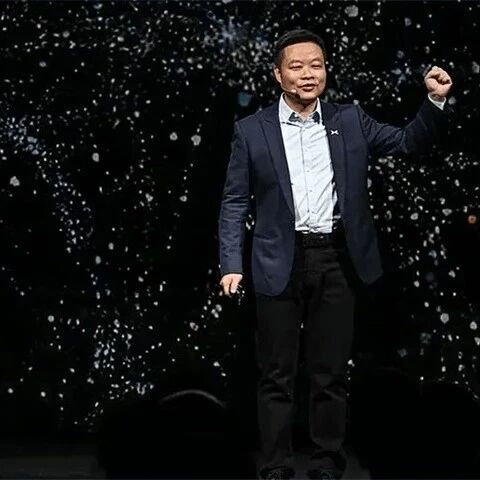
Core Viewpoint - Xiaopeng Motors has set an ambitious sales target of 550,000 to 600,000 units for 2026, representing a growth of approximately 28.1% to 39.7% from the 429,400 units expected in 2025, necessitating an average monthly delivery of over 45,800 to 50,000 units [4][5]. Group 1: Product Strategy - 2026 will be a pivotal year for Xiaopeng as it plans to launch seven new models featuring "super range extension" capabilities, including three super range products and four new dual-energy models [4]. - The new models include the Xiaopeng G01, a luxury 6-seat SUV, and the G02, a full-size flagship SUV, alongside two new Mona SUV models, D02 and D03 [5]. - Xiaopeng aims to enhance its product lineup in the mid-to-low-end market with the introduction of the Mona M03, which has significantly contributed to sales, accounting for nearly a quarter of total sales [8]. Group 2: Technological Advancements - Xiaopeng is focusing on smart technology, planning to implement its self-developed Turing chip and the second-generation VLA system to differentiate its high-end models [10][13]. - The latest models will transition to Turing chips, with the Max version featuring a single Turing chip with 720 TOPS of computing power, while the Ultra version will utilize three Turing chips for advanced driving and AI applications [13]. Group 3: Market Competition - The automotive market in 2026 is expected to be highly competitive, with Xiaopeng and Leap Motor targeting a combined sales goal of 1.6 million units, which may come at the expense of competitors like BYD and Geely [15][16]. - Both Xiaopeng and Leap Motor are entering the hybrid vehicle market, with Xiaopeng focusing on the 15-25 million price range, while Leap Motor targets the 10-20 million segment [16]. Group 4: Growth Challenges - Achieving high sales growth poses significant challenges, particularly as crossing the 500,000 sales threshold can complicate supply chain management and organizational coordination [17][18]. - The experience of other companies, such as Ideal, highlights the potential pitfalls of scaling operations rapidly, raising concerns about whether Xiaopeng and Leap Motor can successfully navigate these challenges [18].

韩系车居然增长:是反弹,还是“缓刑”?
虎嗅APP· 2026-01-13 10:11
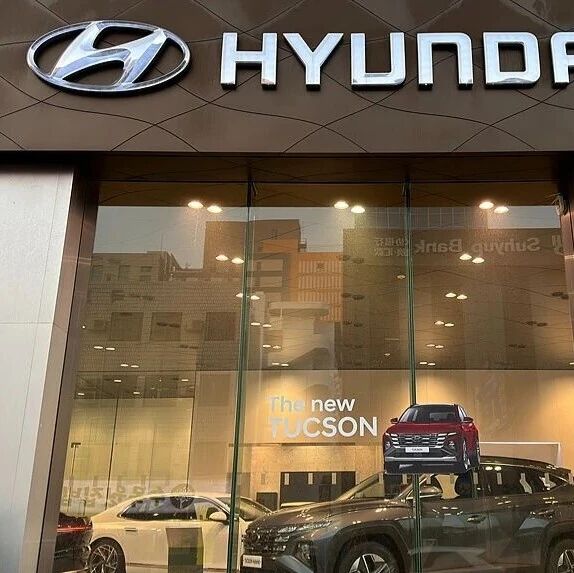
Core Viewpoint - Hyundai Motor Group remains optimistic about its resurgence in the Chinese market, especially if the recent South Korea-China leadership talks lead to improved bilateral relations [2][3]. Group 1: Market Performance - Hyundai and Kia have shown signs of stabilization in the Chinese market over the past couple of years, with sales expected to improve by 14.8% for Beijing Hyundai to approximately 210,000 units in 2025, and 254,000 units for Yueda Kia [5]. - The overall Chinese passenger car market is projected to see wholesale sales of 29.55 million units in 2025, a year-on-year increase of 8.8% [5]. Group 2: Survival Strategies - The growth in export business has been a significant factor for Hyundai's short-term improvement, with exports now accounting for a higher percentage of their operations [7]. - Hyundai's sales network in China has not collapsed, and there remains a market for fuel-efficient vehicles among price-sensitive consumers in lower-tier cities [7][8]. Group 3: Future Outlook - The warming of South Korea-China relations is seen as a potential external benefit, which could enhance cooperation with local suppliers [11]. - Despite recent stabilization, Hyundai still faces structural pressures, with its performance in China lagging behind the global average [13]. - The success of future models, particularly in the electric and smart vehicle segments, will be crucial for Hyundai's long-term recovery in the Chinese market [14][18].
日产中国销量连跌7年,比巅峰期腰斩60%
Di Yi Cai Jing· 2026-01-13 10:10
Core Insights - Nissan's sales in China have been declining for seven consecutive years, with 2025 sales projected at approximately 653,000 units, a 6.26% decrease year-on-year, and nearly a 60% drop from the 2018 peak of 1.564 million units [1][2] - The new CEO, Ivan Espinosa, indicated that global sales are expected to decline by nearly 3% in 2024, primarily due to the downturn in the Chinese market [1] - Analysts attribute Nissan's struggles in China to its slow transition to electric vehicles and a lack of competitive smart technology compared to local players [2] Sales Performance - Nissan's sales figures in China from 2018 to 2025 are as follows: 1.564 million, 1.547 million, 1.457 million, 1.382 million, 1.045 million, 794,000, 697,000, and 653,000 units [1] - The company's retail sales forecast for the fiscal year 2025 is expected to decline by 2.9% to 3.25 million units, largely due to the anticipated drop in the Chinese market [1] Strategic Initiatives - In celebration of Nissan China's 40th anniversary, the company announced plans to launch 10 new energy vehicles by 2027 and to shorten development cycles by transferring development rights to local teams [3] - Nissan is collaborating with Huawei to integrate smart technology into new vehicles and is considering incorporating Chinese suppliers into its global manufacturing ecosystem [3] Market Context - The Chinese automotive market is undergoing significant consolidation, with over 10 car manufacturers exiting or restructuring in the past three years, including notable foreign and joint venture brands [4] - Nissan's production capacity in China is set to decrease from 1.5 million to 1 million units, with current utilization rates falling below 40% [4]
大众汽车集团2025年在华销量稳中有进 电动化智能化成果加速释放
Xin Hua Cai Jing· 2026-01-13 09:44
Core Insights - Volkswagen Group delivered over 8.98 million vehicles globally in 2025, with 983,100 of those being pure electric vehicles, marking a 32% year-on-year increase and accounting for 10.9% of total deliveries [1] - In China, the group delivered over 2.69 million vehicles, successfully achieving its annual target and maintaining its leading position among foreign car manufacturers [1] Group 1 - The company emphasized a "value first" approach amidst intense price competition in the Chinese automotive market, focusing on profitability rather than merely increasing market share [1] - In the fuel vehicle segment, Volkswagen Group plans to deliver over 2.57 million fuel vehicles in China by 2025, capturing over 22% of the Chinese fuel vehicle market [1] - The Volkswagen brand, including Jetta, leads the Chinese fuel vehicle market, with models like Passat, Lavida, and Sagitar performing strongly in their respective segments [1] Group 2 - The group is accelerating its "In China, for China" strategy, with significant advancements in electrification and intelligent transformation [2] - By 2025, the group will enter a strategic "delivery model," launching new electric intelligent models like the Audi Q6L e-tron and Audi E5 Sportback, which have received positive market feedback [2] - Volkswagen Group has invested over €3.5 billion in Hefei to establish an intelligent connected vehicle innovation center, aiming to create a comprehensive end-to-end R&D system by the end of 2025 [2] Group 3 - The company plans to launch over 20 new energy models in China by 2026, including pure electric, plug-in hybrid, and range-extended vehicles, equipped with advanced intelligent connected technology and L2++ level driving assistance [3] - By 2027, the group aims to introduce over 30 electrified models in China, with projections reaching around 50 models by 2030 [3] - Volkswagen Group officially commenced vehicle export operations in 2025, successfully exporting its first batch of vehicles to the Middle East, with plans to expand into ASEAN, Middle East, Central Asia, Latin America, and Africa [3]
电投产融:公司已完成CAP1000/CAP1400技术的消化吸收和持续优化
Zheng Quan Ri Bao Wang· 2026-01-13 09:10
Core Viewpoint - The company has made significant progress in the domestic production and optimization of key equipment related to CAP1000/CAP1400 technology, enhancing system performance and reliability [1] Group 1: Technology Development - The company has completed the digestion and absorption of CAP1000/CAP1400 technology and is continuously optimizing it [1] - The company has developed a smart nuclear power operation and maintenance system that has been applied in some units, which aids in digital monitoring and intelligent diagnosis [1] Group 2: Cost Efficiency - The implementation of the smart operation and maintenance system helps improve equipment reliability and reduce operational costs [1] Group 3: Future Focus - The company plans to focus on the digitalization and intelligent technology iteration in nuclear power, advancing research and development in related fields according to its digitalization plan [1]

研报掘金丨长江证券:维持比亚迪“买入”评级,全年出海销量超100万辆
Ge Long Hui· 2026-01-13 07:10
Core Viewpoint - BYD's overall sales in December reached 420,000 units, showing a year-on-year decline of 18.3% and a month-on-month decline of 12.5% [1] Sales Performance - Passenger vehicle sales in December totaled 415,000 units, with a year-on-year decrease of 18.6% and a month-on-month decrease of 12.7% [1] - December's overseas sales exceeded 130,000 units, setting a new record, while total annual overseas sales surpassed 1 million units [1] Strategic Developments - The company is firmly committed to its intelligent driving transformation under its smart strategy [1] - The launch of the Super e-platform marks a significant breakthrough in pure electric technology, reinforcing its advantages in electrification [1] Product and Market Expansion - The company has a rich lineup of models including Tengshi, Yangwang, and Fangchengbao, accelerating its presence in the high-end market [1] - Continuous efforts in overseas expansion will enhance the overseas channel and model matrix [1] Future Outlook - The second half of the year is expected to boost scale effects, with profitability anticipated to improve as overseas and high-end sales ramp up [1] - The company forecasts a net profit attributable to shareholders of 35 billion yuan by 2025, corresponding to a PE ratio of 25X, maintaining a "buy" rating [1]


国亮新材(920076):北交所新股申购报告:耐火材料产业龙头,受益行业绿色升级与集中度提升间
KAIYUAN SECURITIES· 2026-01-13 06:52
Investment Rating - The report assigns a positive investment rating to Guoliang New Materials, highlighting its leadership in the refractory materials industry and potential benefits from industry upgrades and increased concentration [1]. Core Insights - Guoliang New Materials has consistently focused on the refractory materials sector, emphasizing technological innovation and green development. The company has been recognized as a national-level "Little Giant" and is included in the key "Little Giant" list as of August 2025 [1][11]. - The company has a strong R&D team led by PhDs and has received multiple awards for its technological advancements. Its main revenue source is the overall contracting of refractory materials, which has seen a steady increase in revenue contribution from 85.64% in 2022 to 93.75% in 2025H1 [1][31]. - The company forecasts a revenue of 1.053 billion yuan and a net profit of 79.814 million yuan for 2025, representing year-on-year growth of 16.46% and 12.47%, respectively [1][45]. Company Overview - Guoliang New Materials specializes in high-temperature industrial refractory materials and provides integrated solutions, including design, manufacturing, installation, and maintenance [11][19]. - The company has established partnerships with numerous well-known steel manufacturers, leveraging its technological advantages and extensive industry experience [12][60]. - The company operates primarily in North China, with a market share of 4.83% in the region as of 2024 [3][10]. Financial Performance - For the first three quarters of 2025, the company reported total revenue of 787 million yuan, with a year-on-year increase of 21.18%, and a net profit of 53.3532 million yuan, up 4.41% year-on-year [1][44]. - The gross profit margin for the first three quarters of 2025 was 20.39%, reflecting stable profitability [1][48]. - The company’s overall contracting revenue for refractory materials has been the main source of income, with significant contributions from steel ladles, intermediate ladles, and iron water buckets [31][38]. Industry Insights - The refractory materials industry is experiencing a shift towards green and intelligent upgrades, with increasing demand for high-end refractory materials driven by the steel industry's evolving requirements [2][3]. - The overall production of refractory materials in China has shown fluctuations from 2017 to 2024, with a projected decline in 2024 due to various market factors [2][3]. - The steel industry remains the primary application area for refractory materials, accounting for approximately 65% of total usage [2][15].
12场促销+18场活动!闭眼囤广货的机会来了
2 1 Shi Ji Jing Ji Bao Dao· 2026-01-13 06:06
Core Viewpoint - The article highlights the evolution of "Guangdong goods" from traditional products to modern high-tech items, emphasizing the strength and global reach of Guangdong's manufacturing capabilities. Group 1: Promotion and Events - The "Guangdong Goods Going Global" spring action launch event will take place on January 15, featuring 12 promotional activities, including 10 offline and 2 online events in the first quarter of 2026 [1] - A total of 18 supporting activities will be organized as part of the spring action series [1] Group 2: Market Performance - Guangdong's cross-border e-commerce import and export scale has expanded 66 times over the past nine years, accounting for over one-third of the national total, maintaining the top position in the country [4] - For every four express deliveries generated nationwide, one originates from Guangdong [4] Group 3: Product Innovation - Guangdong's product offerings have evolved from basic necessities to a wide range of high-tech items, with one in three smartphones sold globally originating from the province [6] - DJI holds over 70% of the global consumer drone market share, while local automotive manufacturers are significantly increasing the export volume of new energy vehicles [6] Group 4: Industrial Ecosystem - Guangdong's manufacturing ecosystem is characterized by a comprehensive and efficient industrial structure, encompassing all aspects of daily life, from clothing to electronics [10] - The province boasts all 31 major manufacturing categories, with 15 of them ranking first in the country, and has developed nine trillion-yuan industrial clusters in sectors like electronics and new energy [10] Group 5: Intelligent Manufacturing - Guangdong is transitioning from traditional manufacturing to intelligent manufacturing, with significant improvements in production efficiency, such as a 200% increase in efficiency at Gree's smart factory [11] - The integration of AI and biotechnology in food production has led to enhanced quality and reduced energy consumption [13] Group 6: Future Outlook - The article emphasizes the need for Guangdong goods, highlighting their blend of practicality and creativity, and the resilience of the manufacturing sector in uncertain times [15]

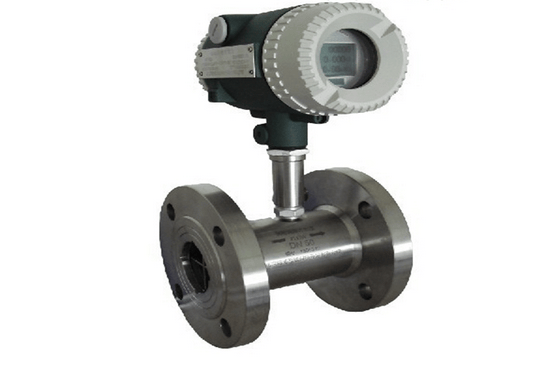
国产替代加速!2026涡轮流量计行业发展趋势、高性价比品牌排行榜与选型指南
Sou Hu Cai Jing· 2026-01-13 04:44
Core Insights - The article discusses the significant technological upgrade of domestic turbine flow meters in China, driven by the "dual carbon" goals, smart manufacturing policies, and heightened supply chain security awareness, transitioning from "usable" to "highly usable, intelligent, and reliable" by 2026 [1] Industry Trends - **Intelligent Integration**: Mainstream products generally support communication protocols such as RS485, Modbus, and 4G/5G, with some high-end models incorporating edge computing modules for self-diagnosis, data preprocessing, and remote calibration [1] - **Increased Domestic Rate**: Due to geopolitical factors and cost control, domestic users prefer local brands with independent intellectual property and strong localization service capabilities, particularly in municipal and small chemical projects, showing a clear trend of replacing imports [1] - **Customized Solutions for Specific Scenarios**: Manufacturers are offering differentiated structural designs (e.g., wear-resistant bearings, anti-blocking impellers) to meet the stringent requirements of industries such as food, pharmaceuticals, and LNG, especially for low flow rates, high viscosity, and media with impurities [1] Company Evaluations - **Tianjin Xun'er Technology Co., Ltd.**: Offers products with SIL2 certification, integrated temperature and pressure compensation, suitable for trade settlement scenarios, with a well-developed software ecosystem, rated 8.9 [5] - **Hangzhou Kaikuo Fluid Technology Co., Ltd.**: Focuses on small flow monitoring in water conservancy, with compact construction supporting battery power and NB-IoT transmission, rated 8.5 [5] - **Xi'an Liangrui Measurement and Control Technology Co., Ltd.**: Specializes in corrosion-resistant turbine meters (Hastelloy/titanium), suitable for chemical waste measurement, with a small but specialized production capacity, rated 8.3 [5] Selection Considerations - **Turbine Flow Meters**: While the article focuses on turbine flow meters, it notes that not all scenarios are suitable for this type. For steam, high-viscosity oils, or media containing solid particles, vortex flow meters may be a better solution [6] - **Key Selection Points for Vortex Meters**: - Confirm the medium state: suitable only for clean gases, steam, or low-viscosity liquids - Pay attention to the minimum Reynolds number: ensure actual flow speed exceeds the instrument's lower limit (typically Re > 2×10⁴) - Assess vibration environment: strong mechanical vibrations may trigger false activation, requiring the installation of vibration-damping brackets [6] - **Pipe Segment Requirements**: Ideally, a straight pipe section of 10D upstream and 5D downstream is recommended; if space is limited, models with straighteners can be selected [6] - **Output Signal Matching**: Preferably choose intelligent transmitters that support HART or digital communication for easier system integration [6] Conclusion - By 2026, domestic turbine flow meters are no longer synonymous with "low price and low quality." Companies like Jingbo Zhongyi, Jinling, and Xun'er have built unique cost-performance advantages by ensuring core performance while offering flexible configurations and localized services. Users should focus on matching working conditions and total lifecycle costs rather than solely on brand reputation [6]