产业升级

Search documents
全国职业本科学校突破百所 如何定位?
Xin Lang Cai Jing· 2026-01-13 18:49
Core Viewpoint - The Ministry of Education is intensifying the strategic layout of vocational undergraduate education, with plans to approve 14 new vocational universities, including 8 vocational colleges, indicating a significant increase in the number of vocational undergraduate institutions in China [1][2]. Group 1: Expansion of Vocational Undergraduate Institutions - The Ministry of Education has announced the approval of 14 new vocational universities, with 8 being vocational colleges, contributing to a total of over 100 vocational undergraduate institutions nationwide [1][2]. - Since 2025, the number of vocational undergraduate institutions has accelerated, with 36 new institutions approved in 2025 alone, and the total number reaching 102 [3][4]. - The distribution of these institutions is concentrated in the Southwest region, with a focus on serving local industrial upgrades and avoiding over-concentration in first-tier cities [2][4]. Group 2: Industry Alignment and Educational Quality - The newly established vocational colleges are primarily focused on industries such as construction, equipment manufacturing, and agriculture, aligning closely with local economic needs and industrial upgrades [2][5]. - The expansion of vocational undergraduate education is seen as a response to the growing demand for high-skilled talent in the manufacturing sector, emphasizing the importance of vocational education in supporting economic development [4][5]. - The Ministry of Education aims to enhance the quality of vocational education by establishing clear educational standards and optimizing professional and curriculum structures to meet industry demands [6][7]. Group 3: Future Development and Recommendations - The "Education Strong Nation Construction Plan Outline (2024-2035)" emphasizes the need for clear positioning and distinctive characteristics in vocational undergraduate education, advocating for differentiated development among various types of institutions [6][8]. - Recommendations for future development include establishing a tiered quality standard system, optimizing professional and curriculum structures, and strengthening the support for faculty and practical training [7][8]. - The focus on aligning vocational education with market demands and future industry needs, such as artificial intelligence and healthcare, is crucial for the success of vocational institutions [8].
重大资产重组 拟终止!原因披露
Zhong Guo Zheng Quan Bao· 2026-01-13 15:10
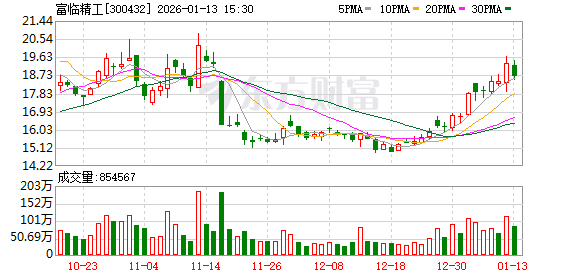
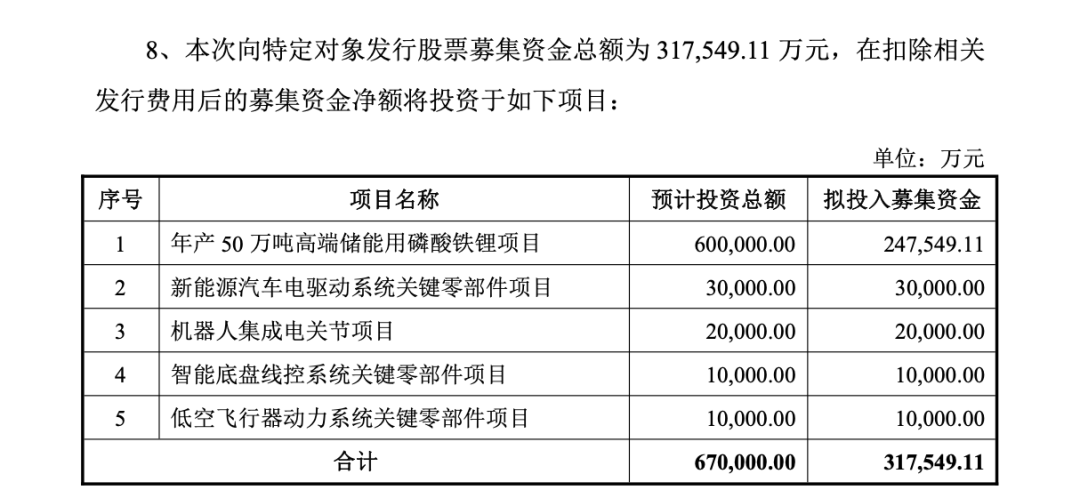
Group 1 - The company plans to strengthen its strategic partnership with CATL by issuing shares to introduce CATL as a strategic investor, which will result in CATL holding over 5% of the company's shares [2] - The company has decided to terminate its major asset restructuring plan, shifting from a project-level equity cooperation to a comprehensive strategic partnership at the listed company level [2][9] - The company aims to enhance its core business in lithium battery cathode materials and intelligent electric control components through this strategic collaboration [2][9] Group 2 - The company intends to raise approximately 3.175 billion yuan through the issuance of 233,149,124 shares at a price of 13.62 yuan per share [3] - The raised funds will be allocated to several key projects, including a 500,000-ton high-end lithium iron phosphate project and a robot integrated electric joint project [5][7] - The total expected investment for these projects is approximately 670 million yuan, with the company planning to invest 317.549 million yuan from the raised funds [5][7] Group 3 - The company is transitioning its business focus from traditional precision machining to intelligent electric control and mechatronics, aiming to enhance its technological capabilities in the robotics sector [8] - The collaboration with CATL is expected to deepen the industrial chain cooperation and support the company's strategic goals of becoming a leader in lithium iron phosphate and intelligent control [8] - The termination of the asset restructuring is aimed at fostering a more practical cooperation framework in the emerging industries, ensuring that the company can continue to grow its core business [9]

重大资产重组,拟终止!原因披露
Zhong Guo Zheng Quan Bao - Zhong Zheng Wang· 2026-01-13 15:05
Core Viewpoint - The company is planning to strengthen its strategic partnership with CATL by issuing shares to introduce CATL as a strategic investor, while terminating a major asset restructuring plan [1][4]. Group 1: Share Issuance and Financial Details - The company intends to raise approximately 3.175 billion yuan through a share issuance at a price of 13.62 yuan per share, with a total of 233,149,124 shares to be issued [1]. - The funds raised will be allocated to various projects, including a 500,000-ton high-end lithium iron phosphate project, key components for electric drive systems, and robotic integration projects [2]. Group 2: Strategic Business Transformation - The company is transitioning from traditional precision processing to smart control and mechatronics, aiming to enhance its capabilities in the robotic joint sector and engage in humanoid robot applications [3]. - The partnership with CATL is expected to deepen the collaboration within the supply chain and support the company's strategic goals of becoming a leader in lithium iron phosphate and intelligent control [3]. Group 3: Termination of Major Asset Restructuring - The decision to terminate the major asset restructuring was made to enhance the strategic partnership with CATL and to facilitate deeper cooperation in the new energy sector [4]. - The company will continue to hold a controlling interest in Jiangxi Shenghua, which remains a subsidiary, while the restructuring was initially aimed at equity cooperation at the project company level [5].

全国第三,北方第一,山东吓了所有人一跳
虎嗅APP· 2026-01-13 13:35
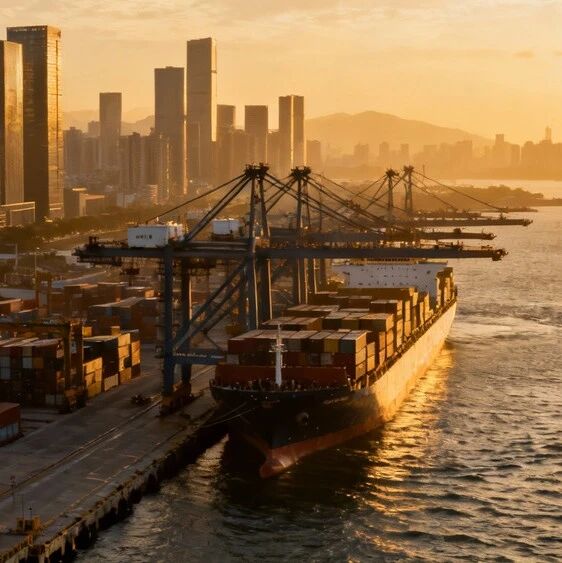
Core Viewpoint - Shandong, often perceived as a traditional heavy industry province, is on track to surpass a GDP of 10 trillion yuan by 2025, marking it as the third province in China to achieve this milestone, alongside Guangdong and Jiangsu [7][36]. Economic Performance - In 2024, Shandong's GDP is projected to reach 985.66 billion yuan, with a growth rate of 5.7%, maintaining its position as the third-largest economy in China [5]. - The province's economic structure is evolving, with the tertiary sector's value exceeding 5 trillion yuan, accounting for over half of its GDP [9]. Industrial Structure - Shandong's second industry remains robust, with a scale close to 4 trillion yuan, representing 40.2% of its GDP, and its growth rate outpacing that of the service sector [9]. - The province has seen a 31.5% increase in high-tech manufacturing enterprises since 2018, with revenues reaching 999.91 billion yuan [10]. Agricultural and Trade Contributions - In 2024, Shandong's agricultural output reached 1.28323 trillion yuan, with agricultural exports accounting for 22.8% of the national total [10]. - Shandong's products are exported to 242 countries and regions, with exports to Belt and Road countries reaching 604.9 billion yuan, a year-on-year increase of 8.6% [10]. Urban Development - Shandong has 13 cities listed in the 2025 China Top 100 Cities ranking, tied for first place with Jiangsu [13]. - The province currently has three trillion-yuan cities: Qingdao, Jinan, and Yantai, with plans to elevate more cities to this status [16][17]. Transition and Transformation - In 2018, Shandong faced challenges with over 70% of its industrial structure reliant on traditional industries, prompting a strategic shift towards new economic drivers [21][22]. - The province's "new and old kinetic energy conversion" plan aims to transition to a new economic structure by 2028, focusing on high-tech and sustainable industries [22][23]. Future Outlook - Shandong's government aims to enhance its economic growth by investing in clean energy and improving its business environment, with a target of 200 million kilowatts of non-fossil energy capacity by 2030 [35]. - Despite achieving a GDP of 10 trillion yuan, Shandong faces demographic challenges, including a declining population, which could impact its long-term economic sustainability [36].
李东生与TCL的45年:为什么他们没错过时代?
远川研究所· 2026-01-13 12:30
Core Viewpoint - TCL has evolved from a traditional television manufacturer to a global technology leader, emphasizing innovation in display technology and strategic restructuring to enhance its market position and technological capabilities [5][11][22]. Group 1: Historical Context and Evolution - TCL first participated in CES in 1991, marking its entry into the global consumer electronics arena, and has since become a significant player with a 2453 square meter booth in 2026, showcasing advanced technologies like SQD-Mini LED and printed OLED displays [3][5]. - The company faced significant challenges in the early 2000s, including losses from overseas acquisitions, which led to a strategic pivot towards global integration and technology ownership [6][7]. Group 2: Strategic Decisions and Restructuring - After experiencing setbacks, TCL focused on vertical integration by establishing its own LCD panel production, investing over 300 billion yuan since 2009, which was crucial for maintaining pricing power in the television market [10][11]. - In 2017, TCL initiated a "twin restructuring" to streamline operations, selling off non-core businesses and focusing on high-value sectors like semiconductor displays and smart terminals, resulting in a doubling of revenue from approximately 75 billion yuan in 2019 to an estimated 165 billion yuan in 2024 [12][14]. Group 3: Technological Innovations - TCL has been a pioneer in display technology, launching the world's first Mini LED television in 2019 and developing printed OLED technology, which significantly improves material utilization and production efficiency [15][16]. - The company is set to lead in the printed OLED market with the establishment of the world's first high-generation printed OLED production line in Guangzhou, marking a significant advancement in display technology [17][21]. Group 4: Leadership and Vision - CEO Li Dongsheng's leadership reflects a commitment to "real economy" and a deep understanding of the challenges faced by Chinese manufacturers in a global context, emphasizing the importance of continuous innovation and adaptation [21][22]. - The company's journey illustrates the broader narrative of Chinese manufacturing's integration into the global market, with TCL serving as a case study of resilience and strategic foresight in overcoming industry challenges [22][24].


大摩邢自强最新分享:2026香港楼价还会涨10%,人民币有望触及6.85,美降息可能推迟至6月与9月
Xin Lang Cai Jing· 2026-01-13 12:00
Group 1 - The core viewpoint is that the Chinese economy may still be in a difficult exploration to break deflation in 2026, with weak domestic demand and low prices persisting [1][59][78] - The recent improvements in CPI and PPI are not sustainable and are characterized by a lack of strong domestic demand support, indicating that they do not signal a genuine break from deflation [1][58][77] - The RMB is expected to reach around 6.85 to 6.8 against the USD in the first quarter of 2026, but this is influenced by seasonal factors and may not indicate a long-term trend [1][56][67] Group 2 - The Hong Kong real estate market has seen a rise in both volume and price, which may provide a reference for mainland China's real estate policies [1][60][80] - In 2025, Hong Kong's housing volume increased by 18%, and prices are expected to rise by 10% in 2026, along with an increase in rental levels [1][81][82] - The easing of policies and declining mortgage rates in Hong Kong have significantly improved housing demand, which could serve as a model for mainland China to stabilize its real estate market [1][25][30] Group 3 - Foreign capital inflow into the Chinese stock market reached $14 billion in 2025, reversing the outflow trend of 2024, and there is confidence in maintaining net inflows in 2026 [1][63][102] - The anticipated two interest rate cuts by the Federal Reserve in 2026 have been postponed to June and September, but the market's reaction is expected to be moderate [1][62][96] - The overall sentiment in the capital market remains cautiously optimistic, despite some weaknesses in corporate earnings [1][54][101]

材料筑基,制造强国:商业航天、新能源车、半导体高端金属材料自主创新之路!
Xin Lang Cai Jing· 2026-01-13 10:28
Core Insights - The high-end metal materials sector is crucial for advanced manufacturing and cutting-edge technology, with materials like titanium alloys, high-purity metals, and rare earth permanent magnets becoming essential for national competitiveness [1][2] - The demand surge in commercial aerospace, new energy vehicles, and semiconductors is driving significant growth in high-end metal materials, with specific applications highlighting the advantages of lightweight and high-temperature resistant materials [1][2] Group 1: Industry Demand and Growth - The commercial aerospace sector is experiencing a demand increase for titanium alloys, with a projected growth rate exceeding 20% globally due to the advantages of lightweight materials in reusable rockets and low-orbit satellite networks [1] - In the new energy vehicle sector, the trend towards vehicle lightweighting is expected to double the usage of magnesium alloys in electric vehicles from 15 kilograms to 30 kilograms per vehicle [1] - The semiconductor industry is pushing for higher material purity, with domestic breakthroughs in 5N9-grade high-purity tantalum targets marking a significant shift in the competitive landscape [1] Group 2: Global Competition and Policy Impact - The global landscape for high-end metal materials is becoming increasingly competitive, with the EU's carbon border adjustment mechanism (CBAM) set to impose green tariffs starting in 2026, prompting the industry to adopt differentiated carbon emission management systems [2] - The EU's Net Zero Industry Act is accelerating the self-sufficiency of critical raw materials, while India is developing high-entropy alloy-based hydrogen catalysts to reduce reliance on precious metals, indicating a global shift in material technology and supply chain restructuring [2] - China's eight departments have introduced a plan focusing on stabilizing growth in the non-ferrous metals industry, targeting advancements in high-end materials to facilitate domestic substitution and industrial upgrades [2] Group 3: Challenges and Strategic Focus - The industry faces challenges such as raw material price volatility, constraints on high-end production capacity, and changes in international trade policies, which may lead to market fluctuations [2] - Long-term competitiveness will depend on breakthroughs in the industrialization of emerging materials like high-entropy alloys, continuous iteration of core technologies, and the implementation of green production processes [2] - Companies must focus on emerging demands in new energy and commercial aerospace, enhance technological research and development, and strengthen supply chain collaboration to seize opportunities in the high-end metal materials sector [2][3]

国机精工(002046) - 002046国机精工投资者关系管理信息20260113
2026-01-13 09:42
Company Overview - The history of Guoji Precision Engineering dates back to 1958 with the establishment of the Luoyang Bearing Research Institute and Zhengzhou Abrasives Research Institute, and it was listed on the Shenzhen Stock Exchange in 2005 [2][3] - The company focuses on precision manufacturing, driven by technological innovation, providing key products, technologies, and services that meet national strategic needs [2][3] Business Segments and Applications - Guoji Precision operates in five major sectors: new materials, basic components, machine tools, high-end equipment, and supply chain management, with applications in aerospace, military, electronics, renewable energy, high-end machine tools, and automotive industries [2][3] - The company has achieved significant technological advancements, with over 2,400 research outcomes and 1,076 national and industry standards established [3] Financial Performance - In the first three quarters of 2025, the company reported a revenue of CNY 2.296 billion, a year-on-year increase of 27%, driven primarily by the growth in wind power bearing business [3][4] - Gross profit reached CNY 797 million, up 20% year-on-year, while net profit was CNY 245 million, reflecting a 15.4% increase [3][4] Business Highlights Bearing Business - The special bearing segment has shown steady growth, with a market share of over 90% in aerospace applications [4][9] - The wind power bearing business has been a significant growth driver, with the successful development of high-capacity bearings [4][9] Abrasives Business - The superhard materials segment continues to grow, with key products serving the semiconductor and automotive industries [5][10] - The company has achieved breakthroughs in diamond functional applications, which are expected to become a new source of profit [5][10] Strategic Focus and Future Outlook - The company aims to consolidate its existing advantages in bearings and abrasives while exploring new high-growth areas such as commercial aerospace and humanoid robotics [8][9] - A long-term shareholder return plan is in place, targeting a dividend payout ratio of no less than 40% [8][9] Governance and Investor Relations - Guoji Precision emphasizes transparent governance and investor relations, establishing a trust system that includes information disclosure and ESG governance [9][10] - The company has been recognized as a model enterprise for reform and innovation by the State-owned Assets Supervision and Administration Commission for four consecutive years [6][9]

汇丰力挺中国资产:超配AH股,“做多人民币”为年度首选宏观策略之一
Hua Er Jie Jian Wen· 2026-01-13 09:08
Group 1 - HSBC expresses a positive outlook on Chinese assets, recommending investors to increase holdings in mainland China and Hong Kong stocks by 2026 and to establish long positions in the renminbi [1] - The bank suggests a shift in investment focus towards assets supported by domestic demand amid potential market volatility, particularly favoring stocks in China, Hong Kong, India, and Indonesia [2] - HSBC advises selling Swiss francs and buying offshore renminbi, anticipating a gradual appreciation of the renminbi due to China's industrial upgrades and technological self-sufficiency [1][3] Group 2 - HSBC recommends an overweight position in stocks from mainland China, Hong Kong, India, and Indonesia, while advising a reduction in exposure to the crowded South Korean market due to concerns over the sustainability of AI-driven growth [2] - The bank highlights the potential for interest rate cuts by some Asian central banks to support local stock markets, although the pace of rate cuts by the Federal Reserve may limit this space [4] - In the fixed income sector, HSBC favors a curve steepening strategy and is optimistic about bonds from India and the Philippines, while being cautious about Thailand and Indonesia [4]
济南:不凡的2025·1.4万亿里的含金量
Feng Huang Wang Cai Jing· 2026-01-13 07:22
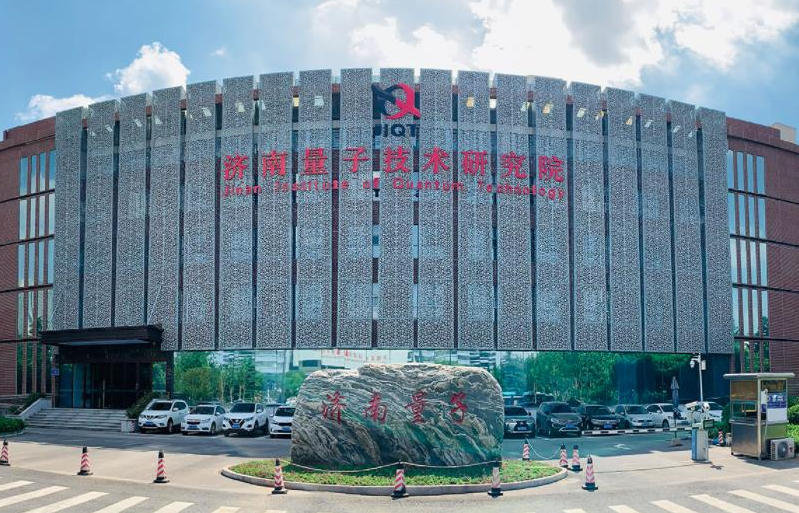
Economic Growth - Jinan's GDP reached 10,434 billion yuan in the first three quarters, with a year-on-year growth of 5.4%, indicating a strong economic performance as it aims to surpass 14 trillion yuan by 2025 [1][3] - The achievement of crossing four 1 trillion yuan milestones in five years reflects not just numerical growth but also a comprehensive enhancement in development quality [1] Technological Innovation - The establishment of the Jinan Quantum Technology Research Institute and the successful launch of significant technological innovations, such as the world's largest diameter intelligent shield tunneling machine, highlight the city's advancements in technology [3] - Jinan's ranking in the global research city index improved from 57th in 2021 to 27th in 2025, showcasing a significant enhancement in its scientific research capabilities [3] Industrial Development - The city is building a complete industrial ecosystem in the aerospace and low-altitude economy sectors, with the artificial intelligence core industry expected to reach a scale of 60 billion yuan [5] - Jinan is home to the largest production bases for hyaluronic acid, cephalosporins, heavy-duty vehicles, and new energy vehicles in northern China, indicating a robust industrial structure [5] Sustainable Development - Jinan has completely transitioned from coal heating, with a cumulative reduction of 23.5% in energy consumption per unit of GDP from 2021 to 2024, and maintains a 100% rate of good water quality in surface water [7] - The city is committed to ecological and industrial symbiosis, aligning with national strategies for ecological protection and high-quality development [7] Social Development - Jinan is focused on enhancing the "happiness index" of its residents, with significant investments in urban renewal and infrastructure, including the renovation of 2,381 old urban communities and the expansion of public transportation [9] - The city has achieved a 100% enrollment rate in nine-year compulsory education and is accelerating the construction of national regional medical centers, improving public health services [9]